
 Have a question? +971 56 404 0503




Home Integrator
NATUZZI ITALIA @ Milano Design Week 2025


Rooted in Harmony – Amama by Andrea Steidl
Natuzzi Italia presents at the Milan Design Week 2025 its new collection “Rooted in Harmony”, marking another step in the brand’s evolutionary journey. Starting from its roots—the symbolic identity and concept of the collection—through its values and DNA, the collection embodies a deep connection to the brand’s origins.
Rooted in Harmony is an invitation, visually represented by the symbol of the “root” to be presented during the week, to go back to the roots and find the essence of the brand: a constant search for beauty in its timeless forms. The root symbolizes the history of the brand and its deep connection to Puglia, where it all began 66 years ago.
The brand presents itself at this major event more mature in terms of style and merchandising strategy. The new 2025 collection reaffirms Natuzzi Italia’s position as a lifestyle and interior design brand. The showroom on Via Durini will provide the backdrop for the new chapter of The Circle of Harmony—Rooted in Harmony, the stylistic exploration project that began in 2020 with the aim of creating a physical and virtual community where artists, architects, and designers design and imagine the stylistic evolution of Natuzzi Italia, with its heritage as the cornerstone of this journey.

The new collection marks the return of successful collaborations with Andrea Steidl, Karim Rashid, Marcantonio, and Mauro Lipparini. Furthermore, thanks to the talent of the Natuzzi design center, a new project for the Comfortness collection will be presented, introducing innovative products designed for an evolved vision of comfort, a fundamental element of the brand’s DNA—one that extends to wellness, going beyond mere physical sensation toward the balance of body and mind. The collection will also be enriched with new proposals for tables, rugs, and lamps.
After the success of the Mirai project, designed by Andrea Steidl for Natuzzi Italia in 2024, which won prestigious design awards such as the European Product Design Award, Good Design Award, Elle Deco China – Best of 2024, and Archiproducts Design Award, Steidl is back with Amama. This is a modular sofa designed to redefine the concept of conviviality and versatility, offering island configurations with bifacial options for a modern and unusual living experience. Hence, the evocative palindromic name, Amama.

“I reflected not only on the formal value of the project but also on its use.” Said Andrea Steidl. “Through the dialogue between something soft and comfortable and contrasting solid and architectural elements, I imagined a space where you could read a book or have a drink comfortably seated, in a convivial moment. A solution that strengthens the characteristics of a 360-degree home, an open living space that develops in multiple directions, offering its inhabitants a freer and more versatile experience.”
From the analysis of architecture and ways of living comes a new approach to design, where armrests and backrests transform into multifunctional elements: support surfaces, shelves, tables, or containers. The idea is to expand space with cantilevered structures, creating a fluid dialogue between the softness of the seat and the solidity of a piece of furniture in perfect continuity. It is a balance between contrast and harmony, where aesthetics and functionality merge.
A dynamic project, then, where multiple elements of different consistencies and materials coexist in a play of superimpositions and geometries, opening up to multidirectionality and multifunctionality, combining the sense of comfort with the freedom of composition and use. A new approach to living that blends aesthetics, flexibility, and functionality, extending to living and dining elements of the same collection.

Amama is also a project designed for the Contract sector, on which Natuzzi Italia is focusing with extraordinary determination. A significant example is the recent launch of the Natuzzi Harmony Residences in Dubai, a 10,000 square meter complex with 50 units spread over 9 floors, where the brand took care of every aspect of architectural and creative design, from interiors to exteriors. This is an important milestone in Natuzzi’s journey, where it fully expressed its vision of lifestyle and harmonious living—a concept that will also be showcased at the flagship store in Milan on Via Durini during Milan Design Week.










Attributed to Twinkle Aswani, Editorial division, Integrator Media
Dubai’s push to become a global hub for healthy longevity is moving into a new phase, with the emirate formally setting out a regulatory and investment framework for a sector expected to span healthcare, wellness, technology and increasingly, the built environment.
On Sunday, H.H. Sheikh Hamdan bin Mohammed bin Rashid Al Maktoum approved the strategy and operating budget of the Dubai Longevity Authority, moving the body from establishment into implementation. Created in June, the Authority is the world’s first dedicated regulator for the Longevity, Wellness and Advanced Health sector, with a mandate covering research, clinical trials, manufacturing, commercialisation, investment and infrastructure.
While the strategy is rooted in healthcare and life sciences, its wider focus on healthspan, quality of life and supporting infrastructure comes as wellness is already becoming a significant part of the UAE real estate market.
According to the Global Wellness Institute, the UAE’s wellness real estate market grew from USD 3.3 billion in 2017 to USD 14.6 billion in 2025, with the segment now accounting for more than 12% of total construction making the country among the world’s fastest-growing wellness real estate markets
The shift is increasingly visible in Dubai, where a growing number of developments are moving beyond conventional gyms and swimming pools towards concepts centred on sleep, air and water quality, movement, recovery, biophilic design, social connection and preventative wellbeing.
One example is EYWA Tree of Life by R.Evolution, positioned as Dubai’s first fully longevity-led residential development, using neuroarchitecture and biophilic design principles to create an environment designed to support residents’ long-term health and wellbeing.
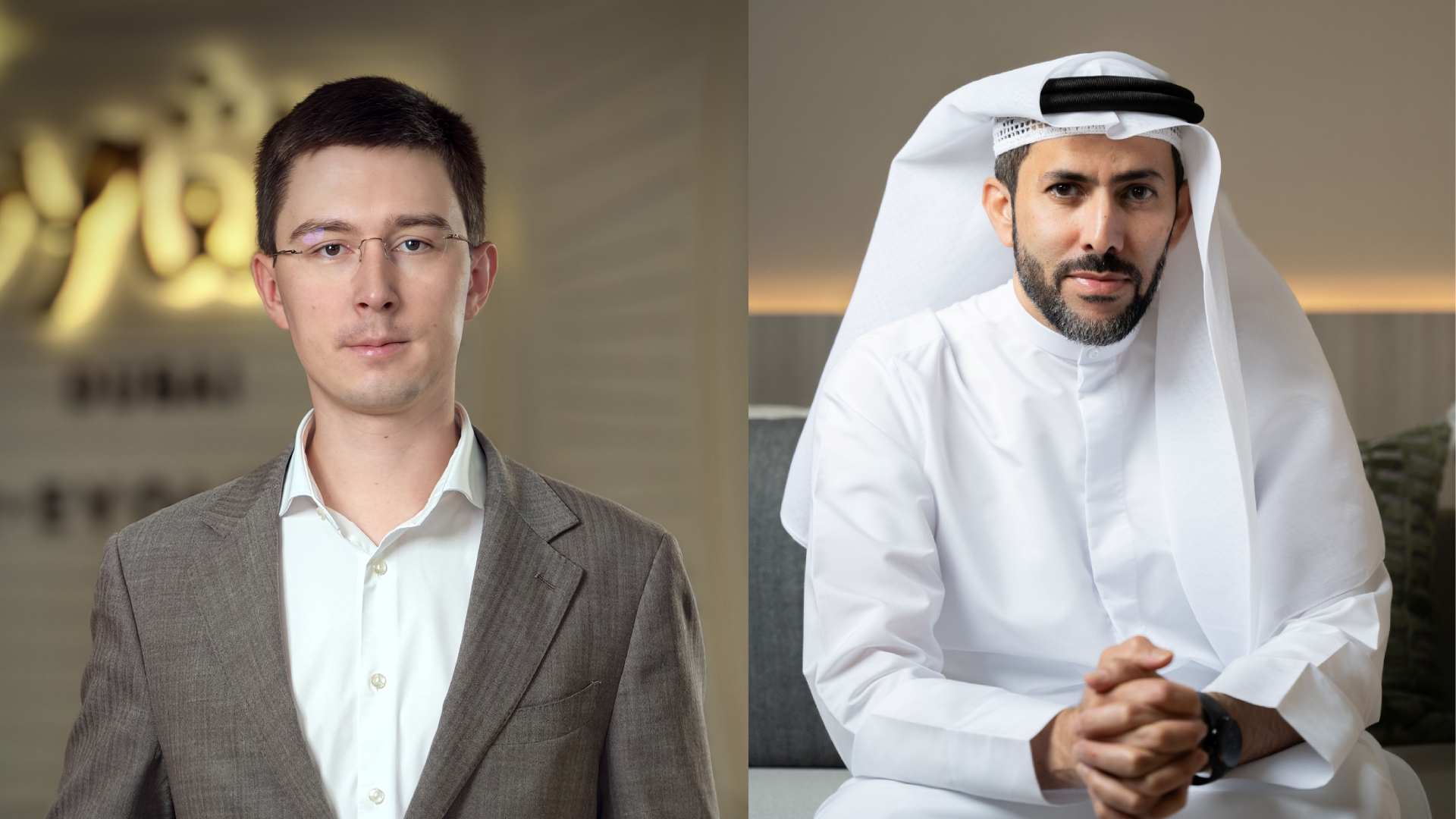
“The significance of the Longevity Authority is that it broadens the conversation from treating illness to supporting healthspan over the long term. We spend around 90% of our time indoors, so the built environment has a meaningful role in how well we live and age. Longevity in real estate therefore goes beyond adding wellness amenities. It means considering how every element of a home, from air quality and light to movement, recovery and social connection, can support healthier daily routines over many years. As this thinking becomes more established, it could begin to influence wider industry expectations, shaping how developments are designed, planned and, potentially, regulated in the future.” said Igor Karpikov, CCO of R.Evolution.
The movement also coincides with the UAE’s growing position as a global wellness destination. Industry analysis has previously placed the country among the world’s top 20 wellness and spa tourism destinations, with wellness travellers spending more than USD 5 billion in 2022 and per-trip expenditure exceeding USD 1,500. Dubai has continued adding high-end preventative health, longevity and wellness concepts aimed at an international clientele.
That demand is beginning to influence expectations in residential real estate as well. For affluent buyers, luxury is increasingly being defined by the quality of the environment around them and whether a home can support healthier daily routines over the long term.
“Dubai recorded 296 home sales above USD 10 million in the first half of 2026 alone, showing the depth of its HNWI buyer base. For these buyers, the conversation is increasingly moving beyond size and finishes towards the quality of the environment and how a home supports everyday life. As longevity develops into a more structured sector, these considerations are likely to move from being differentiators in selected projects to more established purchasing criteria across the premium market, particularly as more affluent buyers choose Dubai as a long-term home.” said Abdulla Lahej, Chairman of Amaal.
The creation of a dedicated Longevity Authority could accelerate that transition. Its remit includes attracting investment and talent, establishing regulatory standards and creating an environment in which longevity-focused businesses can test and scale new products and services. As that ecosystem develops, Dubai’s next generation of residential developments could increasingly be shaped around the question: What is this home doing for the health of the person living in it?
Home Integrator
Sobha Realty Expands into the United States and Australia with Land Secured in Both Markets
Sobha Realty has commenced operations in the United States and Australia, securing land for its initial residential projects in North Dallas, Texas, and Southeast Queensland. The expansion marks the next stage of the developer’s international growth, with a phased approach shaped by local housing needs and delivery partnerships in each market.
In the United States, the company is planning single-family home communities in Celina and Frisco, within the Dallas–Fort Worth metropolitan area. In Australia, it has acquired sites in Brisbane and on the Gold Coast. Both programmes will be supported by company equity and local financing, with projects tailored to the requirements of buyers in each market.
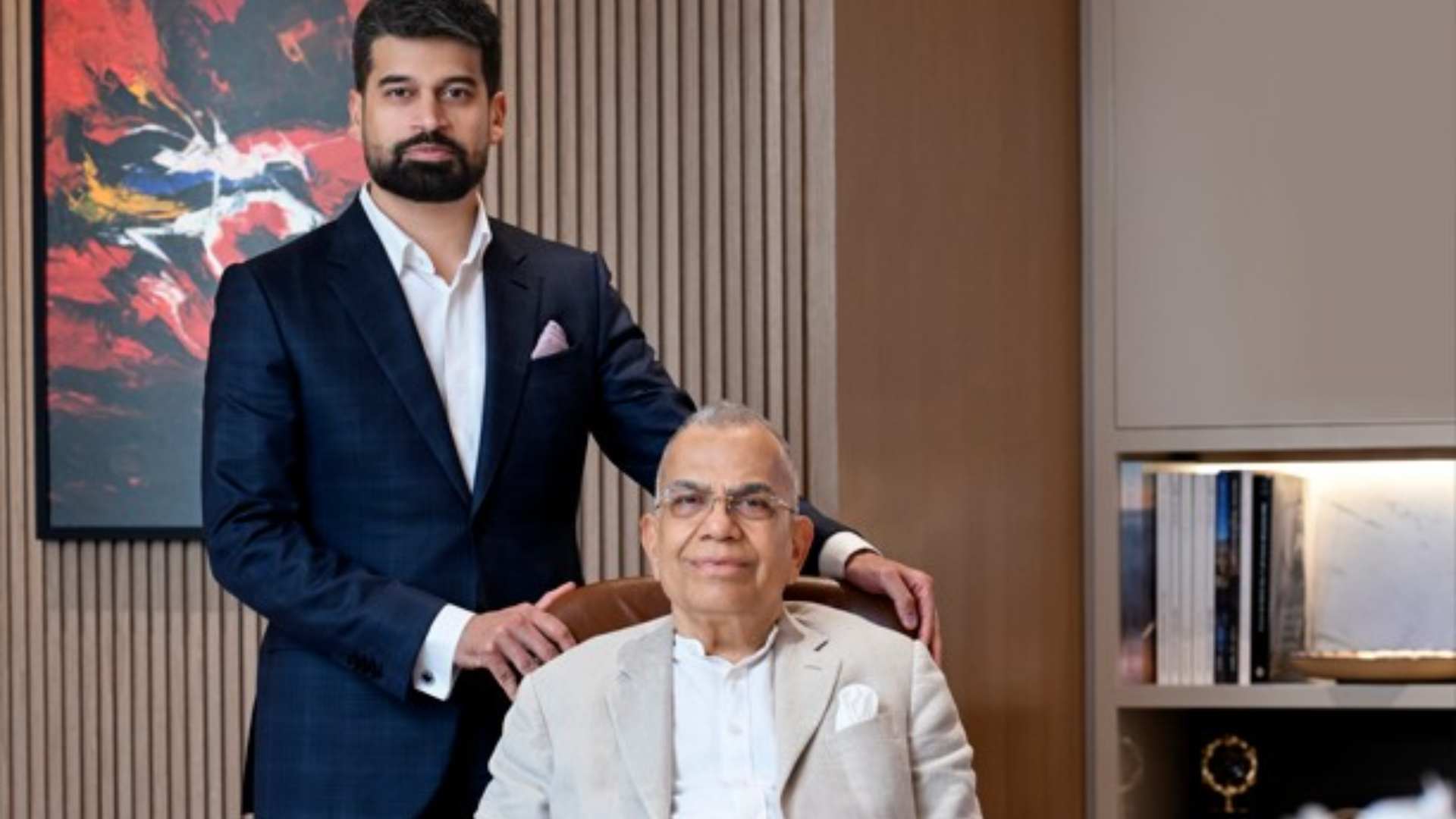
Mr. PNC Menon, Founder of Sobha Group, said: “Our expansion into the United States and Australia reflects a long-term commitment to building an international business grounded in quality and trust. Over five decades, we have developed a discipline that places responsibility for the finished product at the heart of every decision. As we enter these markets, our priority is to apply that experience with a clear understanding of local needs. We intend to earn our position through the communities we create and the lasting value we deliver to homeowners.”
Mr. Ravi Menon, Chairman of Sobha Group, said: “The United States and Australia are important markets in Sobha’s next phase of growth. Our strategy is to establish a focused presence in locations with strong housing demand and build scale through disciplined investment and phased delivery. Securing land in North Dallas and South East Queensland gives us a foundation for that approach. We intend to grow deliberately in both markets, creating homes shaped by local needs and built to the standards that define Sobha.”
United States
Sobha Realty has secured land in Celina and Frisco and plans to deliver a phased programme of single-family homes over the coming years. Sales in its first Celina community are expected to begin in 2027, with the programme funded through company equity and local lending.
The first two communities are planned in Celina. The initial development will comprise larger homes on generous lots adjacent to North Sky, followed by a broader community of family homes. Work on the Frisco site is expected to begin in 2027.
The homes will cater to move-up buyers and growing families. The company’s focus on North Dallas is informed by population growth and corporate relocations supporting residential demand across the region.
Beyond its initial sites, Sobha Realty is evaluating opportunities in Austin and Houston, as well as Dallas–Fort Worth submarkets including Southlake, Westlake and Flower Mound. Nashville, Phoenix and Florida are also under consideration as part of its longer-term growth plans.
Australia
Sobha Realty has acquired two sites in Southeast Queensland, in Brisbane and on the Gold Coast. A development application for the Fortitude Valley site in Brisbane is planned within the next month. Construction on both projects is expected to begin in mid-2027, subject to approvals.
The projects are being planned around Australian buyers and local conditions, supported by feasibility assessments undertaken in the market. For its initial developments, Sobha Realty is partnering with Australian tier-one builders, architects and consultants, with the aim of contributing a wider range of housing types and price points.
Company equity will provide the base funding, complemented by financing from Australian banks and non-bank lenders, with bank funding preferred. Beyond Queensland, the company is assessing opportunities in Sydney across apartments and house-and-land developments.
Local delivery and Sobha standards
Mr. Francis Alfred, Managing Director of Sobha Realty, said: “Our entry into these markets begins with understanding how people want to live and translating those needs into homes that combine thoughtful design, innovation and the quality associated with Sobha. In the United States, our initial focus is on single-family homes for growing families and buyers taking the next step in homeownership. In Australia, we are planning projects around local lifestyles and conditions, working with experienced partners. Across both markets, we will combine local insight with Sobha’s expertise in technology, design and quality assurance, building our presence thoughtfully while maintaining the standards that define Sobha.”
In the UAE, Sobha Realty’s Backward Integration model brings design, engineering, manufacturing and construction in-house, from concept to completion. Through Mission 70/70, the company is moving a growing share of construction off-site into highly automated factories, using technology, automation and precision manufacturing to enhance quality and consistency.
Its initial projects in the United States and Australia will be delivered with local partners, with the company intending over time to introduce elements of its Backward Integration model, including factory-built components and advanced construction technologies, into both markets.
The expansion builds on Sobha Realty’s Dubai delivery programme, with 6,000+ homes planned for handover in 2026 across communities including Sobha Hartland, Sobha Hartland II, Sobha Reserve, Sobha One and Verde by Sobha.
Home Integrator
Bollywood Superstar Salman Khan to Attend the Official Unveiling of Kenz De Rasasi at Beautyworld Middle East 2026
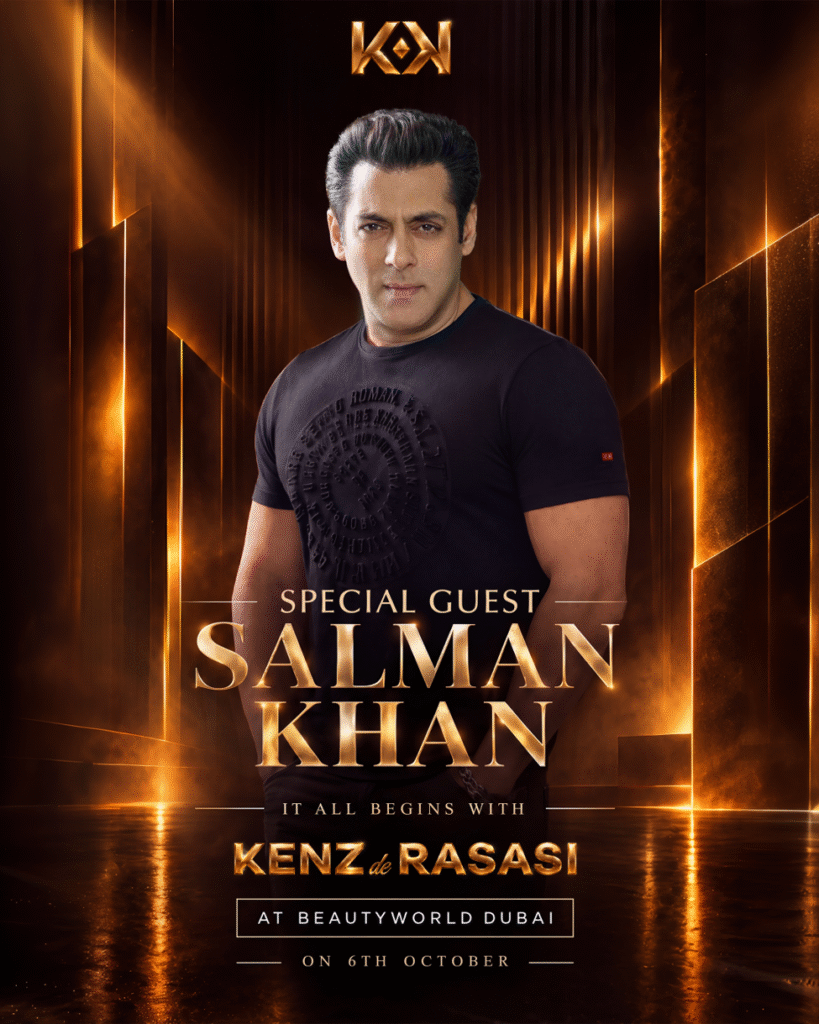
Kenz De Rasasi, the newest outlook of Rasasi Perfumes – contemporary luxury fragrance house born from the heritage of Rasasi Perfumes, will make its official debut at Beautyworld Middle East on 6 October 2026, with Bollywood superstar Salman Khan attending as Chief Guest for the brand’s official launch and unveiling.
Salman Khan will join Mr. Anis Abdul Razzak, Owner of Rasasi Perfumes and Chairman of AAR Group, for the unveiling, marking a significant new chapter in the Rasasi fragrance legacy.
Born from decades of perfumery heritage, Kenz De Rasasi has been created to rediscover and reimagine selected treasures from Rasasi’s legacy for a new generation of fragrance consumers.
The name itself reflects this philosophy. “Kenz” means “treasure” in Arabic, while “de” means “of” in French making Kenz De Rasasi, “The Treasures of Rasasi.”
Rather than simply revisiting existing creations, Kenz De Rasasi reimagines each treasure in its entirety from the fragrance and formulation to the bottle, packaging, design, positioning, storytelling and overall consumer experience. The character and heritage at the heart of each creation are preserved, while being given a contemporary new expression.
At Beautyworld Middle East 2026, Kenz De Rasasi will unveil eight fragrance collections, presenting the brand and its fragrance universe to international retailers, distributors, media, creators and the wider fragrance industry for the first time.
Conceptualised and creatively driven by Mr. Anis Abdul Razzak, Owner of Rasasi Perfumes and Chairman of AAR Group, Kenz De Rasasi represents an evolution from within the Rasasi family. Drawing upon decades of perfumery expertise while establishing a distinctive identity of its own, the brand has been created with the ambition of building a globally recognised contemporary fragrance house from Dubai.
Joining Mr. Anis Abdul Razzak for this milestone will be Bollywood superstar Salman Khan as Chief Guest, who will take part in the official launch and unveiling of Kenz De Rasasi at the brand’s Z6-A12 booth from 2:00 PM on 6 October.
The unveiling will bring together the heritage of Rasasi, the creative vision behind Kenz De Rasasi and one of Indian cinema’s most recognised personalities for the official introduction of the brand to the global fragrance industry.
Beautyworld Middle East marks the beginning of a new chapter for Kenz De Rasasi as it introduces its fragrance universe under one defining philosophy: KENZ DE RASASI – A LEGACY REIMAGINED.


Dubai Longevity Authority Could Accelerate Shift Towards Wellness-Led Homes

TiE Women MENA Crowns Five Regional Winners Ahead of GITEX Global Final

Beyond the camera: Why video surveillance is becoming a business intelligence tool



-
News11 years ago
SENDQUICK (TALARIAX) INTRODUCES SQOOPE – THE BREAKTHROUGH IN MOBILE MESSAGING
-

 Trending11 months ago
OPPO A6 Pro 5G Review: Reliable Daily Driver
-

 Tech News2 years ago
Denodo Bolsters Executive Team by Hiring Christophe Culine as its Chief Revenue Officer
-
 VAR1 year ago
Microsoft Launches New Surface Copilot+ PCs for Business
-

 Automotive2 years ago
AGMC Launches the RIDDARA RD6 High Performance Fully Electric 4×4 Pickup
-
Tech Interviews3 years ago
Navigating the Cybersecurity Landscape in Hybrid Work Environments
-
 Tech News2 years ago
Toshiba Announces MG10-D Series of Enterprise HDDs with Capacities up to 10TB
-

 Tech News1 year ago
Nothing Launches flagship Nothing Phone (3) and Headphone (1) in theme with the Iconic Museum of the Future in Dubai