
 Have a question? +971 56 404 0503




Home Integrator
tp bennett acquires Dubai-based design consultancy Bluehaus


tp bennett is pleased to announce the acquisition of Bluehaus, renowned for its architectural, design and engineering consultancy services, based in Dubai, UAE, with offices across the Middle East. This strategic move marks a significant milestone in tp bennett’s international expansion and reinforces its commitment to delivering innovative and sustainable architecture and design.
The acquisition of Bluehaus will enhance tp bennett’s international reach and bring on-board Bluehaus’ extensive experience of design and delivery in the Middle Eastern region. Bluehaus’ award-winning track record of high-quality design will complement tp bennett’s diverse projects and expertise across the UK and beyond. The collaboration will support tp bennett in its commitment to create world leading sustainable design at a global scale, with an integrated, multi-disciplinary approach.
“We are excited to welcome Bluehaus to tp bennett,” said Julian Sharpe, Principal at tp bennett. “This coming together of the two practices is a natural evolution of a relationship that has developed over more than 15 years of successfully collaborating and delivering projects together. This synergy aligns with our vision to expand our global footprint and leverage Bluehaus’ exceptional talent and experience across interior design, architecture and engineering. It enables us to deliver sustainable design services to clients that are increasingly demanding a strategic global partner.”
The partnership will deliver value across both markets by responding to rising demand for design that integrates advanced sustainability and smart technologies, with sophisticated thinking around how spaces support people and performance. Clients of both firms can expect a broader range of services and expertise, ensuring the highest standards of design and delivery.
Combining tp bennett’s architecture and interiors expertise with Bluehaus’ local design capability will enable a distinctive approach in a region that demands and drives ambitious, innovative design.
“We are proud to join forces with tp bennett,” said Ben Corrigan, Founder and Managing Director of Bluehaus. “We have genuinely shared values, both as designers and business leaders. Crucially, our commitment to design quality and providing an exemplary service for clients make this partnership a natural fit. We look forward to collaborating on groundbreaking projects across a range of sectors including hospitality, cinemas, entertainment, retail, healthcare, education and workplace.”
Bluehaus has amassed an impressive client list over its 23-year history, working with the biggest and most prestigious clients across the region such as Dubai Holding, PIF, EmiratesNBD, Jumeirah, Emaar and Seven as well as occupiers including Credit Suisse, Accenture, Blackrock, Amazon and Sales Force. tp bennett was founded over a century ago and now with offices in London, Manchester and Leeds has recently delivered headquarters for occupiers such as Deutsche Bank, Spotify and Meta, as well as Stonecutter, a major new office building in the City of London and a series of district hospitals in Ghana.
The acquisition is effective immediately and Ben Corrigan continues to lead the Middle East offices, ensuring stability and continuity in the region. He also joins the tp bennett Board.
“This partnership marks a bold new chapter for tp bennett and a significant milestone in our international growth journey” said Katia Polidoro, Principal at tp bennett. “Together, we are bringing a distinctive proposition to the region, uniting interior design, architecture, masterplanning and MEP engineering in a way that is both cohesive and impactful. Our independence and scale mean we are hugely invested in our clients, while delivering quality projects with purpose. It is this combination of agility, human touch, personal service, and creative excellence that drives the outcomes our clients value most.”









By Dr Ryan Copeland, Regional Medical Director, Middle East, International SOS
As traffic volumes continue to rise across Dubai and the UAE, particularly along heavily congested commuter corridors, employers face a growing responsibility to address one of the most underestimated workplace risks: driver fatigue. Recent reports of significant congestion on key routes connecting Dubai and Sharjah serve as a timely reminder that many employees are spending longer periods behind the wheel each day. For organisations whose employees drive for work, whether visiting clients, transporting goods, responding to emergencies, or travelling between sites, fatigue can significantly impair performance and increase the likelihood of serious road traffic incidents.
While organisations often focus on vehicle safety, defensive driving, and compliance measures, fatigue management should be viewed as a critical component of any duty of care programme. Unlike mechanical failures, fatigue can be difficult to recognise, yet its effects on concentration, reaction time, decision-making, and situational awareness can be profound.
Fatigue: More Than Just Feeling Tired
Fatigue is a physical and mental state that reduces a person’s ability to perform tasks safely and effectively. It may result from insufficient sleep, long working hours, stress, illness, dehydration, poor nutrition, or prolonged periods spent driving in congested traffic.
Long commutes, early starts, and frequent travel between emirates can contribute to chronic sleep debt, often before employees recognise its impact on performance.
Common warning signs include:
- Frequent yawning or heavy eyelids
- Difficulty concentrating or maintaining attention
- Missing road signs or navigation instructions
- Drifting within a lane
- Delayed reaction times
- Increased irritability or mood changes
Employers should educate both drivers and line managers to recognise these signs before fatigue becomes a serious safety risk.
Building Fatigue Awareness into Journey Risk Management
Driver fatigue should form part of every organisation’s journey risk assessment process. Managers should evaluate not only the distance being travelled but also the employee’s fitness to drive.
Key considerations include:
- Has the employee had adequate sleep in the previous 24 to 48 hours?
- Are they undertaking an early morning or late-night journey?
- Have they worked a prolonged shift before driving?
- Are they feeling unwell or taking medication that may affect alertness?
- Is the journey likely to involve extended periods in heavy traffic?
Organisations should avoid schedules that encourage rushed journeys, excessive driving hours, or inadequate rest. Where practical, virtual meetings, overnight stays, or alternative transport arrangements may offer safer options than long-distance road travel.
Sleep: The Foundation of Driver Safety
Good-quality sleep remains the most effective defence against fatigue.
Most adults require seven to nine hours of sleep each night to maintain alertness, concentration, and decision-making ability. Chronic sleep deprivation can significantly increase the risk of driving-related incidents.
Employers can support healthy sleep habits by encouraging employees to:
- Maintain consistent sleep and wake times
- Create a cool, dark, and quiet sleep environment
- Avoid heavy meals close to bedtime
- Limit caffeine intake later in the day
- Reduce screen exposure before sleep
- Seek medical advice for persistent sleep problems, snoring, or suspected sleep apnoea
Hydration and Nutrition Matter
The Gulf climate presents additional challenges for drivers. Even mild dehydration can contribute to headaches, poor concentration, fatigue, and reduced mental performance.
Employees should be encouraged to:
- Drink water regularly throughout the day
- Carry water during journeys
- Increase fluid intake during hot weather or after physical activity
- Limit excessive consumption of energy drinks and highly caffeinated beverages
Nutrition also influences alertness. Heavy meals can contribute to sluggishness, particularly during afternoon driving periods.
To help maintain concentration, drivers should aim for:
- Balanced meals containing lean protein, whole grains, fruits, and vegetables
- Healthy snacks such as nuts, yoghurt, or fresh fruit
- Regular meal timing to maintain stable energy levels
- Reduced reliance on sugary snacks that can lead to energy crashes
While caffeine may provide a temporary boost, it should never be viewed as a substitute for adequate sleep.
Practical Steps During Peak Traffic Periods
As congestion increases, employers should reinforce practical fatigue-mitigation measures:
- Encourage regular breaks during longer journeys
- Rotate driving responsibilities where possible
- Avoid scheduling consecutive high-mileage driving days
- Plan journeys outside peak traffic periods when feasible
- Use telematics and journey management tools to identify excessive driving exposure
- Include fatigue awareness in routine safety briefings
Drivers should also be reminded that opening a window, turning up the music, or consuming caffeine offers only temporary relief. If fatigue develops while driving, the safest option is to stop in a safe location and rest.
A Shared Responsibility
Managing driver fatigue is not solely the responsibility of the individual behind the wheel. It requires a coordinated approach involving employers, managers, occupational health teams, and employees.
By promoting healthy sleep habits, supporting hydration and nutrition, recognising warning signs, and embedding fatigue awareness into journey planning, organisations can significantly reduce fatigue-related driving risks.
As traffic volumes continue to increase during peak periods, companies that proactively address fatigue as part of their duty of care strategy will not only enhance road safety but also protect employee wellbeing, productivity, and organisational resilience. Ultimately, safer and healthier drivers contribute to safer roads for everyone.
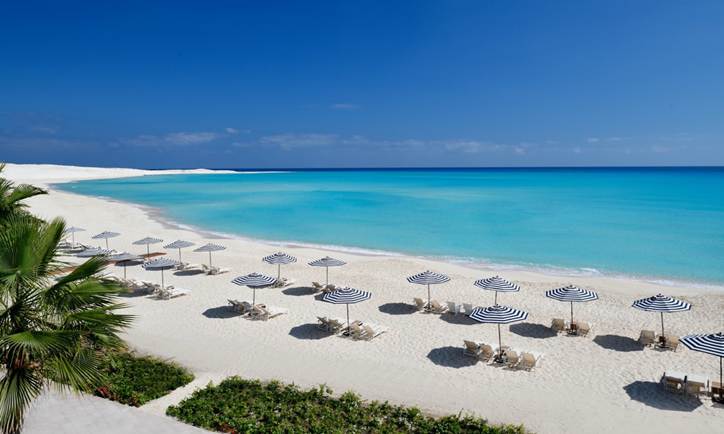
“U by Emaar”, Emaar’s lifestyle loyalty programme, announces its expansion into Egypt, bringing its rewarding experiences to Marassi and marking the latest chapter in the programme’s continued international growth.
The expansion welcomes five distinctive hotels in Marassi to the U by Emaar portfolio: Address Marassi Golf Resort, Address Beach Resort Marassi, Palace Beach Resort, Vida Marina Resort Marassi and Al Alamein Hotel. The addition gives members more opportunities to earn and redeem UPoints while experiencing one of Egypt’s most sought-after destinations.
A New Destination for U by Emaar
U by Emaar brings together hospitality, dining, wellness, entertainment, shopping and fitness through one integrated loyalty programme, rewarding members across the experiences they enjoy.
The arrival of U by Emaar in Egypt extends this experience to a new destination, giving members more places to enjoy the benefits of their membership while discovering the distinctive hospitality and lifestyle experiences of Marassi.
From beachfront stays and memorable dining to wellness and relaxation along Egypt’s North Coast, members can now experience more of Marassi while earning and redeeming UPoints along the way.
Experience Marassi with U by Emaar
Set along Egypt’s Mediterranean coastline, Marassi brings together hospitality, residences, dining, beaches and leisure experiences within one vibrant destination.
With U by Emaar, members can discover Marassi through five distinctive hotels, each offering its own interpretation of contemporary hospitality.
Address Marassi Golf Resort offers an elegant retreat surrounded by landscaped fairways, combining contemporary luxury with the signature service of Address Hotels + Resorts.
Address Beach Resort Marassi brings sophisticated beachfront living to Egypt’s North Coast, creating a relaxed Mediterranean escape complemented by dining and leisure experiences.
Palace Beach Resort offers an intimate beachfront experience defined by understated elegance, warm hospitality and the natural beauty of the Mediterranean coast.
Vida Marina Resort Marassi brings Vida’s contemporary and social approach to the heart of Marassi Marina, offering a vibrant base from which to experience the destination.
Al Alamein Hotel completes the portfolio with a distinctive beachfront retreat that celebrates the character, heritage and enduring appeal of Egypt’s North Coast.
Together, the five participating hotels create more opportunities for U by Emaar members to Stay, Dine and Relax, while earning and redeeming UPoints throughout their experience.
Growing the U by Emaar Experience
The expansion into Egypt reflects the continued evolution of U by Emaar and its commitment to creating a more connected loyalty experience across Emaar destinations internationally.
As the programme continues to grow, members can enjoy the familiarity of their U by Emaar membership across more destinations, with greater choice and more opportunities to be recognised and rewarded wherever their journeys take them.
Hakan Keskin, Head of Hospitality, Emaar Hospitality Group said: “Egypt is an exciting addition to the growing U by Emaar portfolio. Bringing the programme to Marassi allows us to give our members even greater choice, while connecting them with five distinctive hospitality experiences along Egypt’s Mediterranean coast. As U by Emaar continues to expand, our focus remains on creating meaningful experiences, recognising our members and making every journey with Emaar more rewarding.”
More Places. More Experiences. More Reasons to Be Rewarded.
The addition of Marassi strengthens U by Emaar’s international portfolio while staying true to the programme’s core promise: rewarding members across the experiences they enjoy.
Whether escaping to the Mediterranean, discovering a new dining experience or taking time to unwind, members can enjoy more opportunities to earn and redeem UPoints across participating venues in Marassi.
With Egypt joining the U by Emaar network, the programme continues to bring together more destinations and experiences under one rewarding membership.
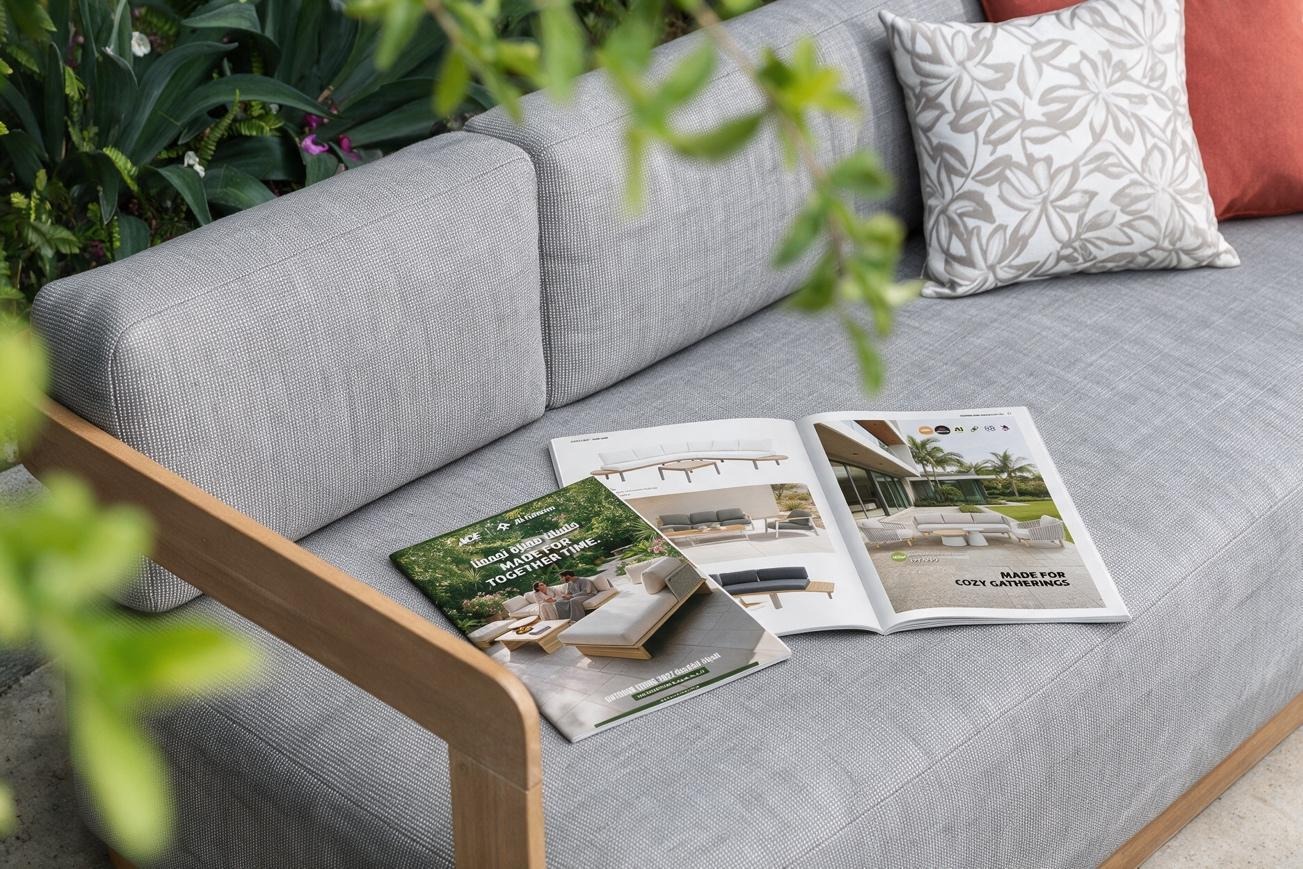
New collection brings together contemporary design, GCC-ready durability and complete outdoor living solutions for spaces of every size
Dubai, UAE – 25 September 2026: Al-Futtaim ACE has unveiled its new 2027 Outdoor Living Collection, inviting families across the UAE to make the most of the outdoor season. The collection offers stylish and practical solutions for connecting, entertaining and unwinding together.
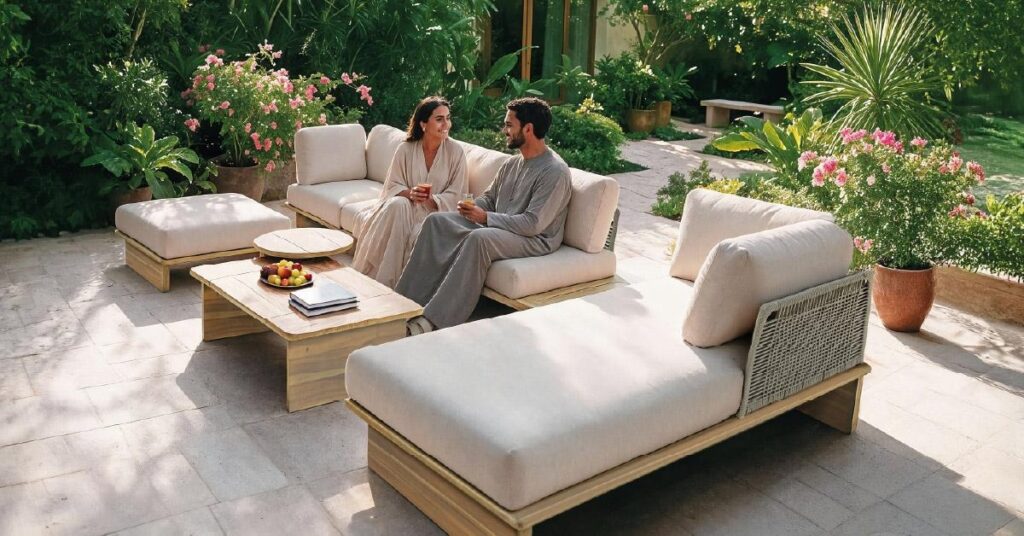
Inspired by the belief that some of life’s most meaningful moments happen when families come together, the collection is brought to life through the campaign “Styled for Together Time.” From relaxed mornings and family meals to weekend barbecues and evening gatherings, it reflects the many ways people spend time together outdoors.

With over 30 years of outdoor living expertise, Al-Futtaim ACE’s collection spans five zones: Lounge Living, Dining, Balcony Living, Relaxation, and Outdoor Entertainment, featuring furniture, outdoor kitchens, grills, gazebos, and accessories for spaces ranging from compact balconies to spacious villa gardens.
Designed for outdoor living in the GCC
Combining style with functionality, the collection has been developed with the region’s demanding climate in mind. Powder-coated aluminium and corrosion-resistant steel offer strength and everyday reliability. Selected collections also feature premium UV-resistant outdoor fabrics, designed to retain their colour and appearance despite prolonged sun exposure.
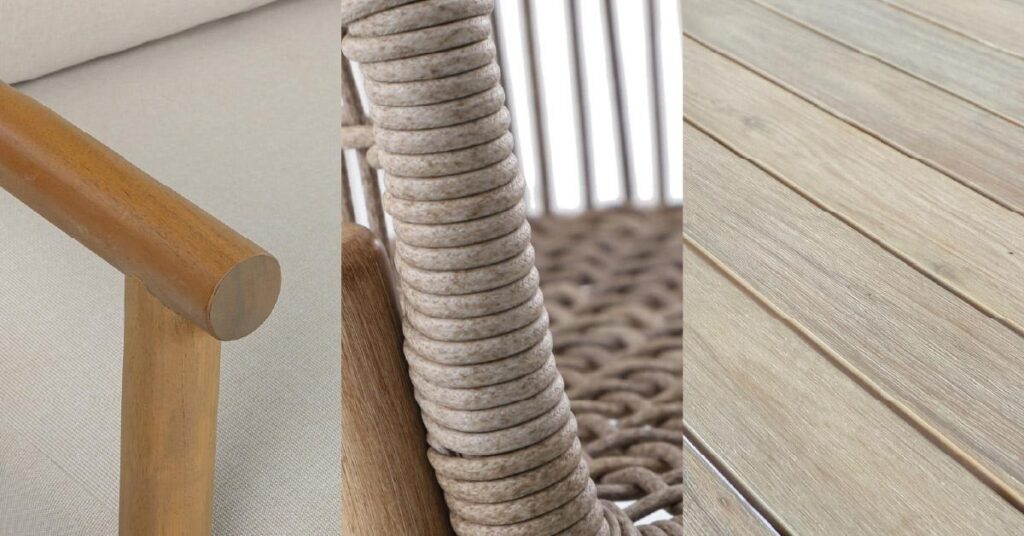
Responsibly sourced materials also feature across the range, including FSC® certified wood and recyclable metals. Available exclusively at Al-Futtaim ACE, these limited-quantity collections draw inspiration from global design trends, offering customers in the region a unique combination of style, quality, and value.
David Elliott, General Manager – Al-Futtaim ACE, said:
“Outdoor spaces are where so many memorable moments with family and friends take place. This collection has been thoughtfully curated to make those moments even better.
“As outdoor living specialists, we want to make it easier for customers to create spaces that work for the way they live. Whether it’s a compact balcony, family garden or larger entertaining area, the collection brings together style, quality and durability in one destination. Ultimately, it’s about giving our customers more time to enjoy the moments that matter most.”
A complete destination for outdoor cooking
Al-Futtaim ACE offers one of the region’s most extensive outdoor cooking ranges, bringing together world-leading brands including Broil King, Weber, Traeger, Char-Broil, and Blackstone under one roof. From gas and charcoal BBQs to smokers, griddles, electric grills, and accessories, ACE provides everything customers need for outdoor cooking and entertaining. Building on its category expertise, ACE will also bring back its popular barbecue tasting event later this year, allowing customers to experience the range firsthand with premium barbecue brands.
Making outdoor living more accessible
Customers can enjoy flexible payment options across the collection, including 0% instalment plans over 3, 6, 9 and 12 months, as well as Buy Now, Pay Later through Tabby.
To make refreshing outdoor spaces even easier, customers can also benefit from an introductory offer of free delivery on outdoor furniture orders above AED 999, alongside expert installation services and express delivery options for those looking for quicker delivery.
Customers can experience the 2027 Outdoor Living Collection at Al-Futtaim ACE flagship stores in Dubai Festival City, Yas Island, Dubai Hills and Dubai Festival Plaza. The new outdoor product catalogue will also be available online via the Al-Futtaim ACE UAE website.


UAE Ranks First Globally in Citizen Satisfaction with Government Digital Services at 89%, BCG Survey Finds

The Financial Sector Facing Its Black Swan: How AI Agents Are Redefining the Industry

100 UAE Students Recognised for Mathematics Achievements at Cuemath Parent Summit in Dubai



-
News11 years ago
SENDQUICK (TALARIAX) INTRODUCES SQOOPE – THE BREAKTHROUGH IN MOBILE MESSAGING
-

 Trending11 months ago
OPPO A6 Pro 5G Review: Reliable Daily Driver
-

 Tech News2 years ago
Denodo Bolsters Executive Team by Hiring Christophe Culine as its Chief Revenue Officer
-
 VAR1 year ago
Microsoft Launches New Surface Copilot+ PCs for Business
-

 Automotive2 years ago
AGMC Launches the RIDDARA RD6 High Performance Fully Electric 4×4 Pickup
-
 Tech News2 years ago
Toshiba Announces MG10-D Series of Enterprise HDDs with Capacities up to 10TB
-
Tech Interviews3 years ago
Navigating the Cybersecurity Landscape in Hybrid Work Environments
-

 Tech News1 year ago
Nothing Launches flagship Nothing Phone (3) and Headphone (1) in theme with the Iconic Museum of the Future in Dubai