
 Have a question? +971 56 404 0503




Automotive
Elite Group Holding and Jetour Ignite Liwa Festival 2026 with a Powerful Brand Showcase Across the Desert

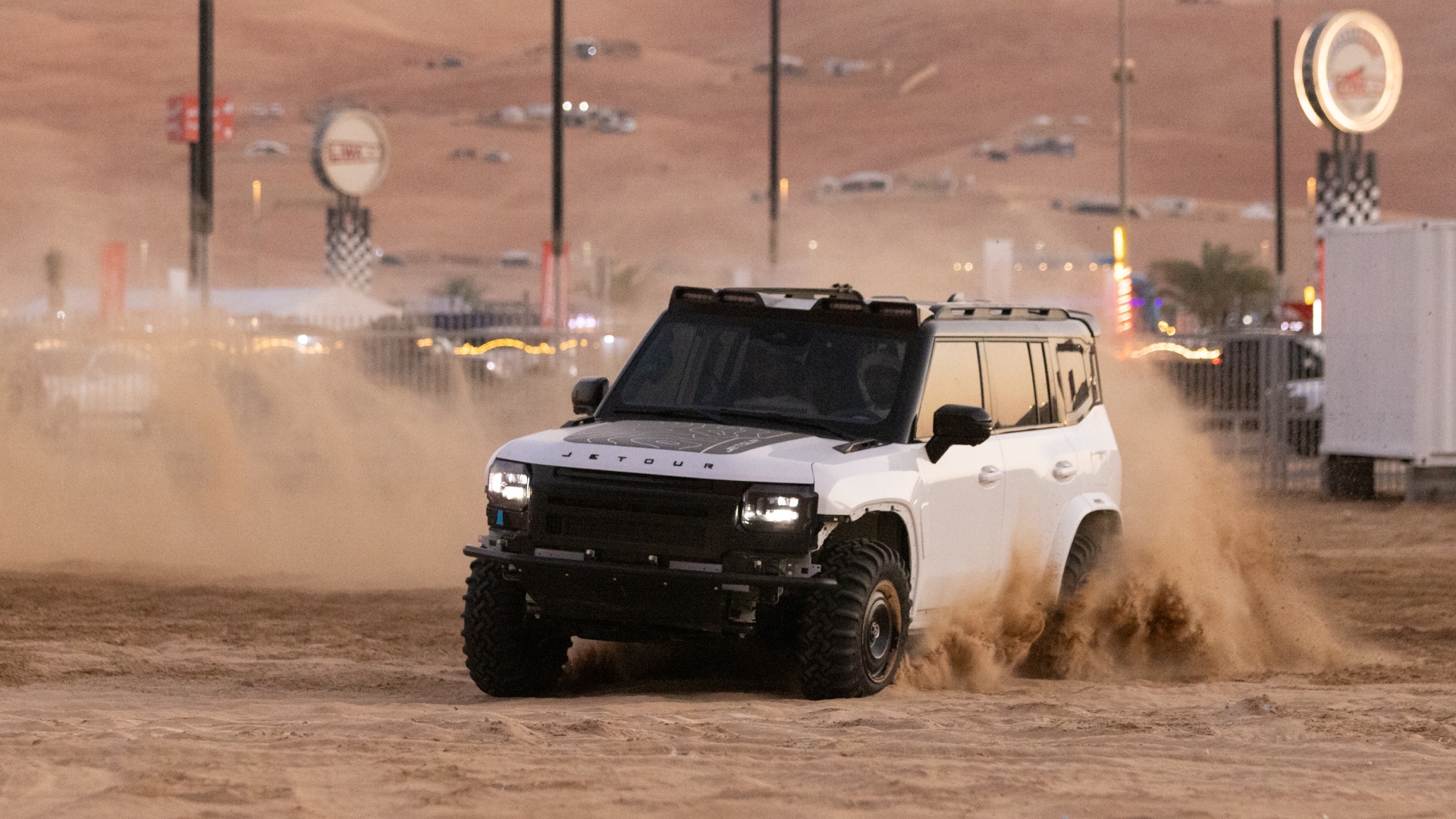
Jetour, in exclusive partnership with Elite Group Holding in the UAE, has officially kicked off the Liwa International Festival 2026 with a dynamic brand presence designed to celebrate adventure, culture, and community. As the festival opens its doors for a 23-day celebration in the Al Dhafra region, Jetour stands front and centre, welcoming visitors with interactive displays, premium experiences, and thrilling off-road moments that embody the spirit of Travel+.
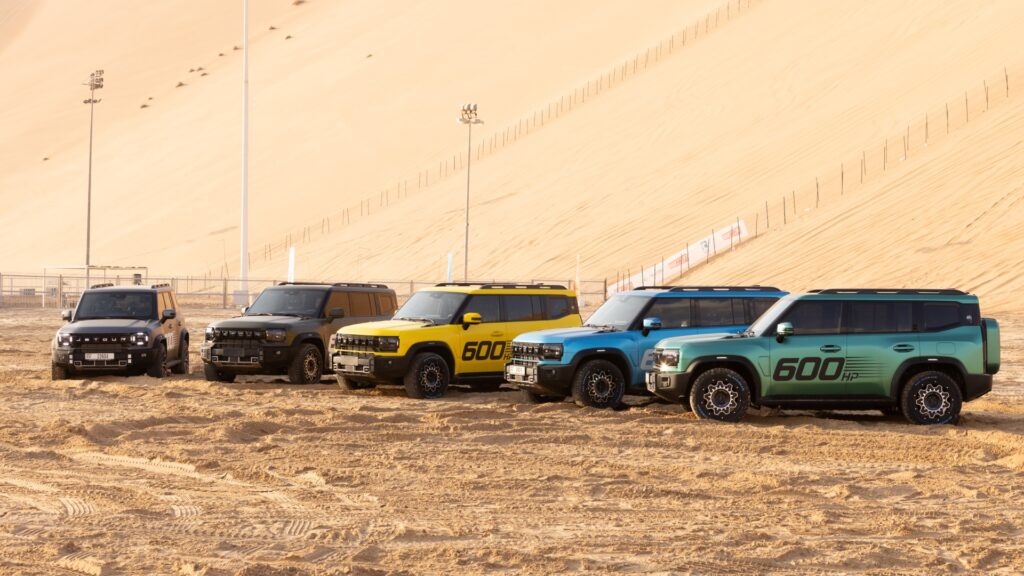
Recognised as one of the UAE’s most anticipated annual events, the Liwa International Festival welcomes thousands of visitors for an unforgettable celebration of heritage, motorsport, and entertainment. Set against the dramatic backdrop of Al Dhafra’s golden dunes, the festival features an extraordinary line-up of cultural showcases, high-energy competitions, nightly performances, and family-friendly attractions, all paying homage to the UAE’s deep connection to its desert traditions.
For the 2026 edition, Jetour will elevate the festival experience with a comprehensive presence across multiple zones, showcasing the brand’s innovation, exploration, and community engagement. Attendees can enjoy interactive test drives alongside lifestyle-driven hospitality experiences, with Jetour’s showcase crafted to highlight the versatility, capability, and premium comfort of its SUV line-up.
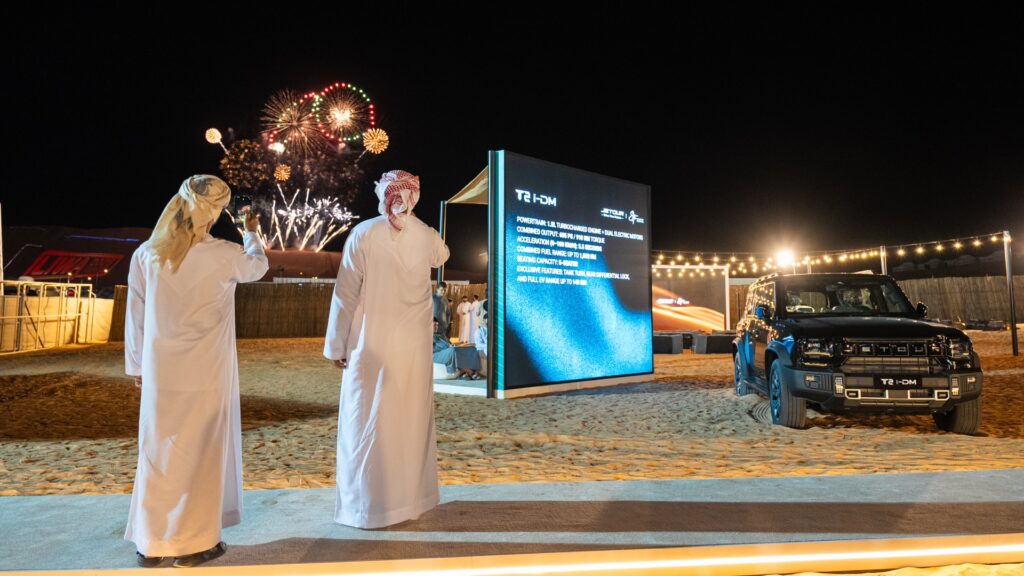
At the heart of the activation was the Jetour VIP Camp. During the first week, from December 12th to 14th, guests experienced a range of immersive cultural activities, including Arabic Tanoora performances, oud sessions, falconry, henna artistry, and traditional Dalla service. Additional weekends bring a world-music DJ fusion with international drummers and performers from December 19th to 21st, followed by an Eastern-inspired programme from December 26th to 28th featuring a Dragon show, Chinese calligraphy, Bian Lian performances, tea tasting, and more. Throughout the entire festival, the VIP Camp will boast a Majlis, outdoor cinema, refreshments, giant board games, neon installations, volleyball, and a photobooth, creating an elevated retreat for families and adventure-seekers.
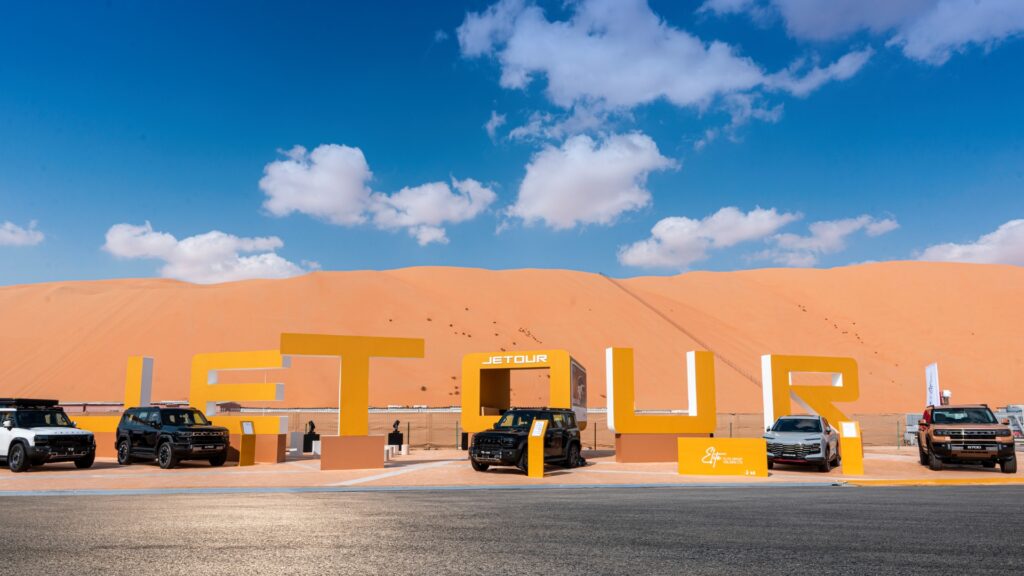
In the Corporate Area, Jetour presents a fully branded showroom-style display active from December 12th to January 3rd, featuring flagship SUVs including the G700, T2 i-DM 4WD, T2 Luxury Plus, T1, and Dashing. As the festival reaches its peak, Jetour will also command attention at Tal Moreeb from December 31st to January 3rd, where the imposing G700 takes centre stage beside the grandstand culminating with a spectacular New Year’s Eve show and fireworks.
“Our participation at this year’s Liwa Festival reflects Jetour’s passion for connecting with communities through truly immersive experiences,” said Haroon Hayat, Group CFO of Elite Group Holding. “Moments like this remind us that personal achievements are only possible when backed by the dedication of an exceptional team. We are proud to bring Jetour’s adventurous DNA to one of the UAE’s most celebrated cultural gatherings.”
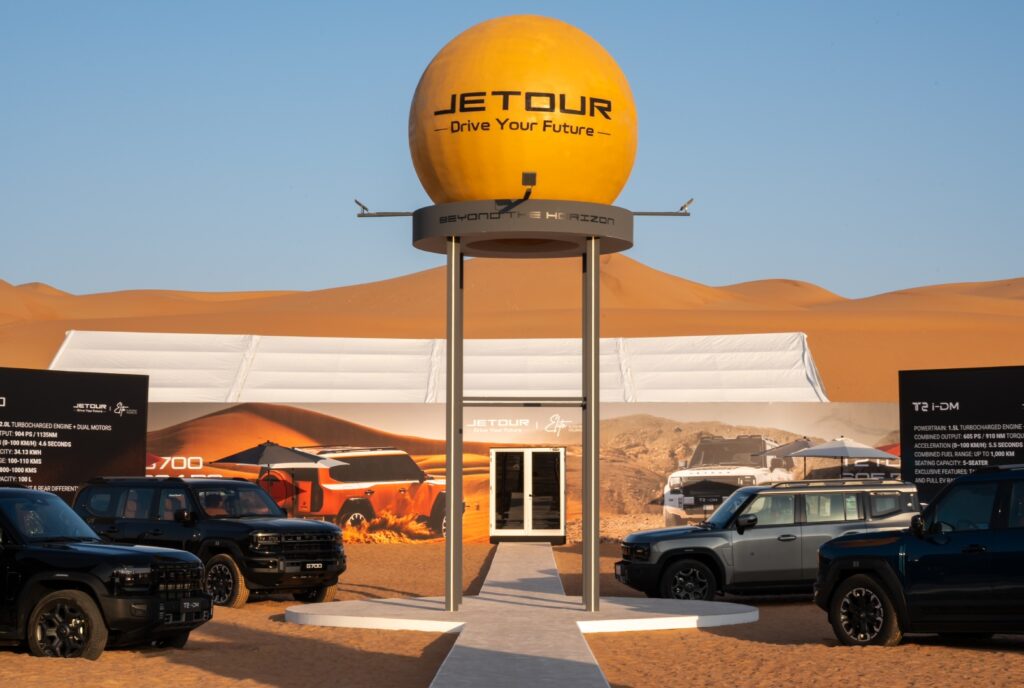
Jetour, under the exclusive distributorship of Elite Group Holding, continues to redefine the UAE’s SUV landscape with its Travel+ philosophy, delivering innovation, intelligent design, and powerful performance tailored for modern lifestyles. With a growing presence across the Emirates, Jetour’s premium SUV line-up is crafted for drivers who value capability, comfort, and discovery across both city roads and rugged terrain.
As Liwa International Festival 2026 begins its annual celebration of heritage and adventure, Jetour is ready to take attendees on a journey of excitement and discovery that captures the true essence of Travel+.









Automotive
Chinese Cars Are Reshaping the GCC Market, but Resale Value Could Be the Next Battleground

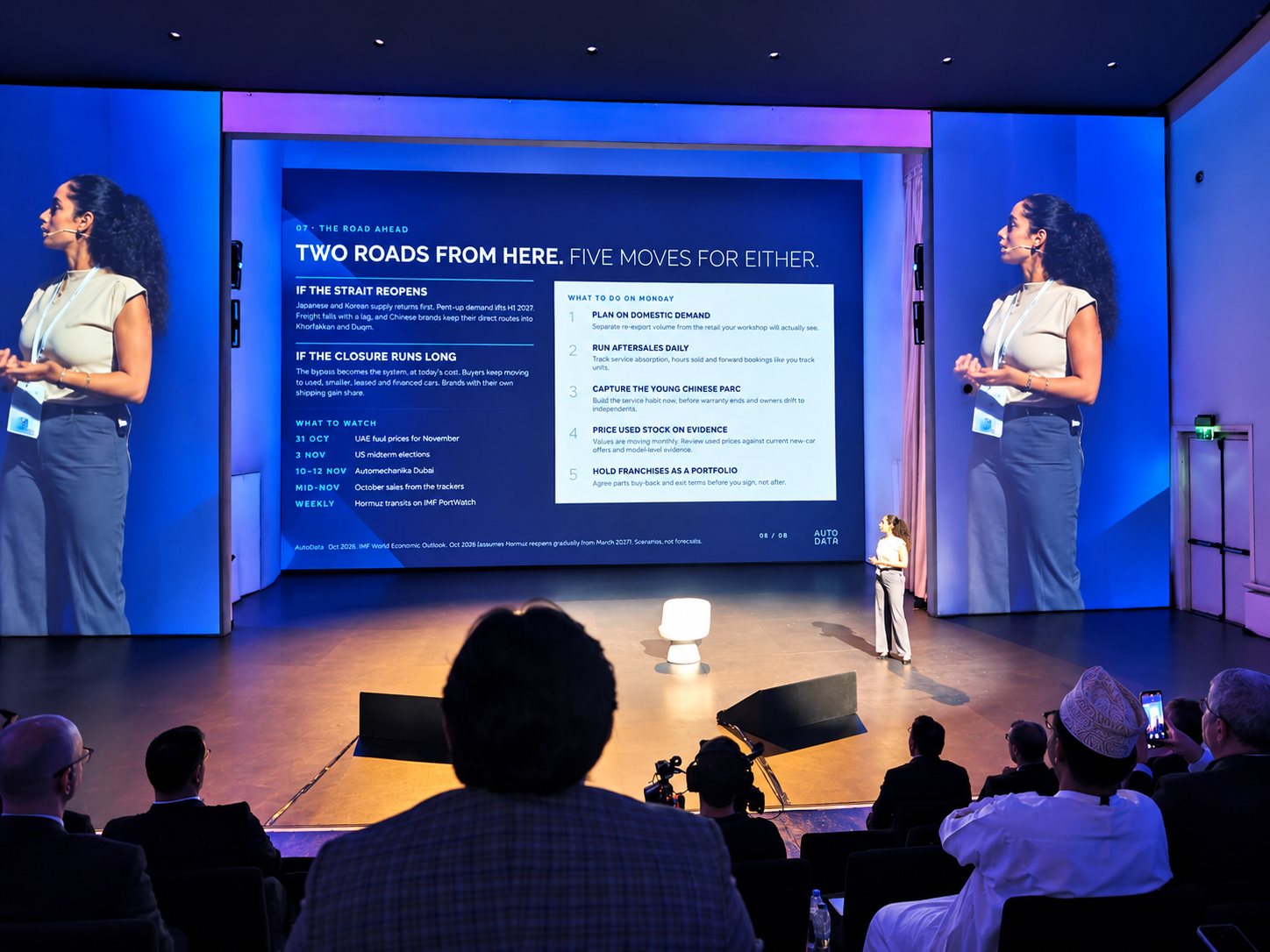
The GCC automotive market is undergoing a significant transformation. Chinese manufacturers are expanding their presence, established brands are navigating supply chain disruptions, and consumers are reassessing the economics of vehicle ownership.
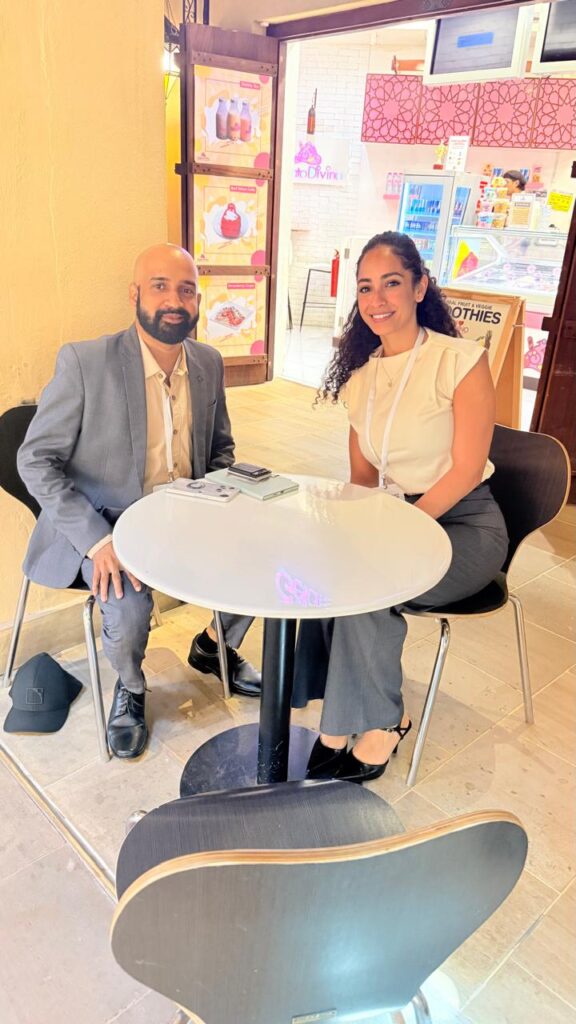
At Keyloop Fusion Live Dubai, Srijith KN, spoke with Nour Abu-Safe, Head of Insights & Analytics at AutoData Middle East, about the changing competitive landscape, the impact of regional logistics challenges, and the opportunities emerging for automotive retailers.
Drawing on market intelligence, vehicle valuation data and industry research, she explains why technology alone may not guarantee long-term customer loyalty, why hybrids currently offer stronger residual value, and why the next major opportunity for dealerships could lie in pre-owned Chinese SUVs.
How are disruptions around the Strait of Hormuz affecting established automotive brands, and could the market changes become permanent?
Initially, many believed the disruption would be temporary. However, the data is beginning to show that market conditions are solidifying and businesses are adapting.
Traditional manufacturers, particularly Japanese brands such as Toyota, Nissan and Lexus, are experiencing challenges getting inventory into the region.
Chinese manufacturers have been more agile because several operate their own vehicle carrier fleets and logistics networks. This has allowed them to establish alternative routes into the GCC.
We have seen a 90% reduction in Japanese vehicle imports into the region, linked to the disruption around the Strait of Hormuz.
Alternative routes through ports outside the Gulf and via the Red Sea and Saudi Arabia are increasingly being used. However, these arrangements are creating delays, with vehicles now taking approximately six to eight weeks to reach showrooms.
The important development is that the market is adapting. Some of the alternative logistics routes established during this period could remain in use for years to come.
Are Chinese automotive brands attracting an entirely new generation of buyers, or are they winning customers away from established manufacturers?
It is a combination of both.
Younger consumers, particularly those between 19 and 30, are increasingly attracted to Chinese vehicles because of their styling, advanced technology, competitive pricing and safety features.
For younger families, especially those entering parenthood, these features can be important purchasing considerations.
Chinese vehicles also tend to offer attractive warranty and servicing packages, making them appealing to consumers who want to reduce their overall ownership costs.
Older buyers, particularly those in their 40s and 50s, generally demonstrate stronger loyalty towards established manufacturers and premium brands.
However, Chinese manufacturers are increasingly entering the premium segment as well, and we are beginning to see them capture some of that market share.
These demographic observations are also supported by consumer research, including studies published by YouGov, which we reference in our market analysis.
Chinese vehicles are becoming increasingly sophisticated. But can manufacturers sustain customer loyalty when technology evolves so quickly?
This is one of the most interesting challenges facing Chinese manufacturers.
Advanced technology is a powerful selling point. It looks attractive in marketing materials and helps manufacturers differentiate their vehicles.
However, rapid technological advancement also accelerates depreciation.
When a manufacturer introduces a significantly improved model within a short period, previous model-year vehicles can quickly appear outdated. That creates challenges for residual values and the used-car market.
For dealerships, the opportunity is to identify vehicles that offer a balance between modern technology and proven, practical features.
Hybrid vehicles are an interesting example because they combine improved efficiency with familiar internal combustion technology.
A vehicle that balances innovation with long-term usability may be better positioned to retain customers over five to ten years than one that depends primarily on the latest technology.
Chinese manufacturers are doing many things well, but the next few years will reveal how effectively they manage this challenge.
With affordability becoming increasingly important, how are vehicle financing and leasing models evolving across the GCC?
Vehicle demand remains present, and manufacturers have found ways to maintain supply despite the disruptions.
However, we could see greater pressure on consumer finances over the coming year.
That creates opportunities for financing and leasing providers.
Financing offers with zero down payment are becoming particularly relevant for buyers who may not have sufficient funds available for a substantial upfront payment.
On the leasing side, some operators are reporting demand increases of approximately 30% to 35%.
Consumers still need vehicles for everyday mobility, but some are becoming more reluctant to take on the financial commitment and risk associated with outright ownership.
Leasing offers an alternative that can address those concerns.
What is the biggest opportunity dealerships may be overlooking today that could become particularly important in 2027?
Used Chinese SUVs.
SUVs represent the largest vehicle body-type segment in the region, and the growing population of Chinese SUVs creates a significant opportunity for dealerships.
The first owner typically absorbs much of the vehicle’s depreciation during the initial two to three years. In some cases, that depreciation could be around 50%.
For dealerships, this creates an opportunity to develop certified pre-owned programmes around relatively young Chinese SUVs.
A three-year-old vehicle may still be in excellent condition and covered by its original warranty or service package.
If dealerships can price these vehicles correctly, they can attract buyers who cannot afford a brand-new SUV but still want a modern, well-equipped vehicle.
This could become an important growth segment for the automotive retail industry.
For consumers considering a vehicle purchase today, which offers the strongest proposition: petrol, hybrid, electric or a competitively priced Chinese vehicle?
There is no single answer because the decision depends on individual priorities.
However, when we compare petrol, hybrid and electric vehicles, our current data indicates that hybrids retain their value best.
They offer fuel efficiency while maintaining the familiarity and convenience of an internal combustion engine.
For buyers concerned about long-term value, that makes hybrids particularly attractive.
Chinese manufacturers, meanwhile, are becoming increasingly competitive on design, pricing and technology.
Vehicles such as the ROX 01 and Jetour G700 demonstrate how Chinese brands are entering segments traditionally dominated by established SUVs such as the Toyota Land Cruiser and Nissan Patrol.
The competitive landscape is changing considerably.
One particularly interesting insight from our latest data is that 48% of the new 2027-model vehicles arriving in the UAE are Chinese brands.
That tells us how aggressively these manufacturers are planning their product introductions, expanding supply and positioning themselves to attract both new and existing automotive customers.
The next few years will be particularly interesting as these changes reshape the balance between established manufacturers and emerging competitors.
Automotive
Dubai Ride-Hailing App Zed Strengthens Leadership with Appointment of Shobhit Singhal to Shape Its Future
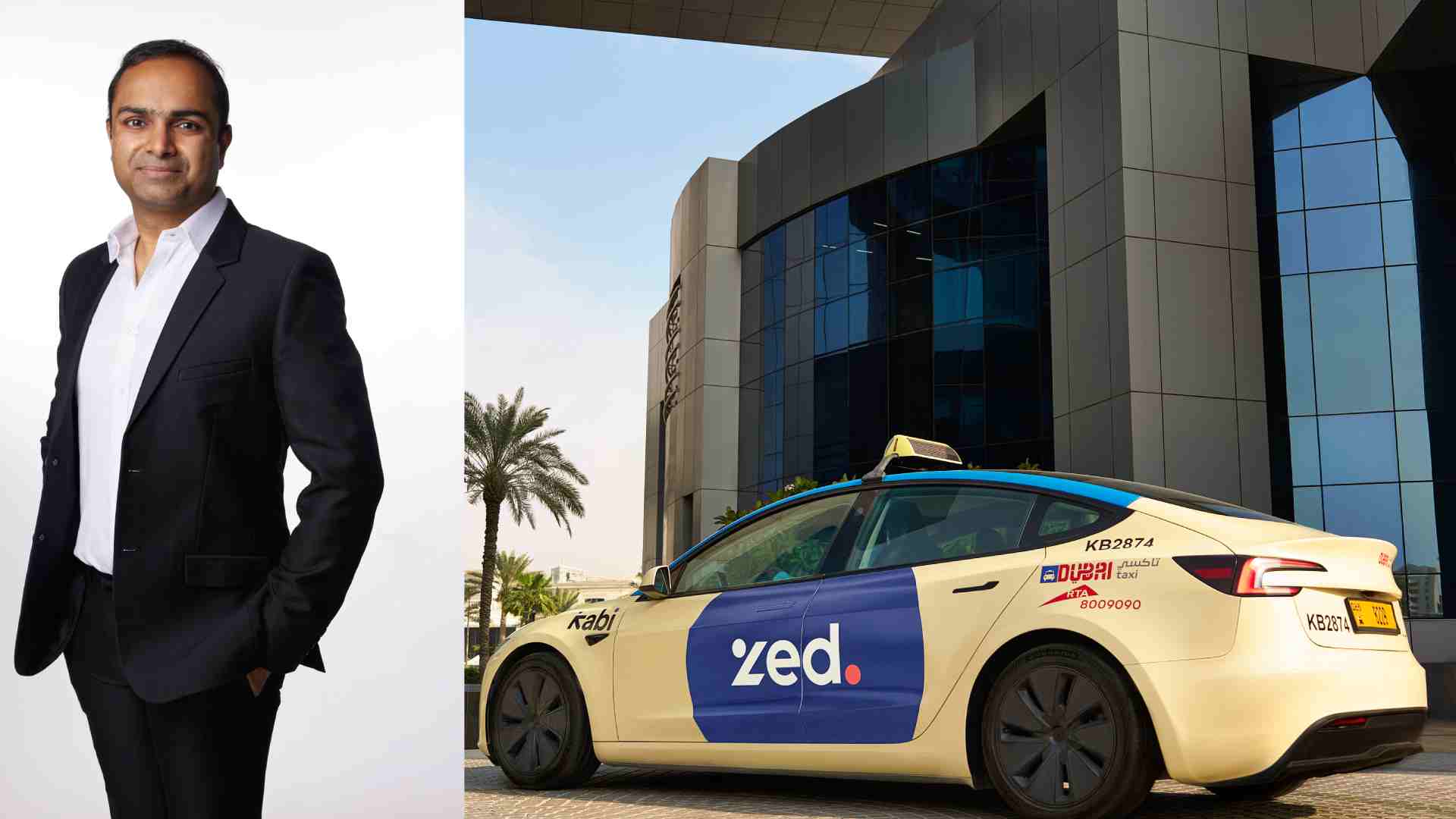
Zed, the Dubai-born ride-hailing app and part of Al Ghurair Mobility, has appointed Shobhit Singhal, former Chief Operating Officer of Southeast Asian super app Gojek, to lead its business and strategic direction. Built in Dubai and designed around the unique mobility needs of those who live and work in the city, Zed is entering a new period of development, with a renewed focus on strengthening its position in the Dubai mobility sector, advancing homegrown technology and building a scalable platform for the region.
Singhal brings extensive experience in leading technology-driven businesses across international markets. As Chief Operating Officer of Gojek, he oversaw the company’s mobility, food delivery and consumer logistics operations, having previously led cross-functional teams across Southeast Asia. His earlier career includes leadership roles at Apple in Singapore, and as a consultant with Bain & Company, specialising in technology services and telecommunications.
In his new role, Singhal will focus on enhancing the customer experience and driving innovation across Dubai’s mobility ecosystem. His priorities will centre on deploying scalable technology to build a smarter, more forward-looking ride-hailing experience for customers.
Shobhit Singhal, Head of Business at Zed, said: “Dubai is one of the world’s most dynamic markets for innovation, and there is a real opportunity to build an app designed around the unique needs of the people who live here. Our ambition is to make Zed the go-to app for rides across Dubai, whether it’s an everyday taxi journey or a premium experience. My priority is to turn that ambition into reality by delivering a reliable, seamless service that customers choose time and again. By getting the fundamentals right in Dubai, we can build a homegrown success story with the potential to grow across the wider region.”
Badr Al Ghurair, CEO of Al Ghurair Mobility commented: “Shobhit’s appointment represents an important step in Zed’s growth journey. At Al Ghurair Mobility, we see Zed as a key part of our vision for the future of mobility in Dubai. His experience in scaling complex mobility businesses, combined
with his understanding of technology and operations, brings valuable expertise to the company. We have a clear vision for Zed as a homegrown platform that can deliver meaningful value to customers and partners alike. With Shobhit’s leadership, our focus is on turning that vision into consistent execution and building a strong foundation for sustainable growth.”
With its roots in Dubai, Zed is focused on developing homegrown mobility technology tailored to the needs of Dubai residents. By strengthening its operations and building on its understanding of the local market, the company aims to establish a scalable platform.
Singhal holds an MBA from Northwestern University’s Kellogg School of Management and a Bachelor of Technology in Engineering from the Indian Institute of Technology Delhi.
Automotive
Automechanika Shanghai 2026: A platform connecting Middle East ambition with global automotive innovation
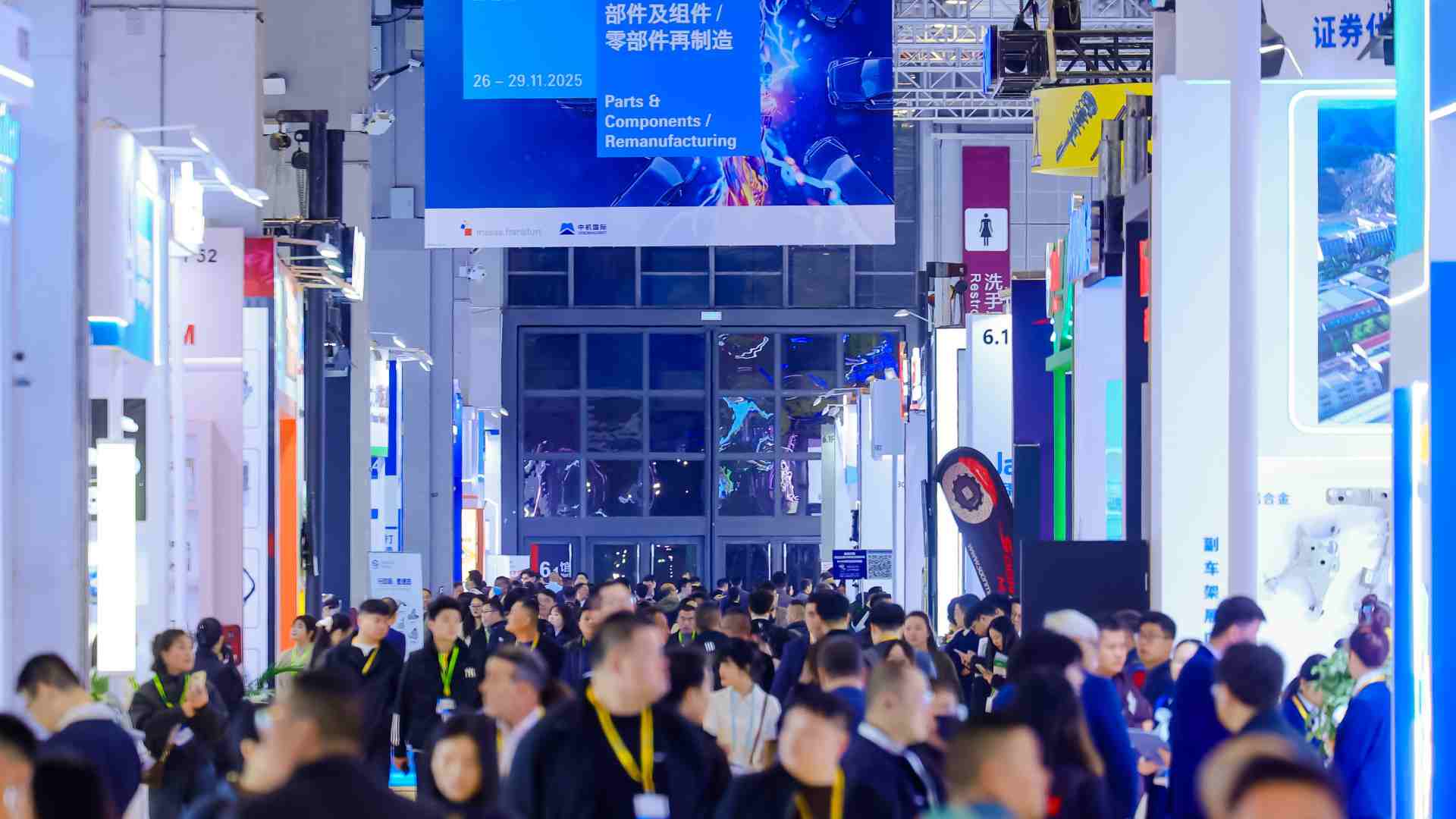
Automechanika Shanghai 2026 will bring together the global automotive supply chain from 2 to 5 December at the National Exhibition and Convention Center in Shanghai, offering businesses access to parts, components, equipment and aftermarket services. As the Middle East region advances automotive manufacturing and electric mobility, the exhibition offers an ideal platform to support sourcing and industry collaboration.
The 21st edition of the fair will occupy 390,000 sqm across 16 halls and the mezzanine floor, hosting around 7,600 global exhibitors. The fair welcomed 253,691 visitors from 190 countries and regions in its previous edition (2025). More than an exhibition, Automechanika Shanghai presents itself as a unified platform, integrating the show floor with a robust programme of conferences, workshops and 100 fringe events.
Technologies and innovations take centre stage
Covering the entire supply chain from manufacturing to the aftermarket, upgrades in parts & components, electrics & electronics, accessories, diagnostics, body and paint, tyres, and wheels showcase advanced components, smart tyres, lightweight wheels, maintenance for new energy vehicles, infotainment electronics, and high-performance enhancements for both passenger and commercial vehicles.
The Parts & Components and Electrics & Electronics sector, the largest at the fair with over 4,200 exhibitors, showcases advancements in materials, lightweight design, intelligent technologies, and electrification for ICE, EV, and hybrid vehicles, covering chassis, powertrain, new drive technologies, thermal management, standard parts, and more.
Driven by the rapid transformation of electrification, nearly half of Automechanika Shanghai’s exhibitors focus on new energy products and services. The New Energy & Connectivity sector grows 20%, featuring 700 exhibitors in electric powertrains, autonomous driving, AI, charging and battery swapping, intelligent chassis, and thermal management, alongside hybrid, fuel cell, and hydrogen solutions enhancing performance and safety. The newly established Global Quality Alliance Hub, centered on the IATF 16949 standard, unites standards bodies, trainers, certifiers, and regulators to strengthen quality management.
Fringe events guide insights into global trends
More than 480 global experts will participate in the 2026 conference and events programme.
The programme comprises five complementary pillars. Flagship events will address industry trends, policy and innovation, while the Tech series will focus on emerging technologies and R&D collaboration. The Talent series will connect companies with skilled professionals through educational initiatives.
Connect will facilitate collaboration between carmakers and suppliers throughout the year. The Automotive Supply-Demand Matching Series and Global Collective Forum will bring manufacturers, suppliers and technology companies together to discuss supply-chain development, investment and international partnerships.
Automotive+ will explore the convergence of artificial intelligence, vehicle-road-cloud systems, new energy solutions, hardware-software integration and robotics. The Innovation4Mobility platform will provide a dedicated showcase for these technologies and their applications across the automotive industry.
Middle East market developments create sourcing opportunities
The GCC’s new light vehicle market continues to grow, expanding the regional vehicle base and driving demand for parts distribution, maintenance equipment and aftermarket services. Electric vehicle adoption is also rising across the region, bringing further servicing requirements for diagnostics, charging systems and new energy powertrains. In addition, manufacturing and trade partnerships continue to develop across the Middle East. These developments underline growing opportunities for Middle Eastern businesses to source parts, equipment and technologies through international platforms such as Automechanika Shanghai.
Automotive manufacturing has rapidly developed across Asia as well, with many countries becoming key manufacturing hubs. These manufacturing centers not only fulfill domestic demand but also produce complete built-up (CBU) vehicles and parts for export across the region and beyond. China is a dominant player, leading vehicle production and exports with a significant volume that translates to tens of billions of dollars in trade value. For example, Chinese automakers shipped approximately $117 billion worth of vehicles globally, with a notable emphasis on new energy vehicles. Other major Asian automotive exporters including Thailand, India, Japan, and South Korea collectively contribute substantial export values, underscoring the integrated and competitive nature of the region’s automotive industry.
These developments highlight opportunities for cooperation between Middle Eastern businesses and international suppliers across automotive manufacturing, parts distribution and aftermarket services.
An ecosystem that needs the aftermarket to keep running
Automechanika Shanghai, Asia’s largest automotive fair of its kind, with product categories spanning across manufacturing and aftermarket, also attracts strong participation from across Asian countries and across the world. In a market dominated by an aging, largely combustion-powered fleet, this aftermarket focus remains highly relevant even as EV adoption grows. While traditional parts are still in high demand, continuous innovation is essential to keep pace with a vehicle base that is both aging and evolving. This reinforces Automechanika Shanghai’s position as the Asia’s largest in serving this sector, at a time when maintaining reliable and affordable vehicle operation is a key priority throughout the region.

A REIMAGINED PRIME68 RETURNS TO JW MARRIOTT MARQUIS DUBAI ALONGSIDE ION, A NEW “NEIGHBOURHOOD IN THE SKY”
Radisson Blu Hotel Dubai Deira Creek Invites Guests to Celebrate Diwali with Family, Flavour and Festive Stays
Trust Is the New Speed – AI, Lexis+ with Protégé and the future of legal work in the Middle East



-

 Trending12 months ago
OPPO A6 Pro 5G Review: Reliable Daily Driver
-

 Tech News2 years ago
Denodo Bolsters Executive Team by Hiring Christophe Culine as its Chief Revenue Officer
-
 VAR2 years ago
Microsoft Launches New Surface Copilot+ PCs for Business
-

 Automotive2 years ago
AGMC Launches the RIDDARA RD6 High Performance Fully Electric 4×4 Pickup
-
Tech Interviews3 years ago
Navigating the Cybersecurity Landscape in Hybrid Work Environments
-

 Hospitality2 years ago
Gulfood 2025 30th Edition Kicks Off Today, Setting New Benchmarks in F&B Growth and Innovation
-

 VAR11 months ago
Huawei Nova 14 Pro Review: Where Camera Excellence Meets Ecosystem Evolution
-

 Tech News1 year ago
Nothing Launches flagship Nothing Phone (3) and Headphone (1) in theme with the Iconic Museum of the Future in Dubai