
 Have a question? +971 56 404 0503




Tech Features
5 Urgent Questions About Healthcare Network Cybersecurity in the Middle East


By Emad Fahmy, Director of Systems Engineering, NETSCOUT
As the Middle East’s healthcare sector increasingly embraces digital transformation, it faces a growing range of cybersecurity challenges. Cyberattacks, particularly ransomware, are becoming a significant threat to healthcare organisations in the region. According to KPMG, the frequency of ransomware incidents within the healthcare sector in the Middle East is on the rise, with data breaches leading to substantial financial and reputational damage. Protecting patient data and ensuring the integrity of healthcare networks is paramount in this evolving landscape.
Here are five critical questions healthcare organisations in the Middle East must address to secure their networks and data against the growing threat of cyberattacks:
- Are We Adequately Prepared for Ransomware Attacks?
Ransomware is a persistent threat to healthcare organisations, exploiting vulnerabilities in networks to disrupt critical services and compromise patient data. In the Middle East, where digital adoption is accelerating, healthcare organisations must develop robust incident response plans that can swiftly address ransomware incidents. This requires not only strong cybersecurity protocols but also a culture of preparedness, with all staff trained to recognise and respond to ransomware threats early.
A proactive approach to ransomware defence goes beyond traditional security measures. Organisations must focus on network monitoring and threat detection to spot unusual activity that could signal an impending attack. Building resilience against ransomware means anticipating potential threats and establishing strategies to mitigate their impact before they escalate.
- How Are We Protecting Sensitive Patient Data?
Patient data is one of the most valuable targets for cybercriminals, making its protection a top priority. As the cost of data breaches continues to rise, healthcare organisations in the Middle East must implement comprehensive data protection strategies. This includes encryption, continuous monitoring, and adopting zero-trust architectures, where no one inside or outside the organisation is trusted by default.
Data protection is not only about securing information from external threats but also about ensuring that all users, including healthcare workers, follow best practices for data handling. Regular training and awareness programmes are essential to ensure that all staff members understand the importance of patient data security and how to avoid accidental breaches.
- How Can We Ensure Network Resilience?
Network resilience is critical in healthcare, where the ability to access patient records, deliver medical treatments, and maintain day-to-day operations depends on network availability. Downtime due to cyberattacks can have life-threatening consequences. As cyber threats grow more sophisticated, healthcare organisations must take steps to ensure that their networks are resilient in the face of potential attacks.
Building network resilience requires comprehensive visibility into network activity to detect anomalies in real time. By monitoring network traffic, organisations can identify and respond to threats quickly, minimising the impact of any disruptions. Implementing disaster recovery and business continuity plans is also essential to ensure that healthcare providers can continue to deliver care, even in the event of a cyber incident.
- Are We Complying with Cybersecurity Regulations?
Governments in the Middle East are increasingly implementing strict cybersecurity regulations to protect critical sectors like healthcare. Compliance with these regulations is essential to safeguarding patient data and ensuring the integrity of healthcare networks. Non-compliance can result in hefty fines, reputational damage, and the erosion of patient trust.
Healthcare organisations must stay informed about the regulatory landscape and ensure that they meet all relevant cybersecurity requirements. This includes regulations that govern data protection, breach notification, and the overall security of healthcare IT systems. Regular audits and the adoption of compliance automation tools can help streamline the process of ensuring that organisations are meeting these stringent requirements.
- Is Our Workforce Equipped to Handle Cyber Threats?
Human error remains one of the weakest links in cybersecurity, particularly in healthcare, where staff may inadvertently expose sensitive data. Ensuring that employees are equipped to handle cyber threats is crucial in building a resilient security culture. Training healthcare workers to recognise phishing attempts, follow secure data-handling procedures, and respond effectively to cybersecurity incidents is essential to minimising risks.
An informed workforce is a powerful defence against cyberattacks. Organisations should invest in continuous cybersecurity education, making sure that all staff members, from clinical personnel to administrative staff, understand the role they play in safeguarding patient data and the organisation’s IT infrastructure.
Conclusion
As the healthcare sector in the Middle East continues to embrace digital transformation, it also faces an increasingly complex and dangerous cybersecurity landscape. Addressing these five critical questions will help healthcare organisations better protect patient data, ensure operational continuity, and minimise reputational damage in the face of rising cyber threats.
By taking a proactive and strategic approach to cybersecurity, healthcare providers can not only defend against cyberattacks but also ensure the highest standard of care for patients in a digitally connected world.













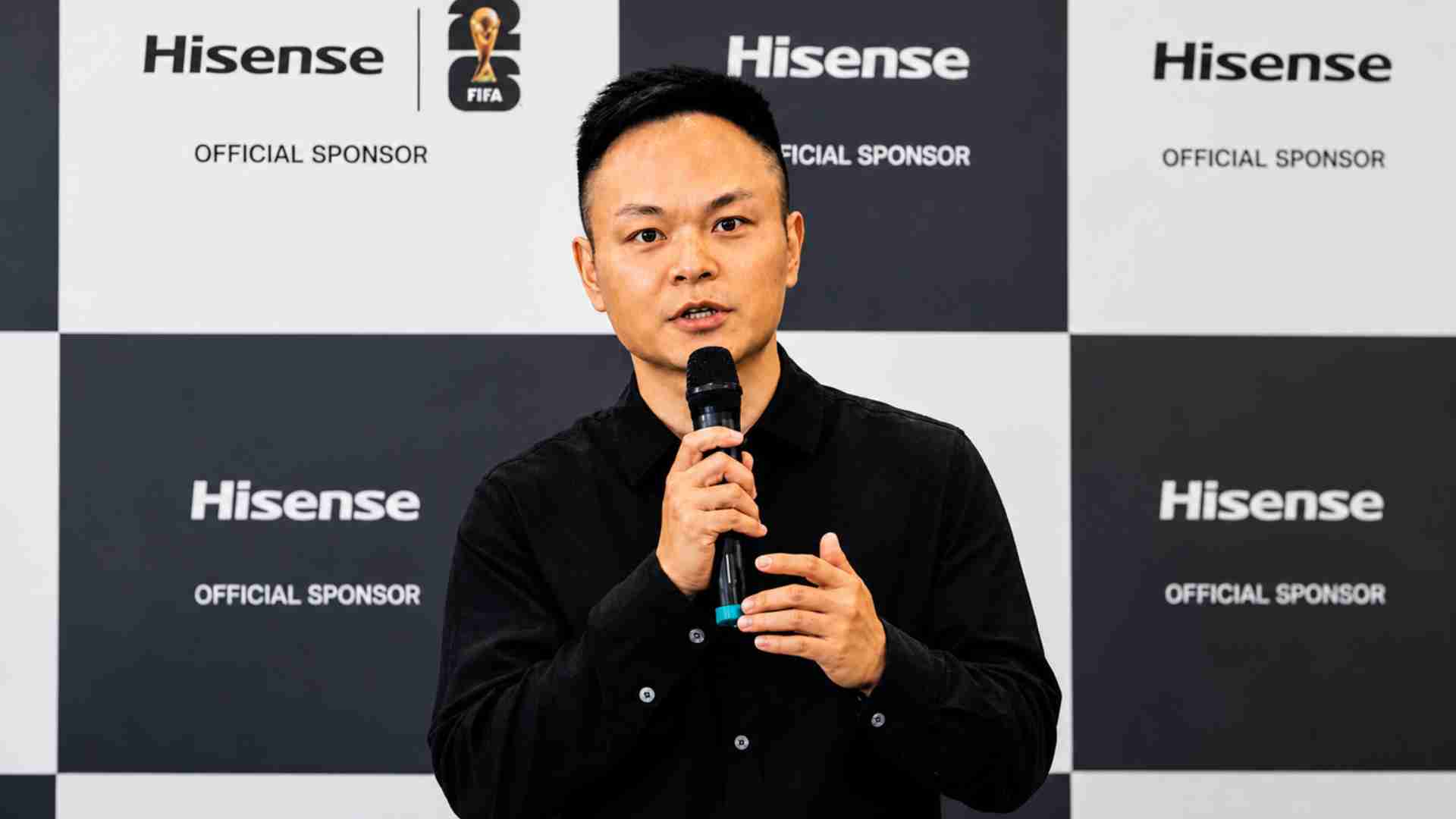
By: Jason Ou, President at Hisense MEA
As the FIFA World Cup 2026 final approaches this week, we reflect on a tournament that transformed how millions experienced the sport, from living room stadiums to quiet spaces in packed arenas
As we count down the final hours before this week’s showpiece final, the FIFA World Cup 2026 has delivered 103 matches across 16 cities, and with it, a reimagining of what “experiencing football” means. Hisense served as the official and exclusive Video Assistant Referee (VAR) Review TV Provider for the entire tournament across the United States, Canada, and Mexico. Every controversial offside call. Every penalty review that had fans screaming at their screens. Every red card confirmation that shifted the momentum of a knockout match. The technology referees used to make those match-defining decisions ran on Hisense RGB MiniLED displays. The Video Operation Room in Zurich was upgraded specifically with these screens because VAR officials needed “clear and authentic restoration of live match footage.”
And it delivered.
Two parallel revolutions unfolded across this tournament: one that transformed homes into legitimate viewing destinations, and another that finally opened stadium doors to millions who’d been locked out for decades.
Hisense made an argument before kickoff: the home viewing experience could, in some ways, surpass what you’d get at the stadium itself. If the technology was precise enough for officiating decisions scrutinized by billions and debated across social media within seconds, it was good enough for living rooms worldwide.
For those who invested in the L9Q TriChroma Laser TV, everyday living spaces became premium match-day destinations throughout the tournament. With ultra-large displays up to 200 inches, fans followed every run, pass, tackle, and goal with remarkable clarity.
The flagship UXS RGB MiniLED TV, powered by breakthrough RGB MiniLED technology that delivers exceptional color accuracy, brightness, and contrast, brought fans closer to every moment on the pitch and created a more immersive and lifelike viewing experience for sports, entertainment, and gaming.
The Party Everyone Could Finally Join
For millions of fans living with autism, PTSD, dementia, anxiety, and other sensory processing conditions, the stadium experience had remained firmly out of reach, a party they could hear from outside but never truly join. This tournament changed that.
At this year’s tournament, all 16 host stadiums featured dedicated sensory rooms, making this the first-ever Sensory Inclusive FIFA World Cup. Hisense collaborated with FIFA and KultureCity to install these spaces across every venue in the United States, Canada, and Mexico, and they were used.
As Hisense continues pushing boundaries, making every match feel bigger, every celebration more immersive, and every memory more unforgettable, one truth has emerged from this tournament: the hierarchy of World Cup viewing has been expanded, making room for everyone who loves the beautiful game.
This week, as billions watch the final from living rooms with 300-inch screens and fans with sensory needs take their seats in the stadium, football’s promise will be fulfilled. The beautiful game. Finally, for everyone.

By: Prof. May El Barachi, Dean & Full Professor, University of Wollongong in Dubai

Artificial intelligence is no longer a future technology. It has become part of our everyday lives almost overnight. Whether we are writing emails, analysing data, generating code, creating presentations, or conducting research, AI has fundamentally changed how knowledge is created and consumed.
For higher education, this represents one of the biggest disruptions since the arrival of the internet.
Much of today’s conversation revolves around a simple question: Will AI replace educators?
I believe we are asking the wrong question.
The real question is whether universities can reinvent themselves quickly enough to prepare graduates for an AI-first world.
Having worked extensively with generative AI technologies, I see AI not as a replacement for education, but as an extraordinary opportunity to redefine it. From One-Size-Fits-All Learning to Personalized Education.
Traditional education has largely been built around standardized delivery: one lecturer, one classroom, one pace, and one curriculum for every student.
AI changes that equation.
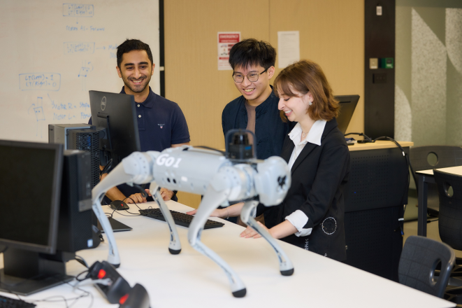
For the first time, every learner can potentially have access to an intelligent learning companion available 24 hours a day. AI tutors can explain difficult concepts, generate additional practice exercises, adapt explanations to different learning styles, provide immediate feedback, and support students until genuine understanding is achieved.
Instead of asking students to adapt to education, education can finally adapt to students. This has important implications for accessibility, allowing high-quality learning experiences to reach individuals regardless of geography or socioeconomic background.
In many ways, AI has the potential to become the great equalizer in education.
Teaching Students How to Think; Not What to Memorize
At the same time, AI forces universities to rethink their educational philosophy.
When information is instantly accessible, memorization becomes less valuable.
Future graduates will be judged less by what they know, and more by how effectively they can solve problems, evaluate evidence, think critically, collaborate, communicate, and exercise sound judgement. This means assessment methods must evolve as well.
Rather than rewarding students for reproducing information that AI can generate in seconds, universities should increasingly emphasize authentic projects, real-world problem solving, teamwork, creativity, ethical reasoning, and applied learning. Ironically, AI may push higher education to become more human, not less.
Educators Are Becoming AI-Enabled Mentors
There is growing concern that AI will eventually replace lecturers. I see the opposite happening.
The educator’s role is becoming even more important; but it is changing.
Rather than acting primarily as transmitters of knowledge, educators are evolving into mentors, coaches, facilitators, and critical thinking partners who help students interpret information, challenge assumptions, and develop professional judgement.
To do that effectively, universities must invest heavily in AI literacy. Faculty need more than basic familiarity with AI tools. They must understand how these systems work, their limitations, their biases, and how they can be integrated responsibly into teaching, assessment, and research. AI literacy is rapidly becoming as fundamental as digital literacy was twenty years ago.
Preparing Graduates for an AI-First Workforce
Perhaps the biggest transformation is happening outside the classroom. Virtually every profession; from healthcare and finance to engineering, education, law, and government; is being reshaped by AI.
Graduates entering the workforce will collaborate with intelligent systems every day. This requires a new combination of technical and human capabilities. Understanding AI, data, automation, and digital technologies will become essential across disciplines. Equally important will be creativity, emotional intelligence, leadership, adaptability, ethical decision-making, and lifelong learning. The most successful professionals will not compete against AI. They will learn how to work alongside it.
Looking Ahead
The future university may look very different from today’s institution. Degrees are likely to become more modular and flexible, complemented by stackable micro-credentials that allow professionals to continuously update their skills throughout their careers.
Immersive technologies such as virtual and augmented reality will create richer learning experiences, while learning analytics will enable institutions to identify struggling students earlier and provide personalized support. Education will become increasingly global, connected, and lifelong.
The Human Advantage
Despite all these technological advances, one thing remains unchanged. Education has never been solely about transferring knowledge. It is about inspiring curiosity, building confidence, developing character, nurturing empathy, and preparing individuals to make meaningful contributions to society.
No algorithm can replace the inspiration of a great teacher or the mentorship that shapes a student’s future.
AI should not diminish the human element of education. It should amplify it.
The universities that thrive over the next decade will not be those that simply adopt AI tools. They will be those that successfully combine technological innovation with the uniquely human qualities that no machine can replicate. Because ultimately, the future of higher education is not about artificial intelligence. It is about human intelligence; enhanced by AI, guided by educators, and applied to solve the world’s most complex challenges.
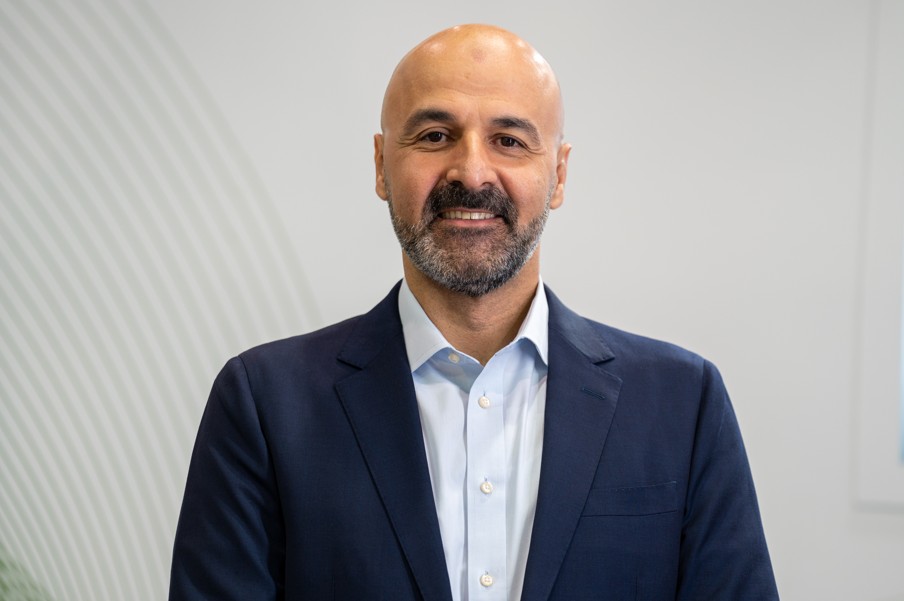
By Amjad Alqaqaa – Vice President – MEAI
Power sectors around the world are undergoing rapid transformation. Digital technologies, advanced materials, and the shift towards lower-carbon energy are reshaping how power plants and critical infrastructure are designed, operated, and maintained. Yet one persistent challenge continues to hold the sector back: a shortage of people with the right engineering and technical skills.
As the UAE continues to advance its ambitions as a leading hub for innovation and technology, there is an increasing need to strengthen and future-proof STEM capabilities to keep pace with evolving industry demands. According to a report by STEM workforce consultancy SThree, 40% of STEM professionals in the UAE believe that upskilling and reskilling are the most effective ways to boost productivity and competitiveness. While more than a third (32%) point to skills shortages as a barrier to productivity, highlighting a clear gap between workforce capabilities and industry needs.
Additionally, data from the Hays 2026 US Salary & Hiring Trends Guide indicates that companies in the UAE are starting to slow down recruitment and instead are investing in the skills of their existing workforce, with around 42% of employers prioritising upskilling over hiring.
Research from LinkedIn also suggests demand for green skills is rising much faster than supply, highlighting a widening gap between the skills needed for the energy transition and the talent currently available in the workforce.
For power generation companies, this is more than a recruitment issue. Skills shortages can impact equipment reliability, delay maintenance programmes, and slow the deployment of new technologies. In a sector where uptime, safety, and efficiency are critical, having the right expertise in place is essential.
At the same time, interest in STEM subjects among young people has fallen in recent years. This weakens the future talent pipeline. This means companies must do more to attract and develop STEM talent.
Showing young people what engineering looks like today
One of the challenges is perception. Many young people still associate engineering with traditional industrial roles, rather than the highly advanced, technology-driven careers available today.
Today’s engineers work with advanced digital tools, automation systems, and real-time monitoring technologies. In the power sector, they help keep turbines, pumps, and other critical systems running efficiently. They also work on challenges linked to sustainability, energy efficiency, and emissions reduction.
To address this gap, employers must play a more active role in educating emerging talent about the career opportunities in the sector. That means working more closely with schools, colleges, and universities to showcase the wide range of careers available across engineering and energy.
Partnerships between industry and academia play an important role here. For example, John Crane works closely with the University of Sheffield to support research and PhD programmes in areas such as materials science and engineering. Collaborations like this help connect academic research with real industrial challenges and encourage more students to consider careers in engineering.
These partnerships also help ensure that new research translates into practical solutions that can support industries such as power generation.
Why apprenticeships matter
Alongside academic pathways, apprenticeships are another key way to attract new talent into engineering.
They offer a practical, accessible route into engineering, allowing individuals to gain hands-on experience while working towards recognised qualifications. For employers, apprenticeships provide an opportunity to develop skills aligned to real operational needs, from maintenance and reliability engineering to digital and software capabilities.
But apprenticeships are not only for new recruits. They can also help people who are already in work develop new skills. Programmes linked to areas such as leadership, project management, and digital technologies allow employees to adapt as roles change and technology evolves.
This matters because the skills challenge is not only about bringing new people into the sector. It is also about helping the existing workforce build the capabilities needed for the future.
Building the right skills through training partnerships
Developing a skilled workforce requires more than internal programmes alone. Strong partnerships with external training providers are essential to ensure employees gain the specialist knowledge needed in highly technical environments.
Working with a network of training providers enables organisations to deliver structured learning alongside on-the-job experience. This approach ensures that training remains aligned with real operational challenges, including maintaining equipment reliability, improving efficiency, and meeting evolving safety standards.
Reaching a broader talent pool
Engineering companies need to widen their outreach and look beyond traditional recruitment channels. This includes engaging with students earlier and encouraging people from different backgrounds to consider technical careers.
In addition, requalification programmes are increasingly important in some regions. For example, in the Czech Republic, targeted requalification initiatives are helping individuals transition from other industries into engineering roles, providing a practical route to address skills shortages while bringing valuable experience into the sector.
Ensuring training programmes cater to a wide range of people with varying levels of experience can upskill new and existing workers and build a healthier talent pipeline. Providing that support is an investment that helps create a stronger, more resilient workforce in the long term.
Building the workforce of the future
The power sector plays a central role in driving the global energy transition. In the Middle East, this transition is expected to drive demand for a wide range of engineering roles, particularly in renewable energy, grid infrastructure, and related technologies, highlighting the need for targeted training and workforce development programmes to equip both new entrants and existing workers with relevant technical skills.
Engineers and technicians will be needed to maintain power plants, improve equipment performance, and develop new energy technologies. But these goals will only be possible if the industry has access to the right skills.
To achieve this, companies must think differently about talent. Strengthening collaboration with educators, improving outreach to diverse talent, and offering practical training routes such as apprenticeships all play an important role in addressing the STEM skills gap.
Apprenticeships alone will not solve the skills gap. But when combined with research partnerships and targeted workforce development, they can play a major role in rebuilding the STEM talent pipeline. By investing in people and skills today, the power sector can build the workforce it needs to support a more reliable and sustainable energy system for the future.


STAKEPREDICT BY STAKE REVEALS INVESTORS SEE NO SLOWDOWN AHEAD: 69% EXPECT DUBAI PROPERTY PRICES TO KEEP RISING

10 REASONS WHY SIYAM WORLD IS THE MALDIVES’ ULTIMATE SUMMER PLAYGROUND

HBA PARTNER RAHUL SHANKHWALKER EXPANDS ROLE TO DUBAI MENA , STRENGTHENING HBA’S MIDDLE EAST LEADERSHIP TEAM


-
News11 years ago
SENDQUICK (TALARIAX) INTRODUCES SQOOPE – THE BREAKTHROUGH IN MOBILE MESSAGING
-

 Trending9 months ago
OPPO A6 Pro 5G Review: Reliable Daily Driver
-

 Tech News2 years ago
Denodo Bolsters Executive Team by Hiring Christophe Culine as its Chief Revenue Officer
-
 VAR1 year ago
Microsoft Launches New Surface Copilot+ PCs for Business
-

 Automotive2 years ago
AGMC Launches the RIDDARA RD6 High Performance Fully Electric 4×4 Pickup
-
Tech Interviews2 years ago
Navigating the Cybersecurity Landscape in Hybrid Work Environments
-

 Tech News1 year ago
Nothing Launches flagship Nothing Phone (3) and Headphone (1) in theme with the Iconic Museum of the Future in Dubai
-

 VAR2 years ago
Samsung Galaxy Z Fold6 vs Google Pixel 9 Pro Fold: Clash Of The Folding Phenoms