
 Have a question? +971 56 404 0503




Home Integrator
TOWNX HITS 40% CONSTRUCTION PROGRESS ON ASHLEY HILLS IN FOUR MONTHS FROM LAUNCH

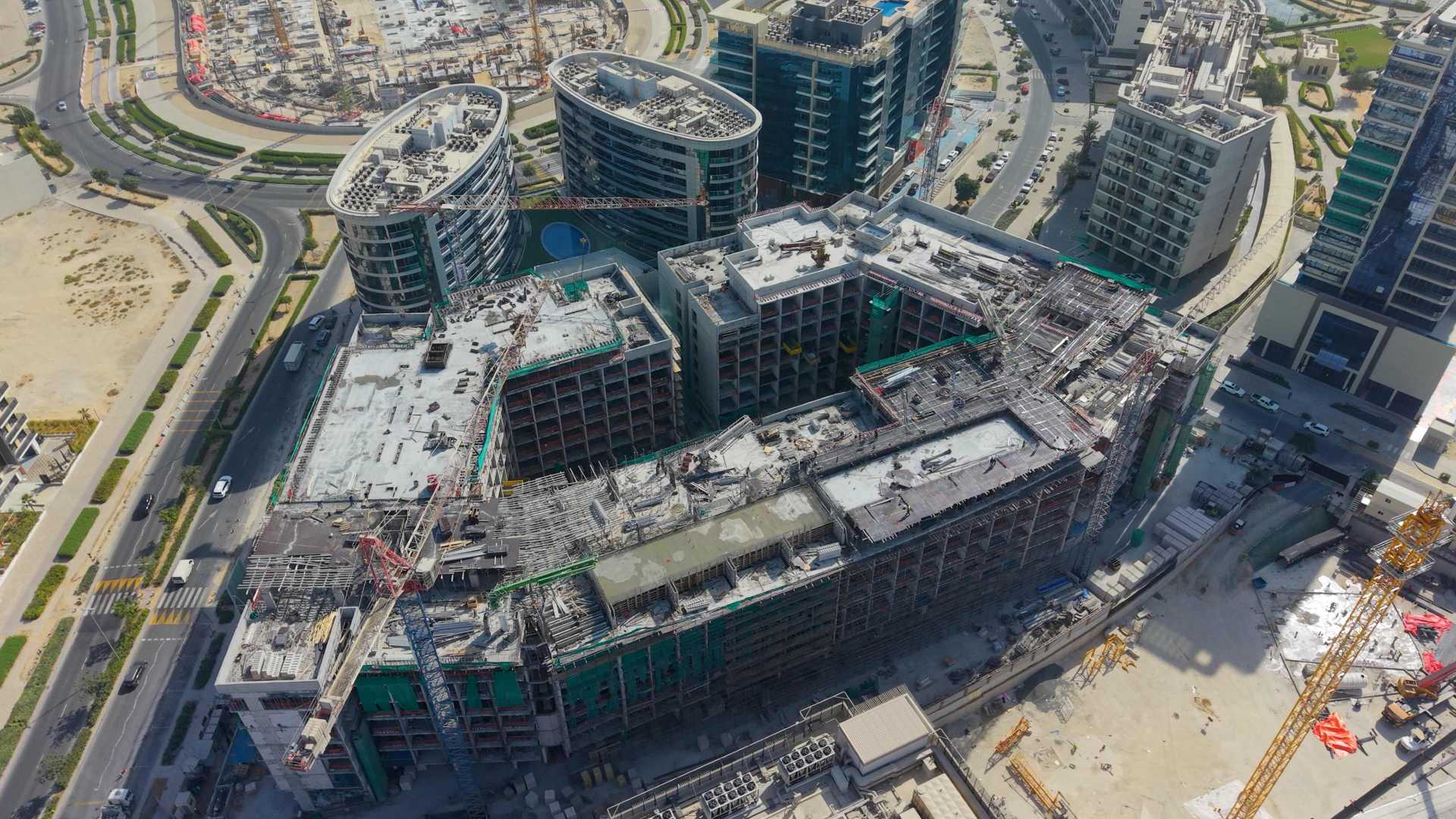
TownX, one of Dubai’s fastest-growing real estate developers with an AED 4 billion project portfolio, has announced a significant milestone in the construction of its AED 662 million Ashley Hills project. In just four months since the project launch, the development has reached 40% construction progress, demonstrating the company’s efficiency and commitment to delivering high-quality residential communities.
Located in the heart of Arjan, Ashley Hills is a flagship development that will feature 616 residential units across 400,000 square feet of sellable area. The project is designed to offer a mix of spacious apartments that cater to families and investors seeking modern, sustainable living spaces in one of Dubai’s fastest-growing districts.
The project’s progress includes several key milestones. Site mobilization, enabling works, piling and foundations, and substructure works have all seen notable progress, with significant advancement made on the superstructure and internal works. The external envelope and building services are also underway, while internal finishes are in progress. External works and infrastructure are set to begin in the coming months.
In August 2025, TownX appointed Ocean Stone as the main contractor for the project. Ocean Stone, known for their extensive experience in large-scale residential developments, has been instrumental in driving the project forward and ensuring timely progress.
Haider Abduljabbar, Executive Director of TownX, commented: “We are extremely proud of the remarkable progress made in just four months of construction. Achieving 40% completion is a testament to the hard work of our team and our contractors, whose collaboration has been instrumental in reaching this milestone. We are excited about the future of this project and remain focused on delivering Ashley Hills on time while maintaining the high standards TownX is known for.”
The rapid progress reflects TownX’s dedication to meeting the growing demand for high-quality residential options in Dubai. The strategic location of Ashley Hills in Arjan offers excellent connectivity to major roads such as Sheikh Mohammed Bin Zayed Road and Al Khail Road, along with access to schools, retail centers, parks, and recreational facilities, making it an ideal living destination.
Since its inception in 2017, TownX has focused on delivering projects ahead of schedule and with attention to detail. With over 1,567 units delivered and 1,174 apartments currently in development, the company continues to expand its footprint in Dubai’s real estate market. Ashley Hills is another milestone in TownX’s efforts to create residential communities that meet the needs of modern families while delivering long-term value.
Other key developments delivered by TownX include Easy18, Easy19, Luma21, Luma22 and Luma Park Views in JVC. Ongoing projects include 11 Hills Park at Dubai Science Park and Ashley Hills in Arjan.
Home Integrator
DEYAAR ANNOUNCES Q1 FINANCIAL RESULTS, SUSTAINING STRONG STRATEGIC MOMENTUM INTO 2026

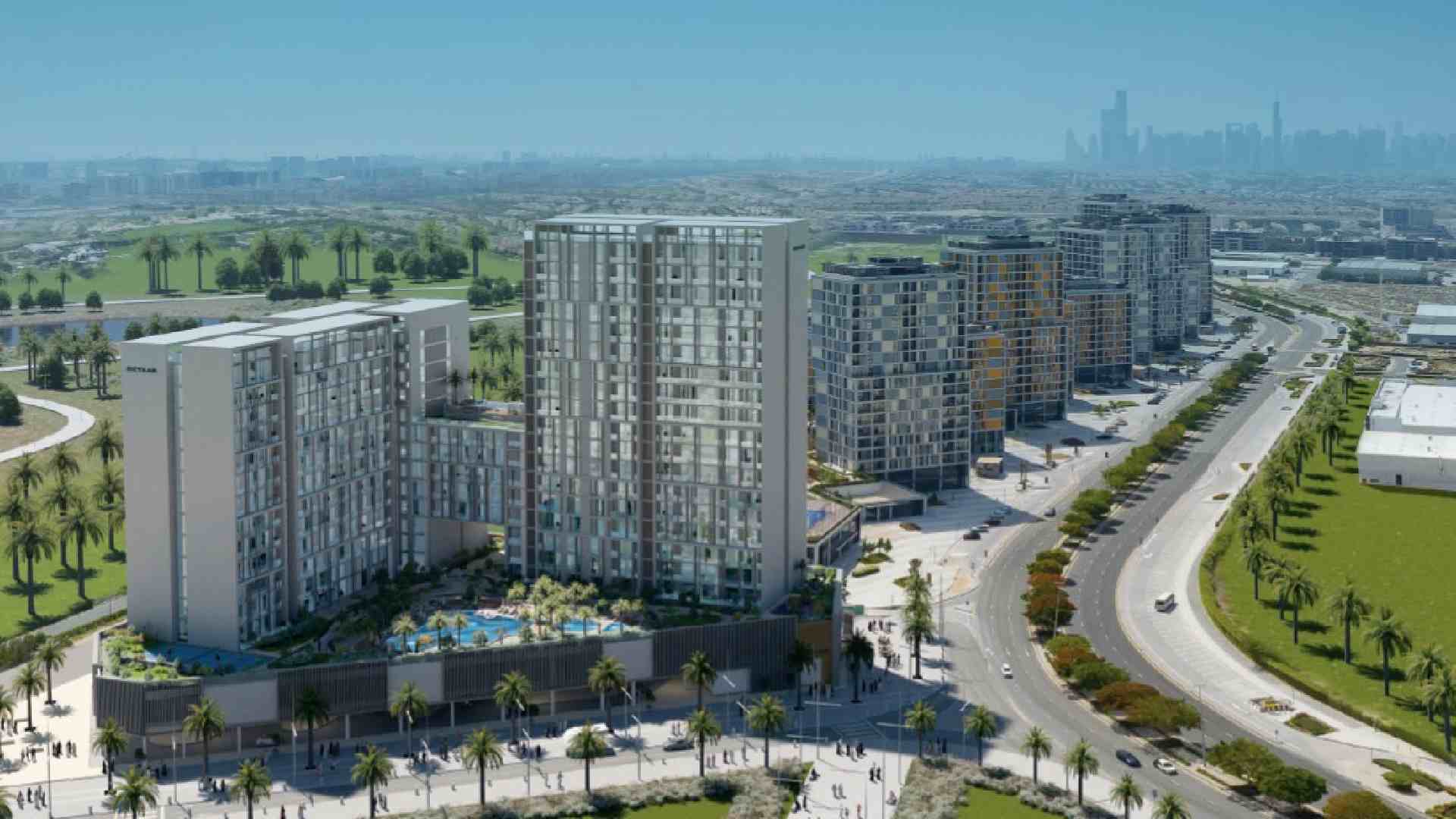
Deyaar Development PJSC (Deyaar), a publicly listed integrated real estate company and one of the leading developers in the United Arab Emirates, today announced its financial results for the first quarter of 2026, showcasing significant growth and strategic resilience in a dynamic market environment.
Deyaar recorded a 3.2% increase in revenue for YTD March’26, reaching AED 447.1 million compared to AED 433.4 million in the same period last year. This growth was achieved despite a downturn in the hospitality sector, offset by robust performance in Property and Facility Management.
Profit before tax climbed 23.3% to AED 147.7 million for YTD March’26 compared to AED 119.8 million in YTD March’25, reflecting the company’s adeptness in maintaining momentum amidst market fluctuations. Total assets rose by 12.1%, amounting to AED 8,151.5 million as of March 31, 2026, demonstrating the company’s strategic asset management.
Commenting on the results, Saeed Mohammed Al Qatami, CEO of Deyaar, said:This quarter reflects healthy business momentum and a productive start to 2026. We are witnessing steady progress in our financial results, driven by our strategic foresight and a continuous commitment to delivering long-term value for our stakeholders.
Our success mirrors the strength of the UAE and Dubai, which entered this period of global tension from a position of strength; backed by strong fiscal buffers, supply chain flexibility, and healthy consumer demand. What distinguishes this environment is the clarity of leadership and a proactive policy framework that preserves stability and maintains confidence across the system, allowing us to turn challenges into opportunities for sustained growth.
The fundamentals of Dubai’s real estate market remain robust, supported by high demand and favourable economic conditions, allowing us to effectively capitalize on emerging opportunities. We are also dedicated to sustaining profitability while strategically launching select projects that address our customers’ evolving requirements.
Our recent handover milestone showcases our operational efficiency and dedication to delivering quality projects, while our substantial project backlog positions us to meet growing demand. We are well-equipped to harness these opportunities and continue driving future growth.

In Q1, Deyaar achieved a significant milestone by handing over 1425 units across three major projects in Dubai, including the luxury residential tower Regalia in Business Bay, the final district of Jannat in Midtown, and Talia Residences in Al Furjan. This handover reflects Deyaar’s dedication to enhancing the built environment in alignment with Dubai’s 2040 Urban Master Plan.
The UAE real estate market remains stable, driven by robust fiscal policies and significant global capital inflows. Within this resilient landscape, Deyaar continues to strengthen its leadership through a disciplined approach to balance sheet management and strategic execution, highlighting its commitment to sustainable growth.
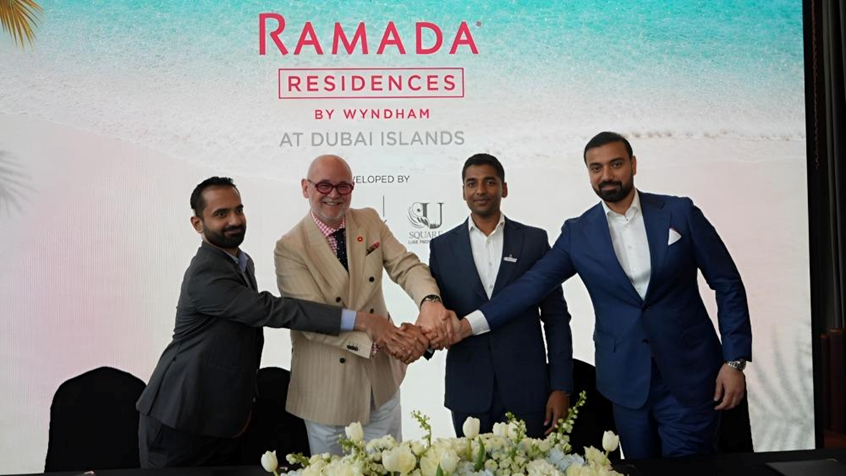
Grovy Developers, an award-winning real estate developer in Dubai, has partnered with Wyndham Hotels & Resorts, one of the world’s largest hotel franchising companies, to launch Ramada Residences by Wyndham at Dubai Islands, in partnership with USquare as development partner.
The agreement was formally signed at a full-house event attended by senior leadership from all three organisations, including Abhishek Jalan, CEO of Grovy Developers, Dimitris Manikis, President, Europe, Middle East & Africa (EMEA), and Govind Mundra, Head of Development for the Middle East and Africa (MEA) at Wyndham Hotels & Resorts, along with Ubaid Ur Rehman Shaikh and Muhammad Umeed Founders of USquare Luxe Properties. The event saw overwhelming interest from investors and brokers, with attendance exceeding capacity and Expressions of Interest registered on-site—reflecting strong demand for the project even amid evolving global market conditions.
Abhishek Jalan, CEO of Grovy Developers, said: “Branded residences are reshaping real estate investment in Dubai. This partnership is strategically significant for Grovy, as we will leverage the world-class recognition of Wyndham to enhance the overall value of our projects. By implementing Wyndham’s global asset management and operational standards, we can ensure that buyers will receive professionally managed residences with an ongoing consistent level of service. The result is an island address backed by globally recognised hospitality standards, setting a new benchmark for how people live and invest in Dubai.”
Building on this vision, Grovy Developers has established a strong track record in the UAE market since 2015, with the successful delivery of residential developments that are now fully operational and reflect the company’s commitment to quality and end-user satisfaction. Its entry into the branded residences segment is a deliberate strategic move, aimed at elevating residential living standards while creating long-term value for investors. In line with this approach, Grovy sought a globally recognised hospitality partner that could seamlessly integrate service-led living into its developments, ensuring both the residential experience and asset performance. This established reputation and forward-thinking strategy positions Grovy as a natural partner of choice for Wyndham Hotels & Resorts as it expands its branded residences portfolio in the region.
Dimitris Manikis, President EMEA, Wyndham Hotels & Resorts, said: “This project reflects our continued confidence in Dubai’s long-term fundamentals and the ongoing demand for high-quality branded residential offerings, even against a challenging environment. By combining Grovy’s local development expertise with Ramada’s globally recognised standards, we are focused on delivering a property that supports sustainable, long-term value for residents and investors. Through Ramada Residences Dubai Islands, Wyndham is actively opening up the branded residences category to a broader audience through a more accessible offering . We remain committed to working closely with our partners to support thoughtful growth across the region.”
Scheduled for handover in Q3 2027, the property will feature a boutique collection of fully furnished residences and penthouses. Ramada Residences by Wyndham at Dubai Islands comprises one-, two-, and three-bedroom apartments, and four-bedroom penthouses. The residence applies hotel-grade services and operations underpinned by the quality assurance of a world-leading international hospitality brand. Residents will enjoy more than 20 leisure amenities, including an aqua gym, golf simulator, open theatre, and temperature-controlled infinity pool. Ramada Residences by Wyndham at Dubai Islands is among a select number of residences approved for short-term leasing on Dubai Islands.
Located in the cultural district of Dubai Islands, a master-planned coastal destination designed for leisure, connectivity and long-term growth, the development benefits from open beaches, expansive green spaces and direct access to the city in line with the Dubai 2040 Urban Masterplan.
Ubaid Ur Rehman Shaikh and Muhammad Umeed, Co-Founders of USquare Luxe Properties, said: “As landowners and development partners, our strategic goal is to work closely with brands which share our vision, and we are proud to be in partnership with Grovy Developers and Wyndham in this journey. The vast experience of Grovy and USquare Luxe Properties combined with a global name like Wyndham will deliver lasting value for buyers, investors, and the broader Dubai market.” Backed by a prime location and strong market fundamentals, the project reinforces growing investor confidence in Dubai’s evolving real estate landscape.
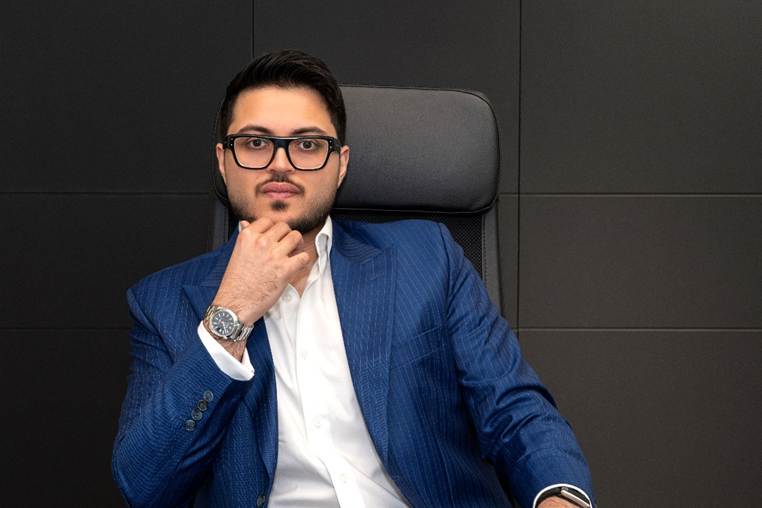
By Issa Atiq, CEO of Arabian Acres
There is a moment in every great city’s evolution when it stops building toward the water and starts building with it.
Dubai is living through that moment right now.
For much of the past two decades, Dubai’s relationship with its waterfront was largely transactional. The sea became a backdrop, a view to be monetised, a selling point on a floor plan. Developers raced to maximise density along prime shoreline locations, marketing proximity to the water as the ultimate luxury proposition.
The result was ambitious in scale, but much of it was architecture that merely faced the water rather than truly engaging with it.
That era is now evolving into something far more sophisticated: a philosophy of integrated waterfront living that treats the coastline not as scenery, but as infrastructure. A living amenity that shapes how residents move, socialise, and experience daily life.
Having spent years advising investors and development partners across Dubai’s most sought-after waterfront districts, I believe this transition is not cyclical. It is structural. And it will define the next chapter of Dubai’s real estate story.
What “Integrated” Actually Means
Integrated waterfront living is not simply a mixed-use tower near the sea. It is a masterplanning philosophy that connects private residential life with curated maritime experiences, where the relationship between home and waterfront is intentionally seamless.
In practice, this means private beach access designed as a central feature rather than an afterthought. It means yacht berthing, wellness facilities, walkable promenades, hospitality concepts, and lifestyle-driven retail integrated into the community from the outset. Most importantly, it requires restraint.
The value of true waterfront integration diminishes the moment overcrowding begins. A private beachfront shared by a limited number of residents will always command a stronger premium than high-density development built purely around maximising sellable inventory.
This represents a fundamentally different economic philosophy from the one that shaped much of Dubai’s earlier waterfront expansion. It requires developers to think beyond short-term unit yield and focus instead on long-term capital appreciation, placemaking, and ecosystem value.
The developers who understand this shift are already creating some of the market’s most compelling assets.
Why This Shift Is Happening Now
Several forces are converging to accelerate this evolution within Dubai’s premium residential market.
The first is the changing profile of global wealth entering the emirate. Since 2020, Dubai has experienced a significant influx of ultra-high-net-worth individuals and internationally mobile investors, many of whom have already experienced the world’s leading waterfront destinations, from the Côte d’Azur and Monaco to Malibu and the Algarve.
These buyers are no longer impressed solely by height or density. They are increasingly drawn to exclusivity, privacy, wellness, and meaningful access to nature.
For this buyer demographic, a private shoreline shared among 50 residences is inherently more valuable than a rooftop amenity shared among hundreds.
The second factor is planning maturity.
Dubai’s approach to waterfront development has evolved considerably. There is now greater recognition that indiscriminate densification along the coastline is ultimately a finite strategy, one that risks eroding the scarcity premium that gives waterfront land its long-term value.
The conversations taking place today between developers, planners, and investment groups reflect a more sophisticated outlook: preserving Dubai’s coastline as a globally differentiated asset class rather than simply maximising buildable area.
We are already beginning to see this philosophy emerge across select ultra-prime districts, from low-density beachfront enclaves to next-generation masterplans centred around wellness, hospitality, marina integration, and walkable public spaces rather than standalone towers.
The third factor is simple supply reality.
Truly exceptional waterfront land in Dubai is extraordinarily scarce. Sites with genuine private beach frontage and sufficient scale to support a fully integrated masterplan are exceptionally limited.
That scarcity is precisely what underpins the long-term value proposition for investors and developers operating within this segment.
The Investment Perspective
From an advisory standpoint, integrated waterfront developments increasingly represent one of the market’s strongest long-term capital preservation and appreciation strategies.
This is fundamentally different from the liquidity-driven off-plan investment cycle that dominates much of the broader market conversation.
When executed correctly, these developments tend to produce a more resilient return profile because the underlying product is genuinely difficult to replicate. The premium attached to these assets is structural rather than speculative.
Resale demand also tends to be more internationally diversified and less reactive to short-term local market fluctuations because these assets compete on a global level. In many cases, the buyer is not comparing the opportunity to another Dubai community, they are comparing it to Monaco, Miami, Saint-Tropez, or the Mediterranean coastline.
The development potential of well-positioned waterfront land, when unlocked through thoughtful planning and restrained density, can significantly exceed the long-term value generated through conventional high-density waterfront construction.
However, realising that potential requires a particular type of vision. One that combines design ambition with operational discipline and long-term strategic thinking.
A Defining Decade for Dubai’s Waterfront
Dubai is entering what I believe will become a defining decade for its waterfront real estate market.
The decisions made today, which sites are developed, how they are planned, how much density is introduced, and what quality of experience is ultimately delivered, will shape how Dubai’s coastline is perceived globally for generations to come.
The world’s most respected waterfront destinations earned their reputations by understanding that the relationship between built environment and natural waterfront is something valuable enough to protect carefully.
Dubai already possesses the ingredients: global demand, world-class infrastructure, ambitious capital, and one of the most recognisable coastlines in modern real estate.
The next generation of Dubai’s waterfront will not be defined by who builds the tallest towers, but by who creates the most meaningful relationship between land, water, and lifestyle. The opportunity is extraordinary. So is the responsibility.

UNLOCK DOWNTOWN: EID ESCAPE, PERFECTLY CURATED IN THE HEART OF THE CITY
EID BY THE CREEK: A REFINED WATERFRONT STAYCATION

SUN SIYAM WELCOMES GULF TRAVELLERS FOR EID AL ADHA CELEBRATIONS ACROSS THE MALDIVES AND SRI LANKA



-
News10 years ago
SENDQUICK (TALARIAX) INTRODUCES SQOOPE – THE BREAKTHROUGH IN MOBILE MESSAGING
-

 Tech News2 years ago
Denodo Bolsters Executive Team by Hiring Christophe Culine as its Chief Revenue Officer
-

 Trending7 months ago
OPPO A6 Pro 5G Review: Reliable Daily Driver
-
 VAR1 year ago
Microsoft Launches New Surface Copilot+ PCs for Business
-
Tech Interviews2 years ago
Navigating the Cybersecurity Landscape in Hybrid Work Environments
-

 Automotive2 years ago
AGMC Launches the RIDDARA RD6 High Performance Fully Electric 4×4 Pickup
-

 Tech News10 months ago
Nothing Launches flagship Nothing Phone (3) and Headphone (1) in theme with the Iconic Museum of the Future in Dubai
-

 VAR2 years ago
Samsung Galaxy Z Fold6 vs Google Pixel 9 Pro Fold: Clash Of The Folding Phenoms