
 Have a question? +971 56 404 0503




Tech Features
Building Sustainable Models for Student Recruitment, Marketing and Global Outreach in Education


By Andrew Vitiuk Chief Commercial Officer Synergy University Dubai

In today’s globalized world higher education institutions are facing increasing challenges in student recruitment, marketing and global outreach. The rapid evolution of technology, changes in demographics and an increasingly competitive global education market necessitate the development of sustainable models that can adapt to the shifting landscape. These models must not only ensure growth and diversity in student populations but also equip students with the skills, knowledge and global perspectives necessary for success in an interconnected world. Key to this transformation are strategies centered around cross-cultural engagement, fostering entrepreneurial mindsets and preparing students for the challenges of a globalised workforce.
The Changing Landscape of Global Education
Higher education today is more than just a pursuit of academic knowledge; it is a global journey that prepares students to thrive in an interconnected diverse world. As the demand for international education rises students have access to a broader range of institutions and are no longer limited by geographic location when considering where to study. This dynamic has increased competition among universities to attract top talent from around the world, especially as prospective students seek institutions that offer high-quality education, diverse cultural exposure and strong future employment prospects.
To remain competitive universities must develop sustainable recruitment models that foster long-term relationships with students. These models must adapt to the changing needs and preferences of prospective students from different cultural backgrounds, regions and demographic groups. Effective recruitment and marketing strategies must be personalized and data-driven, focusing on building an engaging, interactive experience for students that goes beyond traditional marketing techniques like brochures or campus tours.
Equipping Students for a Global Future
As the global workforce becomes more diverse and interconnected, the need for graduates who can navigate cross-cultural environments and think critically about global challenges is more important than ever. Universities must focus on preparing students for a future in which cultural awareness, adaptability and problem-solving will be key to success. This includes fostering a curriculum that encourages critical thinking, innovation and a deep understanding of global issues such as climate change, international trade and geopolitical dynamics.
One of the best ways to prepare students for the global workforce is through cross-cultural engagement. Providing opportunities for international exchanges, internships and collaborative projects with students from diverse cultural backgrounds can enrich the academic experience and broaden students’ perspectives. These cross-cultural engagements allow students to experience first-hand the challenges and rewards of working in global settings, whether in business, politics or social development.
The value of such experiences cannot be overstated. Universities that offer students the opportunity to collaborate on international projects or undertake internships with multinational companies ensure they are prepared to navigate the complexities of the global market. Moreover, these experiences promote empathy, communication skills and a global mindset qualities that are increasingly sought by employers across industries.
Developing Entrepreneurial Mindsets
The UAE is rapidly establishing itself as a leading hub for entrepreneurship and innovation. The country has been recognized as the best global destination for starting and operating businesses achieving a record-high score of 7.7 in the 2023-2024 GEM report. This impressive ranking is reflective of the country’s robust business ecosystem, which includes initiatives like tax-free zones, government-backed accelerators and a favorable regulatory environment for entrepreneurs. As a result, the country has positioned itself as a top destination for entrepreneurs seeking to start and grow businesses in a thriving, supportive environment.
However, the entrepreneurial surge is not confined to the UAE alone. The broader MENA region is also seeing significant growth. Studies show that nearly 46% of employees in MENA are ready to start their own businesses and around 45% of current entrepreneurs in the region have launched their ventures within the past five years. This rise can largely be attributed to the region’s youthful and tech-savvy population, with over 60% of MENA’s population under the age of 30. This demographic is driving innovation in sectors such as Edtech, e-commerce and artificial intelligence (AI), as young entrepreneurs embrace digital tools and technologies to build scalable startups.
As this trend flourishes across the MENA region, universities must play a crucial role in fostering the next generation of innovators. Institutions can help cultivate entrepreneurial mindsets by offering specialized programs in entrepreneurship, providing access to incubators and accelerators and promoting real-world experience through startup competitions or mentorship programs. By equipping students with the knowledge and skills needed to succeed in entrepreneurship, universities can ensure that they are preparing graduates who are ready to contribute to the evolving global economy.
Synergy University Dubai stands out as an example of a higher education institution dedicated to fostering entrepreneurial thinking. They offer a range of programs designed to support students with the knowledge and tools they need to succeed in the rapidly changing business landscape further contributing to the region’s dynamic entrepreneurial ecosystem.
Sustainable Recruitment Models
In the context of global education, sustainable recruitment strategies are crucial to the growth and diversification of student populations. Universities need to move beyond traditional recruitment methods like direct mail, in-person recruitment events and generic online advertisements. The key to sustainability lies in creating a personalised data-driven recruitment approach that focuses on student engagement over the long term.
One effective way to achieve this is through digital marketing and online engagement platforms. Social media, webinars, virtual campus tours and targeted online ads offer universities the ability to reach a global audience in a cost-effective interactive manner. These digital tools allow prospective students to connect with the university and gain an understanding of the campus culture, academic programs and career services long before they make a decision to apply.
Additionally, they should consider forming partnerships with local educational agents, organisations and government to create a more reliable and efficient recruitment pipeline. Collaborating with partners in target regions can help better understand the unique preferences and needs of students in specific markets. It also allows universities to adjust their marketing messages and strategies to better resonate with potential applicants in different cultural contexts.
An equally important element of a sustainable recruitment model is fostering long-term relationships with students once they are enrolled. Prioritising continuous engagement through personalised advising, mentorship and career development services. Offering a range of support services academic, personal and professional ensures that students feel connected to the university, enhancing their retention and success.
Effective Marketing Strategies
To build a sustainable global outreach strategy, institutions must implement effective marketing campaigns that speak to diverse international audiences. These marketing strategies should go beyond simple advertising and focus on storytelling highlighting the experiences and achievements of students, faculty and alumni. By showcasing these stories they can humanize their brand and create an emotional connection with prospective students.
Marketing strategies must also be adaptable to different cultural contexts. Institutions should tailor their messaging to meet the specific needs and expectations of students in different regions. For instance, while a marketing campaign targeting students in Europe might emphasize academic freedom and independent thinking, a campaign in Asia may focus more on family values, scholarships and academic excellence. By customizing these efforts institutions can increase their appeal across different markets.
Data analytics also plays a critical role in effective global marketing. Institutions that collect and analyze data on student engagement and behavior can refine their marketing efforts to better meet the needs of their target audiences.This data-driven approach enables them to make informed decisions about where to allocate resources and how to adjust their messaging to achieve the best outcomes.
Global Outreach and Partnerships
To truly expand their global reach, universities must invest in international partnerships. These partnerships can take many forms from student exchange programs to collaborative research initiatives and dual-degree offerings. Establishing these relationships with institutions around the world not only helps increase recruitment but also strengthens the academic reputation of the university by promoting cross-border academic collaborations.
Moreover they should consider building connections with international organizations, governments and businesses to create opportunities for global research collaboration and innovation. Strategic global outreach can contribute to solving pressing challenges such as climate change, healthcare access and digital transformation while also expanding their global footprint.
Building sustainable models for student recruitment, marketing and global outreach is essential for universities that aim to thrive in an increasingly competitive and interconnected world. By embracing cross-cultural engagement, promoting entrepreneurial mindsets and leveraging data-driven recruitment strategies institutions can attract a diverse and talented student body from around the world. As the UAE leads the charge in fostering entrepreneurial growth and innovation, universities such as Synergy University Dubai are playing a critical role in preparing students to succeed in the fast-evolving global economy. With a focus on developing future leaders who are adaptable, innovative and globally aware higher education institutions can build the sustainable frameworks needed for long-term success.










Tech Features
THE CONVERGENCE OF CRISIS: HOW OVERLAPPING RISKS ARE REDEFINING WORKFORCE MOBILITY IN THE MIDDLE EAST


By Gillan McNay, Security Director Assistance – Middle East, International SOS
In today’s Middle East operating environment, mobility risk no longer arrives in isolation. Organisations are increasingly navigating multiple, overlapping disruptions that converge to affect how, when, and whether their people can move. Geopolitical tension, aviation restrictions, cyber exposure, misinformation, and workforce anxiety are no longer separate risk categories – they interact, amplify one another, and challenge traditional mobility assumptions.
This convergence is redefining what “safe movement” looks like for organisations with employees traveling, deployed, or working abroad across the region.
From Single Events to Layered Disruption
Historically, mobility planning focused on discrete scenarios, weather events, isolated security incidents, or airline strikes. Today, organisations are far more likely to face layered disruption, where one event triggers a cascade of secondary impacts.
A regional security escalation may coincide with airspace closures. Airspace closures may lead to congestion at land borders. Border congestion increases stress for travelers, which in turn heightens reliance on digital communication channels, precisely when misinformation and cyber activity surge. Each layer compounds the next.
International SOS’ Risk Outlook 2026 highlights this shift clearly: risk is now systemic and interdependent, not episodic. For mobility teams, this means plans designed for one‑dimensional threats will be insufficient.
Mobility Is Now a Strategic Exposure
Movement of people has become a strategic risk vector rather than a logistical one. When employees cannot travel as planned, the impact extends beyond delayed meetings or project timelines. It affects:
- Business continuity
- Leadership visibility
- Employee confidence and wellbeing
- Regulatory and duty‑of‑care obligations
In the Middle East, this is especially pronounced due to the region’s role as a global aviation hub and its highly international workforce. When airspace is disrupted in one country, the effects ripple across neighbouring states almost immediately.
As a result, organisations must treat mobility decisions with the same scrutiny as other strategic risks, cybersecurity, financial exposure, or supply‑chain dependency.
The New Reality: Mobility Under Uncertainty
In recent months, we have seen how quickly mobility conditions can change. Routes that were viable in the morning may be restricted by evening. Neighbouring jurisdictions may adjust entry requirements or limit transit with little notice. Information may circulate rapidly on social media before it can be verified.
The most resilient organisations recognise that movement decisions must be conditions‑based, not schedule‑based. Rather than asking “Can we move people today?”, leaders need to ask:
- What conditions would make movement unsafe tomorrow?
- What alternatives exist if a primary route closes?
- Are we prepared to shift from air to land, or to stabilise in place?
This approach requires planning optionality into every mobility decision.
Overlapping Risks Demand Integrated Decision‑Making
The convergence of crisis exposes one of the most common organisational gaps: mobility decisions are often segmented across functions. Security looks at threat levels, HR considers employee impact, travel teams focus on bookings, and IT monitors communications. In a converging‑risk environment, this fragmentation increases risk.
Mobility decisions must be informed by integrated intelligence, security assessments, aviation updates, border conditions, medical considerations and workforce sentiment. When these views are aligned into a single operating picture, organisations can act faster and with greater confidence.
This integrated approach is increasingly reflected in board‑level discussions, as highlighted in the Risk Outlook 2026, where executive oversight of crisis preparedness and workforce risk continues to rise.
The Human Layer Cannot Be Separated From Mobility
Overlapping crises do not only disrupt routes; they disrupt people. Uncertainty around travel amplifies stress, particularly for expatriates with families, employees traveling alone, or teams operating far from home support networks.
From an assistance perspective, we see that anxiety itself becomes a risk multiplier. Tired, stressed travelers are more likely to make poor decisions, rushing to airports prematurely, acting on unverified information, or attempting unsafe routing alternatives.
Mobility strategies must therefore incorporate psychological safety alongside physical safety. Clear guidance, predictable communication, and reassurance that decisions are being reviewed continuously make a material difference to outcomes.
Why “Move” Is Not Always the Right Answer
One of the most important shifts organisations are making is recognising that relocation or evacuation is not always the safest or most effective response. In converging‑risk scenarios, moving people can expose them to new uncertainties if the destination environment changes.
Stability, supported by shelter‑in‑place guidance, supply planning, and continuous monitoring, can be the safest posture while conditions clarify. Mobility planning should define three distinct postures:
- Stay and stabilise
- Relocate to a regional safe haven
- Evacuate out of the region
Each posture requires different triggers, communications, and support mechanisms. Treating them interchangeably increases risk.
Information Discipline Is a Mobility Imperative
Overlapping crises generate noise. For organisations managing mobility, information discipline becomes critical. Decisions based on rumours, unverified social media posts, or outdated aviation updates can lead to unnecessary movement, or unsafe delay.
Effective organisations establish clear information pathways:
- Who validates updates
- Which sources are trusted
- How frequently conditions are reviewed
- When decisions are escalated
This discipline supports faster pivots when conditions change and reduces the emotional load on traveling employees.
Building Adaptive Mobility for the Future
The convergence of crisis in the Middle East is not a temporary phenomenon. Geopolitical volatility, climate stress, digital disruption, and workforce expectations will continue to intersect. Mobility strategies must evolve accordingly.
Resilient organisations are already adapting by:
- Embedding workforce visibility into core systems
- Designing mobility plans with multiple fail‑safe options
- Training leaders to make people‑first decisions under pressure
- Aligning crisis planning with broader enterprise risk management
As the Risk Outlook 2026 underscores, preparedness is no longer about predicting the next event, it’s about building the capacity to adapt when events collide.
A Redefined Measure of Readiness
In this new operating reality, mobility readiness is not measured by the ability to move people quickly, but by the ability to make calm, informed, and proportionate decisions as risks converge.
Organisations that understand this will be better positioned to protect their people, maintain operational stability, and navigate periods of regional tension with confidence rather than urgency. The convergence of crisis is challenging, but with the right structures, discipline, and integration, it is manageable.
Tech Features
SUPPORTING EMPLOYEES ABROAD OR RELOCATING AMID REGIONAL TENSIONS: A STRATEGIC ADVISORY FOR ORGANISATIONS

By Gillan McNay, Security Director Assistance – Middle East, International SOS
Periods of regional tension place organisations under intense pressure to protect their people while sustaining operations. For UAE‑based companies with employees working from abroad, traveling frequently, or facing potential relocation, uncertainty can escalate quickly. Routes change, borders tighten, information moves faster than it can be verified, and employees look to their organisation for clarity and reassurance. In this environment, support must be strategic, deliberate, and people‑first.
Shift From Reaction to Preparedness
The most resilient organisations are those that move beyond reacting to events and instead operate with a preparedness mindset. This starts with acknowledging that uncertainty is not an exception but a condition organisations must continuously manage. Strategy, therefore, should anticipate disruption and define how the organisation will respond before decisions are forced by urgency.
Preparedness does not mean planning for every possible outcome. It means establishing decision frameworks that allow leaders to act confidently as conditions evolve, whether that results in continued remote work, relocation to a safe haven, or shelter‑in‑place with enhanced support.
Establish Workforce Visibility as a Strategic Capability
Supporting employees abroad begins with accurate, real‑time visibility. Leaders must know where their people are, their travel status, and whether they are working remotely, stationed overseas, or in transit with dependents. Visibility should extend beyond employees to include contractors and accompanying family members where duty‑of‑care obligations apply.
This visibility is strategic because it underpins all subsequent decisions. Without it, organisations risk delayed responses, fragmented communication, and uneven support. With it, they can act proportionately, supporting those most exposed while avoiding unnecessary disruption for others.
Differentiate Between Relocation, Evacuation, and Stability
One of the most common strategic mistakes during regional tensions is treating all movement decisions as evacuations. In reality, organisations need three clearly defined postures:
- Stability: Supporting employees to remain where they are with guidance, wellbeing checks, and secure working arrangements.
- Relocation: Moving employees to a safer location, often within the region, as a preventive measure.
- Evacuation: Executing time‑bound movement out of an area due to elevated risk.
Clear definitions allow leaders to choose the least disruptive option that still protects people. Often, relocation or stability with structured support is safer and more sustainable than rapid evacuation.
Prepare Employees Before Movement Is Required
Relocation becomes significantly smoother when employees are prepared before they are asked to move. Strategy should include guidance on documentation readiness, passport validity, visa requirements for neighbouring countries, preferred relocation countries and expectations around timelines and flexibility.
Employees working abroad need to understand not only what may happen, but how decisions will be made. When organisations explain decision triggers, what would prompt relocation, what would not, employees feel informed rather than anxious. This transparency builds trust and reduces panic-driven movement.
Integrate the Human Dimension into Planning
Strategic support must address the human impact of uncertainty. Employees working from abroad or facing relocation are often balancing professional obligations with family concerns, schooling, medical needs, and other emotional strains. Ignoring these factors weakens any relocation or stability strategy.
Effective organisations integrate wellbeing considerations into operational plans. This includes access to medical advice, continuity of prescriptions, support for family travel, and regular wellbeing check‑ins. Leaders should be attuned to signs of fatigue or anxiety and equip managers with guidance to support teams compassionately and consistently.
Communicate With Discipline and Predictability
In uncertain times, communication is as important as movement planning. Strategy should define how, when, and by whom information is shared. Centralised, fact‑based updates delivered at a predictable cadence reduce speculation and rumor.
Employees should know where official updates will come from and which sources to trust. Communications do not need to be frequent to be effective; they need to be consistent, clear, and grounded in verified information. Saying “there is no update yet” is often more reassuring than silence.
Support Employees Who Must Remain Abroad
Not all employees can or should relocate. Many will continue working from abroad in environments affected by regional tension. Supporting these employees strategically means ensuring they have guidance on local conditions, access to support services, and clearly defined expectations around work, availability, and safety.
Stability should be treated as an active posture, not inaction. Regular check‑ins, updated guidance, and contingency planning signal to employees that their situation is being managed deliberately, not overlooked.
Plan for Relocation as a Managed Process
When relocation is required and viable, it should be executed as a controlled, end‑to‑end process. This includes manifesting all individuals, front‑loading documentation checks, coordinating transport and accommodation, and communicating each step of the journey.
Strategically, leaders must also consider what comes after relocation: access to work, schooling for children, healthcare, and communication continuity. Relocation is not just movement; it is a temporary operating model that must be sustainable.
Learn, Adapt, and Strengthen
Each period of disruption provides insight into what worked and what did not. Strategic organisations capture these lessons and feed them back into planning. This may involve refining decision thresholds, improving data accuracy, or strengthening manager training.
Preparedness evolves as operating environments change, and organisations that invest in continuous improvement are better positioned to protect both their people and their business.
A Strategy Built on Trust and Clarity
Ultimately, supporting employees abroad or relocating amid regional tensions is a test of organisational maturity. Clear visibility, disciplined planning, transparent communication, and genuine care form the foundation of resilience. When organisations operate from these principles, employees feel supported rather than vulnerable, and leaders can make decisions with confidence rather than urgency.
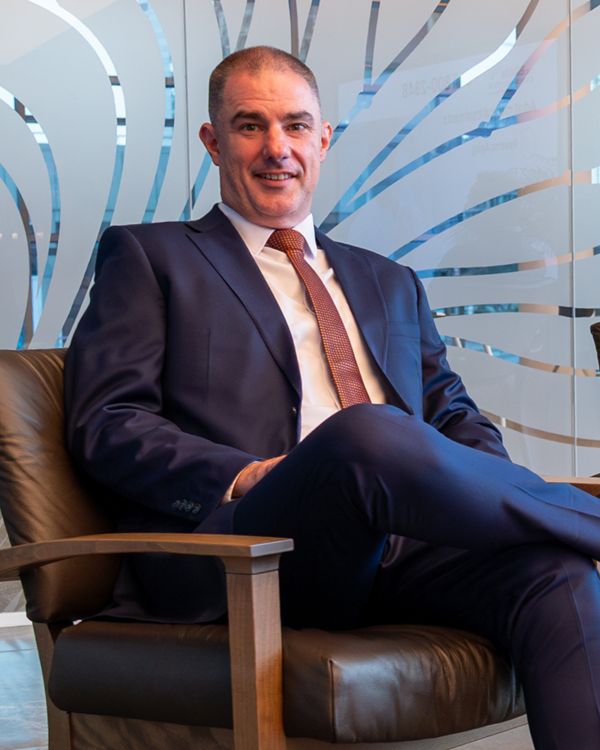
By Dr. Craig Cook, CEO, The Brain & Performance Centre, A DP World Company
Healthcare is entering one of the most transformative periods in its history. Artificial intelligence is accelerating diagnostics, enhancing imaging, and enabling more personalised treatment pathways than ever before. These advancements are no longer theoretical, they are already shaping how care is delivered across leading medical systems.
However, as the industry moves forward at pace, there is a risk of focusing too heavily on what technology can do, and not enough on what individuals actually need.
At its core, healthcare is not a technical transaction. It is a human experience. Within that experience, trust, communication and empathy are not optional, they are fundamental.
Strong human interaction between clinicians and clients remains one of the most important factors in delivering safe and effective care. Technology can identify patterns, process data and support decision-making, but it cannot replace the reassurance an individual feels when they are heard, understood and taken seriously. That interaction often determines whether someone follows through with treatment, shares critical information, or seeks support early rather than late.
From a safety perspective, this is critical. Individuals who feel comfortable with their clinician are far more likely to communicate openly about symptoms, concerns and uncertainties. They ask more questions, clarify instructions, and engage more actively in their own care. This level of engagement reduces the likelihood of miscommunication, improves adherence to treatment plans, and ultimately leads to better outcomes.
In contrast, when the human element is diminished, even the most advanced systems can fall short. An individual may receive accurate data but still leave uncertain about what it means. They may hesitate to disclose something important, or disengage entirely. No algorithm can compensate for that gap.
This is why meaningful communication must remain at the centre of healthcare delivery. It is not simply about explaining a diagnosis. It is about creating an environment where individuals feel safe to speak, where their concerns are acknowledged, and where complex information is translated into something clear and actionable.
As artificial intelligence continues to evolve, the role of the clinician will not diminish, it will become more important. Technology should reduce administrative burden, enhance precision, and create time. That time should be reinvested into the client relationship through greater clarity, deeper understanding and more considered care.
At The Brain & Performance Centre, A DP World Company, this balance is central to how we approach care. Advanced technologies play a critical role in our assessments and programmes, but they are always applied within a human-led framework. Every programme is personalised, every interaction is intentional, and every client journey is built on understanding the individual, not just the data.
The future of healthcare will undoubtedly be shaped by innovation. But its success will not be defined by how advanced the technology becomes. It will be defined by whether we use that technology to strengthen, rather than replace, the human connection at the centre of care. Because ultimately, the most powerful tool in healthcare is not artificial intelligence. It is trust.

EMARAT SUPPORTS HSE EXPO UNDERSCORING HEALTH, SAFETY AND ENVIRONMENTAL LEADERSHIP
STARKEY OMEGA AI – ONE OF THE MOST POWERFUL AND ADVANCED HEARING TECHNOLOGY TO EVER REACH MEA PATIENTS
DIGITIZATION-LED DISRUPTION SET TO RESHAPE GCC AUTO COMMERCE ECOSYSTEM

-
News10 years ago
SENDQUICK (TALARIAX) INTRODUCES SQOOPE – THE BREAKTHROUGH IN MOBILE MESSAGING
-

 Tech News2 years ago
Denodo Bolsters Executive Team by Hiring Christophe Culine as its Chief Revenue Officer
-
 VAR12 months ago
Microsoft Launches New Surface Copilot+ PCs for Business
-

 Trending5 months ago
OPPO A6 Pro 5G Review: Reliable Daily Driver
-

 Tech Interviews2 years ago
Navigating the Cybersecurity Landscape in Hybrid Work Environments
-

 Tech News9 months ago
Nothing Launches flagship Nothing Phone (3) and Headphone (1) in theme with the Iconic Museum of the Future in Dubai
-

 Automotive1 year ago
AGMC Launches the RIDDARA RD6 High Performance Fully Electric 4×4 Pickup
-

 VAR2 years ago
Samsung Galaxy Z Fold6 vs Google Pixel 9 Pro Fold: Clash Of The Folding Phenoms