
 Have a question? +971 56 404 0503




Hospitality
Açaí Isn’t Just a Superfood, It’s a Movement for the Planet


Exclusive Interview with Ryan Black, CEO & Cofounder, SAMBAZON
SAMBAZON’s presence at Gulfood 2025 highlights your global reach. What are your key objectives for participating in this major event?
SAMBAZON’s participation in Gulfood 2025 underscores our commitment to expanding the global reach of açaí and driving awareness around sustainable superfoods. Our key objectives include:
– Showcasing our new branding and product innovations to industry leaders and consumers.
– Strengthening relationships with existing and potential distribution partners across the Middle East and beyond.
– Reinforcing our commitment to sustainability and Fair Trade by educating stakeholders on how responsible sourcing impacts both people and the planet.
– Aligning with emerging food trends to position açaí as a key player in the evolving health and wellness movement.
What trends in the food and beverage industry, especially around superfoods like açaí, do you anticipate seeing at Gulfood 2025?
– Functional foods & beverages: Consumers are prioritizing nutrient-dense foods with health benefits, and açaí is at the forefront with its antioxidant-rich profile.
– Plant-based and clean label nutrition: There’s a growing demand for organic, minimally processed, and transparently sourced products like ours.
– Sustainable and ethical sourcing: With heightened awareness about environmental impact, brands with traceable supply chains and strong sustainability commitments like SAMBAZON will continue to gain traction.
– Exotic superfruits in everyday diets: Açaí’s versatility makes it a perfect fit for smoothies, bowls, and on-the-go nutrition, aligning with the trend of convenient yet nutritious eating habits.
Can you share more about SAMBAZON’s Fair Trade initiatives and how they’ve impacted local communities in the Amazon?
SAMBAZON was founded on the principle of conscious capitalism, ensuring that our açaí supply chain is ethically and sustainably managed. Through our Fair Trade Certified program, we:
– Pay premium wages to family farmers in the Amazon, fostering economic growth in rural communities.
– Reinvest in local infrastructure projects, including schools, healthcare facilities, and clean water initiatives.
– Promote biodiversity and rainforest preservation by supporting sustainable harvesting techniques.
To date, our Fair Trade Fund has generated over $1 million in direct contributions to Amazonian communities, helping create a more sustainable future for both people and the planet.
Açaí has become a global superfood sensation. What do you believe fueled its rise, and how has SAMBAZON shaped that narrative?
– Health & wellness movement: As people seek nutrient-dense foods, açaí stands out for its antioxidants, healthy omegas, and low sugar content.
– Social media & food culture: Açaí bowls became an Instagram sensation, influencing their popularity worldwide.
– Sustainability & ethical sourcing: Consumers are drawn to brands with purpose, and SAMBAZON’s commitment to Fair Trade and sustainability has helped differentiate us.
– Product innovation: We’ve played a pivotal role in making açaí accessible through frozen packs, ready-to-eat bowls, and beverages.
SAMBAZON pioneered the first certified organic and Fair Trade açaí supply chain, making it possible for people around the world to enjoy açaí while supporting the Amazon and its communities.
What are some common misconceptions about açaí?
Despite its global popularity, açaí is still misunderstood in several ways.
– “Açaí is only a dessert.” In reality, açaí is incredibly versatile – great for smoothies, bowls, drinks, and even savory applications.
– “All açaí is the same.” Not true! Quality varies based on sourcing, processing, and ingredient transparency. SAMBAZON ensures premium quality with organic and sustainably harvested açaí.
– “Açaí is high in sugar.” Pure açaí contains no added sugar – it’s naturally low in sugar, with rich antioxidants and healthy fats.
From an NFL player to a social entrepreneur, your journey is inspiring. What motivated you to transition into the food industry and start SAMBAZON?
The journey to founding SAMBAZON was fueled by a passion for healthy living, sustainability, and making a positive impact. While traveling in Brazil, I was introduced to Açaí and discovered the incredible nutritional benefits of açaí and saw an opportunity to bring it to the world in a way that was ethical and environmentally responsible.
Our goal wasn’t just to build a brand but to create a business model that protects the Amazon rainforest, supports local communities, and delivers high-quality nutrition to consumers. That vision still drives us today. We are a Triple Bottom Line company.
Gulfood is all about discovering what’s next. What’s the next big thing in food delivery that you believe will disrupt the industry?
The future of food delivery is evolving rapidly, with several disruptive trends coming up.
– Sustainable packaging & zero waste solutions: Consumers demand more eco-friendly packaging, and brands will need to innovate to reduce plastic waste.
– On-demand superfoods & functional beverages: Consumers want quick access to high-nutrition products, and we expect a rise in superfood-based grab-and-go solutions.
SAMBAZON is already positioned for this shift with our ready-to-eat bowls and beverages, making superfoods more convenient and accessible.









Hospitality
SUGEE GROUP & WYNDHAM HOTELS & RESORTS PARTNERS TO DEVELOP THE WORLD’S FIRST VIENNA HOUSE RESIDENCES BY WYNDHAM ON AL MARJAN ISLANDS, RAK
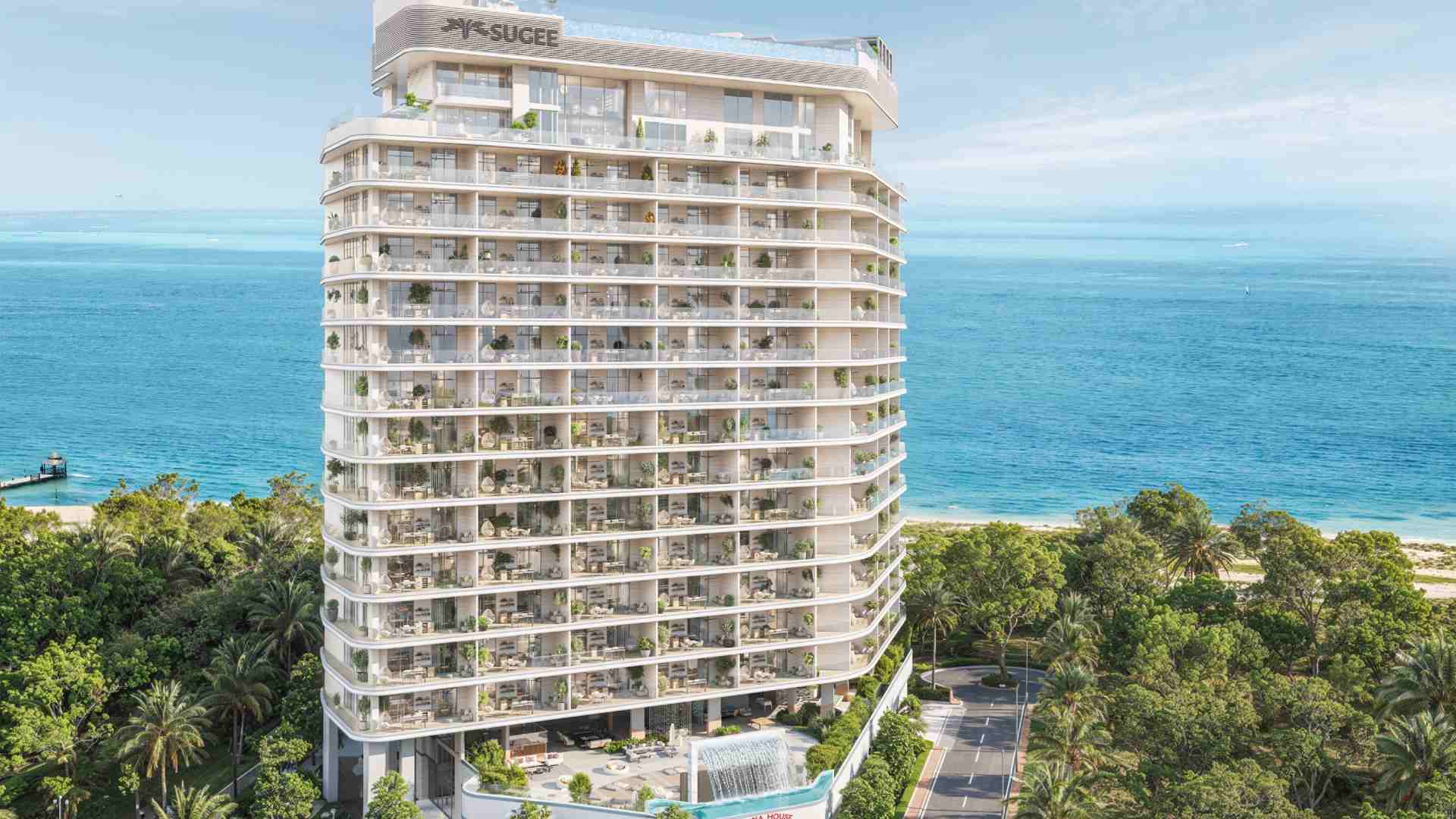
Sugee Group, a trusted international real estate developer with nearly four decades of experience, and Wyndham Hotels & Resorts, one the world’s largest hotel franchising companies, have announced a strategic partnership to develop the world’s first Vienna House Residences by Wyndham, bringing its global debut to the Middle East on Al Marjan Island, Ras Al Khaimah.
This collaboration is not only a global expansion of the Vienna House brand into the Middle East for the first time; it also marks its new global chapter of residential hospitality.
The agreement for the Vienna House Residences Al Marjan Island was formally signed at a ceremony held in Dubai, with the senior leadership from both organisations. Representing Wyndham Hotels & Resorts was Govind Mundra, Head of Development for the Middle East and Africa (MEA) region.
Vienna House by Wyndham is a European lifestyle brand, rooted in culturally rich destinations, bringing contemporary design, intuitive service and a relaxed social spirit to hospitality to the coats of Ras Al Khaimah. “Bringing the world’s first Vienna House Residences by Wyndham to Al Marjan Island reflects our ambition to curate growth by bringing the right partners and distinctive concepts to Ras Al Khaimah. By combining international hospitality with residential living, this development builds on the island’s potential, responds to evolving demand and contributes to shaping a destination that creates lasting value for residents, investors and the emirate,” said Sheikh Saqr bin Omar Al Qasimi, CEO of Marjan Development.
Vienna House Residences by Wyndham on Al Marjan Island will be interpreted as fully furnished, hospitality-led residences, and it will be the only development on the island to offer short-term rental, combining the consistency of hotel service with the privacy and comfort of home.Residents will also benefit from exclusive Wyndham privileges, including a one-year complimentary Wyndham Rewards Platinum membership, preferred rates across more than ~8,400 hotels worldwide, and priority access to member-only offers and promotions.
Sugee Group has appointed Invespy as its UAE sales partner for Vienna House Residences by Wyndham, leveraging Invespy’s extensive broker network and technology-enabled sales platform to connect the project with buyers and channel partners across the UAE and international markets.
To bring the project to market, Sugee Group has also opened a new sales centre in the heart of Dubai Marina. The centre offers prospective buyers and investors an opportunity to experience the Vienna House concept, explore the residences and understand the proposition ahead of the project’s launch from a dedicated team of specialist consultants. Designed as an extension of the brand experience, the new sales centre provides an early introduction to the project’s European-inspired design, hospitality-led living concept and investment proposition.
Commenting on the project’s investment proposition, Imran Khan, Founder and CEO of Inspy, Sugee Group’s partner in the UAE, said: “Sugee Group is positioning Vienna House Residences by Wyndham as a distinctive offering on Al Marjan Island, bringing together the global debut of Vienna House branded residences with a hospitality-led model designed to appeal to both end users and investors. The project’s early construction approach, combined with the introduction of short-term rentals under an internationally recognised hospitality brand, offers a differentiated proposition in the market. As the first project on Al Marjan Island to offer this short-term rental model, alongside the global first of Vienna House Residences by Wyndham, Sugee is addressing investor interest in properties that combine an established hospitality brand, lifestyle appeal and rental potential.”
Substantiating the prospects of ROI, Sugee also announced that the Vienna House Residences by Wyndham will also become the first hospitality branded residence on the island to offer short term rentals on the property.
Dimitris Manikis, President, EMEA, at Wyndham Hotels & Resorts added: “Bringing Vienna House Residences by Wyndham to Al Marjan Island marks a key moment as we introduce the brand to the Middle East, alongside its inaugural global branded residences. At its core, Vienna House reflects a European approach to living with thoughtful design, a strong sense of place and a naturally social way of life, which sits comfortably with destinations like Al Marjan Island. With Sugee Group, whose strong design sensibility and long-term vision align closely with our own, we are proud to bring this next chapter to life and create lasting value for residents and investors alike.”
Launching on Al Marjan Island places Sugee Group at the heart of one of the world’s fastest-growing coastal destinations. The partnership with Wyndham strengthens Sugee’s entry into the market, combining its development expertise with a globally recognised hospitality platform.
Sugee Group’s expansion into the UAE reflects its long-term commitment to the region, with a focus on delivering well-designed, hospitality-led developments that create lasting value.

By Joshua Oliver, Luxury Advisor and Founder, Joshua Oliver Concierge
The luxury concierge industry is entering an interesting period of transformation. For years, the value of a concierge was largely associated with access: securing reservations at exclusive restaurants, arranging private aviation, sourcing rare luxury goods or opening doors that might otherwise remain closed.
While these services remain important, I believe the future of luxury concierge will be defined by something far more valuable: the ability to understand a client, anticipate their needs and deliver a genuinely personalised experience.
Having worked with high-net-worth individuals for over a decade, I’ve witnessed a significant evolution in what clients expect. Today, exceptional service is no longer simply about fulfilling a request. It’s about removing complexity, saving time and providing a level of personal attention that technology alone cannot replicate.
Moving Beyond Exclusivity
One of the biggest changes within luxury hospitality is that access is becoming increasingly democratised.
Social media, digital booking platforms and the expansion of luxury hospitality brands have made experiences that were once considered exclusive far more visible and, in many cases, easier to obtain. A beautiful hotel suite, a Michelin-starred restaurant or a private yacht charter can often be discovered and booked online. As a result, simply providing access is no longer enough to differentiate a concierge business.
The real value lies in knowing which experience is right for a particular client, understanding their preferences and ensuring every detail is managed seamlessly.
For example, two clients may have identical budgets but completely different expectations. One might value privacy, discretion and complete relaxation, while another seeks social experiences, entertainment and excitement.
The role of a concierge is to understand those differences and make recommendations accordingly.

Technology Will Enhance, Not Replace, Human Service
Artificial intelligence will undoubtedly play an increasingly important role in the concierge industry.
From itinerary planning and reservation management to analysing client preferences and streamlining administrative processes, technology has the potential to make concierge businesses significantly more efficient.
However, I don’t believe technology will replace the human relationships that sit at the heart of exceptional luxury service. AI can recommend a hotel based on a client’s previous bookings, but it cannot necessarily understand the personal circumstances influencing their decision to travel.
It cannot replicate years of trust, discretion or the reassurance of having someone personally accountable when something goes wrong. For independent concierge businesses, technology should be used to reduce the time spent on administration, allowing more attention to be directed towards clients.
The businesses that succeed will be those that combine technological efficiency with genuine human understanding.
The Growing Importance of Time
For many high-net-worth individuals, time has become one of their most valuable assets. Their lives are often increasingly international, with business commitments, family responsibilities and travel spread across multiple destinations. Consequently, I believe the demand for comprehensive lifestyle management will continue to grow.
Rather than engaging separate providers for hotels, restaurants, transportation, aviation and personal shopping, clients increasingly value having one trusted point of contact who can oversee everything.
This creates opportunities for concierge businesses to develop longer-term relationships through membership and retainer-based services, rather than relying exclusively on individual transactions.
It also places greater importance on consistency, responsiveness and accountability. A client should not have to repeatedly explain their preferences or coordinate multiple suppliers. The entire purpose of a concierge is to simplify their life.
The Middle East’s Growing Influence
The Middle East, particularly Dubai, is becoming an increasingly important market for luxury concierge services.
The region’s international population, expanding hospitality sector and concentration of affluent residents create an environment where highly personalised services are particularly relevant.
Having established my business in Dubai, I see significant opportunities for collaboration between independent concierge companies, luxury hotels, hospitality groups and specialist service providers. However, successful partnerships must extend beyond simple referral arrangements.
Hotels and concierge businesses should work together to better understand shared clients, communicate preferences and deliver experiences that feel consistent from the initial enquiry through to departure. The strongest partnerships will be built on mutual trust, service standards and a shared commitment to the client experience.
A More Personal Future
Ultimately, I believe the future of luxury concierge will be less about how much a business can offer and more about how intelligently it delivers those services.
Clients will continue to expect access, efficiency and exceptional quality, but the businesses that distinguish themselves will be those capable of providing continuity, discretion and meaningful personalisation. As technology makes luxury experiences easier to discover and purchase, the importance of human judgement will only become more apparent.
For me, the future of concierge is not about replacing personal service with technology or pursuing exclusivity for its own sake. It’s about combining expertise, relationships and innovation to create something increasingly rare in a fast-moving world: a service that genuinely understands the individual.
And that, I believe, is where the true future of luxury lies.
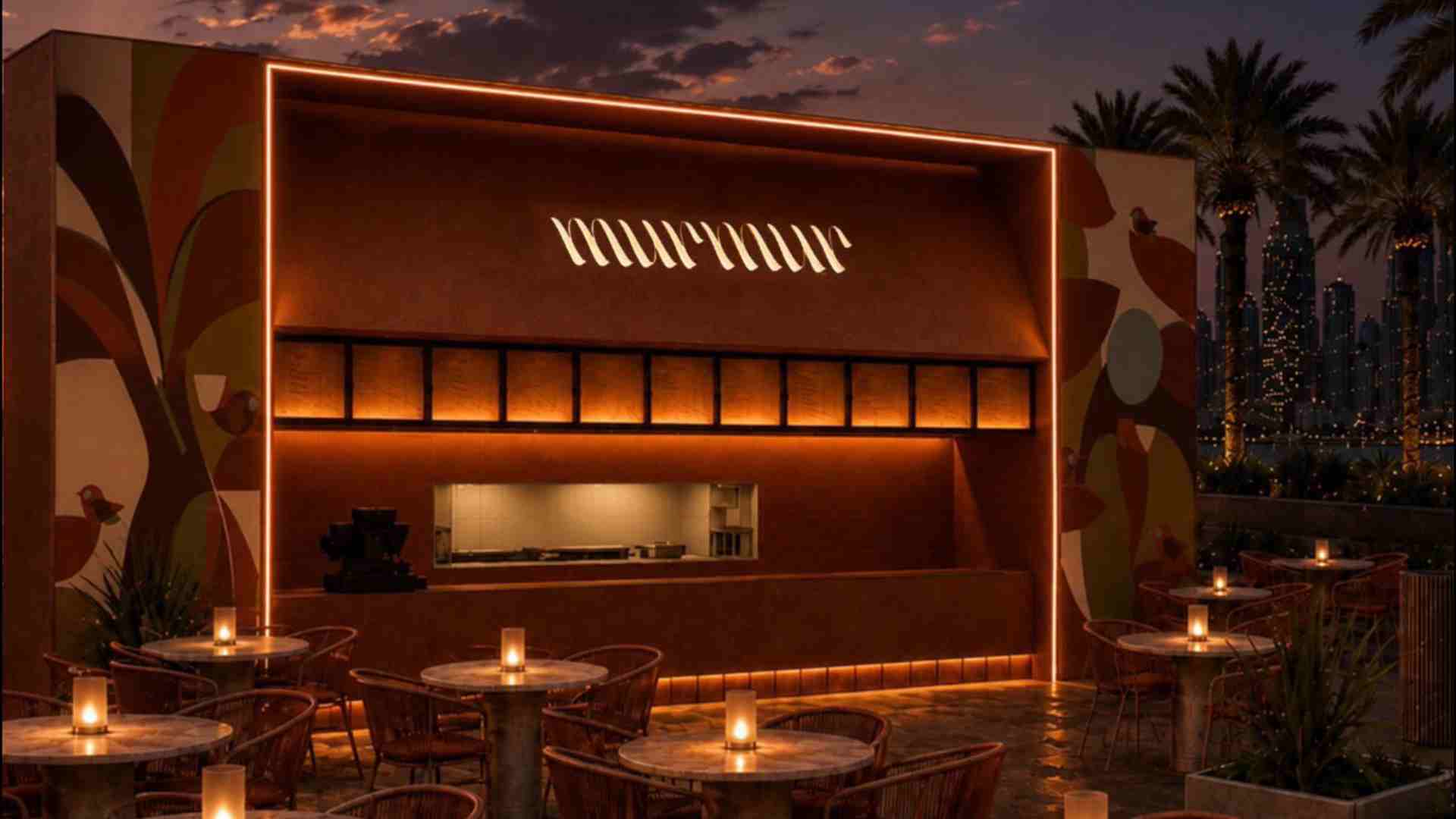
Murmur, Sharjah’s first homegrown fine-dining restaurant, is making its Dubai debut with a winter pop-up at Marsa Boulevard, opening on 30 October 2026. Known for its creative take on Emirati and regional flavours, Murmur brings together traditional tastes, global influences and modern culinary techniques, inviting guests to discover the flavours of the UAE through a fresh and approachable contemporary bistro experience.
Murmur’s menu celebrates familiar local ingredients and flavours while drawing inspiration from cuisines around the world. Its contemporary fusion approach offers the locals & residents a new way to rediscover their favourite flavours, while introducing international guests to regional cuisine through inventive yet comforting dishes.
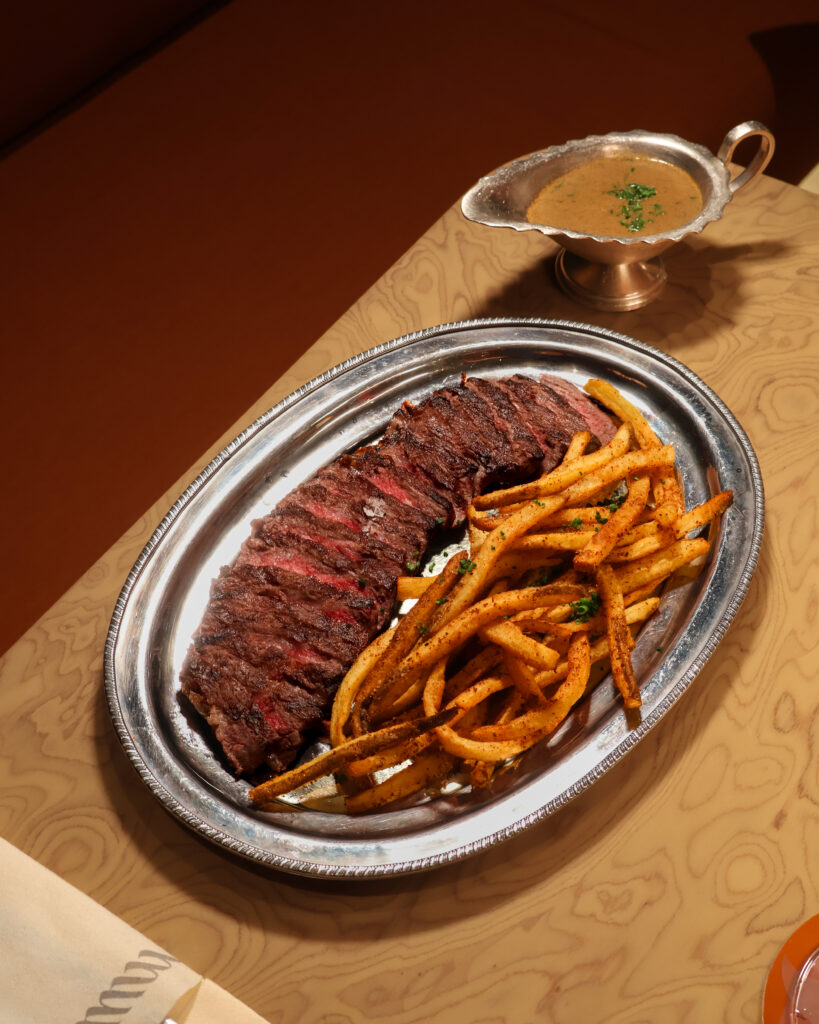
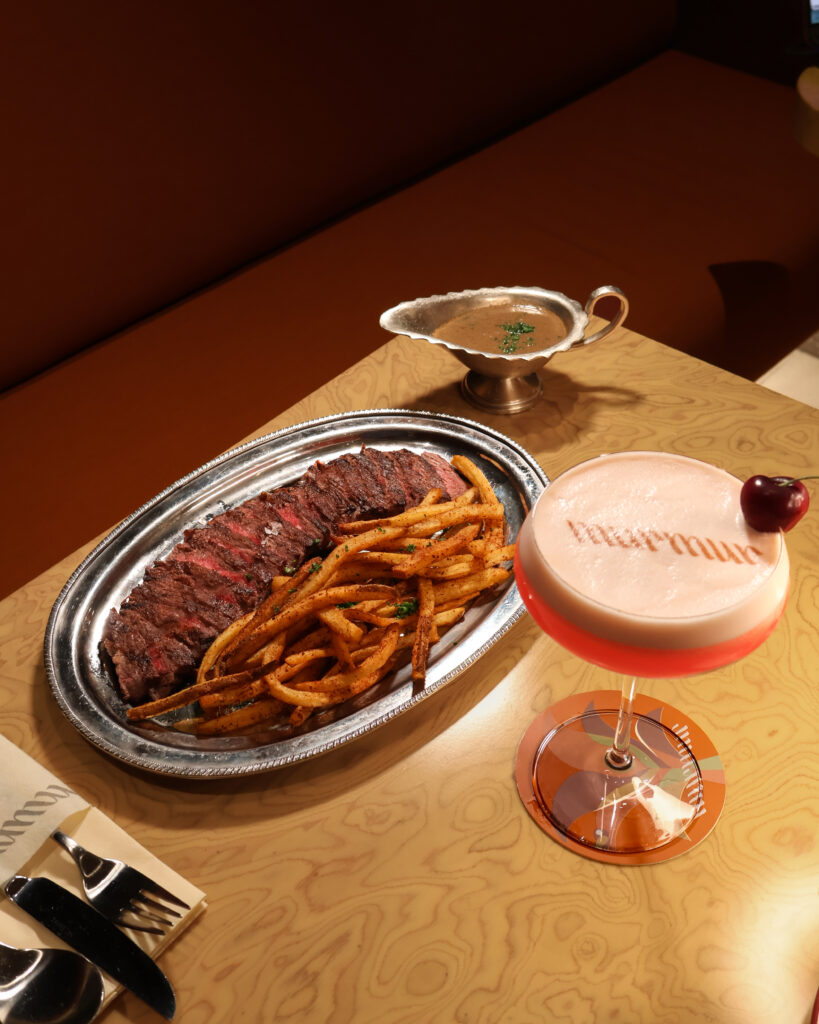
For its Marsa Boulevard debut, Murmur has created an exclusive menu featuring playful interpretations of familiar favourites. Highlights include the Saffron Chicken Burger, featuring saffron garlic mayonnaise and a sesame saffron Hokkaido bun; Musakhan Croquettes, made with sumac chicken and fried onions; and Biryani Arancini, bringing together Murmur’s signature biryani and dal makhani in an Italian-inspired creation. Other specials include Eggplant Melanzane, served with roasted eggplant, matchstick fries and burrata, and Marsa Fries, featuring Murmur’s signature seasoning.
Alongside these exclusive creations, guests can explore Murmur’s signature dishes, including Wagyu Short Rib & Tahdig, pairing crispy tahdig rice with braised beef short rib, and Machboos Arancini, a contemporary interpretation of the traditional Emirati rice dish. For dessert, the Karak San Sebastian combines the comforting flavours of karak with the richness of a classic san sebastian, finished with saffron foam.
Set against the scenic waterfront of Marsa Boulevard, the winter pop-up offers an inviting outdoor dining experience, perfect for relaxed evenings, gatherings with friends and discovering new flavours during Dubai’s cooler months.
Inspired by murmuration, the beautiful synchronised movement of birds, Murmur reflects the idea of different elements coming together in harmony. With its first Dubai location, the brand continues to celebrate its local roots while bringing Emirati and regional flavours to a wider audience through creativity, culture and contemporary dining.
Location: Marsa Boulevard, Dubai | Opening Date: 30th October 2026 | Operating Hours: 4PM -12PM – Weekends 1AM | Reservations: Walk in basis


SUGEE GROUP & WYNDHAM HOTELS & RESORTS PARTNERS TO DEVELOP THE WORLD’S FIRST VIENNA HOUSE RESIDENCES BY WYNDHAM ON AL MARJAN ISLANDS, RAK
RECHITTA SURPASSES 100,000 MINUTES OF REAL-WORLD USE AS IT LAUNCHES NEXT-GENERATION V2 PLATFORM
Above the City with CRANK at Level 43



-

 Trending12 months ago
OPPO A6 Pro 5G Review: Reliable Daily Driver
-

 Tech News2 years ago
Denodo Bolsters Executive Team by Hiring Christophe Culine as its Chief Revenue Officer
-
 VAR2 years ago
Microsoft Launches New Surface Copilot+ PCs for Business
-

 Automotive2 years ago
AGMC Launches the RIDDARA RD6 High Performance Fully Electric 4×4 Pickup
-
Tech Interviews3 years ago
Navigating the Cybersecurity Landscape in Hybrid Work Environments
-

 Hospitality2 years ago
Gulfood 2025 30th Edition Kicks Off Today, Setting New Benchmarks in F&B Growth and Innovation
-

 VAR11 months ago
Huawei Nova 14 Pro Review: Where Camera Excellence Meets Ecosystem Evolution
-

 Tech News1 year ago
Nothing Launches flagship Nothing Phone (3) and Headphone (1) in theme with the Iconic Museum of the Future in Dubai