
 Have a question? +971 56 404 0503




Home Integrator
Riverbed Primes Networks for the AI Era with Acceleration Solutions and New Flex Subscription Offering


Riverbed recently introduced new and enhanced acceleration solutions, vastly improving enterprise network performance, security and IT agility, advancing customers’ ability to thrive in the era of AI and massive data growth. This ground-breaking launch, Riverbed’s most comprehensive acceleration announcement in seven years, includes ten new Riverbed SteelHead solutions powered by RiOS 10, the company’s next-generation acceleration software. Riverbed’s industry-leading solutions enable customers to speed the movement of enterprise data across connected clouds, data centers, and the edge with enhanced security and operational agility. Additionally, customers now have the option to consume these new solutions via the new Riverbed Flex subscription offering, delivering greater architectural freedom, license portability, value-retention, and improved total-cost-of-ownership.
Networks are now constrained, with data volumes surging 35% annually, outpacing network capacity. According to recent ESG analyst research, 91% of IT leaders agree that AI is making networking, and thus network acceleration, critical again, with 85% seeing AI influencing network planning, engineering, and operations. With a large portion of enterprise data being both created and used by AI applications, the performance of everything running over the network is impacted, including critical on-prem and cloud applications and computing at the edge.

“Riverbed was founded 23 years ago this month with a focus on accelerating applications and the movement of data over networks. AI and data-hungry applications have introduced new and more demanding network requirements,” said Dave Donatelli, CEO of Riverbed. “I’m proud that Riverbed continues to solve our customers’ most critical challenges, as demonstrated today by our largest Acceleration launch in seven years. In the first quarter of this year, we saw strong demand in our Acceleration business, achieving 59% year-over-year bookings growth. These new solutions build on our momentum and deliver a proven return on investment by helping customers move data faster, optimize application performance, and strengthen business resilience.”
Next-Generation SteelHead Acceleration Appliances Powered by RiOS 10
RiOS 10, a significant update to Riverbed’s acceleration software that has powered more than 100,000 operating locations globally, will deliver new levels of performance for cloud, data centers and the edge, helping customers secure data delivery through advances such as post-quantum cryptography, platform security, and confidential computing. For customers demanding the utmost performance, the new Riverbed SteelHead 90 series will offer new levels of resilient networking performance and value. The four appliances range from the Data Center-ready CXA-8090 to the CXA-2090 optimized for Edge deployments.
- SteelHead 8090, delivers up to 60 Gbps of data movement over optimized WAN. It supports multiple 100 Gigabyte network interfaces to pull massive amounts of data from the LAN.
- SteelHead 6090, delivers up to 20 Gbps of data movement over optimized WAN, targeted for mid-scale data centers.
- SteelHead 4090 and 2090, support mid-sized data center and edge use cases, with 500 Mbps and 200 Mbps of accelerated traffic, as well as up to 10 Gbps of total traffic processing for QoS and application classification use cases.
“Network congestion is no longer just a nuisance—it’s a choke point that can cripple a business. Without fast and efficient data movement over networks, enterprises will quickly find themselves falling behind, missing out on the promise of AI,” said Chalan Aras, SVP and GM of Acceleration at Riverbed. “Riverbed’s new resilient networking solutions help organizations stay ahead of the curve by securely managing growing data volumes and application performance demands, while also improving IT agility to support the dynamic demands of cloud, data center and edge computing.”
For virtualized environments, Riverbed SteelHead Virtual, powered by RiOS 10, is a software only version designed for private cloud deployments delivering similar appliance performance levels and is compatible with VMWare ESXI, KVM and Microsoft Hyper-V.
To further help customers overcome the unique challenges of edge computing, Riverbed is also introducing SteelHead RS, a new software solution that projects business-critical data to the edge while providing near real-time data synchronization between the edge and the data center, enabling fast local application and AI processing at the edge, while maintaining data consistency across the edge and core.
Riverbed SteelHead Cloud, powered by RiOS 10, will deliver breakthrough acceleration benefits across the broadest range of cloud providers – including Amazon Web Services, Microsoft Azure, and new today – Oracle Cloud Infrastructure and Google Cloud Platform2. The new SteelHead Cloud offering, available in each cloud providers’ marketplace, enables enterprises to move data and applications at speeds up to 20 Gbps, ensuring optimal application performance, faster delivery, and significant cost savings compared to traditional methods.
“AI initiatives are increasing the criticality of network performance, requiring reduced latency, increased bandwidth, and richer network observability. While performance can be improved by upgrading network gear and external services, organizations should also prioritize continuous optimization of network connections. These are all requirements that Riverbed’s resilient networking solutions address for successfully supporting growing AI workloads,” said Jim Frey, Principal Analyst, Networks, Enterprise Strategy Group.
New Flex Subscription Offering for Acceleration Solutions
Riverbed’s new Flex subscription offering gives customers architectural freedom and strong investment protection. Licenses can be easily transferred from hardware to virtual to cloud devices at no cost. Customers can dynamically reassign license capacity across devices, scale capacity up or down based on business needs, and upgrade hardware more cost-effectively as Riverbed introduces new technologies.











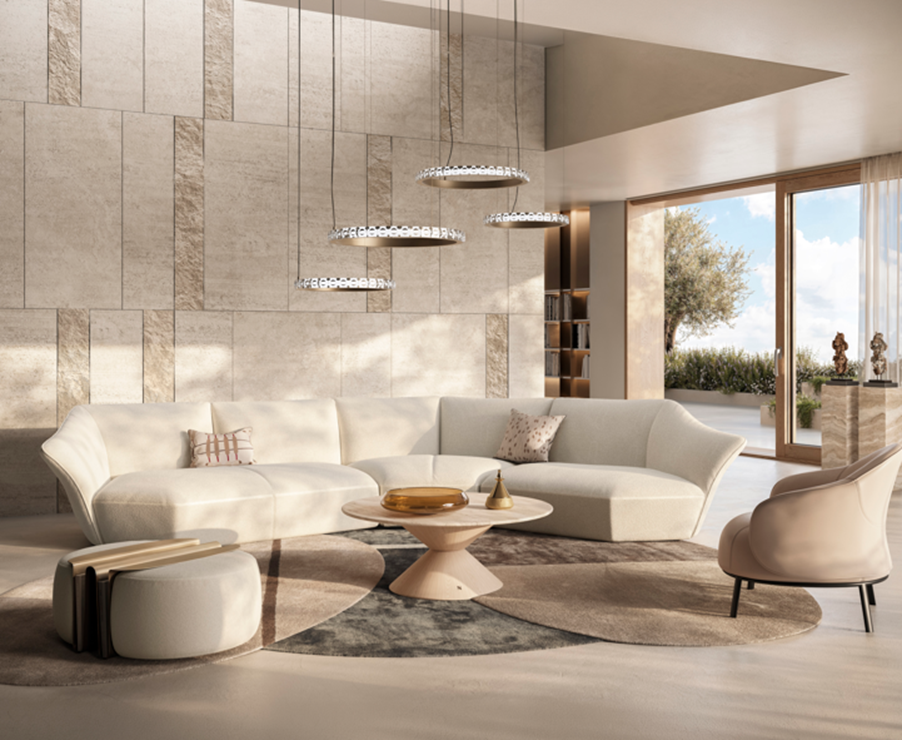
Natuzzi Italia, the global ambassador of Italian lifestyle, invites the world to see the home in a new light. In a masterclass of craftsmanship and atmospheric design, the brand unveils its latest lighting ensemble—a collection where functional illumination evolves into pure, radiant sculpture.
These pieces represent more than just a new product line; they are a dialogue between the heritage of Italian artisanal mastery and the avant-garde of modern luxury.
The Collection: Sculptures of Luminosity
Aura Suspension:
Architectural Harmony Aura embraces space with ethereal grace, spreading a soft, diffused glow that envelopes a room in a harmonious atmosphere. Its refined, essential shapes interact seamlessly with architecture, creating a perfect equilibrium between raw matter and weightless light. Available in various compositions, Aura enriches grand spaces with a timeless allure, transforming surroundings into pure emotion.
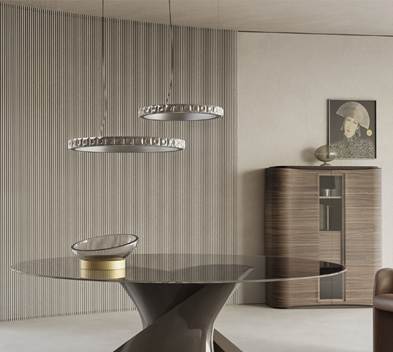
Elsa Table Lamp:
A Timeless Embrace Elegance and purity find their form in Elsa. This masterpiece features a charm carved from artisan glass, playing against the natural, sophisticated veins of Calacatta marble. Topped with a decorative accessory in brushed light gold, Elsa is not merely a lamp, but a precious jewel for the contemporary interior.
Tea Floor Lamp:
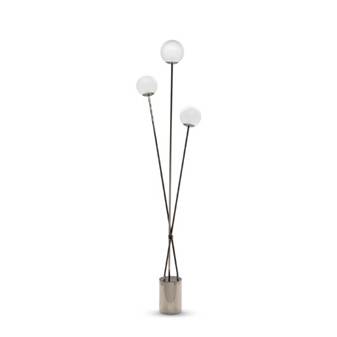
Floral Grandeur: Standing with the poise of a curated bouquet, the Tea lamp features three slender stems rising in a rhythmic interplay of heights. Each stem culminates in a satinated blown-glass sphere, casting a soft, encompassing glow that mimics the gentle transition of dusk.
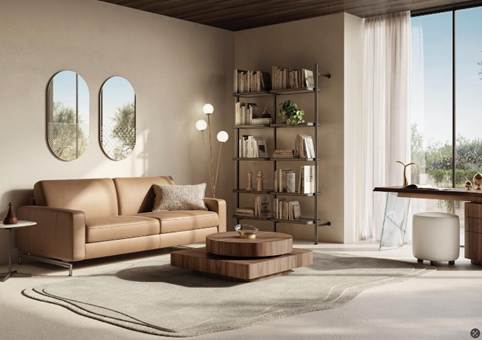
Rosé:
The Icon of Grace Inspired by the delicate silhouette of an inverted chalice, Rosé pays homage to the warm, shimmering hues of a desert sunset. With its refined finish and iconic silhouette, it transforms light into a radiant expression of Mediterranean beauty.
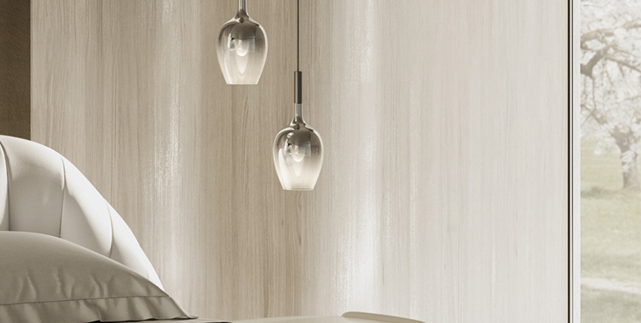
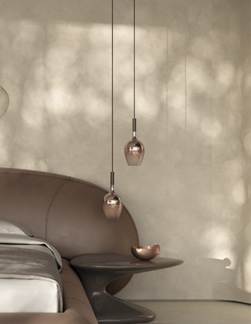
Solene:
The Luminous Secret of Solene is where tradition meets innovation. Featuring a hand-carved crystal heart nestled within blown glass, it filters light to create a sanctuary of intimacy. It is a quiet masterpiece, a secret whispered in the language of light.
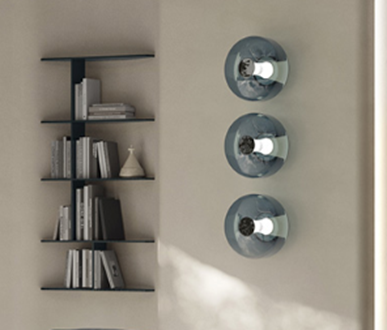
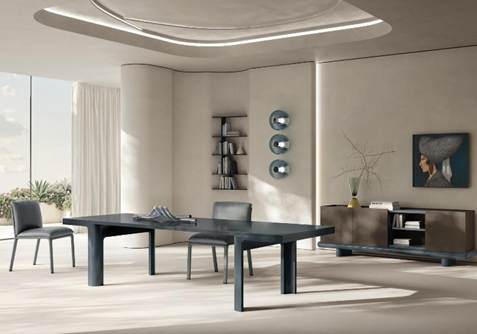
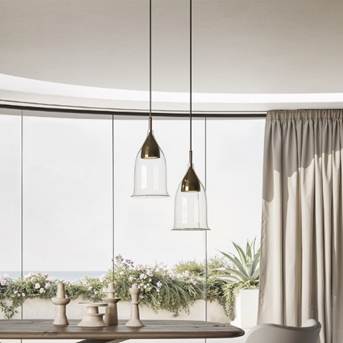
Nola:
Ethereal Weightlessness Suspended with the quiet dignity of a bell, Nola brings a brilliant yet delicate presence to any room. Its minimalist form serves as a statement of lightness, proving that true refinement often speaks in a whisper.
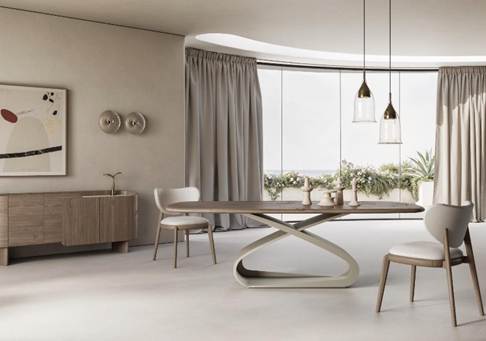
Bossanova:
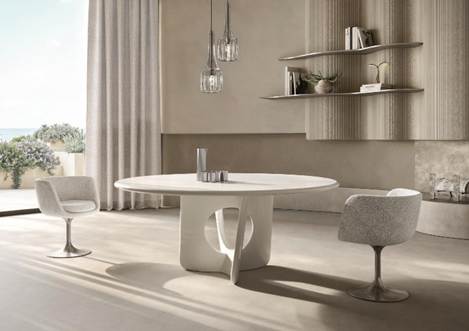
The Rhythm of Reflection Dynamic and fluid, Bossanova appears to dance within the air. Its vibrant transparency and undulating lines create a play of reflections that evoke joy and movement, capturing the timeless spirit of Italian celebration.
Experience the Glow
Discover the collection at Natuzzi Italia showrooms across the UAE, where the poetry of light meets the art of living.
Natuzzi store are located near you in Dubai and Abu Dhabi, visit the website.
• Natuzzi, Sheikh Zayed Road between 2nd and 3rd interchange, Dubai
• Natuzzi, near Al Maktoum Bridge, Umm Hurair Road, Dubai
• Natuzzi, The Galleria, Abu Dhabi
Grounded in nature and materiality, brown is returning to interiors as a calming, contemporary neutral.
Brown is re-emerging as one of the defining tones of contemporary interiors. Once associated with the nostalgic interiors of the 1970s, the colour is now being reinterpreted through a more refined lens, introducing depth and material richness to modern living spaces. After several years dominated by pale neutrals and cool greys, designers are increasingly introducing a spectrum of warm brown tones – from deeper shades such as espresso and cocoa to softer hues including caramel, tan and walnut – bringing greater character and contrast to current interior palettes.
Used thoughtfully, brown acts as a versatile neutral within contemporary spaces, adding structure while softening lighter schemes. Layering deeper chocolate tones with caramel or tan shades introduces subtle depth, while softer tones such as off-white or cream keep the composition light and balanced. Accents in bronze or brushed metals, alongside rich woods and textured fabrics, further enhance the layered quality of the palette.
Reflecting this shift, Minotti explores these richer tones across its latest collections. At the Minotti Dubai flagship store in Jumeirah, sculptural seating and refined finishes illustrate how brown tones can shape contemporary interiors.
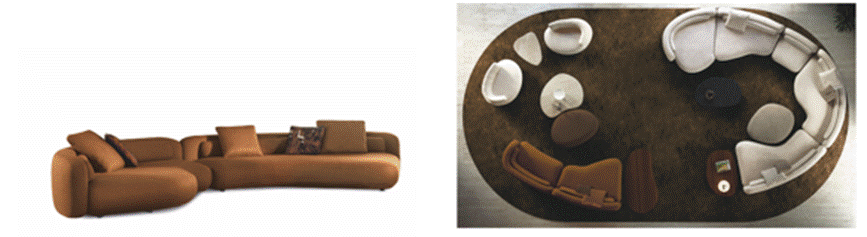
Sculptural Foundations: Bézier seating system and coffee table
Statement seating is one of the most effective ways to introduce brown into a space. TheBézier seating system by Marcio Kogan / Studio MK27 embodies this approach through its fluid, organic silhouette and generous proportions. Inspired by the parametric curves developed by French engineer Pierre Bézier, the sofa’s rounded volumes create a sculptural presence that feels both architectural and inviting.
Upholstered in warm tones, the design anchors the living area while maintaining visual softness. Its modular configuration expands into island-like compositions that encourage relaxed gathering and conversation. Paired with the Bézier coffee table, featuring a Canaletto walnut top in light brown veneer, the composition highlights how brown can extend through both upholstery and natural materials.
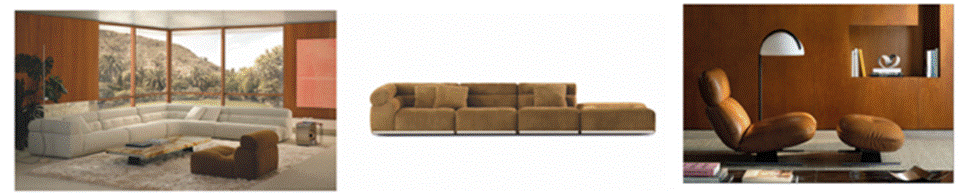
Layered Upholstery: Coupé and Libra
Brown tones are equally effective when introduced through layered seating arrangements. The Coupé seating system by Giampiero Tagliaferri reinterprets the aesthetic language of 1960s and 1970s interiors through a contemporary lens. Its overlapping rounded volumes and tone-on-tone stitching emphasise softness and craftsmanship while maintaining the understated elegance characteristic of Minotti.
Also designed by Giampiero Tagliaferri, the Libra armchair introduces a sculptural accent. Inspired by seventies aesthetics, the design is composed of overlapping padded volumes upholstered in leather or fabric, creating a balanced interplay between seat, backrest and headrest.
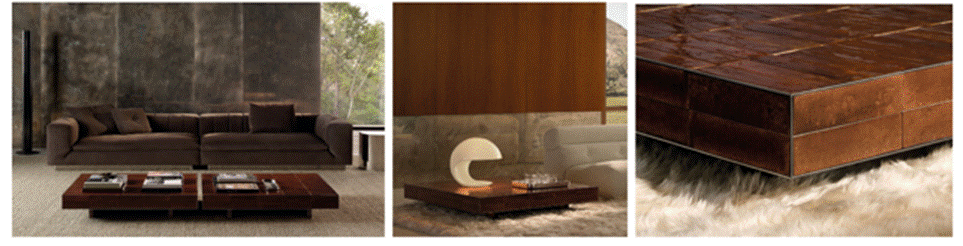
Architectural Balance: Riley seating system, Andrée and Stage coffee tables
Where softer silhouettes introduce warmth, more architectural pieces bring structure and contrast. The Riley seating system by Hannes Peer reflects this balance through its geometric form and precise detailing, with vertical quilting adding rhythm to the upholstery.
Alongside the seating, the Andrée coffee table, also designed by Hannes Peer, introduces a decorative counterpoint. Inspired by the facades of 1970s Milanese architecture, the design pairs glazed ceramic surfaces with chrome-plated brass trims, adding texture and reflective depth.
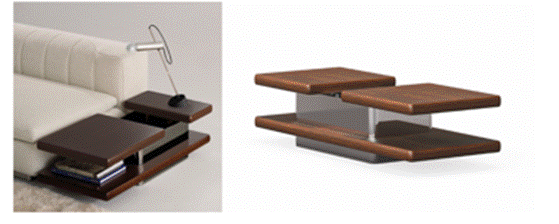
The Stage side table further extends the palette through wood and metal finishes, with tops available in Canaletto walnut-stained light brown or glossy Moka lacquer.
A Contemporary Neutral
Far from being a passing trend, brown’s return reflects a broader shift toward interiors that prioritise depth, materiality and balance. When layered thoughtfully through furniture, finishes and textures, the colour introduces a quiet sophistication that feels both timeless and relevant today.
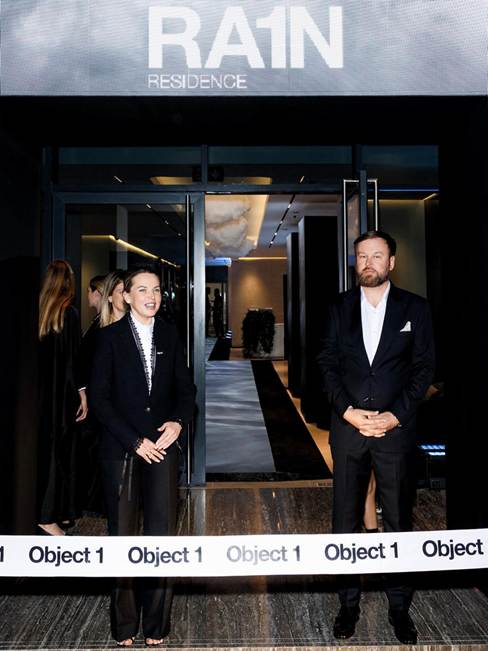
Object 1 has officially announced the 100% completion of RA1N Residence, the developer’s residential project in Dubai. The delivery signifies the company’s evolution from project launches to the successful handover of homes, solidifying its reputation as a reliable player in the city’s fast-moving real estate sector.
Located in District 12 of Jumeirah Village Circle (JVC), the 25-storey tower features 144 units, ranging from one- and two-bedroom apartments to exclusive top-floor apartments with jacuzzi for extra comfort. The project meets a surging market demand for ready-to-move properties. JVC remains a top-tier choice for residents and investors alike, currently capturing 61% of sales searches and 80% of rental searches for apartments in the mid-market segment.
RA1N Residence provides a comprehensive suite of amenities designed for modern urban life:
A spacious lobby with lounge area and co-working spaces, a dedicated clubhouse, indoor and outdoor fitness areas, 2 swimming pools – for kids and adults-only, on-site retail outlets, children’s play zones – both indoors and outdoors.
Designed for immediate comfort and functionality, the apartments feature bright, ergonomic layouts and high-quality materials with contemporary finishes sourced directly from European factories, complemented by built-in appliances and premium plumbing fixtures from leading manufacturers.
There is direct access to Al Khail Road and Sheikh Mohammed Bin Zayed Road, linking the community to Dubai Marina, JLT, and Dubai Internet City. The Roads and Transport Authority’s Hessa Street Phase II project, will double road capacity and reduce travel times while serving nearly 650,000 residents across surrounding communities, further strengthening accessibility for the district.
The announcement comes as Dubai’s property market demonstrates unprecedented momentum. In January 2026 alone, total transactions reached circa Dh108.0 billion – nearly doubling the figures from the previous year.
Tatiana Tonu, CEO of Object 1, commented: “Delivering RA1N Residence is a defining moment for Object 1, as we move from vision to tangible reality. While the world watches regional shifts with caution, our faith in Dubai’s investment climate remains absolute. This city is more than just a market; it is a global safe haven that consistently turns challenges into growth opportunities. By completing our project, we are sending a clear message to our investors: we are here for the long term, contributing to the Dubai 2040 Urban Master Plan and building high-quality communities that thrive regardless of external pressures.”

NATUZZI ITALIA ILLUMINATES THE SOUL OF THE HOME WITH THE POETRY OF LIGHT
SIX & SIX PRIVATE ISLANDS TO OPEN SIX DISTINCT RESORTS IN THE MALDIVES OVER SIX YEARS
TRACK24 UNVEILS ATLASNXT TO REDEFINE GLOBAL DUTY‑OF‑CARE AND RISK INTELLIGENCE

-
News10 years ago
SENDQUICK (TALARIAX) INTRODUCES SQOOPE – THE BREAKTHROUGH IN MOBILE MESSAGING
-

 Tech News2 years ago
Denodo Bolsters Executive Team by Hiring Christophe Culine as its Chief Revenue Officer
-
 VAR11 months ago
Microsoft Launches New Surface Copilot+ PCs for Business
-

 Tech Interviews2 years ago
Navigating the Cybersecurity Landscape in Hybrid Work Environments
-

 Tech News8 months ago
Nothing Launches flagship Nothing Phone (3) and Headphone (1) in theme with the Iconic Museum of the Future in Dubai
-

 Automotive1 year ago
AGMC Launches the RIDDARA RD6 High Performance Fully Electric 4×4 Pickup
-

 Trending5 months ago
OPPO A6 Pro 5G Review: Reliable Daily Driver
-

 VAR2 years ago
Samsung Galaxy Z Fold6 vs Google Pixel 9 Pro Fold: Clash Of The Folding Phenoms