 Have a question? +971 56 404 0503




Hospitality Interviews
Tigrus Restaurant Holding: Savoring Sustainability in Every Bite

The Integrator had an exclusive interview with Henrik Winther, Founder, Tigrus Restaurant Holding
Could you provide a brief overview of Tigrus Restaurant Holding and its founding principles?
We are a sustainable, family-friendly hospitality group that prides itself on operating eco-friendly restaurants, educating on leaving a better world behind for future generations to come. Being sustainable is a lifestyle choice for us, and it’s something we work on as a team daily, creating a positive, motivating, and uplifting work ethic for the whole team.
How has Tigrus evolved since its establishment in 2005, and what sets it apart in the restaurant industry?
Our growth and efforts have been a huge factor in evolving. Since we began in 2005, we’ve expanded into the Middle East and now plan to launch 25 restaurants in the next 4 years in the GCC. When we started, we were not carbon neutral. Our most significant evolution was understanding where we could cut back, and in three years, we reduced our CO2 emissions by 43%. We have now achieved a state of neutrality. We’re different from other hospitality brands as we have implemented sustainability into our lifestyle and company culture. It’s not something we do half-heartedly; it’s our tool for growth and expansion as it drives team morale and saves us money.
Tigrus Holding is known for its commitment to sustainability. Could you elaborate on the initiatives the company has taken to fully compensate for its carbon footprint and achieve zero waste since 2018?
We do many things. Some of my favorites include utilizing coffee ground waste to become plant food to feed foliage in the restaurants, switching our kitchen stoves to induction, and sponsoring wild cats around the world in locations where we open restaurants. We are sponsoring Siberian Tigers in Russia and snow leopards in Tajikistan and are in the process of doing the same in the UAE. I really enjoy taking my team on excursions to experience something new and take part in saving wildlife.
Tigrus recently launched Osteria Mario in Dubai Marina. What motivated the choice of location, and how does this new venture align with the company’s overall mission and values?
The marina is a bustling hotspot in Dubai. If you’ve visited our Marina branch, you’ll notice that we have an extensive terrace filled with live plants and the most beautiful view, which both align with our brand as we like to be in hotspots and have plenty of space for plants.
Could you share insights into the unique features that Osteria Mario offers in Dubai Marina?
As mentioned, we have an extensive terrace. Unusually, we also have a dine-in, out concept for cooler months as we have had bi-fold doors fitted on the ground level so we can open them up to give guests the same open plan view of the marina up and down in the restaurant.
Tigrus has ambitious plans to expand its chain to 100 restaurants. Can you share some insights into the company’s strategy for achieving this growth while maintaining its commitment to sustainability?
Having four restaurants in Dubai has meant our supplier database is expensive, so we’ve done the groundwork here to operate sustainably. We’re currently exploring how to do that in other GCC countries as we grow in this region. As mentioned throughout, sustainability is a lifestyle choice that we take everywhere we go.

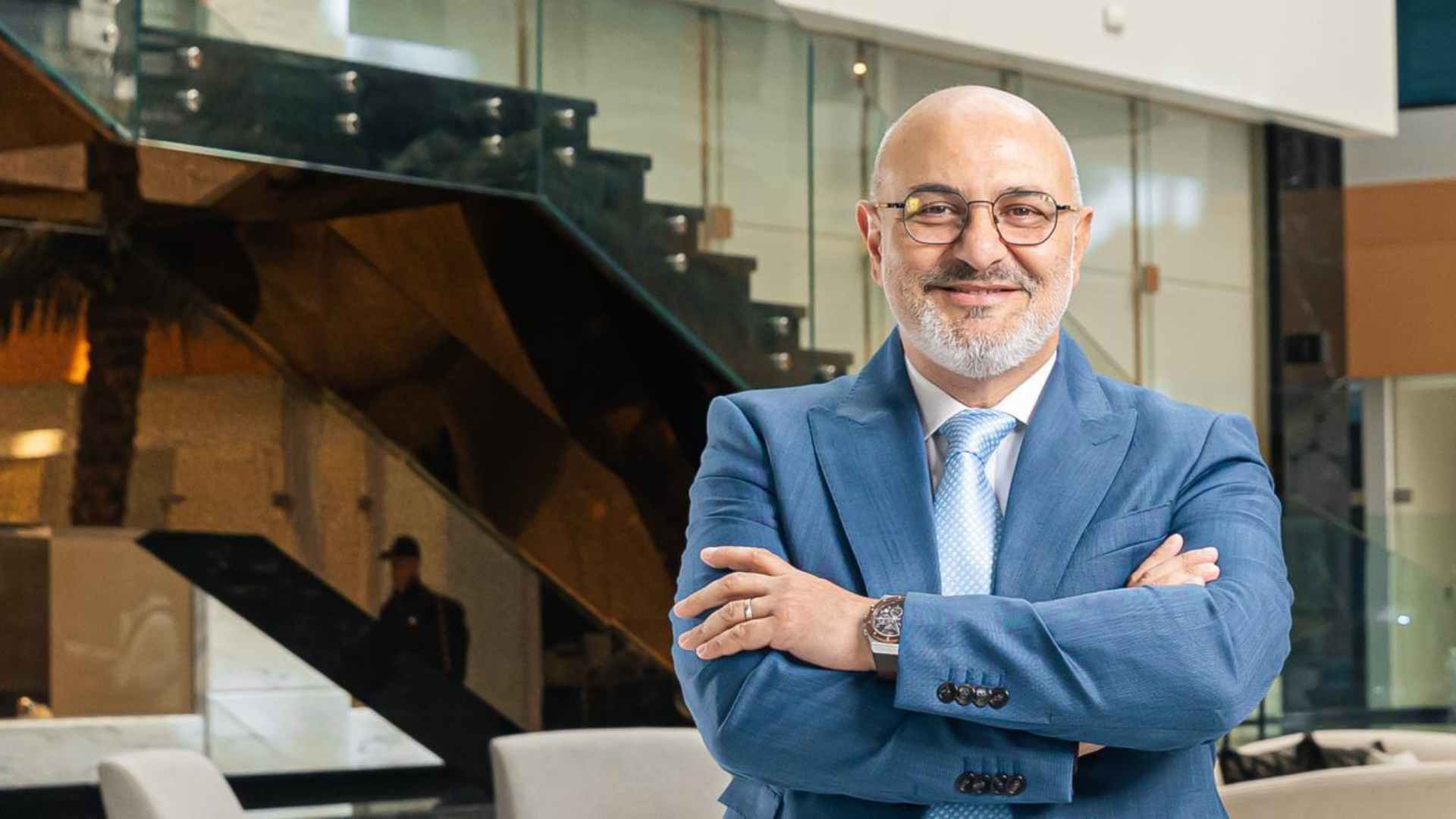
Exclusive interview with Andre Adel Saade, General Manager of Radisson Blu Hotel & Convention Centre, Riyadh
You have led hotels across Saudi Arabia, the UAE, Lebanon and Algeria. What has working across different markets taught you about hospitality leadership?
Working across different markets has taught me that there is no single formula for hospitality leadership. Every market has its own culture, expectations and way of doing business. A good leader needs to understand that context, respect it and adapt accordingly.
However, I believe the fundamentals of hospitality remain the same wherever you are. People want to feel valued, whether they are guests or colleagues. They want to be treated with respect, honesty and genuine care.
I have always believed that hospitality is much more than the physical product we offer. Every hotel has rooms, restaurants and facilities, and these must meet the right standards. What ultimately distinguishes one hotel from another, however, is its people, the relationships they build with guests and how they make them feel.
For me, this starts with getting the basics right: clean, well-maintained rooms and bathrooms, good food, an excellent breakfast with plenty of choice, from healthy options to food that reminds people of home, and, above all, a sincere approach to service. We may not always get everything right, and I do not believe any hotel can promise that. What matters is how we respond when something goes wrong. We should acknowledge our mistakes, apologise sincerely and find a solution. Guests should never feel that we are more concerned with defending ourselves than taking care of them.
I also believe in building relationships with guests that feel almost like family, while always maintaining the right professional boundaries and standards. It is about remembering people, understanding their preferences and making them feel that their presence genuinely matters.
From an operational perspective, I look at the business through what I call the five Ps: People, Product, Price, Processes and Presentation. People will always come first because hospitality is ultimately delivered by people. Product defines the experience we offer, Price ensures we position it correctly, Processes provide consistency and discipline, and Presentation elevates the perceived value of that experience. I have also always believed in leaving something behind wherever I work, whether it is a better process, a service detail, a commercial idea or a stronger team. One of the most rewarding things is returning to a hotel years later and seeing that something you introduced is still being practised.
Ultimately, my experience across different markets has taught me that standards can be global, but hospitality must always feel local, personal and genuine. The challenge, and the opportunity, is to adapt to different cultures while maintaining high standards and creating an experience that makes every guest feel valued and at home.
You have been recognized as the GM of the year in KSA twice. What do those recognitions mean to you, particularly from a leadership perspective?
It is certainly an honour to receive such recognition, particularly in a market as competitive and dynamic as Saudi Arabia. I am grateful for it, but I have never looked at a General Manager award as an individual achievement. A hotel is far too complex for one person to take credit for its success.
Every guest experience is the result of many people doing their jobs properly, often behind the scenes and without recognition. From Housekeeping and Engineering to Front Office, Food & Beverage, Sales, Finance and Human Resources, every department contributes to what the guest ultimately experiences.
For me, leadership is not about standing above people or expecting others to do things that you would not do yourself. It is about leading by example, being present, listening, taking responsibility and treating people fairly. Respect is earned through actions and consistency, not simply through position or title. Humility is equally important. You never stop learning, and you should never consider yourself above the people you work with. Some of the best ideas and most valuable lessons come from colleagues at every level of the organisation. A good leader must be willing to listen and recognise that he does not have all the answers.
My responsibility is to set the direction, establish clear expectations, support people, develop their capabilities and give them the confidence to take ownership. Accountability is essential, too, but it should always be applied fairly and with the intention of improving performance. The awards are meaningful because they recognise the collective effort behind the results.
Yet one of the things I value most is seeing people I have worked with grow in confidence, take on greater responsibilities and progress in their careers. For me, one of the greatest measures of leadership is not simply what we achieve, but how much stronger our people and our organization become along the way.
Having returned to Saudi Arabia in a leadership role, what changes in the Kingdom’s hospitality landscape have stood out to you most?
Having worked in Riyadh from 2002 to 2005, before moving to Al Khobar to open a five-star property, I left Saudi Arabia at the end of 2008 and returned in 2019. Coming back after more than a decade gave me a valuable perspective on the Kingdom’s evolving hospitality landscape.
The pace of development has been remarkable, but what stands out to me most is the growing focus not only on building new hotels and destinations, but also on developing talent, enhancing operational performance, creating distinctive guest experiences and giving visitors compelling reasons to return.
Riyadh, in particular, has developed into a much more diverse business and lifestyle destination. The growth of international business, major conferences, sporting events, entertainment and dining has broadened the reasons people visit the city, creating new opportunities for hotels to serve a wider range of guests.
For us as hoteliers, this growth brings both opportunity and responsibility. With more hotels entering the market, the physical product alone will not be enough to set one hotel apart. The real difference lies in how well we operate, how consistently we deliver and how effectively we understand and respond to our guests.
Saudi Arabia has a strong tradition of welcoming guests, and I believe our industry has a real opportunity to reflect that spirit. For me, genuine hospitality is about making people feel valued and at ease, almost as though they are being welcomed into a home, while maintaining the professionalism and standards expected of an international hotel. As the market continues to grow, I believe the hotels that distinguish themselves will be those that combine a strong product and capable teams with consistent standards and a genuine understanding of what guests value. That is what turns a good hotel experience into one that people remember and want to return to.
What opportunities do you see for convention and business hotels as Riyadh continues to attract international events and corporate activity?
I believe the opportunity is significant because Riyadh’s growth is creating demand at several levels simultaneously. We are seeing corporate travel, government and private-sector activity, exhibitions and conferences, major international events and an important market for social occasions. At the same time, the city’s expanding entertainment offering and growing interest in Saudi culture and heritage are attracting more leisure travellers.
The profile of the business traveller is also changing. A trip that may once have been purely corporate can now extend into a leisure stay, with guests choosing to experience the city’s restaurants, entertainment, cultural attractions and heritage destinations. This creates an important opportunity for hotels to serve both business and leisure needs.
For convention hotels, the opportunity goes well beyond providing meeting rooms. Organizers need an integrated solution that brings together accommodation, meeting and exhibition facilities, technology, catering, transportation and experienced teams capable of managing the entire event. At Radisson Blu Riyadh Minhal, our hotel and convention centre allow us to offer these services under one roof. With event spaces capable of hosting up to 2,334 guests, we can cater to a wide range of meetings, conferences and social occasions.
However, facilities alone do not guarantee success. The quality of the experience depends on how well our teams work together. An event organiser needs to feel confident that we understand the requirements, communicate clearly, anticipate challenges and deliver what we promise. When something does not go according to plan, we need to respond quickly, take responsibility and find a solution.
In this business, responsiveness is critical. Organisers need partners who can make decisions, accommodate last-minute changes and find practical solutions without compromising service or execution. Our role goes beyond providing an event space; it is about being proactive, adaptable and solution-oriented, so that even when plans change at short notice, the event runs smoothly and the organiser can focus on its success.
Radisson Blu Riyadh Minhal recently marked Saudi National Day through its collaboration with Nutq Association. How does community engagement fit into the hotel’s approach to hospitality today?
In my opinion, hospitality should extend beyond the guests who walk through our doors. A hotel is part of its community, and we have a responsibility to contribute positively to the people and society around us.
Our collaboration with Nutq Association around Saudi National Day was particularly meaningful because it allowed us to celebrate an important national occasion through engagement and inclusion, rather than treating it simply as another event on the calendar. What made the occasion especially memorable for me was seeing the orphaned children who joined us through Nutq Association and the smiles on their faces. Their happiness genuinely touched me. It was a simple but powerful reminder that sometimes, the most meaningful thing we can offer is not something material, but a moment of joy, a sense of belonging and the feeling of being cared for. That, to me, is at the heart of hospitality.
I strongly believe that genuine hospitality begins with how we treat people. We welcome guests from different nationalities, backgrounds and generations every day, and we have an opportunity to make people feel respected, valued and included. The same principle should apply beyond the hotel itself.
Community engagement does not always need to be a large initiative. What matters is that it is sincere, meaningful and reflects a genuine willingness to contribute. When we use our facilities, our teams and our position within the community to support worthwhile causes, hospitality becomes more than a business; it becomes a way to make a positive difference in people’s lives.
For us, community engagement is a natural extension of hospitality. Seeing the smiles on those children’s faces was a reminder that sometimes, the simplest moments can leave the most lasting impression.
With the convention centre able to host up to 2,334 guests across its event spaces, how are you seeing demand for business events, conferences and social occasions evolve in Riyadh?
We are seeing both the volume and sophistication of demand increase. Riyadh is attracting more corporate meetings, conferences, government and international events, while the social-events market, particularly weddings and large celebrations, continues to be an important source of business.
Being both a hotel and a convention centre gives us a distinct advantage. We can offer organisers an integrated experience combining accommodation, meeting and exhibition spaces, food and beverage, technology and the wider services of a full-service hotel.
However, the larger and more complex the event, the more important teamwork and attention to detail become. Sales, Banqueting, Culinary, Rooms, Engineering, IT, Security and Front Office must operate as one team. Hundreds of delegates may arrive within a short period, several sessions may run simultaneously, and catering, accommodation and technical requirements must all be coordinated while the hotel continues to serve its other guests.
This requires strong processes, clear communication and people who understand both their responsibilities and the importance of supporting one another. As a General Manager, my role is to ensure that our teams have the direction, resources and support they need to deliver.
I also believe that, regardless of the size of the event, we must never lose sight of the individual guest. Behind every conference delegate, wedding guest or corporate traveller is a person with expectations. They may remember the quality of the facilities, but they will also remember whether they were welcomed warmly, whether their needs were understood and how we treated them when they needed assistance.
That is why operational excellence and genuine hospitality must go hand in hand. Our processes should be strong enough to make the operation run smoothly, but our service should never feel mechanical or impersonal. As Riyadh continues to establish itself as an international destination for business and events, hotels with genuine convention capability will have an important role to play. Our opportunity is to deliver the facilities, expertise and consistency that organisers expect, while ensuring that every event is supported by a team that understands the importance of getting the details right and making the experience personal.

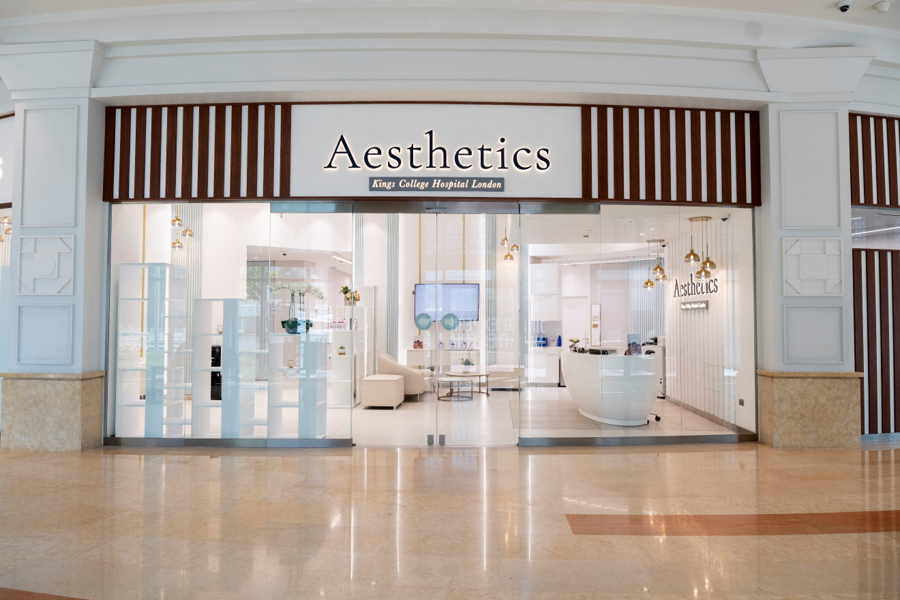
Exclsuive interview with Dr. Dragana Spica, Specialist Plastic, Reconstructive & Aesthetic Surgeon, Aesthetics by King’s College Hospital London – Dubai
When patients talk about wanting to look more refreshed or rejuvenated, how important is skin quality and tightening alongside changes to facial volume and shape?
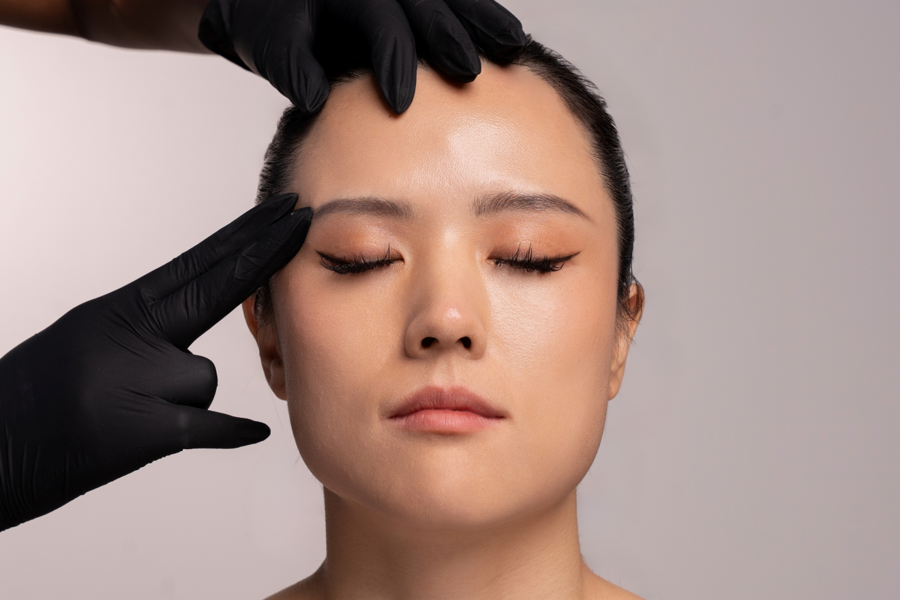
Looking refreshed is about much more than restoring volume or enhancing facial contours. Skin quality plays a central role in how youthful and healthy a person appears. Even when volume loss is addressed with fillers or fat transfer, poor skin texture, laxity, pigmentation, or reduced collagen can still contribute to a tired appearance.
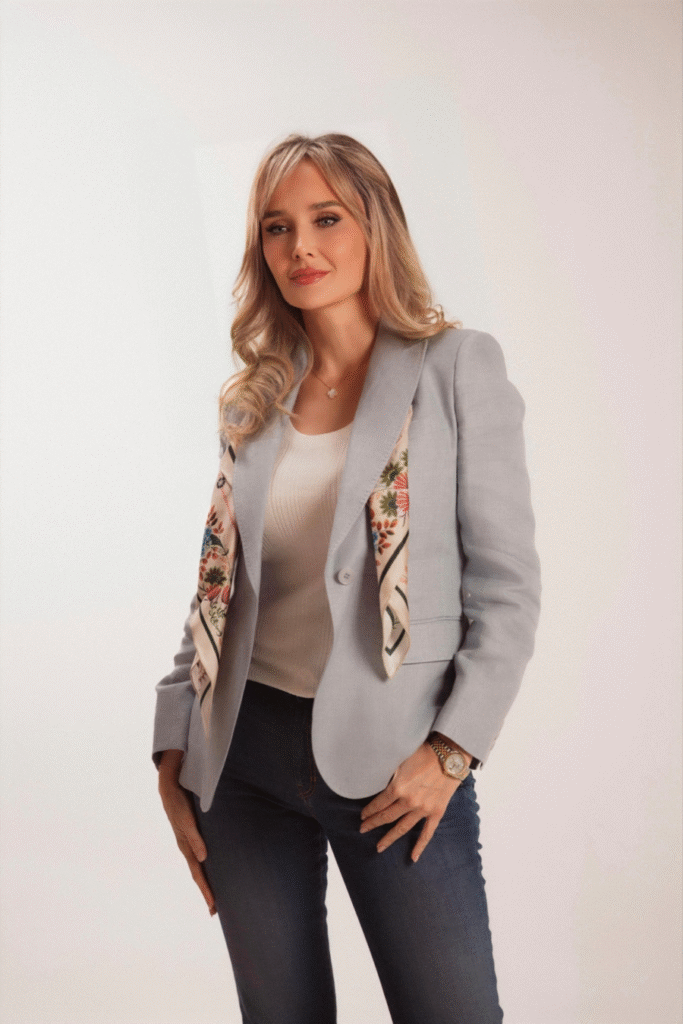
A comprehensive rejuvenation approach combines attention to facial structure with treatments that improve skin quality and firmness. Technologies that stimulate collagen production, skin tightening procedures, and regenerative treatments can significantly enhance results. When healthy, firm skin is combined with balanced facial proportions, patients tend to achieve a more natural and refreshed appearance rather than an over-treated look.
When it comes to body transformation, what are the most common concerns patients are looking to address through contouring and sculpting?
Most patients are not necessarily looking for dramatic weight loss. Instead, they want to improve body proportions and address stubborn areas that do not respond to diet and exercise. Common concerns include excess fat deposits, loose skin following weight loss or pregnancy, and a lack of definition in certain areas of the body.
Many patients seek contouring to create a smoother silhouette, improve waist definition, refine body balance, or restore confidence in their appearance. Increasingly, body contouring is viewed as a way to enhance overall shape and harmony rather than simply reduce body size.
What are some of the most common concerns patients come to you with when it comes to skin laxity, body contouring and overall body shape?
Skin laxity is one of the most frequent concerns, particularly after significant weight loss, pregnancy, or as part of the natural ageing process. Patients often report loose skin around the abdomen, upper arms, thighs, neck, or lower face. In terms of body contouring, many individuals are concerned about localized fat deposits that persist despite maintaining a healthy lifestyle. Others are seeking improved body proportions, whether through waist contouring, abdominal refinement, thigh reshaping, or enhancement of areas that have lost volume over time. Ultimately, most patients want results that look natural and complement their unique body structure rather than conforming to a single aesthetic ideal.

Body contouring has become an increasingly important part of aesthetic care. Which areas of the body are patients most interested in sculpting and refining?
The abdomen remains one of the most commonly requested areas for contouring and sculpting, followed closely by the waist and flanks. Patients are also frequently interested in refining the thighs, upper arms, back, and under-chin area.
There has also been growing interest in body-shaping procedures that enhance overall proportions, such as creating a more defined waistline or improving the contour of the hips and buttocks. What is particularly notable today is that patients increasingly view the body as a whole, seeking balanced and harmonious results rather than focusing on a single area in isolation.
How has the conversation around targeted fat reduction evolved, particularly among patients who are looking for definition rather than significant weight loss?
The conversation has shifted considerably over the past few years. Patients are now much more informed and understand that body contouring is not a substitute for weight loss. Instead, they are seeking targeted refinement and improved definition.
Many patients are already close to their ideal weight and simply want to address stubborn pockets of fat that obscure muscle definition or affect body proportions. The focus has moved toward precision, customization, and natural-looking outcomes. Today’s patients often ask how they can achieve a more sculpted appearance while maintaining a healthy, authentic look, and treatment plans are increasingly tailored to support those goals.
In modern aesthetic practice, body contouring is less about reducing size and more about enhancing shape, proportion, and confidence through personalized treatment strategies.
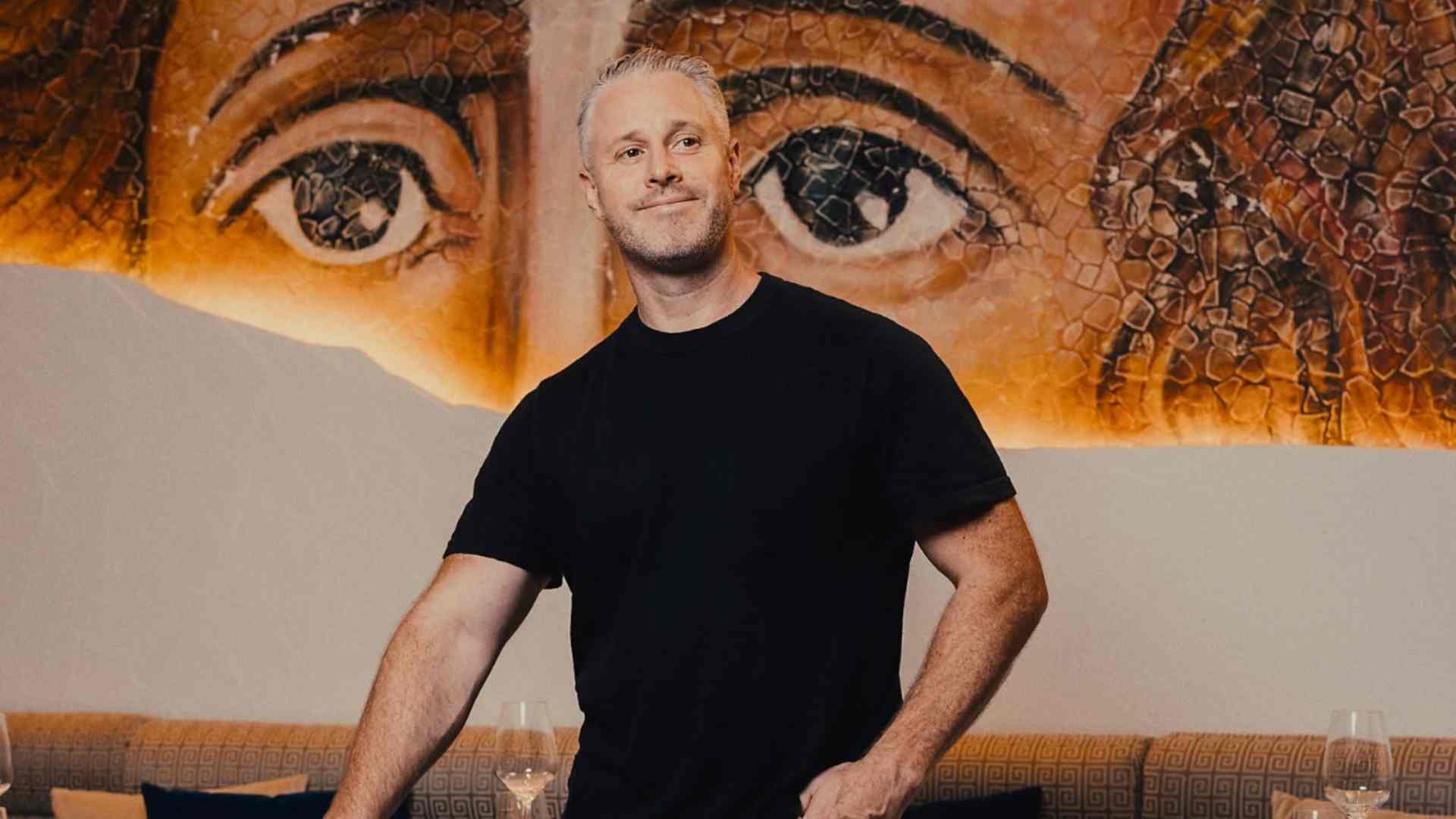
Exclusive interview with Chef Tim Newton, Executive Chef of the Demind Group
You began your culinary journey in a small town and went on to work across some of the world’s leading gastronomic destinations. Looking back, what moments fundamentally changed the way you understood food and the craft of being a chef?
I don’t think there was one defining moment that changed how I understood food. As a young cook, you learn how to respect ingredients and bring out their best flavours. As you grow in the profession, you also learn how to create dishes that are commercially successful without compromising on taste. Now, in my forties, my focus is on respecting the product, creating something memorable for the guest, ensuring the business remains profitable and, most importantly, being original in my work.
From working alongside some of the industry’s most respected chefs to leading the culinary direction of multiple high-profile concepts, what experiences have most shaped your approach to cooking and leadership?
My approach to both cooking and leadership has been shaped by seeing where others have failed, as well as recognising my own failures. One of the greatest tests of a chef is the ability to make a mistake, recover from it and avoid repeating it. Do I still make mistakes as a leader? Absolutely. But I make a conscious effort to acknowledge and correct them immediately.
As Executive Chef of Demind Group, how do you see your role beyond creating dishes? What is your larger vision for the teams, concepts and dining experiences you are building?
My role at Demind has always extended beyond creating dishes. I have had the privilege of helping to shape and develop the brands themselves. My director has consistently given me the freedom to create, experiment and, importantly, make mistakes and grow from them. My vision for the team is to help each person mature and develop their skills. I never expect my employees to remain with me forever, so I believe it is our responsibility to prepare them for successful careers beyond Demind.
With Bagatelle, OPA, La Niña and Myrra each having their own culinary personality, what is your overarching vision for the kind of dining experiences Demind Group should be known for?
Demind Group is known for creating top-tier dining experiences, but each of its concepts has a distinct identity. At La Niña, guests experience refined Spanish and Latin American cuisine in a beautiful, romantic setting. OPA offers a complete night out, combining vibrant party energy with excellent food. Casa Myrra is positioned as an upscale-casual concept, offering the quality and attention to detail associated with La Niña and OPA, but within a more relaxed atmosphere.
Each of these concepts draws from a distinct culinary culture, from French and Greek to Iberian Latino and Greek-Spanish influences. How do you approach reinterpretation without losing the authenticity that makes a cuisine recognisable?
I approach every brand in the same way: I study, I develop the flavour profile and then I create. It may sound simple, but the process can take months. Take OPA Dubai, our flagship concept, for example. Even today, we never allow ourselves to become complacent when developing new dishes. Around 70 per cent of the menu remains consistent, while the remaining 30 per cent is continuously evolving. We study market trends, but we also aspire to set them. I travel across Greece, discovering regional dishes and ingredients that are often overlooked, while continually searching for the finest products available. At Demind, we are always moving forward.
Rapid Fire Questions:
What is the most unexpected food combination you genuinely love?
I’m a big fan of ranch dressing, so I would have to say Bolognese with a generous dollop of ranch on top. The height of gourmet dining!
What’s the one dish you would happily cook for friends at home, and what’s the one dish you absolutely refuse to make outside the professional kitchen?
Tacos, any day of the week.
What is the one kitchen rule you refuse to compromise on?
Respect one another.
A dish I would refuse to make outside the kitchen?
That’s a difficult one, because I don’t find anything too challenging. I would gladly take on any culinary challenge in my home kitchen.
Every chef has a dish they secretly think they make better than anyone else. What’s yours?
Paella—for sure!


Submer to Address the Infrastructure Challenges Behind Sovereign AI at DCD Connect | MENA 2026
Terrace Dining, Oktoberfest, and Beach Days Return to InterContinental Abu Dhabi This October

THE STORIES BEHIND THE MATERIALS SHAPING UAE INTERIORS



-

 Trending12 months ago
OPPO A6 Pro 5G Review: Reliable Daily Driver
-

 Tech News2 years ago
Denodo Bolsters Executive Team by Hiring Christophe Culine as its Chief Revenue Officer
-
 VAR2 years ago
Microsoft Launches New Surface Copilot+ PCs for Business
-

 Automotive2 years ago
AGMC Launches the RIDDARA RD6 High Performance Fully Electric 4×4 Pickup
-
Tech Interviews3 years ago
Navigating the Cybersecurity Landscape in Hybrid Work Environments
-

 Hospitality2 years ago
Gulfood 2025 30th Edition Kicks Off Today, Setting New Benchmarks in F&B Growth and Innovation
-

 VAR11 months ago
Huawei Nova 14 Pro Review: Where Camera Excellence Meets Ecosystem Evolution
-

 Tech News1 year ago
Nothing Launches flagship Nothing Phone (3) and Headphone (1) in theme with the Iconic Museum of the Future in Dubai