 Have a question? +971 56 404 0503




Hospitality Interviews
Tigrus Restaurant Holding: Savoring Sustainability in Every Bite

The Integrator had an exclusive interview with Henrik Winther, Founder, Tigrus Restaurant Holding
Could you provide a brief overview of Tigrus Restaurant Holding and its founding principles?
We are a sustainable, family-friendly hospitality group that prides itself on operating eco-friendly restaurants, educating on leaving a better world behind for future generations to come. Being sustainable is a lifestyle choice for us, and it’s something we work on as a team daily, creating a positive, motivating, and uplifting work ethic for the whole team.
How has Tigrus evolved since its establishment in 2005, and what sets it apart in the restaurant industry?
Our growth and efforts have been a huge factor in evolving. Since we began in 2005, we’ve expanded into the Middle East and now plan to launch 25 restaurants in the next 4 years in the GCC. When we started, we were not carbon neutral. Our most significant evolution was understanding where we could cut back, and in three years, we reduced our CO2 emissions by 43%. We have now achieved a state of neutrality. We’re different from other hospitality brands as we have implemented sustainability into our lifestyle and company culture. It’s not something we do half-heartedly; it’s our tool for growth and expansion as it drives team morale and saves us money.
Tigrus Holding is known for its commitment to sustainability. Could you elaborate on the initiatives the company has taken to fully compensate for its carbon footprint and achieve zero waste since 2018?
We do many things. Some of my favorites include utilizing coffee ground waste to become plant food to feed foliage in the restaurants, switching our kitchen stoves to induction, and sponsoring wild cats around the world in locations where we open restaurants. We are sponsoring Siberian Tigers in Russia and snow leopards in Tajikistan and are in the process of doing the same in the UAE. I really enjoy taking my team on excursions to experience something new and take part in saving wildlife.
Tigrus recently launched Osteria Mario in Dubai Marina. What motivated the choice of location, and how does this new venture align with the company’s overall mission and values?
The marina is a bustling hotspot in Dubai. If you’ve visited our Marina branch, you’ll notice that we have an extensive terrace filled with live plants and the most beautiful view, which both align with our brand as we like to be in hotspots and have plenty of space for plants.
Could you share insights into the unique features that Osteria Mario offers in Dubai Marina?
As mentioned, we have an extensive terrace. Unusually, we also have a dine-in, out concept for cooler months as we have had bi-fold doors fitted on the ground level so we can open them up to give guests the same open plan view of the marina up and down in the restaurant.
Tigrus has ambitious plans to expand its chain to 100 restaurants. Can you share some insights into the company’s strategy for achieving this growth while maintaining its commitment to sustainability?
Having four restaurants in Dubai has meant our supplier database is expensive, so we’ve done the groundwork here to operate sustainably. We’re currently exploring how to do that in other GCC countries as we grow in this region. As mentioned throughout, sustainability is a lifestyle choice that we take everywhere we go.


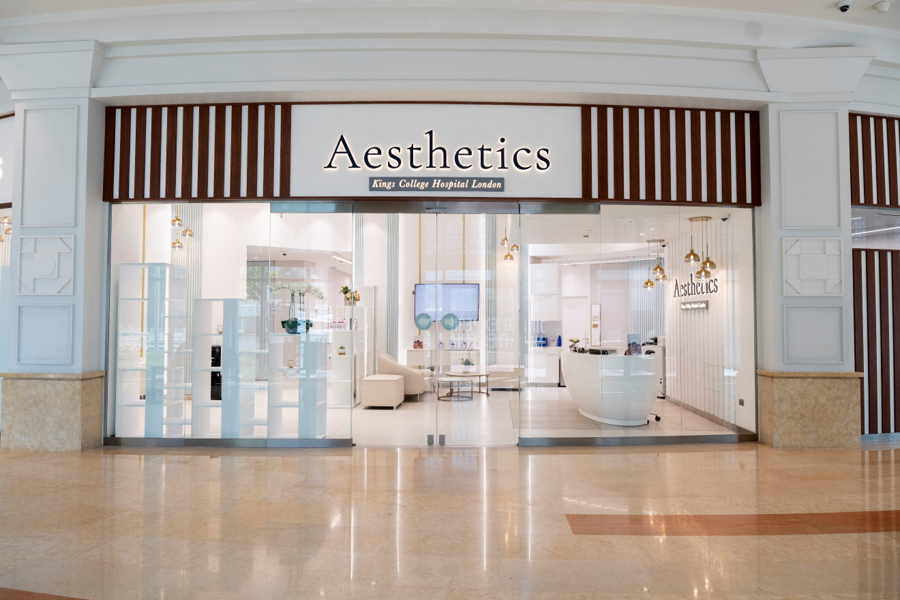
Exclsuive interview with Dr. Dragana Spica, Specialist Plastic, Reconstructive & Aesthetic Surgeon, Aesthetics by King’s College Hospital London – Dubai
When patients talk about wanting to look more refreshed or rejuvenated, how important is skin quality and tightening alongside changes to facial volume and shape?
Looking refreshed is about much more than restoring volume or enhancing facial contours. Skin quality plays a central role in how youthful and healthy a person appears. Even when volume loss is addressed with fillers or fat transfer, poor skin texture, laxity, pigmentation, or reduced collagen can still contribute to a tired appearance.
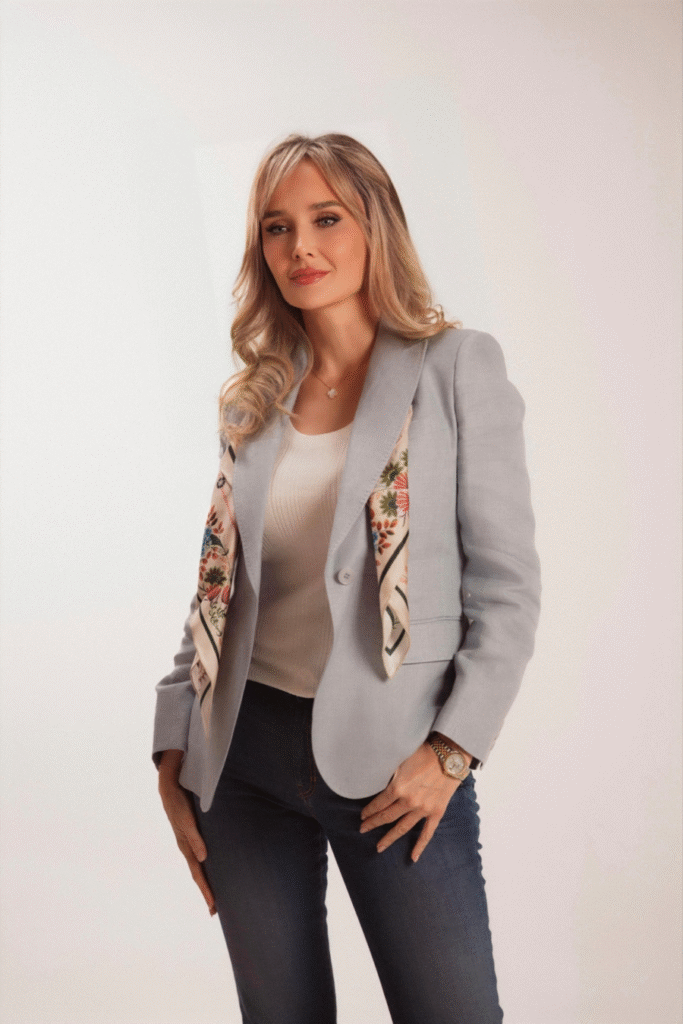
A comprehensive rejuvenation approach combines attention to facial structure with treatments that improve skin quality and firmness. Technologies that stimulate collagen production, skin tightening procedures, and regenerative treatments can significantly enhance results. When healthy, firm skin is combined with balanced facial proportions, patients tend to achieve a more natural and refreshed appearance rather than an over-treated look.
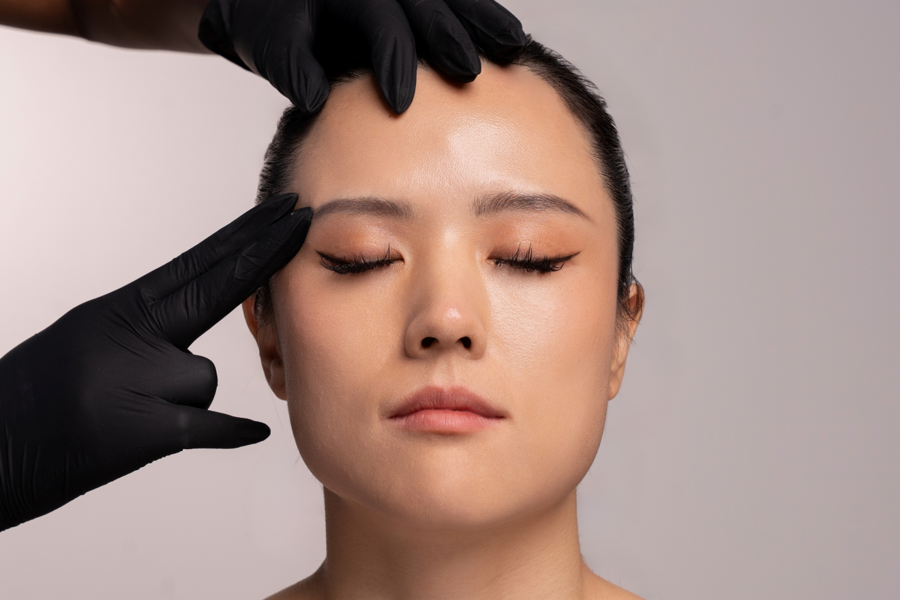
When it comes to body transformation, what are the most common concerns patients are looking to address through contouring and sculpting?
Most patients are not necessarily looking for dramatic weight loss. Instead, they want to improve body proportions and address stubborn areas that do not respond to diet and exercise. Common concerns include excess fat deposits, loose skin following weight loss or pregnancy, and a lack of definition in certain areas of the body.
Many patients seek contouring to create a smoother silhouette, improve waist definition, refine body balance, or restore confidence in their appearance. Increasingly, body contouring is viewed as a way to enhance overall shape and harmony rather than simply reduce body size.
What are some of the most common concerns patients come to you with when it comes to skin laxity, body contouring and overall body shape?
Skin laxity is one of the most frequent concerns, particularly after significant weight loss, pregnancy, or as part of the natural ageing process. Patients often report loose skin around the abdomen, upper arms, thighs, neck, or lower face. In terms of body contouring, many individuals are concerned about localized fat deposits that persist despite maintaining a healthy lifestyle. Others are seeking improved body proportions, whether through waist contouring, abdominal refinement, thigh reshaping, or enhancement of areas that have lost volume over time. Ultimately, most patients want results that look natural and complement their unique body structure rather than conforming to a single aesthetic ideal.
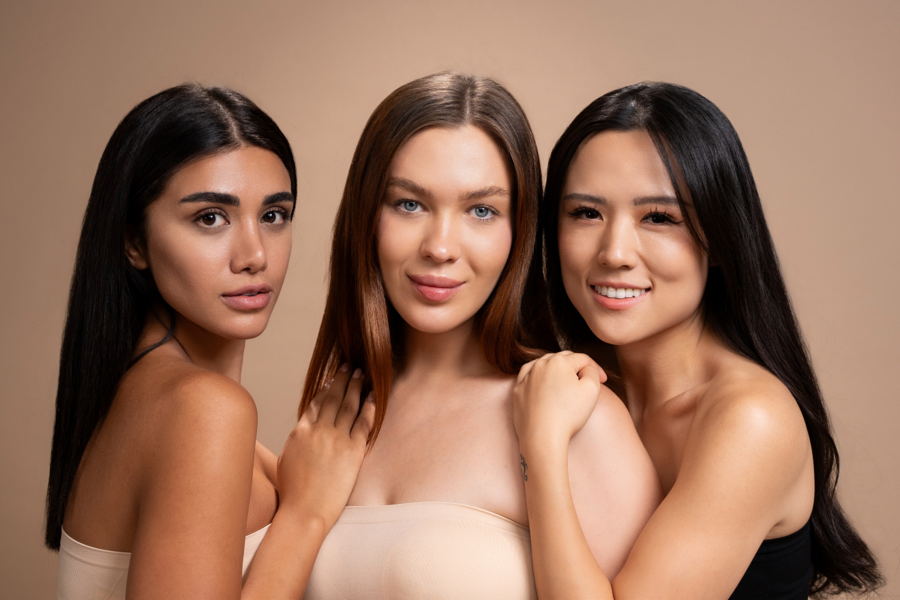
Body contouring has become an increasingly important part of aesthetic care. Which areas of the body are patients most interested in sculpting and refining?
The abdomen remains one of the most commonly requested areas for contouring and sculpting, followed closely by the waist and flanks. Patients are also frequently interested in refining the thighs, upper arms, back, and under-chin area.
There has also been growing interest in body-shaping procedures that enhance overall proportions, such as creating a more defined waistline or improving the contour of the hips and buttocks. What is particularly notable today is that patients increasingly view the body as a whole, seeking balanced and harmonious results rather than focusing on a single area in isolation.
How has the conversation around targeted fat reduction evolved, particularly among patients who are looking for definition rather than significant weight loss?
The conversation has shifted considerably over the past few years. Patients are now much more informed and understand that body contouring is not a substitute for weight loss. Instead, they are seeking targeted refinement and improved definition.
Many patients are already close to their ideal weight and simply want to address stubborn pockets of fat that obscure muscle definition or affect body proportions. The focus has moved toward precision, customization, and natural-looking outcomes. Today’s patients often ask how they can achieve a more sculpted appearance while maintaining a healthy, authentic look, and treatment plans are increasingly tailored to support those goals.
In modern aesthetic practice, body contouring is less about reducing size and more about enhancing shape, proportion, and confidence through personalized treatment strategies.
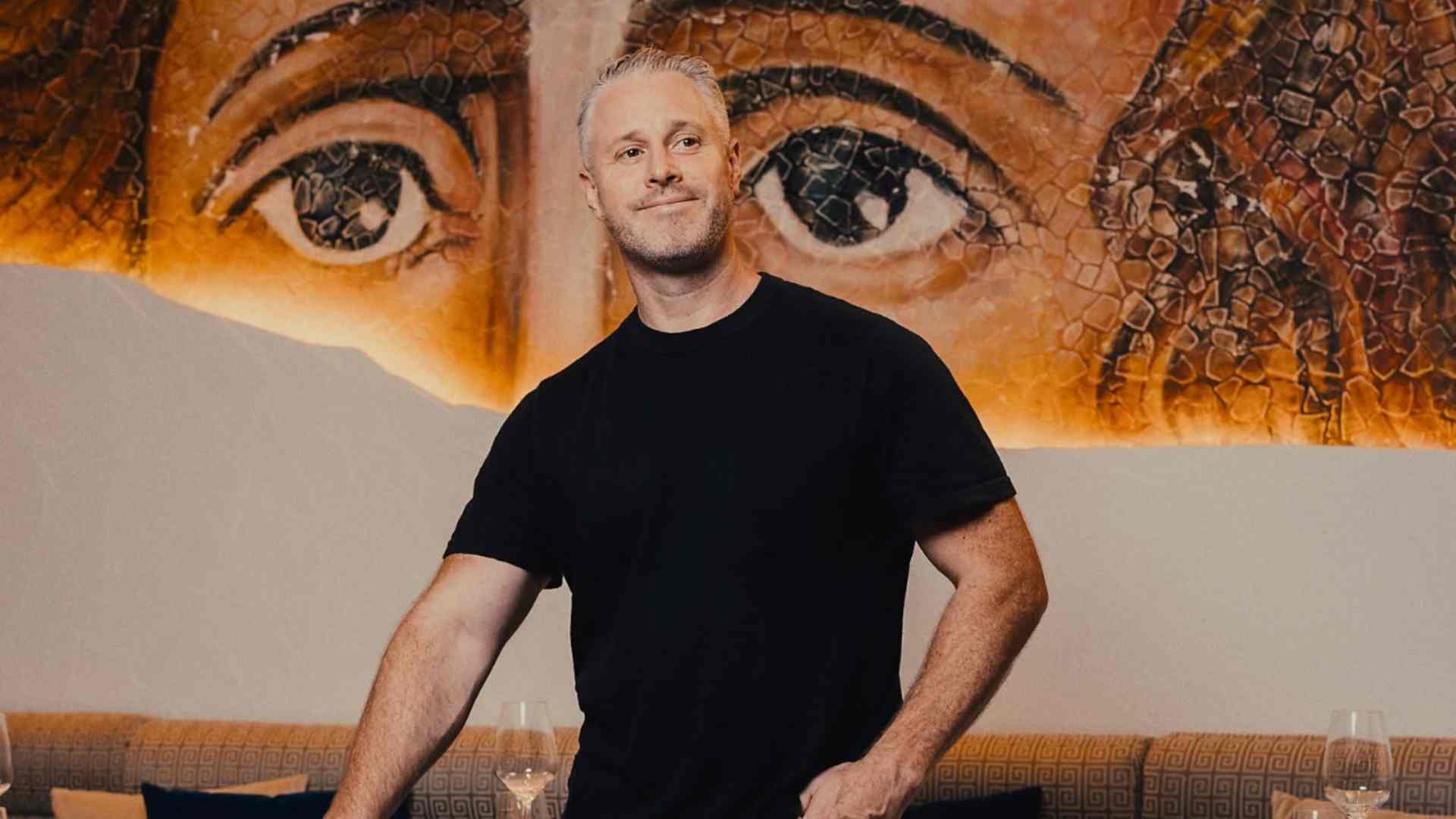
Exclusive interview with Chef Tim Newton, Executive Chef of the Demind Group
You began your culinary journey in a small town and went on to work across some of the world’s leading gastronomic destinations. Looking back, what moments fundamentally changed the way you understood food and the craft of being a chef?
I don’t think there was one defining moment that changed how I understood food. As a young cook, you learn how to respect ingredients and bring out their best flavours. As you grow in the profession, you also learn how to create dishes that are commercially successful without compromising on taste. Now, in my forties, my focus is on respecting the product, creating something memorable for the guest, ensuring the business remains profitable and, most importantly, being original in my work.
From working alongside some of the industry’s most respected chefs to leading the culinary direction of multiple high-profile concepts, what experiences have most shaped your approach to cooking and leadership?
My approach to both cooking and leadership has been shaped by seeing where others have failed, as well as recognising my own failures. One of the greatest tests of a chef is the ability to make a mistake, recover from it and avoid repeating it. Do I still make mistakes as a leader? Absolutely. But I make a conscious effort to acknowledge and correct them immediately.
As Executive Chef of Demind Group, how do you see your role beyond creating dishes? What is your larger vision for the teams, concepts and dining experiences you are building?
My role at Demind has always extended beyond creating dishes. I have had the privilege of helping to shape and develop the brands themselves. My director has consistently given me the freedom to create, experiment and, importantly, make mistakes and grow from them. My vision for the team is to help each person mature and develop their skills. I never expect my employees to remain with me forever, so I believe it is our responsibility to prepare them for successful careers beyond Demind.
With Bagatelle, OPA, La Niña and Myrra each having their own culinary personality, what is your overarching vision for the kind of dining experiences Demind Group should be known for?
Demind Group is known for creating top-tier dining experiences, but each of its concepts has a distinct identity. At La Niña, guests experience refined Spanish and Latin American cuisine in a beautiful, romantic setting. OPA offers a complete night out, combining vibrant party energy with excellent food. Casa Myrra is positioned as an upscale-casual concept, offering the quality and attention to detail associated with La Niña and OPA, but within a more relaxed atmosphere.
Each of these concepts draws from a distinct culinary culture, from French and Greek to Iberian Latino and Greek-Spanish influences. How do you approach reinterpretation without losing the authenticity that makes a cuisine recognisable?
I approach every brand in the same way: I study, I develop the flavour profile and then I create. It may sound simple, but the process can take months. Take OPA Dubai, our flagship concept, for example. Even today, we never allow ourselves to become complacent when developing new dishes. Around 70 per cent of the menu remains consistent, while the remaining 30 per cent is continuously evolving. We study market trends, but we also aspire to set them. I travel across Greece, discovering regional dishes and ingredients that are often overlooked, while continually searching for the finest products available. At Demind, we are always moving forward.
Rapid Fire Questions:
What is the most unexpected food combination you genuinely love?
I’m a big fan of ranch dressing, so I would have to say Bolognese with a generous dollop of ranch on top. The height of gourmet dining!
What’s the one dish you would happily cook for friends at home, and what’s the one dish you absolutely refuse to make outside the professional kitchen?
Tacos, any day of the week.
What is the one kitchen rule you refuse to compromise on?
Respect one another.
A dish I would refuse to make outside the kitchen?
That’s a difficult one, because I don’t find anything too challenging. I would gladly take on any culinary challenge in my home kitchen.
Every chef has a dish they secretly think they make better than anyone else. What’s yours?
Paella—for sure!
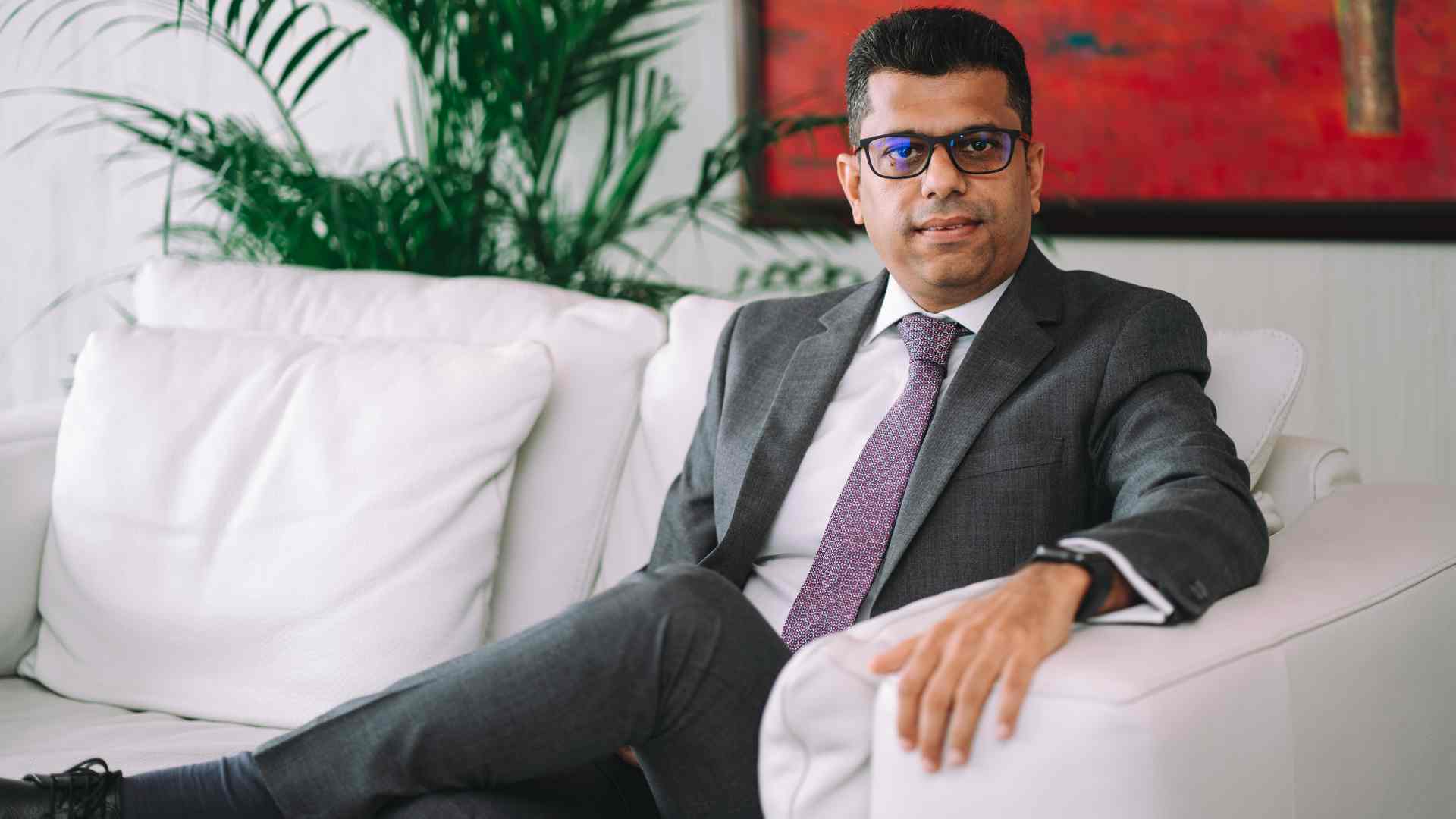
Exclusive interview with Ravi Jethwani, CEO, Innovations Global
As the UAE enters the second half of 2026, how would you assess the current state of the job market? What key trends are shaping recruitment today?
The UAE job market remains fundamentally resilient, although it has become more selective. Regional uncertainty created some short-term caution among employers, particularly around the middle of the year, but this has not changed the underlying attractiveness of the UAE as a business and employment hub. Recruiters are already expecting hiring activity to strengthen as companies restart recruitment plans that were temporarily paused.
Despite recent regional uncertainties, hiring activity appears to be picking up. What factors are driving this renewed recruitment momentum?
The biggest driver is the UAE’s continued economic diversification. Businesses are investing across technology, financial services, healthcare, real estate, infrastructure, energy and professional services rather than relying on a single economic engine.
Dubai’s Q1 2026 GDP grew 2.4% year-on-year, with particularly strong performances in healthcare, construction, financial services and utilities.
There is also a significant amount of investment already committed to long-term projects. As business confidence improves, organisations that delayed hiring are likely to revisit those plans.
Dubai has become one of the world’s most attractive employment destinations. What do you believe has contributed to this transformation, and why does it continue to attract global talent?
Dubai has successfully created something that goes beyond simply being a place to work—it has become a global platform for business.
Its advantages include world-class infrastructure, connectivity, a highly international business environment, a relatively business-friendly regulatory framework and access to markets across the Middle East, Africa and Asia. Importantly, Dubai has continuously reinvented itself. It has moved from being primarily associated with trade and real estate to becoming a significant centre for finance, technology, logistics, tourism, healthcare, and professional services and innovation.
Which sectors are expected to lead hiring in the UAE during the second half of 2026, and what roles are currently in highest demand?
I would expect technology and AI, financial services, healthcare, energy and renewables, construction, real estate, logistics, professional services to remain among the strongest areas.
In terms of roles, demand is increasingly concentrated around AI and data professionals, technology specialists, cybersecurity, finance and investment professionals, sales and business development, healthcare specialist, engineering and specialized talent. The important point is that AI is creating demand not only for pure AI specialists, but for people who can combine AI capability with industry expertise
What advice would you give to professionals who are looking to advance their careers or secure new opportunities in the UAE?
My advice would be to be much more strategic about the job search. Don’t simply apply to hundreds of vacancies with the same CV. Understand the industry, identify companies that are expanding and tailor your profile to the requirements of those organisations. Networking is also extremely important in the UAE. Build relationships with recruiters, industry professionals and decision-makers rather than relying entirely on job portals.
Are there any emerging workplace trends—such as flexible work, upskilling, or digital transformation—that will significantly influence the future of work in the UAE?
First is AI enabled work. AI will increasingly become part of everyday workflows rather than a separate technology function.
Second is continuous upskilling. The half-life of skills is becoming shorter, so employers and employees will both have to invest in learning. Third is the evolution of flexible working. I don’t think the future will necessarily be completely remote or completely office-based. Instead, organisations will increasingly adopt hybrid models based on productivity, collaboration and the nature of the role. The UAE has an opportunity to become a leader in this new model because of its young, international and digitally sophisticated workforce.
Looking ahead, what is your outlook for the UAE job market over the next 12 months, and what opportunities do you foresee for employers and job seekers?
I am cautiously optimistic about the next 12 months. I expect recruitment to become progressively more active as businesses move beyond the uncertainty of the first half of 2026 and resume investment and expansion plans. The fundamentals remain strong: economic diversification, infrastructure investment, international capital, population growth and the UAE’s continued positioning as a global business hub.
However, I don’t expect every segment of the market to grow equally. The market will remain selective, and employers will continue to demand stronger productivity and specialised skills.
For employers, the opportunity is to access an increasingly sophisticated global talent pool. For professionals, the opportunity is to build careers in sectors that are expanding rapidly.
Ultimately, I believe the UAE job market is moving from a “jobs market” to a “skills market.” The winners over the next few years will be organisations that can attract and retain the right talent, and professionals who continuously upgrade their skills and demonstrate measurable value.

Kenz ‘de’ Rasasi Debuts at Beautyworld Middle East 2026 with a New Expression of Rasasi Heritage

Burjeel Holdings Launches Preventive Cardiac Campaign Across Its UAE Hospital Network for World Heart Day

Vertiv™ Coolant Distribution Unit qualified as NVIDIA DSX Ready for AI Factory Infrastructure



-

 Trending11 months ago
OPPO A6 Pro 5G Review: Reliable Daily Driver
-

 Tech News2 years ago
Denodo Bolsters Executive Team by Hiring Christophe Culine as its Chief Revenue Officer
-
 VAR1 year ago
Microsoft Launches New Surface Copilot+ PCs for Business
-

 Automotive2 years ago
AGMC Launches the RIDDARA RD6 High Performance Fully Electric 4×4 Pickup
-
Tech Interviews3 years ago
Navigating the Cybersecurity Landscape in Hybrid Work Environments
-

 Tech News1 year ago
Nothing Launches flagship Nothing Phone (3) and Headphone (1) in theme with the Iconic Museum of the Future in Dubai
-

 VAR2 years ago
Samsung Galaxy Z Fold6 vs Google Pixel 9 Pro Fold: Clash Of The Folding Phenoms
-

 Hospitality2 years ago
Gulfood 2025 30th Edition Kicks Off Today, Setting New Benchmarks in F&B Growth and Innovation