
 Have a question? +971 56 404 0503




Automotive
From Sand to Street: Seven Decades of The Nissan Patrol’s Grit and Glory


Discover the history of the beast that eats boulders for breakfast and smokes tarmac for dinner.
Amalsha VS
Automotive Integrator
From Australia’s Outback to the Arabian dunes, the Nissan Patrol is an unstoppable machine that redefined rugged. Over seven decades and generations, the Nissan Patrol has gained worldwide reverence for its immense off-roading prowess and rock-solid ruggedness. Over this part of the green globe, the Patrol is a true icon with a legendary stature and cult following. It has remained one of the best-selling models in the Middle East for quite a long time now. In 2023, the Patrol was the second-best-selling car model in the UAE, second only to the Nissan Sunny. We expect this success streak to continue with the newly introduced, latest, and arguably the greatest seventh-generation Patrol. But then, have you ever wondered how a rugged SUV managed to achieve such a high degree of respect and veneration? To comprehend that, you should gain a full understanding of the war-battling, dune-bashing, turbo-whistling history of this legendary SUV. Let’s dissect the annals of the Nissan Patrol, generation by generation.
First Generation (4W60) 1951-1960: The One That Conquered Mount Fuji
The original Nissan Patrol was an old-school midsize off-roader. It was very much redolent of the Willys Jeep, that it was nicknamed the Nissan Jeep. The 4W60 shares its birth year with yet another living legend — the Toyota Land Cruiser.

Initially exclusive to the Japanese market, the 4W60 was exclusively a petrol-powered, 4-wheel-drive vehicle offered in SUV and wagon configurations. The first-gen Nissan Jeep SUVs were powered by a 3.7-liter inline-6 engine, sourced from the Nissan 290 bus of the time, exclusively mated to a 4-speed manual transmission. The original Patrol demonstrated its exceptional off-roading prowess by attaining a groundbreaking achievement. It was the first car to conquer Mount Fuji — a 2,500-meter ascend.
For the first time, the maiden Patrol was bestowed with a refresh in 1955, marking the debut of the 4W61 Patrol. The 4W61 brought forth a few cosmetic changes along with a powertrain upgrade, replacing the 3.7-liter with a new 4.0-liter inline-6. However, the “Nissan Jeep” donned the iconic Patrol appellation for the first time only in 1958, when the 4W65 iteration was introduced. Thus, the legendary nameplate was born, seven years after the birth of the legend itself. The first Patrol arrived at the Middle-Eastern shores in 1957, specifically in Kuwait. It quickly garnered attention and appreciation for its all-terrain capabilities.
Second Generation (60 Series) 1959-1980: The One That Crossed The Simpson Desert
The second generation Nissan Patrol arrived in 1959, with an expanded portfolio comprising more configurations to choose from. Dubbed the 60 Series, the second-gen Nissan Patrol was produced in short, medium, and long wheelbase versions with soft-top hard-top, and wagon body style options.

It was also the first Patrol to be extensively exported to other global markets, including the USA, Australia, Canada, and the Middle East. In fact, the Patrol was the first model to be sold in the U.S. as a Nissan-badged car. All 60 Series Patrol models continued to be powered by a 4.0-liter inline-6 motor, which initially came paired with a 3-speed manual transmission which was later upgraded to a 4-speed manual.

While the first Patrol attained glory by climbing a mountain, the second one crossed a desert to amass eminence. In 1962, a short-wheelbase hard-top Nissan Patrol crossed the Simpson Desert, which spans across the Northern Territory, South Australia, and Queensland in central Australia. The course, traversing an extensive expanse of around 1,100 dunes, was completed in 12 days, and Nissan Australia claims that this Patrol was the first motorized vehicle to achieve this feat.
On another side of the world, the Indian army obtained a license from Nissan to manufacture their own version of the 60 Series Patrol in the early sixties. Named the Nissan Jonga (Jabalpur Ordnance and Guncarriage Assembly), this military-spec Patrol proved itself in the 1965 and 1971 wars and later in several counter-insurgency operations across the country. Further down the line, a civilian version of the Jonga was sold to the public, marking the Patrol’s official (kind of) presence in India too. It is also noteworthy that it was during the era of the 60 Series Patrol, specifically in 1968, when the AW Rostamani Group established Arabian Automobiles, which is now the largest and sole distributor of Nissan cars in the UAE.
Third Generation (160 Series) 1980-1989: The One That Ranked In The Paris-Dakar
The successor to the 60 Series Patrol arrived in 1980 and was christened with the model code 160. The third generation Patrol was the first of its kind to address the needs of and appeal to all kinds of consumers, whereas the first two generations were more purpose-built vehicles.

The 160 Series introduced several novelties, including an automatic transmission, a 5-door body style, a seven-seater cabin layout, and air conditioning. On top of that, the Patrol was now offered with multiple petrol and diesel engine options. The 160 Series can be considered the first Patrol for the masses, as it came outfitted with desirable amenities and convenience features.
The successor to the 60 Series Patrol arrived in 1980 and was christened with the model code 160. The third generation Patrol was the first of its kind to address the needs of and appeal to all kinds of consumers, whereas the first two generations were more purpose-built vehicles. The 160 Series introduced several novelties, including an automatic transmission, a 5-door body style, a seven-seater cabin layout, and air conditioning. On top of that, the Patrol was now offered with multiple petrol and diesel engine options. The 160 Series can be considered the first Patrol for the masses, as it came outfitted with desirable amenities and convenience features.

However, no compromises were made to achieve these positives, as the Patrol continued to exemplify its immense resilience. The third-generation Patrol achieved a milestone in 1987, becoming the first diesel-powered vehicle to ever finish in the top 10 of the fabled Paris Dakar Rally. This mighty victory wasn’t an easy venture for the Patrol. Nissan partnered up with Coca-Cola and enrolled two vehicles enshrouded in a bright yellow Fanta-Limón livery for the 13,000 km race across Europe, Algeria, Mali, Mauritania, and Senegal. Unfortunately, the team’s support truck broke down during the second stage of the rally, while one of the two participant trucks met a catastrophic fate after rolling down a dune. Despite the unfortunate circumstances, the remaining Patrol, managed to complete the race, that too without spares and support. This superlative feat further concreted the Patrol’s reputation as a formidable 4×4 SUV in the global automotive landscape. The third-generation Nissan Patrol was also the first to be called the Nissan Safari in Japan, a name that later gained global fame.
Fourth Generation (Y60) 1989-1997: The One That Blended Luxury With Performance
The fourth generation Nissan Patrol code-named Y60 was a massive innovative leap in terms of comfort and convenience. The most prominent advancement was the upgrade to an all-around coil-spring suspension setup, which was state-of-the-art technology at the time, compared to the leaf-spring setup of its predecessors.

This major milestone in the path of the Patrol’s evolution was also complemented by the addition of power steering and synchro mesh in reverse gear. This trio of upgrades elevated the Nissan Patrol into the luxury segment, while its inherent ruggedness remained intact and unaffected. Nissan essentially uplifted the Patrol into a realm previously dominated by purebred luxury SUVs lik the Range Rover of the time.
Fifth Generation (Y61) 1997- Present: The One Adored By The Middle East

The fifth generation is arguably the most iconic and influential Nissan Patrol ever. Nissan revealed the fifth generation Patrol, code-named Y61, in December 1997, thus transcending the model’s rock-solid reputation into the modern automotive era. It was a comprehensive redesign, introducing a bunch of new powertrain options. The new design was truly revolutionary, featuring a sleeker body shape and a new V-shaped grille. The interior also flaunted upgraded materials, while the feature set was updated with additions including satellite navigation and a reverse camera.

The Y61 Patrol is easily the most iconic, evocative generation of the mighty off-roader, gaining a worldwide reputation for its massive 4.8-liter TB48DE inline-6 motor (massive for an inline-6). Such high-displacement 6-cylinder motors are a rare sight nowadays, and this configuration made the Y61 a creamy smooth SUV with plenty of torque available across the rev range. The sturdy, brawny motor was also exceptionally tuner-friendly, which was properly exploited by enthusiasts, especially in the Middle East. The TB48DE could handle north of 2,000 horsepower, which made it the emperor of both the dunes and roads. The Y61 was so influential in the Middle East that it was reincarnated exclusively for the said market in 2017.

Dubbed the Nissan Patrol Super Safari, the new variant was an updated version that retained the original appeal while adding some touches of modernity. As expected, it was powered by the renowned 4.8-liter inline-6, mated to a 5-speed automatic transmission. While the exterior remained mostly identical to the original Y61, the Super Safari’s interior featured novelties including powered front seats, Bluetooth connectivity, automatic climate control, and more. Followed by the success of the Super Safari, Nissan launched its even cooler 3-door version —also known as the Hard Top version— in the Middle East. While the body style is different, the specifications and feature set remained the same.
Sixth Generation (Y62) 2010-Present: The One With 8 Cylinders And A NISMO Badge

The sixth generation Nissan Patrol code-named Y62 was unveiled in February 2010 in Abu Dhabi. This is the Patrol model we now see abundantly on UAE roads in its various iterations (mostly Platinum and NISMO). The new Patrol was longer and wider than ever, and this time there was no short-wheelbase model on offer. The Patrol had now transformed into a beefier full-size SUV that offered superior cabin space while not compromising on off-roadability. Nissan also introduced a more luxurious, Infiniti-badged version of the Patrol dubbed the QX56 (later the QX80). It was the first Patrol-based vehicle to be sold in the North American market since, 1969. Later on, a direct iteration of the Patrol was introduced in North America in 2017, in the form of the Nissan Armada.
For the first time, the new Patrol was offered with a V8 motor, initially as the standard powertrain and later exclusively as a higher-end option. At first, this 5.6-liter V8 was the only powertrain offered with the Y62 Patrol, which produced 317 horsepower in the lower-spec and came paired with a 5-speed automatic transmission. The same motor churned out 400 horses in the higher-end configuration and was clubbed to a 7-speed automatic. Later on, the base V8 was replaced by a 4.0-liter V6 that cranked out 275 horsepower and 394 nm of torque, while the lower-output V8 powertrain was discontinued. Also, initially, a manual transmission was offered with the base trim.

For 2014, Nissan facelifted the Patrol, adorning it with revised lighting elements, LED headlamps, a new interior shade, and a new set of wheels. The next major facelift happened in 2019 when the Patrol received a new, more angular front and bumpers, giving the mighty off-roader a modern flair and a sportier mien. This facelift also equipped the Patrol with Nissan’s Intelligent Mobility driver-assistance features.
Following this update, in 2021, we saw the birth of something new and paradigm-shifting. Nissan unveiled the first-ever Patrol NISMO variant, exclusive to the GCC countries. The Nissan Patrol NISMO featured signature, NISMO-specific elements including sportier front and rear fascia, a red and black interior with carbon fiber accents, 22-inch 2-tone alloys, and a set of Bilstein shocks for enhanced handling. Powering the Patrol NISMO was the same 5.6-liter V8, which was tuned to produce a higher output of 428 horsepower and 560 nm. Now that the new and latest generation Y63 2025 Nissan Patrol is exclusively V6-powered, the Y62 achieves a future-collectible status, as the only factory-V8-powered Nissan Patrol. This makes the NISMO version even more desirable.
Seventh Generation (Y63) 2024+: The One That Continues The Legacy

Now for the latest flag-bearer of the Patrol legacy, as Nissan calls it — their “symbol of adventure, pride, and resilience in the Middle East”. The all-new Nissan Patrol was unveiled on the 3rd of September. The new generation builds on its immediate predecessor with a wave of modernity inside out, while retaining the Patrol’s inherent boldness and ruggedness. The new Patrol looks cutting edge and comes laden with more advanced underpinnings and technology features.
The new Nissan Patrol is powered exclusively by a pair of V6 powertrain options. The base version is a 3.8-liter naturally aspirated V6, producing 316HP and 386Nm of torque. The heart of the matter is the new high-end powertrain, a 3.5-liter twin-turbo V6 that cranks out 425HP and 700Nm of torque. Both engines come mated to a new 9-speed automatic transmission.

Inside the all-new Patrol, you are treated with all sorts of tech features expected from a contemporary luxury SUV. The infotainment setup has been upgraded with a new 28.6-inch horizontal Monolith display, featuring twin 14.3-inch touchscreens with Google built-in. Complementing this high-end central infotainment system is a 12-speaker Klipsch Premium audio system, offering a proprietary surround sound setup optimized for the Patrol. The latest Patrol is undoubtedly a thorough upgrade over the one it succeeds, and this groundbreaking update endows the Patrol with futuristic characteristics while keeping its rugged DNA intact.






Automotive
Anticipating the Automotive Aftermarket: Preparing the GCC Aftermarket for a Software-Led Future
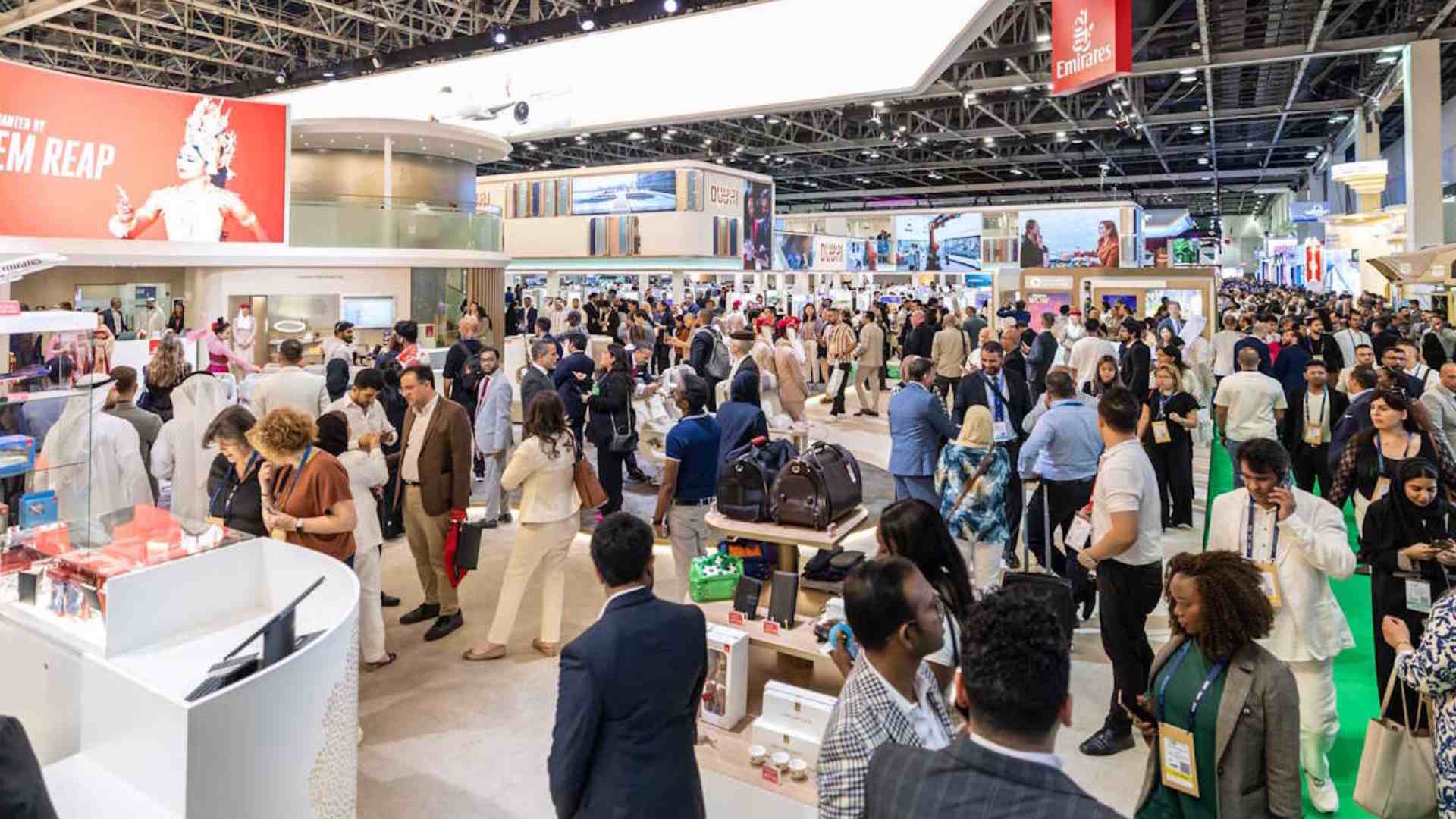
The GCC aftermarket is preparing to support a more diverse vehicle mix as electrification, connected systems and software-led technologies develop at different speeds across regional markets.
In this exclusive, Tommy Le, Show Manager of Automechanika Dubai, explains how aftermarket businesses can remain relevant as vehicle technologies and customer expectations change, why workshop and workforce readiness must advance together, and how industry platforms can support long-term collaboration across the region.

From your conversations with manufacturers, distributors and industry associations, what is the most significant transformation currently reshaping the regional aftermarket?
From our conversations with manufacturers, distributors and industry associations, the most significant change is the diversification of demand. It is not happening uniformly across the GCC, but businesses increasingly need to support conventional vehicles alongside hybrids, EVs, connected systems and a growing mix of brands. Dubai offers one indication of the direction: according to the Dubai Electricity and Water Authority, registered EVs increased from 37,486 at the end of 2024 to 47,944 at the end of 2025, a rise of nearly 28%. Each technology and brand brings different parts, software, diagnostics and servicing needs. Companies therefore need stronger market intelligence, flexible supply chains and closer collaboration. The businesses that remain relevant will respond quickly without compromising quality, safety or trust.
How are electrification, connected vehicles, advanced diagnostics and software-led technologies changing the requirements of aftermarket businesses?
They are changing both what businesses sell and the capabilities they require. A repair may now involve electronic diagnosis, sensor calibration, battery and thermal-system assessment, or access to vehicle-specific technical information. The complexity is already visible: a study by the Insurance Institute for Highway Safety found that about half of owners whose crash-avoidance systems were calibrated following vehicle damage reported continuing problems after the repair. That reinforces the need for correct tools, current procedures and trained technicians. Looking ahead, software-led servicing and predictive maintenance could create faster and more transparent customer experiences, but only where workshops have authorised data access, compatible systems and appropriate diagnostic infrastructure. Internationally, software governance is becoming more formalised through measures such as United Nations Economic Commission for Europe Regulation No. 156 on software updates and software update management systems. The opportunity is significant, but capability cannot be assumed to be universal.
As the vehicle mix becomes more diverse, how must parts supply chains and service networks support conventional, hybrid and electric vehicles simultaneously?
Conventional vehicles will remain central to the regional fleet even as hybrid and electric adoption grows at different rates. According to the Dubai Electricity and Water Authority, the number of registered EVs in Dubai increased by nearly 28% during 2025, showing why the aftermarket must prepare for several technology cycles at once. Distributors need visibility of vehicle populations and demand to balance availability against excess stock, backed by traceable sourcing. Service networks must decide which capabilities belong in every workshop and which can sit in specialist centres. Horizontal collaboration could let independent businesses share high-cost diagnostic or calibration resources, technical knowledge and regional support without duplicating investment.
Where are the most urgent workshop-readiness gaps, and what roles should manufacturers, training institutions and industry platforms play in closing them?
Skills are the most urgent gap because equipment creates value only when people can use it safely and accurately. Workshops need technicians who understand high-voltage systems, advanced diagnostics, software-led repair and ADAS calibration, supported by current technical data, safe working areas and clear procedures. The consequences of incomplete capability are tangible: according to the Insurance Institute for Highway Safety, around half of respondents whose crash-avoidance systems were calibrated after vehicle damage reported continuing issues. The US National Highway Traffic Safety Administration also advises that high-voltage work requires vehicle-specific guidance and properly trained personnel. Manufacturers can provide recognised training pathways, vocational institutions can build foundations, and industry platforms can connect them. We also need to show young people that the aftermarket now combines engineering, data and software, offering credible technology-led careers rather than only traditional mechanical roles.
How has your commercial experience shaped your strategy, and what is your long-term ambition for Automechanika Dubai as it moves to Dubai Exhibition Centre in November 2026?
Working across commercial and exhibitor roles has shown me that different parts of the industry experience change in very practical ways. Manufacturers may focus on market access, distributors on dependable supply, and workshops on tools, training and technical support. My role is to find where those needs meet and build useful connections. The move to Dubai Exhibition Centre opens a new phase for the show, with opportunities to improve the visitor experience, connectivity and the way knowledge is shared. I want Automechanika Dubai, taking place from 10–12 November 2026, to develop as a year-round industry platform where businesses exchange insight, understand emerging technologies and form partnerships. It must remain a commercial marketplace while helping the aftermarket anticipate change rather than react to it.
Note:Historical 2025 figures: Automechanika Dubai welcomed visitors from 161 countries and exhibitors from 63 countries at its 2025 edition. Following 22 editions at Dubai World Trade Centre, the exhibition will take place at Dubai Exhibition Centre (DEC) for the first time in 2026. These figures describe the 2025 edition and are not projections for 2026.
Tommy Le, Show Manager of Automechanika Dubai, explains how aftermarket businesses can remain relevant as vehicle technologies and customer expectations change, why workshop and workforce readiness must advance together, and how industry platforms can support long-term collaboration across the region.
The GCC aftermarket is preparing to support a more diverse vehicle mix as electrification, connected systems and software-led technologies develop at different speeds across regional markets.
From your conversations with manufacturers, distributors and industry associations, what is the most significant transformation currently reshaping the regional aftermarket?
From our conversations with manufacturers, distributors and industry associations, the most significant change is the diversification of demand. It is not happening uniformly across the GCC, but businesses increasingly need to support conventional vehicles alongside hybrids, EVs, connected systems and a growing mix of brands. Dubai offers one indication of the direction: according to the Dubai Electricity and Water Authority, registered EVs increased from 37,486 at the end of 2024 to 47,944 at the end of 2025, a rise of nearly 28%. Each technology and brand brings different parts, software, diagnostics and servicing needs. Companies therefore need stronger market intelligence, flexible supply chains and closer collaboration. The businesses that remain relevant will respond quickly without compromising quality, safety or trust.
How are electrification, connected vehicles, advanced diagnostics and software-led technologies changing the requirements of aftermarket businesses?
They are changing both what businesses sell and the capabilities they require. A repair may now involve electronic diagnosis, sensor calibration, battery and thermal-system assessment, or access to
vehicle-specific technical information. The complexity is already visible: a study by the Insurance Institute for Highway Safety found that about half of owners whose crash-avoidance systems were calibrated following vehicle damage reported continuing problems after the repair. That reinforces the need for correct tools, current procedures and trained technicians. Looking ahead, software-led servicing and predictive maintenance could create faster and more transparent customer experiences, but only where workshops have authorised data access, compatible systems and appropriate diagnostic infrastructure.
Internationally, software governance is becoming more formalised through measures such as United Nations Economic Commission for Europe Regulation No. 156 on software updates and software update management systems. The opportunity is significant, but capability cannot be assumed to be universal.
As the vehicle mix becomes more diverse, how must parts supply chains and service networks support conventional, hybrid and electric vehicles simultaneously?
Conventional vehicles will remain central to the regional fleet even as hybrid and electric adoption grows at different rates. According to the Dubai Electricity and Water Authority, the number of registered EVs in Dubai increased by nearly 28% during 2025, showing why the aftermarket must prepare for several technology cycles at once. Distributors need visibility of vehicle populations and demand to balance availability against excess stock, backed by traceable sourcing. Service networks must decide which
capabilities belong in every workshop and which can sit in specialist centres. Horizontal collaboration could let independent businesses share high-cost diagnostic or calibration resources, technical knowledge and regional support without duplicating investment.
Where are the most urgent workshop-readiness gaps, and what roles should manufacturers, training institutions and industry platforms play in closing them?
Skills are the most urgent gap because equipment creates value only when people can use it safely and accurately. Workshops need technicians who understand high-voltage systems, advanced diagnostics, software-led repair and ADAS calibration, supported by current technical data, safe working areas and clear procedures. The consequences of incomplete capability are tangible: according to the Insurance Institute for Highway Safety, around half of respondents whose crash-avoidance systems were calibrated after vehicle damage reported continuing issues. The US National Highway Traffic Safety Administration also advises that high-voltage work requires vehicle-specific guidance and properly trained personnel.
Manufacturers can provide recognised training pathways, vocational institutions can build foundations, and industry platforms can connect them. We also need to show young people that the aftermarket now combines engineering, data and software, offering credible technology-led careers rather than only traditional mechanical roles.
How has your commercial experience shaped your strategy, and what is your long-term ambition for Automechanika Dubai as it moves to Dubai Exhibition Centre in November 2026?
Working across commercial and exhibitor roles has shown me that different parts of the industry experience change in very practical ways. Manufacturers may focus on market access, distributors on dependable supply, and workshops on tools, training and technical support. My role is to find where those needs meet and build useful connections. The move to Dubai Exhibition Centre opens a new phase for the show, with opportunities to improve the visitor experience, connectivity and the way knowledge is shared. I want Automechanika Dubai, taking place from 10–12 November 2026, to develop as a
year-round industry platform where businesses exchange insight, understand emerging technologies and form partnerships. It must remain a commercial marketplace while helping the aftermarket anticipate change rather than react to it.
Automotive
Zeekr UAE and AWR Automotive Unveil Redesigned Flagship Showroom on Sheikh Zayed Road in Dubai
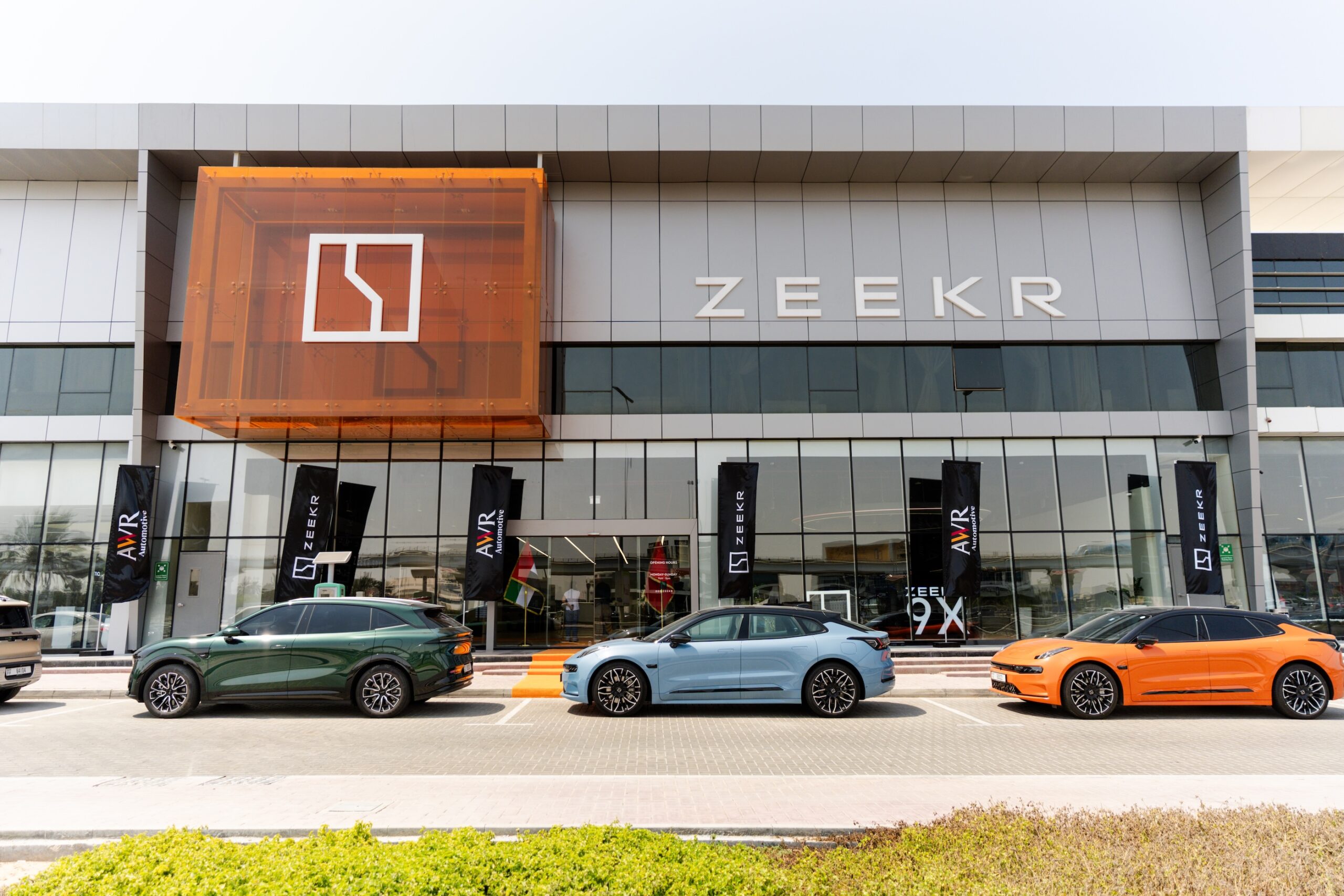
Zeekr UAE and AWR Automotive are proud to announce the unveiling of the redesigned Zeekr flagship showroom on Sheikh Zayed Road in Dubai. The new space brings together contemporary design, refined hospitality, and personalised customer engagement, reflecting the partners’ confidence in the UAE’s expanding electric mobility market.
The showroom gives customers a clear and practical way to explore electric mobility. Zeekr product specialists will provide personalised guidance around the Zeekr range, charging, intelligent technology, performance, test drives, and after-sales care. Interactive touchscreen TVs allow customers to explore vehicle configurations in detail and place orders directly from the showroom. Customers can also discuss their individual driving requirements and ownership considerations in a relaxed setting, helping them understand how electric mobility can support everyday journeys, family travel, and longer drives across the UAE.
At the centre of the redesigned showroom is the Zeekr Lounge, a refined hospitality space for customer appointments, coffee conversations, and owner gatherings. The lounge brings a more personal dimension to the retail experience, providing a welcoming place for guests to spend time with the brand before or after a consultation or test drive. A partnership with Maison 7, AWR Group’s luxury lifestyle brand, adds curated homeware and elegant décor, creating a warm, lifestyle-led environment that complements Zeekr’s progressive design philosophy and brings the showroom’s material, colour, and craftsmanship story to life.
“The UAE’s electric mobility market is advancing quickly, and customers want the confidence that comes from clear guidance, a trusted local partner, and an ownership experience designed around their needs,” said Roberto Colucci, Director of EVs, AWR Automotive. “Our redesigned flagship showroom brings those elements together, creating a destination where customers can experience Zeekr’s technology, design, and hospitality while exploring how electric mobility can fit their everyday lives.”
The redesigned flagship also includes two AC charging points, giving customers an added practical touchpoint with the Zeekr ownership experience during their showroom visit. Two dedicated vehicle delivery bays provide an elevated handover setting, allowing every delivery to become a more personal and memorable moment for customers and their families. The flagship will also serve as a platform for product introductions, owner engagement, and curated events, bringing customers and electric mobility enthusiasts together around premium electric driving. Customers are invited to visit the showroom on Sheikh Zayed Road to experience the Zeekr range, speak with a product specialist, and book a personalised test drive.
AWR Automotive is Zeekr’s official distributor in the UAE. Supported by decades of automotive expertise and an established national network of showrooms and service centres, it brings the Zeekr ownership experience to customers from first discovery through to long-term support, helping advance premium electric mobility across the region.

International Coffee Day Gets UAE-Made Twist with Rashtions’ Brazilian Coffee Truffle

Why Curation Matters More Than Ever in Fashion Retail

Keeta Marks First Anniversary in the UAE, Celebrating Nationwide Growth and Local Impact



-
News11 years ago
SENDQUICK (TALARIAX) INTRODUCES SQOOPE – THE BREAKTHROUGH IN MOBILE MESSAGING
-

 Trending11 months ago
OPPO A6 Pro 5G Review: Reliable Daily Driver
-

 Tech News2 years ago
Denodo Bolsters Executive Team by Hiring Christophe Culine as its Chief Revenue Officer
-
 VAR1 year ago
Microsoft Launches New Surface Copilot+ PCs for Business
-

 Automotive2 years ago
AGMC Launches the RIDDARA RD6 High Performance Fully Electric 4×4 Pickup
-
Tech Interviews3 years ago
Navigating the Cybersecurity Landscape in Hybrid Work Environments
-
 Tech News2 years ago
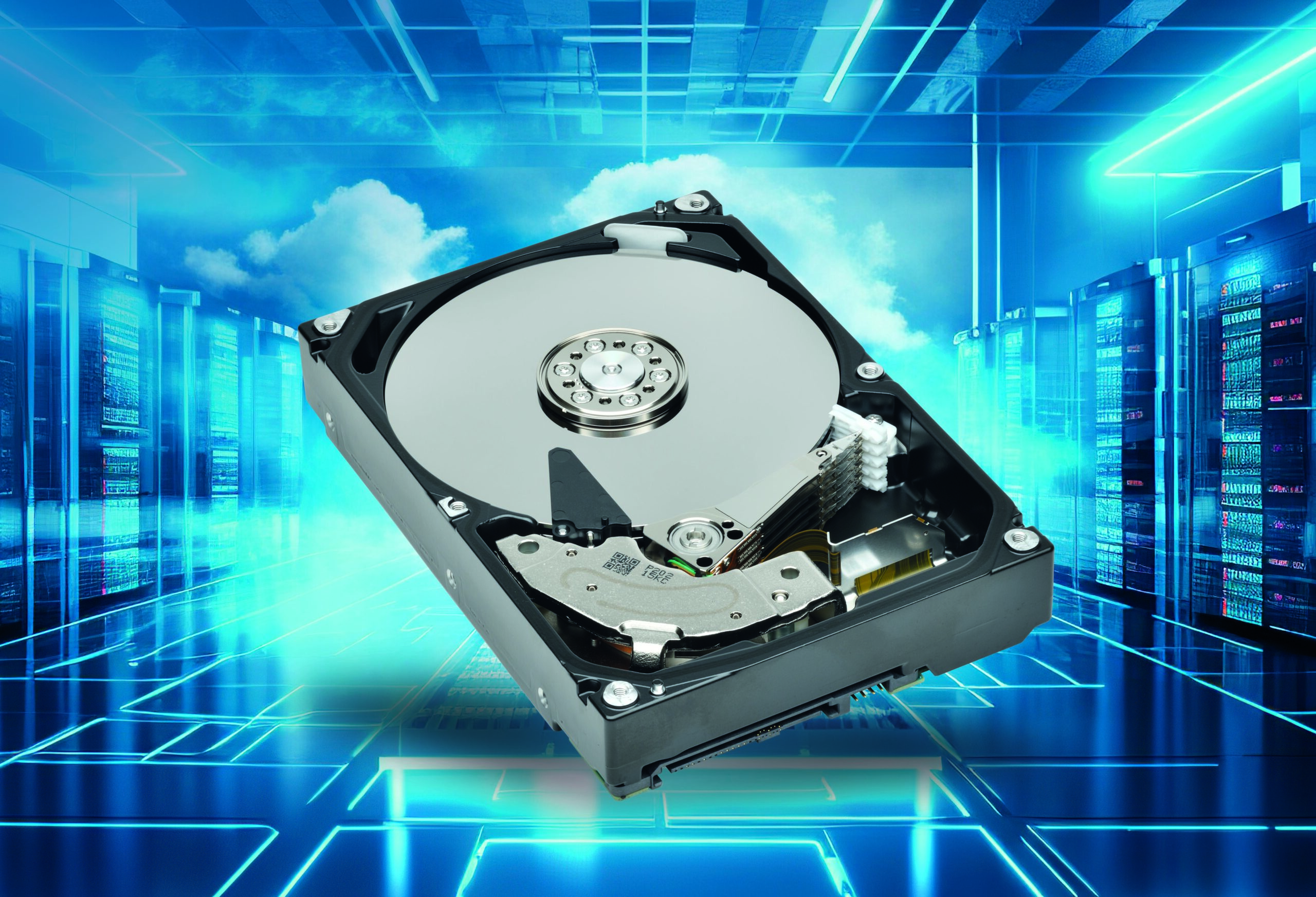
Toshiba Announces MG10-D Series of Enterprise HDDs with Capacities up to 10TB
-

 Tech News1 year ago
Nothing Launches flagship Nothing Phone (3) and Headphone (1) in theme with the Iconic Museum of the Future in Dubai