
 Have a question? +971 56 404 0503




Tech News
Vertiv Expects Powering Up for AI, Digital Twins and Adaptive Liquid Cooling to Shape Data Center Design and Operations


Data center innovation is continuing to be shaped by macro forces and technology trends related to AI, according to a report from Vertiv (NYSE: VRT), a global leader in critical digital infrastructure. The Vertiv Frontiers report, which draws on expertise from across the organization, details the technology trends driving current and future innovation, from powering up for AI, to digital twins, to adaptive liquid cooling.
“The data center industry is continuing to rapidly evolve how it designs, builds, operates and services data centers, in response to the density and speed of deployment demands of AI factories,” said Vertiv chief product and technology officer, Scott Armul. “We see cross-technology forces, including extreme densification, driving transformative trends such as higher voltage DC power architectures and advanced liquid cooling that are important to deliver the gigawatt scaling that is critical for AI innovation. On-site energy generation and digital twin technology are also expected to help to advance the scale and speed of AI adoption.”
The Vertiv Frontiers report builds on and expands Vertiv’s previous annual Data Center Trends predictions. The report identifies macro forces driving data center innovation: extreme densification—accelerated by AI and HPC workloads; gigawatt scaling at speed—data centers are now being deployed rapidly and at unprecedented scale; data center as a unit of compute—the AI era requires facilities to be built and operated as a single system; and silicon diversification—data center infrastructure must adapt to an increasing range of chips and compute.
The report details how these macro forces have in turn shaped five key trends impacting specific areas of the data center landscape.
1. Powering up for AI
Most current data centers still rely on hybrid AC/DC power distribution from the grid to the IT racks, which includes three to four conversion stages and some inefficiencies. This existing approach is under strain as power densities increase, largely driven by AI workloads. The shift to higher voltage DC architectures enables significant reductions in current, size of conductors, and number of conversion stages while centralizing power conversion at the room level. Hybrid AC and DC systems are pervasive, but as full DC standards and equipment mature, higher voltage DC is likely to become more prevalent as rack densities increase. On-site generation, and microgrids, will also drive adoption of higher voltage DC.
2. Distributed AI
The billions of dollars invested into AI data centers to support large language models (LLMs) to date have been aimed at supporting widespread adoption of AI tools by consumers and businesses. Vertiv believes AI is becoming increasingly critical to businesses but how, and from where, those inference services are delivered will depend on the specific requirements and conditions of the organization. While this will impact businesses of all types, highly regulated industries, such as finance, defense, and healthcare, may need to maintain private or hybrid AI environments via on-premise data centers, due to data residency, security, or latency requirements. Flexible, scalable high-density power and liquid cooling systems could enable capacity through new builds or retrofitting of existing facilities.
3. Energy autonomy accelerates
Short-term on-site energy generation capacity has been essential for most standalone data centers for decades, to support resiliency. However, widespread power availability challenges are creating conditions to adopt extended energy autonomy, especially for AI data centers. Investment in on-site power generation, via natural gas turbines and other technologies, does have several intrinsic benefits but is primarily driven by power availability challenges. Technology strategies such as Bring Your Own Power (and Cooling) are likely to be part of ongoing energy autonomy plans.
4. Digital twin-driven design and operations
With increasingly dense AI workloads and more powerful GPUs also come a demand to deploy these complex AI factories with speed. Using AI-based tools, data centers can be mapped and specified virtually, via digital twins, and the IT and critical digital infrastructure can be integrated, often as prefabricated modular designs, and deployed as units of compute, reducing time-to-token by up to 50%. This approach will be important to efficiently achieving the gigawatt-scale buildouts required for future AI advancements.
5. Adaptive, resilient liquid cooling
AI workloads and infrastructure have accelerated the adoption of liquid cooling. But conversely, AI can also be used to further refine and optimize liquid cooling solutions. Liquid cooling has become mission-critical for a growing number of operators but AI could provide ways to further enhance its capabilities. AI, in conjunction with additional monitoring and control systems, has the potential to make liquid cooling systems smarter and even more robust by predicting potential failures and effectively managing fluid and components. This trend should lead to increasing reliability and uptime for high value hardware and associated data/workloads.
Vertiv does business in more than 130 countries, delivering critical digital infrastructure solutions to data centers, communication networks, and commercial and industrial facilities worldwide. The company’s comprehensive portfolio spans power management, thermal management, and IT infrastructure solutions and services—from the cloud to the network edge. This integrated approach enables continuous operations, optimal performance, and scalable growth for customers navigating an increasingly complex digital landscape.











Tech News
Abu Dhabi Projects and Infrastructure Centre and PATRIZIA sign strategic partnership to support infrastructure investment and development

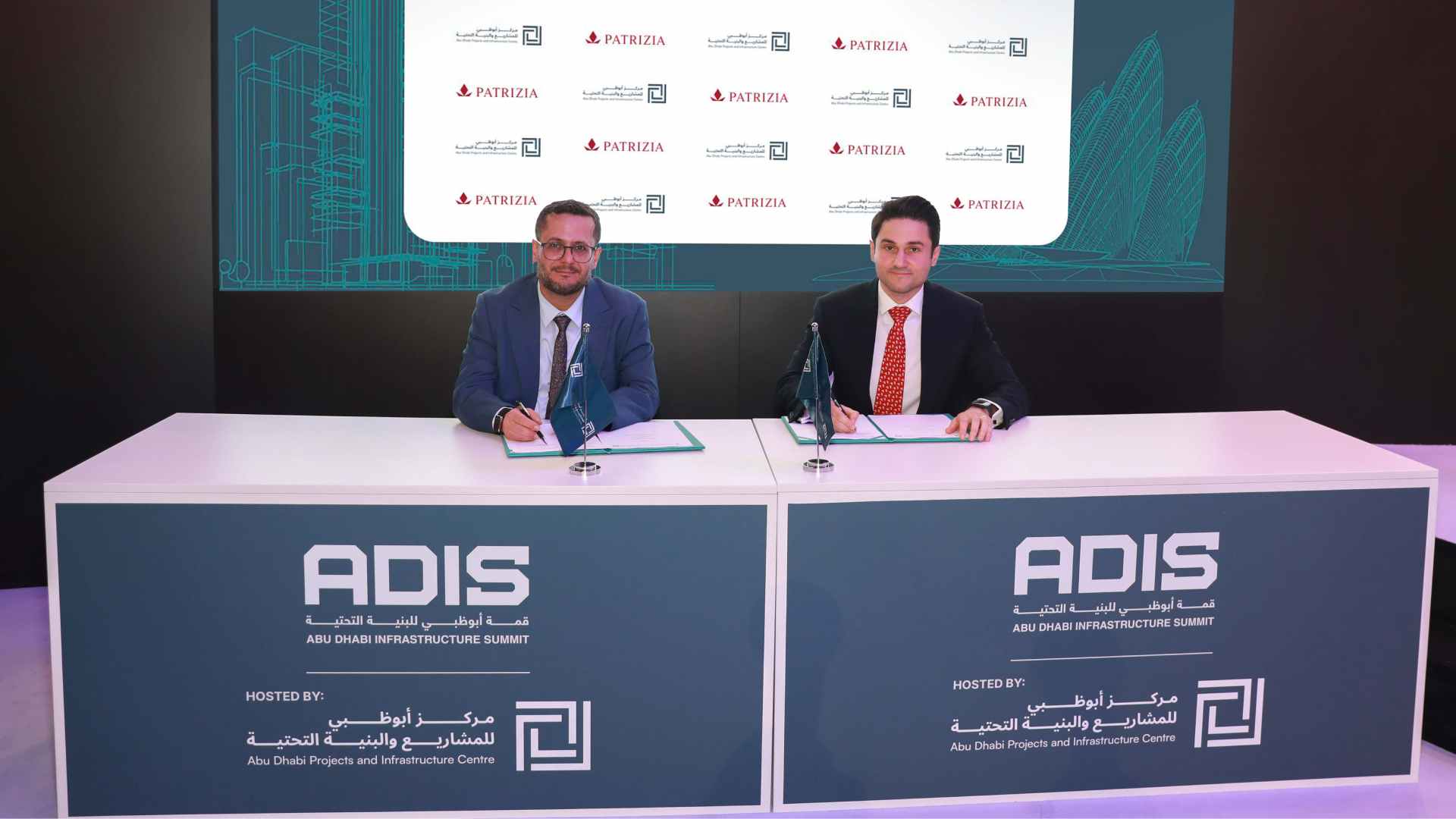
The Abu Dhabi Projects and Infrastructure Centre (ADPIC)and PATRIZIA, an investment manager in real assets, have signed a strategic partnership to deepen cooperation around infrastructure investment and project delivery in the Emirate of Abu Dhabi, drawing on PATRIZIA’s wider real assets expertise.
The strategic partnership was signed during the Abu Dhabi Infrastructure Summit (ADIS) International Roadshow at EXPO REAL 2026 in Munich by His Excellency Eng Maysarah Mahmoud Salim Eid, Director General of ADPIC and Hassan Awada, Senior Executive Officer, MENA at PATRIZIA.
ADPIC sits at the centre of Abu Dhabi’s capital-project programme, coordinating planning, governance, and delivery across approximately 500 projects valued at more than AED 200bn, equivalent to more than USD 56bn. The programme spans housing, transport, culture, education, social infrastructure, and the wider urban systems supporting Abu Dhabi’s long-term growth, livability, and economic competitiveness.
The agreement also reflects the wider objective of the ADIS International Roadshow by connecting Abu Dhabi’s infrastructure ecosystem with international partners that bring specialist expertise and long-term capability, while deepening engagement with Germany and Europe. The partnership establishes a framework for PATRIZIA and ADPIC to exchange international expertise and explore areas where private-sector participation can strengthen project delivery and long-term value creation. This includes dialogue around public-private partnership structures, sharing international best practice in infrastructure financing and delivery, and exploring potential investment and co-investment opportunities arising from Abu Dhabi’s capital projects programme.
The two organisations will also cooperate on market insight, benchmarking and technical studies relevant to infrastructure investment and project delivery, while exploring ways to support greater international participation, knowledge exchange, and access to specialist capability across Abu Dhabi’s ecosystem.
H.E. Eng. Maysarah Mahmoud Salim Eid, Director General of ADPIC, said: “Abu Dhabi’s infrastructure programme requires partners that bring proven international capability, market insight, and a long-term commitment. Through this partnership with PATRIZIA, we will explore how that experience can support private-sector participation, strengthen project delivery, and create long-term value. This is exactly the type of practical international cooperation the ADIS International Roadshow is designed to advance.”
PATRIZIA has worked with institutional investors and partners in Abu Dhabi for 15 years, building long-term relationships across the Emirate. The recent establishment of a permanent presence in the Abu Dhabi Global Market (ADGM) marked a further step in that commitment, strengthening PATRIZIA’s ability to work with regional investors and partners and connect them with its international real assets platform.
Asoka Wöhrmann, CEO of PATRIZIA, said: “Abu Dhabi has established itself as an important centre for long-term investment and infrastructure development. Our teams have worked with clients and partners in the Emirate for the past 15 years, and our decision to establish a permanent presence in Abu Dhabi reflects the importance we attach to that relationship. We have seen first-hand the scale of its ambition and the increasingly important role that international expertise and private capital can play. This partnership creates a framework through which PATRIZIA can contribute its experience across real assets while deepening our longstanding relationships in Abu Dhabi.”
Hassan Awada, Senior Executive Officer, MENA at PATRIZIA, said: “Abu Dhabi is developing into a significant market for infrastructure and real assets investment, supported by major infrastructure pipeline and a clear focus on attracting international investment and expertise. Our partnership with ADPIC gives us an opportunity to closely support on delivering these priorities and to explore where PATRIZIA’s international investment capabilities can support the Emirate’s long-term ambitions.”
The agreement reflects PATRIZIA’s wider strategy of combining its established global real assets platform with selective international growth in markets where it has longstanding client relationships and relevant investment expertise.
Tech News
NetApp to Showcase AI-Ready Data Infrastructure as CEO George Kurian Takes the Stage at Ai Everything Abu Dhabi 2026
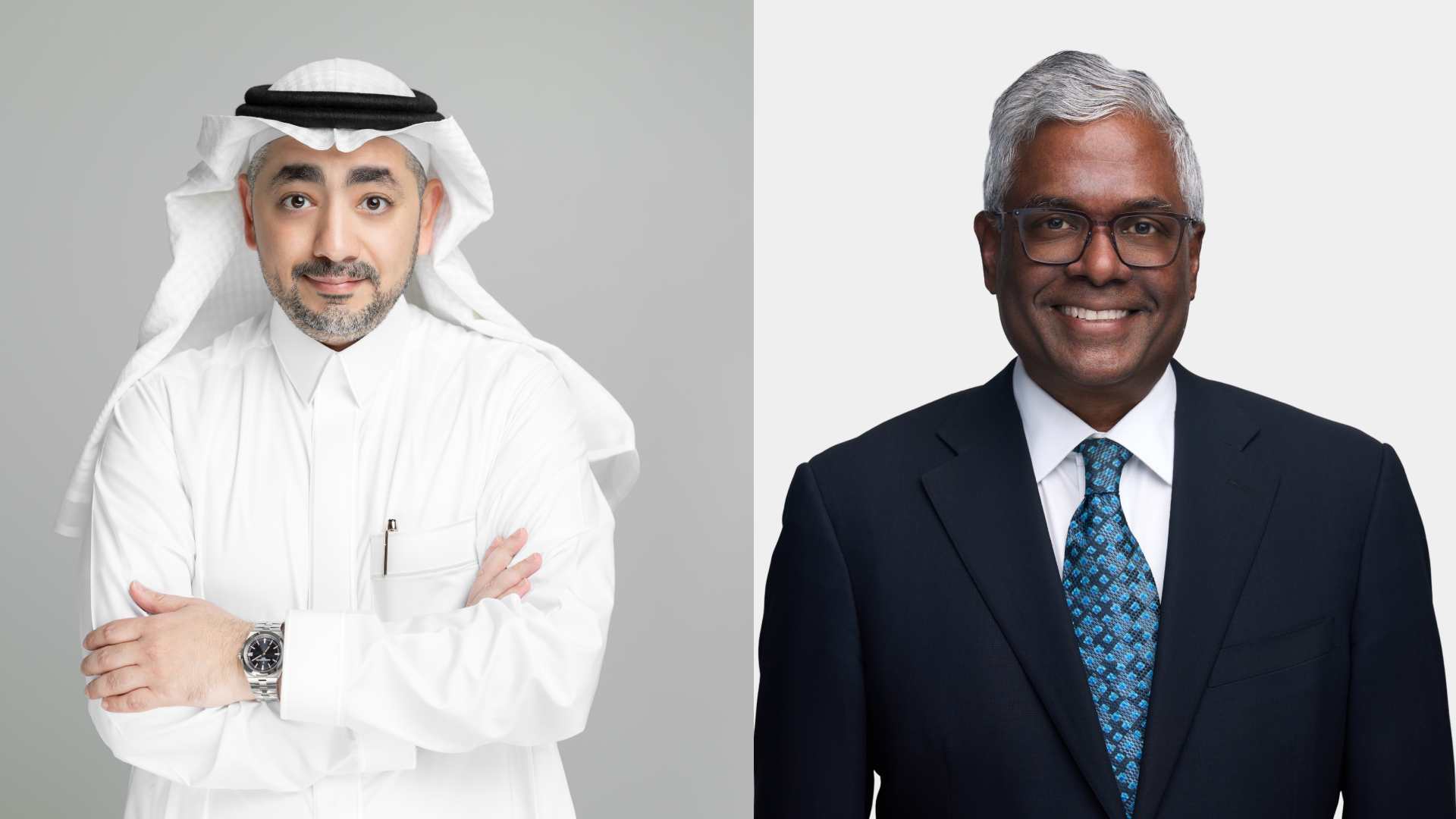
NetApp® (NASDAQ: NTAP), the Intelligent Data Infrastructure company, will exhibit at Ai Everything Abu Dhabi 2026, taking place on October 6 and 7 at ADNEC Centre in Abu Dhabi. The event will also feature George Kurian, Chief Executive Officer of NetApp, who will take part in a fireside chat on the Summit Stage titled, “Can AI Be Trusted? The New Architecture of Sovereign, Secure and Safe AI.” As AI moves from generating answers to taking action across the enterprise, Kurian will explore why trust must extend beyond the model to the data, infrastructure and systems AI can access, as well as the growing importance of security, data sovereignty and governance.
At the centre of NetApp’s presence will be the NetApp Platform, designed to provide enterprises an intelligent, connected, governed foundation that delivers zero-copy access to their data. Customers can quickly and confidently access, manage, and activate their data and be confident it is AI-ready and secure so they can take on the most demanding tasks and solve the most complex problems. In addition to being available on-premises, the NetApp Platform is natively embedded in the world’s largest public clouds. As organizations move AI initiatives from experimentation into production, having data that is accessible, governed and protected becomes increasingly important to scaling AI securely and efficiently.
“Abu Dhabi’s ambition to become an AI-native government reflects a broader shift we are seeing across the Middle East, where AI is rapidly moving from experimentation to large-scale deployment. But scaling AI is ultimately a data challenge. Organizations need trusted, secure and accessible data wherever it resides. The NetApp Platform provides the foundation customers need to build Intelligent Data Infrastructure that enables them to move from AI ambition to real business outcomes, securely and at scale.” said Suhail Hasanain, Senior Director and General Manager, MEA at NetApp
During the two-day event, NetApp’s regional and global experts will engage with industry leaders, partners and customers on building AI-ready infrastructure and addressing the data and infrastructure challenges that can prevent AI projects from progressing into production.
Visitors will have an opportunity to hear the latest developments from NetApp INSIGHT 2026 in Las Vegas, one of the company’s key events focused on tackling today’s biggest AI and technology challenges with intelligent data infrastructure.
Tech News
Optro Establishes UAE Hub to Support Rapid Transition to Agentic GRC Across the Middle East
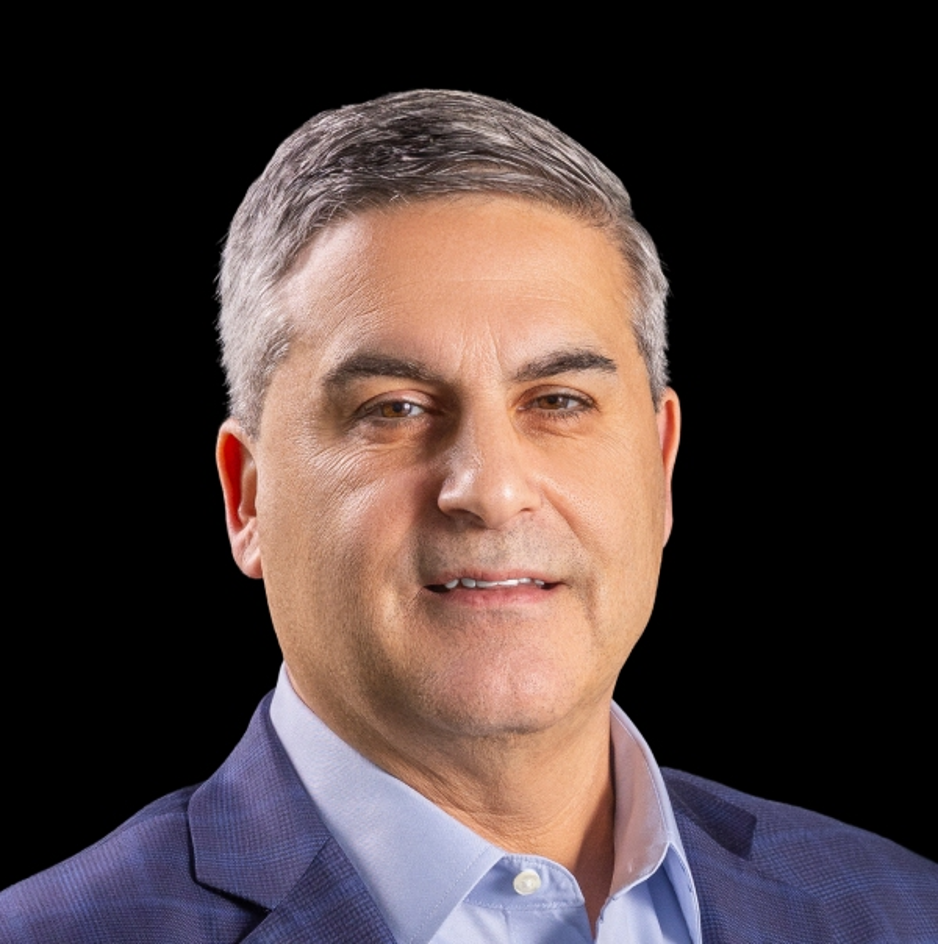
Optro, the leading AI-powered GRC Intelligence Platform, today announced its expansion into the United Arab Emirates (UAE), establishing Dubai as the company’s newest regional center. The move represents a major step forward in serving global GRC teams and providing localized support for its rapidly growing customer base across the Middle East and North Africa (MENA) region. The announcement was made at the 2026 CAE Conference in Abu Dhabi, United Arab Emirates.
The expansion comes at a historic inflection point for technology governance in the region. Under the “UAE Government 4.0” directive of the UAE National Strategy for Artificial Intelligence 2031, federal institutions are tasked with converting 50 percent of government sectors, services, and operations to autonomous Agentic AI models within a two-year timeline. As non-human agents gain authority to execute workflows, invoke APIs, and issue binding administrative decisions, enterprise and public-sector audit, risk, compliance, and infosec teams are facing unprecedented operational, cybersecurity, and regulatory complexities.
With strict regulatory frameworks taking shape, including Central Bank of the UAE (CBUAE) AI & ML Guidance, the UAE National AI Policy & Ethics guidelines, the Federal Personal Data Protection Law (PDPL), and Cybersecurity Council/NESA standards, demand is surging for connected, real-time approaches to audit, risk management, data sovereignty, and non-human access control. Optro is built specifically for this paradigm shift. By deploying agentic AI tailored to regional frameworks, Optro gives local practitioners an unmatched ability to execute continuous risk assessments, manage non-human access identities, and automate live compliance mapping against evolving UAE regulations.
“Enterprises and public sector organizations across the Middle East are setting a global benchmark for autonomous innovation,” said Raul Villar Jr., Chief Executive Officer at Optro. “However, deploying agentic AI at scale requires a corresponding evolution in control and assurance. By establishing our regional hub in the UAE, we are delivering the localized presence, partner network, and agentic GRC tools required to help organizations govern autonomous operations, protect data sovereignty, and turn regulatory compliance into a competitive advantage.”
“Internal Audit and GRC functions are playing an increasingly strategic role in helping organizations strengthen resilience, enhance governance, and respond to emerging risks,” said Fady Nader, EY MENA Risk Consulting Partner. “As organizations continue to embrace digital transformation and AI-enabled ways of working, there is a growing need for integrated assurance and timely risk insights. We are pleased to collaborate with Optro in supporting organizations across the region as they evolve their governance, risk and assurance capabilities and adapt to an increasingly dynamic business environment.”
“Our alliance with Optro reflects Deloitte’s commitment to helping clients modernize their control environments,” said James Smith, Controls Assurance Leader at Deloitte Middle East. “Optro’s investment in regional data hosting is another important step and demonstrates their long-term commitment to the region and we are proud to partner with them.”
Optro’s expansion into the UAE follows the company’s recent launch of its Asia-Pacific (APAC) regional hub in Singapore, announced at The Institute of Internal Auditors (IIA) International Conference in June. Earlier this year, Optro also acquired Midship — the premier AI-native autonomous controls testing solution — delivering highly governed, enterprise-grade AI agents to Optro’s customers and prospects, enabling Optro to rapidly scale across global innovation centers, helping risk, compliance, and audit teams modernize operations and navigate complex regulatory environments in real time.

Kenz ‘de’ Rasasi Debuts at Beautyworld Middle East 2026 with a New Expression of Rasasi Heritage

Burjeel Holdings Launches Preventive Cardiac Campaign Across Its UAE Hospital Network for World Heart Day

Abu Dhabi Projects and Infrastructure Centre and PATRIZIA sign strategic partnership to support infrastructure investment and development



-

 Trending12 months ago
OPPO A6 Pro 5G Review: Reliable Daily Driver
-

 Tech News2 years ago
Denodo Bolsters Executive Team by Hiring Christophe Culine as its Chief Revenue Officer
-
 VAR1 year ago
Microsoft Launches New Surface Copilot+ PCs for Business
-

 Automotive2 years ago
AGMC Launches the RIDDARA RD6 High Performance Fully Electric 4×4 Pickup
-
Tech Interviews3 years ago
Navigating the Cybersecurity Landscape in Hybrid Work Environments
-

 Tech News1 year ago
Nothing Launches flagship Nothing Phone (3) and Headphone (1) in theme with the Iconic Museum of the Future in Dubai
-

 VAR2 years ago
Samsung Galaxy Z Fold6 vs Google Pixel 9 Pro Fold: Clash Of The Folding Phenoms
-

 Hospitality2 years ago
Gulfood 2025 30th Edition Kicks Off Today, Setting New Benchmarks in F&B Growth and Innovation