
 Have a question? +971 56 404 0503




Hospitality
WATERFRONT MARKET WELCOMES MANGO SEASON WITH MANGOLICIOUS FESTIVAL 2026

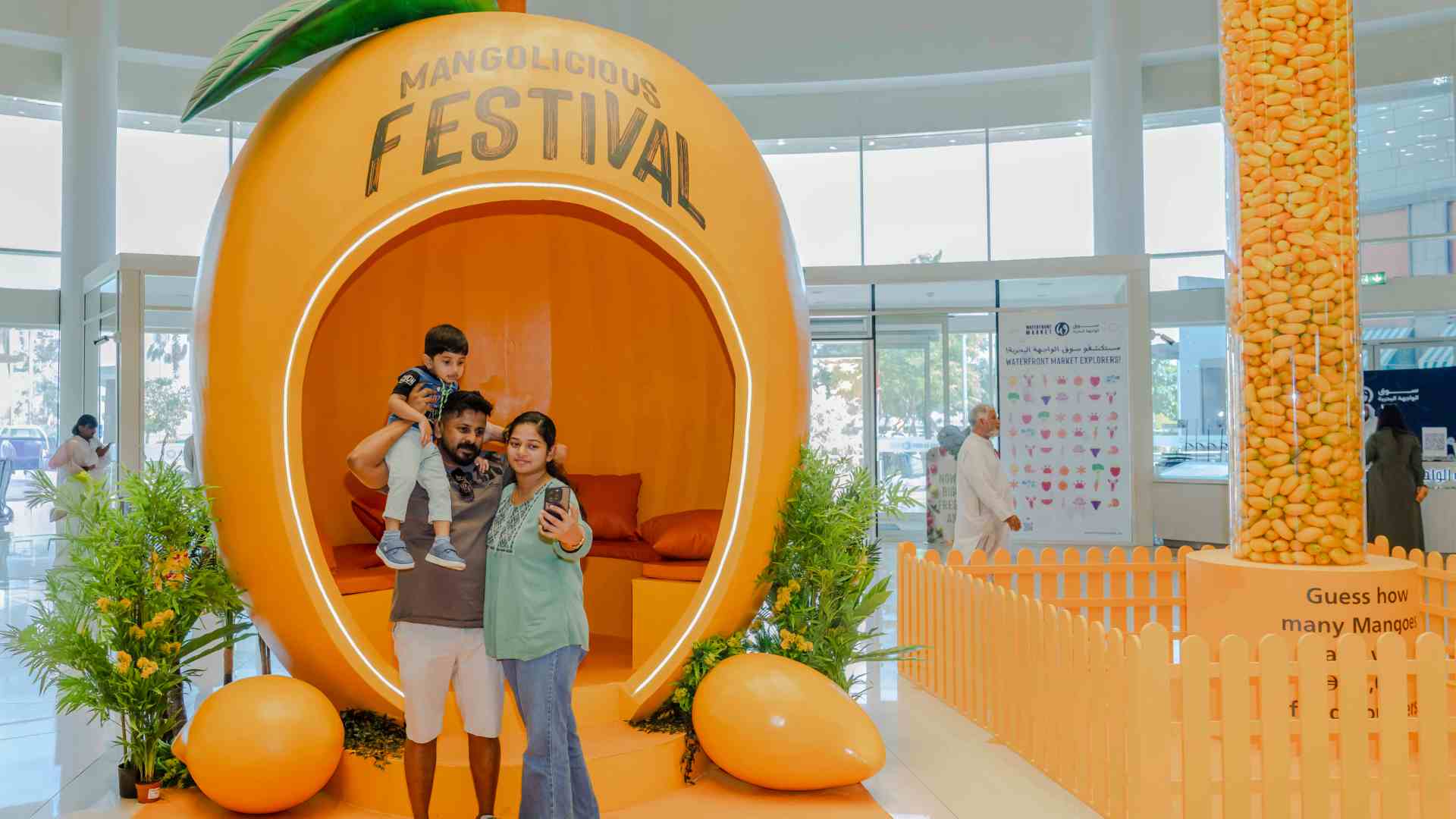
Waterfront Market, Dubai’s largest fresh food destination, welcomes summer with the return of its much-anticipated Mangolicious Festival, a celebration dedicated to the king of fruits. Running from 15 May to 31 May 2026 from 10am to 10pm, the festival transforms the Market into a vibrant destination of flavour, family experiences, rewards, and seasonal discovery.
Bringing together a curated selection of mangoes from India, Thailand, Peru, South Africa, Kenya, Yemen, and Pakistan, the festival invites visitors to discover some of the season’s most sought-after varieties, including Alphonso, Nam Dok Mai, Osteen, Sabri, Ngowe, and the regional favourite Taimoor, with Pakistani varieties such as Chaunsa arriving later in the season.
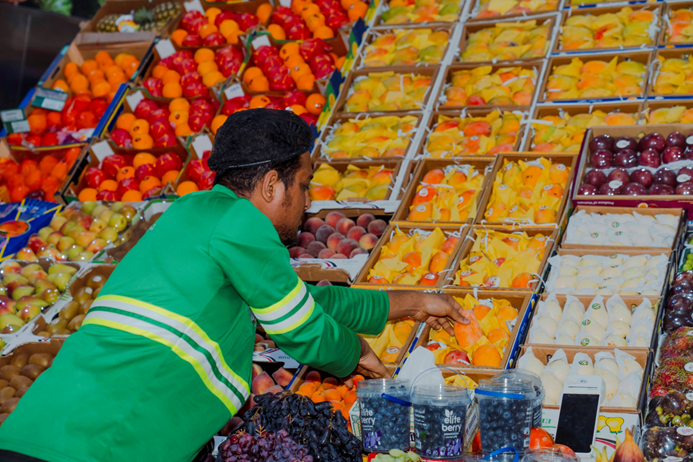
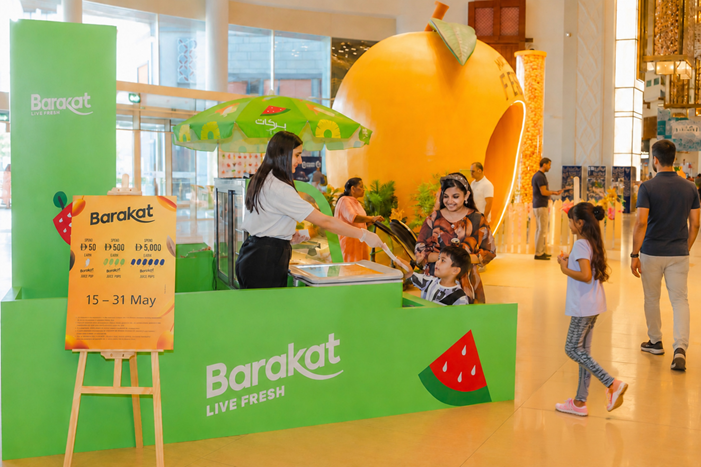
Families can enjoy a vibrant mango-themed experience across Waterfront Market, featuring fun activities for all ages. Shoppers who spend AED 50 can participate in the Mango Guess & Win competition for a chance to win up to AED 20,000 in fresh produce vouchers, and receive a complimentary mango juice pop daily in collaboration with Barakat. During Eid Al Adha, visitors can also enjoy complimentary food tastings by retailers across the Market, adding to the festive atmosphere throughout the holiday period.
The Mangolicious Festival is a vibrant celebration of fresh food, global flavours, and Waterfront Market’s position as Dubai’s leading destination for premium produce and market experiences. As the UAE’s largest mango festival, we are incredibly proud to bring together an exceptional variety of mangoes from around the world, giving our customers a unique opportunity to discover, taste, and experience the richness of this beloved fruit all in one place. The festival reflects Waterfront Market’s commitment to strengthening Dubai’s fresh food landscape by connecting consumers with high-quality produce, supporting regional food trade, and showcasing the diversity and excellence of fresh products available through the market and our traders,” said Mohammad AlMadani, Associate Director Senior Centre Manager at Waterfront Market.
With over 800 traders and one of the widest selections of fresh produce in the UAE, Waterfront Market continues to evolve as a destination where retail meets culture and community. This year’s Mangolicious Festival brings together global mango selections, rewarding shopping moments, tastings, and family-friendly activations, inviting residents and visitors alike to experience mango season at its most flavourful time. The Mangolicious Festival runs daily from 15 May to 31 May 2026 at Waterfront Market, Deira.
Hospitality
iDiet brings Taste and Personalised Dietitian Support to the Heart of Healthy Eating in the UAE

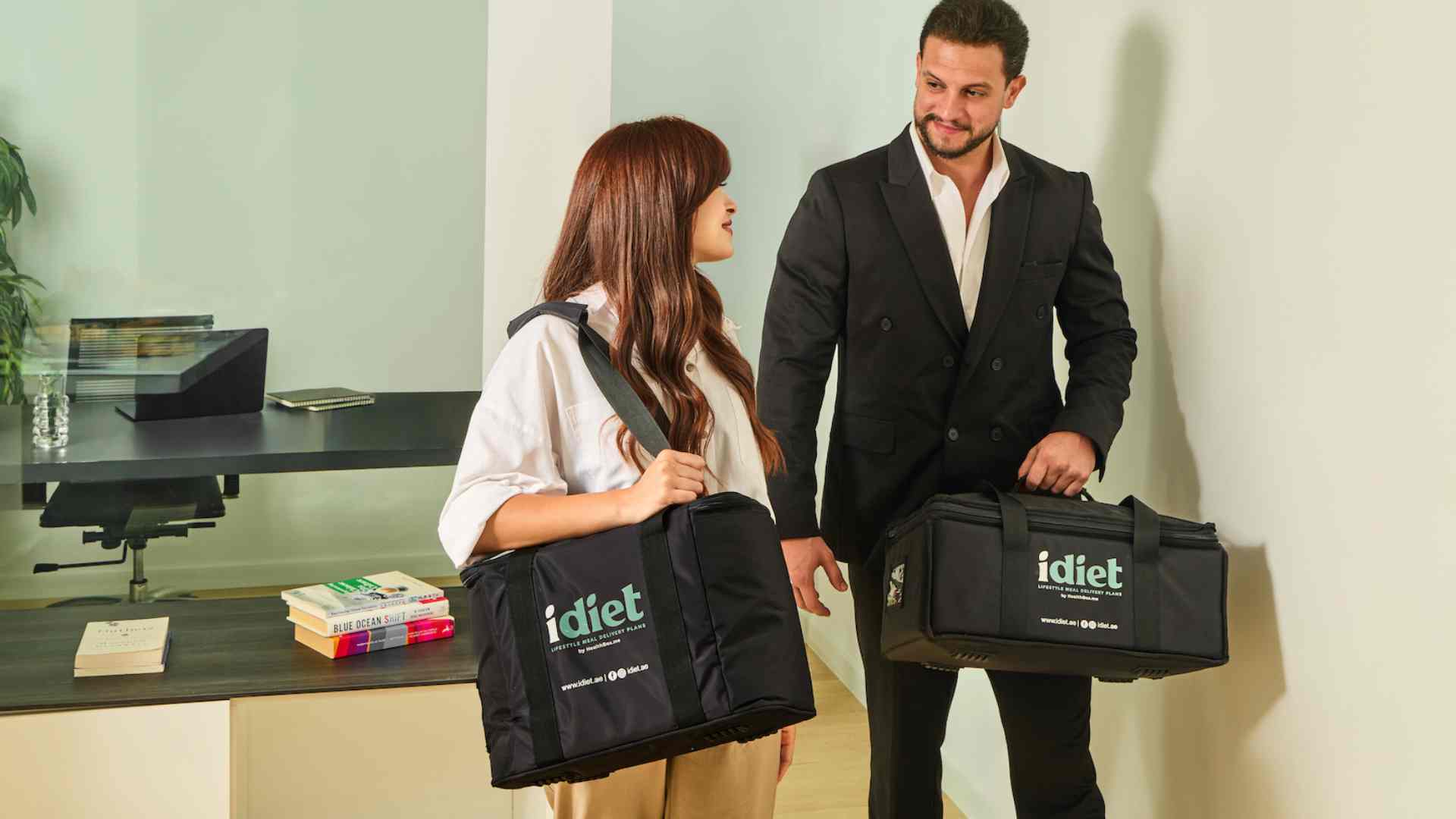
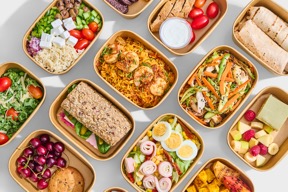

As UAE consumers increasingly look for healthier ways to eat without compromising on taste, convenience or their lifestyles, premium meal plan brand iDiet is taking a more personal approach to nutrition by combining wholesome chef-crafted meals with dedicated dietitian support and flexible meal plans designed around individual goals and everyday routines.
Operating in the UAE since 2021, and currently serving all emirates, iDiet is the UAE brand of Lebanon’s established HealthBox Diet and Nutrition Center, founded in 2010 by nutritionist and entrepreneur Sabine Karam and is backed by more than 16 years of experience in nutrition, food and healthy meal planning.
Taste sits at the heart of the iDiet experience. Fresh, high-quality ingredients and no preservatives come together across menus inspired by Mediterranean, Asian, Oriental and international cuisines, offering the variety needed to keep healthy eating interesting and avoid boredom. Rather than relying on restrictive or repetitive diet food, iDiet focuses on meals that deliver on both nutrition and flavour – an approach designed to make customers feel they are choosing a better way of eating, rather than simply following a diet.
This is complemented by ongoing, personalised support from a dedicated dietitian. Every customer is assigned a dietitian as their account manager, providing guidance and accountability throughout their subscription, from selecting the most suitable meal plan and navigating nutritional needs to adjusting menus and making recommendations as goals, preferences and routines evolve. This continued relationship means customers have a nutrition professional supporting them beyond the initial assessment and throughout their entire meal plan journey.
“Healthy eating only becomes sustainable when people genuinely enjoy the food and feel supported throughout the journey,” said Sabine Karam, Co-Founder of iDiet. “At iDiet, we don’t believe people should have to choose between food they love and food that supports their health. Our dietitians stay closely involved throughout the customer journey, while our chefs work to make every meal nutritious, varied and genuinely delicious. Ultimately, we want to make healthier eating feel practical and enjoyable enough to become part of everyday life.”
iDiet offers a diverse range of personalised meal plans in the UAE, catering to different health goals, dietary needs and lifestyles. Options include low-calorie, high-protein, keto, vegan, cleanse, maintenance, anti-inflammatory, pregnancy and intermittent fasting plans. Customers can also enjoy a variety of meals inspired by different cuisines, reflecting the UAE’s diverse population and tastes.
Flexibility is also built into the experience. Through the iDiet app, customers can swap, pause and skip meals as their schedules change, while continuing to receive support from their dietitian. This allows meal plans to adapt to real life, rather than requiring customers to adapt their lives around a rigid diet.
Beyond its meal plan subscriptions and healthy food delivery, iDiet also offers healthy treats through its website and delivery platforms including Deliveroo and Careem, as well as healthy corporate catering and corporate wellness activations for businesses looking to make healthier eating more accessible in the workplace.
The brand’s UAE offering builds on the established HealthBox business, which began in a small kitchen in Beirut in 2010 and has since grown into a leading diet, nutrition and healthy catering business. Today, iDiet serves more than 3,500 customers and delivers over one million healthy meals annually in the UAE, alongside HealthBox’s established operations in Lebanon that also serve more than one million meals annually. With more than 16 years of experience across nutrition, culinary development, kitchen operations and customer experience, Sabine continues to be closely involved in the development of iDiet’s products and customer journey.
Today, iDiet is building on that regional expertise to meet the evolving expectations of UAE consumers by bringing together great-tasting food, expert nutritional guidance, personalisation and flexibility to make healthy eating easier to enjoy and easier to sustain.
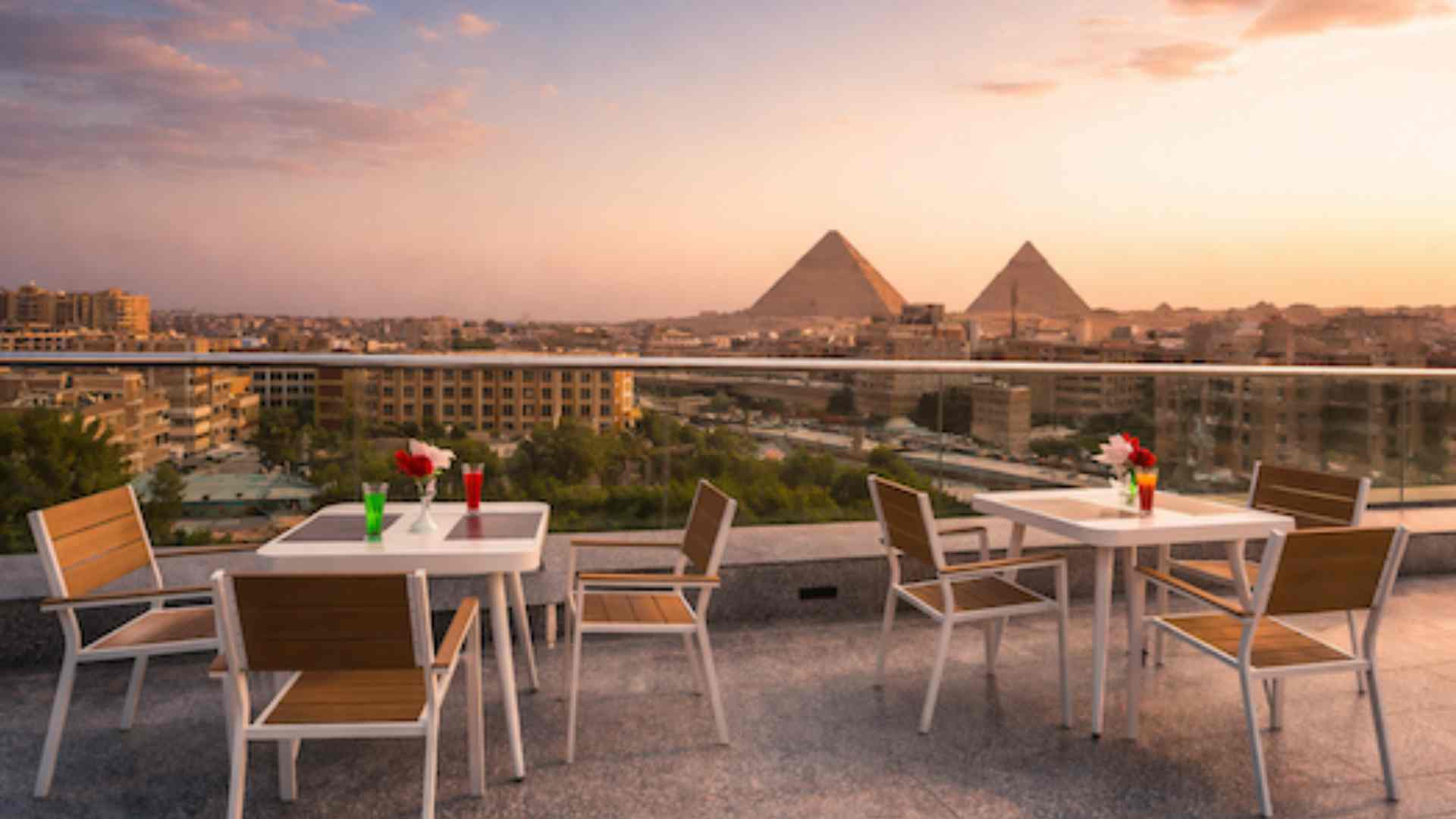
Barceló Hotel Group announces the opening of Occidental Cairo Grand Museum, a 207-key, modern four-star urban retreat in the Egypt capital. With an exceptional location near the iconic Pyramids of Giza, situated opposite the Grand Egyptian Museum, the property promises a central base from which to discover the city’s rich history and culture.
Occidental Cairo Grand Museum marks the Spanish hotel group’s second property in Cairo, further strengthening its presence in Egypt. The opening represents another milestone in the company’s expansion strategy and reinforces its position across Middle East and North Africa, a region with significant potential for tourism growth. It also demonstrates the group’s ability to identify strategic assets in high-value locations and develop distinctive offerings tailored to international demand.
Occidental Cairo Grand Museum, A Gateway to Discover Egypt
Occidental Cairo Grand Museum brings contemporary style to one of Cairo’s most historic settings. It features 207 rooms and suites, showcasing contemporary design and thoughtful comforts, promising a calm retreat after a day of exploring. Guests can cool off in the rooftop pool, recharge at the spa and wellness centre, or stay active in the fully-equipped fitness centre. For business travellers, a versatile 266-square-metre meeting space features modern audiovisual technology and accommodates events of up to 60 guests.
Dining is designed to take guests from relaxed daytime meals to memorable evenings overlooking the city. The main restaurant serves a selection of varied international dishes, while the hotel’s bars offer distinct settings for every occasion, from casual drinks at the Champs Sports Bar to quiet moments in the welcoming Lobby Bar. The standout Stage Skybar & Lounge can be found on the rooftop, where cocktails, sunset skies, and panoramic views of the Pyramids of Giza come together for an unforgettable end to the day.
Cairo, A Growing and Increasingly Established Market
Egypt continues to establish itself as one of North Africa’s most dynamic tourism markets, supported by its developing infrastructure and unique cultural heritage, which has been further enhanced by landmark projects such as the opening of the Grand Egyptian Museum. Within this growing tourism landscape, Cairo continues to strengthen its position as a key emerging market, attracting leisure travellers drawn to its historic heritage as well as business and incentive travellers.
“Cairo is a strategic location due to its iconic appeal, commercial importance, and ability to offer rich cultural experiences. The addition of Occidental Cairo Grand Museum enhances our presence in this strategic market and demonstrates the strength of our management model in creating sustainable, long-term value for owners, guests, and destinations,” says José Canals, Chief Operations Officer for the Mediterranean, Middle East, and Asia at Barceló Hotel Group.
Barceló Hotel Group contributes to local economic development through quality employment and support for local businesses. Its operations in Egypt sustain 1,876 direct and indirect jobs, with permanent employment levels above the industry average. The group also sources entirely from approved local suppliers, 70% of which are based in the immediate area, generating more than €4 million in revenue for these businesses.
In line with its Barceló ReGen sustainability strategy, the group is committed to a responsible growth model that combines tourism development with the creation of shared value for local communities by generating economic opportunities, supporting employment, and encouraging growth of local businesses. As a result, each new opening expands the group’s international presence and actively contributes to the social, economic, and environmental progress of the destinations in which it operates.
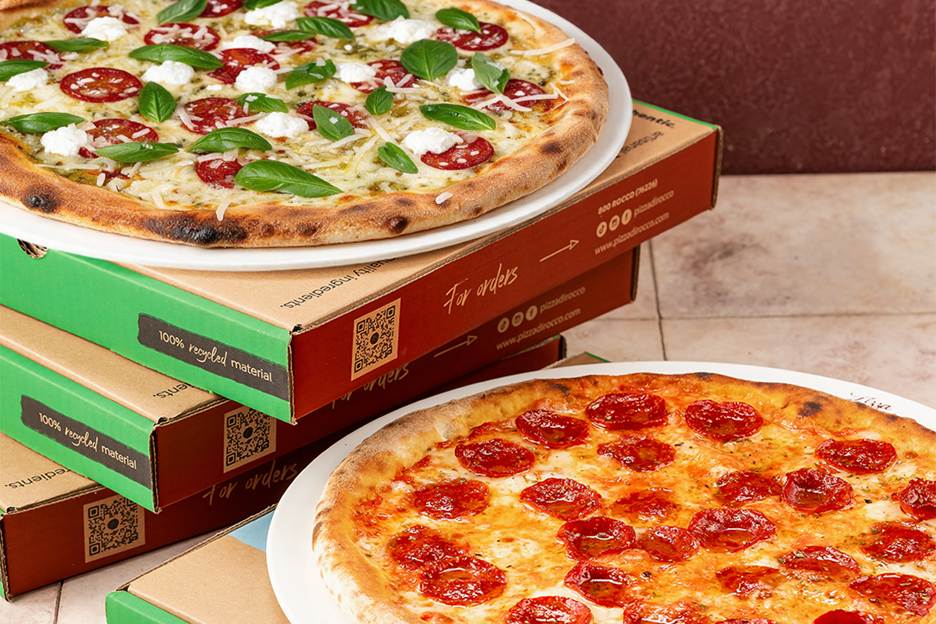
September is bringing a pepperoni takeover to Pizza Di Rocco with the launch of the Roni Revolution, a limited-time line-up giving the much-loved topping four very different spins. Available throughout the month, the new collection ranges from double pepperoni and a fully loaded Italian-inspired creation to combinations with hot honey and ricotta or homemade pesto Genovese.
Beyond the new Ronis, Pizza Di Rocco is making it easy to feed a crowd with Team Treats for office lunches and get-togethers. For celebrations at home or your chosen venue, the team can even bring the pizzeria to you, arriving with a wood-fired oven to prepare and serve fresh pizzas on site for a proper Pizza Di Rocco pizza party.
Meet the Ronis: The Roni Revolution Lands at Pizza Di Rocco
Pepperoni fans, this one’s for you. From 1 to 30 September, Pizza Di Rocco is giving one of the world’s most-loved pizza toppings its moment with the Roni Revolution, a limited-time line-up that reinvents pepperoni four different ways.
Keep things classic with the Roni Roni (AED 59), loaded with double pepperoni, fior di latte mozzarella and oregano, or go all in with the Italian Stallion (AED 65), topped with pepperoni, salami, Italian sausage and caramelised onion. The Hot Honey Ricotta (AED 55) brings together pepperoni, whipped ricotta and chilli honey for a sweet and spicy twist, while the Pesto Roni (AED 65) swaps the traditional tomato base for homemade pesto Genovese, finished with pepperoni, fresh basil and Parmesan.
Can’t pick a favourite? The Four Ronis offer lets you order any four Roni pizzas for AED 199. Try them all, share them around and find your Roni before the revolution wraps up on 30 September.
Available until 30 September 2026.
Bring the Pizzeria to Your Next Party
Why order pizza when you can have it made fresh at home? Pizza Di Rocco brings its wood-fired oven and dedicated team straight to your location, turning birthdays, celebrations and get-togethers into an authentic pizza party, with pizzas prepared and cooked live for guests.
The team takes care of everything from transport and complete setup to cooking and serving, with hosts able to choose up to five pizza flavours, appetisers, and desserts for the occasion. Each pizza is made fresh and served piping hot from the oven, so guests can enjoy the fun of watching their pizzas come together before tucking in. Available for events of 30 guests or more, it’s an easy way to bring a little taste of the pizzeria to your own party.
For more information and pricing, contact enquiries@pizzadirocco.com.
Get the Team Together with Pizza Di Rocco’s Team Treats
With everyone back at their desks, September is the perfect time to bring the team together over lunch. Pizza Di Rocco’s Team Treats make office lunches, meetings and team celebrations easy, with generous sharing packages delivered straight to the workplace.
The Squad Meal (AED 699) serves around 10 to 15 people with two appetiser sharing boxes, one jumbo chicken strips box, ten pizzas, a dessert selection and soft drinks. For larger teams, the Club Meal (AED 999) caters for 15 to 25 people with three appetiser sharing boxes, one jumbo chicken strips box, eighteen pizzas, dessert and beverages. Planning something bigger? The Pro Meal (AED 1,999) feeds 40 to 50 people with thirty-five pizzas, appetisers, chicken strips, dessert and soft drinks.


Anomali to Address the Next Phase of AI-Led Cyber Defense at GISEC 2026

Navigating Growth and Liquidity: The Shift to Predictive Credit Intelligence in the GCC

HONOR BRINGS ITS ALPHA PLAN TO LIFE AT LEAP 2026 WITH THE WORLD’S FIRST ROBOT PHONE AND RENEWED “DARE TO BE” BRAND DIRECTION



-
News11 years ago
SENDQUICK (TALARIAX) INTRODUCES SQOOPE – THE BREAKTHROUGH IN MOBILE MESSAGING
-

 Trending10 months ago
OPPO A6 Pro 5G Review: Reliable Daily Driver
-

 Tech News2 years ago
Denodo Bolsters Executive Team by Hiring Christophe Culine as its Chief Revenue Officer
-
 VAR1 year ago
Microsoft Launches New Surface Copilot+ PCs for Business
-

 Automotive2 years ago
AGMC Launches the RIDDARA RD6 High Performance Fully Electric 4×4 Pickup
-
Tech Interviews2 years ago
Navigating the Cybersecurity Landscape in Hybrid Work Environments
-

 Tech News1 year ago
Nothing Launches flagship Nothing Phone (3) and Headphone (1) in theme with the Iconic Museum of the Future in Dubai
-

 VAR2 years ago
Samsung Galaxy Z Fold6 vs Google Pixel 9 Pro Fold: Clash Of The Folding Phenoms