 Have a question? +971 56 404 0503







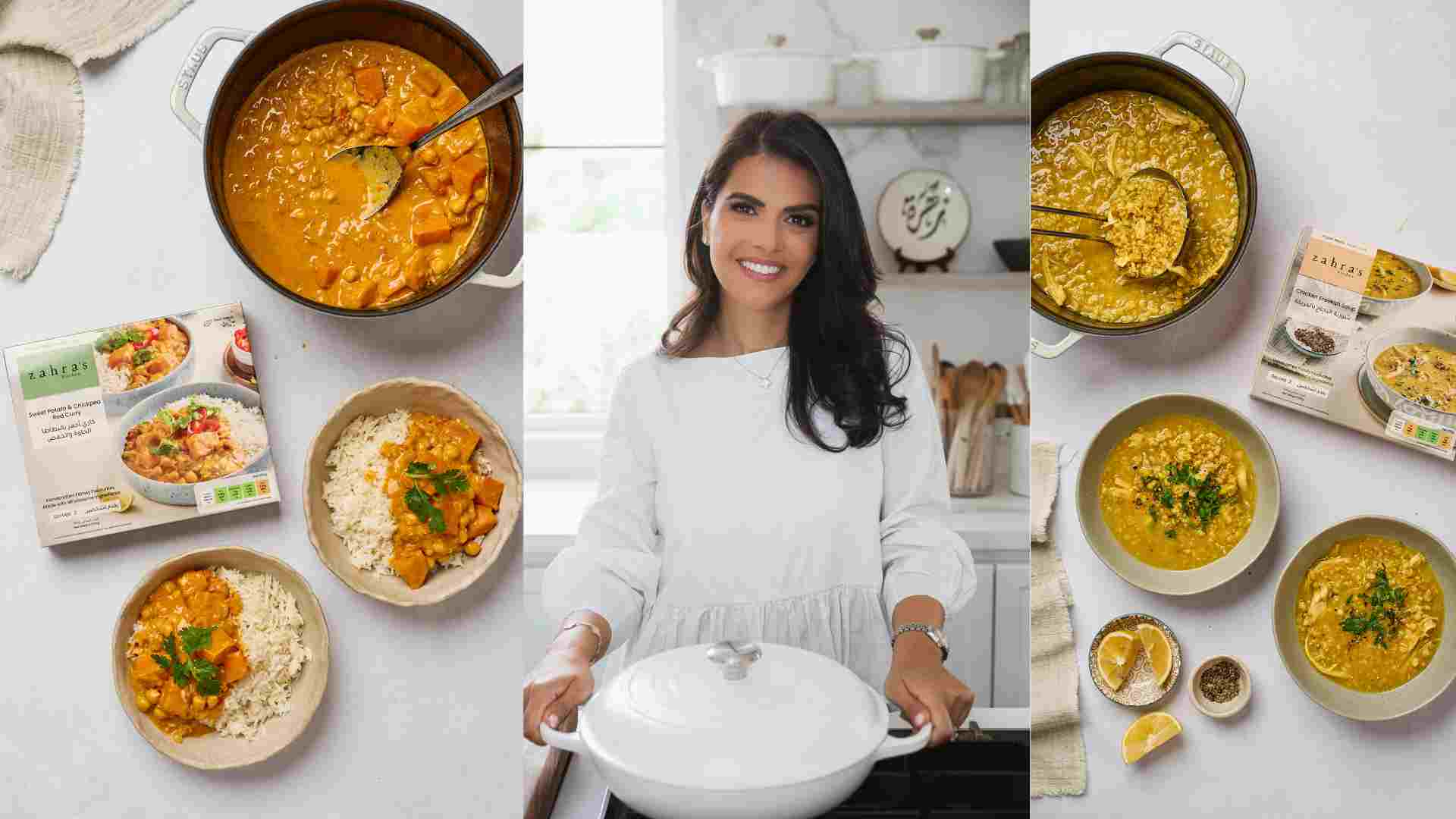
As summer routines shift across the UAE, Zahra’s Kitchen, the UAE homegrown premium food brand, is encouraging consumers to rethink convenience food with simple, flexible meal ideas designed to make everyday eating easier, more flavourful and less time consuming. The seasonal guide comes as the brand expands its ready meal range with three new additions and prepares to launch a limited edition single-portion collection exclusively on Noon Minutes this summer.
Created for busy everyday routines, Zahra’s Kitchen offers handcrafted ready meals, snacks and nibbles inspired by comforting recipes and familiar flavours. Made using responsibly sourced ingredients, with no artificial additives or preservatives, products are frozen at peak freshness to help preserve flavour, texture and nutritional value, while offering greater ease, flexibility and variety throughout the week.

This summer, the brand is spotlighting one of the simplest ways to approach mealtimes at home. One ready meal does not need to mean one meal. Instead, Zahra’s Kitchen is sharing how its dishes can become the starting point for multiple meal ideas, helping consumers create more variety with less effort.
Simple ways to rethink summer meals include:
- Beef Bolognese: Serve with pasta for an easy dinner, or turn it into lasagne, pasta bakes, stuffed vegetables or eggplant fattah.
- Chilli Con Carne: Use as a base for tacos, enchiladas, nachos, rice bowls or loaded baked potatoes.
- Butter Chicken: Pair with rice and naan, or fold into wraps, flatbreads, sandwiches and pizzas for a quick lunch or casual dinner.
- Plant-Based Sweet Potato and Chickpea Red Curry: Enjoy on its own, or serve alongside grilled fish, chicken or vegetables for an easy summer meal.
The expanded ready meal range now includes Lentil Soup, Chicken Freekah and Plant-Based Sweet Potato and Chickpea Red Curry, joining customer favourites including Beef Bolognese, Butter Chicken, Beef Meatballs, Chilli Con Carne and Basmati Rice.
Currently available in two-serving portions, the ready meal range has been designed to offer flexibility, value and multiple meal occasions. The upcoming limited edition single-portion range, launching exclusively on Noon Minutes this summer, has been developed for consumers looking for greater flexibility during busier days.
Alongside its ready meal collection, Zahra’s Kitchen also offers a range of snacks and nibbles rooted in Middle Eastern flavours and entertaining traditions, including Musakhan Rolls, Beef Kibbeh, Falafel and Spinach Puff Bites. Ideal for sharing platters, lunchboxes, family gatherings, casual hosting or everyday snacking, the range reflects the same commitment to quality ingredients and ease.
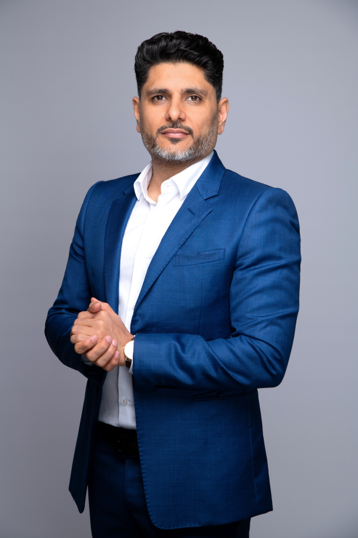
By Kalpesh Khakhria, Group Chairman at Klay Group
Everyone in the wealth management industry claims to offer “personalisation.” Yet, for most traditional institutions, it remains a hollow buzzword, a superficial exercise of sorting investors into predefined “conservative” or “aggressive” risk boxes. This transaction-led and product-pushing model is fundamentally broken for today’s ultra-high-net-worth families, whose lives, businesses, and assets span multiple global jurisdictions. Real personalisation is a structural necessity that requires a radical overhaul of how advice is delivered.
We are operating in an era where wealthy families are building complex, cross-border portfolios. A business might be headquartered in the GCC, hold properties in Europe, and have beneficiaries residing across continents. The most critical point is “What does this capital need to achieve across generations?” Traditional banking silos, driven by high client-to-advisor ratios and transactional commissions, simply lack the agility and independence to answer this effectively.
While personalisation is a growing trend across the broader service industry, in wealth management, it has become the new currency. It is the primary driver of growth and retention, shifting the industry standard from generic products to trust-based, tailored advice. The future of wealth management will be exclusively influenced by trust and deep customisation. True personalisation relies on two specific, uncompromising differentiators: structural independence and relationship-plus-data intelligence.
First, it is impossible to fully understand a family’s cross-border tax realities, liquidity needs, or succession plans if an advisor manages multiple different accounts. Personalisation requires time and undivided attention. That is why boutique advisory models that deliberately cap an advisor’s roster, such as limiting it to just 20 families, are so critical. By removing the pressure of aggressive sales targets and replacing transaction-led commissions with a transparent advisory fee structure, advisors gain the freedom to ask the “why” behind a client’s wealth. This structural independence aligns the advisor’s interests directly with the client’s long-term outcomes, enabling the advisor to act as a true partner.
Second, modern personalisation demands the seamless integration of advanced financial technology. We have entered the era of “Wealth 3.0,” where artificial intelligence and data analytics are fundamentally changing how the industry forecasts risk and segments clients. AI must be utilised to codify a family’s complex constraints, such as multi-currency exposures, jurisdictional rules, and legacy holdings, into actionable, real-time portfolio adjustments and proactive stress testing.
However, the industry must draw an uncompromising line between automation and autonomy. While AI powerfully accelerates scenario analysis, it cannot replace the human connection. The nuanced human judgment, discretion, and contextual understanding required to navigate complex, multi-generational wealth remains absolutely irreplaceable. Technology provides the speed and the insight, but seasoned human strategists must retain ultimate autonomy to ensure that personalisation scales without compromising suitability or compliance.
Wealth management today must transcend simple market timing. It is about actively building multi-generational partnerships. The families that succeed over time are those who partner with independent advisors who are unconditionally in their corner. By combining bespoke human expertise with cutting-edge data intelligence, true personalisation transforms wealth from a static collection of assets into a powerful, coherent legacy that thrives across generations.

Football fans, consider your sleep schedule officially cancelled. Vida Creek Beach is turning The Courtyard into the ultimate FIFA all-nighter HQ, with nonstop match screenings, flowing shisha, late-night energy, and food and drinks on standby 24/7. Expect stadium-style vibes without the chaos, a family-friendly non-smoking zone, plus match-night bites and Budweiser deals, including pizza or nachos with beer for AED 129, Budweiser buckets for AED 200, and a scratch-and-win moment with caps and tees up for grabs.
Date: 11th June – 19th July Time: 24hrs
Match Offer Highlights – Budweiser Bucket: AED 200 | Pizza and Beer: AED 129 | Nachos and Beer: AED 129
*Special Offer: Guests purchasing two Budweiser pints will receive a Scratch & Win card, with a chance to win exclusive Budweiser-branded merchandise, either a t-shirt or a cap, both sponsored by Budweiser.


ZAHRA’S KITCHEN SHARES ITS GUIDE TO EASIER SUMMER EATING IN THE UAE

Why Personalisation Is the New Currency in Wealth Management
The Courtyard at Vida Creek Beach Is Dubai’s New FIFA After-Hours Hangout



-
News11 years ago
SENDQUICK (TALARIAX) INTRODUCES SQOOPE – THE BREAKTHROUGH IN MOBILE MESSAGING
-

 Trending8 months ago
OPPO A6 Pro 5G Review: Reliable Daily Driver
-

 Tech News2 years ago
Denodo Bolsters Executive Team by Hiring Christophe Culine as its Chief Revenue Officer
-
 VAR1 year ago
Microsoft Launches New Surface Copilot+ PCs for Business
-

 Automotive2 years ago
AGMC Launches the RIDDARA RD6 High Performance Fully Electric 4×4 Pickup
-
Tech Interviews2 years ago
Navigating the Cybersecurity Landscape in Hybrid Work Environments
-

 Tech News11 months ago
Nothing Launches flagship Nothing Phone (3) and Headphone (1) in theme with the Iconic Museum of the Future in Dubai
-

 VAR2 years ago
Samsung Galaxy Z Fold6 vs Google Pixel 9 Pro Fold: Clash Of The Folding Phenoms