
 Have a question? +971 56 404 0503




Uncategorized
Palo Alto Networks expands range of Next-Generation Firewall devices

Palo Alto Networks announced availability of new purpose-built hardware and virtual next-generation firewall appliances that safely enable applications and redefine security performance for both threat prevention and SSL decryption, enabling customers to safely embrace the cloud and prevent successful cyberattacks across network, endpoint and cloud environments.
The new models complement enhancements to the Palo Alto Networks Next-Generation Security Platform PAN-OS operating system version 8.0, also introduced today, which includes more than 70 new features that deliver threat and credential theft prevention, secure cloud enablement, and more.
As organizations look to modernize their physical data centers, embrace hybrid cloud environments, and apply advanced security measures across their infrastructure, they require greater performance to handle the tremendous amount of traffic generated by the growing number of users, applications and devices. The introduction of new SaaS applications running at higher throughputs further increases demand for bandwidth performance to and from the network.
Complicating matters, as more and more traffic is encrypted by SSL, enterprises are left blind to the applications and content their users are accessing, and advanced cyber adversaries are increasingly leveraging SSL encryption to obscure malicious activity, leaving organizations unaware of the hidden dangers lurking on their networks. Legacy security products are simply unable to perform at rates high enough to decrypt this traffic and restore the visibility required to prevent cyber breaches.
To address these needs and more, six new hardware firewall appliances join the existing hardware family of 16 appliances to safely enable applications and offer threat prevention in large data centers, small branches and remote locations, all managed centrally from Panorama™ network security management. The new and powerful hardware appliances enable advanced security protections applied at speed and scale by delivering predictable performance with deep visibility into and control over all traffic, including encrypted traffic.
The VM-Series virtualized next-generation firewall family also has been optimized and expanded with three new models to support customer organizations expanding cloud and virtualization initiatives – from virtualized branch offices to data center and service provider deployments – that require high throughput and capacity. With the new additions, the VM-Series now represents the industry’s broadest line of virtualized firewall appliances, delivering groundbreaking cloud security performance of up to 16 Gbps with App-ID™ technology visibility and over 10 Gbps with full threat prevention enabled.
Uncategorized
Kenz ‘de’ Rasasi Debuts at Beautyworld Middle East 2026 with a New Expression of Rasasi Heritage

Kenz ‘de’ Rasasi, a new fragrance house born from the rich heritage of Rasasi, made its debut at Beautyworld Middle East 2026, marking a bold new chapter for one of Dubai’s established names in perfumery. Unveiling eight fragrance collections, the house is taking the treasures of Rasasi into new territory, combining decades of fragrance expertise with refined design, craftsmanship and a vision shaped for a new generation of fragrance consumers.
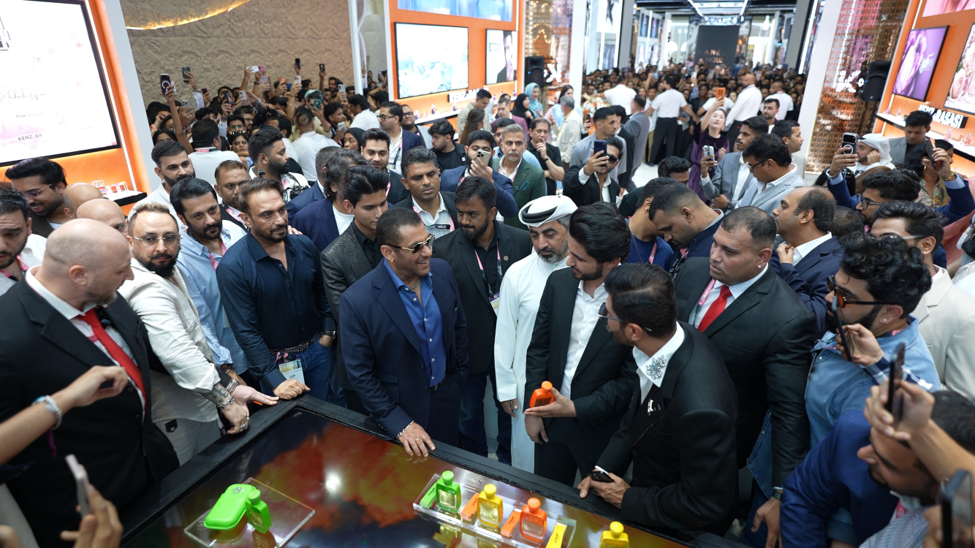
The name Kenz ‘de’ Rasasi translates as “The Treasures of Rasasi,” reflecting the house’s approach to its heritage. Built on Rasasi’s longstanding perfumery expertise, the house revisits selected flagship creations, refining their original compositions and reimagining their presentation for today’s discerning, younger consumers. The approach combines the richness of established fragrance craftsmanship with luxury, offering a new expression of heritage through carefully considered scents, design and storytelling.
Conceptualised and creatively driven by Mr. Anis Abdul Razak, Owner of Rasasi Perfumes and Chairman of AAR Group, Kenz ‘de’ Rasasi draws on decades of perfumery expertise to reinterpret selected creations for a new generation. Guided by the philosophy “Inspired by legacy, built for the future,” the house gives heritage-inspired fragrances a distinctive identity through refined compositions, custom bottle designs and elevated materials, creating a fresh expression of Rasasi’s fragrance heritage.
“Kenz ‘de’ Rasasi brings together the treasures we have built over generations and gives them a new identity. We wanted to preserve the soul of these creations while introducing them to a generation that appreciates authentic quality, individuality and thoughtful design. At its heart, the house is about carrying forward what we have built while embracing what lies ahead: inspired by legacy, built for the future.”
With the global luxury fragrance market valued at approximately USD 16 billion, Kenz ‘de’ Rasasi is positioning its launch around the opportunity to take Rasasi’s fragrance heritage to a wider international audience. By combining the richness of established perfumery with accessible luxury, contemporary design and storytelling, the house aims to connect with younger consumers across global markets while giving familiar Rasasi creations a new relevance.
Commenting on this occasion, Mr. Ismail Anis Abdul Razzak, Deputy Chairman and Co-Founder of AAR Group, said, “The launch is rooted in the story of Dubai and the UAE’s growing influence on the global luxury and fragrance landscape. Rasasi has grown alongside Dubai, understanding the preferences, traditions and aspirations of the markets we come from. Kenz ‘de’ Rasasi allows us to take that heritage forward in a way that speaks to a new generation across international markets. We are bringing the craftsmanship and richness of our heritage into a new expression, ensuring that quality, elegance and individuality remain at its heart. Our ambition is to build a fragrance house that can resonate with our patrons, offering quality and elegance at an accessible level of luxury.”
The official unveiling was further marked by the presence of Bollywood superstar Salman Khan, who joined Mr. Anis Abdul Razak at the Kenz ‘de’ Rasasi booth as Chief Guest. His presence brought an added cultural and emotional dimension to the occasion, connecting the Dubai-born house with audiences across the region and beyond. As a familiar and influential figure across India, the UAE and international markets, Salman’s participation added further significance to a launch centred on taking a regional fragrance legacy to a global audience.
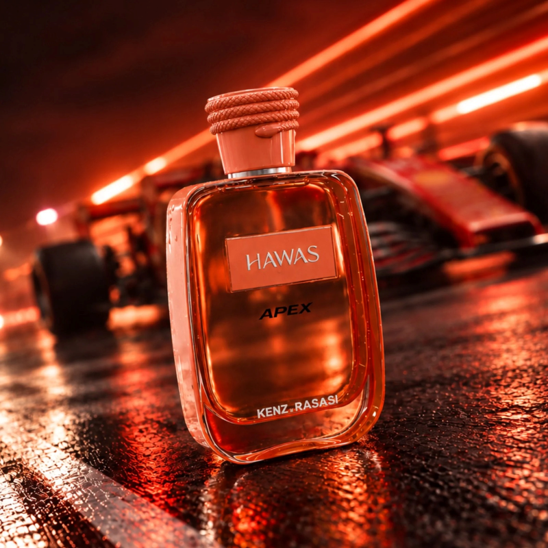
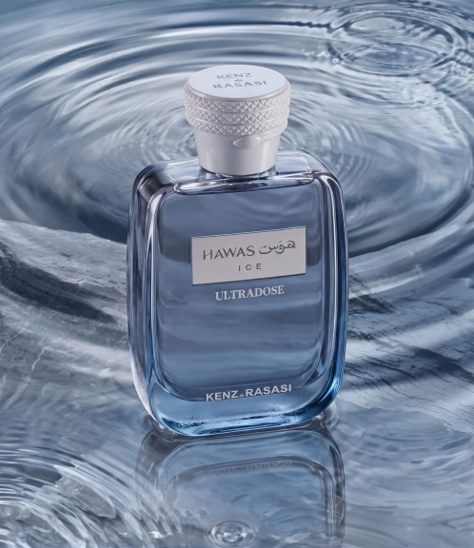
At Beautyworld Middle East, Kenz ‘de’ Rasasi unveiled eight fragrance collections, with custom bottle redesigns, elevated materials and tactile packaging that reinterpret Rasasi’s artistry through a modern lens. The collection includes Beyond Hawas, Hawas Apex, Hawas Desire, La Yuqawam Terrabotanica, Daareej, Shuhra, Rimal, and Tobacco. Every element has been developed to create a complete fragrance experience while maintaining a clear connection to the house’s origins. Inspired by legacy, built for the future, Kenz ‘de’ Rasasi is looking to give the treasures of Rasasi a new place in the world of fragrance.
This Pinktober, RX Coffee Apothecary is adding a little sweetness to an important cause with a simple gesture designed to recognize those taking a proactive step towards their health.
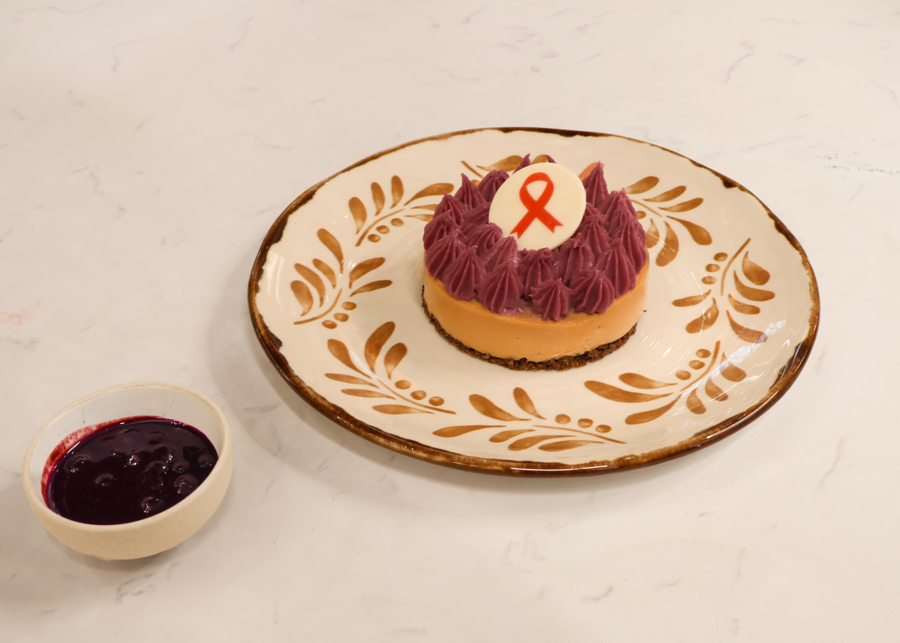
As part of its Pinktober initiative this October, RX is offering a complimentary Strawberry Softie to customers who present proof of breast cancer screening. Available across all RX outlets throughout the month, the gesture is RX’s way of acknowledging and supporting those who have prioritised their health and taken an important proactive step.
Through the initiative, RX aims to raise awareness around the importance of early screening and preventive health, while using an everyday coffee stop as an opportunity to spark meaningful conversations. By engaging its community in a simple and approachable way, RX hopes to reinforce the message that taking the time to get screened can make a meaningful difference.
Adding to its Pinktober offerings, RX has also introduced Pinktober Tart, priced at AED 45. The Pinktober initiative is available throughout October across all RX outlets, including Dubai Mall, Jumeirah, City Centre Mirdif and City Centre Al Zahia. Because sometimes, taking an important step for your health deserves a little something sweet.
Uncategorized
DINE IN PINK FOR A PURPOSE AT GRAZER, MÖVENPICK HOTEL APARTMENTS DOWNTOWN DUBAI THIS OCTOBER
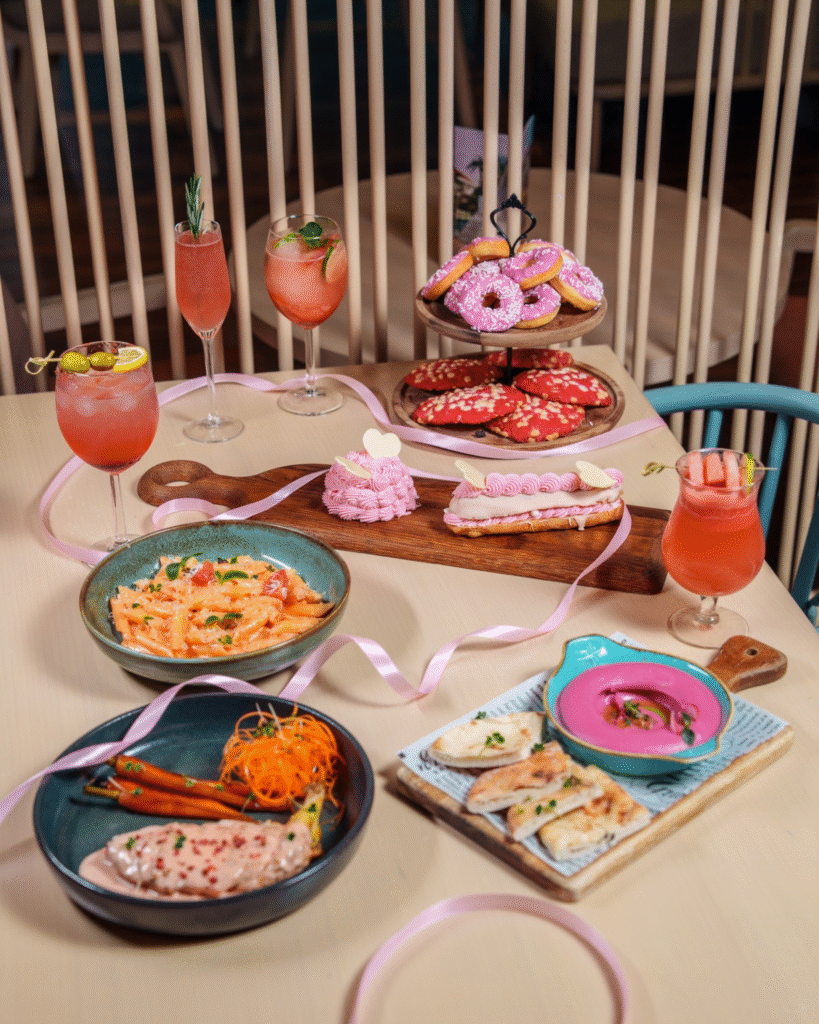
This Pinktober, Grazer at Mövenpick Hotel Apartments Downtown Dubai is turning pink for a purpose with the launch of a limited-edition Pink Menu in support of Al Jalila Foundation.
Available until 31 October 2026, the month-long initiative invites guests to sip, savour and give back, with 25% of sales from the Pink Menu, excluding applicable taxes and fees, donated to Al Jalila Foundation.
Created especially for Pinktober, the menu features a selection of vibrant pink-inspired creations, including three refreshing drinks, three pastries and three savoury dishes. Pink drinks and pastries are priced at AED 30 each, while savoury dishes are available à la carte from AED 55 to AED 75.
Adding another touch of pink to the experience, guests who wear pink while dining at Grazer will receive 10% off their total bill, encouraging diners to show their support while enjoying the specially curated menu with friends and family.
Open daily from 8:00 AM to 11:00 PM, Grazer welcomes families and younger guests to take part in the initiative, with children also able to order from the Pink Menu at the same prices.
Through the Pinktober campaign, Grazer and Mövenpick Hotel Apartments Downtown Dubai aim to turn an everyday dining experience into an opportunity to give back, bringing the community together over good food and a meaningful cause throughout October.


Ohana Development Announces Erling Haaland as a Proud Homeowner at Manchester City Yas Residences by Ohana, During Phase 2 Launch
Orilla After Dark: A Halloween Drunch of Spooky Sips, Costumes and Late-Night Fun

In conjunction with Cybersecurity Awareness Month Dubai Media Academy launches Cybersecurity Media Forum in collaboration with Dubai Electronic Security Center



-

 Trending12 months ago
OPPO A6 Pro 5G Review: Reliable Daily Driver
-

 Tech News2 years ago
Denodo Bolsters Executive Team by Hiring Christophe Culine as its Chief Revenue Officer
-
 VAR1 year ago
Microsoft Launches New Surface Copilot+ PCs for Business
-

 Automotive2 years ago
AGMC Launches the RIDDARA RD6 High Performance Fully Electric 4×4 Pickup
-
Tech Interviews3 years ago
Navigating the Cybersecurity Landscape in Hybrid Work Environments
-

 Hospitality2 years ago
Gulfood 2025 30th Edition Kicks Off Today, Setting New Benchmarks in F&B Growth and Innovation
-

 Tech News1 year ago
Nothing Launches flagship Nothing Phone (3) and Headphone (1) in theme with the Iconic Museum of the Future in Dubai
-

 VAR2 years ago
Samsung Galaxy Z Fold6 vs Google Pixel 9 Pro Fold: Clash Of The Folding Phenoms