
 Have a question? +971 56 404 0503




Financial News
Emirates NBD Launches Sustainable Finance Framework

As part of its long-term commitment to sustainability, Emirates NBD has launched its Sustainable Finance Framework. The new Framework allows for the issuance of green and sustainable debt instruments to finance projects which enable the transition to a low carbon and climate resilient economy. The Framework also allows for the issuance of social debt instruments leading to a positive societal impact.
The Framework will cover Emirates NBD Group entities such as Emirates NBD, Emirates Islamic, DenizBank and Emirates NBD Asset Management and will accelerate the Group’s efforts when it comes to innovative sustainable finance offerings. HSBC and ING acted as Sustainability structuring banks in developing the Framework which is in line with the Group’s ambition to promote further lending and investments into assets with a positive environmental and social impact. The Framework will assist Emirates NBD in reaching the UAE’s ambitious Sustainability Development Goals and targets set forth by the Paris Climate Agreement and the UN SDGs, while also ensuring the necessary due diligence and international best practice are in place to mitigate ESG risks.
The Framework comprehensively outlines the fundamental constituents of the Principles and Guidelines set forth by the International Capital Market Association (ICMA) and Loan Market Association, Green Bond Principles 2021, Social Bond Principles 2023, Sustainability Bond Guidelines 2021, Green Loan Principles 2023 and Social Loan Principles 2023. These core components encompass the Use of Proceeds, Process for Project Evaluation and Selection, the Management of Proceeds, Reporting and as well as the recommendations outlined for External Review, which collectively serve as the cornerstones of their established guidelines.
Commenting on the announcement, Shayne Nelson, Group CEO at Emirates NBD, said: “We are delighted to publish our Sustainable Finance Framework, reinforcing Emirates NBD’s commitment towards sustainability. As a leading banking group in the region, Emirates NBD is fully aligned with the UAE’s pro-climate, pro-growth philosophy. This Framework empowers Emirates NBD and our customers to help deliver the UAE’s journey to Net Zero emissions by 2050 and meet the ambitious interim reduction targets.”
“At Emirates NBD, we firmly believe that finance plays a key role in sustainability,” said Vijay Bains, Group Chief Sustainability Officer and Group Head of ESG at Emirates NBD. “Our Framework will ease access to ESG labelled finance in alignment with COP28’s pledge to unleash finance for climate change. By issuing sustainable finance instruments including bonds, sukuk and other debt instruments, we will provide enhanced transparency around funded projects and assets that carry environmental and social benefits.”
Emirates NBD’s sustainability strategy is aligned with prominent global and national frameworks, including the United Nations Sustainable Development Goals (SDGs), the UAE’s Vision 2030, and the United Nations Environmental Programme Dubai Declaration for Sustainable Finance, which marks the Group’s commitment to transforming the UAE into a green, low-carbon economy in support of the UAE Centennial 2071’s sustainability agenda.
Emirates NBD stands as a pioneer in sustainability reporting, having initiated formal reporting on its sustainability endeavours in 2016 with the release of its inaugural Sustainability Report. As part of the Group’s efforts to achieving net-zero goals, Emirates NBD recently signed the UAE Climate-Responsible Companies Pledge initiated by the UAE Ministry of Climate Change and Environment aligned with the Group’s commitment to supporting the UAE’s decarbonization efforts. Furthermore, the Group continues to forge meaningful sustainability and innovation focused collaborations with other private sector companies and government entities in its effort to mitigate climate change. Emirates NBD has also obtained a Second Party Opinion (SPO) on the Framework from ISS Corporate Solutions (ISS).

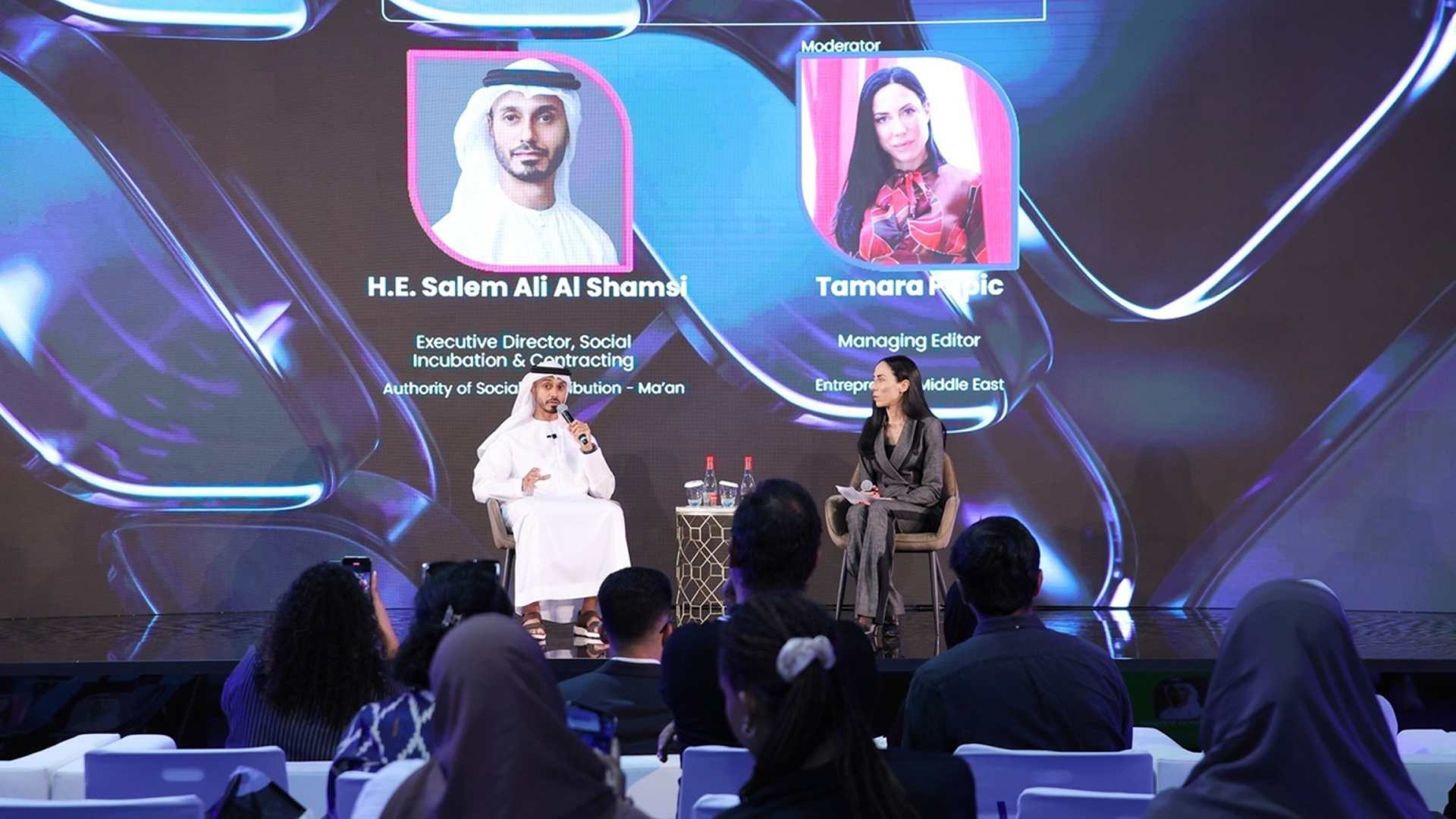
Athar+, Abu Dhabi’s first purpose-driven hub dedicated to accelerating social impact, operated by the Authority of Social Contribution – Ma’an, has launched the second edition of its HACK4IMPACT hackathon, bringing together changemakers to develop practical solutions that address key social priorities and contribute to positive social impact across Abu Dhabi.
Launched in line with the objectives of the UAE’s Year of Family, this edition of the hackathon focuses on addressing family-related challenges through innovative and community-driven approaches. Taking place from 16-18 June 2026 at Athar+, the three-day programme brings together aspiring entrepreneurs, innovators, professionals, and community members to develop solutions addressing three family-centred priorities: building stronger family foundations, enhancing financial wellbeing for parents, and supporting families caring for aging parents.
Guided through a structured innovation journey, participants will apply design thinking methodologies to explore challenges, validate ideas, develop prototype concepts, and present their solutions to a panel of judges.
High-potential concepts emerging from the hackathon have the opportunity to be considered for further support through Athar+’s incubation ecosystem, enabling participants to continue developing their solutions beyond the event. Through these challenge areas, the initiative aims to advance family wellbeing, strengthen social cohesion, and support the development of solutions that respond to the evolving needs of families in Abu Dhabi.
This initiative aims to strengthen practical innovation skills among participants while identifying high-potential ideas and scalable concepts capable of addressing key social priorities. It also encourages collaboration by bringing together individuals from diverse backgrounds and expertise. The hackathon provides an accessible entry point for youth and first-time innovators to contribute to solving community challenges through entrepreneurship and social innovation, inspiring them to play an active role in shaping impactful and practical solutions.
His Excellency Salem AlShamsi, Executive Director of Social Incubation and Contracting at Ma’an said: “HACK4IMPACT reflects Athar+’s commitment to empowering innovators and aspiring entrepreneurs to develop practical solutions that address real social priorities and enhance quality of life across our communities. By empowering future talent through Athar+, we are strengthening Abu Dhabi’s position as a regional hub for social entrepreneurship while advancing the Authority’s vision of fostering a culture of giving, participation, and measurable social progress.’’
Aligned with the objectives of the UAE’s Year of Family, the initiative also supports broader national efforts to strengthen family wellbeing, social resilience, and community cohesion through collaborative innovation and inclusive engagement.”
Through dedicated workspaces, expert mentorship, professional services, and tailored growth programmes offered by Athar+, participants will be supported in transforming ideas into prototype concepts while gaining access to opportunities within Abu Dhabi’s innovation and entrepreneurship ecosystem.
Financial
Standard Chartered Supports Pakistan’s First Panda Bond Issuance in Chinese Interbank Market

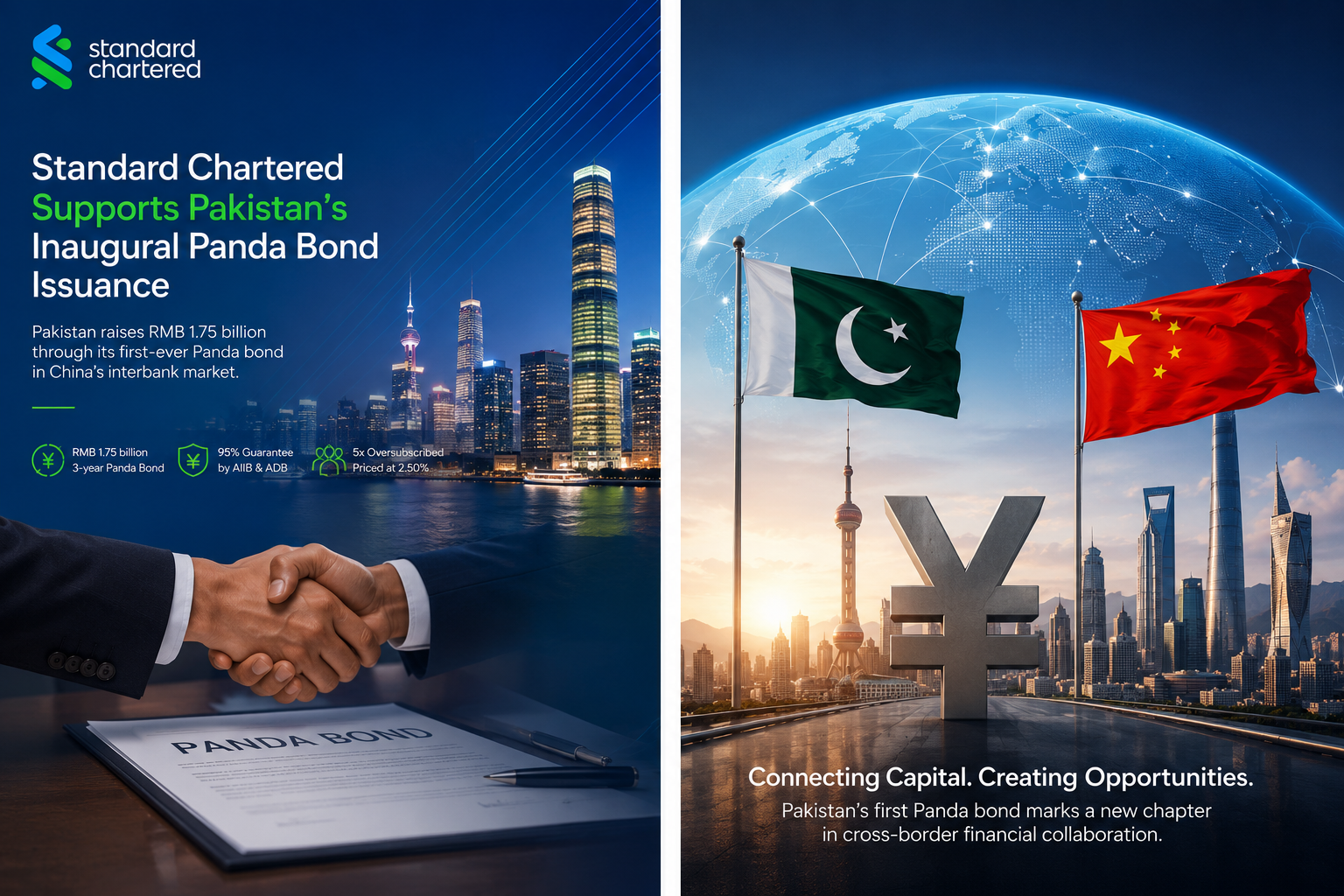
Pakistan has successfully completed its inaugural Panda bond issuance in China’s interbank bond market, raising RMB 1.75 billion through a three-year transaction that marks the country’s first direct entry into China’s capital markets.
Standard Chartered (China) Ltd. Co acted as the only foreign bank serving as joint lead underwriter and joint book runner for the transaction, supporting Pakistan in broadening its international financing channels while strengthening financial connectivity between regional capital markets.
The issuance received strong support from multilateral development institutions, including the Asian Infrastructure Investment Bank (AIIB) and the Asian Development Bank (ADB), which together guaranteed 95 per cent of the bond’s principal and interest payments. The structure helped attract significant demand from Chinese banks, securities houses, and international financial institutions.
The transaction was reportedly more than five times oversubscribed, allowing Pakistan to price the bond at 2.50 per cent, the tightest end of the indicated pricing range.
Salman Ansari, Global Head, Capital Markets, Standard Chartered, described the issuance as a strategically important transaction that expands Pakistan’s access to global liquidity pools while demonstrating the growing relevance of regional capital markets within the international funding landscape.
The transaction also reflects the broader evolution of the Renminbi within global financial markets, as China continues expanding the role of its currency beyond trade settlement into cross-border financing and sovereign funding structures.
Jerry Zhang, Global Head of Banks & Broker Dealers and Head of Coverage, Greater China and North Asia at Standard Chartered, said the transaction highlighted the bank’s role in connecting international issuers with China’s domestic capital markets while also reflecting the continued internationalisation of the Renminbi.
The Panda bond market has increasingly attracted a wider range of sovereign, supranational, and institutional issuers in recent years as regional economies explore diversified funding channels and deeper access to Chinese liquidity pools.
Financial
Standard Chartered appoints Michelle Swanepoel as Head of Financing and Securities Services Middle East and Africa
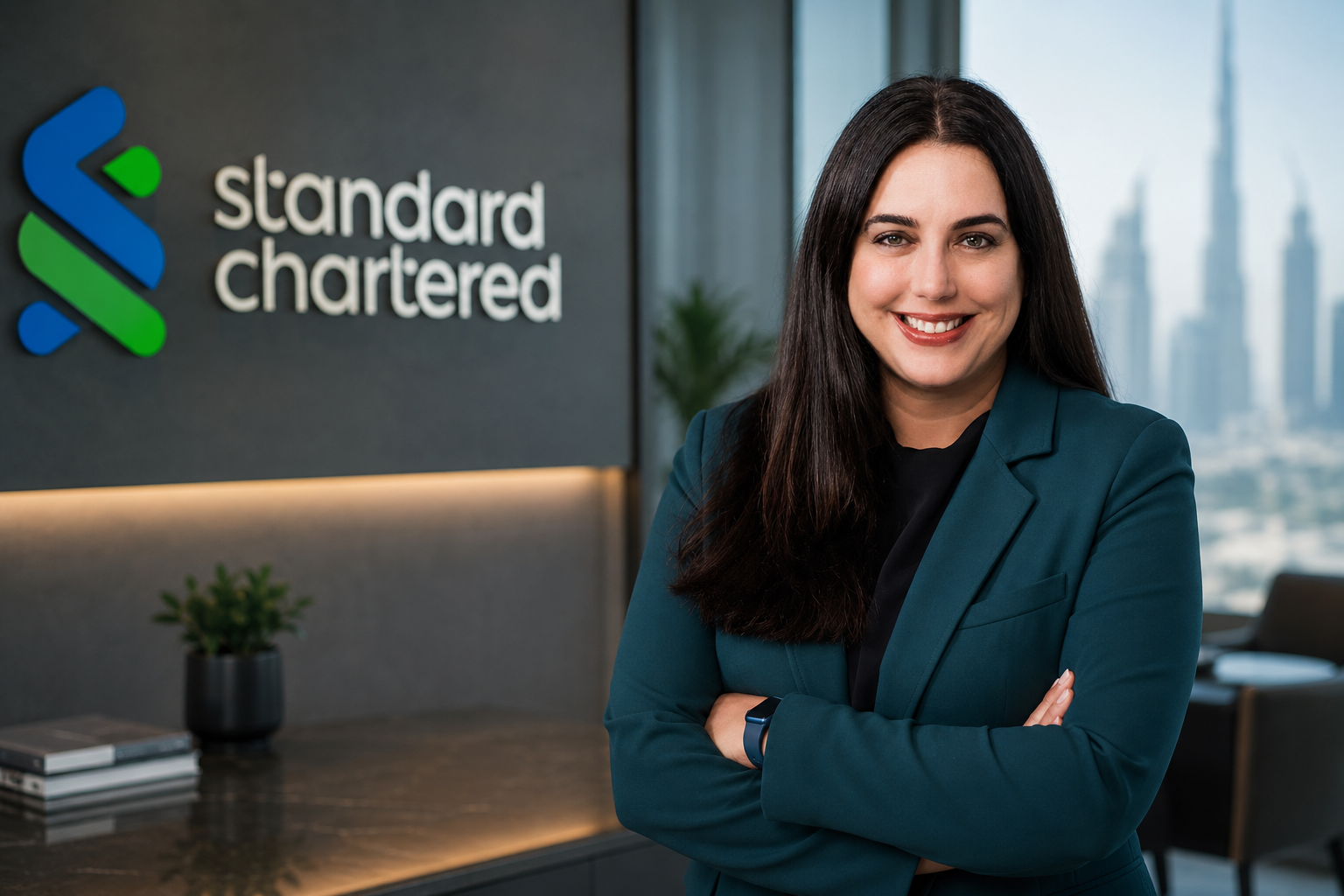
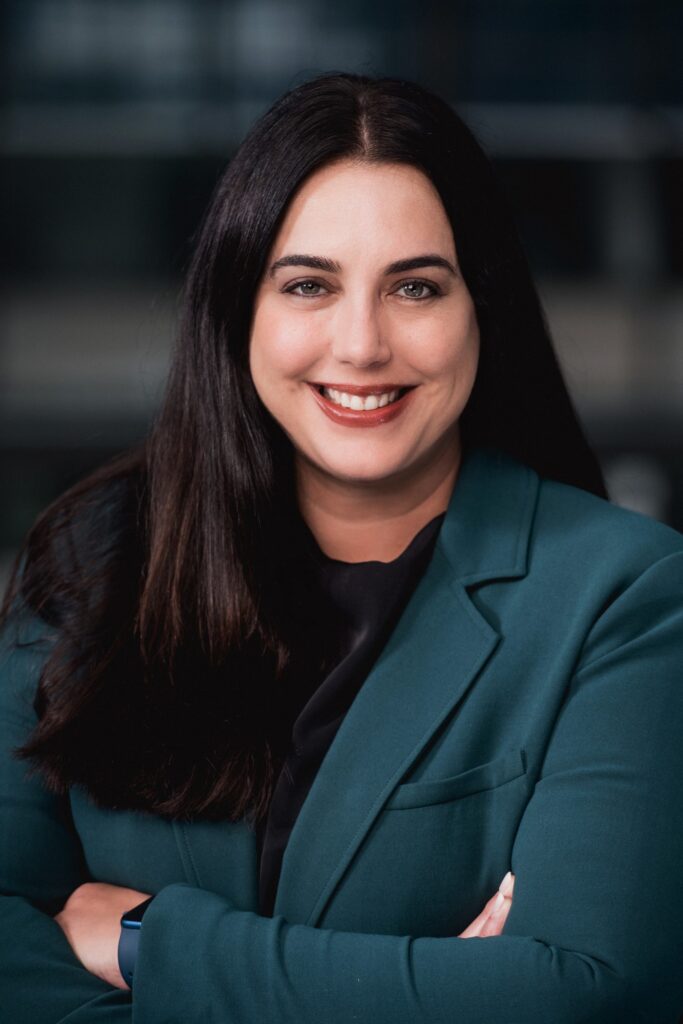
Standard Chartered today announced the appointment of Michelle Swanepoel as Head of Financing and Securities Services (FSS), Middle East and Africa. Based in Dubai, she will lead the business across the region effective 1 July 2026. Michelle succeeds Scott Dickinson, who will be retiring from the bank on 30 June after more than 40 years in financial services.
Michelle Swanepoel joined Standard Chartered in September 2017 as the Regional Head of Business Account Management for the Middle East and Africa and was appointed the Regional Head of Securities Services for Africa in May 2019. In September 2024, her role expanded to include Head of Markets for South Africa.
“Michelle has played a strong leadership role in the evolution of post‑trade servicing across Sub‑Saharan Africa, supporting capital market development, regulatory reform, enhanced investor access and market infrastructure, and is a recognised industry subject‑matter expert,” said Margaret Harwood-Jones, Global Head of FSS. “I have every confidence that Michelle will drive further momentum in the region, building on the solid foundation established by Scott.”
Scott Dickinson joined Standard Chartered in 2017 and he has led the Bank’s FSS franchise in MEA since 2019. During his tenure, he oversaw strong growth across the Middle East and Africa franchise, supported expansion into markets including Saudi Arabia and Egypt, and helped deliver the Bank’s first Digital Asset Custody capability in the Dubai International Financial Centre.

WHY PERSONALISATION IS THE NEW CURRENCY IN WEALTH MANAGEMENT
ZAHRA’S KITCHEN SHARES ITS GUIDE TO EASIER SUMMER EATING IN THE UAE
MOONWALK INTO JUNE



-
News11 years ago
SENDQUICK (TALARIAX) INTRODUCES SQOOPE – THE BREAKTHROUGH IN MOBILE MESSAGING
-

 Tech News2 years ago
Denodo Bolsters Executive Team by Hiring Christophe Culine as its Chief Revenue Officer
-

 Trending8 months ago
OPPO A6 Pro 5G Review: Reliable Daily Driver
-
 VAR1 year ago
Microsoft Launches New Surface Copilot+ PCs for Business
-
Tech Interviews2 years ago
Navigating the Cybersecurity Landscape in Hybrid Work Environments
-

 Automotive2 years ago
AGMC Launches the RIDDARA RD6 High Performance Fully Electric 4×4 Pickup
-

 Tech News11 months ago
Nothing Launches flagship Nothing Phone (3) and Headphone (1) in theme with the Iconic Museum of the Future in Dubai
-

 VAR2 years ago
Samsung Galaxy Z Fold6 vs Google Pixel 9 Pro Fold: Clash Of The Folding Phenoms