
 Have a question? +971 56 404 0503




Hospitality
Luna PR and BEEAH Host Educational Symposium to Reveal the Intersection of Web3 and Sustainability


Luna PR together with BEEAH hosted an educational symposium to explore the intersection of Web3 and sustainability.
Held at the iconic BEEAH headquarters designed by the world-renowned Zaha Hadid Architects, the private gathering convened industry leaders to explore innovative initiatives to address pressing environmental challenges, foster sustainability, and drive advancements in energy transformation in the region.
BEEAH, a public-private organization pioneering sustainability and innovation in the region, has achieved several firsts in future-critical sectors, including Environment, Energy, Technology, Healthcare, and Real Estate.
BEEAH’s commitment to future-proofing its operations is evident through its adoption of cutting-edge technologies, especially in Web3. Leveraging the UAE’s leadership in Web3 adoption, BEEAH is pioneering sustainable innovations. One notable initiative is their collaboration with Dfinity, the company behind the Internet Computer Protocol (ICP), to establish the Voluntary Recycling Credits (VRC) Initiative, which aims to create transparent and sustainable waste recycling standards. The project is a prime example of how BEEAH is using decentralized technology to drive circularity and set standards for recycling and incentivization on a global scale.
In addition to its collaboration with Dfinity, BEEAH has also leveraged Web3 and invested in future technologies to drive new and sustainable efficiencies within its operations and across industries, enabling them to be future-ready. Its headquarters uses digital twin technology and AI integrations, optimizing energy consumption and earning the building a LEED Platinum certification. As regional leaders in the waste management industry and pioneers of zero-waste strategies, BEEAH has also developed groundbreaking technologies for circularity which have contributed to the landfill diversion rate of 90% —one of the highest globally—in the emirate of Sharjah. One of them is re.life market, a recyclables trading platform developed by BEEAH’s digital venture re.life, is facilitating the reintroduction of hundreds of thousands of tonnes of material into the circular economy every year. MARASI, another technology by BEEAH, is a digital waste manifest platform, driving compliance with environmental requirements and promoting a cradle-to-grave process in waste management, from waste generation to waste transport and processing. BEEAH has also invested in future technologies in healthcare, an emerging industry for the organization. Its digital venture EVOTEQ has developed traqpharma, a track-and-trace solution that is being used in the UAE’s Tatmeen platform, ensuring supply chain integrity and tackling the challenge of counterfeit and expired medication.
“Web3 presents a powerful opportunity to leverage technology in achieving sustainability goals, both within BEEAH and across our network of partners. We have always been committed to pioneering solutions that address critical objectives for societies and industries, including advancing clean energy to achieve net-zero emissions and promoting circularity to eliminate waste to landfill. This symposium with Luna PR allowed us to reflect on our progress with Web3, share insights, and discuss the next wave of technological innovations shaping the future,” said Khaled Al Huraimel, Group CEO and Vice Chairman of BEEAH.
Several Luna PR clients presented initiatives and collaborative ideas on how their platforms or technology solutions can further enhance and complement BEEAH’s vision to pioneer a sustainable future for the UAE, Middle East and beyond. Some of which included implementing digital twin technologies, digitizing environmental assets, facilitating seamless payment solutions, and more.
Clients included Igor Bershdasky, CEO of Phron.AI; Matthieu Merchadou, CEO of Magma; James Cecil from Ibanera; Tim Popplewell, CEO of Scintilla Network; and Muhammad Hamza; VP of Infinite Reality.
“At Luna PR, we’re always working to bridge the gap between Web3 and the mainstream,” said Nikita Sachdev, Founder and CEO of Luna PR and Luna Media Corp. “The symposium with BEEAH shows what’s possible when traditional businesses embrace innovative technology to push boundaries and create real impact. Collaborations like these don’t just make headlines – they spark curiosity, inspire action, and bring more people into the exciting world of Web3. This is how we turn big ideas into movements.”
Attendees provided feedback on the event, emphasizing the importance of continued collaboration and innovation in advancing sustainability goals, further solidifying the UAE’s position as a leader in Web3 adoption.








Because service quality can never rise above the culture behind it
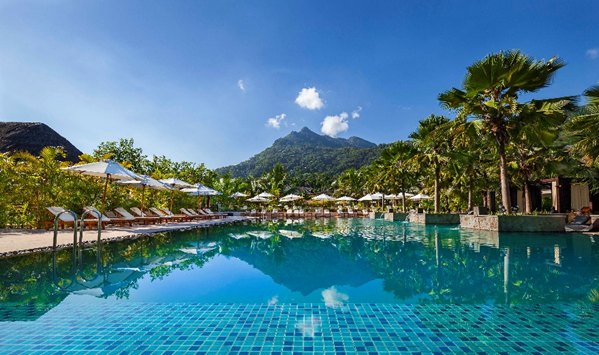
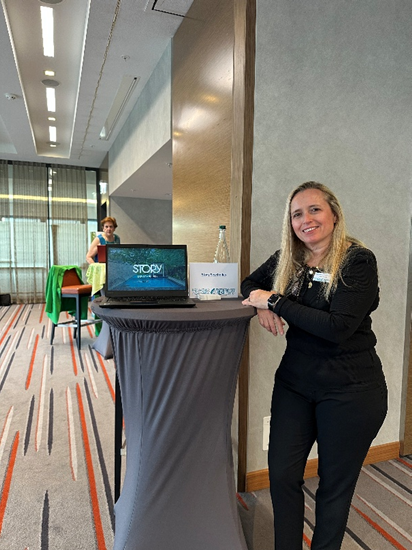
By Nives Deininger, Cluster Director of Sales, STORY Seychelles and Fisherman’s Cove Resort
Hospitality has always been a people business. We talk a great deal about guest expectations, service standards and commercial performance – and rightly so.
But behind all of that sits something more fundamental: how people are led. In my experience, empathetic leadership is not a soft extra or a nice-to-have. It’s a practical, commercially relevant way of building stronger teams, more resilient cultures and better guest experiences.
In hospitality, business value is created every day through human interactions. We see motivated employees who feel supported approaching guests differently from those who feel overlooked or undervalued. And when leaders take time to understand their teams, listen to concerns and respond with honesty, it creates an environment where people are more engaged in their work and more confident in how they deliver it.
That clearly has a direct impact on service quality, team stability and, ultimately, revenue.

Proactive, thoughtful and personal
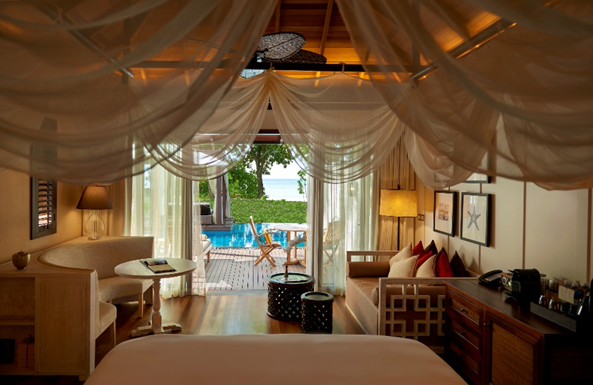
This is especially important in a luxury environment, where the guest experience depends on authenticity as much as efficiency. Five-star hospitality is not only about polished processes. It’s as much about the proactive, thoughtful and personal touches that guests remember. And those moments are much easier to create when employees feel respected and trusted. Empathy, in that sense, is not separate from performance, it supports it.
It also shapes the way departments work together. In hotels and resorts, no team operates in isolation. Sales, revenue and operations need to be aligned if the business is to grow without compromising the guest experience. Empathetic leadership encourages stronger communication and collaboration across those functions.
It helps people understand one another’s pressures, priorities and constraints, which leads to better decisions and more joined-up strategies. Over time, that strengthens not only internal trust but also guest loyalty, client relationships and repeat business.
Connecting with your teams
In high-pressure hospitality environments, empathy is even more important. The pace can be intense, and performance expectation remains high across seasons, segments and business cycles.
As a Director of Sales, I believe leadership in this setting means more than setting targets or leading by example. It means connecting with the team as individuals, understanding that each person brings different circumstances, strengths and pressures to work, and finding ways to bring out the best in them, while making sure they feel valued.
My team in Seychelles includes Seychellois women who are strong-willed, highly capable and well used to working under pressure. That strength is an asset, but it still needs the right environment around it. People perform best when they know they are appreciated, when expectations are clear, and when challenges can be discussed openly rather than hidden. Honesty and transparency matter here. They build trust, and trust allows teams to keep performing even when conditions are demanding.
This is a good reason why the conversation around women in hospitality leadership is so important. The industry is making progress, but there is still more to do if we want to see more women move from operational and administrative roles into executive leadership positions.
One of the biggest needs is for clearer leadership pathways and stronger mentorship earlier in women’s careers. Many talented women are already in the industry, but too often they are not given the visibility, support or structured development needed to progress with confidence.
Outcomes, strength and flexibility
There is also a broader cultural issue to address. Senior roles in hospitality have traditionally been designed around long, inflexible hours and a strong emphasis on physical presence.
That model can make progression harder for women, particularly at different stages of life. The industry needs to become more thoughtful about how leadership is measured and supported. A greater focus on outcomes, collaboration and the strength of leadership teams, rather than simply time spent on site, would help retain and promote more talented women across the sector.
This is not only about fairness, it’s as much about what kind of leadership the industry needs for the future. Hospitality is evolving, with guests increasingly expecting personalised service, emotional intelligence and experiences that feel genuine, rather than scripted.
At the same time, employees are placing greater value on wellbeing, inclusion and workplace culture. We know empathetic leadership is well suited to both these shifts, because it keeps people at the centre of the business.
Looking ahead, I believe empathy will play an even greater role in shaping hospitality, from employee wellbeing to guest experience and the way hotels build workplace culture. When leaders understand the needs, motivations and pressures of their teams, they are better placed to sustain the service levels that premium hospitality requires.
Employees who feel heard and supported are far more likely to create the authentic and personalised moments that today’s guests increasingly value.
Focus on wellbeing
Internally, we will continue to see hospitality workplaces place more emphasis on wellbeing, flexibility and inclusive culture. Hotels and resorts that do this well will be in a stronger position to attract and retain talented people. That matters, because service quality can never rise above the culture behind it. In a competitive market, a supportive workplace is not separate from brand reputation. It helps protect it.
Empathy is sometimes spoken about as though it sits outside hard business reality. I would argue the opposite.
In hospitality, where people shape every outcome, empathetic leadership is an integral part of the operating model. It creates better environments for employees to bring their best, helps teams navigate pressure with honesty and transparency, and supports the kind of service that builds long-term value.
Hospitality
HOP INTO EASTER AT MCGETTIGAN’S WITH FAMILY ROASTS, EGG HUNTS AND CLASSIC SUNDAY FAVOURITES


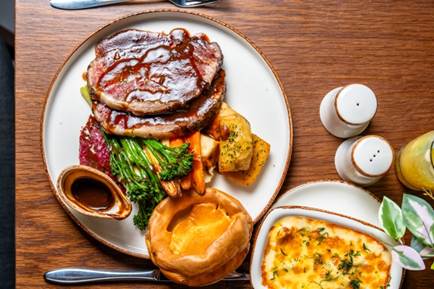
This Easter, McGettigan’s is bringing together hearty roasts, family-friendly activities, and laid-back celebrations across its venues in Dubai. From lively family days with quizzes and egg hunts to traditional Sunday roasts for a relaxed gathering, there is something for everyone this Easter Sunday.
Easter Family Roast & Quiz at McGettigan’s Ibn Battuta Gate
Expect a lively Easter Sunday packed with family-friendly entertainment, including a quiz and activities for all ages, alongside McGettigan’s signature roast. Younger guests can also enjoy an Easter egg hunt, adding to the festive atmosphere and making it a perfect day out for families.
- Who – Families and groups
- What – Easter Sunday Roast with family quiz, entertainment, and egg hunt
- Where – McGettigan’s Ibn Battuta Gate
Easter Sunday Roast with Egg Hunt at Souk Madinat Jumeirah and Expo City
For a more relaxed Easter celebration, McGettigan’s at Souk Madinat Jumeirah and Expo City will host a laid-back family roast with a light touch of festive fun, including an Easter egg hunt for younger guests. Ideal for those looking to enjoy quality time with family in a more casual setting.
- Who – Families and casual diners
- What – Easter Sunday Roast with egg hunt
- Where – McGettigan’s Souk Madinat Jumeirah and McGettigan’s Expo City
Traditional Easter Roast at McGettigan’s JLT and DWTC
For those who prefer to keep it classic, McGettigan’s JLT and DWTC will be serving up their traditional Easter Sunday roast, complete with all the hearty favourites and signature dishes the brand is known for. A perfect option for a relaxed gathering with friends or family.
- Who – Friends, couples, and groups
- What – Traditional Easter Sunday Roast
- Where – McGettigan’s JLT and McGettigan’s DWTC
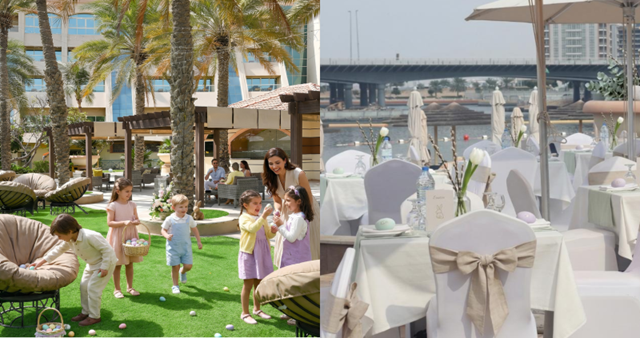
Al Raha Beach Resort & Spa invites guests to celebrate Easter with a lively beachfront brunch at La Piscine. Taking place from 1:00 PM to 4:00 PM on April 5, the Easter Brunch brings together great food, feel-good music and a vibrant, family-friendly atmosphere by the sea.
Set against La Piscine’s relaxed poolside and beachfront backdrop, the afternoon’s culinary offering features an international buffet with live stations, brought to life with a DJ and saxophonist spinning upbeat sets throughout the day. For younger guests, the experience leans into the spirit of Easter with great kids’ activities, including egg hunting, glitter face painting, and a dedicated kids’ corner.
Guests can also make the most of the long afternoon with complimentary access to the resort’s pool and beach, along with a Spa voucher, making it more than just brunch, but a full day out in the sun.
Easter Brunch Details
Location: La Piscine, Al Raha Beach Resort & Spa, Abu Dhabi
Time: 1:00 PM – 4:00 PM, April 5th
Kids Policy
Ages 5–12: 50% discount
Below 5: Complimentary

EMARAT SUPPORTS HSE EXPO UNDERSCORING HEALTH, SAFETY AND ENVIRONMENTAL LEADERSHIP
STARKEY OMEGA AI – ONE OF THE MOST POWERFUL AND ADVANCED HEARING TECHNOLOGY TO EVER REACH MEA PATIENTS
DIGITIZATION-LED DISRUPTION SET TO RESHAPE GCC AUTO COMMERCE ECOSYSTEM

-
News10 years ago
SENDQUICK (TALARIAX) INTRODUCES SQOOPE – THE BREAKTHROUGH IN MOBILE MESSAGING
-

 Tech News2 years ago
Denodo Bolsters Executive Team by Hiring Christophe Culine as its Chief Revenue Officer
-
 VAR12 months ago
Microsoft Launches New Surface Copilot+ PCs for Business
-

 Tech Interviews2 years ago
Navigating the Cybersecurity Landscape in Hybrid Work Environments
-

 Trending5 months ago
OPPO A6 Pro 5G Review: Reliable Daily Driver
-

 Tech News9 months ago
Nothing Launches flagship Nothing Phone (3) and Headphone (1) in theme with the Iconic Museum of the Future in Dubai
-

 Automotive1 year ago
AGMC Launches the RIDDARA RD6 High Performance Fully Electric 4×4 Pickup
-

 VAR2 years ago
Samsung Galaxy Z Fold6 vs Google Pixel 9 Pro Fold: Clash Of The Folding Phenoms