
 Have a question? +971 56 404 0503




Cover Story
Altering the Course of Technology Culture in the Region!


In today’s data-driven world, enterprises face mounting challenges to scale their storage capacities while minimizing costs per terabyte and reducing resource impacts. Seagate, as a global leader in data storage solutions, is uniquely positioned to address these demands with a broad spectrum of offerings tailored to meet diverse business needs. Whether through modular products that allow customers to build their own storage systems, optimized off-the-shelf solutions, or cloud-based services for outsourced data management, Seagate ensures flexibility, scalability, and efficiency at every level.
Seagate’s commitment to innovation is evident in its comprehensive approach to storage. From terabytes delivered through devices and shuttles to petabytes with resilient and dense systems, and exabytes through the scalability of Lyve Cloud, the company empowers enterprises to choose the solution that fits them best: build and manage their data independently, collaborate with Seagate, or fully entrust their data storage needs. This tri-fold strategy provides unparalleled mobility, density, and speed to value, enabling businesses to focus on their core objectives while seamlessly managing their data.
In the META region, Seagate’s vision is brought to life through the leadership of Didem Eker, Channel Marketing Manager, who has played a pivotal role in fostering strong partnerships across key territories. While her contributions have amplified Seagate’s presence and strengthened collaborations with channel partners, the real story lies in the cutting-edge solutions Seagate brings to the table.
This interview dives into how Seagate’s storage solutions are helping enterprises tackle the challenges of rapid data growth, the company’s strategic alignment with evolving market needs, and its steadfast commitment to empowering customers with the tools to store, protect, and activate their data efficiently.
What is your personal belief about marketing?
In today’s highly competitive and interconnected digital age, businesses must transcend traditional marketing tactics to forge deeper, more authentic, and meaningful relationships with both customers and channel partners. Sustainable growth hinges on cultivating trust and collaboration to create lasting value.
To thrive in this fast-paced, digitally driven world, brands must focus on meaningful, transparent, and positive communication. This approach ensures they can establish and sustain reliable, long-term relationships with their customers. The equation is straightforward: acquiring new customers is far costlier than keeping existing ones satisfied. By delivering personalized experiences, engaging customer loyalty programs, consistent communication, and exceptional customer support, brands can elevate themselves beyond conventional marketing.
Satisfied customers are not just repeat buyers; they evolve into brand advocates, sharing their positive experiences and driving organic growth through referrals. Moreover, one of the most significant contributors to a vendor’s marketing success lies in empowering channel partnerships. Strong partnerships lead to consistent brand presence in the market, allowing businesses to remain competitive and visible.
How can businesses leverage AI and machine learning to personalize user experiences while ensuring data security and ethics?
Businesses can leverage AI and machine learning to deliver personalized user experiences by analyzing vast amounts of data to understand customer behavior, preferences, and trends. This enables tailored recommendations, predictive insights, and dynamic content delivery. To ensure data security and ethics, companies must adopt robust cybersecurity measures, comply with data protection regulations, and prioritize transparent practices. Balancing innovation with responsible data usage fosters trust and drives sustainable growth.
What is your vision for marketing in the UAE?
The UAE, with its rapidly growing economy and strategic vision, is investing heavily across various industries. This dynamic environment creates a significant appetite for corporations to innovate and adapt their marketing strategies. From technology and innovation to real estate, construction, tourism, retail, and e-commerce, the opportunities are immense.
For instance, the UAE’s smart city initiatives have unlocked vast opportunities across industries, particularly in tech solutions, data storage, and surveillance. As these investments mature, they pave the way for more innovative and integrated marketing strategies. Businesses will increasingly look beyond traditional approaches, developing comprehensive solutions to serve both enterprises and government entities.
We foresee exciting advancements, such as hyper-personalized shopping experiences and enhanced e-commerce platforms. The rapid digital transformation of the region amplifies the need for digital marketing services that can keep pace with evolving customer expectations. In this thriving ecosystem, marketing in the UAE must focus on leveraging technology and innovation to connect meaningfully with diverse audiences.
What is your belief in Seagate and its technologies?
I am deeply passionate about Seagate’s innovative leadership in mass-capacity storage, which continually pushes the boundaries of engineering. Seagate enables its customers to store and protect data in the most efficient and advanced ways possible, addressing the growing demand for high-capacity storage solutions driven by cloud expansion, artificial intelligence, and machine learning.
At Seagate, everything starts with innovation. By employing cutting-edge nanoscale engineering and advanced materials science, the company delivers groundbreaking solutions. Last year, Seagate launched the Mozaic 3+ platform, designed to help businesses scale with unprecedented data growth. This platform powers the world’s most efficient hard drive storage solutions, allowing customers to reduce their total cost of ownership while enhancing operational efficiency.
With areal density at its core, Mozaic technology allows organizations to store more data without requiring additional space, energy, or natural resources. Beyond efficiency, Seagate also champions sustainability through its Circularity Program, a pioneering effort to minimize electronic waste and promote sustainable consumption. This program extends the lifecycle of hard drives and significantly reduces carbon emissions, aligning with Seagate’s commitment to environmental responsibility. Seagate’s approach demonstrates a remarkable balance between innovation, efficiency, and sustainability, reflecting its dedication to creating a better future for data management and the planet.
Could you tell us about SkyHawk technology, how it drives surveillance and AI systems?
SkyHawk drives enhance surveillance and AI systems by offering high capacity, optimized firmware, and a workload rating suitable for 24×7 operations. They support up to 64 HD cameras and 32 AI streams, ensuring reliable video streaming and advanced AI analysis. With features like SkyHawk Health Management, they monitor drive health, prevent data loss, and reduce maintenance costs, providing integrators with better total cost of ownership and increased customer satisfaction.
Tell us about Mozaic 3+ platform and how that revolutionizes storage?

The Mozaic 3+ platform, powering Seagate’s Exos product family, revolutionizes hyperscale cloud storage with industry-leading capacity, including Exos 30TB+ products. It doubles storage capacity compared to conventional 16TB drives, optimizing data storage within the same footprint. Prioritizing sustainability, it improves power consumption per terabyte by 40% and reduces embodied carbon by 55%, addressing efficiency and environmental challenges simultaneously.
What are your predictions for Seagate in the UAE market?
The UAE’s dynamic economy and strategic geographic position offer exceptional opportunities for growth. With rapid digital transformation and increasing demand for data storage, Seagate is uniquely positioned to leverage its strengths in the surveillance industry and beyond.
Seagate’s advanced integrated security solutions cater to the region’s expanding need for scalable and reliable data storage, particularly for businesses and government entities managing explosive data growth. Surveillance remains a key area of strength, and we see significant potential to expand our enterprise portfolio by strengthening relationships with key accounts and demonstrating the value of our solutions.
To capture this opportunity, Seagate will maintain a focused marketing strategy, emphasizing VIA (Video, Imaging, and Analytics) solutions while penetrating enterprise markets with high-capacity messaging. By addressing the specific needs of the UAE market, Seagate aims to remain a trusted partner, empowering organizations with cutting-edge storage solutions that drive growth and innovation.











What could follow the December deadline is an assessment cycle, not a filing cycle.
By Manish Bansal, Associate Partner, Dhruva Advisors, A Ryan Affiliate, Saudi Arabia
For most of the past five years, inter-alia, one of the major topics of tax conversation in Saudi boardrooms has been e-invoicing. Are we on the Fatoora platform? Which wave are we in? Has the ERP been configured or do we go with a third-party e-invoicing solution? Will we make the deadline?
Those were the right questions for the period we have just left. They are not necessarily the right questions for the period we are entering.
On 29 June 2026, the Zakat, Tax and Customs Authority (“ZATCA”), acting on a decision of the Minister of Finance, extended the Cancellation of Fines and Exemption of Financial Penalties initiative for a further six months, running from 1 July to 31 December 2026. It covers excise tax, value added tax, real estate transaction tax, withholding tax and corporate income tax. That much has been widely reported.
Less widely noticed is a condition set out in the accompanying guideline. If the Authority extends the initiative again past December, that further extension will not reach returns that fell due after 30 June 2026.
The Authority has not simply granted more time. It has informed the market, in advance, where the relief eventually stops. Whatever is announced in December, the clean-up window for historical positions is being drawn shut. For a tax administration, that is about as clear a statement as one can give.
What the regulator already sees
The reason this matters now, rather than in some indeterminate future, is that the Authority’s information position has changed fundamentally.
Wave 24 of the e-invoicing Integration Phase closed on 30 June 2026. Announced in September 2025, it captured every taxpayer whose VAT-subject revenues exceeded SAR 375,000 in 2022, 2023 or 2024. That figure is not arbitrary: it is the mandatory VAT registration threshold. In effect, the wave brought the entire registered population into scope.
And the direction has not stopped there. On 24 July 2026 – ZATCA published the criteria for Wave 25, halving the threshold to SAR 187,500 of VAT-subject revenue in 2022, 2023, 2024 or 2025, with integration required by 1 February 2027.
Under the Integration Phase, standard business-to-business invoices are cleared by ZATCA before they reach the buyer, and simplified business-to-consumer invoices are reported within twenty-four hours. Invoices must be issued in a prescribed structured format, carrying a cryptographic stamp and a unique identifier.
The Authority is therefore no longer reliant on what appears in a filed return. It holds the underlying transactional record, in structured form, close to real time, across the whole economy.
This is the shift most finance functions have not yet absorbed. For years, the Saudi assessment process began with an information request. In an environment of structured, near-live data, it begins instead with an anomaly the system has already identified. The taxpayer’s first substantive contact with the process is not a request for documents. It is a proposition to be answered.
Key exposure areas to be mindful of
In our experience, the following key areas could be more visible and exposed to assessment risk in the Kingdom once transactional data can be cross matched against declarations.
The first is permanent establishment risk arising from project delivery. Groups routinely deploy technical staff, secondees and subcontracted specialists into Saudi projects while treating the arrangement as an offshore supply. Given that most KSA government portals are inter-linked, careful monitoring of in-Kingdom presence is critical, in particular, employees of non-resident companies undertaking fly-in/fly-out assignments in the Kingdom. It is worth noting that the current tax law has no de minimis threshold for the creation of a permanent establishment. Accordingly, even a single day of presence in the Kingdom could potentially give rise to a permanent establishment, although in practice, the ZATCA may apply a more facts-based approach when assessing whether a permanent establishment exists.
Second is related-party pricing, and here a change that took effect two years ago is still under-appreciated. Following amendments to the Transfer Pricing By-Laws, the transfer pricing provisions apply to zakat payers as well as taxpayers for financial years beginning on or after 1 January 2024, and Advance Pricing Agreements became available to both. For a Saudi family group with decades of intercompany arrangements built for operational convenience rather than for documentation, this is a material change in obligation, and one that many such groups have not yet worked through.
Lastly, needless to state that VAT audits are likely to get much more sophisticated with real time data and the data analytics and AI tools available.
What the amnesty covers, and what it does not
Many companies are counting on this window. It is worth being precise about what it covers.
The initiative covers late registration, late payment and late filing fines, penalties on the amendment or correction of a VAT return, and other financial fines imposed under Article 45 of the VAT Law, including field detection and e-invoicing violations. To benefit, a taxpayer must register where registration is required, submit the outstanding returns, and either pay the amounts due or obtain ZATCA’s approval for an instalment plan.
Two limits deserve emphasis. The initiative does not extend to penalties relating to tax evasion violations. And it operates on fines for returns falling due up to 30 June 2026.
There is also a point that no guideline states because it does not need to. The initiative waives penalties. It does not validate a technical position. A voluntary disclosure that corrects an arithmetic omission is a straightforward matter. A voluntary disclosure that reveals a contestable tax treatment is a different exercise entirely, because it puts a position on the record that will be read. The analysis must come before the filing, not after it.
Fewer than four months
For most groups, what remains to be done before 31 December is a short list. It is also, notably, not a systems exercise. The e-invoicing platforms are already built and connected. The work now is reviewing the positions those systems have been reporting all along.
Reconcile first. Take VAT/ Tax/ Zakat returns, customs declarations, withholding tax filings and audited financial statements for the open years and reconcile them against one another before ZATCA’s systems do it. Where the numbers do not tie, understand why, and document the reason contemporaneously rather than reconstructing it under assessment.
Then sort. Separate the genuine errors, which the current window is designed to resolve, from the judgement positions, which need to be assessed on their merits and defended with evidence that pre-dates the query.
Finally, treat documentation as a deliverable with a deadline. Substantiation assembled after an assessment notice arrives carries markedly less weight than substantiation prepared when the transaction occurred.
A regulator that publishes wave criteria six months ahead, that notifies taxpayers directly, that issues guidance with worked examples, and that tells the market in advance where relief will end, is behaving like the administration of a mature investment destination. That predictability is an asset for serious businesses, and it is what long-term capital looks for.
But predictability runs in both directions. The Kingdom has been clear about what it expects and when. The businesses that will move through the coming assessment cycle with least disruption are those that use the next few months to answer the questions before they are asked.
Disclaimer: This article is intended for general information only and does not constitute tax, legal, accounting or other professional advice. It reflects the tax rules in force as of the publication date, and the described regulatory landscape continues to develop. Readers should obtain professional advice appropriate to their own facts and circumstances before acting on any matter discussed.
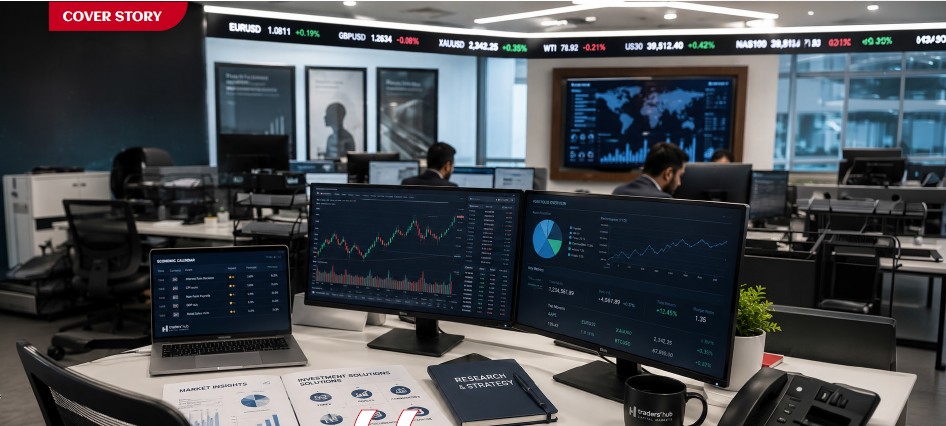
Traders’ Hub’s Michael Barbour on investor trust, technology, and the future of finance in the Gulf.
BY SRIJITH KN FOR FINANCIAL INTEGRATOR
Over the past few years, investor participation across the region has evolved beyond speculative trading activity into something far more structured, technology-driven, and institutionally aligned. Retail traders are becoming increasingly sophisticated, expectations around transparency and execution quality are rising, and financial platforms are under pressure to offer far more than simple market access.
The speculative frenzy that once defined large parts of retail trading is gradually giving way to a more measured investor mindset, shaped largely by regulation, financial awareness, and long-term wealth preservation rather than short-term market excitement.
In this changing landscape, brokerage firms are no longer positioning themselves purely as trading providers. Instead, many are beginning to evolve into broader financial ecosystems, combining infrastructure, education, technology, regulatory credibility, and long-term investment access into a single platform experience.
For UAE-based firms such as Traders’ Hub Capital Markets, this shift represents more than market expansion. It signals a transformation in how the region’s next generation of investors may engage with financial markets altogether.
Founded in 2022 and headquartered in Abu Dhabi, Traders’ Hub has rapidly positioned itself as a locally regulated, technology-enabled brokerage focused on transparency, multi-asset access, and client-centric trading infrastructure.
Today, the company offers access to more than 2,000 instruments across forex, commodities, equities, indices, and cryptocurrencies, while simultaneously preparing for a broader move into wealth management and long-term investment services.
But the story surrounding Traders’ Hub is not simply about growth.
It is also about the wider evolution of the UAE’s financial ecosystem itself.
THE SHIFT IN UAE INVESTOR CULTURE
Across the GCC, financial participation is changing shape.
The rapid rise of digital platforms, increasing financial literacy, regulatory modernization, and mobile-first investing have fundamentally altered how younger investors interact with markets.
In parallel, the UAE has continued strengthening its position as a regional financial hub, attracting capital, fintech innovation, institutional activity, and globally mobile investors seeking regulated access to international markets. This transformation has also created new expectations.
Today’s investors are increasingly prioritising transparency, regulatory protection, execution quality, multi-asset accessibility, and seamless digital experiences.
In many ways, expectations around trading platforms are beginning to resemble expectations traditionally associated with banking and wealth management institutions.
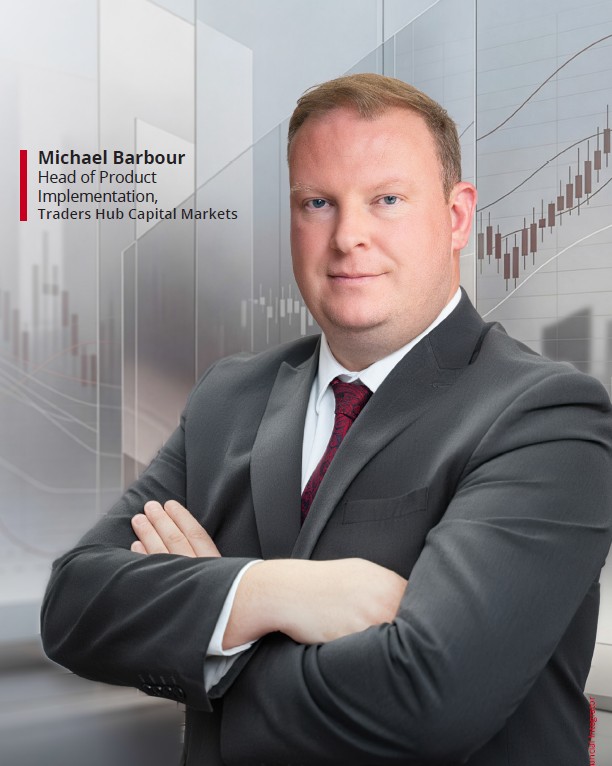
According to Michael Barbour, Head of Product Implementation at Traders’ Hub Capital Markets, these changes reflect a deeper transformation in investor behaviour itself.
“Investors increasingly seek integrated, trustworthy financial ecosystems prioritising long-term value, convenience, and institutional-grade service.”
Over the past five years, the psychological profile of the UAE investor has gradually shifted from short-term speculation toward a far more informed, disciplined, and globally aware mindset. Earlier retail participation was often driven primarily by leverage, speed, and short-term market movements. Today, however, younger investors across the UAE are becoming more research-driven, risk-conscious, and focused on long-term wealth creation rather than impulsive trading behaviour.
Modern traders are also seeking far more than market access alone. Transparency, educational support, analytical tools, platform stability, and institutional credibility are becoming increasingly important components of the investor experience itself.
FROM SCOTLAND TO GULF CAPITAL MARKETS
Long before helping shape the growth trajectory of Traders’ Hub Capital Markets, Michael Barbour’s early ambitions were far removed from financial markets.
Growing up in Stonehaven, a small Scottish town south of Aberdeen, he originally aspired to become a professional footballer, eventually playing semi-professionally before moving into finance.
His early exposure to financial systems came during the 2008 financial crisis while working within the legal and asset management sector in Scotland, assisting major UK banking institutions in managing distressed real estate portfolios during one of the most volatile periods in modern financial history.
That experience, combined with his later move to the Middle East in 2011 and subsequent years at the Dubai Gold and Commodities Exchange (DGCX), helped shape a perspective grounded not only in trading infrastructure, but in how markets behave under pressure, uncertainty, and rapid transformation.
Today, that institutional perspective continues influencing Traders’ Hub’s broader focus on operational credibility, technology infrastructure, and long-term investor engagement across the UAE market.
BUILDING A LOCALLY ROOTED TRADING PLATFORM
One of Traders’ Hub’s strongest positioning advantages lies in its status as a UAE-regulated Category 1 Capital Markets Authority (CMA) licensed broker, one of the highest licensing classifications within the country’s financial ecosystem.
In a market where offshore platforms have historically dominated retail participation, regulatory credibility has become increasingly significant, particularly as investors grow more conscious of operational risk, fund protection, execution transparency, and long-term platform reliability.
Rather than positioning itself through aggressive speculative messaging, Traders’ Hub appears to be building its identity around institutional-grade infrastructure, operational discipline, and client alignment.
Its trading environment is built around a Straight Through Processing (STP) execution model, meaning trades are routed directly to liquidity providers rather than internally warehoused by the broker itself.
In increasingly crowded financial markets, brokerage differentiation is no longer being shaped purely by leverage offerings or execution speed. Investors across the UAE are becoming far more conscious of pricing transparency, liquidity structures, operational credibility, and how trades are ultimately executed, particularly as financial literacy continues maturing across the region.
According to Michael Barbour, many investors still misunderstand how brokerage models differ operationally, particularly around spreads, slippage, pricing structures, and conflicts of interest between market-making and STP environments.
For Barbour, transparency itself is becoming a defining factor in long-term investor confidence.
Modern investors are also becoming more selective around how brokers disclose execution policies, fee structures, liquidity relationships, and client fund protections. In many ways, execution architecture itself is increasingly becoming part of the trust equation.
For regulated regional firms such as Traders’ Hub, this shift may ultimately represent a broader advantage. As investor sophistication continues evolving across the UAE, operational credibility and institutional transparency are beginning to matter as much as platform functionality itself.
FROM BROKERAGE TO FINANCIAL ECOSYSTEM
The transition from Traders’ Hub Currency Brokerage to Traders’ Hub Capital Markets reflects more than a naming evolution. It signals a broader ambition to position the company as a longer-term financial institution within the UAE’s evolving investment ecosystem.
Globally, the distinction between trading platforms, investment platforms, and wealth management ecosystems is beginning to blur. Increasingly, investors no longer want fragmented financial experiences spread across multiple platforms. Instead, they are seeking connected environments capable of combining active trading, long-term investing, financial planning, analytics, and educational support within a single ecosystem.
For Traders’ Hub, this transition also reflects an effort to solve a longstanding regional friction point: the difficulty many UAE investors face when moving between active trading and structured long-term wealth accumulation.
“The modern investor no longer wants isolated trading access. They want a complete financial environment,” says Barbour.
The company’s planned expansion into wealth management and broader investment services reflects a wider regional shift toward more integrated financial participation models.
TECHNOLOGY, AI, AND THE NEXT INVESTOR EXPERIENCE
As trading platforms become increasingly automated and algorithmically assisted, the financial industry is also confronting a deeper question: how much of investing should remain human?
Technology is rapidly becoming the defining layer of modern financial platforms, from AI-assisted analytics and mobile-first investing experiences to increasingly sophisticated execution infrastructure.
But while automation can enhance speed and efficiency, long-term investing still remains deeply shaped by human behaviour itself. Markets continue being influenced by fear, overconfidence, emotional reaction, and risk perception, factors technology alone cannot fully eliminate.
One potential differentiator for firms such as Traders’ Hub may therefore lie in how effectively they balance algorithmic intelligence with human judgement.
EDUCATION, TRUST, AND LONG-TERM ENGAGEMENT
As trading participation expands across the GCC, financial platforms are increasingly carrying responsibilities extending far beyond market access alone.
While digital platforms have lowered barriers into global financial markets, they have also intensified conversations around behavioural investing, financial literacy, emotional discipline, and long-term risk awareness.
Increasingly, sustainable platform growth may depend not only on user acquisition, but on trust, transparency, and investor education itself.
In the GCC particularly, where retail participation continues expanding rapidly, financial firms are beginning to recognise their role in shaping long-term investor behaviour and financial understanding.
THE NEXT PHASE OF REGIONAL FINANCE
The UAE’s financial landscape is evolving rapidly.
As regulation strengthens, investor sophistication increases, and technology continues reshaping how capital moves through markets, financial platforms and capital markets institutions are being forced to rethink what they represent within the broader financial ecosystem.
The company’s broader direction, spanning infrastructure investment, wealth management expansion, AI integration, mobile accessibility, and educational initiatives, reflects a wider regional transition toward more mature, technology-enabled financial participation.
Barbour believes the future of finance will increasingly belong to intelligent platforms capable of combining technology, trust, education, accessibility, and long-term wealth creation into a unified experience.
Whether this next generation of financial platforms ultimately succeeds will depend not only on execution speed or product breadth, but on something far more enduring: trust.
And in an increasingly crowded financial landscape, trust may ultimately become the most valuable asset of all.
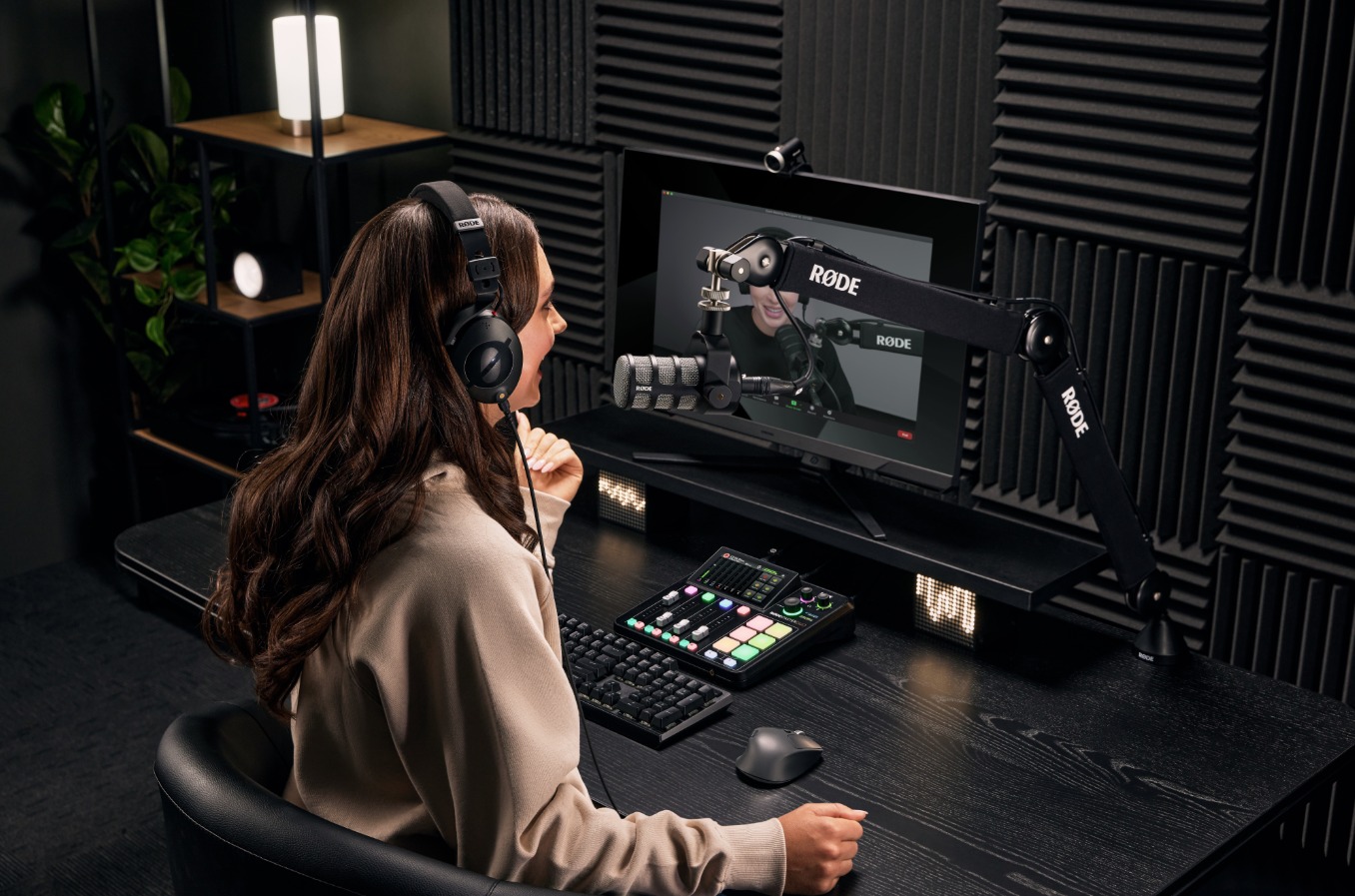
Walk into any modern content setup today, whether it’s a podcast studio, a corporate webinar room, or a hybrid event environment, and you’ll see a familiar pattern, one that reflects how fragmented the content production stack has become.
A microphone connected to an interface.
An interface connected to a laptop.
A laptop running multiple layers of software to mix, switch, stream, and record.
It works, but it’s rarely seamless.
Because the biggest challenge in content creation today isn’t access to tools, it’s understanding how they all fit together.
The Real Problem: Too Many Tools, Too Little Clarity
The rise of podcasting and video content has created a new kind of friction. Users are no longer asking what they can create; they are asking how to make the tools work together.
Recording audio separately, syncing video later, transferring large files to high-end machines, and relying on multiple software layers have become the default workflow. It works, but it is inefficient, expensive, and prone to failure.
The expanding ecosystem of devices, features, and formats has made even basic setup decisions unnecessarily complex.
When it comes to products from RØDE, users & creators already recognize the product’s potential to simply clarify and help elevate the overall workflow experience.
From Tools to Unified Systems
This is where the shift begins to stand out.
What we are seeing is not simply the addition of new features, but the consolidation of functions.
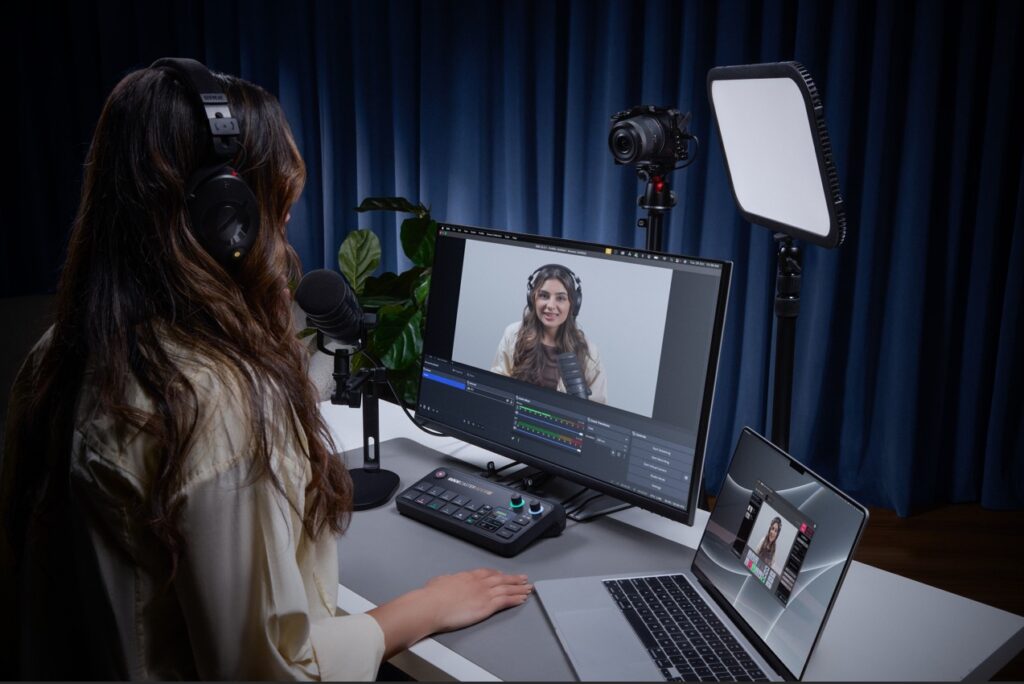
Mixer. Recorder. Audio interface. Video switcher. Stream encoder.
What traditionally required a stack of hardware and software is now being brought into a single console environment.
For creators, that simplifies production.
For enterprises, it changes how content infrastructure is designed.
As this shift gains momentum, it is also being acknowledged at a leadership level.
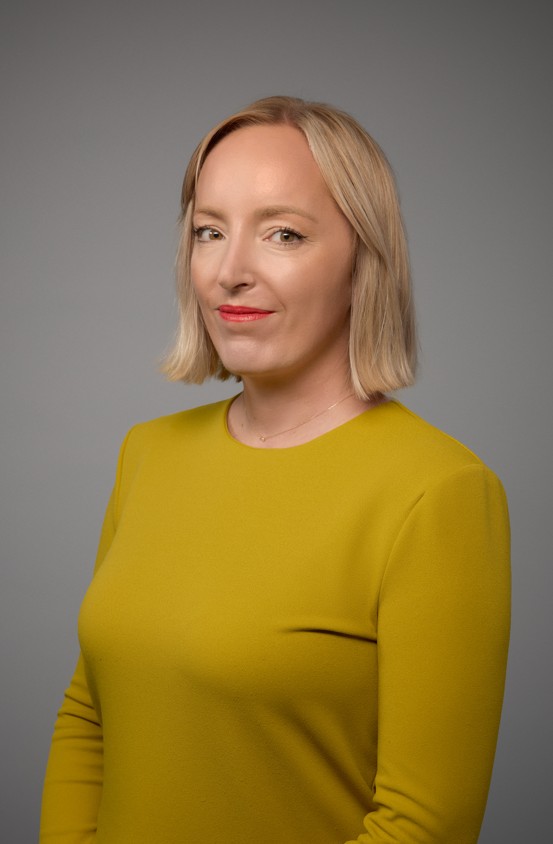
“Real innovation isn’t about adding more; it’s about removing friction and enhancing workflows.
Kalinda Atkinson,
With the introduction of platforms like the RØDECaster Video, we’re starting to see audio and video unified in one system, unlocking faster, more focused creative output.”
Global Marketing Director, RØDE
Why This Matters Beyond Creators
This shift is not limited to podcasters or streamers. Enterprises are increasingly building in-house content studios, executive communication channels, internal video platforms, and hybrid event capabilities as part of their broader communication strategy.

In these environments, complexity quickly becomes a bottleneck. Multiple tools often translate into longer setup times, increased points of failure, and a growing dependency on technical operators to manage what should ideally be straightforward workflows.
A unified system begins to reduce that friction, allowing teams to focus less on managing the process and more on the output itself.
The End of the Laptop-Centric Setup
One of the most significant changes is subtle: the laptop is no longer central.
With recording, streaming, and switching built directly into the console, content can now be produced without relying on external software or intermediary platforms. Audio and video routing happens natively within the system, removing the need to manage multiple layers of tools.
This, in turn, reduces reliance on tools like OBS Studio and lowers the need for high-performance machines in the production chain.
Broadcast Capabilities, Simplified
Features that were once limited to broadcast environments are now being integrated directly into compact systems. Capabilities such as multi-camera switching, ISO recording with separate tracks for each input, audio-based automatic switching between speakers, and network-driven video workflows like NDI are no longer confined to high-end production setups.
For enterprise teams, this translates into professional-grade production without the need for dedicated control rooms or complex broadcast infrastructure.
Modularity Signals Long-Term Thinking
Another important shift lies in how these systems evolve over time.
With expansion options such as adding video capabilities to existing audio consoles, RØDE is enabling a more modular approach to production. Instead of replacing entire systems, users can extend them based on their needs.
This becomes particularly relevant for organizations that may begin with audio-first content using consoles such as the RØDECaster Duo or RØDECaster Pro II, gradually expanding into video production with consoles such as RØDECaster Video, RØDECaster Video S, or even the RØDECaster Core, and scaling internal media capabilities over time. The result is a more flexible investment model that reduces upfront costs while supporting long-term growth.

A Shift in the Competitive Landscape
On the surface, this still appears to sit within the audio hardware category. In practice, however, it competes with something far broader.
As these systems begin to handle capture, processing, and output within a single environment, they start to overlap with production software ecosystems, video switching platforms, and content workflow tools.
The implication is clear: when orchestration happens within the system itself, the need for external layers begins to diminish.
The Opportunity Ahead
As the layers of complexity fade, creators will have more time for creative storytelling and less time worrying about the setup.
The new products and technology from RØDE not only remove setup barriers, but they also enable creators & enterprises to operate at a full professional standard, accelerating both the creativity and innovation ecosystems.
Srijith KN covers enterprise technology, media infrastructure, and digital transformation across the Middle East.

The New Rules of Natural-Looking Rejuvenation

UAE Ranks First Globally in Citizen Satisfaction with Government Digital Services at 89%, BCG Survey Finds

The Financial Sector Facing Its Black Swan: How AI Agents Are Redefining the Industry



-
News11 years ago
SENDQUICK (TALARIAX) INTRODUCES SQOOPE – THE BREAKTHROUGH IN MOBILE MESSAGING
-

 Trending11 months ago
OPPO A6 Pro 5G Review: Reliable Daily Driver
-

 Tech News2 years ago
Denodo Bolsters Executive Team by Hiring Christophe Culine as its Chief Revenue Officer
-
 VAR1 year ago
Microsoft Launches New Surface Copilot+ PCs for Business
-

 Automotive2 years ago
AGMC Launches the RIDDARA RD6 High Performance Fully Electric 4×4 Pickup
-
 Tech News2 years ago
Toshiba Announces MG10-D Series of Enterprise HDDs with Capacities up to 10TB
-
Tech Interviews3 years ago
Navigating the Cybersecurity Landscape in Hybrid Work Environments
-

 Tech News1 year ago
Nothing Launches flagship Nothing Phone (3) and Headphone (1) in theme with the Iconic Museum of the Future in Dubai