
 Have a question? +971 56 404 0503




Home Feature
Ceramic Innovation: How Large-Format Slabs Are Redefining Design and Function

By: Clara Vicedo, Architect, ASCER
Spain’s ceramic tile industry continues to push the boundaries of innovation and versatility, and one of the most exciting developments in recent years is the rapid growth of large-format ceramic slabs. These slabs are transforming modern architecture and design. In the UAE, where luxury interiors meet extreme climate demands, large-format porcelain slabs are gaining attention from architects, interior designers, and developers alike.
A recent survey conducted by ASCER, Spain’s national association of ceramic tile manufacturers, shows that production of large-format porcelain slabs doubled between 2021 and 2023, driven by both global and regional demand.
Spanish tile producers are at the forefront of this trend, offering slabs that combine technical excellence, design sophistication, and sustainability. These oversized ceramics are increasingly being specified not just for walls and floors, but also for kitchen countertops, bathroom vanities, backsplashes, and even building facades.
Their resistance to heat, scratches and stains makes them ideal for heavy-use spaces. Their waterproof and hygienic qualities make them a smart solution for environments where cleanliness and durability are non-negotiable like restaurants, hospitality venues and family homes
Why Designers in the UAE Are Choosing Large-Format Slabs
Durability That Matches the Climate
Ceramic countertops are resistant: they do not scratch when kitchen utensils are placed on them or removed and they do not require any special care unlike other more delicate materials, such as marble or natural stone. In fact, they are perfect for outdoor kitchens. They also stand out for their high resistance to heat. In comparison with other surfaces that might get damaged, ceramic slabs are not affected by direct heat. Indeed, induction systems have been developed that enable users to cook on top of countertops, facilitating the cleaning process.
Waterproof & Hygienic
Porcelain countertops have a very low porosity. This impacts on their resistance to dirt, acids, fats from food products etc. because they do not absorb stains, contributing to hygiene and the disinfection of surfaces. This impervious quality is even extendible to textured surfaces. It really is possible to have an impervious, stain resistant tactile surface whose relief texture coincides with the design of the countertop and fits in with the rest of the living space.
Ceramic materials are so versatile that countertops can be integrated with the sink, backsplash, kitchen island and walls and floors to achieve a wrap-around appearance.
Sustainable and Easy to Maintain
Thanks to being waterproof and resistant, ceramic countertops are very easy to care for and they are swift and simple to clean, just using soap and water. Because they do not absorb dirt, they prevent the build-up and spread of bacteria. Secondly, because they have a high resistance to more aggressive detergents and disinfectants unlike other surfaces, they do not gradually lose their shine. Thirdly, because they have a long lifecycle, they only need minimum care and no pollutant materials are needed to clean them, they are a sustainable option in the mid and long term.
Seamless, customisable Design
Ceramic materials can come in a multitude of different looks, with no limit to their designs, shades and finishes. Consequently, you can always find the perfect choice for your kitchen or bathroom, from tiles in gentle neutral colours able to ensure added spaciousness to other colourful options or stone or wood-effect tiles to add a striking, original touch to kitchens.
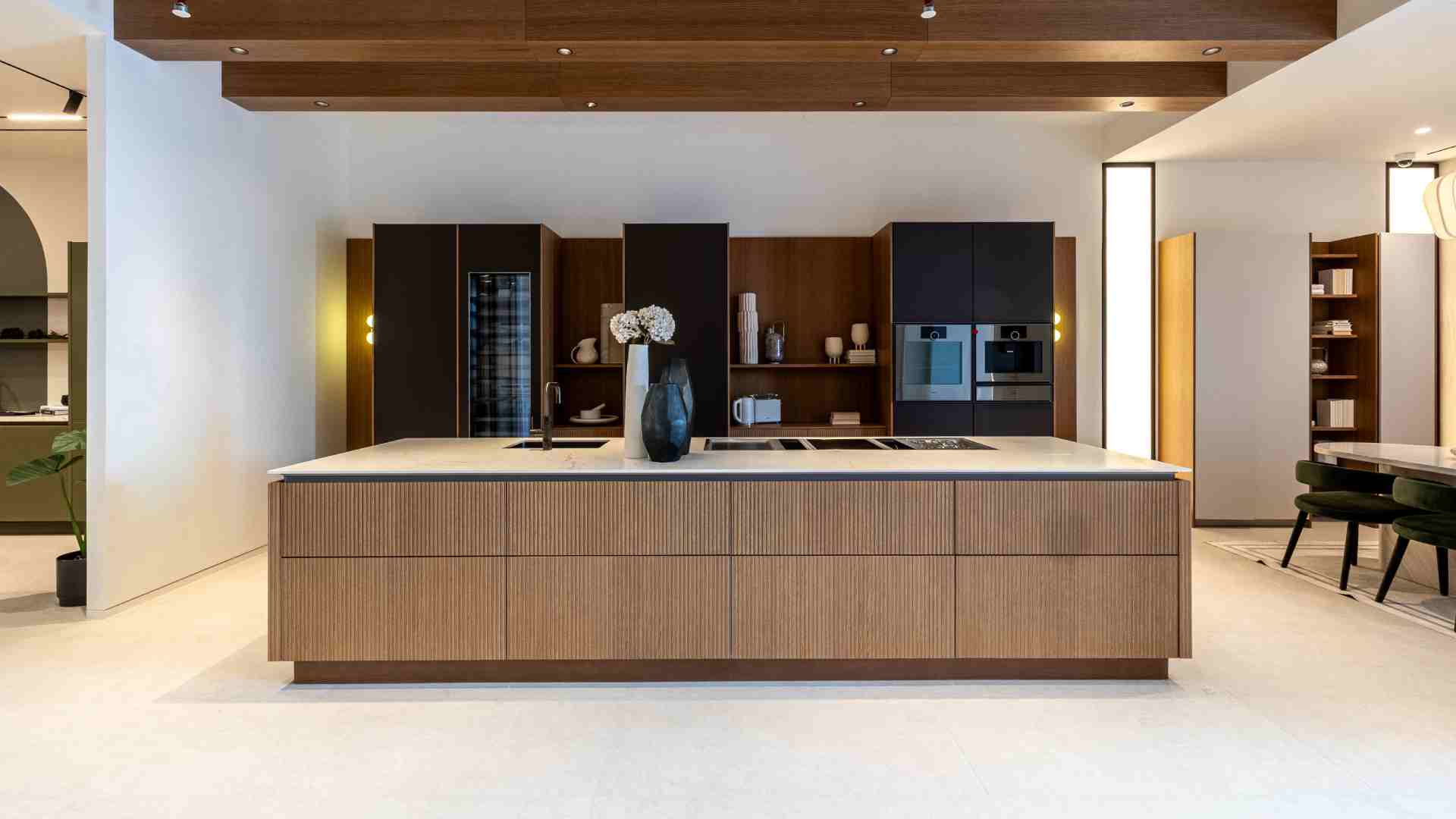
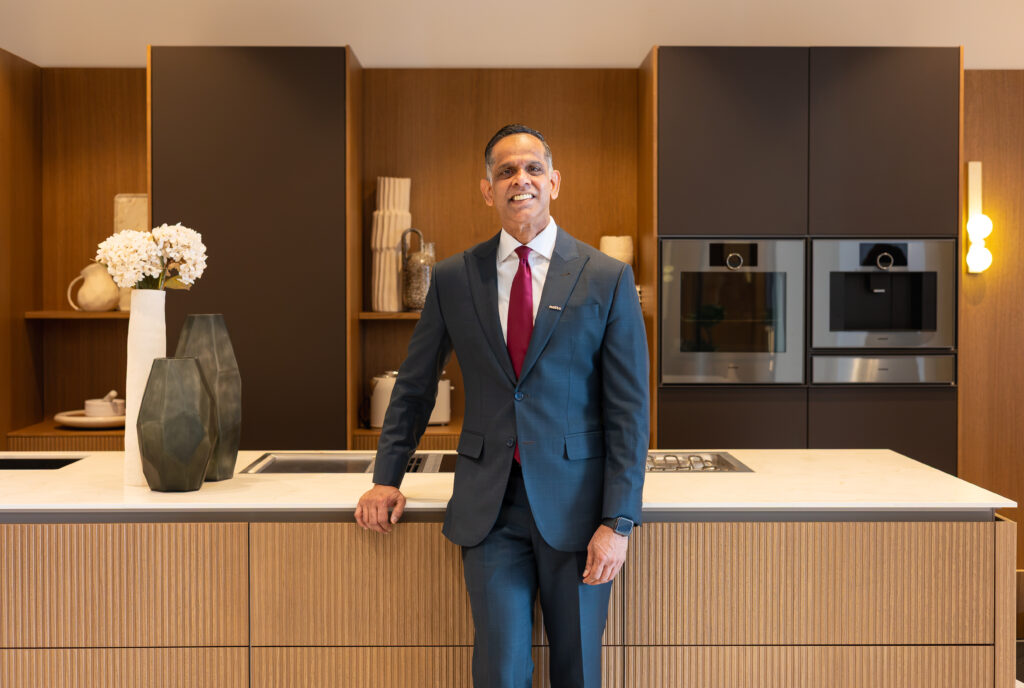
by Selva Kumar Rajulu, Managing Director & Senior Vice President – Middle East, Asia & Africa, Nolte FZE
A beautiful material can catch the eye, but it is the story behind it that increasingly captures a buyer’s attention. Customers today are more knowledgeable about their homes and increasingly interested in the finer details behind the products they choose. Where was the material sourced? How will it perform overtime? And what effect could it have on the people living around it?
For manufacturers and designers, this creates a responsibility to explain the thinking behind every material choice. Storytelling is becoming an important way to do that, connecting aesthetics with provenance, performance, sustainability, and wellbeing. And like any good story, this too begins with its origins.
Origin Is Adding New Value To Premium Interiors
A material’s origin tells us more than where it comes from. It can influence how sustainably it is produced, how well it performs, and the character it brings into a home.
Stone from a particular quarry, responsibly sourced timber, and traditionally woven textiles each carry a sense of place and craftsmanship. These qualities are particularly valuable in premium interiors, where homeowners are looking for substances beyond surface appearance. However, these stories also need to be supported by evidence. At Nolte Küchen, more than 99% of the wood we use meets our sustainable wood criteria, with FSC and PEFC certifications prioritized in procurement.
We are seeing this emphasis on transparency reflected in our work with UAE developers, where project briefs increasingly look beyond the appearance of kitchen materials to consider sourcing, durability, and consistency across multiple units. For manufacturers, responsibly sourcing materials, backed by recognized certifications and produced to consistent quality standards, will set them apart. It also allows customers to make more informed choices by showing where materials come from and how they are made.
Regional identity is influencing design trends
Beyond its origin, a material must also suit the region’s environment and culture. In the UAE, extreme heat, humidity, and strong sunlight make durability a key consideration. Material choices can also influence how much heat enters a building and, in turn, the energy needed for cooling.
A 2026 study of Dubai’s Al Fahidi district highlighted how traditional homes used coral-stone walls and wind towers to regulate indoor comfort naturally. Today, that same principle of environmental adaptation applies to modern interiors: cabinetry, adhesives, and surface finishes must be engineered to withstand the UAE’s coastal humidity, intense UV light through floor-to-ceiling windows, and constant exposure to indoor air conditioning without losing their structural integrity.
Cultural identity matters, too, with some homeowners looking for ways to reflect the region’s heritage in their spaces. For example, Al Sadu is a traditional Emirati weaving technique featuring geometric patterns inspired by grasslands, sand dunes, and the waves of the Arabian Gulf. These cultural influences can be incorporated into contemporary homes through traditional geometric detailing, sand-toned finishes, and textured stone.
From our experience, no single style defines the UAE market. With people from over 200 nationalities coming here to live, work, and build families, homes naturally reflect a wide range of cultures and personal tastes. This is especially evident in kitchen design, where some buyers prefer clean, minimalist European styles, while others are drawn to warmer wood finishes, earthy tones, and textured surfaces. We are also seeing growing interest in combining contrasting materials and finishes, such as natural wood textures with matt cabinetry or stone surfaces, to create more unique kitchens.
Sustainability is at the center of material choices
PWC found that more than half of Middle Eastern consumers surveyed are changing their purchasing habits by buying more sustainable products. This growing awareness is also influencing how people choose materials for their homes, with greater attention to what products contain, how they are made, and how long they will last.
For manufacturers, this means supporting sustainability claims with evidence. Using recycled wood in particle boards, sourcing certified timber, and reducing waste during production are some ways the industry is responding. However, sustainability goes beyond material sourcing. Durability and repairability are equally important to reduce the need for frequent replacements.
In kitchens, these considerations are particularly important. With frequent everyday use, buyers increasingly look for materials that can withstand wear and tear while retaining their appearance over time. This is why advancements in surface engineering—such as anti-fingerprint matt lacquers, UV-resistant laminates, and highly durable stone reproductions—have become central to the sustainability conversation.
What lies ahead for 2027
As homeowners pay closer attention to materials, trends such as natural wood finishes, statement stone surfaces, and textured cabinetry are gaining ground across the UAE.
More importantly, the kitchen is no longer treated as an isolated workspace. Heading into 2027, we are seeing a decisive shift toward integrated living ecosystems, where identical material stories, warm timber cabinetry, layered textures, full-height stone backsplashes, and earthy colors extend seamlessly from the kitchen into dining and living areas, paired with fully integrated built-in appliances.
This has made customisation increasingly important, as customers want cohesive colours, textures, and layouts that reflect their personal identity across the entire home. As buyers increasingly seek to experience these materials first-hand, showrooms are becoming an important part of the decision-making process, letting them see and feel differences in texture, finish, and quality. Beyond appearance, however, sustainability and provenance will become essential considerations in material selection, with customers expecting greater transparency around responsible sourcing, durability, environmental impact and long-term value.

By Dr Ryan Copeland, Regional Medical Director, Middle East, International SOS
As traffic volumes continue to rise across Dubai and the UAE, particularly along heavily congested commuter corridors, employers face a growing responsibility to address one of the most underestimated workplace risks: driver fatigue. Recent reports of significant congestion on key routes connecting Dubai and Sharjah serve as a timely reminder that many employees are spending longer periods behind the wheel each day. For organisations whose employees drive for work, whether visiting clients, transporting goods, responding to emergencies, or travelling between sites, fatigue can significantly impair performance and increase the likelihood of serious road traffic incidents.
While organisations often focus on vehicle safety, defensive driving, and compliance measures, fatigue management should be viewed as a critical component of any duty of care programme. Unlike mechanical failures, fatigue can be difficult to recognise, yet its effects on concentration, reaction time, decision-making, and situational awareness can be profound.
Fatigue: More Than Just Feeling Tired
Fatigue is a physical and mental state that reduces a person’s ability to perform tasks safely and effectively. It may result from insufficient sleep, long working hours, stress, illness, dehydration, poor nutrition, or prolonged periods spent driving in congested traffic.
Long commutes, early starts, and frequent travel between emirates can contribute to chronic sleep debt, often before employees recognise its impact on performance.
Common warning signs include:
- Frequent yawning or heavy eyelids
- Difficulty concentrating or maintaining attention
- Missing road signs or navigation instructions
- Drifting within a lane
- Delayed reaction times
- Increased irritability or mood changes
Employers should educate both drivers and line managers to recognise these signs before fatigue becomes a serious safety risk.
Building Fatigue Awareness into Journey Risk Management
Driver fatigue should form part of every organisation’s journey risk assessment process. Managers should evaluate not only the distance being travelled but also the employee’s fitness to drive.
Key considerations include:
- Has the employee had adequate sleep in the previous 24 to 48 hours?
- Are they undertaking an early morning or late-night journey?
- Have they worked a prolonged shift before driving?
- Are they feeling unwell or taking medication that may affect alertness?
- Is the journey likely to involve extended periods in heavy traffic?
Organisations should avoid schedules that encourage rushed journeys, excessive driving hours, or inadequate rest. Where practical, virtual meetings, overnight stays, or alternative transport arrangements may offer safer options than long-distance road travel.
Sleep: The Foundation of Driver Safety
Good-quality sleep remains the most effective defence against fatigue.
Most adults require seven to nine hours of sleep each night to maintain alertness, concentration, and decision-making ability. Chronic sleep deprivation can significantly increase the risk of driving-related incidents.
Employers can support healthy sleep habits by encouraging employees to:
- Maintain consistent sleep and wake times
- Create a cool, dark, and quiet sleep environment
- Avoid heavy meals close to bedtime
- Limit caffeine intake later in the day
- Reduce screen exposure before sleep
- Seek medical advice for persistent sleep problems, snoring, or suspected sleep apnoea
Hydration and Nutrition Matter
The Gulf climate presents additional challenges for drivers. Even mild dehydration can contribute to headaches, poor concentration, fatigue, and reduced mental performance.
Employees should be encouraged to:
- Drink water regularly throughout the day
- Carry water during journeys
- Increase fluid intake during hot weather or after physical activity
- Limit excessive consumption of energy drinks and highly caffeinated beverages
Nutrition also influences alertness. Heavy meals can contribute to sluggishness, particularly during afternoon driving periods.
To help maintain concentration, drivers should aim for:
- Balanced meals containing lean protein, whole grains, fruits, and vegetables
- Healthy snacks such as nuts, yoghurt, or fresh fruit
- Regular meal timing to maintain stable energy levels
- Reduced reliance on sugary snacks that can lead to energy crashes
While caffeine may provide a temporary boost, it should never be viewed as a substitute for adequate sleep.
Practical Steps During Peak Traffic Periods
As congestion increases, employers should reinforce practical fatigue-mitigation measures:
- Encourage regular breaks during longer journeys
- Rotate driving responsibilities where possible
- Avoid scheduling consecutive high-mileage driving days
- Plan journeys outside peak traffic periods when feasible
- Use telematics and journey management tools to identify excessive driving exposure
- Include fatigue awareness in routine safety briefings
Drivers should also be reminded that opening a window, turning up the music, or consuming caffeine offers only temporary relief. If fatigue develops while driving, the safest option is to stop in a safe location and rest.
A Shared Responsibility
Managing driver fatigue is not solely the responsibility of the individual behind the wheel. It requires a coordinated approach involving employers, managers, occupational health teams, and employees.
By promoting healthy sleep habits, supporting hydration and nutrition, recognising warning signs, and embedding fatigue awareness into journey planning, organisations can significantly reduce fatigue-related driving risks.
As traffic volumes continue to increase during peak periods, companies that proactively address fatigue as part of their duty of care strategy will not only enhance road safety but also protect employee wellbeing, productivity, and organisational resilience. Ultimately, safer and healthier drivers contribute to safer roads for everyone.
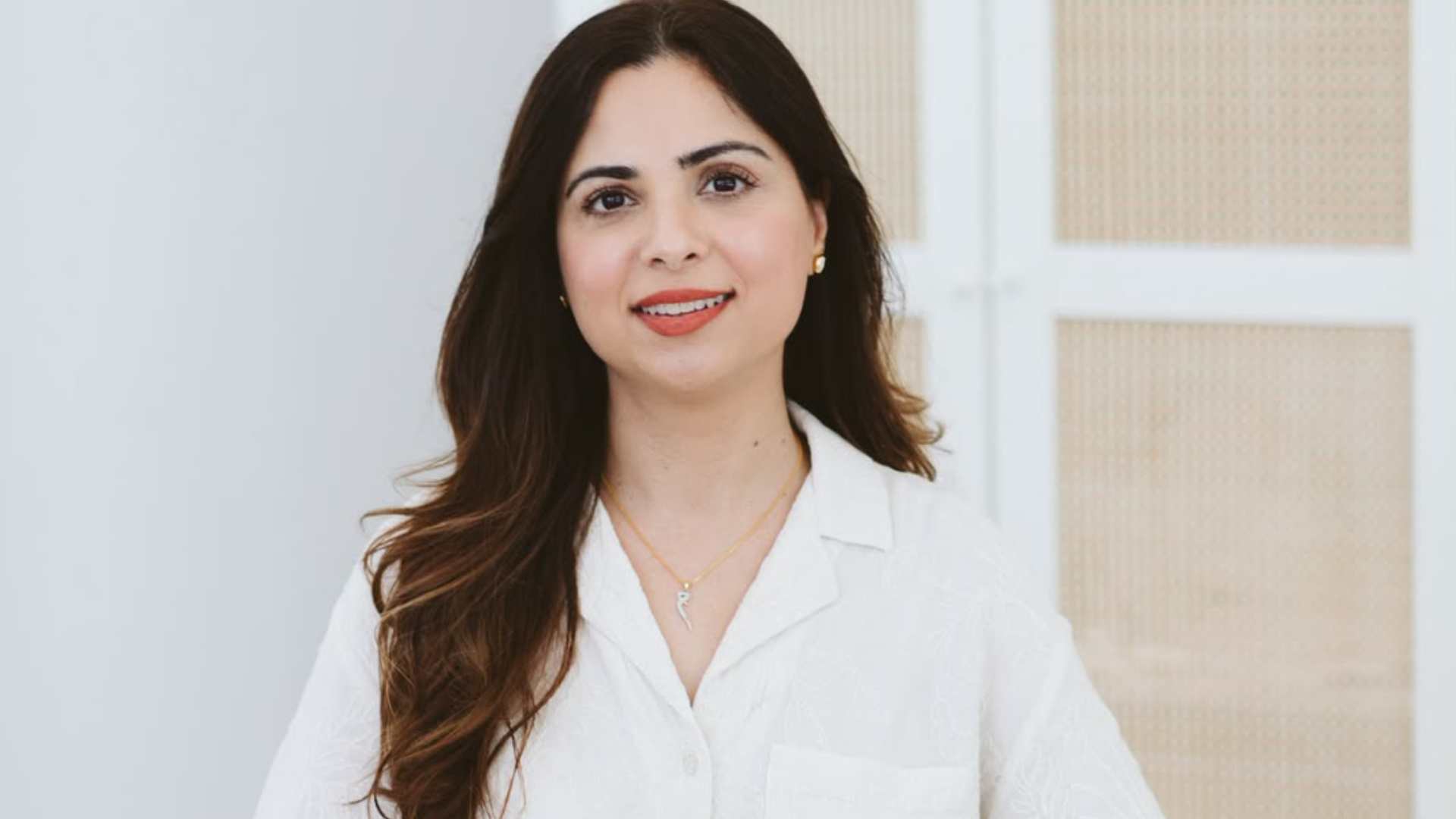
by Dr. Madiha Khan, an American Board-Certified Consultant Psychiatrist, and a member at Middle East Arthritis Foundation
Arthritis is usually measured in swollen joints and blood results. Yet for many of the estimated half a billion people living with the condition worldwide, and roughly one in five residents of the UAE, its most sapping effects are not detectable on any scan. Fatigue, anxiety and low mood can quietly impact work, relationships and self-worth long before a joint shows lasting damage.
Dr. Madiha Khan, an American Board-Certified Consultant Psychiatrist, working in the region for the past eight years with extensive experience supporting individuals with a wide range of mental health and emotional wellbeing concerns, shares her insight: “Pain may appear first, but fatigue, reduced mobility and emotional strain can gradually affect work, relationships and independence,” she says.
A two-way relationship
Rates of depression and anxiety among people with arthritis-related diseases can be between two and 10 times higher than in the general population. According to Dr Khan, the link runs in both directions. Chronic pain, unpredictable flares and broken sleep wear down mood and motivation. Depression, in turn, amplifies how the brain perceives pain and makes it harder for patients to keep up with treatment.
Recent study unveiled that depression may not only be a complication of rheumatoid arthritis but may also help sustain it, particularly in difficult-to-treat cases. This explains why some patients still feel unwell even when their blood work looks normal. In the UAE, where fewer than half of patients are still taking prescribed medicines after a year, that vicious circle carries real consequences.
The weight of the invisible
Because arthritis is often invisible, patients describe feeling misunderstood. One young Dubai professional supported by MEAF spent nearly a decade being told her pain was stress or anxiety before a rheumatologist confirmed an autoimmune condition. For her, the anxiety came with the physical illness; it was not the cause. Another, a working mother, recalls days when she slept for hours yet woke exhausted, unable to concentrate or find the energy for her children. The guilt, she says, was as heavy as the pain.
Dr Madiha stresses that delays compound the distress. In the UAE, a lack of awareness postpones diagnosis by around 12 months, and many patients see several doctors before reaching a rheumatologist, leaving them doubting themselves.
Treating the whole person
The answer, in Dr Madiha’s view, is care that is integrated rather than siloed. Arthritis treatment is moving towards precision medicine and whole-patient management, aiming for remission while also asking about mood, sleep and daily function. When standard treatment underperforms, she encourages a fuller reassessment often involving psychiatrists, psychologists, pain specialists, physiotherapists or nutritionists where needed.
Patients can also take practical steps to avert a downward spiral:
Prioritise sleep: a consistent bedtime routine helps regulate both pain and mood.
Keep moving gently: low-impact activity such as walking, swimming or Tai Chi preserves strength and lifts mood.
Write it down: journaling symptoms and feelings helps patients make sense of flares and communicate with their doctor.
Pace and say no: planning rest days and declining commitments protects energy without guilt.
Find a community: peers living with the same condition offer understanding that even close family may not.
Beyond the diagnosis
MEAF’s World Arthritis Day event on 24 October 2026 at the Shangri-La Hotel, Dubai, will include sessions on mental resilience alongside clinical guidance, reflecting the Foundation’s belief that emotional health belongs at the centre of arthritis care. “Our goal is to free patients from pain so they can live the life they want, without allowing the condition to define who they are,” says Dr Madiha.


SUGEE GROUP & WYNDHAM HOTELS & RESORTS PARTNERS TO DEVELOP THE WORLD’S FIRST VIENNA HOUSE RESIDENCES BY WYNDHAM ON AL MARJAN ISLANDS, RAK
RECHITTA SURPASSES 100,000 MINUTES OF REAL-WORLD USE AS IT LAUNCHES NEXT-GENERATION V2 PLATFORM
Above the City with CRANK at Level 43



-

 Trending12 months ago
OPPO A6 Pro 5G Review: Reliable Daily Driver
-

 Tech News2 years ago
Denodo Bolsters Executive Team by Hiring Christophe Culine as its Chief Revenue Officer
-
 VAR2 years ago
Microsoft Launches New Surface Copilot+ PCs for Business
-

 Automotive2 years ago
AGMC Launches the RIDDARA RD6 High Performance Fully Electric 4×4 Pickup
-
Tech Interviews3 years ago
Navigating the Cybersecurity Landscape in Hybrid Work Environments
-

 Hospitality2 years ago
Gulfood 2025 30th Edition Kicks Off Today, Setting New Benchmarks in F&B Growth and Innovation
-

 VAR11 months ago
Huawei Nova 14 Pro Review: Where Camera Excellence Meets Ecosystem Evolution
-

 Tech News1 year ago
Nothing Launches flagship Nothing Phone (3) and Headphone (1) in theme with the Iconic Museum of the Future in Dubai