
 Have a question? +971 56 404 0503




Tech News
WATCHFUL SKIES, SAFER NIGHTS: AI-DRIVEN VMS TRANSFORMING GULF MEGA-EVENTS


As the Gulf’s summer calendar fills with concerts, sporting events, and festivals, the region faces new and more complex security challenges. Managing crowd safety at large-scale public gatherings no longer depends on passive surveillance or security teams monitoring screens reactively. Instead, event organizers, law enforcement agencies, and technology providers are embracing AI-powered, integrated video management software (VMS) that helps security teams spot and address potential risks early, instead of only reacting after something goes wrong.
This evolution in surveillance comes at an important time for the region. From Dubai’s Disney on Ice, Lil Baby’s Wham World Tour, and the UNTOLD Dubai Festival at Coca-Cola Arena to Saudi Arabia’s Riyadh Season concerts, international sporting tournaments, and mega entertainment festivals, large-scale spectacles have emerged as cornerstones of the Gulf’s rapidly expanding tourism and leisure economy. In 2024 alone, Dubai welcomed 18.72 million overnight visitors, up 9% from the previous year, while Riyadh and Jeddah continue to post record event attendance.
But as visitor numbers climb, so too does the complexity of keeping these spaces secure.
For years, video surveillance largely served as a passive, forensic tool by capturing footage for later review. Today, advanced VMS platforms are changing that model. AI-powered analytics embedded directly into VMS systems can automatically monitor crowd density, spot unusual movement or congestion, and raise alerts when early signs of trouble appear. This proactive approach transforms how security teams operate, allowing real-time interventions that help reduce risks while improving crowd flow and overall visitor experience.
Multiple Technologies brought together
At major venues across the Gulf, this shift is well underway.
Consider a sold-out concert at Dubai’s Coca-Cola Arena. Thousands of attendees filter through multiple entrances, while drone surveillance monitors crowd flow around parking areas and public transport hubs. Inside, thermal cameras quietly scan for signs of overheating electrical equipment or early-stage fires. All these data streams feed into a mobile command center, often set up in temporary trailers near the venue, where security teams and public safety agencies collaborate in real-time.
The advantage is not just faster incident response, but smarter prevention. AI-powered analytics embedded in Milestone’s platform can automatically count attendees in critical areas, flag unusual movement patterns, or detect crowd density risks long before they escalate into safety issues.
This type of command structure has become increasingly important as summer temperatures and high humidity, and seasonal surges, add an additional layer of risk for both attendees and emergency response teams.
A Region That Moves Fast and Safely
The wider regional momentum behind these events is just as significant.
The Gulf’s appetite for mega-events shows no sign of slowing. Dubai International Airport processed 92.3 million passengers in 2024, its highest annual traffic ever recorded, while major Saudi airports continue to scale operations under Vision 2030. These same smart infrastructure principles are now being extended to public events.
Open-platform VMS technology fits naturally into these ambitions, offering a flexible backbone that can scale from one event to another, integrate with emerging analytics tools, and support the kind of cross-agency cooperation that large public gatherings increasingly require.
The New Normal for Event Safety
Event organizers, venue operators, and government agencies across the Gulf are now approaching security not as a series of separate systems, but as a fully connected environment. At the heart of this lies open VMS platforms. These provide stakeholders with the ability to overlay venue maps, integrate drone surveillance, plug in temporary thermal sensors, and coordinate multiple responders, all through a shared video management interface, which reflects how the region is redefining public safety as part of its global event leadership.
Ultimately, securing the Gulf’s signature events that boost its tourism will increasingly rely on proactive, AI-enhanced surveillance models. Today, video management is about using real-time intelligence to help protect visitors, keep events running smoothly, and give the Gulf’s major showcases the safe, seamless experiences global audiences expect.
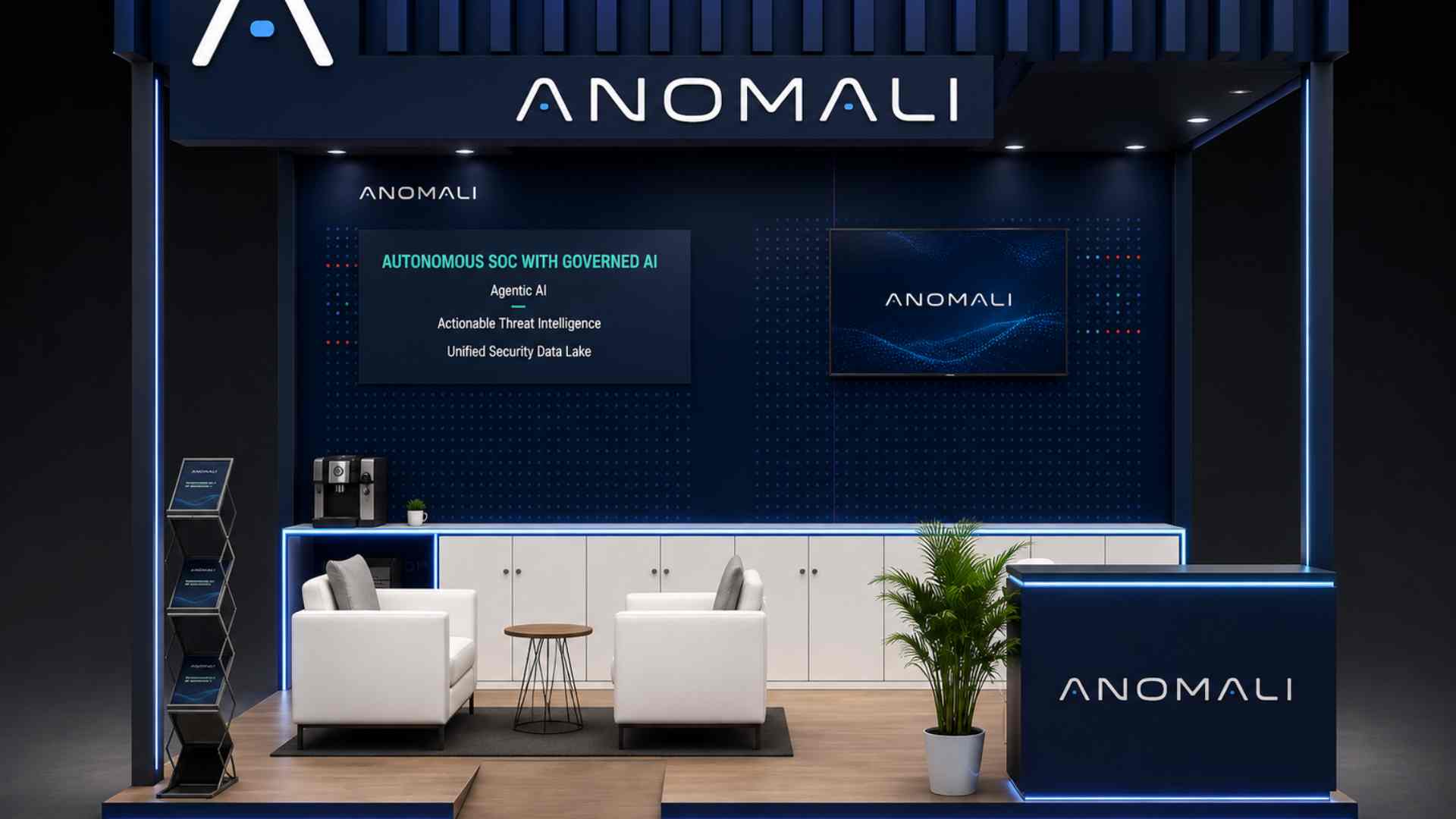
Anomali, the leading global Managed Intelligence and Agentic SOC platform, announced its participation at GISEC Global 2026, taking place through 16-18 September at Dubai Exhibition Centre (DEC), Expo City.
The company’s discussions at GISEC will center on Autonomous SOC with Governed AI, Agentic AI, Actionable Threat Intelligence and Unified Security Data Lake capabilities that are changing the manner in which security teams investigate threats, manage workflows and make decisions.
Samer Jadallah, Vice President, Middle East & Africa at Anomali, will represent the company at GISEC and will focus on the growing impact of AI on both attackers and defenders, emerging shifts in the threat landscape, including the need to counter CEO impersonation attacks as well as key challenges facing modern security teams. He will also highlight AI’s role is helping organizations respond more effectively to evolving threats, Anomali’s commitment to the region and ongoing product innovation and plans to expand adoption of the Anomali platform across global enterprises and government organizations.
A key focus at this year’s event will be the changing nature of cyberattacks. As threat actors promptly adopt AI to scale campaigns and further accelerate attacks, security operations centers (SOC) are under growing pressure to process rising volumes of alerts with limited resources. To help with this, Anomali will demonstrate how AI can support analysts in multiple ways like surfacing higher- value insights, reducing manual effort and enabling quicker, informed responses.
Visitors can find Anomali at Booth E156 and Booth A80.
- Event: GISEC Global 2026
- Booths: E156 and A80
- Location: Dubai Exhibition Centre (DEC), Expo City
- Dates: 16 th to 18 September 2026
- Time: 9:00 am to 5:00 pm GST
Tech News
HONOR BRINGS ITS ALPHA PLAN TO LIFE AT LEAP 2026 WITH THE WORLD’S FIRST ROBOT PHONE AND RENEWED “DARE TO BE” BRAND DIRECTION

HONOR, a global leading AI device ecosystem company, concluded its participation at LEAP 2026, bringing its “ALPHA PLAN: From Vision to Reality” to life through the world’s first Robot Phone, advancements in robotics, cinematic imaging and connected AI experiences. The participation also marked HONOR’s renewed “Dare to Be” brand direction reflecting its continued transformation from a company predominantly known for smartphones into a broader global AI device ecosystem company.
Commenting on the participation, Lei Kunming, CMO HONOR Middle East & Africa said, “LEAP 2026 showed how HONOR’s ALPHA PLAN is moving from vision to reality. From the world’s first Robot Phone and Robotics to our connected ecosystem, we demonstrated how AI can work more naturally around people.” He added “Our ‘Dare to Be’ direction gives that transformation a stronger identity, with Saudi Arabia remaining central to our growth in AI and digital innovation.”
Bringing the HONOR Booth Experience to Life
Visitors explored HONOR’s expanding ecosystem through interactive experiences spanning sports, gaming, smart office, learning and everyday scenarios.
The booth demonstrated how smartphones, PCs, tablets, wearables and other smart devices can work together to deliver more seamlessly, across work, entertainment, sports and health, reflecting the ALPHA PLAN’s ambition to create a more intelligent, connected and human-centric ecosystem around the user.
Introducing the World’s First Robot Phone
At the centre of HONOR’s showcase was the world’s first Robot Phone, a defining proof point of the ALPHA PLAN and a new category combining AI, robotics and cinematic imaging.
Its integrated robotic gimbal can move, track subjects and respond to its surroundings, enabling more intuitive and proactive content creation. LEAP also marked the Robot Phone’s reveal for the Middle East and Africa, making the region the first overseas market to experience the new category.
HONOR also highlighted its collaboration with ARRI, bringing more than 100 years of professional cinema and image science expertise together with HONOR’s AI and robotics capabilities to make cinematic content creation more accessible to everyday users.
Advancing a Future Built on Human and AI Collaboration
Beyond the Robot Phone, HONOR showcased its ambitions in robotics through HONOR Robotics D1, reinforcing its vision of a future shaped not by humans competing against AI, but by humans working with AI to achieve more. The company also explored the future of AI devices and robotics through its LEAP keynote and panel discussions.
Entering a New “Dare to Be” Era
Reflecting this evolution, HONOR’s renewed“Dare to Be” direction reflects its evolution beyond individual devices towards an open AI ecosystem connecting technologies, industries and lifestyles. Supported by innovations including Agentic OS and AiMAGE, HONOR’s journey progresses from an intelligent phone to an intelligent ecosystem and, ultimately, an intelligent world.
Driving Growth Across MEA
HONOR entered LEAP with strong regional momentum. In H1 2026, the company grew by 35% while the Middle East smartphone market declined by 13%, making HONOR the only leading smartphone brand in the region to grow and the second-largest smartphone brand in the Middle East. This followed 73% year-on-year growth in Q1 2026.
Within this regional growth, Saudi Arabia remains a particularly important market for HONOR, supporting the company’s broader ambitions across AI devices and its connected ecosystem.
Strengthening HONOR’s AIoT Presence in Saudi Arabia
As part of this momentum, Saudi Arabia remains a strategic market for HONOR and an important part of the ALPHA PLAN. The Kingdom is now HONOR’s number one tablet market by share, while its AIoT business has grown by more than 500% and HONOR Earbuds Clip has surpassed 100,000 units sold locally.
Building on this strong foundation, HONOR continues to strengthen its presence through retail, after-sales, local partnerships and deeper engagement with the Kingdom’s technology ecosystem.
Tech News
greytHR expands agentic AI-powered HR execution across Middle East region with greytHR NAVOS
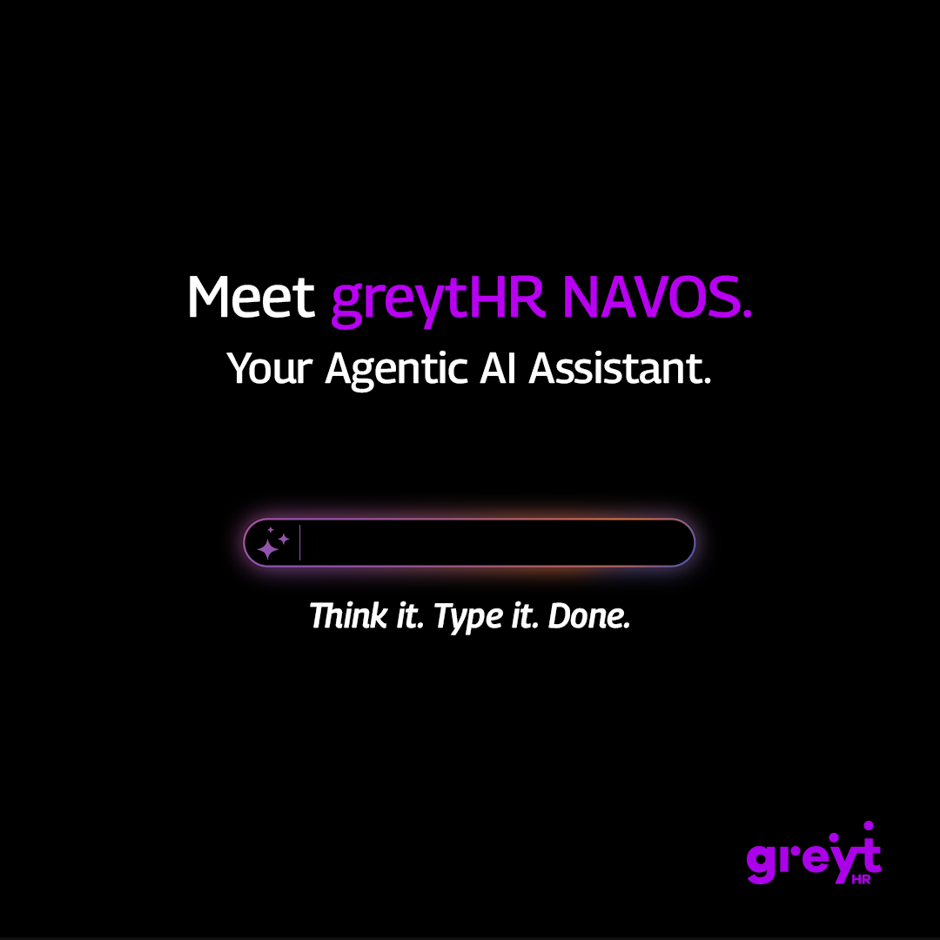
greytHR, a leading full-suite Human Resource Management System (HRMS) platform, launched greytHR NAVOS across the Middle East region, bringing agentic AI competencies directly into its platform. The new capability enables HR teams to find information, navigate workflows, while completing authorised HR activities through simple, natural-language commands.
The Middle East rollout comes as agentic AI begins to reshape HR functions globally. According to McKinsey’s August 2026 research on the agentic era of HR, roughly two-thirds of today’s HR activities, including recruitment, payroll, onboarding and benefits administration, could be largely automated by 2030.
Unlike conventional AI assistants that primarily focus on answering questions, greytHR NAVOS follows an execution-first approach, helping users move from finding information to initiating and completing supported HR actions. Its three core functions – Navigate, Operate, and Support – enable information and workflow discovery, authorised action execution and contextual guidance.
Girish Rowjee, Co-founder & CEO of greytHR, said: “We have evolved from a system that you work on, to a platform that works with you. As a full-suite HRMS, greytHR already connects the entire hire-to-retire lifecycle across key HR operations. With the launch of greytHR NAVOS, we are adding an agentic AI layer across this connected ecosystem, enabling users to manage everyday HR activities through conversational commands rather than searching through multiple menus or disconnected tools. Furthermore, greytHR NAVOS works within each organisation’s existing security and access controls, reducing administrative friction and accelerating everyday HR execution.”
greytHR NAVOS supports a wide range of workflows across core HR, leave and attendance, workforce management, performance management, recruitment, platform navigation and support. HR teams can use the capability to update employee information, generate and publish letters, access attendance records, manage leave and regularisations, support performance reviews, search for job openings and candidates, handle recruitment approvals and generate hiring content.
Based on early greytHR NAVOS usage in comparable markets, HR administrators have reported productivity savings of approximately five hours per week by replacing repetitive manual workflows with conversational requests. In one practical example, an attendance-muster export that previously required around five separate steps can be completed through a natural-language prompt in approximately 10 seconds. By simplifying routine processes and reducing time spent on software interfaces, greytHR NAVOS enables HR professionals to devote more time to employee engagement, workforce planning and strategic decision-making.
greytHR NAVOS operates within each organisation’s existing role-based access control (RBAC) system, ensuring that access to employee information and platform actions remains aligned with individual user roles and permissions. Moreover, sensitive or irreversible actions require explicit human confirmation before execution. The platform also maintains a traceable audit record of AI-assisted activity, including the initiating user, timestamp, prompt and action details. Meanwhile, greytHR’s established privacy, security, and governance framework extends to greytHR NAVOS, including alignment with SOC 2 Type II, ISO 27001:2022, and GDPR frameworks, supported by human oversight.
The new capability is available across all paid greytHR plans, including essential, growth, and premium, with no per-seat AI fees, usage caps or separate purchase required.
The launch showcases the evolution of HRMS platforms from traditional systems of record towards systems of action, where technology can understand user intent, identify the relevant workflow and support the execution of the next authorised step.
greytHR currently supports over 34,000 organisations and 3.5 million users across over 30 countries, providing a strong foundation for expanding its agentic AI capabilities across the Middle East region. With greytHR NAVOS, the company is helping regional businesses simplify HR administration and narrow the gap between intent and execution.

DO FISCAL STIMULUS MEASURES SUPPORT THE US MARKET GROWTH, AND IS A DEFAULT POSSIBLE?
DO FISCAL STIMULUS MEASURES SUPPORT THE US MARKET GROWTH, AND IS A DEFAULT POSSIBLE?

Zeekr UAE and AWR Automotive Unveil Redesigned Flagship Showroom on Sheikh Zayed Road in Dubai



-
News11 years ago
SENDQUICK (TALARIAX) INTRODUCES SQOOPE – THE BREAKTHROUGH IN MOBILE MESSAGING
-

 Trending11 months ago
OPPO A6 Pro 5G Review: Reliable Daily Driver
-

 Tech News2 years ago
Denodo Bolsters Executive Team by Hiring Christophe Culine as its Chief Revenue Officer
-
 VAR1 year ago
Microsoft Launches New Surface Copilot+ PCs for Business
-

 Automotive2 years ago
AGMC Launches the RIDDARA RD6 High Performance Fully Electric 4×4 Pickup
-
Tech Interviews2 years ago
Navigating the Cybersecurity Landscape in Hybrid Work Environments
-

 Tech News1 year ago
Nothing Launches flagship Nothing Phone (3) and Headphone (1) in theme with the Iconic Museum of the Future in Dubai
-

 VAR2 years ago
Samsung Galaxy Z Fold6 vs Google Pixel 9 Pro Fold: Clash Of The Folding Phenoms