
 Have a question? +971 56 404 0503




Hospitality
KERTEN HOSPITALITY ON CRAFTING EXPERIENCES ROOTED IN STORYTELLING, CULTURE AND COMMUNITY

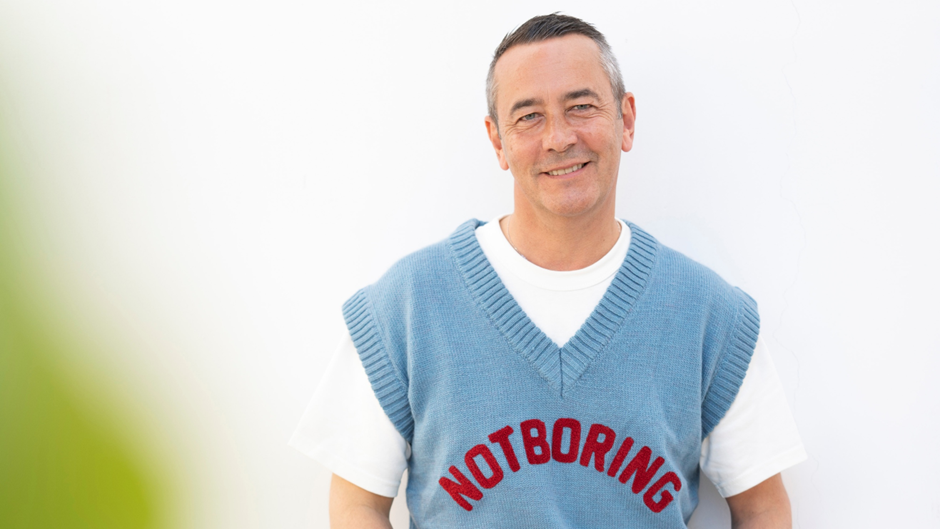
Exclusive interview Antony Doucet, Chief Experience Officer, Kerten Hospitality
You were part of the editorial team for the Louis Vuitton City Guide. How did storytelling shape your philosophy around guest experience today?
While I was in Istanbul, I had the opportunity to be part of the editorial team of Istanbul Louis Vuitton City Guide for the food scene. What I learned from this experience is that places are never just places; they are layered stories. At Louis Vuitton City Guide, the work was not simply about listing where to go or eat, but about understanding a destination through its people, rituals, textures and contrasts. That shaped the way I think about hospitality today. A hotel or branded residence should not feel like an isolated object dropped into a location. It should feel like an entry point into a wider cultural narrative – as an integrated part of a lifestyle ecosystem where people live, work, socialise, shop and dine.
Storytelling is what transforms a stay into a memory, an emotional experience. Guests may remember a beautiful room or a good meal, but what stays with them is often the feeling that they touched something real: a local craft, a neighborhood rhythm, a conversation, a point of view. That is why I believe guest experiences must have emotional depth. Design, music, food, art and community programming are all narrative tools. When used well, they create belonging, curiosity and connection. That is the kind of hospitality we aim to build at Kerten Hospitality: not generic luxury, but meaningful immersion.
Winning Hospitality Executive of the Year in KSA recognizes leadership impact, what leadership philosophy has guided your journey?
My leadership philosophy is built around three principles: honesty, generosity, and cultural curiosity. Honesty matters because hospitality is a business of many moving parts, and people need a clear sense of purpose. Generosity matters because our industry is about people taking care of people: guests, teams, owners and communities. Cultural curiosity matters because we operate across very different markets, each with its own codes and aspirations.
I do not believe leadership in hospitality should be purely top-down. The strongest ideas often come from listening closely to local teams, artisans, residents and guests. You can only create relevant hospitality if you are paying attention to what already exists around you. I also believe in building brands with soul and meaning. Commercial success is key, but the most successful projects are the ones that create emotional relevance.
Kerten Hospitality entered 2026 with the signing of over 1,000 new keys and multiple openings planned across MENA and Europe. From an experience perspective, how do you scale growth without losing emotional authenticity?
Scaling without losing authenticity requires discipline. The mistake many hospitality groups make is replicating formulas too literally. At Kerten Hospiltality, we scale through principles, not through sameness. We have a framework of guidelines, not brand standards, on top of which we curate bespoke features for each project. We never copy-paste previous successes; we curate new ones.
What remains constant is our approach: community integration, design with local relevance, experiences rooted in culture and a strong sense of place. A property in AlUla should not feel like one in Cairo, Zanzibar or in Rome. Each project needs its own local language, social rhythm and ecosystem. To preserve authenticity, we spend time understanding the DNA of each location before finalizing the experience framework. Who are the local artisans What is the creative scene? What are the culinary references? How do residents gather? What can we add of new and fresh value to the destination? These questions matter as much as room typologies or F&B positioning.
How important is cultural adaptability when designing experiences for the Middle East’s diverse audience?
It is essential. The Middle East is often seen as one market, but in reality, it is deeply nuanced. The expectations of a guest in Kuwait, Riyadh, Dubai, Jeddah, Aqaba or Cairo can differ significantly in terms of social behavior, privacy, family dynamics, pace and the elements of hospitality itself.
Cultural adaptability does not mean diluting a brand. It means interpreting it intelligently. In practice, that can influence everything from spatial planning to programming, dining formats, wellness, music, service tone and operating hours. Guests want fresh experiences, but they also want to feel respected and understood. Adaptability is not a compromise; it is a sign of understanding, respect and relevance.
Have guest expectations in the UAE shifted toward more meaningful cultural immersion rather than luxury alone?
Luxury remains important in the UAE, but it is no longer enough on its own. Today’s guests are more informed, well-travelled and selective. People still appreciate beauty, comfort and service, but they also ask: what is distinctive here, what can I discover, what story am I part of? There is a growing appetite for experiences that feel curated rather than polished. Value is shifting from display to depth. This is especially true for younger travelers and regional audiences, who often seek places with personality, cultural relevance and emotional credibility.
In lifestyle destinations, community is woven into the experience through curated programming, cultural partnerships, local dining concepts, and shared social spaces, effectively function as neighborhood hubs. For developers, the advantage comes from attracting locals as well as travelers, fostering stronger loyalty and repeat visits. Also, mixed-use lifestyle developments support year-round activity, increasing ROI and resilience.
Ramadan transforms social rhythms across the region. How does hospitality design adapt to slower, more reflective guest experiences during this period?
Ramadan requires hospitality to become more intuitive, respectful and emotionally aware. The rhythm of the day changes, and with it the tone of the guest experience. Energy becomes softer, evenings become more social, and moments of gathering take on deeper meaning. From a design and programming perspective, this means adapting pace, lighting, sound, dining flow and social spaces. Public areas need to feel calmer by day and warmer by sunset. F&B becomes less about volume and more about rituals, generosity and togetherness. Iftar and suhoor are not simply meal periods, they are cultural moments that deserve sensitivity and care. Ramadan is also an opportunity for hospitality to reconnect with values that matter all year: reflection, community, humility and generosity.
With global economic uncertainty and shifting travel patterns, how resilient is lifestyle hospitality compared to traditional luxury models?
Lifestyle hospitality can be extremely resilient when it is rooted in relevance. Traditional luxury often depends on a narrower set of signals: formality, exclusivity and status. Lifestyle hospitality is more adaptive in responding to changing traveler behaviors because it is built around flexibility, social energy, local connection and mixed-use value.
A strong lifestyle property can attract not only overnight guests, but also residents, remote workers, diners and event audiences. That creates a broader ecosystem and a more diversified demand base. When anchored in place, culture and community, a lifestyle hotel becomes a destination.
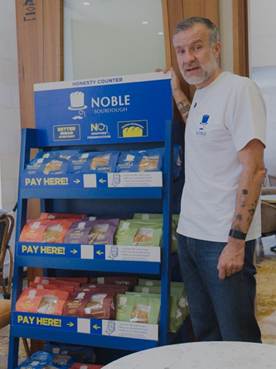
A new bakery brand is entering the UAE market with a simple but ambitious goal: to make better bread part of everyday life. Noble Sourdough, founded by Matthew Firth, launches in Dubai with a focus on naturally fermented sourdough, clean ingredients and a back-to-basics approach that challenges the way bread is typically made and consumed in the region.
Built on the belief that bread should be good for you and should never be boring, Noble Sourdough is positioned at the intersection of food culture and fast moving consumer goods. Designed for everyday consumption rather than niche indulgence, the brand offers a range of consistently baked sourdough loaves that prioritise quality, accessibility and scale, marking a shift in how premium bread is brought to market.
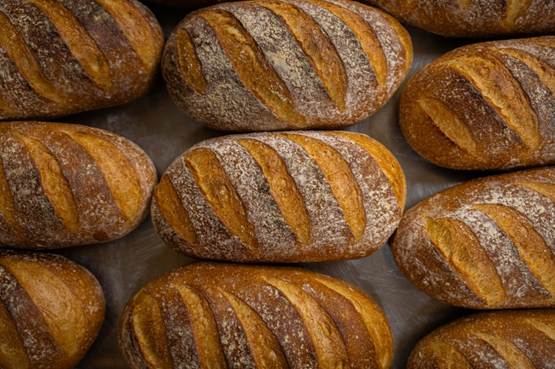
At a time when much of the bread available on shelves contains preservatives and unnecessary additives, Noble Sourdough takes a different route. Its classic loaves are made using just flour, water and natural yeast, relying on a 24 hour fermentation process to develop flavour and improve digestibility. The result is bread that is not only simpler in composition, but also lower in sugar, easier on the gut and better suited to modern lifestyles that are increasingly focused on health and wellbeing.
The launch also introduces a concept new to the city: Dubai’s first honesty based bread counter. Built on trust, the unmanned setup allows customers to pick up a loaf, pay contactless and go, without supervision or traditional retail infrastructure. For Firth, the concept reflects both the simplicity of the product and a broader belief in the city itself.
“Dubai is a place that rewards ambition and trust,” says Matthew Firth, Founder of Noble Sourdough. “Launching an honesty counter here felt like a natural extension of that. It is about creating something simple, accessible and built on mutual respect, much like the bread itself.”
The concept taps into Dubai’s evolving consumer landscape, where convenience, innovation and community driven experiences continue to shape retail and dining. It also aligns with the city’s wider vision around smarter, more efficient systems and a culture that embraces new ideas.
From a product perspective, Noble Sourdough enters the market at a time when demand for cleaner, more transparent food is on the rise. With increasing awareness around nutrition, ingredient quality and long term wellbeing, sourdough has gained traction as a preferred alternative to conventional bread. By removing unnecessary additives and focusing on traditional fermentation, Noble Sourdough positions itself as a daily staple that supports healthier choices without compromising on taste or accessibility.
With a growing retail presence planned across the UAE, the brand combines a distinctive identity with strong shelf visibility and a product designed for repeat, everyday use. From classic loaves to flavour led variations, Noble Sourdough aims to integrate seamlessly into daily routines, from breakfasts and sandwiches to family meals and on the go consumption.
As Dubai continues to position itself as a global hub for food innovation and conscious living, Noble Sourdough’s entry into the market reflects a broader shift towards simplicity, quality and trust, both in what people consume and how they choose to access it.
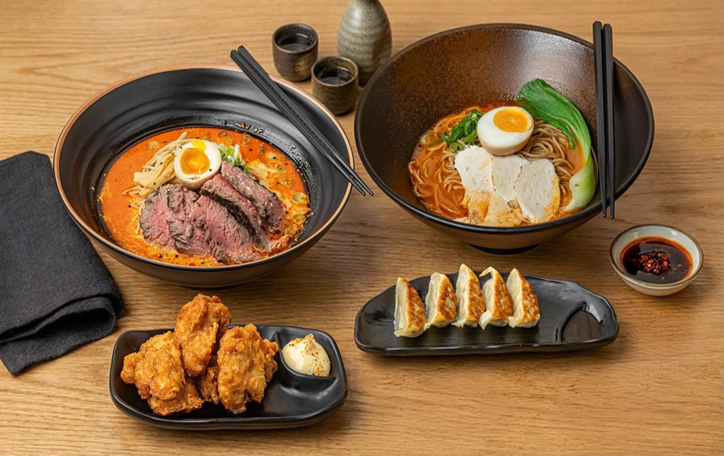
This April, Maki & Ramen is set to shake up Dubai’s experiential dining scene with a month of interactive, high-energy experiences – from a sushi battleship game played at the table to a Level 8 spicy ramen challenge designed to test even the bravest spice lovers. Founded by award-winning Chef Teddy Lee, the UK-born brand has built a loyal following for its bold, flavour-led ramen and sushi, combining traditional Japanese techniques with a modern, inclusive dining experience. Now in Dubai, Maki & Ramen is inviting guests to go beyond the plate and into a dining experience defined by competition, heat, and highly shareable moments.
Sushi Battleship Experience
Launching this April, Maki & Ramen introduces Sushi Battleship, an interactive dining experience that transforms the table into a 3×6 game board. Designed for groups, families, and social diners, the concept turns a classic sushi outing into a fast-paced battle of strategy, luck, and wasabi.
Priced at AED 180, the experience includes 16 pieces of sushi and two “wasabi bombs” – nigiri topped with wasabi that deliver an unexpected kick. Guided by a dedicated game master, two diners go head-to-head, calling out coordinates as they attempt to outplay each other on a vibrant sushi battleground featuring Maki & Ramen’s signature rolls.
Adding to the experience, guests who share their Sushi Battleship game on social media and tag @makiramendxb will receive a complimentary ramen per table, a reward that makes victory even sweeter.
Playful, competitive, and highly shareable, Sushi Battleship offers a fresh and interactive take on dining in Dubai.
When: April 10, 2026 – April 30, 2026 | Where: Maki & Ramen (R Floor), Mövenpick Hotel, Jumeirah Village Triangle | Time: 1:00 pm – 11:00 pm | Price: AED 180 (Inclusive of everything guests need for one round of Sushi Battleship) | Note: Terms and Conditions apply.
Firecracker Ramen Level 8 and Spicy Ramen Challenge
In celebration of International Ramen Day, Maki & Ramen launches the Firecracker Ramen Level 8, a limited edition, extra spicy take on its popular Firecracker Ramen, created for diners who enjoy intense heat.
Priced at AED 88 and served with a chilled milk based drink, the Level 8 bowl delivers a bold, high heat flavour profile designed to challenge even seasoned spice lovers. The drink is placed beside each challenger, but drinking it during the challenge signals surrender, making it the ultimate white flag.
Running alongside the launch is the Spicy Ramen Challenge. The concept is simple: finish the Firecracker Ramen Level 8, including the soup, in under five minutes and the dish is free.
But the challenge does not end there. Once the bowl is finished and the timer stops, participants must then hold the heat for a further three minutes without drinking the milk based drink, adding an extra test of endurance to see who can handle the spice the longest.
Those who complete the challenge will earn a place on Maki & Ramen’s Wall of Fame, adding a competitive edge to the experience. The fastest record achieved across the full month will also win an All You Can Eat for one voucher.
When: April 4, 2026 to April 30, 2026 | Where: Maki & Ramen, R Floor, Mövenpick Hotel, Jumeirah Village Triangle | Time: 1:00 pm to 11:00 pm | Price: AED 88, including Firecracker Ramen Level 8 and a milk based drink
Challenge: Finish within five minutes and the ramen is free. Those who also complete the additional three-minute wait before drinking the milk-based drink will be eligible to compete for the top monthly record and win an All You Can Eat for one voucher.
From sushi battles to spice challenges, Maki & Ramen brings an interactive edge to dining in Dubai this April. Whether guests visit to compete, take on the heat, or simply enjoy its Japanese menu, the experience combines food, entertainment, and social dining.
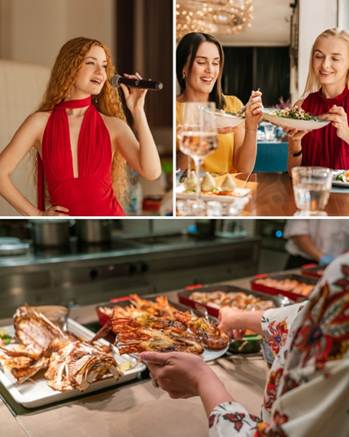
Step into the weekend with a vibrant Mediterranean-inspired brunch at Timo Restaurant, where great food meets live entertainment in a relaxed, family-friendly setting. This exclusive brunch experience showcases a curated selection of traditional Mediterranean dishes, with flavours spanning Syria, Lebanon, Greece, Italy, France, Spain, and Morocco, celebrating the region’s rich culinary and viticultural heritage.
Expertly crafted by renowned chef Chadi Saloum, the menu is designed to elevate the dining experience, positioning Timo as a destination for authentic and sophisticated Mediterranean gastronomy. Guests can indulge in a vibrant selection of high-quality Mediterranean dishes, brought to life through interactive live cooking stations featuring freshly prepared specialties and chef-led culinary experiences. A dedicated kids’ menu ensures younger guests are well catered for, complemented by wholesome, fresh produce and a wide range of engaging activities. Vegan and vegetarian options are also thoughtfully incorporated, offering something for every guest to enjoy.
From hot Mediterranean favourites to flame-grilled creations prepared using a Josper oven and BBQ stations, every element is thoughtfully curated to deliver both flavour and theatre. Paired with free-flow beverages, live music, and dedicated kids’ activities, this brunch offers the perfect setting for families and friends to unwind and connect over a lively weekend experience.
Offer Details
Date: Every Saturday | Time: 1 pm to 4 pm | Price: Soft package: AED 125 per person | Bubbles package: AED 225 per person Activities: Live entertainment and dedicated kids activities
Location: Timo Restaurant, Al Jaddaf Rotana Suite Hotel | For reservations, please call 04 596 2222 or visit the hotel website.

DUBAI GETS ITS FIRST HONESTY BASED BREAD COUNTER AS NOBLE SOURDOUGH LAUNCHES IN THE UAE
MAKI AND RAMEN IS TURNING SUSHI INTO A GAME – AND RAMEN INTO A CHALLENGE THIS APRIL
MAGNA AI AND CORVIT NETWORKS FORGE STRATEGIC ALLIANCE TO ACCELERATE PAKISTAN’S NATIONAL AI DEVELOPMENT



-
News10 years ago
SENDQUICK (TALARIAX) INTRODUCES SQOOPE – THE BREAKTHROUGH IN MOBILE MESSAGING
-

 Tech News2 years ago
Denodo Bolsters Executive Team by Hiring Christophe Culine as its Chief Revenue Officer
-
 VAR12 months ago
Microsoft Launches New Surface Copilot+ PCs for Business
-

 Trending6 months ago
OPPO A6 Pro 5G Review: Reliable Daily Driver
-

 Tech Interviews2 years ago
Navigating the Cybersecurity Landscape in Hybrid Work Environments
-

 Tech News9 months ago
Nothing Launches flagship Nothing Phone (3) and Headphone (1) in theme with the Iconic Museum of the Future in Dubai
-

 Automotive2 years ago
AGMC Launches the RIDDARA RD6 High Performance Fully Electric 4×4 Pickup
-

 VAR2 years ago
Samsung Galaxy Z Fold6 vs Google Pixel 9 Pro Fold: Clash Of The Folding Phenoms