
 Have a question? +971 56 404 0503




Financial News
Orient Finance Enhances Crypto Trading Experiences for Investors

Orient Finance, has extended its crypto services by providing investors with access to a wide variety of crypto assets that are traded through Orient Finance as CFDs. These crypto assets include Bitcoin, Ethereum, Lite Coin, Ripple, Stellar, Cardano, and much more. This development is in line with the company’s mission to improve cryptocurrency trading amid the expanding market and rise in investors. According to industry reports, the global cryptocurrency market is forecast to grow to USD 1,902.5 million by 2028.
As more businesses in the Middle East shift to digital assets for a variety of operational, transactional, and investment needs, Orient Finance aims to support this transition to enable individuals and companies to trade the high volatility of crypto prices without owning the underlying coins, thereby avoiding the hassle of securing them on a digital wallet. In line with this objective, the platform also allows investors to trade cryptocurrencies as CFDs (Contract for difference) or OTC (Over-the-Counter) derivatives.
Seraj Asad Khan, Managing Director of Orient Finance, said: “The UAE, as a financial hub, is garnering significant attention from traders with regard to various crypto assets, thereby driving innovation, diversifying its economy, and competing on global stages. The demand for effective hassle-free financial payment systems increased data security, and rising OTC crypto trading activities are some of the key factors propelling the current growth of the cryptocurrency market. This presents us with a promising opportunity to be more innovative in the services we offer to our clients. Based on this vision, we have ensured that our trading platform offers a diverse selection of crypto assets, in order to better assist traders and improve their trading experience.”
The cryptocurrency markets, which have been labeled the ‘future of currencies,’ are rapidly growing and offering investors a multitude of opportunities. Notable crypto exchanges have arrived in UAE, as a result of the country’s reforms to its tax laws, free zones, and legal framework governing various asset classes. In accordance with the dynamic vision of the country, Orient Finance is positioned to utilize all available trading tools and strategies to effectively serve its extensive customer base.







Financial
Al Masraf and Moody’s Sign Strategic Agreement to Strengthen Risk Intelligence and Credit Capabilities

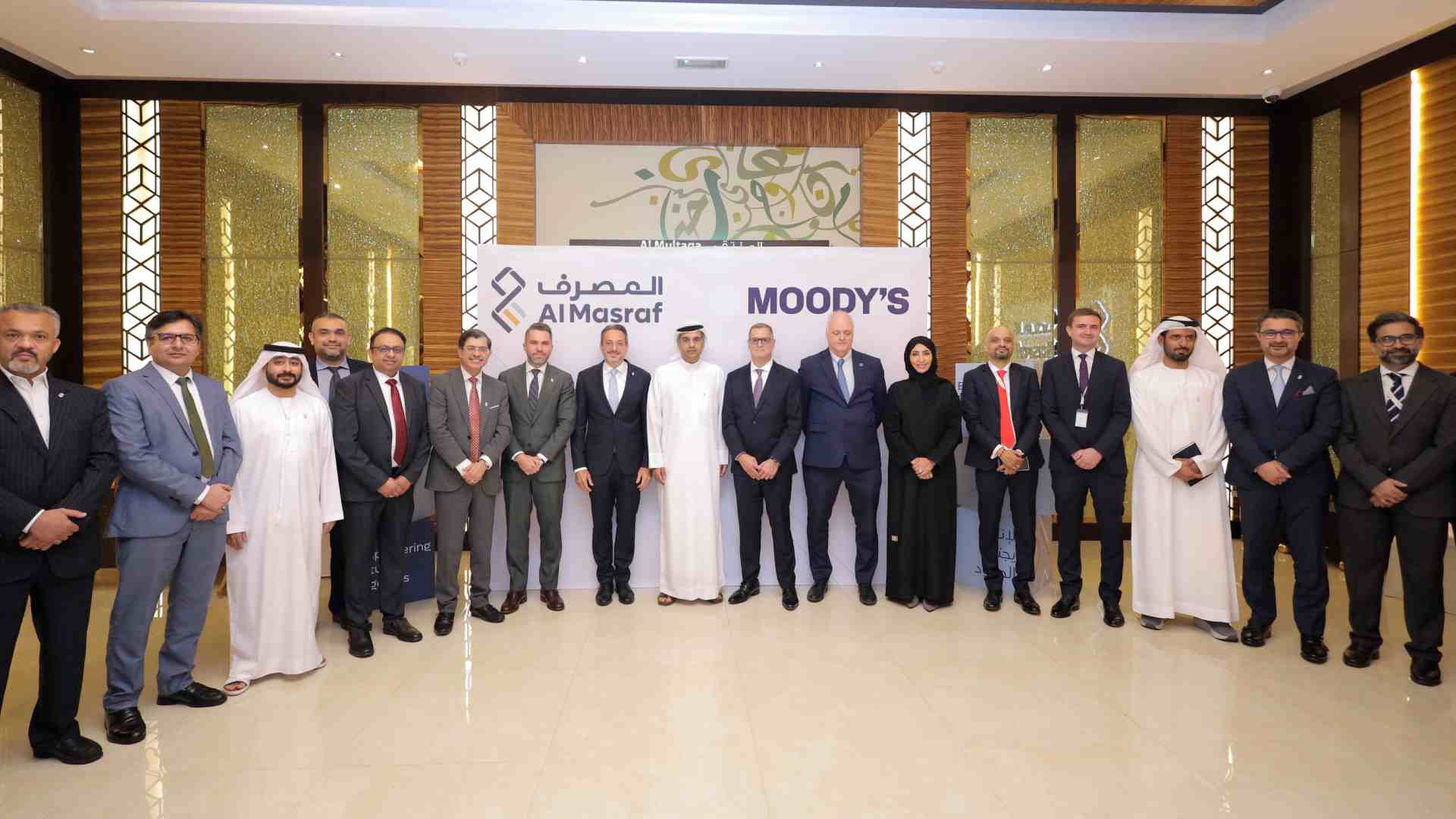
Al Masraf has signed a strategic agreement with Moody’s, a global provider of financial intelligence and risk assessment, marking an important step in strengthening the Bank’s risk management and credit capabilities through enhanced data, insights and technology.
The agreement was formalized during a signing ceremony held in Abu Dhabi, bringing together senior leadership from Al Masraf and Moody’s. The collaboration reflects both organizations’ commitment to leveraging advanced intelligence and risk expertise to support informed, data-driven decision-making in an increasingly complex financial environment.
As risks become increasingly interconnected and the financial landscape continues to evolve, access to timely, reliable and actionable intelligence is becoming essential for financial institutions. Through its combination of data, intelligence, risk expertise and technology, Moody’s helps organizations better understand interconnected risks.
The partnership will further support Al Masraf’s continued focus on strengthening its risk management framework, enhancing credit decision-making and building resilient, forward-looking capabilities that support sustainable growth.
Commenting on the occasion, Fuad Mohamed, CEO of Al Masraf, said: “At Al Masraf, we believe that sustainable growth is built on the strength of our ability to understand risk, anticipate change and make informed decisions. Our collaboration with Moody’s represents an important step in advancing our risk and credit capabilities through deeper intelligence, data and technology.”
He continued: “As the financial landscape continues to evolve, partnerships of this nature enable us to strengthen our resilience, enhance decision-making and create greater value for our customers and stakeholders. We look forward to building on this collaboration as we continue to shape a more agile, intelligent and future-ready Al Masraf.”
“We are delighted to partner with Al Masraf on an important step in modernizing its corporate lending operations. By bringing greater automation, efficiency, and insight to the credit journey, Moody’s is helping the bank build a future-ready operating model that enables faster, better-informed lending decisions, strengthens governance, and enhances risk management.” said Wael Jadallah, Managing Director, Head of Asia Pacific and Middle East at Moody’s.
Senior representatives from both organizations attended the signing ceremony.
Representing Al Masraf were Fuad Mohamed, Chief Executive Officer; Moataz Khalil, Chief Wholesale Banking Officer; Safeya Almarzooqi, Chief Credit Officer; Mirel Baila, Acting Chief Operating Officer; Rohit Kumar, Chief Risk Officer; and senior representatives from the Bank’s Wholesale Banking, Credit, Risk, Information Technology, Islamic Banking, Corporate Banking, Project Management and Business Management functions.
Representing Moody’s were Wael Jadallah, Managing Director, Head of Asia Pacific and Middle East; Brendan Gavaghan, Senior Director, Middle East; Raghavendra Katagade, Director, UAE; Blaine Connan, Director, UAE; Ali Abdullah, Director, UAE; and Anand Thirunellai Radhakrishnan, Senior Director, Middle East & Europe.
The agreement underscores Al Masraf’s commitment to continuous innovation and adopting advanced capabilities that strengthen its ability to navigate an evolving risk environment, while supporting the Bank’s broader ambition to deliver sustainable growth and enhanced value to its customers and stakeholders.
Financial
Standard Chartered becomes first Global Systemically Important Bank (G-SIB) to launch Institutional Bitcoin and Ether spot trading in the UAE
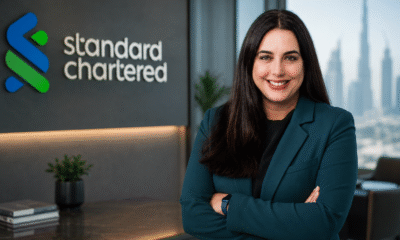
Standard Chartered today announced the expansion of its institutional Bitcoin (BTC/USD) and Ether (ETH/USD) spot trading in the UAE through ‘Standard Chartered DIFC’[1].
This makes Standard Chartered the first Global Systemically Important Bank (G-SIB) to offer the capability in the market and the only global bank currently offering institutional digital asset spot trading in the region. The move further broadens the bank’s regulated digital asset offering in the UAE by adding execution to its custody offering.
The capability enables eligible institutional clients to access deliverable Bitcoin and Ether spot trading through Standard Chartered’s electronic trading channels. It is integrated into the Bank’s existing platforms, enabling clients to access crypto-asset trading through familiar FX interfaces.
Clients may settle trades with a custodian of their choice, including Standard Chartered’s digital asset custody solution that was launched in September 2024.
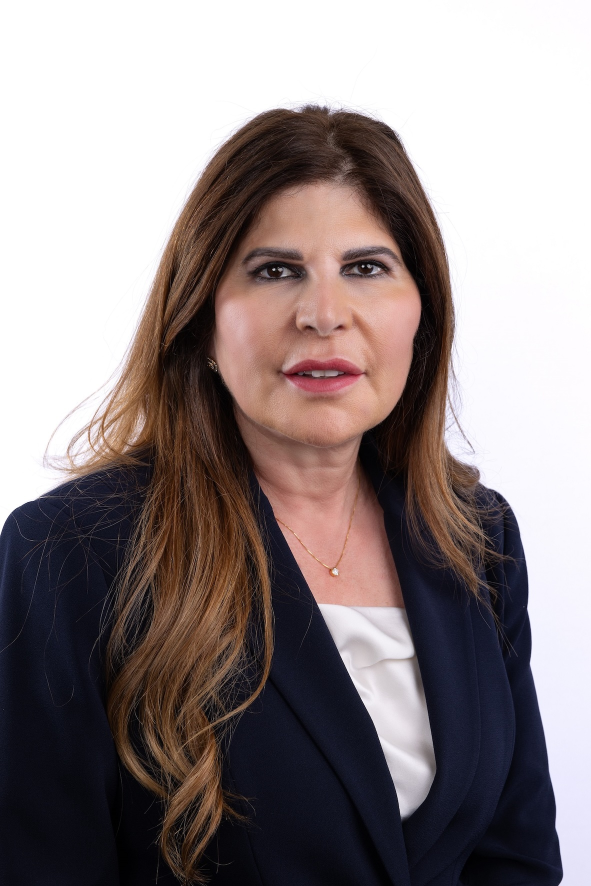
Rola Abu Manneh, Chief Executive Officer, UAE, Middle East and Pakistan at Standard Chartered, said: “The UAE has developed a clear digital assets regulatory framework that supports institutional participation and innovation. Extending our Bitcoin and Ether spot trading capability to institutional clients is a significant step in broadening our regulated digital asset proposition in the market. By combining execution with secure custody, governance and the connectivity of a global bank, we are providing clients with a more integrated way to participate in digital asset markets.”
Christopher Parsons, Senior Executive Officer, Standard Chartered DIFC, said: “DIFC provides an established platform for international financial institutions to deploy global capabilities across markets. Extending our institutional digital asset trading capability through the Centre demonstrates the strength of that model, combining Standard Chartered’s global markets expertise and network with a regulated base from which we can serve clients across the region.”
Standard Chartered first introduced institutional Bitcoin and Ether spot trading through its UK branch in July 2025, becoming the first G-SIB to offer deliverable spot crypto-asset trading to institutional clients. The UAE launch extends that established global capability into a market where the Bank has been building its institutional grade digital assets offering.
The latest UAE capability builds on Standard Chartered’s broader digital assets strategy, which spans custody, trading and tokenisation capabilities through its Corporate and Investment Bank, while its ventures ecosystem extends these capabilities through Zodia Markets and Libeara. Together, these capabilities are designed to support institutional clients’ evolving digital asset needs through regulated infrastructure and services.
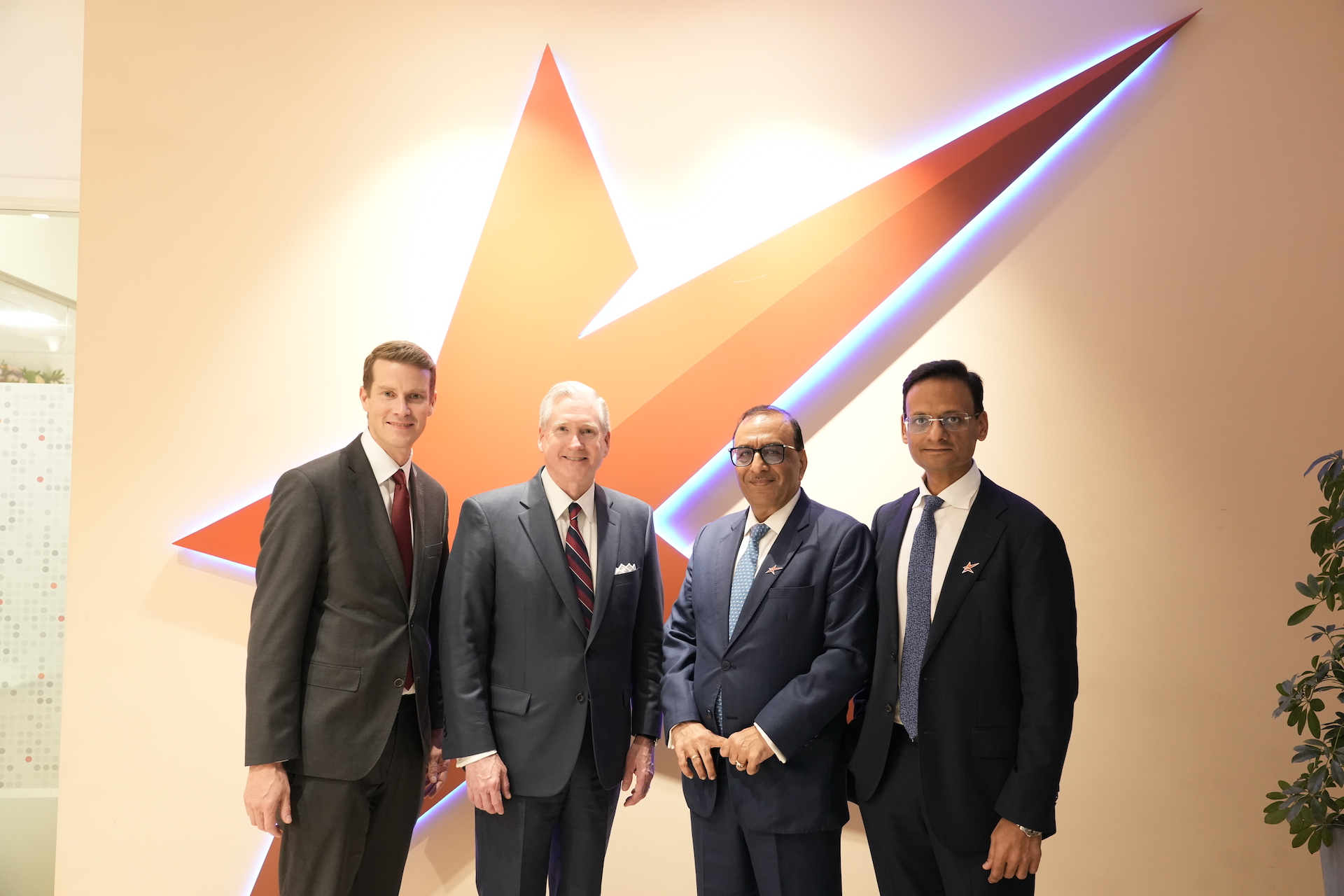
Dhruva will adopt the Ryan brand across the UAE and Saudi Arabia by the end of 2026, uniting the practice with Ryan’s global identity and international platform.
Dhruva, a leading tax consultancy firm in the Middle East, and Ryan, a leading global tax services and software provider, today announced that Dhruva will transition to the Ryan brand across the United Arab Emirates (UAE) and the Kingdom of Saudi Arabia. The rebranding will be completed by the end of 2026, bringing the practice under Ryan’s global identity and reinforcing its position as part of the world’s leading global-scale specialist in business tax.
The transition marks the next phase of the strategic joint venture announced in 2025 and reflects the continued integration of Dhruva’s regional capabilities with Ryan’s global platform, technology, and international resources. Clients across the Middle East will continue to benefit from the same trusted advisory teams, enhanced by access to Ryan’s worldwide expertise and service capabilities.
“The Middle East has been a strategic growth market for us for many years, and we have built a strong advisory practice founded on deep client relationships, technical excellence, and local market understanding,” said Dinesh Kanabar, Founder, Chairman, and CEO, Dhruva Advisors and Vice Chairman, Ryan.
“The transition to the Ryan brand marks a significant milestone in our journey and reflects the strength of our partnership. By combining our regional expertise with Ryan’s global scale, technology, and international capabilities, we are creating an even stronger platform to support clients across the region as they navigate an increasingly dynamic and evolving tax landscape.”
“The Middle East is one of the most important growth markets for tax advisory services globally, and we are investing in the region with a long-term view,” said Tom Shave, President of Ryan’s European and Asia-Pacific Operations. “Uniting under the Ryan brand strengthens how we serve clients across the UAE, Saudi Arabia, and Europe—bringing seamless access to our global expertise, technology, and international resources through one trusted platform. This transition marks an important milestone in our integration and reinforces our commitment to the region’s future.”
Ryan will continue to invest in its Middle East operations, expanding its team, capabilities, and regional presence across key markets, including Dubai, Abu Dhabi, and Riyadh. The practice provides comprehensive tax advisory services spanning corporate tax, value-added tax (VAT) and indirect tax, transfer pricing, mergers and acquisitions (M&A) tax structuring, research and development (R&D), and cross-border compliance.
“The response from our clients over the past year has been the clearest validation of this partnership,” said Nimish Goel, Leader, Middle East, Dhruva, a Ryan Affiliate. “From the outset, our teams have been integrating Ryan’s global capabilities in technology, specialized expertise, and best practices into the work we already lead in the region. Adopting the Ryan brand is the natural next step. It is the same people and the same trusted relationships, now carrying the name of the largest Firm in the world dedicated exclusively to business taxes.”
The rebranding will be implemented in phases during the second half of 2026, with signage, visual identity, and digital properties transitioning to the Ryan brand across the region.


COFFEE PLANET CELEBRATES SAUDI NATIONAL DAY WITH A TRIBUTE TO THE STORIES, MEMORIES AND PRIDE OF THE KINGDOM

CHEF SARADHI DAKARA BRINGS THE MEDITERRANEAN TO THE TABLE WITH NEW VIVA ORILLA BRUNCH

Al Bustan Centre & Residence concludes successful participation at Arabian Travel Market 2026



-
News11 years ago
SENDQUICK (TALARIAX) INTRODUCES SQOOPE – THE BREAKTHROUGH IN MOBILE MESSAGING
-

 Trending11 months ago
OPPO A6 Pro 5G Review: Reliable Daily Driver
-

 Tech News2 years ago
Denodo Bolsters Executive Team by Hiring Christophe Culine as its Chief Revenue Officer
-
 VAR1 year ago
Microsoft Launches New Surface Copilot+ PCs for Business
-

 Automotive2 years ago
AGMC Launches the RIDDARA RD6 High Performance Fully Electric 4×4 Pickup
-
Tech Interviews3 years ago
Navigating the Cybersecurity Landscape in Hybrid Work Environments
-
 Tech News2 years ago
Toshiba Announces MG10-D Series of Enterprise HDDs with Capacities up to 10TB
-

 Tech News1 year ago
Nothing Launches flagship Nothing Phone (3) and Headphone (1) in theme with the Iconic Museum of the Future in Dubai