
 Have a question? +971 56 404 0503




Tech News
The Future of Gaming in the MENA Region


By Mario Pérez, CEO MENATech (a company of GGTech Entertainment)
The MENA region is rapidly emerging as a powerhouse in the global gaming industry. Its gaming ecosystem is now the second fastest-growing worldwide, driven by an increase in the player base, investment from governments, and innovative trends like esports and game development. This region is not only shaping the future of gaming but positioning itself as a global hub for gaming innovation.
In recent years, gaming has undergone a radical transformation. Multiplayer games and increased interaction among players have made gaming a social activity rather than a solo pursuit. This evolution has democratized gaming, attracting millions of new players. Streaming platforms, virtual reality, and web3 are enhancing gaming experiences, making them more immersive and accessible. With all these innovations, the gaming industry is evolving rapidly, and MENA is at the forefront of this change.
MENA’s Gaming Market Growth
The MENA gaming industry is experiencing unprecedented growth, positioning itself as a key player in the global market, with the video games market projected to reach $2.9 billion in revenue in 2028. The region’s player base of 377 million rivals that of Europe and the US, making it one of the most dynamic regions for gaming growth.
Several factors contribute to this surge. First, the region’s young population—55% of which is under 30—is highly tech-savvy. The proliferation of mobile gaming and increased internet penetration has further accelerated growth. Countries like Saudi Arabia and the UAE are leading this charge, boasting some of the highest engagement rates in the world. In fact, nine out of ten adults in the UAE are gamers, according to Statista’s Global Consumer Survey.
The region’s rapid growth and tax-free earnings have made it attractive for global gaming companies and investors, cementing its place as a crucial player in the global gaming landscape.
Government Support and Strategic Initiatives
Governments across the MENA region are fully backing the growth of the gaming and esports sectors. Saudi Arabia’s Vision 2030, for example, has a clear focus on developing the gaming industry as part of the nation’s broader economic diversification efforts. Its National Gaming and Esports Strategy aims to create 39,000 jobs by 2030 and contribute to the kingdom’s growing digital economy.
The UAE is equally committed to this vision, with initiatives like the ‘Abu Dhabi Gaming’ program, designed to foster talent and establish year-round gaming events. Dubai, through its Dubai Program for Gaming 2033 (DPG 2033), is introducing long-term residency visas for gaming professionals to nurture a vibrant gaming community. The city also aims to generate 30,000 jobs in the gaming sector by 2033, adding $1 billion to its GDP. DMCC Gaming Centre in Dubai, which houses around 100 gaming companies, also shows how governments are creating environments that encourage innovation and collaboration.
Esports: The MENA Region as a New Hub
In 2023, the global esports audience reached 540 million, with the MENA region playing a pivotal role in its growth. Saudi Arabia has become a major player in this space, hosting the Esports World Cup this year and preparing to host the Esports Olympics in 2025. These events are not just about competition; they represent an economic shift, driving tourism, creating jobs, and embedding esports into the cultural fabric of the region.
With 60% of global esports revenue coming from sponsorships, the MENA region is well-positioned to capitalize on this booming market. Professional leagues and international tournaments are gaining traction, and global brands like Coca-Cola, Toyota and Amazon are increasingly partnering with local esports teams and organizations, providing sponsorships that fuel the industry’s growth.
Local studios and developers are creating content that reflects the region’s culture and values, with publishers releasing Arabic language versions of their games to cater to the growing market.
Streaming has revolutionized how people consume games, offering opportunities for both participation and spectating. The rise of elite leagues and professional players has further driven the esports scene, making gaming a central part of entertainment in MENA. Full-time gaming careers are now a reality, with players earning through live streaming, tournament prizes, and merchandising.
Challenges and Opportunities Ahead
A cohesive governing structure is needed to align popular games and create a unified competitive landscape, like the MENA Tech’s annual UNIVERSITY Esports competition, which hosts multi-game tournaments for college students in the region.
Monetization remains a challenge, as esports is often viewed as a marketing tool rather than a profitable industry. Increased collaboration, regulation, and innovative revenue-sharing models are key to unlocking the region’s gaming potential. Technologies like NFTs, blockchain, and the Metaverse are infusing the arena with fresh monetisation prospects.
The future of gaming will largely hinge on technological advancements, with key trends leading the way. These include the rise of sports and fitness gamification, AI-driven transformations, and the resurgence of handheld gaming devices. Emerging technologies like augmented reality and virtual reality will also play a significant role, particularly with the development of extended reality, which blends the former two to blur the line between physical and virtual worlds.
MENA’s Path to Global Influence
With strong government support, rising player engagement, and a growing esports scene, the MENA region is well on its way to becoming a global leader in the gaming industry. As the region continues to invest in technology and infrastructure, its influence on the global gaming stage will only grow. The future of gaming in MENA looks incredibly promising, and its potential to shape the industry’s future is undeniable.









Tech News
Intersec Global 2027 and EACOH partner to advance safer, healthier and more inclusive workplaces
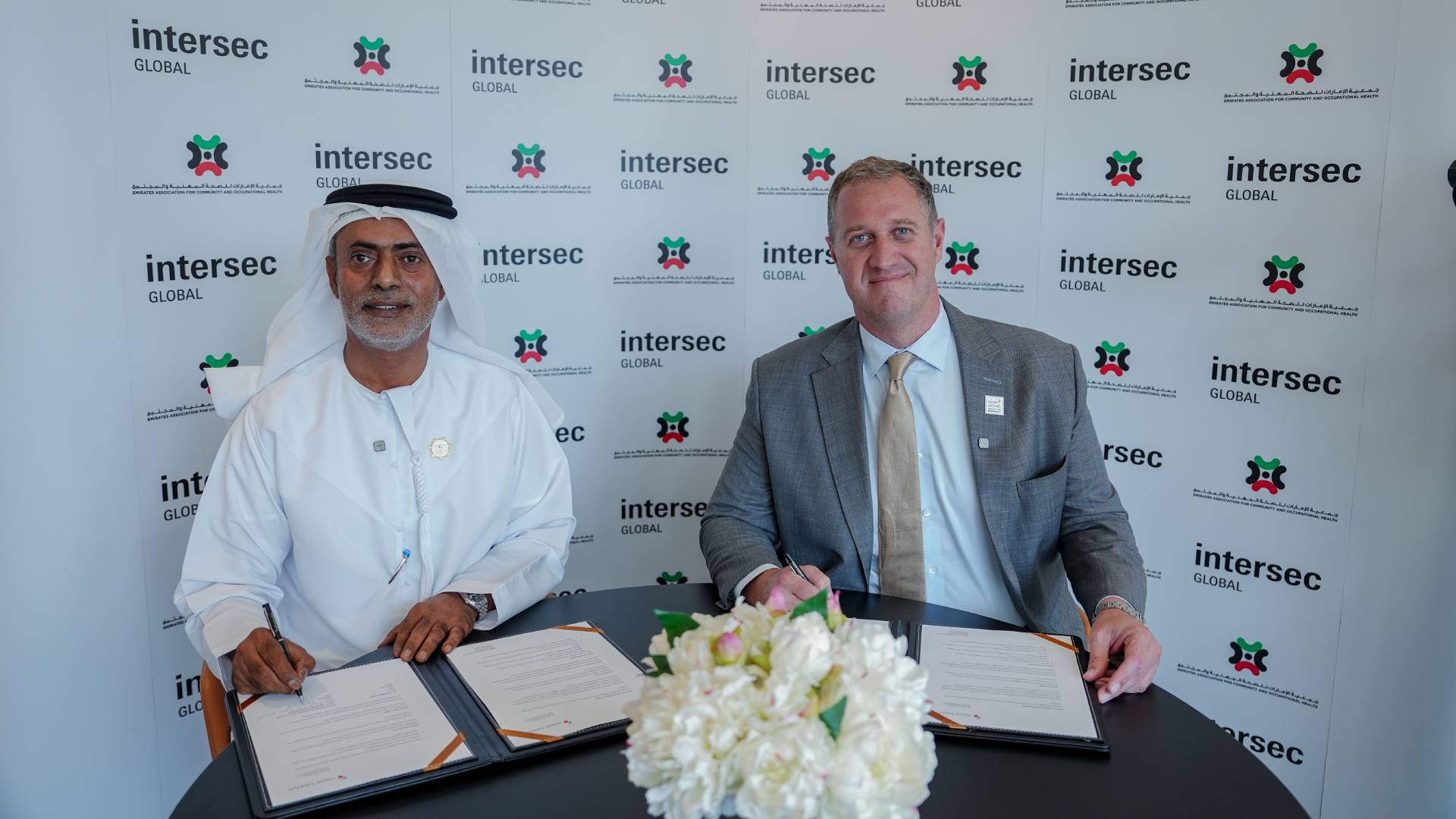
Intersec Global 2027, the leading international exhibition for safety, security and resilience, has signed a Memorandum of Understanding (MoU) with the Emirates Association for Occupational Health (EACOH) to strengthen collaboration on workplace health and safety, wellbeing, and inclusion.
The agreement was signed today in Dubai, marking the start of a strategic partnership ahead of the 2027 edition, which takes place from 12 to 14 January 2027 at Dubai World Trade Centre and will bring together government officials, regulators, industry leaders, innovators, and buyers to drive commercial growth and set industry benchmarks.
Under the agreement, EACOH will lead the new Workforce Safety, Resilience & Inclusion Hub on the final day of Intersec Global, anchoring the event’s dedicated Safety & Wellbeing domain. The partnership reflects Intersec’s broader remit beyond traditional fire and security into organisational resilience, business continuity and occupational health. In turn, the dedicated show-floor feature provides EACOH with a direct platform to connect its expertise in workforce wellbeing and preventive health with an international audience of cross-sector leaders.
The Hub’s live and interactive format will showcase innovations in workforce safety, human performance and inclusive workplace design, including rapid-fire demonstrations, a Human Performance Challenge and an interactive critical infrastructure incident scenario.
Moving beyond conventional conference content, the Hub will offer hands-on, practical engagement while bringing together adaptive technologies, smart personal protective equipment (PPE), AI-driven monitoring and solutions that empower People of Determination. “Intersec Global continues to evolve in line with the changing needs of the industries it serves,” said Nathan Waugh, Portfolio Director, Security, Technology, Production at Messe Frankfurt Middle East, the organiser of Intersec Global 2027. “Safety, security and resilience are no longer separate conversations. They are intrinsically linked. Our partnership with EACOH and the launch of the Workforce Safety, Resilience & Inclusion Hub reflect our commitment to creating innovative, highly interactive experiences that connect stakeholders, showcase emerging solutions and help shape more resilient organisations and communities worldwide.”
Professor Dr Nahyan Helal MD, MSc, PhD, President of EACOH, added: “Workforce health, safety and wellbeing are fundamental to economic resilience and sustainable development. Across the UAE and the wider region, organisations are placing greater emphasis on preventive health, occupational safety and inclusive workplace practices. Through this partnership with Intersec Global, we have a valuable opportunity to share expertise, highlight regional priorities and engage an international audience in advancing safer, healthier and more resilient workplaces for the future.”
Tech News
From 350+ Applications to One Champion: School of Cyber Defense Final Stage at GISEC GLOBAL 2026
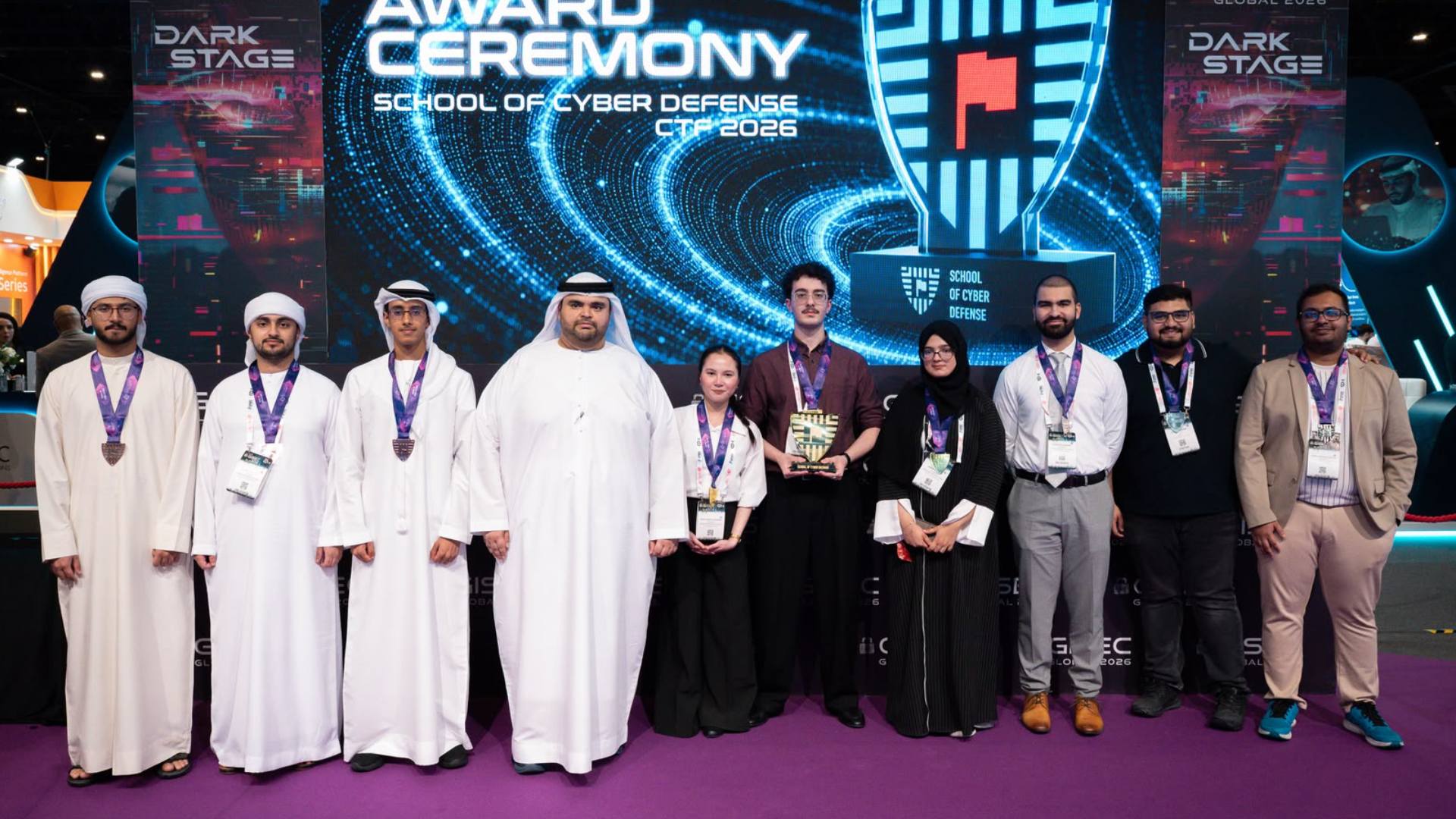
The second edition of the School of Cyber Defense competition reached its final at GISEC GLOBAL 2026, bringing the strongest student cybersecurity teams in the UAE to Dubai Exhibition Centre, Expo City. Building on its 2025 debut, the competition came back larger in scale and tougher in format: this year, participants had to do more than defend systems. They had to design working solutions to real industry challenges.
The competition was hosted by the Dubai Electronic Security Center (DESC) and organized by Techfirm. It drew more than 350 applications from students at more than 30 universities across the country. The road to the final ran through three stages:
Qualification. More than 300 participants from over 90 teams completed an automated, scenario-based qualification round. Over 90% of active teams scored above the 70% threshold needed to advance.
Case challenge. More than 70 teams submitted solutions to one of 15 official challenge briefs. An expert jury assessed each submission on fit to the brief, relevance, a working prototype, technical depth and innovation.
Live final. Only the seven highest-scoring teams reached the GISEC stage, fewer than one in ten of the teams that submitted a case. Finalists presented and defended their solutions live in front of the jury. The finalists represented BITS Pilani Dubai, American University of Sharjah, Al Ain University, Middlesex University Dubai, University of Wollongong in Dubai, University of Dubai and Abu Dhabi Polytechnic.
Winners of the School of Cyber Defense 2026:
- 1st Place: Unlisted (Middlesex University Dubai)
- 2nd Place: AUSec (American University of Sharjah)
- 3rd Place: ADPoly CyberGuard (Abu Dhabi Polytechnic)
The competition featured a prize pool worth AED 55,000, shared among the winning teams.
The competition was made possible by partners committed to developing young talent and strengthening the region’s cybersecurity workforce. The Competition Industry Partners include AMD, Dahua Technology, Kaspersky, KERNO and M1 Global Infrastructure. The Competition Gold Partners are Anker Innovations, Circularo, HPE, Huawei, KnowBe4, RAS Infotech and Spire Solutions. Secureway is the Competition Silver Partner.
Now in its second year, the School of Cyber Defense has become a recurring platform where the UAE’s future cybersecurity professionals test their skills against the demands of the real industry.
Tech News
Nemetschek Arabia Showcases Connected Technologies for Smarter Facilities Management at SFMA EXPO 2026
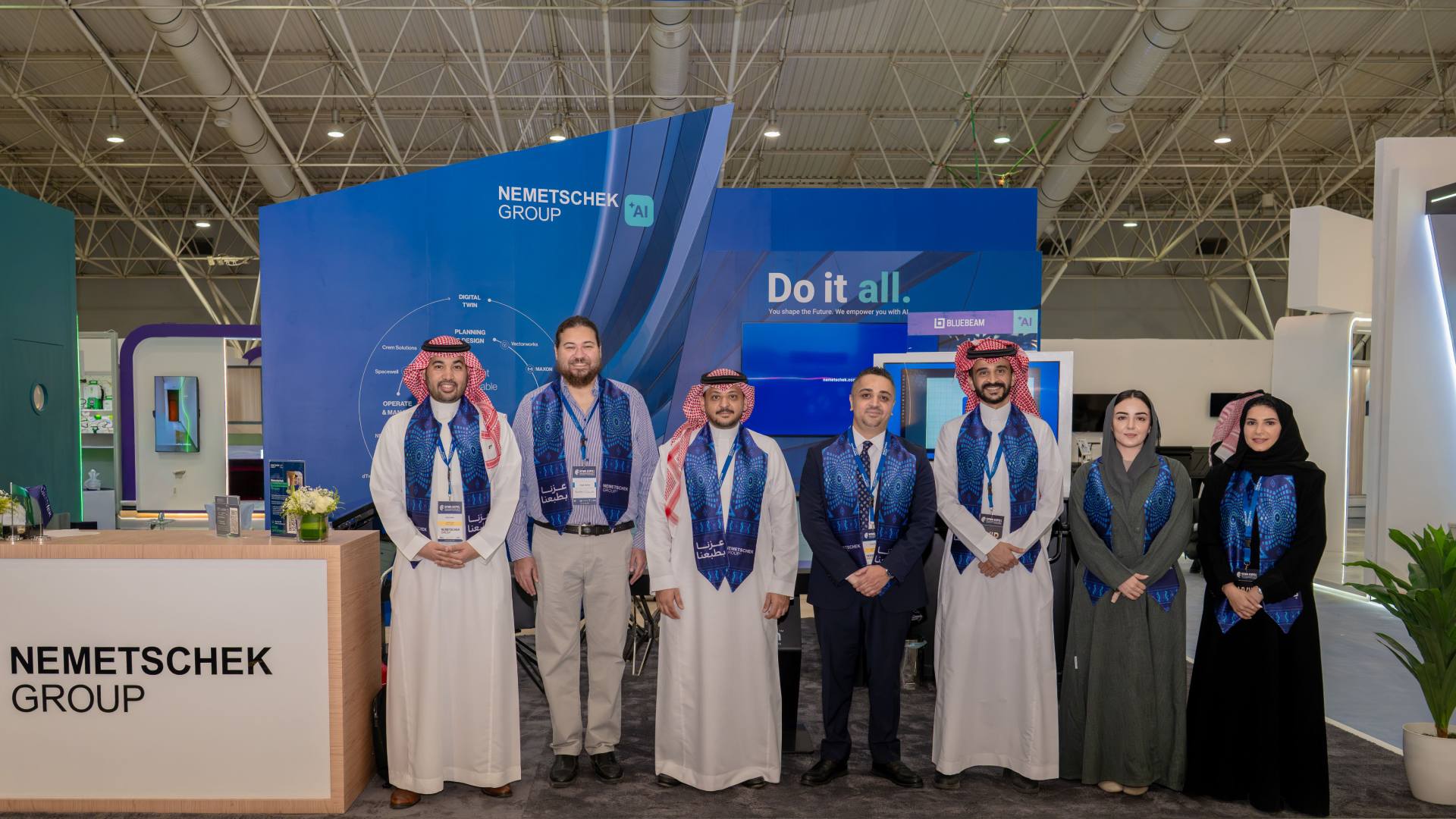
Nemetschek Arabia, part of the Nemetschek Group, one of the world’s leading software providers for the Architecture, Engineering, Construction and Operations (AEC/O) industry, is showcasing its vision for the future of facilities management at SFMA EXPO 2026, which is taking place at the Riyadh International Convention & Exhibition Center (RICEC).
Participating as a Golden Sponsor, Nemetschek Arabia is demonstrating how connected digital technologies can help organizations improve operational efficiency, enhance asset performance, and support more sustainable outcomes across the entire facility lifecycle. Visitors to Booth G02 at the event will have the opportunity to explore solutions from Bluebeam, Spacewell, GoCanvas, and Nemetschek dTwin, each designed to help facility owners and operators connect people, processes and data through integrated digital workflows.
“Facilities management is becoming increasingly strategic as organizations seek new ways to maximize asset performance, improve sustainability, and deliver better experiences for occupants and stakeholders,” said Eng. Muayad Simbawa, Managing Director of Nemetschek Arabia. “The future of the sector will be defined by connected ecosystems where people, data and technologies work together seamlessly. Through our participation at SFMA EXPO 2026, we are demonstrating how digital twins, smart workplace solutions, connected workflows and real-time operational intelligence can help organizations unlock greater value from their facilities while supporting the Kingdom’s Vision 2030 ambitions.”
Empowering organizations to build smarter facilities
At the exhibition, visitors can experience how Bluebeam enables seamless collaboration across project and operations teams, helping stakeholders work more efficiently with accurate and accessible information. Meanwhile, Spacewell empowers smarter workplace and facility management through data-driven insights and intelligent operations, while GoCanvas streamlines field processes through digital forms and real-time data capture. And Nemetschek dTwin showcases the power of digital twins in transforming facility operations through real-time asset visibility, predictive maintenance and performance optimization.
As part of its participation, Nemetschek Arabia experts will also contribute to the event’s thought leadership program. Muayad Simbawa will participate in a panel discussion titled “Enhancing Organizational Performance: Hybrid Work Models, Data Analytics, and Advanced Management Technologies,” exploring how organizations can leverage emerging technologies and data-driven insights to adapt to a rapidly evolving business landscape. In addition, Ahmad Hisham Khairat, Regional Presales Engineer, and Ahmad Al Zaben, Technical Consultant, will share their perspectives on the role of BIM, digital twins and integrated digital ecosystems in transforming facility operations and management.
Further reinforcing its commitment to advancing the facilities management sector, Nemetschek Arabia is building on its strategic collaboration with the Saudi Facility Management Association (SFMA) announced earlier this year. The partnership focuses on accelerating digital transformation, knowledge exchange, workforce development and the adoption of innovative technologies that support smarter and more sustainable facilities across the Kingdom.
SFMA EXPO 2026 brings together facility management leaders, technology providers and industry experts from across the region to explore the trends, innovations and strategies shaping the future of the sector. Visitors can learn more about Nemetschek Arabia’s solutions at Booth G02 throughout the event.


Europe’s Data Centres Are Evolving From Power Consumers to Energy Partners

Fimple adds five GCC financial institutions in first year, targets doubling regional customer base

New Initiative ‘Longevity Starts From Childhood’ Connects the Early Years With Lifelong Wellbeing



-
News11 years ago
SENDQUICK (TALARIAX) INTRODUCES SQOOPE – THE BREAKTHROUGH IN MOBILE MESSAGING
-

 Trending11 months ago
OPPO A6 Pro 5G Review: Reliable Daily Driver
-

 Tech News2 years ago
Denodo Bolsters Executive Team by Hiring Christophe Culine as its Chief Revenue Officer
-
 VAR1 year ago
Microsoft Launches New Surface Copilot+ PCs for Business
-

 Automotive2 years ago
AGMC Launches the RIDDARA RD6 High Performance Fully Electric 4×4 Pickup
-
Tech Interviews3 years ago
Navigating the Cybersecurity Landscape in Hybrid Work Environments
-
 Tech News2 years ago
Toshiba Announces MG10-D Series of Enterprise HDDs with Capacities up to 10TB
-

 Tech News1 year ago
Nothing Launches flagship Nothing Phone (3) and Headphone (1) in theme with the Iconic Museum of the Future in Dubai