
 Have a question? +971 56 404 0503




Tech News
How to Protect Your Enterprise VPN from DDoS Attacks


By Emad Fahmy, Director of Systems Engineering at NETSCOUT
In the Middle East, where digital transformation is accelerating and enterprises are increasingly reliant on remote work, safeguarding your enterprise VPN from Distributed Denial-of-Service (DDoS) attacks is more crucial than ever. As businesses expand their digital footprint, the threat landscape is evolving, and VPNs are often a prime target for malicious actors seeking to disrupt operations.
Unlike consumer VPNs, which primarily focus on privacy and masking IP addresses, enterprise VPNs are designed to facilitate secure, authenticated access to critical corporate resources. This secure, encrypted tunnel is essential for protecting sensitive information exchanged between remote employees and the enterprise network. Without it, productivity and operational efficiency could be severely impacted.
Recent statistics highlight the urgency of the threat. The second half of 2023 alone saw over 7 million DDoS attacks targeting major enterprises and service providers globally. The Middle East is not immune to this trend, with businesses here facing increasing cyber threats that could disrupt their operations and impact their bottom line.
Identifying Vulnerabilities in Your Enterprise VPN
Enterprise VPNs can be susceptible to various vulnerabilities. Weak or reused credentials are a significant risk, as they can be exploited by attackers to gain unauthorized access. Additionally, the VPN’s configuration plays a critical role in its security posture. For example, over-permissioning, or granting the VPN excessive access to the network, can result in extensive damage if a breach occurs.
Conducting a thorough security audit is vital for uncovering these vulnerabilities. By assessing current VPN security, businesses can implement additional safeguards to bolster their defenses. Addressing potential weaknesses in VPN setups and ensuring that the correct protection is in place against both volumetric and state-exhaustion DDoS attacks can help maintain the network integrity and availability.
Proactive Measures to Secure VPNs Against DDoS Attacks
To shield VPNs from DDoS attacks, a multi-layered approach is essential. While robust firewalls are a fundamental component of network security, they alone are often insufficient against sophisticated DDoS threats. A dedicated DDoS protection solution is crucial, offering stateless defences that can prevent state-exhaustion attacks from overwhelming your network.
In addition to firewalls, implementing intrusion detection systems (IDS) and intrusion prevention systems (IPS) can help identify and thwart potential threats. However, these systems can be easily overwhelmed by DDoS attacks, which can disrupt VPN availability and, consequently, business productivity.
For comprehensive protection, businesses should consider investing in a tailored DDoS mitigation solution. This should include both on-premises and cloud-based defenses, providing the ability to detect, mitigate, and neutralize DDoS attacks of varying scales. Such solutions can ensure maximum uptime, safeguard business operations, and minimize revenue losses associated with productivity disruptions.
As the digital landscape evolves, businesses in the Middle East must stay vigilant and proactive in safeguarding their enterprise VPNs. By adopting the right strategies and technologies, they can strengthen their resilience against DDoS attacks, ensuring their networks remain secure and operational.












Tech News
PHRMAG AND THE AUTHORITY OF SOCIAL CONTRIBUTION – MA’AN PARTNER TO ENHANCE ONCOLOGY AND RARE DISEASE CARE IN ABU DHABI

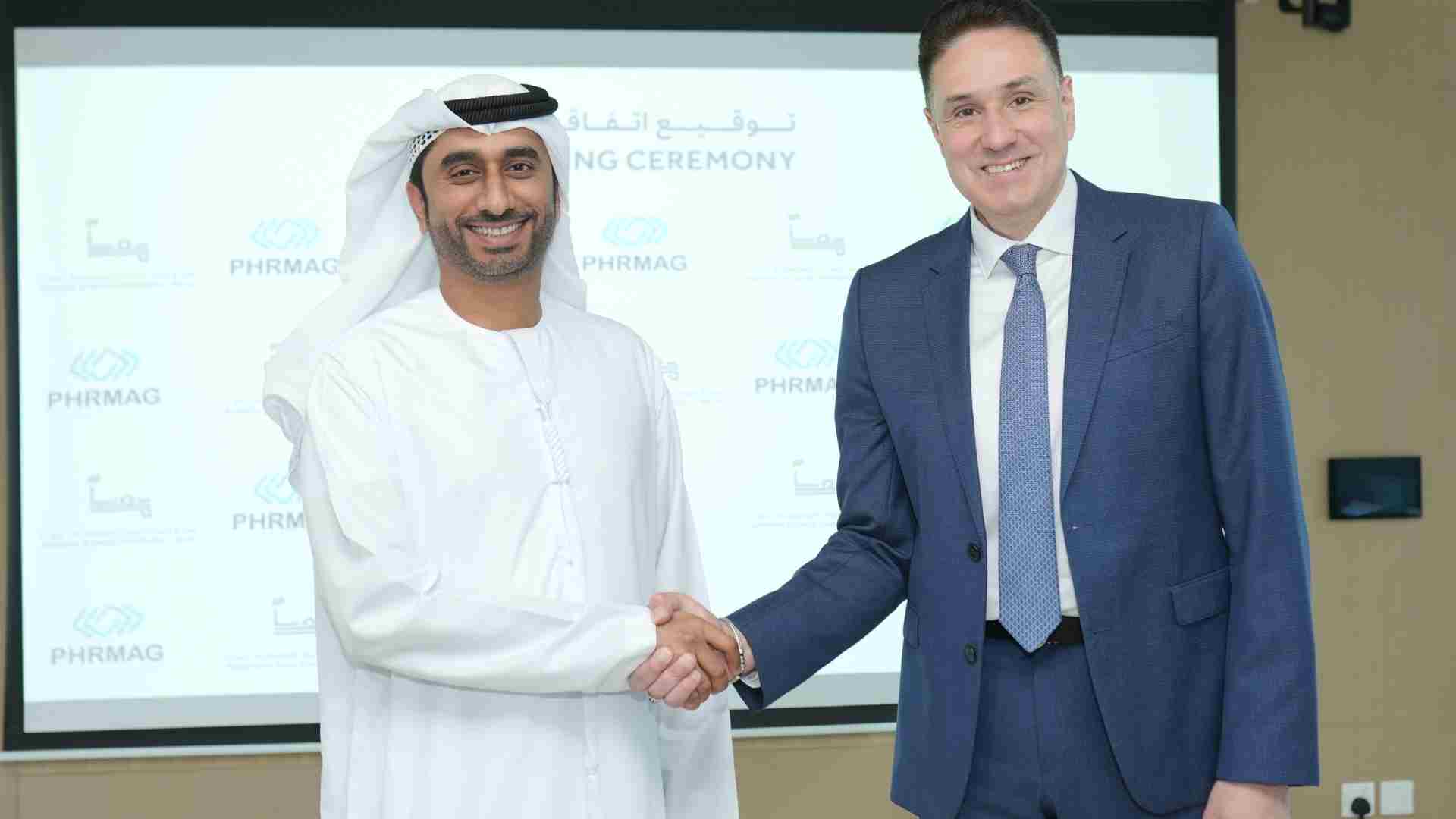
The Pharmaceutical Research and Manufacturers Association in Gulf (PHRMAG), the region’s leading innovative biopharmaceutical research companies, and the Authority of Social Contribution – Ma’an, the Abu Dhabi Government’s official channel to receive social contributions, has announced a strategic collaboration aimed at enabling access for oncology and rare disease patients most in need to innovative solutions and modern treatments, within an integrated framework aligned with the national health insurance system.
The collaboration brings together public and private sector to address a pressing issue, with a shared commitment to providing long-term impact, and continued care delivery for targeted patients. It further strengthens family stability resilience when facing health challenges, while contributing to broader social cohesion and supporting the objectives of the Year of the Family.
H.E. Abdullah Al Ameri, Director General of the Authority of Social Contribution – Ma’an, said:
“Our collaboration with PHRMAG represents a strategic step towards establishing a long-term and integrated healthcare system for oncology and rare disease patients in Abu Dhabi, reflecting our commitment to supporting key social priorities that matter to community members, particularly in the healthcare sector.
“At the Authority of Social Contribution – Ma’an, we are committed to directing social contributions and efforts towards creating tangible impact in the lives of the community members, including patients with complex medical conditions. This collaboration reflects a model of integrated roles between the public and private sectors, by leveraging the expertise of companies within ‘PHRMAG’ and unifying their efforts through the Authority’s platform, which ultimately contributes to enhancing access to specialised healthcare services, improving quality of life, and reinforcing the values of shared responsibility and social solidarity.”
The Authority will oversee allocation of contributions in line with agreed project milestones. A dedicated committee will also be established to monitor the initiative’s progress through monthly meetings aimed at assessing developments, providing the necessary strategic guidance, and reviewing progress achieved, ensuring effective collaboration and continuous knowledge exchange between both parties throughout the duration of the project.
H.E. Mohammed Abdullah Al Awadi, Executive Director of the Health System Financing Regulation Sector at the Department of Health – Abu Dhabi, said: “We are thrilled to witness the collaboration between the Authority of Social Contribution – Ma’an and PHRMAG, which will contribute to supporting our mission of ensuring accessible, world-class healthcare for community members, accelerating innovation and research within the healthcare sector, and advancing the early detection and treatment of rare diseases. This collaboration contributes to building a healthier society with longer, better wellbeing for individuals, while further strengthening Abu Dhabi’s position as a leading destination for innovation in life sciences.”
Sameh El Fangary, Chairman of PHRMAG, added: “As an industry association representing innovative pharmaceutical companies, we are committed to partnering with Abu Dhabi’s health and social authorities to ensure continuity of patients having access to treatment and care when needed. This collaboration with the Authority of Social Contribution – Ma’an reflects our shared ambition to co-create sustainable solutions that improve access to high-quality medical care for those who need it the most from oncology and rare disease patients.”
The partnership reflects Abu Dhabi’s ongoing commitment to strengthening collaboration between the public and private sectors, as an effective approach to addressing complex healthcare challenges.
-END-
About the Authority of Social Contribution – Ma’an
Established in 2019 by the Department of Community Development Abu Dhabi (DCD), The Authority of Social Contribution – Ma’an is the Abu Dhabi government’s official channel to receive social contributions, dedicated to uniting community efforts and fostering a culture of giving by collecting contributions, directing them towards social priorities, empowering social enterprises, and promoting volunteering to build a cohesive community.
The Authority supports projects that address social priorities in health, education, environment, infrastructure, and social services, aiming to nurture a collaborative and active community by connecting individuals and entities in the public, private, and civil society spheres to support their communities.
Contributions made to the Authority of Social Contribution – Ma’an are transparently deployed in full to social projects led by key partners meaning benefactors can maximise the impact their funds have in driving community engagement and providing access to essential resources, programmes, and funding for organisations across Abu Dhabi to achieve their Corporate Social Responsibility and sustainable development goals.
Tech News
UNGOVERNED AI AGENTS AND SOPHISTICATED DEEPFAKES POSE CRITICAL THREATS FOR THE UAE & SAUDI ARABIA ORGANISATIONS, NEW KNOWBE4 RESEARCH WARNS
KnowBe4, the global leader in digital workforce security, securing both AI agents and humans, today announced the launch of its new research report, “From Agentic Risk to Human Wins: Building a Culture of Security in the Era of Agentic AI.” The findings expose a dangerous reality for modern organisations in the United Arab Emirates and Saudi Arabia: autonomous AI tools are expanding the corporate attack surface faster than security teams can implement guardrails.

With agentic AI now widely embedded in day-to-day work, 84% of cybersecurity leaders in the UAE & Saudi Arabia report that AI agents are already taking actions within organisational workflows. However, a lack of governance is leaving organisations exposed; the report shows that around 1 in every 4 organisations (24%) report their use of AI is unapproved or ungoverned. This unmanaged “Shadow AI” effectively operates as an invisible layer of shadow employees handling sensitive organisational data without oversight.
Key Findings from the Report:
- 88% of employees in the UAE & Saudi Arabia say that deepfake voice and video content is now so realistic it is impossible to know what to trust and 52% openly admit they could be tricked by a deepfake scam at work.
- More than half (54%) of cybersecurity leaders in the UAE & Saudi Arabia report that mistakes during everyday work have had the greatest impact on their organisation’s cybersecurity in the past 12 months. Compounding this, 44% of employees acknowledge that time pressures and workplace distractions actively drive them to make critical security mistakes, even when they know the safe protocol.
- 36% of cybersecurity leaders in the UAE & Saudi Arabia identify AI-enabled attacks as a key driver of future human-related cybersecurity risks.
- 41% of employees reported that they commonly source their own agentic AI tools where options are unavailable or restrictive, leaving organisations vulnerable to cyberattacks. Concurrently, 52% of cybersecurity leaders report that the use of unsanctioned software and AI apps has actively impacted their security posture over the past 12 months.
- Although 76% of security leaders feel “very well prepared” to handle unexpected or emerging AI-driven threats over the next year, 84% of them confirmed that improvements are still needed to ensure AI tools and agents operate within organization’s security policies and approved risk limits.
The report shows that organisations making progress are those who prioritise cybersecurity as a culture over a mere function, seamlessly incorporating secure behaviours into daily work. These organisations are creating environments where employees feel safe reporting mistakes, with 82% of employees agreeing.
“Cybersecurity has entered a volatile phase where organisations are trying to secure a hybrid human and AI workforce that’s changing more quickly than security leaders can keep up,” said Dr. Martin Kraemer, CISO Advisor at KnowBe4. “Attackers are moving at machine speed, using attacks such as deepfakes to target employees and prompt injections to hijack AI agents. Leaving almost a quarter of your corporate AI usage ungoverned is a massive open invitation to threat actors.”
The “From Agentic Risk to Human Wins: Building a Culture of Security in the Era of Agentic AI” report concludes that achieving “Wins” requires organisations to design systems that guide behaviour, build supportive cultures, and shift from tracking failures to reinforcing positive actions, and extending a security-first mindset across both AI agents and humans.
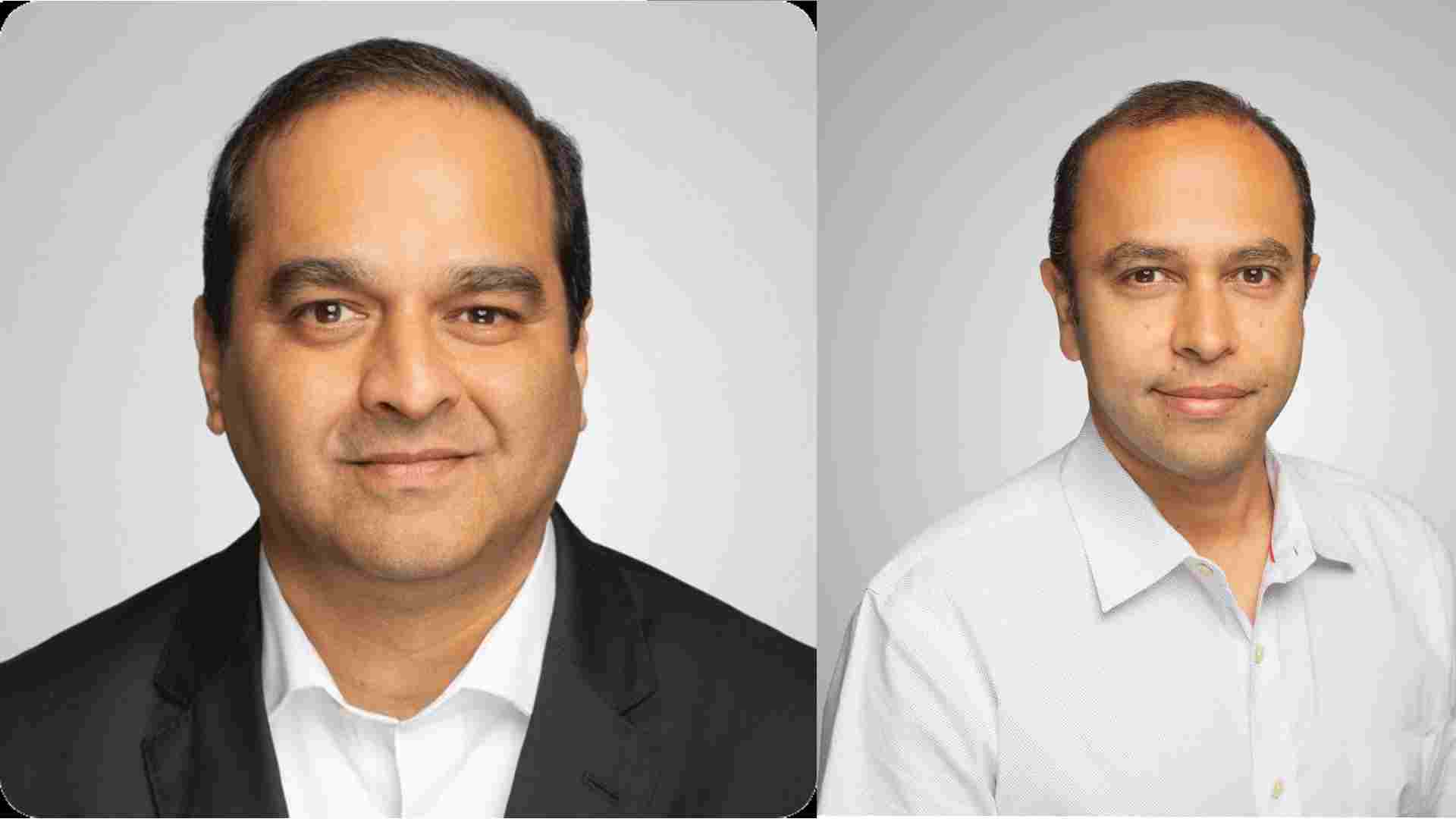
Cequence Security, the leader in application, API, and agentic AI protection, today announced general availability of Cequence Platform 9.0, an AI-native release that fundamentally changes how users interact with API security tools. Platform 9.0 ships with a built-in AI Assistant, an open Model Context Protocol (MCP) server that exposes every platform capability to an organization’s agents or automation workflows, a compliance-ready risk rules library mapped to 25 global regulatory frameworks, and a re-architected API security engine built to handle the largest enterprise API estates without performance degradation.
Agentic AI is transforming how enterprises interact with their customers, and internal IT teams are adopting AI agents faster than their security tools can keep up. Unlike vendors that add a simple chatbot to their existing product, Cequence took the opposite approach; the entire platform is AI-native and open, enabling customers to use Cequence’s built-in model or one of their choosing. With Platform 9.0, any practitioner can open a conversation and start asking the questions they actually care about, without knowing the interface, navigating menus, or understanding how the product works. The platform finds the answers. Teams with sophisticated AI workflows can use their own agents to directly drive these same capabilities through the open MCP architecture, without the need for custom integration.
Ameya Talwalkar, CEO and Co-Founder at Cequence, said: “Most vendors looked at the agentic era and added a chatbot. We looked at it and rebuilt the architecture. Cequence Platform 9.0 exposes the entire Cequence platform through an open MCP architecture so any agent can operate it directly, whether through our built-in AI Assistant, or a customer’s own agent. That is what AI-native actually means: the UI becomes optional. We are building for the way the agentic enterprise already works, while making sure a human approves every change along the way.”
AI-Native Platform with a Built-In AI Assistant
Cequence Platform 9.0 ships with a built-in AI Assistant that answers plain-language questions such as “What is my biggest risk right now?” with ranked, evidence-backed findings drawn from live platform data. Unlike most security chatbots that only deliver value in the hands of experienced practitioners, the Cequence AI Assistant arrives with skills built on years of application, API, and data protection work in high-traffic enterprise environments, able to guide practitioners of all skill levels from day one.
Agent capabilities in Platform 9.0 include:
- Drive valuable actions from simple conversations: use plain-English to easily and quickly drive results. Have the AI Assistant classify APIs, identify risks, draft rules, and create reports, all without navigating the UI.
- Open MCP server: any MCP-capable agent, SOAR platform, or automation workflow can interact with, configure, and pull insights from the platform through an open API contract, with no custom integration, incorporating API security into broader agentic workflows
- Human in the loop: read actions run freely; every proposed write shows the exact change and requires explicit human approval before anything happens
- Full transparency: every answer exposes the AI Assistant’s reasoning and the underlying tool calls; when it lacks a tool for a task, it says so rather than guessing
Shreyans Mehta, CTO and Co-Founder at Cequence, said: “Most security chatbots are only as useful as the person asking the questions, which means they fall flat in the hands of anyone who is not already an expert. We built the Platform 9.0 agent differently. It runs a full agentic loop, planning which tools answer the question, calling them, and synthesizing ranked, evidence-backed recommendations while showing you exactly how it got there. When it does not have the tool to do something, it tells you instead of guessing. That governance-first design is not an afterthought. It is the same conviction behind the Cequence AI Gateway, and it is what makes this safe to put in front of any practitioner from the start.”
Compliance-Ready Risk Rules and Compliance Packages
Compliance is the most common forcing function for an API security purchase, and the most common place programs stall. Platform 9.0 ships the rules, frameworks, and reports to make customers audit-ready immediately, with no professional services and no custom rule development required.
Compliance capabilities in Platform 9.0 include:
- 250+ pre-built risk rules: Mapped to 25 global compliance frameworks including OWASP API Security Top 10 (all versions), PCI DSS, GDPR, HIPAA, SOC 2, ISO 27001, NIST CSF, DORA, NIS2, LGPD, SAMA, MAS TRM, and additional regional frameworks across the Americas, EMEA, and APAC
- One-click audit-ready reports: each report builds from live data, maps findings to the framework’s specific controls, scores risk by control area, and provides remediation guidance for every gap; reports can be company or partner branded
- Observe mode: see how proposed rules perform for testing purposes without raising formal issues, allowing teams can add frameworks without a flood of unreviewed findings
- Test panel: validates any rule against sample request and response data before activation
Re-Architected API Security Engine Built for Enterprise Scale
Agentic AI is accelerating API endpoint growth faster than any prior technology wave. Platform 9.0 includes a complete rebuild of the engine that discovers, catalogs, and scores risk across an organization’s API estate, delivering higher performance at a smaller CPU footprint.
API security engine improvements in Platform 9.0 include:
- 50x increase in API endpoints supported: with sub-five-second page load times across every view regardless of endpoint count
- Reduced compute costs: dramatic CPU footprint improvements translate directly into lower infrastructure costs, especially for on-premises deployments


PHRMAG AND THE AUTHORITY OF SOCIAL CONTRIBUTION – MA’AN PARTNER TO ENHANCE ONCOLOGY AND RARE DISEASE CARE IN ABU DHABI

GODIVA CELEBRATES 100 YEARS OF CHOCOLATE ARTISTRY WITH A NEW ERA

Radisson Hotel Group expands French Riviera footprint with Cannes Seaside opening


-
News11 years ago
SENDQUICK (TALARIAX) INTRODUCES SQOOPE – THE BREAKTHROUGH IN MOBILE MESSAGING
-

 Trending9 months ago
OPPO A6 Pro 5G Review: Reliable Daily Driver
-

 Tech News2 years ago
Denodo Bolsters Executive Team by Hiring Christophe Culine as its Chief Revenue Officer
-
 VAR1 year ago
Microsoft Launches New Surface Copilot+ PCs for Business
-

 Automotive2 years ago
AGMC Launches the RIDDARA RD6 High Performance Fully Electric 4×4 Pickup
-
Tech Interviews2 years ago
Navigating the Cybersecurity Landscape in Hybrid Work Environments
-

 Tech News12 months ago
Nothing Launches flagship Nothing Phone (3) and Headphone (1) in theme with the Iconic Museum of the Future in Dubai
-

 VAR2 years ago
Samsung Galaxy Z Fold6 vs Google Pixel 9 Pro Fold: Clash Of The Folding Phenoms