
 Have a question? +971 56 404 0503




Financial
The Evolution of Hospitality Finance


From Bookkeeping to Strategic Leadership; Exploring how the role of the CFO in hospitality has shifted from traditional financial management to becoming a strategic partner in brand growth, sustainability, and innovation.
By Hiral Patel, CFO & Operations Director, Chalet Berezka
The Evolution of Hospitality Finance: From Bookkeeping to Strategic Leadership
Over the past few decades, the hospitality industry has experienced significant transformation, fundamentally altering how businesses operate and respond to shifting market dynamics. Central to this evolution is the role of the Chief Financial Officer (CFO), which has transitioned from that of a traditional financial steward focused on bookkeeping and regulatory compliance to a strategic partner instrumental in driving brand growth, sustainability, and innovation. This evolution is characterized by the increasing integration of technology, particularly artificial intelligence (AI) and data-driven methodologies, which have not only reshaped financial management but also the broader landscape of hospitality.
The Traditional CFO: Focused but Reactive
Historically, CFOs primarily functioned as custodians of financial records, ensuring meticulous documentation and the preparation of comprehensive financial statements for stakeholders—practices that afforded limited insights into forthcoming operational strategies. Their predominant attention was directed toward the analysis of historical financial data, with an overarching goal of cost control and the preservation of profitability. These responsibilities, though essential, often restricted their capacity to engage proactively with dynamic business environments.
Furthermore, significant portions of their time were consumed by the necessity to ensure compliance with stringent financial regulations and reporting standards, diverting focus from strategic initiatives. Consequently, while traditional CFOs played a key role in safeguarding financial integrity, their influence was predominantly characterized by a reactive stance, with limited involvement in shaping forward-looking strategies that could drive long-term growth and innovation.
The Shifting Landscape of Hospitality
As the hospitality industry confronted intensified competition, rapid technological advancements, and changing consumer preferences, the need for a more integrated and proactive financial strategy became increasingly apparent. This evolution brought forth various challenges and opportunities that required a fundamental reassessment of the CFO’s role.
The emergence of alternative lodging options like Airbnb and the rise of boutique hotels demonstrated that reliance on traditional financial metrics was insufficient for strategic decision-making. Modern travelers now value personalized experiences and sustainability, prompting hospitality brands to pivot quickly to remain relevant and appeal to a more conscientious clientele. Moreover, the growing availability of AI tools, machine learning, and advanced data analytics has introduced powerful new frameworks capable of transforming how decisions are made across an organization.
With guests and stakeholders alike demanding greater transparency and accountability, especially around sustainability and social responsibility, hospitality companies are being compelled to revise their business practices not only from a financial perspective but also from an environmental and ethical one.
The Emergence of the Strategic CFO
In response to this evolving landscape, the role of the CFO has undergone a profound transformation. Today’s CFO is no longer simply a monitor of financial health—they are a critical player in shaping corporate strategy and long-term vision. Leveraging financial insights and market data, CFOs influence decision-making across brand development, investment prioritization, operational optimization, and geographic expansion.
This strategic shift necessitates a comprehensive understanding of both internal financial dynamics and external market trends. With the support of data analytics, CFOs can now anticipate market movements and evaluate competitive landscapes more effectively than ever. These capabilities inform decisions around resource allocation and capital investment, directly contributing to sustainable growth.
Furthermore, CFOs are increasingly working cross-functionally, aligning closely with departments such as marketing, operations, and HR. This collaborative approach ensures that financial decisions are synchronized with operational realities and business goals. It fosters a more holistic perspective on company performance—one that considers both balance sheets and customer satisfaction metrics.
AI and Data Analytics: Tools of Transformation
A major force driving this transformation is the integration of artificial intelligence and data analytics into the financial domain. These technologies allow CFOs to move beyond traditional analysis and embrace predictive models, scenario planning, and real-time decision support.
By applying machine learning to historical performance data, CFOs can more accurately forecast revenue, predict consumer behavior, and fine-tune pricing strategies based on seasonality and competitor dynamics. For example, predictive models can analyze booking trends and optimize revenue management strategies, helping maximize RevPAR without over-relying on discounting.
AI also enhances operational efficiency through automation. Tasks such as data entry, compliance checks, and invoice processing are increasingly being handled by intelligent systems, reducing human error and freeing up finance teams to focus on strategic initiatives. Additionally, AI-driven platforms provide interactive dashboards and real-time visualizations of key performance indicators (KPIs), enabling CFOs to communicate financial narratives more clearly to stakeholders.
Embedding Sustainability into Financial Strategy
As sustainability becomes a pillar of modern business, CFOs are assuming a leading role in integrating environmental and social responsibility into financial frameworks. This includes developing metrics that quantify the financial impact of sustainability programs—from investments in energy-efficient systems and waste reduction to sustainable sourcing and ethical labor practices.
CFOs are tasked with evaluating the return on these investments, not only in terms of direct cost savings but also in how they affect brand equity, stakeholder trust, and regulatory compliance. For instance, investing in smart energy systems might yield long-term financial savings, but also enhances the company’s reputation among environmentally conscious consumers.
Moreover, transparency in sustainability reporting has become a critical expectation. CFOs play a vital role in crafting reports that convey both progress and accountability, cultivating confidence among investors, guests, and the broader public. Their ability to connect sustainability goals with financial outcomes helps shape corporate strategies that are both responsible and resilient.
Enhancing Customer Experience through Financial Insight
The CFO’s role has also extended into the domain of guest experience. Through data analysis, CFOs can contribute to personalized engagement strategies, identifying what drives satisfaction and loyalty. Booking patterns, seasonal preferences, and guest feedback can all be mined for insights that inform strategic planning.
For example, by analyzing demand surges, CFOs can advise on optimal staffing levels or service availability to ensure both cost-efficiency and high service standards. Real-time feedback analysis allows CFOs to spot trends in satisfaction and recommend changes that impact both operational effectiveness and revenue growth.
This guest-centric financial leadership is particularly valuable in a highly competitive market where brand reputation and experience differentiation drive repeat business.
Leading Through Change: Challenges and Responsibilities
Despite the opportunities presented by AI and data-driven strategies, several challenges remain. Chief among them is the need for cultural and skillset transformation. Many finance teams are not yet fully equipped to implement or interpret AI-powered tools, making workforce upskilling a top priority. CFOs must champion learning, adaptability, and innovation within their departments.
Cybersecurity and data privacy are also growing concerns. As data analytics becomes more integral to operations, CFOs must work closely with IT to establish governance frameworks that ensure compliance with regulations and protect sensitive information.
Finally, implementing AI tools often demands a shift in organizational mindset—from instinct-driven to data-informed. CFOs must lead this shift by promoting a data-centric culture that values cross-departmental collaboration and strategic experimentation.
The Future CFO: Adaptable, Insightful, and Purpose-Driven
Looking ahead, the role of the CFO in hospitality will continue to expand. As the industry evolves, future CFOs will be expected to act as catalysts for brand innovation, drivers of sustainability, and architects of organizational resilience. Their ability to navigate uncertainty—be it economic volatility, geopolitical disruptions, or shifting consumer behavior—will be critical.
CFOs who embrace AI, champion sustainability, and foster collaboration will be best positioned to guide their organizations through complexity and position them for lasting success.
Conclusion: From Numbers to Narrative
The transformation of the CFO’s role in hospitality—from traditional financial management to strategic leadership—marks a turning point in how organizations approach growth, innovation, and responsibility. Today’s CFOs are not just stewards of financial health; they are storytellers of value, architects of strategy, and leaders of change.
By harnessing data, embracing sustainability, and shaping holistic financial frameworks, CFOs are helping build a hospitality industry that is not only profitable, but purpose-driven and future-ready.












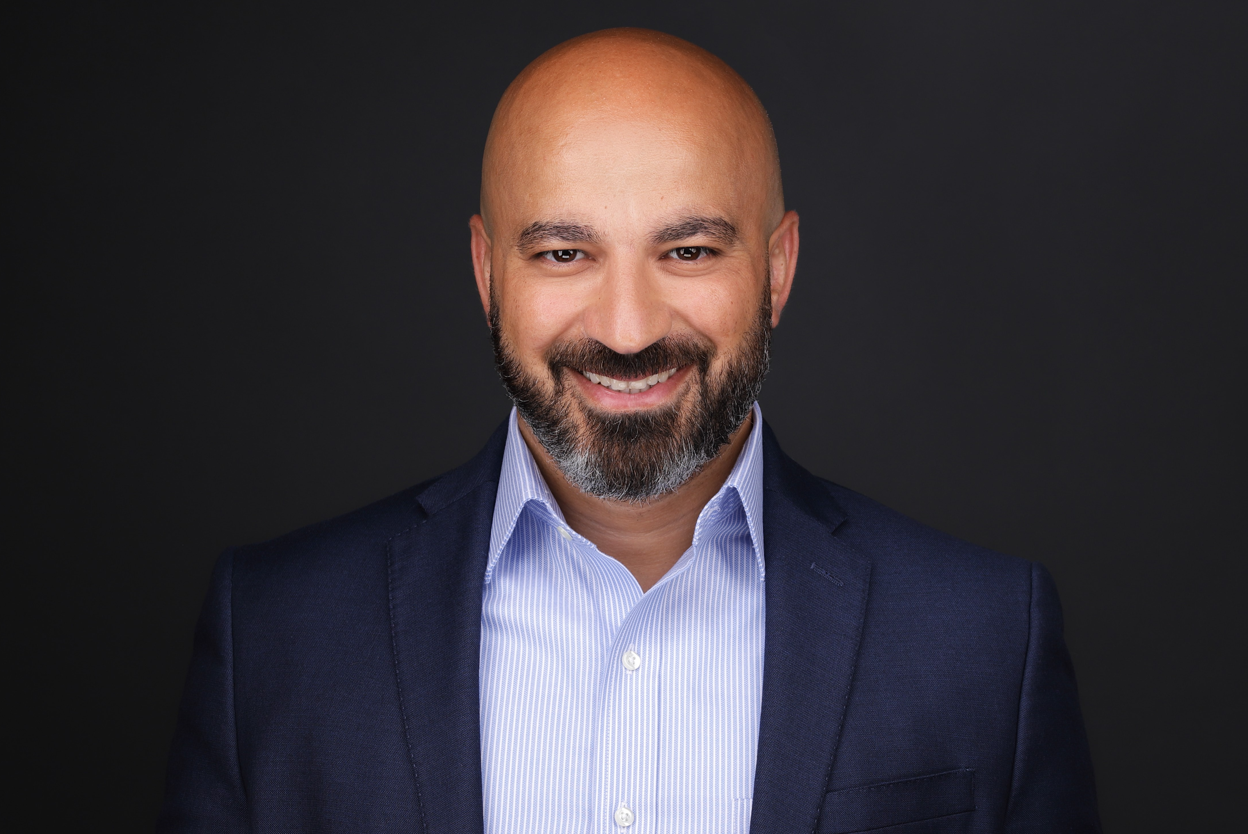
As GCC businesses expand into new markets and increasingly complex supply chains, traditional credit assessment is giving way to a more predictive approach. In this interview with Mohamad Jomaa, CEO and Country Manager for GCC and Egypt at Coface, we explore how real-time data, AI and early-warning intelligence are helping CFOs anticipate payment risk, protect working capital and make more confident decisions across customers, suppliers and markets.
What is driving the shift from relationship-based credit decisions to predictive credit intelligence among CFOs in the GCC?
Relationships remain fundamental to business in the GCC and will continue to be. What has changed is the speed at which companies are expanding into new sectors, markets, and supply chains. As organizations grow beyond their traditional networks, finance leaders need additional tools to assess customers, suppliers, and partners they may not know well.
Today’s CFOs are increasingly complementing business relationships with data-driven insights. They need greater visibility not only into credit risk, but also into supply chain dependencies, corporate ownership structures, payment behavior, and potential vulnerabilities across their ecosystem.
Predictive intelligence provides that forward-looking perspective. It helps businesses make faster and more informed decisions, strengthen due diligence processes, identify opportunities, and anticipate risks before they impact cash flow, operations, or growth plans.
What trends are you currently seeing in payment delays and corporate defaults across the UAE and Saudi Arabia?
The overall economic outlook in both the UAE and Saudi Arabia remains positive, supported by ambitious investment programs and continued economic diversification. At the same time, businesses continue to face uneven market conditions across sectors.
Drawing on Coface’s unique experience as a global trade credit insurer, we monitor payment behavior, claims activity, and credit events across millions of companies worldwide. What we are seeing today is not necessarily a significant increase in corporate failures, but rather signs of pressure on working capital in specific industries.
Payment delays have become more common in sectors exposed to longer project cycles, margin pressure, or supply chain disruptions. For finance leaders, the challenge is distinguishing between temporary liquidity constraints and deteriorating credit quality. This is where access to real-time payment data and early warning indicators becomes particularly valuable.
How can better credit intelligence improve cash flow, working capital, and overall financial resilience?
Better intelligence enables businesses to make more informed decisions across the entire customer and supplier lifecycle. By combining financial information, payment behavior, sector analysis, ownership data, Country Risk Assessments, Sector Risk Assessments, and ongoing monitoring, organizations gain a much clearer view of both risk and opportunity.
This has a direct impact on cash flow and working capital. Businesses can identify signs of financial stress earlier, reduce exposure to overdue accounts, prioritize collections efforts, and allocate credit more effectively. Access to real-time information and early warning indicators allows companies to act before issues translate into cash flow challenges.
Increasingly, however, financial resilience is not only about customer risk. It is also about understanding vulnerabilities across the supply chain. A disruption involving a key supplier, contractor, or logistics partner can have a significant impact on operations, costs, and liquidity. Better intelligence provides greater visibility into these critical dependencies, helping organizations identify concentration risks, assess the financial health of strategic partners, and strengthen business continuity planning.
As companies expand into new markets and engage with new customers, suppliers, and partners, they need confidence in who they are doing business with. Access to reliable data on ownership structures, financial health, payment behavior, sector outlooks, and country risk helps organizations make better-informed decisions and reduce uncertainty when entering new commercial relationships.
. What warning signs should finance leaders monitor before extending credit to new customers or entering unfamiliar markets?
Financial statements remain important, but they only tell part of the story. Finance leaders should also evaluate payment behavior, ownership structures, management stability, sector outlooks, supplier concentration, and exposure to geopolitical or regulatory risks.
One of the most valuable early warning indicators is a deterioration in payment behavior. In many cases, companies begin showing signs of financial stress long before it becomes visible in published financial statements.
Similarly, supply chain concentration risks should not be overlooked. A business may appear financially sound while remaining highly dependent on a small number of customers, suppliers, or projects. Understanding these dependencies is an increasingly important component of due diligence.
Effective credit decisions require a broader assessment of the business ecosystem rather than focusing solely on traditional financial metrics.
This is why a combination of company information, payment behavior, Country Risk Assessments, Sector Risk Assessments, and supply chain intelligence is increasingly becoming an essential part of the decision-making process.
How are AI and predictive analytics changing the way organizations assess credit risk and make financing decisions?
Financial statements remain important, but they only tell part of the story. Finance leaders should also evaluate payment behavior, ownership structures, management stability, sector outlooks, supplier concentration, and exposure to geopolitical or regulatory risks.
One of the most valuable early warning indicators is a deterioration in payment behavior. In many cases, companies begin showing signs of financial stress long before it becomes visible in published financial statements.
Similarly, supply chain concentration risks should not be overlooked. A business may appear financially sound while remaining highly dependent on a small number of customers, suppliers, or projects. Understanding these dependencies is an increasingly important component of due diligence.
Effective credit decisions require a broader assessment of the business ecosystem rather than focusing solely on traditional financial metrics.
This is why a combination of company information, payment behavior, Country Risk Assessments, Sector Risk Assessments, and supply chain intelligence is increasingly becoming an essential part of the decision-making process.
What sectors in the GCC are showing the strongest opportunities, and where are the highest risks based on your data?
Our outlook combines insights from Coface’s payment experience data, claims observations, Country Risk Assessments and Sector Risk Assessments. Together, these provide a comprehensive view of the opportunities and vulnerabilities shaping the business environment across the GCC.
We continue to see attractive opportunities in sectors supported by economic diversification strategies, digital transformation, infrastructure investment, logistics development and the energy transition. These areas are benefiting from sustained investment, strong policy support and growing regional demand.
At the same time, businesses operating in sectors facing tighter margins, elevated input costs, project execution challenges or longer payment cycles require closer monitoring. What is important to remember is that risk is rarely uniform across an entire sector. Performance can vary significantly from one company to another depending on its financial strength, competitive positioning, customer base and exposure to broader supply chain dynamics.
Looking ahead, how do you see the role of predictive intelligence evolving within corporate finance over the next three to five years?
Over the next three to five years, predictive intelligence will become an integral component of decision-making across finance, procurement, sales, treasury, compliance, and risk management functions.
We expect companies to move beyond using intelligence solely for credit assessments and begin embedding it throughout the business. This includes supplier selection, customer onboarding, supply chain management, compliance checks, investment decisions, and strategic planning.
The organizations that will be most successful are those that can combine technology, data, and human expertise to obtain a holistic understanding of their business ecosystem.
In an increasingly interconnected world, success will depend not only on knowing who you do business with, but also on understanding the risks and opportunities across the entire value chain. Access to reliable, forward-looking intelligence will therefore become a key competitive advantage, helping companies grow confidently while remaining resilient in a rapidly changing environment.
Financial
Standard Chartered becomes first Global Systemically Important Bank (G-SIB) to launch Institutional Bitcoin and Ether spot trading in the UAE

Standard Chartered today announced the expansion of its institutional Bitcoin (BTC/USD) and Ether (ETH/USD) spot trading in the UAE through ‘Standard Chartered DIFC’[1].
This makes Standard Chartered the first Global Systemically Important Bank (G-SIB) to offer the capability in the market and the only global bank currently offering institutional digital asset spot trading in the region. The move further broadens the bank’s regulated digital asset offering in the UAE by adding execution to its custody offering.
The capability enables eligible institutional clients to access deliverable Bitcoin and Ether spot trading through Standard Chartered’s electronic trading channels. It is integrated into the Bank’s existing platforms, enabling clients to access crypto-asset trading through familiar FX interfaces.
Clients may settle trades with a custodian of their choice, including Standard Chartered’s digital asset custody solution that was launched in September 2024.
Rola Abu Manneh, Chief Executive Officer, UAE, Middle East and Pakistan at Standard Chartered, said: “The UAE has developed a clear digital assets regulatory framework that supports institutional participation and innovation. Extending our Bitcoin and Ether spot trading capability to institutional clients is a significant step in broadening our regulated digital asset proposition in the market. By combining execution with secure custody, governance and the connectivity of a global bank, we are providing clients with a more integrated way to participate in digital asset markets.”
Christopher Parsons, Senior Executive Officer, Standard Chartered DIFC, said: “DIFC provides an established platform for international financial institutions to deploy global capabilities across markets. Extending our institutional digital asset trading capability through the Centre demonstrates the strength of that model, combining Standard Chartered’s global markets expertise and network with a regulated base from which we can serve clients across the region.”
Standard Chartered first introduced institutional Bitcoin and Ether spot trading through its UK branch in July 2025, becoming the first G-SIB to offer deliverable spot crypto-asset trading to institutional clients. The UAE launch extends that established global capability into a market where the Bank has been building its institutional grade digital assets offering.
The latest UAE capability builds on Standard Chartered’s broader digital assets strategy, which spans custody, trading and tokenisation capabilities through its Corporate and Investment Bank, while its ventures ecosystem extends these capabilities through Zodia Markets and Libeara. Together, these capabilities are designed to support institutional clients’ evolving digital asset needs through regulated infrastructure and services.

Dhruva will adopt the Ryan brand across the UAE and Saudi Arabia by the end of 2026, uniting the practice with Ryan’s global identity and international platform.
Dhruva, a leading tax consultancy firm in the Middle East, and Ryan, a leading global tax services and software provider, today announced that Dhruva will transition to the Ryan brand across the United Arab Emirates (UAE) and the Kingdom of Saudi Arabia. The rebranding will be completed by the end of 2026, bringing the practice under Ryan’s global identity and reinforcing its position as part of the world’s leading global-scale specialist in business tax.
The transition marks the next phase of the strategic joint venture announced in 2025 and reflects the continued integration of Dhruva’s regional capabilities with Ryan’s global platform, technology, and international resources. Clients across the Middle East will continue to benefit from the same trusted advisory teams, enhanced by access to Ryan’s worldwide expertise and service capabilities.
“The Middle East has been a strategic growth market for us for many years, and we have built a strong advisory practice founded on deep client relationships, technical excellence, and local market understanding,” said Dinesh Kanabar, Founder, Chairman, and CEO, Dhruva Advisors and Vice Chairman, Ryan.
“The transition to the Ryan brand marks a significant milestone in our journey and reflects the strength of our partnership. By combining our regional expertise with Ryan’s global scale, technology, and international capabilities, we are creating an even stronger platform to support clients across the region as they navigate an increasingly dynamic and evolving tax landscape.”
“The Middle East is one of the most important growth markets for tax advisory services globally, and we are investing in the region with a long-term view,” said Tom Shave, President of Ryan’s European and Asia-Pacific Operations. “Uniting under the Ryan brand strengthens how we serve clients across the UAE, Saudi Arabia, and Europe—bringing seamless access to our global expertise, technology, and international resources through one trusted platform. This transition marks an important milestone in our integration and reinforces our commitment to the region’s future.”
Ryan will continue to invest in its Middle East operations, expanding its team, capabilities, and regional presence across key markets, including Dubai, Abu Dhabi, and Riyadh. The practice provides comprehensive tax advisory services spanning corporate tax, value-added tax (VAT) and indirect tax, transfer pricing, mergers and acquisitions (M&A) tax structuring, research and development (R&D), and cross-border compliance.
“The response from our clients over the past year has been the clearest validation of this partnership,” said Nimish Goel, Leader, Middle East, Dhruva, a Ryan Affiliate. “From the outset, our teams have been integrating Ryan’s global capabilities in technology, specialized expertise, and best practices into the work we already lead in the region. Adopting the Ryan brand is the natural next step. It is the same people and the same trusted relationships, now carrying the name of the largest Firm in the world dedicated exclusively to business taxes.”
The rebranding will be implemented in phases during the second half of 2026, with signage, visual identity, and digital properties transitioning to the Ryan brand across the region.

The Infrastructure Is Automated. Why Are the Processes Around It Still Manual?
99 Sushi Bar & Restaurant Is Moving to Dubai Creek Harbour This Q4

Turn Saudi National Day into a Private Island Escape with Sun Siyam



-
News11 years ago
SENDQUICK (TALARIAX) INTRODUCES SQOOPE – THE BREAKTHROUGH IN MOBILE MESSAGING
-

 Trending10 months ago
OPPO A6 Pro 5G Review: Reliable Daily Driver
-

 Tech News2 years ago
Denodo Bolsters Executive Team by Hiring Christophe Culine as its Chief Revenue Officer
-
 VAR1 year ago
Microsoft Launches New Surface Copilot+ PCs for Business
-

 Automotive2 years ago
AGMC Launches the RIDDARA RD6 High Performance Fully Electric 4×4 Pickup
-
Tech Interviews2 years ago
Navigating the Cybersecurity Landscape in Hybrid Work Environments
-

 Tech News1 year ago
Nothing Launches flagship Nothing Phone (3) and Headphone (1) in theme with the Iconic Museum of the Future in Dubai
-

 VAR2 years ago
Samsung Galaxy Z Fold6 vs Google Pixel 9 Pro Fold: Clash Of The Folding Phenoms