
 Have a question? +971 56 404 0503




Financial
Venture Debt Finds a New Home in the Middle East: Stride Ventures Doubles Down on Saudi Arabia


In a striking signal of the Middle East’s rapid financial maturation, Stride Ventures has announced significant expansion of its presence across the Gulf Cooperation Council- with Saudi Arabia at the epicentre of its ambitions. The move, which includes doubling its local team and opening a second regional office, is emblematic of a broader shift: the Kingdom is not just attracting capital, but fundamentally redefining the region’s approach to startup financing.
Stride Ventures’ announcement coincides with the publication of the inaugural Global Venture Debt Report 2025, produced by team Stride in partnership with global consultancy Kearney. The report paints a compelling picture: while the global venture debt market has grown at a robust 14% compound annual growth rate (CAGR) over the past five years, the GCC—led by Saudi Arabia—has outpaced this by a factor of nearly four, clocking an extraordinary 54% CAGR. The regional venture debt market reached $500 million in 2024, up from a mere $60 million in 2020, underscoring both the scale and speed of change.
Saudi Arabia’s Vision 2030, a sweeping reform agenda aimed at diversifying the economy away from hydrocarbons, is at the heart of this transformation. The government’s proactive stance is evident in initiatives such as the Jada Fund of Funds (with $1.07 billion in assets under management), and strategic partnerships with global asset managers including Goldman Sachs and Franklin Templeton. Meanwhile, Abu Dhabi’s ADGM and Abu Dhabi’s Hub71 are providing the regulatory and infrastructural backbone for private credit and venture activity across the region.
Traditional banks in the GCC have long been risk-averse, often shying away from lending to early-stage, asset-light startups. Venture debt- a non-dilutive, flexible, and tailored to the needs of high-growth companies- has stepped into this void. The region’s fintech and e-commerce champions, such as Tabby and Tamara, have already closed venture debt deals exceeding $100 million each, providing a template for other sectors including logistics, healthtech, and climate tech.
Stride’s expansion is timed to capture this momentum. The firm has increased its GCC team by over 60% in the past year, with a stated goal of tripling its regional assets under management by 2026. Stride is targeting a half a billion dollar commitment in the region over the next three to five years, while its latest fund has already attracted strong investor interest- on track to be oversubscribed within just a few months.
Stride Ventures now boasts an active investment pipeline of up to $110 million across the region, with an average cheque size of $10 million per transaction. This robust pipeline signals both the scale of opportunity and the growing appetite among Middle Eastern founders for strategic, founder-friendly debt capital. Stride’s approach- offering sizable and flexible financing to ambitious startups- positions it as a critical enabler of the region’s next wave of unicorns.
Perhaps most telling is the influx of global talent. Senior executives from Silicon Valley, London, and Singapore are relocating to Riyadh, lured by the region’s capital abundance and policy stability. “Saudi Arabia is shaping the future of venture capital and private credit with intention and scale,” says Fariha Ansari Javed, Partner at Stride Ventures. “We are seeing a new generation of founders who understand the value of non-dilutive capital to scale responsibly and an equally ambitious set of investors in the region ready to fuel their growth”
The implications are profound. The Middle East, long seen as a passive capital provider, is repositioning itself as an active hub for innovation finance. As Fariha puts it: “Saudi Arabia is moving from being a capital source to becoming a capital magnet. Stride is proud to be part of this next chapter.”
The question now is not whether venture debt will take root in the GCC, but rather how quickly it will scale- and how the region’s regulatory and institutional frameworks can keep pace with the ambitions of its entrepreneurs and financiers.












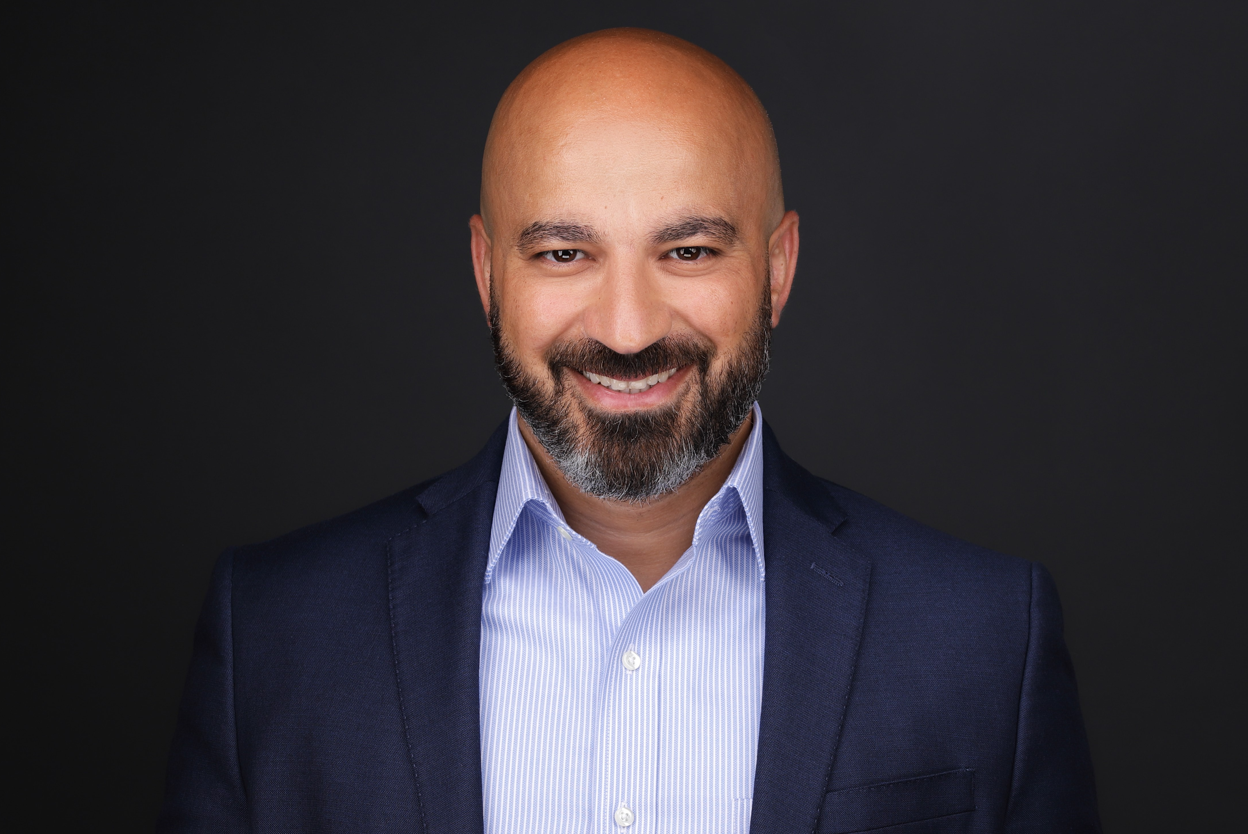
With the dirham pegged to the US dollar and UAE investors exposed to global markets, decisions made by the Federal Reserve and the US government can influence local borrowing costs, liquidity, and investment
sentiment. Michael Smirnow, Chief Investment Officer, Arabian Capital Gulf
After the global financial crisis, U.S. authorities tried to stimulate the economy primarily through monetary measures: the Federal Reserve cut interest rates to zero and launched quantitative easing (QE) for the first time, purchasing assets to provide market participants with liquidity. As a result, the Fed’s balance sheet grew to USD 8 trillion by 2021. However, between 2008 and 2020, the U.S. economy did
not experience rapid growth, and inflation regularly remained below the target level. Everything changed in 2020, when the government entered the stimulus fray for the first time in many years. While the Fed’s accommodative monetary policy primarily helped large banks and market participants, at the onset of
the pandemic the U.S. government began distributing money to households and increasing budget expenditure across nearly all areas. Compared with monetary measures, these fiscal stimulus measures proved to be a significantly more powerful tool for stimulating the economy; however, they increased
government debt by the aforementioned 61%. Against this backdrop, we expect the next few years to be shaped primarily by fiscal stimulus, with
government action, rather than the Federal Reserve, becoming the key factor for investors. Indeed, while the private sector ran large deficits before 2008, the deficit now lies with the government, while private-sector indebtedness is declining. In the years following the pandemic, the largest government deficits coincided with the strongest growth in financial markets. This is unsurprising, since a public-sector deficit becomes private-sector income. This dynamic enabled the U.S. economy to remain resilient in 2023-2024 despite the Fed’s record pace of interest-rate increases. Whichever U.S. political party is in power will continue along this path;
Trump is also doing the same through legislation known as the “Big Beautiful Bill.” As long as inflation in the United States remains under control, this race will continue.
The current balance between monetary and fiscal stimulus vividly illustrates this argument. On the one hand, the U.S. Federal Reserve is adopting an increasingly neutral stance and is clearly in no hurry to cut interest rates or introduce new stimulus programmes. On the other hand, the Treasury is entering the fray: as yields on long-term U.S. bonds confidently exceed 5%, the Treasury has launched a program to buy back its long-term debt. In effect, this gives the bond market the same kind of stimulus the Fed previously delivered.
Thus, the balance of power is changing, but the direction remains the same: the United States still needs accommodative monetary conditions. If these are not achieved through monetary measures, they will be achieved through fiscal ones.
(Arabian Gulf Capital (AGC) holds a Category-1 Investment Firm license issued by the Central Bank of Bahrain and provides tailored investment solutions to individual, corporate, and institutional clients.)
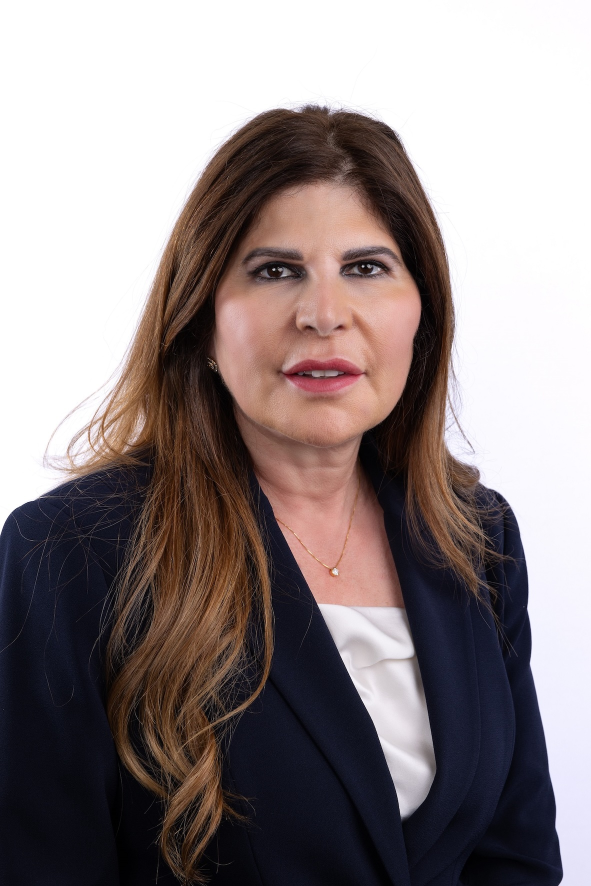
As GCC businesses expand into new markets and increasingly complex supply chains, traditional credit assessment is giving way to a more predictive approach. In this interview with Mohamad Jomaa, CEO and Country Manager for GCC and Egypt at Coface, we explore how real-time data, AI and early-warning intelligence are helping CFOs anticipate payment risk, protect working capital and make more confident decisions across customers, suppliers and markets.
What is driving the shift from relationship-based credit decisions to predictive credit intelligence among CFOs in the GCC?
Relationships remain fundamental to business in the GCC and will continue to be. What has changed is the speed at which companies are expanding into new sectors, markets, and supply chains. As organizations grow beyond their traditional networks, finance leaders need additional tools to assess customers, suppliers, and partners they may not know well.
Today’s CFOs are increasingly complementing business relationships with data-driven insights. They need greater visibility not only into credit risk, but also into supply chain dependencies, corporate ownership structures, payment behavior, and potential vulnerabilities across their ecosystem.
Predictive intelligence provides that forward-looking perspective. It helps businesses make faster and more informed decisions, strengthen due diligence processes, identify opportunities, and anticipate risks before they impact cash flow, operations, or growth plans.
What trends are you currently seeing in payment delays and corporate defaults across the UAE and Saudi Arabia?
The overall economic outlook in both the UAE and Saudi Arabia remains positive, supported by ambitious investment programs and continued economic diversification. At the same time, businesses continue to face uneven market conditions across sectors.
Drawing on Coface’s unique experience as a global trade credit insurer, we monitor payment behavior, claims activity, and credit events across millions of companies worldwide. What we are seeing today is not necessarily a significant increase in corporate failures, but rather signs of pressure on working capital in specific industries.
Payment delays have become more common in sectors exposed to longer project cycles, margin pressure, or supply chain disruptions. For finance leaders, the challenge is distinguishing between temporary liquidity constraints and deteriorating credit quality. This is where access to real-time payment data and early warning indicators becomes particularly valuable.
How can better credit intelligence improve cash flow, working capital, and overall financial resilience?
Better intelligence enables businesses to make more informed decisions across the entire customer and supplier lifecycle. By combining financial information, payment behavior, sector analysis, ownership data, Country Risk Assessments, Sector Risk Assessments, and ongoing monitoring, organizations gain a much clearer view of both risk and opportunity.
This has a direct impact on cash flow and working capital. Businesses can identify signs of financial stress earlier, reduce exposure to overdue accounts, prioritize collections efforts, and allocate credit more effectively. Access to real-time information and early warning indicators allows companies to act before issues translate into cash flow challenges.
Increasingly, however, financial resilience is not only about customer risk. It is also about understanding vulnerabilities across the supply chain. A disruption involving a key supplier, contractor, or logistics partner can have a significant impact on operations, costs, and liquidity. Better intelligence provides greater visibility into these critical dependencies, helping organizations identify concentration risks, assess the financial health of strategic partners, and strengthen business continuity planning.
As companies expand into new markets and engage with new customers, suppliers, and partners, they need confidence in who they are doing business with. Access to reliable data on ownership structures, financial health, payment behavior, sector outlooks, and country risk helps organizations make better-informed decisions and reduce uncertainty when entering new commercial relationships.
. What warning signs should finance leaders monitor before extending credit to new customers or entering unfamiliar markets?
Financial statements remain important, but they only tell part of the story. Finance leaders should also evaluate payment behavior, ownership structures, management stability, sector outlooks, supplier concentration, and exposure to geopolitical or regulatory risks.
One of the most valuable early warning indicators is a deterioration in payment behavior. In many cases, companies begin showing signs of financial stress long before it becomes visible in published financial statements.
Similarly, supply chain concentration risks should not be overlooked. A business may appear financially sound while remaining highly dependent on a small number of customers, suppliers, or projects. Understanding these dependencies is an increasingly important component of due diligence.
Effective credit decisions require a broader assessment of the business ecosystem rather than focusing solely on traditional financial metrics.
This is why a combination of company information, payment behavior, Country Risk Assessments, Sector Risk Assessments, and supply chain intelligence is increasingly becoming an essential part of the decision-making process.
How are AI and predictive analytics changing the way organizations assess credit risk and make financing decisions?
Financial statements remain important, but they only tell part of the story. Finance leaders should also evaluate payment behavior, ownership structures, management stability, sector outlooks, supplier concentration, and exposure to geopolitical or regulatory risks.
One of the most valuable early warning indicators is a deterioration in payment behavior. In many cases, companies begin showing signs of financial stress long before it becomes visible in published financial statements.
Similarly, supply chain concentration risks should not be overlooked. A business may appear financially sound while remaining highly dependent on a small number of customers, suppliers, or projects. Understanding these dependencies is an increasingly important component of due diligence.
Effective credit decisions require a broader assessment of the business ecosystem rather than focusing solely on traditional financial metrics.
This is why a combination of company information, payment behavior, Country Risk Assessments, Sector Risk Assessments, and supply chain intelligence is increasingly becoming an essential part of the decision-making process.
What sectors in the GCC are showing the strongest opportunities, and where are the highest risks based on your data?
Our outlook combines insights from Coface’s payment experience data, claims observations, Country Risk Assessments and Sector Risk Assessments. Together, these provide a comprehensive view of the opportunities and vulnerabilities shaping the business environment across the GCC.
We continue to see attractive opportunities in sectors supported by economic diversification strategies, digital transformation, infrastructure investment, logistics development and the energy transition. These areas are benefiting from sustained investment, strong policy support and growing regional demand.
At the same time, businesses operating in sectors facing tighter margins, elevated input costs, project execution challenges or longer payment cycles require closer monitoring. What is important to remember is that risk is rarely uniform across an entire sector. Performance can vary significantly from one company to another depending on its financial strength, competitive positioning, customer base and exposure to broader supply chain dynamics.
Looking ahead, how do you see the role of predictive intelligence evolving within corporate finance over the next three to five years?
Over the next three to five years, predictive intelligence will become an integral component of decision-making across finance, procurement, sales, treasury, compliance, and risk management functions.
We expect companies to move beyond using intelligence solely for credit assessments and begin embedding it throughout the business. This includes supplier selection, customer onboarding, supply chain management, compliance checks, investment decisions, and strategic planning.
The organizations that will be most successful are those that can combine technology, data, and human expertise to obtain a holistic understanding of their business ecosystem.
In an increasingly interconnected world, success will depend not only on knowing who you do business with, but also on understanding the risks and opportunities across the entire value chain. Access to reliable, forward-looking intelligence will therefore become a key competitive advantage, helping companies grow confidently while remaining resilient in a rapidly changing environment.
Financial
Standard Chartered becomes first Global Systemically Important Bank (G-SIB) to launch Institutional Bitcoin and Ether spot trading in the UAE
Standard Chartered today announced the expansion of its institutional Bitcoin (BTC/USD) and Ether (ETH/USD) spot trading in the UAE through ‘Standard Chartered DIFC’[1].
This makes Standard Chartered the first Global Systemically Important Bank (G-SIB) to offer the capability in the market and the only global bank currently offering institutional digital asset spot trading in the region. The move further broadens the bank’s regulated digital asset offering in the UAE by adding execution to its custody offering.
The capability enables eligible institutional clients to access deliverable Bitcoin and Ether spot trading through Standard Chartered’s electronic trading channels. It is integrated into the Bank’s existing platforms, enabling clients to access crypto-asset trading through familiar FX interfaces.
Clients may settle trades with a custodian of their choice, including Standard Chartered’s digital asset custody solution that was launched in September 2024.
Rola Abu Manneh, Chief Executive Officer, UAE, Middle East and Pakistan at Standard Chartered, said: “The UAE has developed a clear digital assets regulatory framework that supports institutional participation and innovation. Extending our Bitcoin and Ether spot trading capability to institutional clients is a significant step in broadening our regulated digital asset proposition in the market. By combining execution with secure custody, governance and the connectivity of a global bank, we are providing clients with a more integrated way to participate in digital asset markets.”
Christopher Parsons, Senior Executive Officer, Standard Chartered DIFC, said: “DIFC provides an established platform for international financial institutions to deploy global capabilities across markets. Extending our institutional digital asset trading capability through the Centre demonstrates the strength of that model, combining Standard Chartered’s global markets expertise and network with a regulated base from which we can serve clients across the region.”
Standard Chartered first introduced institutional Bitcoin and Ether spot trading through its UK branch in July 2025, becoming the first G-SIB to offer deliverable spot crypto-asset trading to institutional clients. The UAE launch extends that established global capability into a market where the Bank has been building its institutional grade digital assets offering.
The latest UAE capability builds on Standard Chartered’s broader digital assets strategy, which spans custody, trading and tokenisation capabilities through its Corporate and Investment Bank, while its ventures ecosystem extends these capabilities through Zodia Markets and Libeara. Together, these capabilities are designed to support institutional clients’ evolving digital asset needs through regulated infrastructure and services.

DO FISCAL STIMULUS MEASURES SUPPORT THE US MARKET GROWTH, AND IS A DEFAULT POSSIBLE?

Zeekr UAE and AWR Automotive Unveil Redesigned Flagship Showroom on Sheikh Zayed Road in Dubai
The Infrastructure Is Automated. Why Are the Processes Around It Still Manual?



-
News11 years ago
SENDQUICK (TALARIAX) INTRODUCES SQOOPE – THE BREAKTHROUGH IN MOBILE MESSAGING
-

 Trending11 months ago
OPPO A6 Pro 5G Review: Reliable Daily Driver
-

 Tech News2 years ago
Denodo Bolsters Executive Team by Hiring Christophe Culine as its Chief Revenue Officer
-
 VAR1 year ago
Microsoft Launches New Surface Copilot+ PCs for Business
-

 Automotive2 years ago
AGMC Launches the RIDDARA RD6 High Performance Fully Electric 4×4 Pickup
-
Tech Interviews2 years ago
Navigating the Cybersecurity Landscape in Hybrid Work Environments
-

 Tech News1 year ago
Nothing Launches flagship Nothing Phone (3) and Headphone (1) in theme with the Iconic Museum of the Future in Dubai
-

 VAR2 years ago
Samsung Galaxy Z Fold6 vs Google Pixel 9 Pro Fold: Clash Of The Folding Phenoms