
 Have a question? +971 56 404 0503




Financial
Rent Instalments Dubai: How Slices Reshape Tenant Loyalty



By Omar Abu Innab, CEO & Co-founder
In Dubai, the handover of a rent cheque often feels like a financial earthquake. For many tenants, it is the single largest outgoing of the year — one that empties savings accounts, spikes anxiety, and disrupts liquidity overnight. Traditional rent structures, whether annual lump sums or quarterly payments, may suit landlords, but they rarely reflect the way people actually earn and spend money. Salaries arrive monthly, bills are spread weekly, and life’s surprises never wait for cheque dates.
This mismatch does more than strain finances. It creates uncertainty and detachment. Tenants under pressure from upfront costs are less likely to renew, more likely to negotiate aggressively, and often hesitant to see their rental as a long-term home.
The Slice Effect: A Shift in Behaviour
Break the rent into twelve manageable instalments, however, and the entire psychology changes. Rent instalments in Dubai don’t just ease cash flow; they reframe how tenants view their homes. Instead of confronting a yearly burden, rent becomes a predictable routine woven into monthly salary cycles, much like utilities or car payments.
This subtle shift encourages tenants to stay longer. Not because they are tied down, but because they no longer face the stress of large financial shocks. Rent is reframed from a hurdle into a lifestyle expense, creating loyalty that landlords value. Lower turnover means fewer vacant periods, steadier income, and stronger landlord-tenant relationships.
Rent Now, Pay Later: A Quiet Revolution
Dubai’s rental market, once dominated by cheque culture, is transforming. Platforms like Keyper have introduced Rent Now, Pay Later (RNPL), enabling tenants to pay monthly while landlords continue receiving rent on their preferred schedule — even upfront.
The dual benefits are striking. Tenants enjoy breathing space and improved cash flow. Landlords retain financial security and stability. Automation bridges the gap, ensuring seamless transactions. Beyond convenience, RNPL creates ripple effects: tenants channel savings into investments or lifestyle upgrades, landlords attract stronger demand, and properties offering RNPL gain a competitive edge in the market.
Trust Through Proptech
Scepticism around flexible payments is natural. Landlords often worry about defaults or unreliable tenants. Proptech innovation addresses this head-on. By embedding tenant screening, open banking, and digital KYC processes, platforms ensure that only qualified tenants gain access to instalment options.
This screening provides landlords with confidence while giving tenants a frictionless, subscription-style experience. The outcome is a healthier rental ecosystem where both sides trust the process. Properties listed with RNPL attract interest faster, lease quicker, and enjoy higher renewal rates.
More Than Money: Cultural Change in Renting
Flexible rent payments are not only about financial management — they represent a cultural shift. Tenants paying monthly are more likely to personalise their homes, join neighbourhood communities, and think long-term. They do not just occupy apartments; they build lives in them.
In a global city like Dubai, where talent continually arrives from abroad, this cultural stickiness is invaluable. By reducing churn and fostering belonging, RNPL aligns Dubai with international leasing standards. For professionals moving from cities like London or New York, monthly rent instalments feel familiar, making Dubai more competitive as a destination.
Why Instalments Mean Belonging
The shift from lump sums to instalments does more than spread payments. It changes perceptions. Tenants breathe easier when the mountain of rent is broken into smaller hills. They stay longer, invest emotionally in their homes, and engage with their communities. For landlords, this means steadier returns. For the city, it enhances financial well-being and strengthens community ties.
Cheque culture once defined Dubai’s property landscape. Today, rent instalments in Dubai — powered by RNPL — are writing a new narrative. Flexible payments bring stability, foster loyalty, and encourage tenants not just to rent, but to settle in.
Read our previous post on Ryan Acquires Dhruva Stake Expanding Middle East Presence












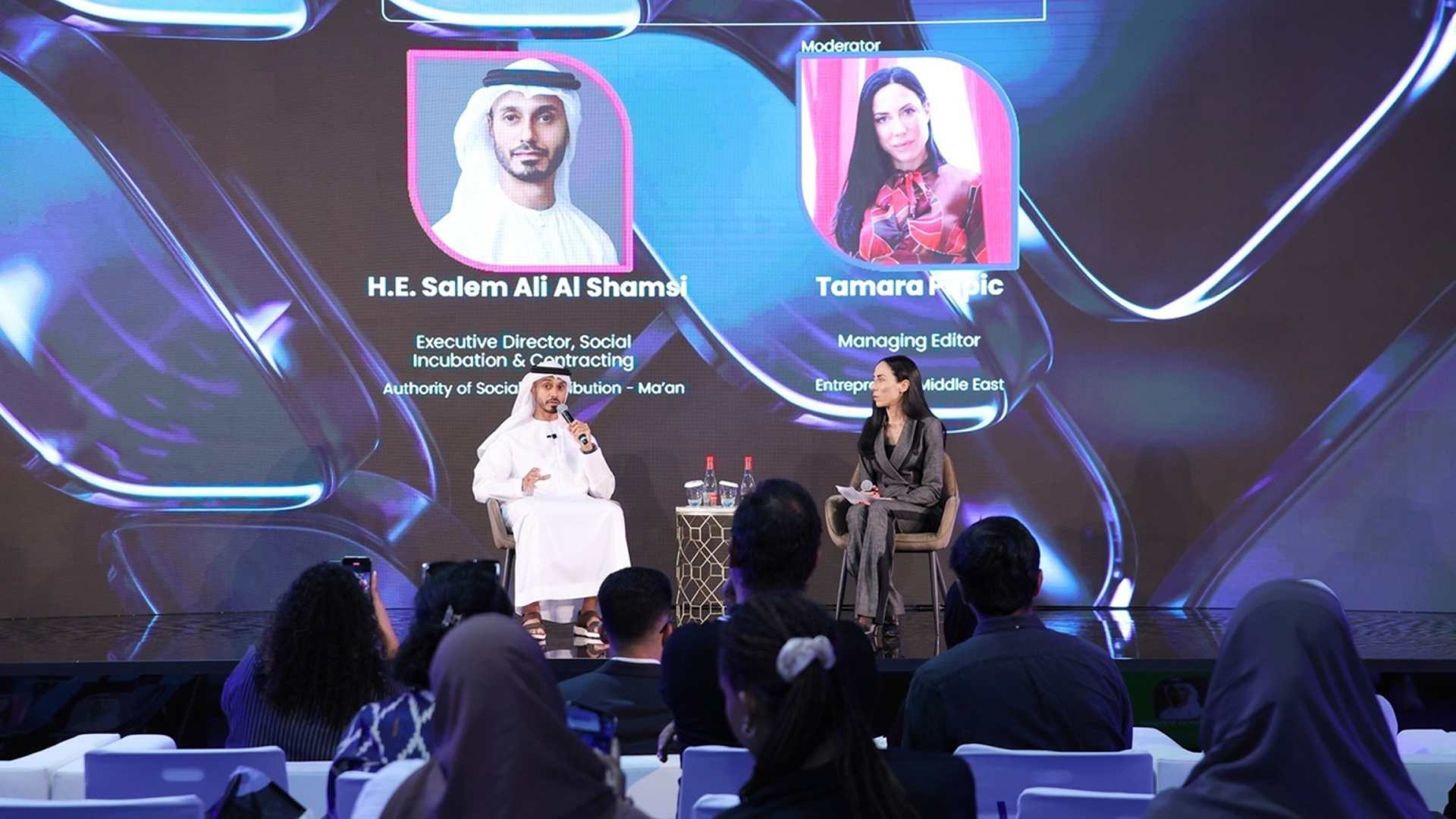
Athar+, Abu Dhabi’s first purpose-driven hub dedicated to accelerating social impact, operated by the Authority of Social Contribution – Ma’an, has launched the second edition of its HACK4IMPACT hackathon, bringing together changemakers to develop practical solutions that address key social priorities and contribute to positive social impact across Abu Dhabi.
Launched in line with the objectives of the UAE’s Year of Family, this edition of the hackathon focuses on addressing family-related challenges through innovative and community-driven approaches. Taking place from 16-18 June 2026 at Athar+, the three-day programme brings together aspiring entrepreneurs, innovators, professionals, and community members to develop solutions addressing three family-centred priorities: building stronger family foundations, enhancing financial wellbeing for parents, and supporting families caring for aging parents.
Guided through a structured innovation journey, participants will apply design thinking methodologies to explore challenges, validate ideas, develop prototype concepts, and present their solutions to a panel of judges.
High-potential concepts emerging from the hackathon have the opportunity to be considered for further support through Athar+’s incubation ecosystem, enabling participants to continue developing their solutions beyond the event. Through these challenge areas, the initiative aims to advance family wellbeing, strengthen social cohesion, and support the development of solutions that respond to the evolving needs of families in Abu Dhabi.
This initiative aims to strengthen practical innovation skills among participants while identifying high-potential ideas and scalable concepts capable of addressing key social priorities. It also encourages collaboration by bringing together individuals from diverse backgrounds and expertise. The hackathon provides an accessible entry point for youth and first-time innovators to contribute to solving community challenges through entrepreneurship and social innovation, inspiring them to play an active role in shaping impactful and practical solutions.
His Excellency Salem AlShamsi, Executive Director of Social Incubation and Contracting at Ma’an said: “HACK4IMPACT reflects Athar+’s commitment to empowering innovators and aspiring entrepreneurs to develop practical solutions that address real social priorities and enhance quality of life across our communities. By empowering future talent through Athar+, we are strengthening Abu Dhabi’s position as a regional hub for social entrepreneurship while advancing the Authority’s vision of fostering a culture of giving, participation, and measurable social progress.’’
Aligned with the objectives of the UAE’s Year of Family, the initiative also supports broader national efforts to strengthen family wellbeing, social resilience, and community cohesion through collaborative innovation and inclusive engagement.”
Through dedicated workspaces, expert mentorship, professional services, and tailored growth programmes offered by Athar+, participants will be supported in transforming ideas into prototype concepts while gaining access to opportunities within Abu Dhabi’s innovation and entrepreneurship ecosystem.
Qashio, the UAE’s leading spend management platform, has partnered with NEXA AI Lab, the AI division of NEXA, one of MENA’s leading digital growth agencies, to help accelerate AI adoption across finance teams in the UAE through automation and AI-powered financial workflows.
As part of the partnership, Qashio and NEXA AI Lab will work together to support businesses in adopting AI tools that improve spend visibility, streamline manual processes, and make finance operations more efficient. The partnership will also include a free AI audit to help finance teams identify where AI can deliver immediate operational value and support broader adoption across the business. Both companies say the initiative is designed to move businesses from AI awareness to implementation, in line with the UAE’s national AI strategy targeting full public sector AI integration by 2031.
Amit Vyas, CEO of NEXA, comments: “AI delivers value when it is embedded directly into day-to-day workflows, rather than treated as a standalone concept. Finance is one of the clearest areas where this shift is already taking place, with businesses under increasing pressure to improve real-time decision-making. Through our partnership with Qashio, our goal is to help organisations identify where AI can be applied in practical, high-impact ways across financial operations.”
Armin Moradi, CEO of Qashio, said: “A global industry survey shows that 81% of financial institutions expect AI to be embedded in their core operations by 2030, and the UAE is one of the fastest-growing AI markets globally, setting a new baseline for competitiveness across the private sector. Our partnership with NEXA AI Lab is built to help close the gap between AI adoption plans and real execution, enabling enterprises and SMEs in the UAE to compete with the best in the world.”
Qashio has already integrated AI into its own financial workflows through features such as AI-powered receipt capture, which automatically extracts key information, including TRN, vendor names, and transaction data. The technology helps finance teams reduce manual data entry, save more than 4 hours each week, and maintain cleaner, more reliable financial records.
NEXA brings deep expertise in digital transformation and AI implementation across industries. Together, the two companies are focused on making AI accessible and measurable for businesses in the UAE. Both companies are already using tools like ConvoAI to improve access to data and provide instant support outside of working hours. Qashio is already leveraging NEXA AI Lab’s product offering. This reflects a broader shift towards always-on, AI-enabled operations.
Financial
Standard Chartered Supports Pakistan’s First Panda Bond Issuance in Chinese Interbank Market

Pakistan has successfully completed its inaugural Panda bond issuance in China’s interbank bond market, raising RMB 1.75 billion through a three-year transaction that marks the country’s first direct entry into China’s capital markets.
Standard Chartered (China) Ltd. Co acted as the only foreign bank serving as joint lead underwriter and joint book runner for the transaction, supporting Pakistan in broadening its international financing channels while strengthening financial connectivity between regional capital markets.
The issuance received strong support from multilateral development institutions, including the Asian Infrastructure Investment Bank (AIIB) and the Asian Development Bank (ADB), which together guaranteed 95 per cent of the bond’s principal and interest payments. The structure helped attract significant demand from Chinese banks, securities houses, and international financial institutions.
The transaction was reportedly more than five times oversubscribed, allowing Pakistan to price the bond at 2.50 per cent, the tightest end of the indicated pricing range.
Salman Ansari, Global Head, Capital Markets, Standard Chartered, described the issuance as a strategically important transaction that expands Pakistan’s access to global liquidity pools while demonstrating the growing relevance of regional capital markets within the international funding landscape.
The transaction also reflects the broader evolution of the Renminbi within global financial markets, as China continues expanding the role of its currency beyond trade settlement into cross-border financing and sovereign funding structures.
Jerry Zhang, Global Head of Banks & Broker Dealers and Head of Coverage, Greater China and North Asia at Standard Chartered, said the transaction highlighted the bank’s role in connecting international issuers with China’s domestic capital markets while also reflecting the continued internationalisation of the Renminbi.
The Panda bond market has increasingly attracted a wider range of sovereign, supranational, and institutional issuers in recent years as regional economies explore diversified funding channels and deeper access to Chinese liquidity pools.

WHY PERSONALISATION IS THE NEW CURRENCY IN WEALTH MANAGEMENT
ZAHRA’S KITCHEN SHARES ITS GUIDE TO EASIER SUMMER EATING IN THE UAE
MOONWALK INTO JUNE



-
News11 years ago
SENDQUICK (TALARIAX) INTRODUCES SQOOPE – THE BREAKTHROUGH IN MOBILE MESSAGING
-

 Trending8 months ago
OPPO A6 Pro 5G Review: Reliable Daily Driver
-

 Tech News2 years ago
Denodo Bolsters Executive Team by Hiring Christophe Culine as its Chief Revenue Officer
-
 VAR1 year ago
Microsoft Launches New Surface Copilot+ PCs for Business
-

 Automotive2 years ago
AGMC Launches the RIDDARA RD6 High Performance Fully Electric 4×4 Pickup
-
Tech Interviews2 years ago
Navigating the Cybersecurity Landscape in Hybrid Work Environments
-

 Tech News11 months ago
Nothing Launches flagship Nothing Phone (3) and Headphone (1) in theme with the Iconic Museum of the Future in Dubai
-

 VAR2 years ago
Samsung Galaxy Z Fold6 vs Google Pixel 9 Pro Fold: Clash Of The Folding Phenoms