
 Have a question? +971 56 404 0503




Financial
DUBAI’S RISE TO FINANCIAL DOMINANCE POWERED BY TRUST, TAX AND TIMING

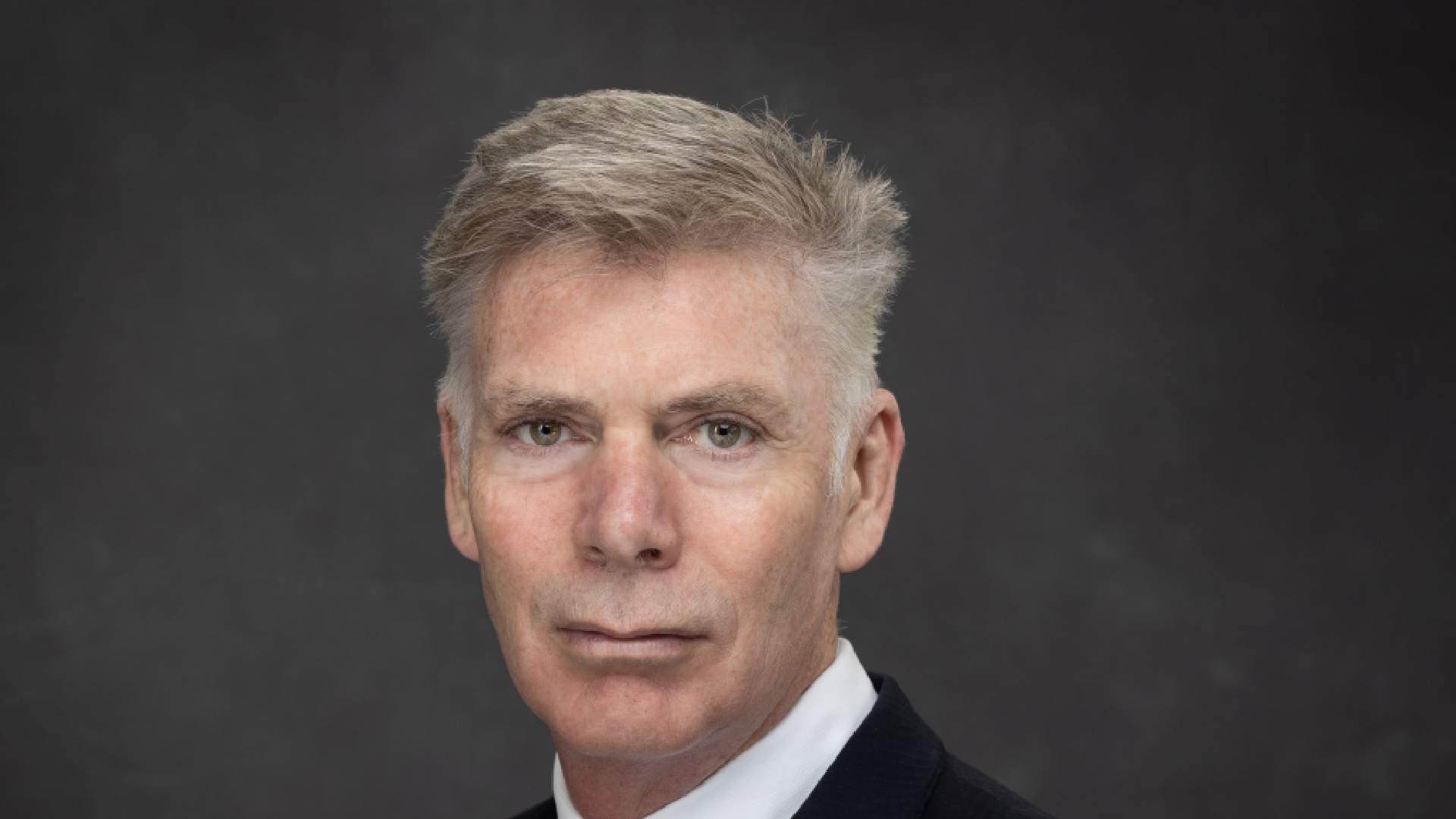
Attributed by: Nicholas Wright, Head of Institutional Sales, Saxo Bank
Dubai’s winning combination of UK-inspired regulation, investor-friendly tax policies, and a strategic time-zone advantage is propelling the city to the forefront of global wealth destinations, attracting a wave of new millionaires from traditional centres like London.
Its evolution from a regional trading outpost to a global financial centre has been one of the defining economic success stories of the past two decades. Once viewed primarily as a gateway to the Gulf, the city is now positioning itself as a trusted bridge between East and West, a place where capital, talent, and innovation converge.
This transformation is intentional, driven by a powerful combination of regulatory trust, tax advantages, and a strategic location. These combined “push-and-pull” forces are attracting a fresh wave of global investment and high-net-worth migration, solidifying Dubai’s role in the world’s financial architecture.
Building Global Confidence: Regulation that Mirrors London
A critical pillar of Dubai’s ascent has been the credibility of its regulatory ecosystem, anchored by the Dubai Financial Services Authority (DFSA). The DFSA’s adoption of a UK-style, principles-based framework has created a familiar and trusted environment for international investors, particularly those from established markets such as London, Zurich, and Hong Kong.
By aligning with global standards set by IOSCO and Basel, the DFSA has helped ensure that Dubai’s financial regulations meet the expectations of international institutions. Importantly, the city’s common-law legal framework, applied through the DIFC Courts, offers predictability and transparency, qualities that distinguish Dubai from many emerging markets.
Aligning with internationally recognised best practices attracts global firms that value strong governance and reassures private investors that Dubai’s rapid growth is built on solid foundations. In doing so, it turns the city’s financial free zones, particularly DIFC, into a natural extension of the world’s major financial capitals.
Global Tax Shifts and the Migration of Wealth
While regulation provides the foundation of trust, global tax realignments are now accelerating Dubai’s growth. Across Europe and the UK, tightening fiscal regimes and increased scrutiny of offshore structures are prompting many high-net-worth individuals (HNWIs) and family offices to reassess their base of operations.
The UK’s reform of the long-standing Non-Domiciled (“Non-Dom”) tax regime, combined with higher tax rates and stricter reporting obligations, has diminished London’s appeal as a haven for global wealth. Resulting in a clear outflow of capital, the UK is forecast to lose around 16,500 millionaires in 2025, according to Henley & Partners, the largest net outflow recorded by any country in over a decade.
In contrast, Dubai has emerged as one of the world’s leading destinations for mobile wealth. Over the past decade, the number of millionaires residing in the city has doubled. According to The Rise of Dubai study, the emirate is home to 86,000 millionaires, 251 centi-millionaires, and 23 billionaires, as of June 2025.
This shift represents a classic case of push and pull: mature markets are tightening, while dynamic jurisdictions like Dubai combine transparency with competitiveness. The UAE’s own fiscal evolution, including the introduction of a federal corporate tax aligned with OECD standards, has enhanced credibility while preserving the hallmark advantages of no personal income tax and a stable, predictable business environment.
At the same time, Dubai’s establishment of family wealth centres, along with trust and foundation structures in the DIFC, is attracting international family offices that value both strong global compliance and flexible local regulations. The DIFC now accommodates over 120 family offices and more than 800 family-related entities, together managing an estimated US$1.2 trillion in assets.
Dubai’s Enduring Wealth Base and Private Banking Strength
Long before it became a magnet for global capital, Dubai was already a regional hub for private banking, buoyed by decades of oil wealth and the emergence of HNW and UHNW individuals across the Gulf. Historically, much of that wealth was parked offshore in jurisdictions such as Switzerland and London.
Today, that wealth is increasingly being repatriated and managed locally, as the DIFC and DFSA frameworks give investors confidence that their capital is governed under international standards. Making this city a magnet for new millionaires, surpassing other global hubs in attracting mobile wealth.
Population Growth and the Rise of the Mass Affluent
Dubai’s population surged past 4 million residents in 2025, up from around 1.9 million in 2011. This rapid demographic expansion, fueled by a strong influx of capital, added more than 223,000 new residents in just one year, marking the fastest growth rate in the city’s history.
A significant portion of this growth is concentrated within the affluent and mass-affluent segments, creating strong potential for the next generation of digital and hybrid wealth managers. As professionals, entrepreneurs, and global citizens increasingly choose Dubai as their base, the city’s financial ecosystem is expanding beyond traditional private banking into scalable, tech-enabled wealth management platforms.
The Next Chapter: Sustaining Momentum
As Dubai’s profile grows, so too does the need to maintain the balance between openness and oversight. The DFSA has already demonstrated its adaptability, from developing frameworks for digital assets and fintech innovation to integrating ESG principles into its supervisory approach.
Such responsiveness will be vital as global finance enters a new era shaped by digitalisation, sustainability, and shifting investor expectations. If Dubai can continue to combine rigorous regulation with pragmatic innovation, it will not only retain its current momentum but also strengthen its claim as the most trusted financial hub between London and Singapore.

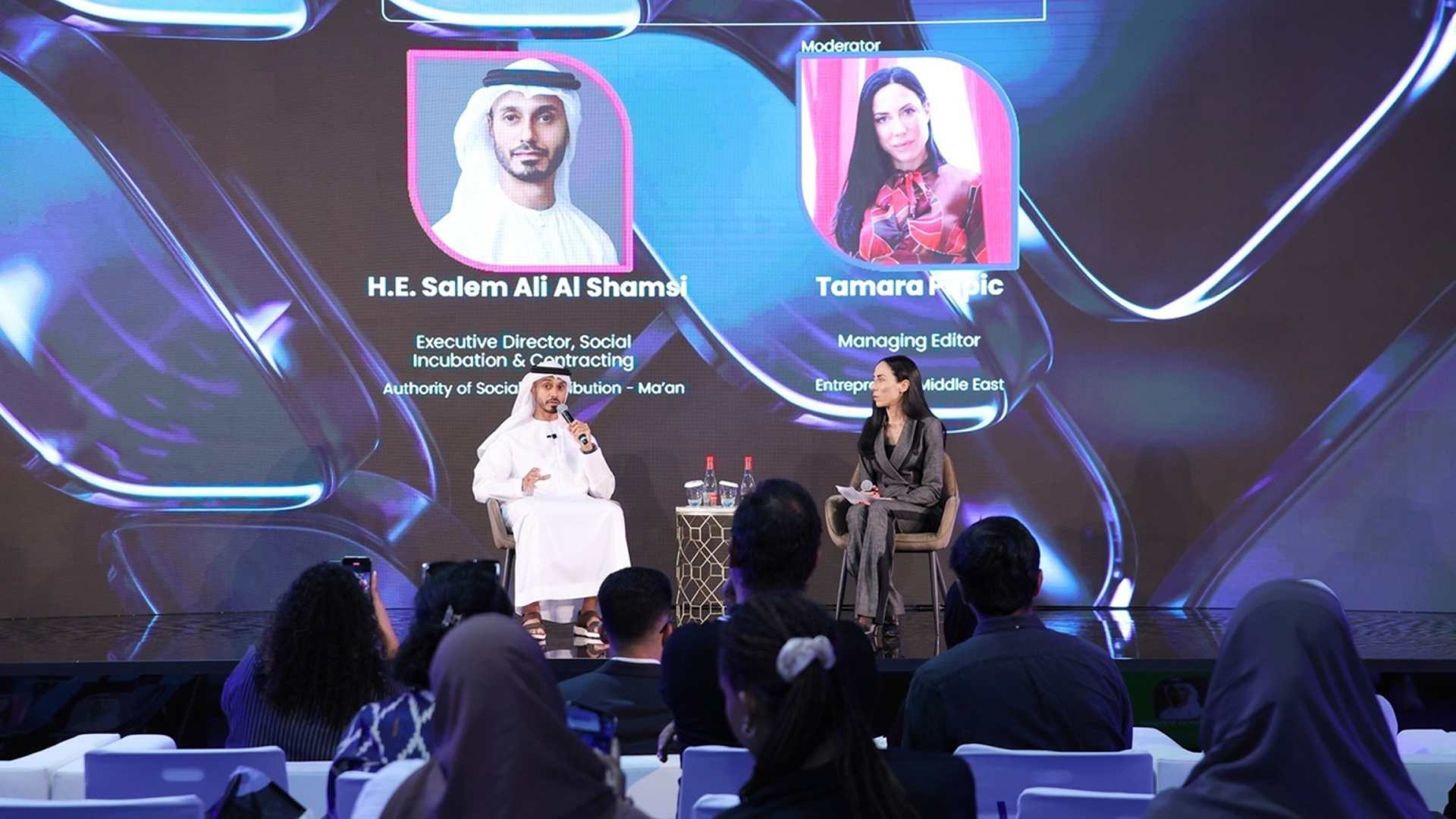
Athar+, Abu Dhabi’s first purpose-driven hub dedicated to accelerating social impact, operated by the Authority of Social Contribution – Ma’an, has launched the second edition of its HACK4IMPACT hackathon, bringing together changemakers to develop practical solutions that address key social priorities and contribute to positive social impact across Abu Dhabi.
Launched in line with the objectives of the UAE’s Year of Family, this edition of the hackathon focuses on addressing family-related challenges through innovative and community-driven approaches. Taking place from 16-18 June 2026 at Athar+, the three-day programme brings together aspiring entrepreneurs, innovators, professionals, and community members to develop solutions addressing three family-centred priorities: building stronger family foundations, enhancing financial wellbeing for parents, and supporting families caring for aging parents.
Guided through a structured innovation journey, participants will apply design thinking methodologies to explore challenges, validate ideas, develop prototype concepts, and present their solutions to a panel of judges.
High-potential concepts emerging from the hackathon have the opportunity to be considered for further support through Athar+’s incubation ecosystem, enabling participants to continue developing their solutions beyond the event. Through these challenge areas, the initiative aims to advance family wellbeing, strengthen social cohesion, and support the development of solutions that respond to the evolving needs of families in Abu Dhabi.
This initiative aims to strengthen practical innovation skills among participants while identifying high-potential ideas and scalable concepts capable of addressing key social priorities. It also encourages collaboration by bringing together individuals from diverse backgrounds and expertise. The hackathon provides an accessible entry point for youth and first-time innovators to contribute to solving community challenges through entrepreneurship and social innovation, inspiring them to play an active role in shaping impactful and practical solutions.
His Excellency Salem AlShamsi, Executive Director of Social Incubation and Contracting at Ma’an said: “HACK4IMPACT reflects Athar+’s commitment to empowering innovators and aspiring entrepreneurs to develop practical solutions that address real social priorities and enhance quality of life across our communities. By empowering future talent through Athar+, we are strengthening Abu Dhabi’s position as a regional hub for social entrepreneurship while advancing the Authority’s vision of fostering a culture of giving, participation, and measurable social progress.’’
Aligned with the objectives of the UAE’s Year of Family, the initiative also supports broader national efforts to strengthen family wellbeing, social resilience, and community cohesion through collaborative innovation and inclusive engagement.”
Through dedicated workspaces, expert mentorship, professional services, and tailored growth programmes offered by Athar+, participants will be supported in transforming ideas into prototype concepts while gaining access to opportunities within Abu Dhabi’s innovation and entrepreneurship ecosystem.
Qashio, the UAE’s leading spend management platform, has partnered with NEXA AI Lab, the AI division of NEXA, one of MENA’s leading digital growth agencies, to help accelerate AI adoption across finance teams in the UAE through automation and AI-powered financial workflows.
As part of the partnership, Qashio and NEXA AI Lab will work together to support businesses in adopting AI tools that improve spend visibility, streamline manual processes, and make finance operations more efficient. The partnership will also include a free AI audit to help finance teams identify where AI can deliver immediate operational value and support broader adoption across the business. Both companies say the initiative is designed to move businesses from AI awareness to implementation, in line with the UAE’s national AI strategy targeting full public sector AI integration by 2031.
Amit Vyas, CEO of NEXA, comments: “AI delivers value when it is embedded directly into day-to-day workflows, rather than treated as a standalone concept. Finance is one of the clearest areas where this shift is already taking place, with businesses under increasing pressure to improve real-time decision-making. Through our partnership with Qashio, our goal is to help organisations identify where AI can be applied in practical, high-impact ways across financial operations.”
Armin Moradi, CEO of Qashio, said: “A global industry survey shows that 81% of financial institutions expect AI to be embedded in their core operations by 2030, and the UAE is one of the fastest-growing AI markets globally, setting a new baseline for competitiveness across the private sector. Our partnership with NEXA AI Lab is built to help close the gap between AI adoption plans and real execution, enabling enterprises and SMEs in the UAE to compete with the best in the world.”
Qashio has already integrated AI into its own financial workflows through features such as AI-powered receipt capture, which automatically extracts key information, including TRN, vendor names, and transaction data. The technology helps finance teams reduce manual data entry, save more than 4 hours each week, and maintain cleaner, more reliable financial records.
NEXA brings deep expertise in digital transformation and AI implementation across industries. Together, the two companies are focused on making AI accessible and measurable for businesses in the UAE. Both companies are already using tools like ConvoAI to improve access to data and provide instant support outside of working hours. Qashio is already leveraging NEXA AI Lab’s product offering. This reflects a broader shift towards always-on, AI-enabled operations.
Financial
Standard Chartered Supports Pakistan’s First Panda Bond Issuance in Chinese Interbank Market
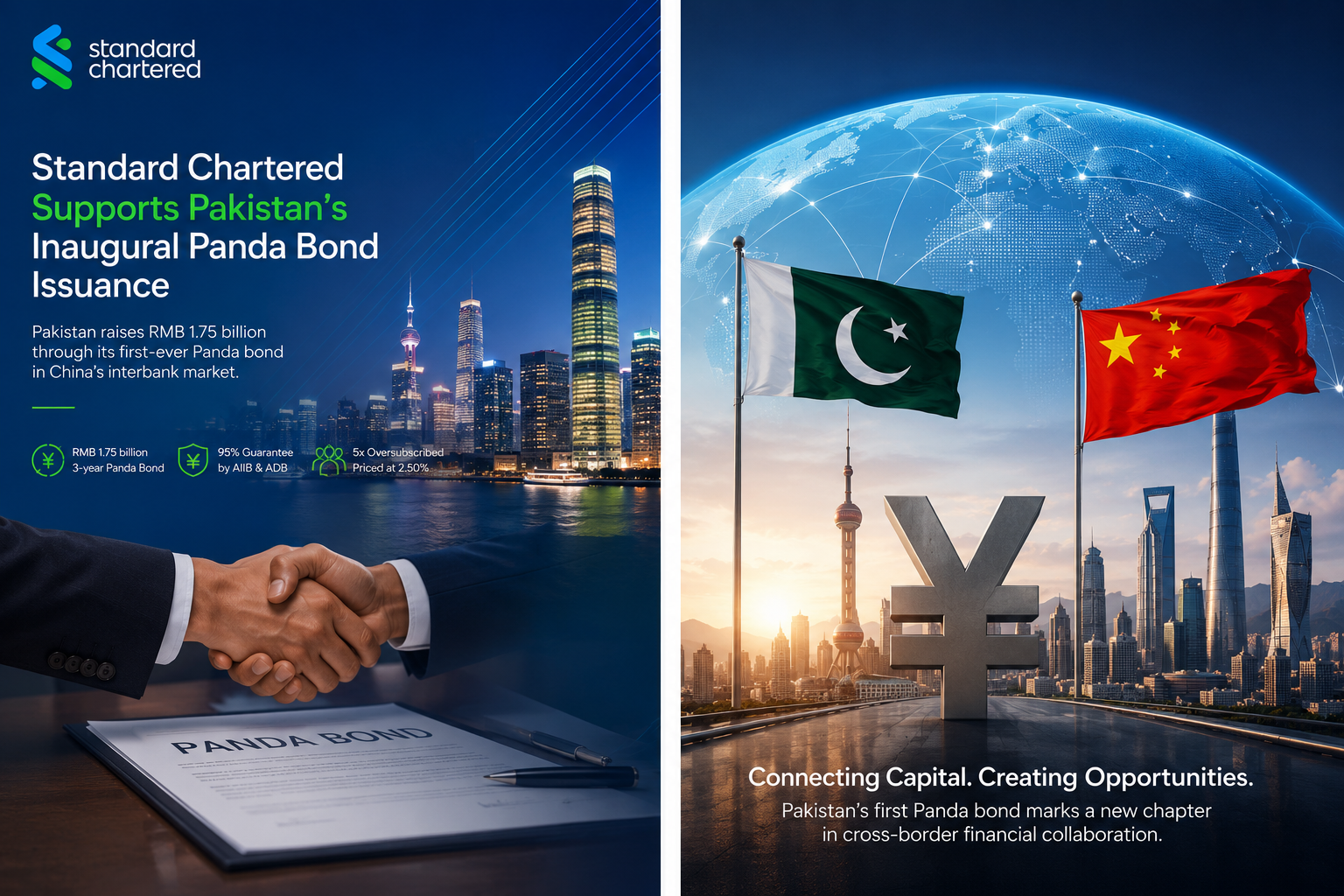
Pakistan has successfully completed its inaugural Panda bond issuance in China’s interbank bond market, raising RMB 1.75 billion through a three-year transaction that marks the country’s first direct entry into China’s capital markets.
Standard Chartered (China) Ltd. Co acted as the only foreign bank serving as joint lead underwriter and joint book runner for the transaction, supporting Pakistan in broadening its international financing channels while strengthening financial connectivity between regional capital markets.
The issuance received strong support from multilateral development institutions, including the Asian Infrastructure Investment Bank (AIIB) and the Asian Development Bank (ADB), which together guaranteed 95 per cent of the bond’s principal and interest payments. The structure helped attract significant demand from Chinese banks, securities houses, and international financial institutions.
The transaction was reportedly more than five times oversubscribed, allowing Pakistan to price the bond at 2.50 per cent, the tightest end of the indicated pricing range.
Salman Ansari, Global Head, Capital Markets, Standard Chartered, described the issuance as a strategically important transaction that expands Pakistan’s access to global liquidity pools while demonstrating the growing relevance of regional capital markets within the international funding landscape.
The transaction also reflects the broader evolution of the Renminbi within global financial markets, as China continues expanding the role of its currency beyond trade settlement into cross-border financing and sovereign funding structures.
Jerry Zhang, Global Head of Banks & Broker Dealers and Head of Coverage, Greater China and North Asia at Standard Chartered, said the transaction highlighted the bank’s role in connecting international issuers with China’s domestic capital markets while also reflecting the continued internationalisation of the Renminbi.
The Panda bond market has increasingly attracted a wider range of sovereign, supranational, and institutional issuers in recent years as regional economies explore diversified funding channels and deeper access to Chinese liquidity pools.

WHY PERSONALISATION IS THE NEW CURRENCY IN WEALTH MANAGEMENT
ZAHRA’S KITCHEN SHARES ITS GUIDE TO EASIER SUMMER EATING IN THE UAE
MOONWALK INTO JUNE



-
News11 years ago
SENDQUICK (TALARIAX) INTRODUCES SQOOPE – THE BREAKTHROUGH IN MOBILE MESSAGING
-

 Tech News2 years ago
Denodo Bolsters Executive Team by Hiring Christophe Culine as its Chief Revenue Officer
-

 Trending8 months ago
OPPO A6 Pro 5G Review: Reliable Daily Driver
-
 VAR1 year ago
Microsoft Launches New Surface Copilot+ PCs for Business
-
Tech Interviews2 years ago
Navigating the Cybersecurity Landscape in Hybrid Work Environments
-

 Automotive2 years ago
AGMC Launches the RIDDARA RD6 High Performance Fully Electric 4×4 Pickup
-

 Tech News11 months ago
Nothing Launches flagship Nothing Phone (3) and Headphone (1) in theme with the Iconic Museum of the Future in Dubai
-

 VAR2 years ago
Samsung Galaxy Z Fold6 vs Google Pixel 9 Pro Fold: Clash Of The Folding Phenoms