
 Have a question? +971 56 404 0503




Financial
Legacy planning: The clause you’ll never see, but every Will needs



Pooja Bhattia, Solicitor &
Nazneen Abbas, Founder, Ma’an
When a Dubai family recently attempted to execute a Will that divided everything “equally,” the process turned unexpectedly complicated. The father had left behind three properties, a thriving trading business, and a handful of investments. On paper, each heir was entitled to one-third. In practice, however, the math didn’t add up.
Two of the properties required transfer fees before the titles could change. The business needed a professional valuation before any shares could move.
One child wanted to retain the family home, another wanted their share in cash, and the third had settled abroad, facing foreign tax liabilities. The estate was rich in assets but poor in liquidity. What seemed like a clear-cut Will became a year-long exercise in negotiation, paperwork, and frustration.
This is the quiet problem most families never anticipate. A Will can divide ownership, but it cannot generate liquidity. Without readily available funds to meet transfer fees, buyouts, and taxes, the process of inheritance becomes logistically and emotionally taxing.
The invisible thread between fairness and liquidity
Estate planning conversations often revolve around fairness: ensuring that every child or beneficiary receives an equal share. Yet, fairness depends not just on value but on accessibility. An heir inheriting property worth millions may find it difficult to sell or borrow against it. Another inheriting shares in a family business may have no interest or capacity to manage it. Without liquidity, equality on paper can quickly turn into imbalance in practice.
Lawyers can draft the most carefully worded Wills, but unless they account for liquidity, execution remains vulnerable. The costs of succession – transfer charges, administrative fees, professional valuations, and in some cases, estate taxes – arrive well before any inheritance is realized. Families often find themselves dipping into personal savings, taking loans, or reluctantly selling assets just to complete what was intended to be a smooth transition.
Liquidity: The quiet equalizer
To bridge this gap, experienced planners build in financial solutions that create liquidity at precisely the right time. These may include structured portfolios, annuity plans, dedicated investment buckets, life insurance arrangements, or a combination of all three. The label matters less than the outcome: a pool of liquidity available when the estate most needs it.
For many families, the challenge arises not from a lack of assets but from a lack of accessible cash to make those assets usable. A property cannot be transferred without fees, a business cannot be divided without valuation, and heirs living abroad may face taxes before they can claim what they inherit. The purpose of these financial plans is to ensure that when such obligations arise, the necessary liquidity already exists.
In legal drafting, these provisions are rarely described by the name of a product. Instead, they appear through clauses addressing estate equalisation, shareholder protection, or tax optimisation – terms that focus on the outcome rather than the instrument. This approach keeps Wills concise while allowing flexibility for the underlying financial architecture to adapt over time. The result is subtle but significant: heirs receive not just assets, but the ability to act on them.
Consider again the Dubai family. With a well-structured liquidity clause, one heir could have drawn on pre-arranged funds to pay the transfer fee and retain the home. Another could have bought out a sibling’s business shares, while the third could have met foreign tax obligations without selling inherited assets. Instead of disputes and delays, execution would have been straightforward, preserving both relationships and value.
Business continuity and fair valuation
Among entrepreneurs, this liquidity gap often runs deeper. Many business owners assume that dividing shares equally among children ensures fairness. Yet, few pause to consider what happens when only one or two heirs wish to continue the business.
Without liquidity, buyouts become impossible. Those running the enterprise must continue to share profits with siblings who contribute nothing to its growth, breeding resentment on both sides. A well-drafted Will therefore includes a clause that mandates valuation of the company at the time of death and provides a mechanism for exit – often funded through pre-planned financial solutions such as insurance, annuity contracts, or investment plans earmarked for succession.
In such cases, these instruments are not a safety net, but a continuity tool. They provide the cash flow that keeps ownership clean, operations uninterrupted, and family dynamics intact. The alternative – co-ownership without clarity – can stall decision-making and diminish the very business meant to support future generations.
Navigating cross-border tax exposure
Modern families are increasingly international. Parents may reside in the UAE, while children live or work abroad, in jurisdictions where inheritances attract income, estate, or wealth taxes. The very act of inheriting can push an heir into a higher tax bracket. Well-structured financial instruments can efficiently offset cross-border liabilities.
Clients are sometimes surprised that their legal documents focus on principles such as estate equalisation, shareholder protection, or tax optimisation rather than naming specific products like insurance. This is deliberate. A Will is a legal document; it defines intentions and outcomes. The financial architecture that supports those clauses is built through separate planning, which can evolve over time.
Behind that discretion lies pragmatism. Financial tools evolve, regulations shift, and family circumstances change. What matters is not the name of the mechanism but its function: to ensure that cash exists where the law and logic demand it most.
Designing for peace of mind
A well-structured estate plan treats liquidity planning as part of its core architecture. It supports every transfer clause, equalisation formula, and tax-planning provision, ensuring that the Will delivers real, actionable outcomes. These financial solutions – whether investment-based, annuity-linked, or insurance-backed – act as quiet safeguards that help preserve what matters most.
The most successful successions are often the quietest. Properties change hands without conflict, businesses continue seamlessly, and families remain intact. To outsiders, it may appear as though the Will “worked perfectly.” In reality, what worked was the preparation – the foresight to pair legal precision with financial planning that sustains both assets and harmony.
People spend lifetimes building security for their families, and inheritance should strengthen that harmony, not test it. When liquidity is thoughtfully built into an estate plan, a legacy becomes less a transfer of wealth and more a continuation of peace.



With Dubai fast-tracking agentic AI and AI use among DIFC financial firms rising sharply, Samir Akel, Regional Vice President, Emerging Markets at Nintex, sets out how orchestration turns agentic AI into results for UAE banks and insurers.
This week, much of the region’s technology community has gathered in Abu Dhabi for AI Everything, and the question on the show floor has moved on. A year ago, banks and insurers asked whether to deploy AI agents; today they want to know how to make those agents deliver results across an entire customer journey.

Government is setting the pace. On 5 October, the Dubai Future Foundation launched an agentic AI accelerator covering 33 government entities and more than 300 public-facing use cases, building on the federal target to run half of government services and operations on agentic AI within two years. Few countries have put a number and a deadline on agentic AI. The UAE has done both.
Finance is keeping up. The Dubai Financial Services Authority’s survey of 661 DIFC firms found that 52% now use AI, up from 33% a year earlier, while generative AI use rose by 166%; the regulator also noted that, for many firms, adoption is still at an early stage. UAE finance has AI in many places. The value comes when those pieces work together.
Work in financial services is fragmented
Follow a corporate account opening at a typical UAE bank. The application lands in a portal or a relationship manager’s inbox; documents and identity are checked, sanctions screening runs in a separate tool, a risk team reviews the file, a committee signs it off and operations sets up the account in core banking. That’s six steps, six systems and one waiting customer.
AI agents speed up individual steps: an agent can extract a trade licence in seconds or draft a risk summary in minutes. Then the file sits in a queue for a reviewer who has no idea it is ready. The task gets faster, while the journey stays as slow as its slowest handoff.
That gap is the coordination tax, made up of the hours lost chasing approvals, re-keying data and fielding “where is my application?” calls. In banking, insurance and payments, where one journey can cross half a dozen teams, it is often the largest cost nobody actually measures.
Process is the foundation
Institutions that turn AI into outcomes start by understanding how work actually runs, and regulated firms have a head start here because they already document their processes for supervisors. The task is to map those processes as they really operate (workarounds and exceptions included) and give each step to the right worker.
Steps that must run identically every time, such as sanctions checks and payment releases, suit rules-based workflow. Reading documents and reasoning over unusual cases suit AI agents. Judgement belongs to people. With the Central Bank’s AI guidance for the sector placing clear emphasis on human oversight, deciding where people sit in a process is now part of designing it.
Orchestration makes AI operational
Once the process is clear, orchestration connects it. It coordinates people, systems, data and agents across a whole journey, deciding who or what acts next and routing exceptions to the right person before they become delays.
Think of an airport, where more aircraft add capacity only when air traffic control sequences them. AI agents work in the same way.
For a bank or insurer, orchestration brings one view of every application, claim or payment. Core banking and policy platforms keep their role while work flows between them, and each orchestrated journey becomes a template for the next, so the tenth deployment goes live faster than the first.
A 90-day starting point
Finance can borrow the government’s 90-day rhythm. Pick one journey that crosses at least three systems and two departments, such as SME lending or a motor claim, and map it as it runs today. Count the handoffs and measure the time lost between them; that figure is your coordination tax. Then assign each step to a rule, an agent or a person, orchestrate the whole journey and track time to decision. Reuse what works.
The orchestrators will lead
At the accelerator launch, Digital Dubai’s Director General said the future of digital government depends on an integrated ecosystem that brings expertise, data and capabilities together. The same holds inside every bank.
Over the next year, the number of AI agent use cases across UAE banking and government will grow rapidly. The institutions that pull ahead will be those with a platform to orchestrate and govern those agents, taking them from pilot to production at scale, while keeping people in control. In the AI era, operational advantage belongs to the orchestrators.
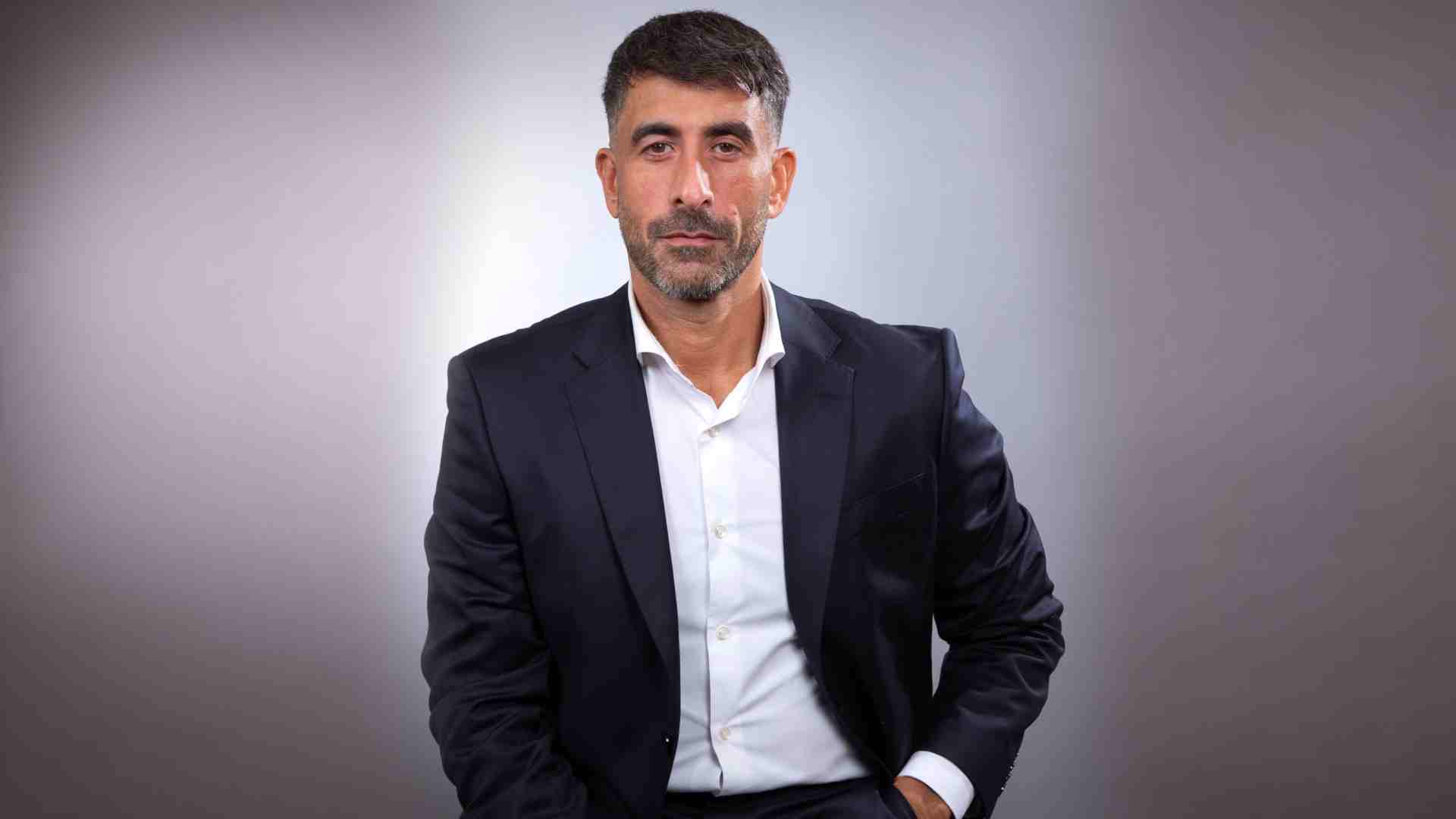
Henry Dannell, a specialist cross-border credit adviser, has announced its expansion into the Middle East with the opening of a representative office in Dubai International Financial Centre (DIFC), marking a significant milestone in the firm’s international growth strategy.
The move reflects rising demand for specialist advice among internationally mobile individuals whose financial interests increasingly span multiple jurisdictions, asset classes, and lending structures. As Dubai continues to strengthen its position as a global wealth and investment hub, attracting entrepreneurs, family offices, investors, and high-net-worth individuals from around the world, the complexity of managing wealth across borders has increased significantly. Many of these individuals now live, work, invest, and hold assets internationally, creating borrowing requirements that often extend beyond conventional lending frameworks.
Henry Dannell’s expansion into Dubai is designed to bring the firm’s specialist expertise closer to the region’s growing network of wealth advisers, family offices, tax specialists, legal professionals, and internationally connected clients.
Founded in 2019, Henry Dannell has built a reputation for delivering bespoke credit and lending solutions for clients with highly sophisticated financial circumstances. The firm’s advisers support a broad spectrum of clients, from business owners and entrepreneurs to ultra-high-net-worth individuals, helping them navigate complex borrowing scenarios that frequently involve multiple jurisdictions, unconventional income structures, and international assets. Unlike traditional mortgage providers, Henry Dannell operates as a specialist advisory business focused on structuring tailored credit solutions and working alongside trusted professional advisers to address complex financing requirements.
The establishment of the DIFC representative office represents the first phase of the company’s broader regional growth ambitions and will serve as a hub for relationship-building, market engagement, and collaboration with professional advisory communities across the Middle East.
Kem Kemal, CEO and Co-Founder of Henry Dannell, said: “Over the last decade, we have seen a fundamental shift in how wealth is created, managed, and deployed. Successful individuals are increasingly global in their outlook. They may operate businesses in one country, hold investments in another, and seek opportunities across several markets simultaneously. Yet lending has not always evolved at the same pace.”
He explained that too often, highly accomplished individuals with substantial assets and strong financial positions encounter challenges because their circumstances fall outside conventional frameworks. “Our role is to understand the complete picture and design bespoke solutions that reflect the realities of modern international wealth.”
“Dubai has become one of the most important centers for global capital, entrepreneurship and wealth advisory services,” he added. “Establishing a presence within DIFC allows us to be closer to the professional advisers and internationally connected clients we serve, while strengthening relationships across a region that continues to play an increasingly influential role in global finance.”
With over 165 years of combined industry experience across its advisory team, Henry Dannell has developed specialist expertise across residential, commercial, and specialist lending transactions. Through its Dubai presence, Henry Dannell aims to deepen engagement with the region’s professional advisory ecosystem while contributing to discussions around international wealth, investment, and cross-border financial planning.
Financial
The UAE’s Net Wealth Reaches $3.6 Trillion in 2025 and is Expected to Approach $6 Trillion by 2030, BCG Report Finds
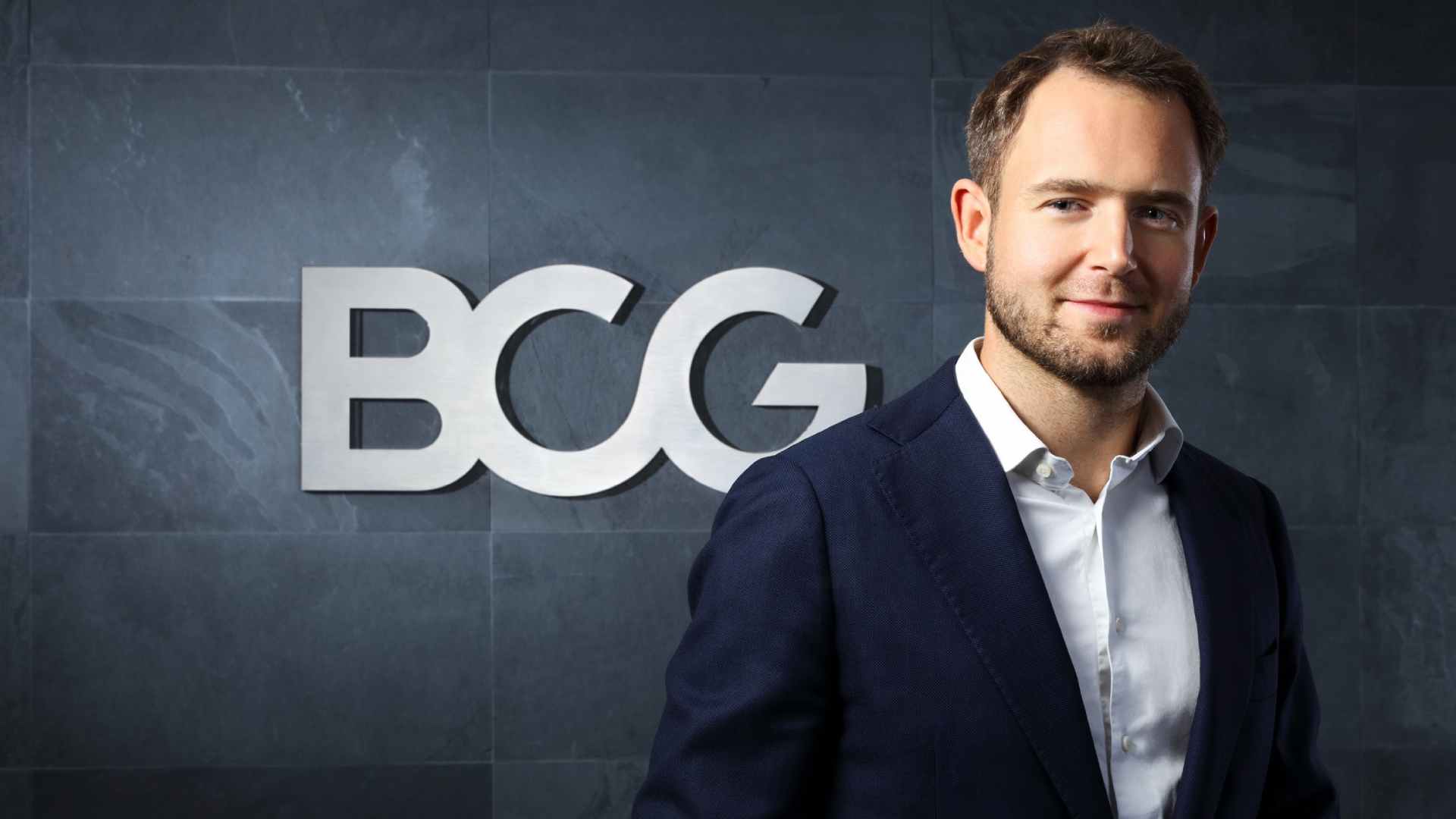
The UAE’s net wealth grew by 12.7% between 2024 and 2025, rising from $3.2 trillion to $3.6 trillion, according to Boston Consulting Group’s (BCG) Global Wealth Report 2026: The Great Reordering. Total Net wealth is forecast to reach $6 trillion by 2030, with a CAGR of 10.6%. This represents an increase of more than $2.3 trillion over the next five years. The projected growth points to the UAE’s long-term wealth creation potential.
Financial wealth, including both investable and non-investable wealth, grew by 12.3% between 2024 and 2025, rising from $1.2 trillion to $1.4 trillion and is set to rise to $2.1 trillion by 2030 at a CAGR of 8.7%. Real assets reached $2.4 trillion in 2025 from $2.2 trillion in 2024, with projected growth to $4.2 trillion by 2030.
The findings show the resilience of the UAE wealth market amid a volatile global environment and heightened geopolitical uncertainty. “The ongoing conflict has introduced short-term volatility across Middle Eastern markets, with investor sentiment shaped by geopolitical uncertainty and oil-price movements,” said Lukasz Rey, Managing Director and Partner at BCG. “However, the region’s wealth development story remains structurally resilient over the five-year projection horizon. While we anticipate slightly lower growth over the next one to two years, a rebound is expected toward the latter part of the decade, supported by sovereign wealth strength, economic diversification agendas, family-business liquidity events, and continued private capital activity. We expect wealth managers to remain cautious in the near term; however, the long-term wealth opportunity in the Middle East remains intact.”
The report identifies a broader reordering underway across the global wealth-management industry, spanning geographic shifts, emerging-market wealth creation, intergenerational succession, and AI-driven operating model transformation.
Shifting Wealth Concentration Across UAE Population Segments
According to the report, the UAE’s financial wealth remains concentrated among high-net-worth individuals, with the composition of wealth expected to evolve by 2030 as more wealth accumulates within the lower high-net-worth segment. There are approximately 500 ultra-high-net-worth (UHNW) individuals, those with more than US$100 million in assets, in 2025, and they are expected to increase to around 800 by 2030, while their share of total financial wealth rises marginally from 26.3% to 26.5%. The upper high-net-worth segment (US$20–100 million) is forecasted to grow from approximately 2.7K to 4.2K individuals, with its share of wealth broadly stable at 7.4% in 2025 to 7.6% in 2030.
In contrast, the lower high-net-worth segment (US$1–20 million), which comprises approximately 200K individuals, is expected to increase its share of financial wealth from 29.3% in 2025 to 31.5% in 2030. The affluent segment (US$0.25–1 million) is expected to expand from approximately 500K to 600K individuals in 2030, while its share of wealth declines from 15.5% to 14.6% as wealth disperses across a larger base. The mass segment (below US$0.25 million) remains the largest by population, growing from roughly 8.6M to 9M individuals, but its share of financial wealth decreases from 21.5% to 19.8%.
The key UAE findings of BCG’s proprietary analysis are:
- Financial wealth reaches $1.4 trillion in 2025, with strong projected growth to $2.1 trillion by 2030 (CAGR: 8.7%)
- Real assets rose to $2.4 trillion in 2025 and are expected to hit $4.2 trillion by 2030 (CAGR: 11.5%)
- Liabilities climbed to $220 billion in 2025 from $210 billion in 2024, with projections indicating $340 billion by 2030 (CAGR: 8.9%)
- Cross-border financial wealth belonging to UAE residents and booked outside the UAE surged by 9.4% between 2024 and 2025 in the UAE, reaching $468.4 billion. It is forecasted to grow to $678.2 billion by 2030 with a CAGR of 7.7%.
- Separately, the UAE continues to strengthen its position as a global wealth booking center, with cross-border wealth belonging to international clients and booked in the country reaching $721 billion in 2025, up 11.1% year-on-year.
- Currency & Deposits, valued at $471.8 billion in 2025, is projected to grow to $778.9 billion by 2030, with a CAGR of 10.5%
- Bonds are expected to reach $27.8 billion by 2030 from $15.9 billion in 2025, with a CAGR of 11.8%
- Equities, valued at $419.4 billion in 2025, are expected to reach $591.9 billion by 2030 at a CAGR of 7.1%
- Life Insurance & Pensions are valued at $26.6 billion in 2025 and projected to grow to $48.4 billion by 2030 (CAGR: 12.7%)
AI Is Reshaping the Economics of Wealth Management
BCG’s report finds that AI is beginning to reshape wealth-management economics and operating models. AI-powered tools are already drafting financial plans, automating compliance documentation, generating portfolio rationales, and predicting client churn. According to BCG analysis, AI-first wealth managers could unlock 25%–30% capacity gains across key workflows while increasing revenue per advisor by 15%–20%. The report argues that the industry is approaching a structural divide between firms redesigning workflows around AI agents and those layering AI tools onto legacy processes.
“The UAE’s wealth pool is set to grow by more than $2 trillion over the next five years, and the constraint on capturing that growth is advisor capacity rather than client demand,” said Mohammad Khan, Managing Director and Partner at BCG. “Firms that are redesigning their workflows around AI agents are creating the headroom to serve a larger client base without diluting the quality of advice. Those layering AI onto legacy processes are paying for the technology without changing their economics, and that gap widens the longer it is left.”
Wealth managers face a choice between adapting incrementally and committing to an AI-first future, with the report identifying the latter as the more sustainable approach. Key priorities include:
- Map value chain exposure: Identify rules-based, templatized processes most vulnerable to automation. Distinguish truly bespoke, relationship-dependent work from structured, repeatable tasks to guide investment decisions.
- Attack high-cost workflows: Scale AI now in financial planning, portfolio management, and compliance, automated drafting, AI-generated rationales, knowledge assistants.
- Rebuild the advisor experience around AI: Integrate next-best-action prompts, retention alerts, automated documentation, and personalized outreach into a unified system.
- Encode institutional knowledge into agents: Pair top practitioners with engineers to build and refine AI agents. Embed advisor judgment into today’s agents, without centralized ownership and outcome-based evaluation, differentiation erodes.
- Prepare the tech stack for agents. Introduce a decoupled data layer separating operational systems from data consumption, delivering real-time, API-accessible data while maintaining deterministic control through transaction systems and rules engines.


The Connected Home Is Evolving into an Intelligent Ecosystem

New Partnership Connects Residential Wellbeing With Preventive Healthcare

Dubai Ride-Hailing App Zed Strengthens Leadership with Appointment of Shobhit Singhal to Shape Its Future



-

 Trending12 months ago
OPPO A6 Pro 5G Review: Reliable Daily Driver
-

 Tech News2 years ago
Denodo Bolsters Executive Team by Hiring Christophe Culine as its Chief Revenue Officer
-
 VAR2 years ago
Microsoft Launches New Surface Copilot+ PCs for Business
-

 Automotive2 years ago
AGMC Launches the RIDDARA RD6 High Performance Fully Electric 4×4 Pickup
-
Tech Interviews3 years ago
Navigating the Cybersecurity Landscape in Hybrid Work Environments
-

 Hospitality2 years ago
Gulfood 2025 30th Edition Kicks Off Today, Setting New Benchmarks in F&B Growth and Innovation
-

 VAR10 months ago
Huawei Nova 14 Pro Review: Where Camera Excellence Meets Ecosystem Evolution
-

 Tech News1 year ago
Nothing Launches flagship Nothing Phone (3) and Headphone (1) in theme with the Iconic Museum of the Future in Dubai