
 Have a question? +971 56 404 0503




Hospitality
RESILIENCE ACROSS BORDERS NAVIGATING GLOBAL UNCERTAINTY

By Twinkle Aswani, editorial division, Integrator Media
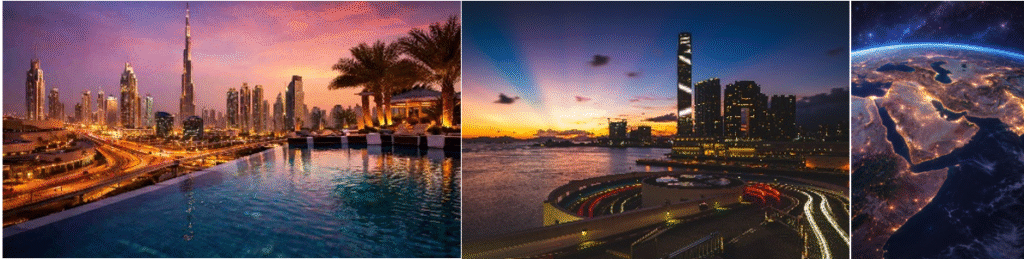
The hospitality sector across the Gulf Cooperation Council (GCC) has long served as a barometer of global travel sentiment, highly responsive to international dynamics yet consistently demonstrating an ability to recalibrate and recover. In the current geopolitical climate, where travel patterns are increasingly shaped by caution and selectivity, the region finds itself at a familiar crossroads, navigating short-term fluctuations while reinforcing long-term strength.
Within this landscape, the United Arab Emirates continues to play a leading role, driven by its global connectivity, infrastructure, and policy agility. Recent months have introduced a measured slowdown following a record-breaking season, reflecting broader global travel hesitations. Yet, beneath this temporary recalibration lies a deeper narrative, one of maturity, adaptability, and strategic resilience.
According to JS Anand, Founder & CEO of LEVA Hotels, “The UAE hospitality sector is currently navigating a short-term slowdown, following one of Dubai’s strongest seasons on record between November and February. The decline, driven largely by reduced international visitor flows, has had a noticeable impact on occupancy and revenues. This is particularly striking given the strong start to 2026, with occupancy levels reaching 85% and revenues surpassing AED 9.8 billion ($2.7 billion), as recently highlighted by the UAE Minister of Economy and Tourism. Despite these immediate challenges, the sector continues to demonstrate resilience, balancing short-term adjustments with a clear long-term growth strategy. There is cautious optimism, supported by Dubai’s strong global connectivity and streamlined visa policies, which continue to position it competitively against other international destinations.
In response to the dip in international travel, the industry has pivoted towards domestic and regional demand, introducing tailored staycation offerings and engaging more actively with residents. At the same time, traveler expectations have evolved. Guests, particularly in the mid-scale segment, are becoming more value-conscious, looking beyond price to evaluate overall experience, with greater emphasis on personalization and consistency in service. A parallel structural shift is also emerging, with increasing demand for flexible, longer-term stays in hotels and serviced apartments. Many residents are opting for these as convenient, all-inclusive alternatives to traditional rentals. Overall, the current phase reflects a market that is maturing and becoming more adaptive. Most operators view the downturn as temporary, with expansion plans still firmly in place. Many are using this period to innovate, strengthen their offerings, and prepare for recovery, while continuing to explore growth opportunities in high-potential markets such as Abu Dhabi, Ras Al Khaimah, and Tier 2 cities in Saudi Arabia.”
This perspective reflects a broader industry consensus, while geopolitical developments may influence travel flows, the UAE’s infrastructure, policy agility, and global positioning continue to provide a stabilizing advantage. More broadly, these patterns are increasingly visible across GCC markets, where operators are recalibrating strategies in response to evolving global travel behaviour.
A Shift in the Global Traveller Mindset
Beyond macroeconomic and regional dynamics, the evolving psychology of the global traveller is equally shaping the hospitality landscape. Today’s guest is more intentional, seeking experiences that justify both time and investment. This shift is not driven solely by economic caution, but by a deeper desire for authenticity, connection, and meaningful engagement.
Across the wider GCC, similar behavioural shifts are becoming increasingly evident. In markets such as Oman, this evolution is taking a more experience-driven and authenticity-led form. As highlighted by Andrea Orrú, General Manager at Anantara Hotels & Resorts.
“From our perspective in Oman, the market today is being shaped by a more considered and intentional traveller. We are still navigating a period of uncertainty, and rather than slowing demand entirely, it has made people more selective. Guests are choosing destinations that feel authentic, meaningful, and truly worth the journey. What we are seeing quite clearly is a shift towards places that offer depth over scale. Oman lends itself naturally to this. It is often described as the jewel of Arabia, not because it is the most overt, but because it feels genuine. The warmth of the people, the strength of its heritage, and the sense of space create an experience that resonates on a more human level. At Al Baleed Resort Salalah by Anantara, this is reflected in how guests engage with the destination. Our private pool villas offer a level of privacy and ease that has become increasingly important, while our setting, between a UNESCO World Heritage site and the Arabian Sea, provides a rare sense of calm. At the same time, there is a growing appreciation for more grounded experiences, whether that is connecting with our on-site farm, understanding where ingredients are sourced, or simply slowing down and reconnecting with nature.
Seasonality also plays a unique role. The Khareef season brings a completely different dimension to Salalah, transforming the landscape and attracting guests seeking something unexpected, while the winter months appeal to those looking for sun and space in a destination that still feels relatively untouched. Looking ahead, we expect this demand for authenticity, sustainability, and wellbeing to continue. For us, resilience is not about changing direction, but about staying true to what makes Oman distinct, and continuing to offer an experience that feels both genuine and considered.”
While markets like Oman are capitalising on depth and authenticity, the UAE’s strength lies in its ability to scale these evolving expectations—combining infrastructure, connectivity, and experience-led innovation at a global level. This duality across the GCC—between depth and scale—positions the region uniquely within the global tourism landscape.
From Accommodation to Experience: A Regional Shift Led by the UAE
If there is one defining characteristic of the UAE hospitality sector today, it is its rapid evolution beyond traditional lodging. Hotels are no longer just places to stay; they are becoming integrated lifestyle hubs that blend work, leisure, wellness, and social interaction.
According to Mourad Brahmi, Cluster General Manager at Accor, “Travel is energy – it broadens horizons and evokes inspiration. In the UAE, considering how vibrant the country is, the ‘experience-led hospitality’ is a personalisation, a connection, and deeply rooted into the destination. Guests’ experiences and behaviours are always shifting. Every experience has to be immersive and emotionally engaging that goes beyond the traditions of the hospitality, and our Heartists are playing an active role in shaping that journey daily. Another factor that contributes to it, not only operationally but from a sustainable point of view, is the integration of technologies, from booking to mobile applications, on-site digital services to simplify processes, it has its vital part in enhancing these experiences. For us as cluster of three properties, Novotel & Adagio Abu Dhabi Al Bustan, and Mercure Abu Dhabi Downtown, our priority is loyalty. Being part of Accor, our ALL Accor Loyalty Programme provides many benefits to our members; it dives into the depth to be connected with guests. It is the connection and the efforts to getting to know our guests on even more personal level by creating services tailored to their individual preferences and needs. How are hotels evolving into lifestyle destinations rather than just accommodation providers? There are so many properties around us, and we compete with all of them; therefore, it’s critical that we consistently innovate to remain competitive. For us, we went into an extensive renovation at Novotel Abu Dhabi Al Bustan for the past two years where we fully redesigned all our public areas, as well as F&B venues. Our hotel lobby, for instance, became more of a large living room space. It welcomes guests with calming pallets of pastel and natural colours highlighting a relaxing balance between business functionality and leisure comfort.
The lobby is divided into three areas – reception, relaxation, and a working hub. The working hub, transformed into fully functional business centre with boardroom style high tables and fast internet connectivity, is a preferred place for residents and businesses to spend time in an open space while working on a remote schedule. Travelers’ behaviour and expectations are changing constantly, so are we. It is the only equation to stay competitive and build our business. Going forward with a change is rewarding and exciting for us as professionals; it broadens our experience, and at the same time, it is an opportunity to better understand each other, to better know our guests and offer what is really important for them when visiting our hotels.”
This shift toward experience-led hospitality underscores a critical reality: innovation is no longer optional, it is foundational. The UAE’s ability to continuously reinvent its hospitality offerings remains one of its strongest buffers against global volatility, while also setting the pace for broader regional transformation.
A Market Defined by Resilience
While geopolitical tensions and shifting travel behaviour’s may influence short-term performance, they have not altered the long-term trajectory of hospitality across the GCC. Instead, they have reinforced the sector’s adaptability, prompting diversification in demand, innovation in service delivery, and a deeper understanding of evolving guest expectations.
From staycations and serviced living to wellness-driven travel and hybrid lifestyle spaces, the UAE and wider GCC hospitality industry is not merely responding to change, it is actively shaping it. In this context, resilience is not just about recovery; it is about evolution. And in that regard, the UAE and the broader GCC region continue to set the benchmark.
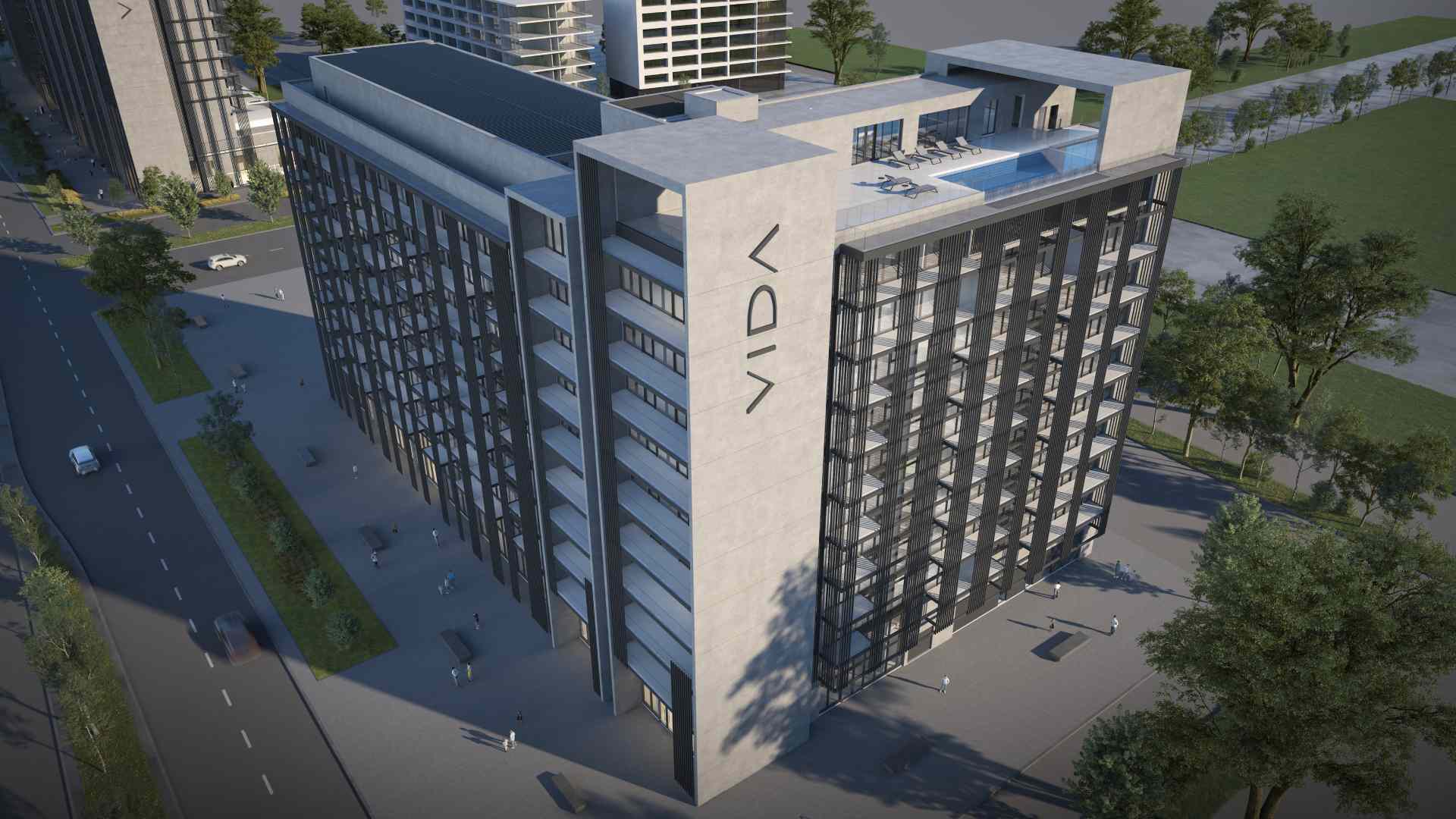
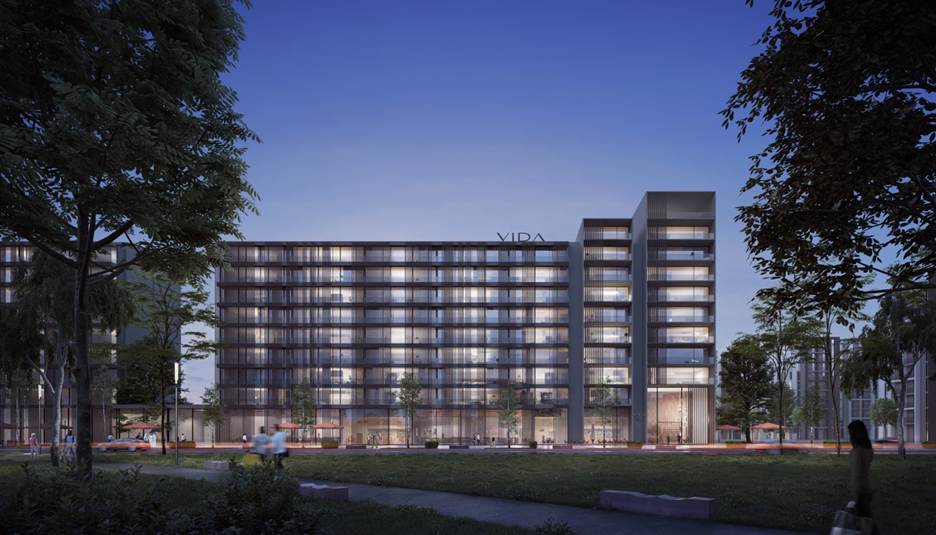
Emaar Hospitality Group is set to introduce Vida Aljada later this year, bringing a fresh lifestyle hospitality experience to Aljada.
Vida Aljada marks a significant milestone for the brand, introducing one of only two five-star Vida properties in the UAE. The upcoming property reflects an elevated expression of the Vida brand, offering a refined lifestyle hospitality experience rooted in social connection, creativity, and contemporary living.
Located within Aljada’s vibrant creative district, Vida Aljada will become part of a dynamic destination where culture, design, and everyday experiences come together. Reflecting the brand’s youthful and experience-driven approach, the hotel is designed as a destination where guests and residents can connect, create, and discover.
Its location offers direct connectivity to key city nodes, including University City and Sharjah Airport Free Zone. Just moments from Dubai International Airport and Sharjah Corniche, Vida Aljada is close to everything, yet designed to feel like a space of its own.
The hotel will feature a mix of rooms, suites, and extended-stay residences designed to adapt seamlessly between short visits and longer stays. Across the property, spaces are being shaped to encourage ease of movement and natural flow, balancing moments of activity with quiet pause.
Dining and social spaces will be designed as part of a continuous experience rather than separate functions, moving between relaxed all-day settings, café culture, and outdoor gathering areas. Wellness facilities will similarly reflect a balanced approach, supporting both activity and rest in equal measure.
As part of the wider destination, the hotel is expected to contribute to the evolving identity of Aljada, reinforcing its position as a place where living, culture, and hospitality come together in a more integrated way.
Guided by Vida’s philosophy of simplicity, warmth, and creativity, the property will offer thoughtfully designed spaces that foster a strong sense of community while delivering the convenience and comfort expected from a modern lifestyle destination.
As the latest addition to Emaar Hospitality Group’s growing portfolio, Vida Aljada reflects the continued evolution of the Vida brand and its commitment to creating vibrant destinations that bring people together through meaningful experiences.
Hospitality
SUN SIYAM & STUDIOSIXTY7 WIN TWO INTERNATIONAL PROPERTY AWARDS ASIA PACIFIC FOR DESIGN EXCELLENCE ACROSS THE MALDIVES AND SRI LANKA
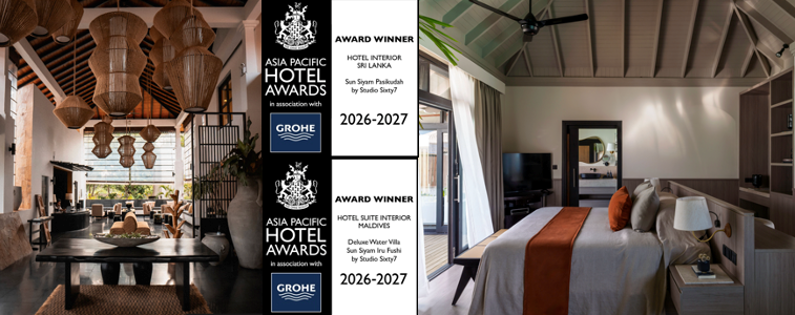
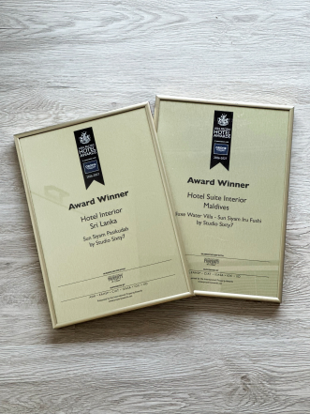
Sun Siyam, the Maldivian-owned hospitality group operating six resorts across the Maldives and Sri Lanka, has been recognised with two awards at the International Property Awards Asia Pacific, one of the world’s most respected benchmarks for excellence in architecture, design, and real estate. The awards were presented in Bangkok, Thailand, and celebrate outstanding design achievement across two of the group’s most distinguished properties: Sun Siyam Pasikudah in Sri Lanka and Sun Siyam Iru Fushi in the Maldives.
The International Property Awards are judged by an independent panel of more than 80 industry experts and are widely regarded as a gold standard for design and architectural achievement across the Asia Pacific region. Sun Siyam received the Award for Hotel Interiors — Sri Lanka for Sun Siyam Pasikudah, and the Award for Hotel Suite Interiors — Maldives for the Deluxe Water Villa at Sun Siyam Iru Fushi. Both projects were led by London-based Studio Sixty7, founded by Jose Rivero and Lee McNichol.
Both award-winning projects were realised through a long-standing creative partnership between Sun Siyam and Studio Sixty7, a London-based interior design practice whose work is distinguished by its sensitivity to context, materiality, and the spirit of a place. Both Jose and Lee guided the design transformation of two very different island environments, the Sri Lankan coastline and the Maldivian lagoon, while maintaining a coherent philosophy: that luxury should feel earned by the land it sits in, not imposed upon it.
“We are so proud to have received two awards at the International Property Awards Asia Pacific, for Sun Siyam Pasikudah in Sri Lanka and Sun Siyam Iru Fushi in the Maldives. These projects mean a great deal to us. The work we have done with Sun Siyam has pushed us to design spaces that are truly rooted in their environment — not just aesthetically, but in the way they feel and the way guests experience them. To have that recognised is something we are really proud of as a studio. We could not have done it without the Sun Siyam team. They have trusted us with their vision, given us the space to do our best work, and shared our belief that luxury and a deep respect for place are not competing ideas. We are deeply grateful for that partnership, and proud to be part of what they are building, “ said Jose Rivero and Lee McNichol, Co-founders, Studio Sixty7.
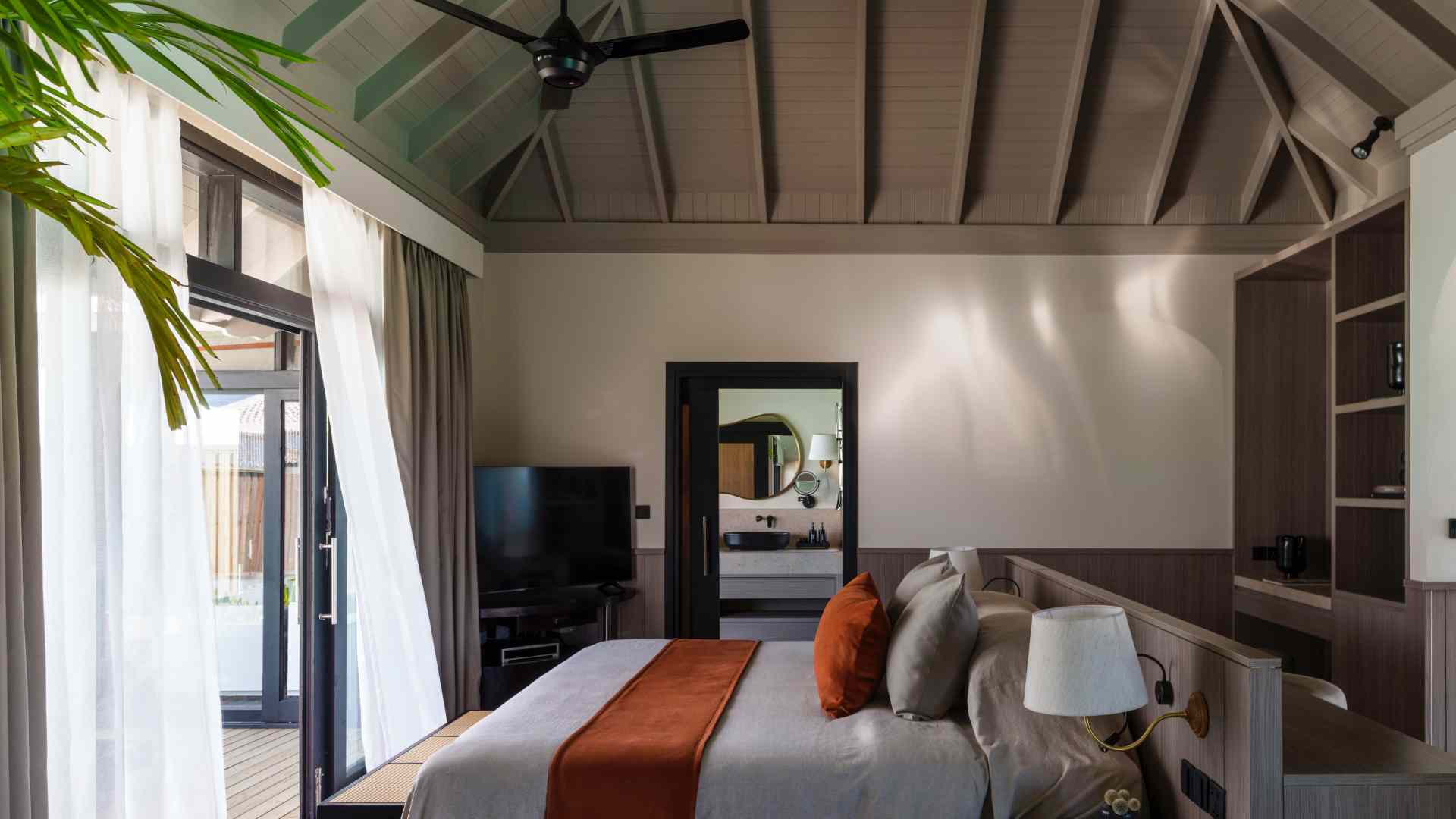
Set on a private island in Noonu Atoll where Maldivian magic meets its most elevated expression, Sun Siyam Iru Fushi is the flagship of Sun Siyam’s Luxury Collection, a five-star sanctuary where considered design, curated calm, and experiences crafted entirely to your taste come together effortlessly. Generous enough for families, intimate enough for romance, and restorative enough for those who need it most, the resort offers 15 dining and bar venues, an award-winning spa with over 165 treatments, and the largest diving centre in the region. The International Property Award for Hotel Suite Interiors recognises the resort’s newly reimagined Deluxe Water Villa, the first chapter of a resort-wide design transformation under the creative direction of Studio Sixty7, and a fitting reflection of a place where every detail is an invitation to stay a little longer.
The new aesthetic introduces muted tones, natural textures, and softly sculpted forms — gently imperfect plastered walls, tactile finishes, and breathable linen creating an atmosphere that is relaxed yet unmistakably elevated. Each villa is conceived as a frame for the ocean: open-plan, serene, with a bathroom offering direct lagoon views. Private decks with suspended hammocks and soft green accents invite stillness, while Horizon Water Villas add a 22 sqm private pool and sunken seating spaces made for sunrise rituals and slow Maldivian afternoons.
“Every element has been chosen to feel grounded and sensorial, inviting guests into a deep sense of calm,” said Lee McNichol and Jose Rivero.
Nestled along a pristine stretch of coastline on Sri Lanka’s northeast shore, Sun Siyam Pasikudah is a boutique retreat of 34 contemporary pavilions and part of the Privé Collection under The House of Siyam. The resort underwent an extensive transformation and reopened in November 2023, reimagined from the ground up with new colour concepts, fittings, furnishings, and offerings, while preserving the original structure that gives the property its architectural character.
The International Property Award for Hotel Interiors- Sri Lanka reflects the depth and integrity of that renovation. Central to the design was a commitment to local craftsmanship: the transformation was realised in close collaboration with Sri Lankan artisans and community woodworkers, with bespoke furniture, handmade chandeliers, and joinery items created locally and woven throughout the interiors. The result is a property that feels genuinely rooted in its surroundings, not imported, but grown from the island itself. Nearly 90 percent of the resort’s staff come from surrounding communities, a figure that speaks to a philosophy that extends well beyond interior design and into the daily life of the property.
Hospitality
World Chocolate Day: Celebrating Chocolate Through Wellness, Balance and Meaningful Indulgence


World Chocolate Day is a celebration of one of the world’s most cherished ingredients—one that transcends cultures, generations, and traditions. While chocolate is often associated with indulgence, it is increasingly being appreciated as part of a balanced lifestyle, where quality, mindful enjoyment, and craftsmanship take precedence over excess.
By Twinkle Aswani
Dark chocolate, particularly varieties with a high cocoa content, contains naturally occurring antioxidants known as flavonoids, which have been associated with supporting heart health and overall wellbeing when enjoyed in moderation as part of a healthy diet. As consumers become more conscious about what they eat, there is a growing appreciation for premium chocolate made with quality ingredients, thoughtful sourcing, and authentic craftsmanship.
For chefs, chocolate represents far more than sweetness. It is an ingredient that tells stories, evokes memories, and creates emotional connections through food. Whether paired with fruits, nuts, spices, or floral notes, chocolate continues to evolve as a versatile ingredient that bridges tradition with innovation.
“A World of Chocolate: Exploring the Stories Behind Every Bite”
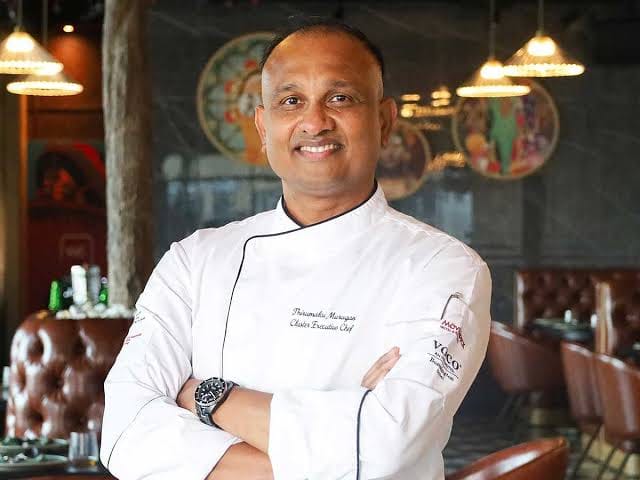
Chef Thirumalai Murugan, Cluster Executive Chef, Mövenpick Hotel JLT & Riva Beach Club
Reflecting on chocolate’s cultural significance and timeless appeal he shares to us that chocolate to him has always felt like a universal language, in every country I have cooked in, and every kitchen I have worked in, chocolate carries a different story.
In Switzerland, where Mövenpick’s heritage began, it is precision and craft, generations of chocolatiers perfecting the art of conching to create that unmistakable smoothness. In India, where I grew up, it is often layered into celebrations, folded into sweets during festivals or given as a gesture of warmth between families.
In the Middle East, I have seen it paired with dates, pistachios and rosewater, a beautiful meeting point between two very different culinary worlds.
What draws me to chocolate as a chef is that it is never just an ingredient. It is a memory. A single bite can carry someone back to a childhood kitchen, a festival table, or a gift shared between family. That is the magic of it. Chocolate holds onto emotion the way few other ingredients can.
At Rohini, our approach to dessert follows the same philosophy that shapes the rest of our menu, honouring Indian heritage while leaving room for creativity and surprise. Chocolate gives us a wonderful canvas for that, a familiar ingredient that can still hold onto the flavours and memories closest to home.
Our Rasmalai with rose and white chocolate cream is nostalgic with a European touch, our Warm Chocolate Brownie with Kulfi pairs nutty chocolate with hazelnut kulfi and chocolate sauce, and our Chocolate Coated Pistachio Kulfi with a dash of rose rounds it off, three small stories about where chocolate can take you.
For Chocolate Day, my hope is that people slow down and taste with curiosity. Ask where the cacao came from, how it was made, who it might have passed through before reaching the plate. Every bar and every bonbon carries a journey, farmers, roasters, chocolatiers, chefs, each adding their own chapter.
That, to me, is the real joy of chocolate. It connects people across cultures and generations, one bite at a time.”
This World Chocolate Day, the celebration is not about giving up indulgence—it is about redefining it. Choosing quality over quantity, appreciating the journey from cacao bean to dessert, and savouring each bite mindfully allows chocolate to become part of a more balanced and wellness-focused lifestyle.
After all, the healthiest indulgence is often one that is enjoyed slowly, shared with others, and remembered long after the last bite!


DUBIZZLE GROUP ANNOUNCES STRATEGIC PARTNERSHIP AND INVESTMENT IN TAKEEM, UAE-BASED RENTAL PROTECTION PLATFORM
WHY THE MIDDLE EAST’S DIGITAL IDENTITY INFRASTRUCTURE NEEDS A DEEPER TRUST LAYER

EMAAR HOSPITALITY GROUP OPENING ITS FIRST 5-STAR HOTEL IN SHARJAH



-
News11 years ago
SENDQUICK (TALARIAX) INTRODUCES SQOOPE – THE BREAKTHROUGH IN MOBILE MESSAGING
-

 Trending8 months ago
OPPO A6 Pro 5G Review: Reliable Daily Driver
-

 Tech News2 years ago
Denodo Bolsters Executive Team by Hiring Christophe Culine as its Chief Revenue Officer
-
 VAR1 year ago
Microsoft Launches New Surface Copilot+ PCs for Business
-

 Automotive2 years ago
AGMC Launches the RIDDARA RD6 High Performance Fully Electric 4×4 Pickup
-
Tech Interviews2 years ago
Navigating the Cybersecurity Landscape in Hybrid Work Environments
-

 Tech News12 months ago
Nothing Launches flagship Nothing Phone (3) and Headphone (1) in theme with the Iconic Museum of the Future in Dubai
-

 VAR2 years ago
Samsung Galaxy Z Fold6 vs Google Pixel 9 Pro Fold: Clash Of The Folding Phenoms