
 Have a question? +971 56 404 0503




Highlights

Automotive
MAJORITY OF AUTO DEALERS TURN TO DATA AND DIGITISATION TO STRENGTHEN OPERATIONAL, SALES AND SERVICE OFFERINGS

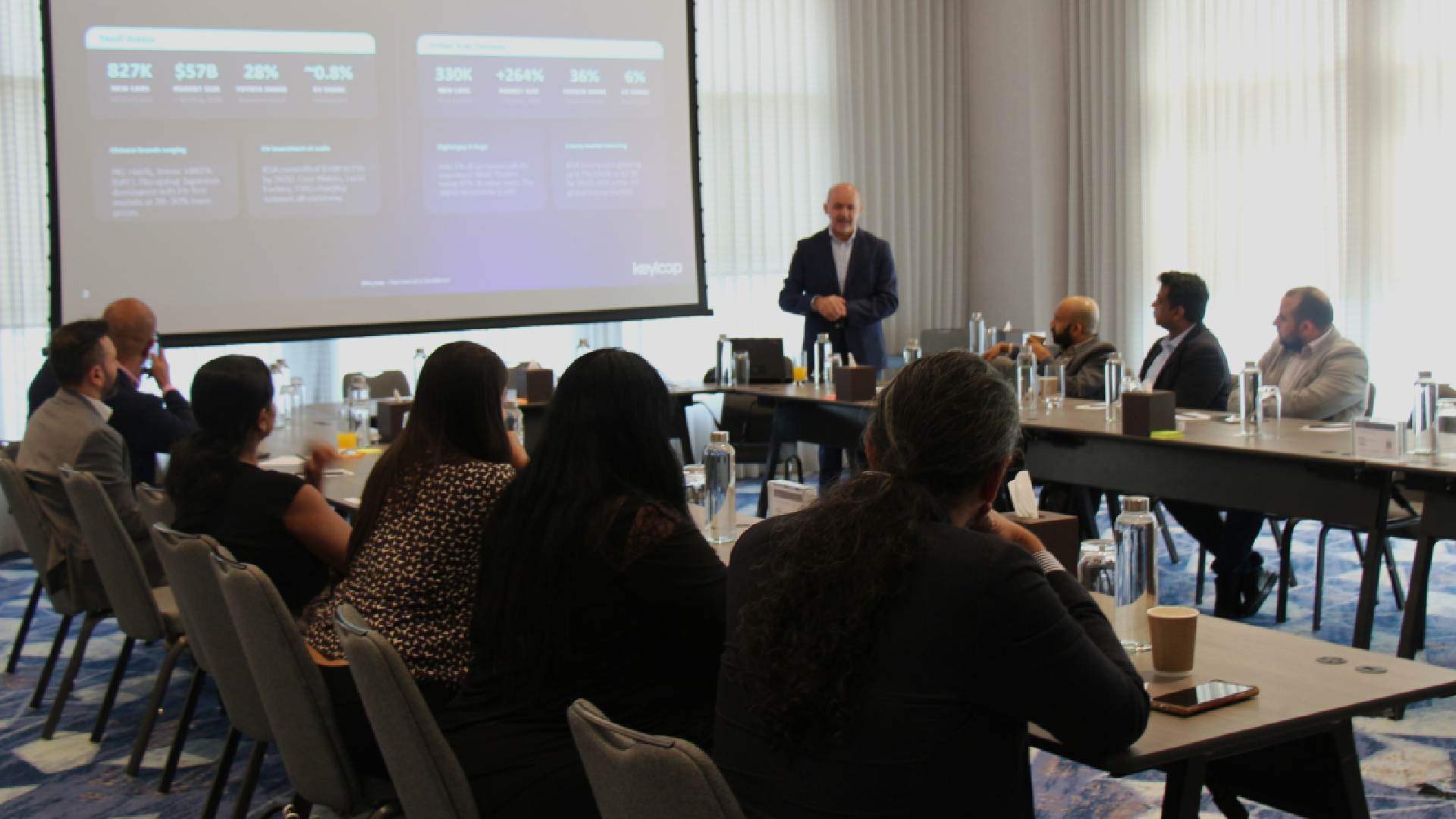
A huge majority of automotive dealers in the Middle East are now focusing on adapting data and digitisation to reinforce operational, sales and service offering efficiencies and to stay ahead of an increasingly competitive automotive retail market.
According to Keyloop, a leading provider of automotive retail solutions, growing vehicle sales volume targets and rising customer expectations are putting pressure on traditional automotive retail models. For this reason, 94% of automotive dealers in the region are now turning to data and digitisation for solutions.
“Fragmented systems, manual processes and limited data visibility are affecting dealer performance in the region. As sales volumes, brand portfolios and customer touchpoints increase, dealers across the region are facing growing pressure to modernise internal operations to maintain efficiency and service standards,” said Monzer Tohme, Managing Director, MEA & APAC, Keyloop. “Despite dealer operations becoming more complex, many organisations are still relying on outdated systems that limit visibility and hinder decision‑making.”

Tohme added that these dealerships operate across multiple disconnected platforms spanning sales, finance and aftersales, with manual processes and data silos that hinder efficiency. These challenges have a measurable business impact, with industry data showing that dealers lose up to 37 percent of online leads due to missed or delayed follow‑up, while only 1 percent of consumers describe the car‑buying experience as ideal. Additionally, 45 percent of customers are willing to switch car brands due to poor aftersales service. As such, addressing operational inefficiencies has become a priority for maintaining performance and customer confidence in an increasingly competitive market.
The UAE and Saudi Arabia registered sales growth rates of 19.1 percent and 6.6 percent respectively in 2024, making them among the fastest growing automotive markets in the world. That year, the two markets also sold a combined 1.16 million new vehicles and are worth over USD 80 billion. This growth is supported by rising consumer demand and long‑term government investment in mobility and electrification.
“There is a growing consensus among dealers that improved use of data and digital tools is crucial for strengthening operational efficiency,” Tohme explained. “As such, there is a need for clearer, real‑time visibility across sales, finance and aftersales workflows, as well as more consistent use of customer and vehicle data to support faster decisions and reduce manual intervention.”
Keyloop has noted that many dealers across the region are reassessing how data flows through their businesses as volumes rise, brand portfolios expand and regulatory requirements become more demanding.
Furthermore, there are several wider industry dynamics that are contributing to the operational pressures facing automotive retailers. These include rapid entry of new brands and business models, accelerating penetration of electric vehicles, with the UAE leading the GCC at 6 percent, and increasing policy and regulatory expectations around data governance, reporting and customer transparency. These reinforce the need for more resilient and adaptable internal processes for dealers as the regional automotive landscape continues to evolve.
“What we’re seeing across the region is a clear shift in priorities, as dealers recognise that improving operational efficiency is no longer about incremental gains, but about building the foundations needed to operate at scale,” Tohme said. “In a rapidly evolving industry, the ability to access and act on reliable data across the entire vehicle ownership cycle has become central to the business performance of dealers.”
As the region experiences strong sales growth, rapid electrification and changing government policies, effective use of data and digitisation will play an increasingly important role in how dealers can meet the market’s needs, he concluded.
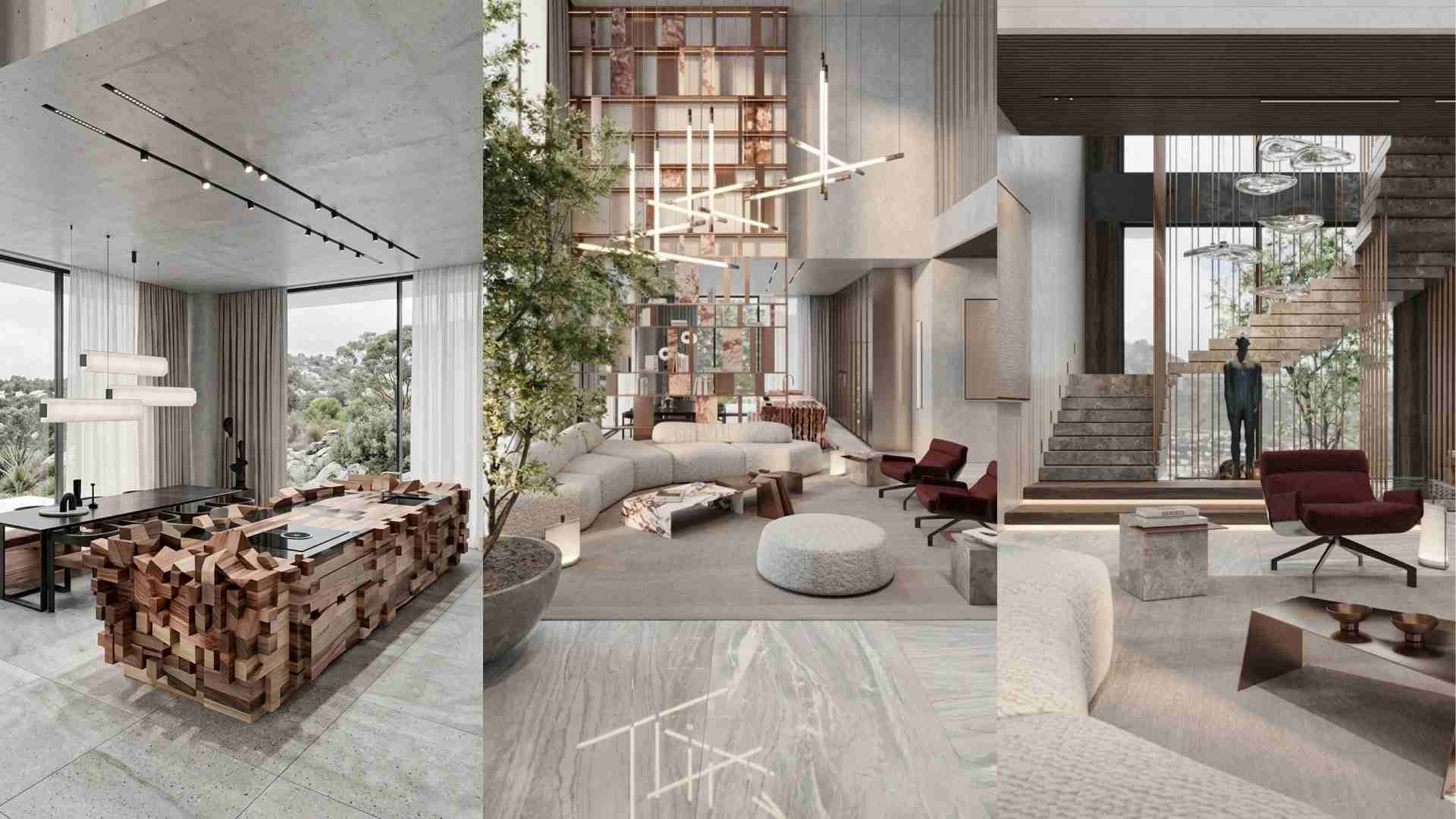
People spend around 90% of their time indoors, yet many still underestimate how deeply interior environments shape the way they think, feel, and function. A home can sharpen the mind or quietly weaken it. It can create calm, or increase tension in ways that are not always immediately visible. This is why human-centric design has become one of the most important priorities in architecture and interiors today.
At NKEY Architects, this shift is becoming increasingly clear across residential projects. Clients are looking for spaces that are more than simply beautiful. They want homes that support mood and support daily life.
Here are four factors shaping that shift today.
The Psychology of Space
Wellness-focused residential properties are now commanding a 10% to 25% price premium over traditional homes. Light, colour, scale, and spatial order all influence emotional state, mental clarity, and even decision making.
Cooler tones may help support focus and alertness, while warmer, deeper shades tend to create a stronger sense of comfort and ease. A room can be visually impressive, but if it feels chaotic, it can still be mentally exhausting. By contrast, spaces with clear zoning and balanced proportions often feel calmer and easier to live in.
Behaviour-driven Design
The best interiors are built around how people actually move, pause, gather, work, and rest. Rather than treating layout as a visual exercise, designers are thinking more carefully about how spaces guide behaviour throughout the day.
Open-plan zones can encourage communication and togetherness, while quieter enclosed areas create room for privacy and focus. Ceiling height can also influence the way people think, with higher ceilings often linked to abstract thinking and lower, more intimate spaces supporting concentration and detail.
Sensory Experience in Interiors
Proximity to natural elements such as greenery and sunlight has been associated with a 15% increase in reported wellbeing and creativity, alongside a 6% increase in productivity.
Texture, acoustics, lighting, materiality, and tonal balance all shape how a room is felt on a physical and emotional level. Harsh lighting, reflective finishes, poor acoustics, and strong contrast can create overstimulation, irritation, or even avoidance of space. Softer transitions, tactile surfaces, controlled lighting, and warmer tones make a space feel more comfortable and easier to inhabit.
Flow, Structure, and Emotional Stability
If movement between zones feels awkward, if transitions are abrupt, or if the layout disrupts the rhythm of daily life, the overall experience becomes disjointed. Flow is what allows a space to feel natural rather than forced.
Structure also plays an important psychological role. In this context, masculinity in design is not about visual heaviness, but about direction, clarity, and control. A space without a clear centre can feel beautiful yet unfocused. A space with a strong axis, controlled paths, and a sense of spatial direction can create stability, physical alignment, and calm confidence.
Human-centric design is no longer an added extra. It is becoming the foundation of how meaningful homes are shaped. That means creating spaces that are visually refined and aligned with the people living in them. The strongest interiors do not simply look luxurious. They support clarity, confidence, and the way life is actually lived.
Tech News
GCC BOARD GENDER INDEX 2026 HIGHLIGHTS CONTINUED PROGRESS AS WOMEN’S REPRESENTATION REACHES 7% ACROSS GCC BOARDS
Heriot-Watt University and Aurora50 have today released the ‘GCC Board Gender Index Report 2026‘, marking the third edition of this comprehensive study of women’s representation on the boards of publicly listed companies in the GCC.
For the third consecutive year, the report remains the only index of its kind to provide a unified view of board composition across all GCC local stock exchanges. The findings continue to highlight steady, incremental progress towards more inclusive corporate leadership across the region.
Key findings from this report are as follows:
- As of January 2026, women hold 7% of board positions across the GCC, up from 6.9% in 2025, reflecting a 1.4% year-on-year increase. While growth remains gradual, the data points to sustained momentum in advancing gender diversity in boardrooms.
- The index now covers 759 publicly listed companies across the GCC. Over the past year, the total number of board seats has increased from 5,668 to 5,755, representing a 1.5% rise.
- A total of 341 women now hold 403 board positions, up from 334 women and 390 seats in 2025. This reflects growth in both the number of women directors (2.1%) and board positions held (3.3%) across the GCC. Some women hold more than one directorship, indicating a broader increase in representation and participation at the board level.
- Country-level data shows that the UAE continues to lead the region for the third year running, with women holding 15% of board seats across its three stock exchanges, compared to 14.7% in 2025. Bahrain retains second position, with women occupying 10.5% of board seats, followed by Oman at 7%.
Country-wise, the percentage of board positions held by women at publicly listed companies across the GCC is as follows:
UAE: 15.0% (191 of 1,274 seats)
Bahrain: 10.5% (36 of 342 seats)
Oman: 7.0% (51 of 731 seats)
Kuwait: 5.6% (52 of 927 seats)
Qatar: 3.2% (15 of 467 seats)
Saudi Arabia: 2.9% (58 of 2,014 seats)
This year’s report also introduces sector-level analysis across 12 industries in all six GCC countries. Notably, the UAE and Saudi Arabia are the only countries in the region where women hold board positions across every sector. The financial sector accounts for the highest number of female board seats, followed by the industrial sector.
The top three sectors in the UAE by number of board seats held by women are Financial services, with 86 of 564 positions; the Industrial sector, with 35 of 214; and Consumer Staples, with 15 of 94.
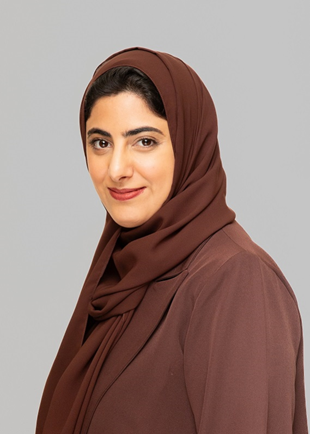
Commenting on the launch of the GCC Board Gender Index 2026, Her Highness Sheikha Shamma bint Sultan bin Khalifa Al Nahyan, Chairperson of diversity and inclusion agency Aurora50, said, “Aurora50 is proud to partner for a third time with Heriot-Watt University Dubai on this authoritative GCC-wide benchmark that continues to deliver consistent tracking and provides transparent data in and for the region.
“It’s particularly encouraging to see the UAE’s progress in this space, with women’s board representation in the nation growing from 3.5% to 15% since 2020. This is a true testament to the vision of the UAE’s leadership in advancing gender equity in the workplace. Women in board positions bring broader perspectives, stronger governance, and significant organisational growth – at a time when the world demands resilient, adaptive business leaders, my hope is that the value of diversity will continue to be recognised and leveraged.”
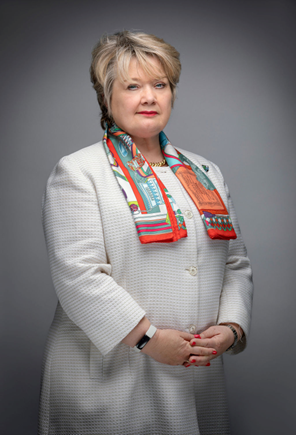
Provost and Vice Principal of Heriot-Watt University Dubai, Professor Dame Heather McGregor, said, “The GCC Board Gender Index has, over time, become an important benchmark for understanding how boardrooms across the region are evolving. What stands out in this year’s findings is not just the increase in representation but also the consistency of that progress, underpinned by a growing breadth of data and insights.
The UAE continues to demonstrate what is possible with sustained focus, but there is a clear opportunity to accelerate more broadly across the region. Our collaboration with Aurora50 is grounded in a shared belief that rigorous, transparent data can play a meaningful role in shaping better outcomes. It is encouraging to see the region continuing to move in the right direction, and I am keen to build on this progress through our ongoing work, informed conversations and contribution to long-term, systemic change in board composition across the GCC.’
The GCC Board Gender Index, supported by Board Intelligence, AlixPartners and Grant Thornton, includes detailed data on board directors. Each company and director is uniquely identified to ensure accuracy and avoid duplication, particularly when companies are listed on multiple exchanges or directors serve on multiple boards. This approach enables the report to serve as a single, authoritative source of data for researchers, policymakers and industry stakeholders, while also elevating the visibility of women currently serving on boards and recognising the region’s ongoing progress.


MAJORITY OF AUTO DEALERS TURN TO DATA AND DIGITISATION TO STRENGTHEN OPERATIONAL, SALES AND SERVICE OFFERINGS

4 FACTORS SHAPING HOW WE DESIGN HUMAN-CENTRIC SPACES TODAY
GCC BOARD GENDER INDEX 2026 HIGHLIGHTS CONTINUED PROGRESS AS WOMEN’S REPRESENTATION REACHES 7% ACROSS GCC BOARDS



-
News10 years ago
SENDQUICK (TALARIAX) INTRODUCES SQOOPE – THE BREAKTHROUGH IN MOBILE MESSAGING
-

 Tech News2 years ago
Denodo Bolsters Executive Team by Hiring Christophe Culine as its Chief Revenue Officer
-
 VAR1 year ago
Microsoft Launches New Surface Copilot+ PCs for Business
-

 Trending6 months ago
OPPO A6 Pro 5G Review: Reliable Daily Driver
-
Tech Interviews2 years ago
Navigating the Cybersecurity Landscape in Hybrid Work Environments
-

 Tech News10 months ago
Nothing Launches flagship Nothing Phone (3) and Headphone (1) in theme with the Iconic Museum of the Future in Dubai
-

 Automotive2 years ago
AGMC Launches the RIDDARA RD6 High Performance Fully Electric 4×4 Pickup
-

 VAR2 years ago
Samsung Galaxy Z Fold6 vs Google Pixel 9 Pro Fold: Clash Of The Folding Phenoms