
 Have a question? +971 56 404 0503




Uncategorized
THE MANAGED FUTURE

By Editor

Dimension Data is a company that offers an extensive managed services portfolio includes several globally standardised managed services products in specific technology domains – including networks, data centres, security, visual communications, unified communications and collaboration and contact centres. Youssef Fawaz, Managing Director, Dimension Data Middle East discusses the company’s focus

Discuss portfolio of Managed services that Dimension Data provides globally and in the region?
Dimension Data’s support, managed, and IT outsourcing lines of services are closely interrelated. We use the same platforms, systems, processes and delivery teams to deliver all three service types.
Our lines of service portfolios include both standard (‘productised’) services and customised services. Dimension Data’s services portfolio is replicated globally, which is a unique offer for our clients spanning not just locally, but also globally. Dimension Data’s support, managed and IT outsourcing services portfolio includes IT Outsourcing spanning Transition and transformation, service aggregation & cross functional services across the network communications tower, the data centre tower, the end user compute tower, the contact centre tower & BPO.
Managed Services include IT service management, assessments and consulting, across enterprise networks, security infrastructure, Cisco unified communications, Microsoft Lync, Data Centre, Contact Centre and Custom services per client.
Support Services, include IT support, assessments and consulting for Uptime Maintenance, Uptime Support, Insite predictive support and Insite pre-emptive support. Dimension Data also includes multi vendor service management and contract aggregation on behalf of our clients.
What is the demand scenario for various Managed services that you provide regionally?
The demand varies from country to country. In response to the UAE, Dimension Data sees much demand for support services, that is, for the support of technology devices. The requirement for Managed Services, that is, for the management of process outcomes is still not in high demand locally. A focus on moving from a pure support contract to a managed services contract could add significant value to a clients’ business.
You offer standardized services in 6 domains while also giving the option for custom services. Discuss if customers regionally prefer the standard modules or whether they opt for custom ones?
Our experience in the local market is that clients are opting in for standard support services, mainly focused on SLA management and commitment, and not exploring the benefits attributed to custom services or managed services. Currently, the requirements most clients have are focused on support services for the support of technology devices. Most clients usually predefine this. Dimension Data is able to further extract benefits to the IT estate for our clients through custom services, or through offering our managed services portfolio.
What are the Managed services you provide for datacenters in this region? Does it cover both large and smaller sized datacenters?
Dimension Data focuses on small, medium and large data centres for our clients – as long as the benefit to the business is realized. Locally, Dimension Data includes the management of the physical data centre infrastructure as part of the managed services offered in the Data Centre Space. Dimension Data’s managed services within the data centre includes the management of infrastructure such as servers, messaging, print & file servers, storage management, legacy/mid range servers, identity management and SQL database services. Dimension Data also offers managed virtual infrastructure services to our clients. In addition to this, Dimension Data’s Managed Cloud Platform offers our client expertise in deploying fully managed cloud platforms including private, hybrid and public cloud services.
Are enterprise customers comfortable with the idea of outsourcing such services? Which verticals do you find most proactive in the region in terms of adopting such services?
There is a demand for these services across multiple verticals. By adopting these services our clients benefit by extracting benefits that include the exploitation of the data centre infrastructure – to the strategic advantage of their business, the realisation of the return on investment expected from a data centre technology environments, more efficient deployment of IT staff; access to the best skills in the market, providing a clear path to the cloud, a single point of contact, a proactive approach to service delivery, a consistent service delivery due to alignment of all services to the IT Instrastructure Library (ITIL) and flexible service levels that enable our clients to choose the service level that their budget and business requirements matches.
Are there customers regionally who you offer services across all the 6 domains that you focus on?
There are no current clients locally that procure services from Dimension Data across all the six domains. Many of our clients explore support service engagements with Dimension Data in the Enterprise network, security and unified communications space. As the market moves to the need for commercial outcomes and transformation, we expect to see more IT outsource engagement, spanning all domains, with regional client engagements.
Discuss any recent or expected announcements around Managed Services from Dimension Data?
Dimension Data announced that it will launch Enterprise Mobility-as-a-Service (EMaaS), signalling its intent to provide a suite of cloud-based end-user computing services on a global basis. EMaaS establishes the platform for the group’s future initiatives that will see Dimension Data announce increased functionality and feature sets that assist enterprise clients to deal with their rapidly changing end user computing requirements.
Dimension Data’s EMaaS offering is an integrated enterprise mobility management service that provides organisations with the ability to deliver comprehensive policy-based, device-independent, mobile device management, mobile expense management, integration to the enterprise and underpinned by true cloud principles of automation and consumption-based commercials.
The service, which utilises a cloud-based consumption model, enables organisations to rapidly scale deployments while easily managing the complex environment of mobile devices, data access and expense management. Due to the complex nature of mobility deployments, the EMaaS offering is complemented by Dimension Data’s Systems Integration and Professional Services competencies and addresses the full spectrum of an organisation’s enterprise mobility needs.
Uncategorized
Good Hair Days Start At Breakfast: Mary Ruth’s Liquid Multivitamin + Hair Growth, Now on iHerb Middle East


The days of thinking haircare starts and ends in the shower are officially behind us. Today’s approach is a little more holistic, bringing together everything from your favorite hair products to the little wellness habits that make up your day. With iHerb Middle East offering an extensive selection of wellness, beauty and self-care essentials from leading global brands, discovering new favorites for every part of your day has never been easier.
Founded by health educator and nutritional consultant MaryRuth Ghiyam, the brand built its name on liquid vitamins that are as easy to take as they are to enjoy. Today it is known for clean, thoughtfully formulated supplements for every stage of life.
MaryRuth’s Liquid Morning Multivitamin + Hair Growth – AED 225.46
Consider this your morning multivitamin with a beauty twist. Featuring Lustriva®, it is formulated to support hair growth and healthier-looking skin, but that’s only part of the story. With 10,000 mcg of biotin, all eight B vitamins, vitamin D3 and zinc, it also supports energy metabolism, immune function and your overall everyday wellness. It comes in an easy liquid format with a peach mango flavor, so it feels less like a chore and more like a little morning treat, and it’s vegan, gluten-free and sugar-free as well. Because your haircare routine deserves a spot beyond the bathroom shelf, too. To order the products, visit https://ae.iherb.com/ and keep an eye on iHerb Middle East Instagram, @iherbmiddleeast, for the latest wellness finds, updates, and offers.
Where Coffee, Food & Community Come Together – Roasters Specialty Coffee House
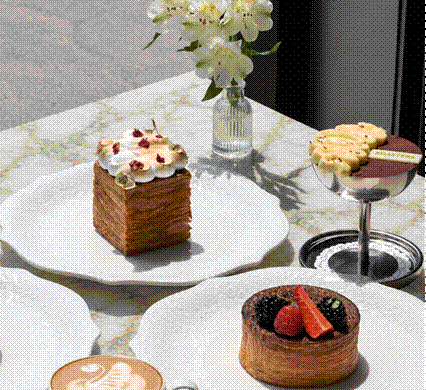
Founded in Dubai, Roasters Specialty Coffee House has grown into one of the UAE’s prominent homegrown specialty coffee brands, combining specialty coffee, all-day dining and a strong focus on craftsmanship and hospitality.
At the heart of the experience is Roasters’ specialty coffee programme, with skilled baristas working with carefully sourced beans and a range of brewing methods, including espresso-based drinks and hand-brewed coffee. Beyond coffee, the cafés offer an extensive all-day menu spanning breakfast favourites, savoury dishes, pastries, desserts and seasonal creations, making the brand suitable for everything from morning meetings and leisurely breakfasts to casual lunches and afternoon coffee breaks.
With locations across some of Dubai’s most prominent neighbourhoods and destinations, Roasters continues to position itself as more than a coffee shop, creating spaces centred around coffee culture, food, community and contemporary Dubai lifestyle.
Location: Multiple locations across Dubai
Cuisine: Specialty Coffee & All-Day Dining
Experience: Specialty coffee, breakfast, pastries, desserts, all-day dining & coffee experiences
A More Connected Approach to Wellness – Wellcube

At Wellcube, this idea comes to life through a more connected approach to wellbeing. The Dubai wellness destination brings together movement, nutrition, recovery, clinical wellness and longevity, creating a space where different parts of health can be considered together rather than in isolation.
Its Tranquil Wellness offering takes the idea even further, creating an environment designed around rest, recovery and feeling restored. From fitness and wellness experiences to treatments, nutrition and spaces designed with wellbeing in mind, the focus is on helping people build healthier routines that can actually fit into everyday life.
Rather than waiting until burnout or exhaustion forces a reset, the approach encourages people to think about wellness as something ongoing — something that can be woven into the week alongside everything else.
A More Considered Approach to Aesthetic Care- Aesthetics by King’s College Hospital London – Dubai
Wellness can also be about the things that make us feel confident, comfortable and more like ourselves.
At Aesthetics by King’s College Hospital London – Dubai, that starts with taking a more considered approach to aesthetic care. The clinic offers personalised treatments across facial rejuvenation, regenerative skin therapies, laser treatments, body contouring, hair restoration and intimate wellness, with care tailored around individual concerns and goals.
Led by Plastic Surgeon and Medical Director Dr. Dragana Spica, the focus is on enhancing rather than transforming, with treatments designed to support skin quality and achieve natural-looking results.
Pinktober Affair of Brunch, Wellness & Awareness at Vivaldi, Sheraton Dubai Creek Hotel & Towers
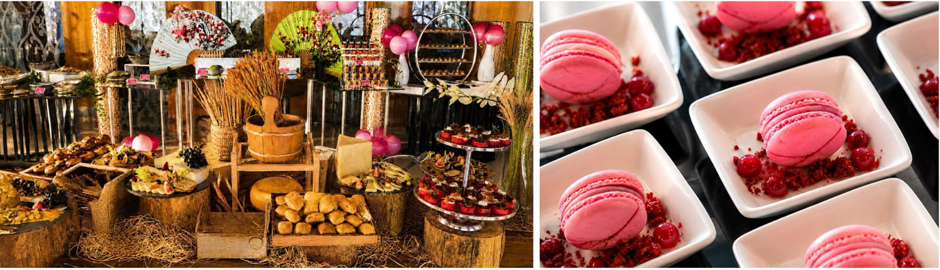
Looking for a leisurely Saturday brunch with good food, live music and a meaningful cause? This October, Vivaldi at Sheraton Dubai Creek Hotel & Towers invites guests to mark Pinktober on October 3 and 10, with an afternoon of Italian-inspired dining and live entertainment. From Beetroot-Crusted Bass Fillet to Oven-Baked Lamb Pie with Jus, guests can indulge in a generous buffet spread showcasing a selection of Italian favourites, before settling into the sounds of a live singer. Set along the picturesque Dubai Creek, Vivaldi offers a relaxed Italian dining experience in an elegant setting, making it a fitting backdrop for an afternoon dedicated to good food, music and breast cancer awareness.
The hotel will also host a Pinktober Wellness TalkonOctober 16, featuring an insightful session led by a medical expert, alongside light bites and refreshments. Taking place in the Ballroom from 11am to 3pm, attendance is complimentary. Guests are requested to register in advance.
When: Saturday, October 3 and October 10 | 1pm to 4pm | What: Pinktober Brunch – Buffet | Where: Vivaldi, Sheraton Dubai Creek Hotel & Towers | Packages: AED 255 with soft beverages | AED 375 with house beverages | AED 125 for Children 6-12 yrs.
For booking: contact +971 4 2071717 or email vivaldi.reservations@sheraton.com or visit website
ANA Teams Up with Hind Al Oud to bring Deep Ahojas to life through a limited-edition dessert.
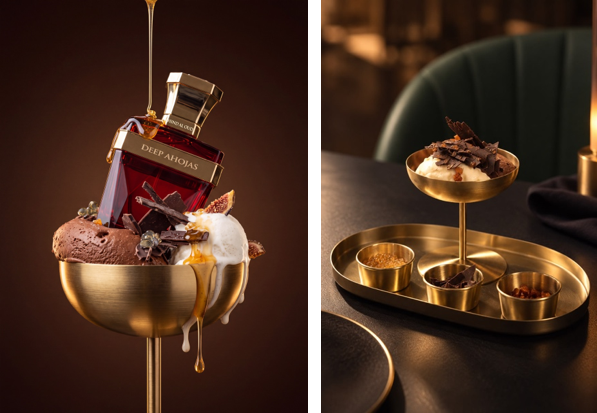
What if a fragrance could be experienced before it is worn? ANA Emirati Fusion has partnered with luxury fragrance house Hind Al Oud to introduce a limited-edition dessert inspired by Deep Ahojas, the fragrance house’s newest creation. Available from 20 September for AED 47, the dessert combines dark chocolate, honey, dried fig, vanilla, cinnamon and sea salt, translating the fragrance’s warm and layered character into a contemporary Emirati dining experience.
Guests will also receive a complimentary Deep Ahojas fragrance sample with each dessert, along with the opportunity to pre-order the fragrance ahead of its launch. The collaboration brings together contemporary Emirati cuisine and Arabian perfumery through a multisensory experience, reflecting ANA’s approach to connecting food with creativity, culture and modern lifestyle, while offering Hind Al Oud a distinctive way to introduce Deep Ahojas to audiences before its launch.
Ladurée and Nour Arida’s Sorbé Bring Beauty and Pâtisserie Together.
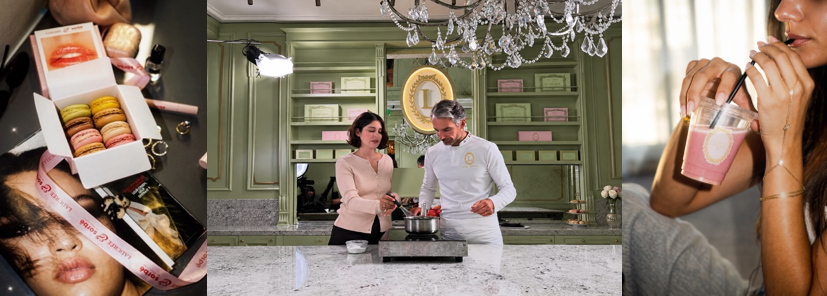
What happens when Sorbé’s beauty-inspired lip butter flavours meet the art of French pâtisserie? From 1 October, Ladurée UAE and Lebanese American model and entrepreneur Nour Arida’s skincare brand Sorbé bring rose, lychee, caramel and pomegranate together in an unexpected sweet collaboration. World Pastry Champion and Ladurée Executive Chef Julien Alvarez transforms these flavours into a trio of individual pâtisseries inspired by caramel, pomegranate and rose lychee, each containing fewer than 100 calories. The collection also includes an exclusive Rose Lychee Macaron, Rose & Lychee Sorbet and a collagen-infused slushie made with fresh fruit and no added sugar. Exclusive macaron boxes in 8, 12, 18 and 24 pieces feature the limited-edition Rose Lychee Macaron alongside favourites including Salted Caramel, Pistachio, Chocolate and Raspberry.
Date: Daily, from 1 October 2026 | Price: Rose & Lychee Sorbet – AED 45 | Trio of Individual Pâtisseries inspired by caramel, pomegranate and rose lychee – AED 39 each Collagen-Infused Slushie – AED 49 (made with fresh fruit and without added suga)
Exclusive Macaron Boxes 8 pieces – AED 169 | 12 pieces – AED 237 | 18 pieces – AED 335 |24 pieces – AED 442 | Location: Ladurée, across all outlets in the UAE | For more information: Ladurée UAE
EVIRON – A Korean-Inspired Wellness Drink for Every Occasion
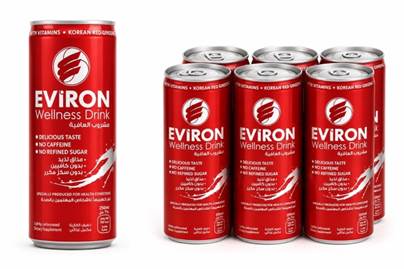
A well-considered drinks table can make all the difference when hosting at home. EVIRON by Clarion International Trading LLC brings a Korean-inspired touch to modern entertaining, offering a light and refreshing option for weekend gatherings, festive celebrations and evenings with friends. Made with Red Korean Ginseng, Hovenia Dulcis and Rubus Coreanus, alongside Vitamin C and B Vitamins, EVIRON draws on Korea’s appreciation for botanical ingredients. Free from alcohol, caffeine, preservatives and refined sugar, it offers a more mindful alternative to traditional soft drinks and high-caffeine beverages. Available across the UAE through Noon, Amazon and Dr Nutrition.


Long Stay demand Jumps by 20% at Mileo The Palm – A shift from mere staying to experiential living

Holcim And National Development Consortium Sign Strategic MoU to Advance Integrated, Sustainable Development Across the UAE
Good Hair Days Start At Breakfast: Mary Ruth’s Liquid Multivitamin + Hair Growth, Now on iHerb Middle East



-
News11 years ago
SENDQUICK (TALARIAX) INTRODUCES SQOOPE – THE BREAKTHROUGH IN MOBILE MESSAGING
-

 Trending11 months ago
OPPO A6 Pro 5G Review: Reliable Daily Driver
-

 Tech News2 years ago
Denodo Bolsters Executive Team by Hiring Christophe Culine as its Chief Revenue Officer
-
 VAR1 year ago
Microsoft Launches New Surface Copilot+ PCs for Business
-

 Automotive2 years ago
AGMC Launches the RIDDARA RD6 High Performance Fully Electric 4×4 Pickup
-
Tech Interviews3 years ago
Navigating the Cybersecurity Landscape in Hybrid Work Environments
-
 Tech News2 years ago
Toshiba Announces MG10-D Series of Enterprise HDDs with Capacities up to 10TB
-

 Tech News1 year ago
Nothing Launches flagship Nothing Phone (3) and Headphone (1) in theme with the Iconic Museum of the Future in Dubai