
 Have a question? +971 56 404 0503




Technology
Dubai aims to be a 3D printing hub

Dubai’s active initiatives toward encouraging 3D printing are set to make it the world’s leading destination in this “additive manufacturing” technology, a leading 3D printing expert has said.
His Highness Sheikh Mohammed Bin Rashid Al Maktoum, UAE’s Vice President and Prime Minister and Ruler of Dubai, recently launched the ‘Dubai 3D Printing Strategy’, a unique global initiative that aims to exploit technology for the service of humanity and promote the status of the UAE and Dubai as a leading hub of 3D printing technology by the year 2030. Dubai has also launched the world’s first fully 3D printed office.
Dominic Wright, Business Development Director at Generation 3D, a 3D printing specialist company, said during his presentation at the monthly CIOMajlis session that Dubai’s initiatives toward encouraging 3D printing will revolutionise its construction sector as well as witness major innovations across other sectors particularly medical and oil and gas.
“Dubai has already taken major steps toward using 3D printing, it’s the world’s first to have a 3D Printing strategy and its measures to have clear plans in different sectors have already laid a strong foundation for the further growth of 3D printing across various sectors including construction, oil and gas and medical,” he said during the CIOMajlis session, attended by more than 25 CIOs from different industry sectors including oil and gas, infrastructure, logistics, finance, energy and IT from across the UAE, at Nakheel Headquarters.
Ahmed Al Mulla, Chairman of CIOMajlis, who is also Senior Vice President, Corporate Services at Emirates Global Aluminium, said: “We have already started to see the transformative impact 3D printing is creating. An integration with other technologies opening further wide room for innovation across all sectors and guided by the vision of our leadership, Dubai is set to lead this transformation.”
According to Canalys, a market research firm, the global market for 3-D printers and services will grow from $2.5 billion in 2013 to $16.2 billion in 2018, a CAGR of 45.7 percent.
Factors such as 3D printing evolving from developing prototypes to end-user products, mass customisation, production of complex parts, government investments in 3D printing projects, and improvements in manufacturing efficiency are expected to drive the growth of the 3D printing market, according to another market research, which expects the 3D printing market to reach USD 30.19 Billion by 2022, growing at a CAGR of 28.5 per cent between 2016 and 2022.
“A significant change has already taken place in Dubai with the initiatives by our leadership. Dubai has the most proactive government, which translates into very proactive society. In terms of focusing on 3D printing, I would say Dubai is the best place to be. The government has definitive plans. Dubai in 3D printing will be one of the biggest players in the market- everything whether it is market for 3D printers, companies who use the technology,” said Wright.
The major benefits of 3D printing, explained Wright, come in the way of cost saving, design flexibility and time effectiveness.
“You are not constrained to old methods, you can build shapes and designs that did not seem possible earlier. All you need to have is the design, in the right scenario, you can build something in one-tenth of the time and save even up to 80 per cent in costs especially because you save a lot in terms of set up costs involved in manufacturing,” he added.
Companies need to start looking where it can be integrated and whether it is going to be relevant to their industry. Don’t fall behind and let this pass you by but also don’t use it where it’s not necessary.
Among the challenges the industry in Dubai needs to be prepared for are technical support and availability of skilled manpower in this new industry.
Talking about the shift in the nature of employment, he said: “There will be a higher demand for 3D designers, 3D engineers, 3d printing engineers, hardware engineers. People in the related industries should keep themselves updated,” recommends Wright.
Ahmad Al Ahmad CIO of Nakheel, said: “Dubai already has a robust construction sector. Being a frontrunner in using 3D printing for buildings, will further take Dubai ahead of other markets in this sector and set an example globally for others.”









Tech News
From 350+ Applications to One Champion: School of Cyber Defense Final Stage at GISEC GLOBAL 2026

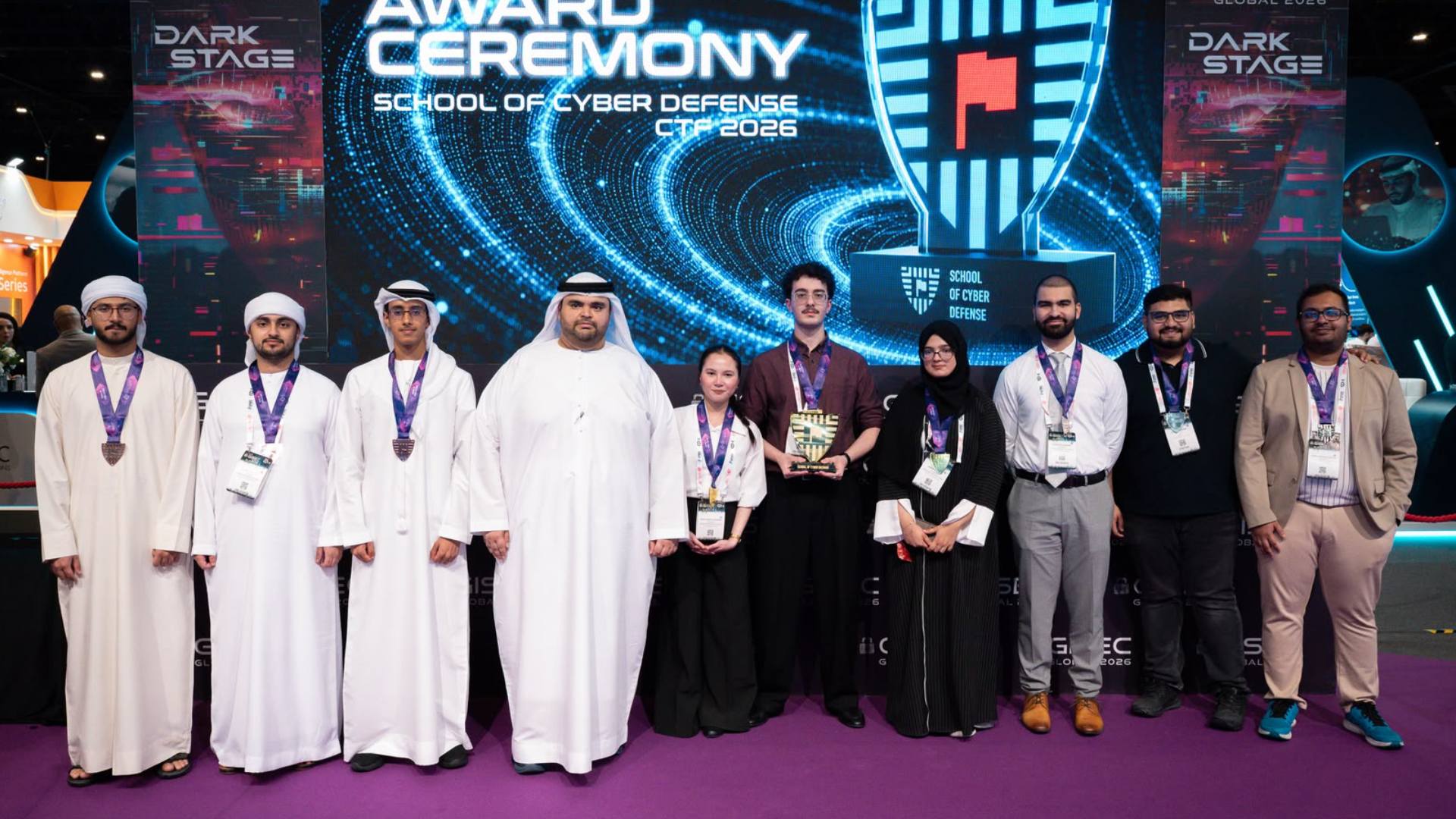
The second edition of the School of Cyber Defense competition reached its final at GISEC GLOBAL 2026, bringing the strongest student cybersecurity teams in the UAE to Dubai Exhibition Centre, Expo City. Building on its 2025 debut, the competition came back larger in scale and tougher in format: this year, participants had to do more than defend systems. They had to design working solutions to real industry challenges.
The competition was hosted by the Dubai Electronic Security Center (DESC) and organized by Techfirm. It drew more than 350 applications from students at more than 30 universities across the country. The road to the final ran through three stages:
Qualification. More than 300 participants from over 90 teams completed an automated, scenario-based qualification round. Over 90% of active teams scored above the 70% threshold needed to advance.
Case challenge. More than 70 teams submitted solutions to one of 15 official challenge briefs. An expert jury assessed each submission on fit to the brief, relevance, a working prototype, technical depth and innovation.
Live final. Only the seven highest-scoring teams reached the GISEC stage, fewer than one in ten of the teams that submitted a case. Finalists presented and defended their solutions live in front of the jury. The finalists represented BITS Pilani Dubai, American University of Sharjah, Al Ain University, Middlesex University Dubai, University of Wollongong in Dubai, University of Dubai and Abu Dhabi Polytechnic.
Winners of the School of Cyber Defense 2026:
- 1st Place: Unlisted (Middlesex University Dubai)
- 2nd Place: AUSec (American University of Sharjah)
- 3rd Place: ADPoly CyberGuard (Abu Dhabi Polytechnic)
The competition featured a prize pool worth AED 55,000, shared among the winning teams.
The competition was made possible by partners committed to developing young talent and strengthening the region’s cybersecurity workforce. The Competition Industry Partners include AMD, Dahua Technology, Kaspersky, KERNO and M1 Global Infrastructure. The Competition Gold Partners are Anker Innovations, Circularo, HPE, Huawei, KnowBe4, RAS Infotech and Spire Solutions. Secureway is the Competition Silver Partner.
Now in its second year, the School of Cyber Defense has become a recurring platform where the UAE’s future cybersecurity professionals test their skills against the demands of the real industry.
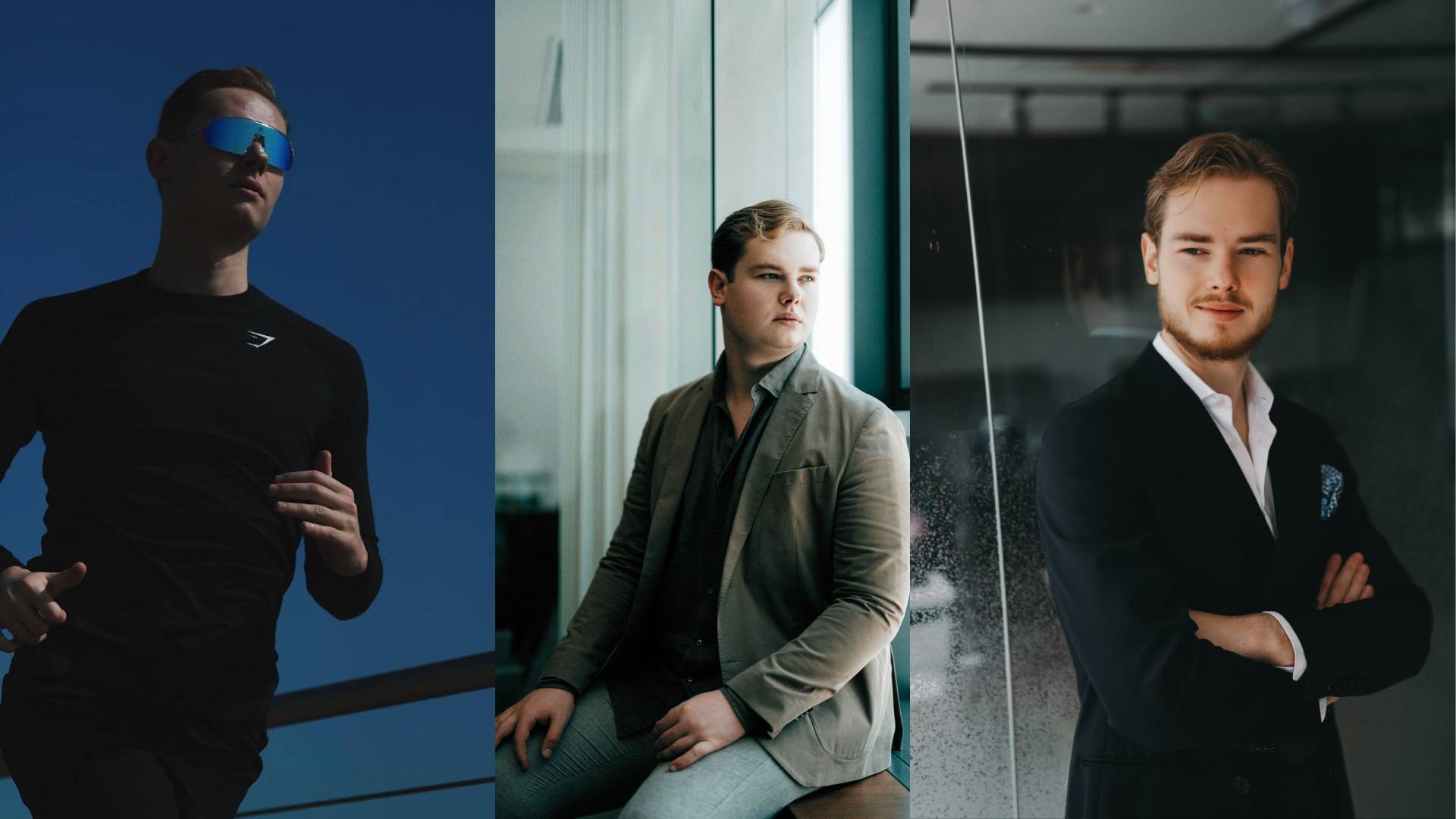
Ilia Sheludiakov’s story begins with a single decision — one that set off a complete transformation, physical, intellectual, and philosophical. He shed over 40 kilograms, trained for and completed marathons, and built businesses from the ground up. But it was in the process of rethinking his relationship with time that he arrived at something bigger: Temporalism, a philosophy built on the belief that time isn’t a pressure to outrun, but a long-term ally to work with.
At its core, Temporalism reframes time as our most valuable resource — one to be used consciously, not spent carelessly. It’s a philosophy rooted in a simple but powerful idea: small, consistent actions, repeated over time, compound into transformations far greater than any burst of intensity could achieve. Whether in health, wealth, or personal growth, Sheludiakov argues that lasting change comes not from perfect decisions made once, but from good decisions made repeatedly, with patience enough to let them compound.
Temporalism speaks to anyone who feels time slipping away too fast, or who senses untapped potential in their own ambitions but struggles to turn intention into consistent action. It’s a call to make peace with time — and to start using it as a partner in building a meaningful life.
Sheludiakov will next present Temporalism at the Sharjah International Book Fair, introducing the philosophy to a wider international audience and connecting with readers from around the world.
What is the core idea behind Temporalism?
Temporalism is about treating time as your most valuable resource and learning to use it consciously. It focuses on making better decisions today with your future self in mind, while building a meaningful life through consistent action.
How does Sheludiakov’s weight loss tie into this philosophy?
My weight loss was one of the experiences that shaped Temporalism. I lost over 40 kilograms, but the biggest lesson wasn’t about weight — it was realizing how much small actions, repeated over time, can completely change your life.
Why does he believe consistency beats intensity?
Intensity can create quick results, but it’s difficult to sustain. Consistency compounds. A small action repeated hundreds of times can ultimately have a much greater impact than a short period of extreme effort.
What role does patience play in building wealth?
Patience is fundamental. In investing and business, I try to think in years rather than weeks. Wealth is rarely created by one perfect decision; it is usually built through good decisions, discipline, and allowing enough time for them to compound.
Who is this book meant for?
It’s for people who feel that time is moving too quickly or that they could be doing more with their lives. Especially those who have ambitions but struggle to turn them into consistent action.
Where will he present the book next?
I will be presenting Temporalism at the Sharjah International Book Fair, where I look forward to introducing the philosophy to a wider international audience and connecting with readers from around the world.
Tech News
Nemetschek Arabia Showcases Connected Technologies for Smarter Facilities Management at SFMA EXPO 2026
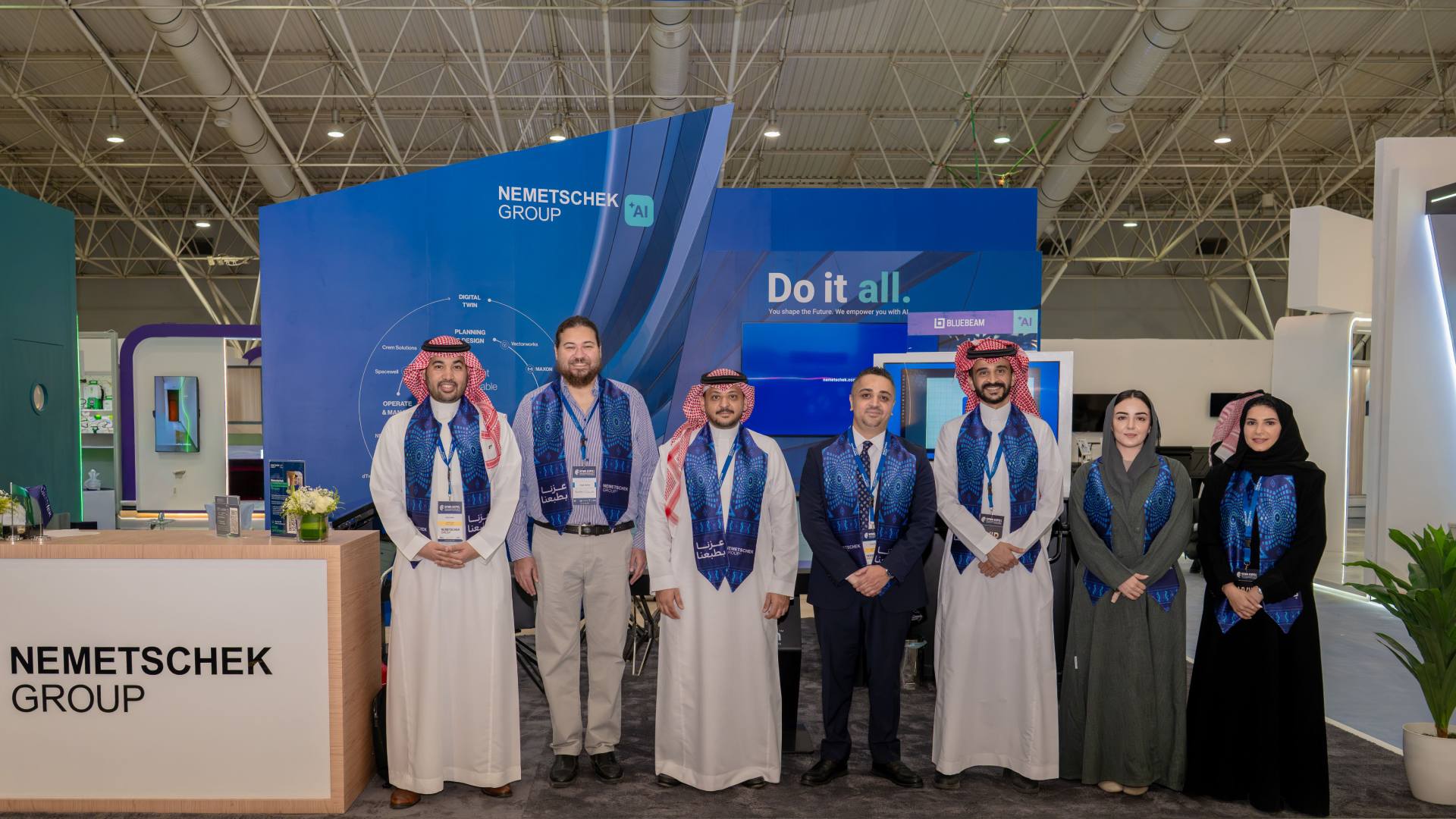
Nemetschek Arabia, part of the Nemetschek Group, one of the world’s leading software providers for the Architecture, Engineering, Construction and Operations (AEC/O) industry, is showcasing its vision for the future of facilities management at SFMA EXPO 2026, which is taking place at the Riyadh International Convention & Exhibition Center (RICEC).
Participating as a Golden Sponsor, Nemetschek Arabia is demonstrating how connected digital technologies can help organizations improve operational efficiency, enhance asset performance, and support more sustainable outcomes across the entire facility lifecycle. Visitors to Booth G02 at the event will have the opportunity to explore solutions from Bluebeam, Spacewell, GoCanvas, and Nemetschek dTwin, each designed to help facility owners and operators connect people, processes and data through integrated digital workflows.
“Facilities management is becoming increasingly strategic as organizations seek new ways to maximize asset performance, improve sustainability, and deliver better experiences for occupants and stakeholders,” said Eng. Muayad Simbawa, Managing Director of Nemetschek Arabia. “The future of the sector will be defined by connected ecosystems where people, data and technologies work together seamlessly. Through our participation at SFMA EXPO 2026, we are demonstrating how digital twins, smart workplace solutions, connected workflows and real-time operational intelligence can help organizations unlock greater value from their facilities while supporting the Kingdom’s Vision 2030 ambitions.”
Empowering organizations to build smarter facilities
At the exhibition, visitors can experience how Bluebeam enables seamless collaboration across project and operations teams, helping stakeholders work more efficiently with accurate and accessible information. Meanwhile, Spacewell empowers smarter workplace and facility management through data-driven insights and intelligent operations, while GoCanvas streamlines field processes through digital forms and real-time data capture. And Nemetschek dTwin showcases the power of digital twins in transforming facility operations through real-time asset visibility, predictive maintenance and performance optimization.
As part of its participation, Nemetschek Arabia experts will also contribute to the event’s thought leadership program. Muayad Simbawa will participate in a panel discussion titled “Enhancing Organizational Performance: Hybrid Work Models, Data Analytics, and Advanced Management Technologies,” exploring how organizations can leverage emerging technologies and data-driven insights to adapt to a rapidly evolving business landscape. In addition, Ahmad Hisham Khairat, Regional Presales Engineer, and Ahmad Al Zaben, Technical Consultant, will share their perspectives on the role of BIM, digital twins and integrated digital ecosystems in transforming facility operations and management.
Further reinforcing its commitment to advancing the facilities management sector, Nemetschek Arabia is building on its strategic collaboration with the Saudi Facility Management Association (SFMA) announced earlier this year. The partnership focuses on accelerating digital transformation, knowledge exchange, workforce development and the adoption of innovative technologies that support smarter and more sustainable facilities across the Kingdom.
SFMA EXPO 2026 brings together facility management leaders, technology providers and industry experts from across the region to explore the trends, innovations and strategies shaping the future of the sector. Visitors can learn more about Nemetschek Arabia’s solutions at Booth G02 throughout the event.


Al Bustan Centre & Residence concludes successful participation at Arabian Travel Market 2026

From 350+ Applications to One Champion: School of Cyber Defense Final Stage at GISEC GLOBAL 2026

Half a billion people live with arthritis: MEAF puts early action at the heart of World Arthritis Day 2026



-
News11 years ago
SENDQUICK (TALARIAX) INTRODUCES SQOOPE – THE BREAKTHROUGH IN MOBILE MESSAGING
-

 Trending11 months ago
OPPO A6 Pro 5G Review: Reliable Daily Driver
-

 Tech News2 years ago
Denodo Bolsters Executive Team by Hiring Christophe Culine as its Chief Revenue Officer
-
 VAR1 year ago
Microsoft Launches New Surface Copilot+ PCs for Business
-

 Automotive2 years ago
AGMC Launches the RIDDARA RD6 High Performance Fully Electric 4×4 Pickup
-
Tech Interviews3 years ago
Navigating the Cybersecurity Landscape in Hybrid Work Environments
-
 Tech News2 years ago
Toshiba Announces MG10-D Series of Enterprise HDDs with Capacities up to 10TB
-

 Tech News1 year ago
Nothing Launches flagship Nothing Phone (3) and Headphone (1) in theme with the Iconic Museum of the Future in Dubai