
 Have a question? +971 56 404 0503




Hospitality News
Forward Fooding Discusses Key Trends in Food Innovation

Forward Fooding, is the world’s first collaborative platform for the food & beverage industry fostering innovation via FoodTech Data Intelligence and corporate-startup collaboration. Headquartered in London with satellite offices in Barcelona and Rome, they run a global network of AgriFoodTech entrepreneurs powered by entrepreneurs since 2015. They act as an ecosystem enabler to provide the necessary support and velocity to enable meaningful collaborations and partnerships between established food organizations and AgriFoodTech startup and scaleup companies globally. Alessio D’Antino, CEO and co-founder of Forward Fooding, shared his insights and vision for the future of the food industry with JNS Media International at Gulfood 2023.
In your opinion, what are the key trends in food innovation?
Over the last decade, we have seen food innovation shifting more and more towards technology-enabled solutions that can promote and bring more efficiency and sustainability to the food system. Looking back at 2022, it is clear that the FoodTech industry, the emergent sector of technology-enabled solutions across the supply chain, reached an inflection point. While 2021 saw a surge in investments and skyrocketing valuations, we saw a more measured approach to valuations in 2022. While some have suggested that this marks the end of an era of easy access to capital, this is not necessarily bad news for FoodTech. This shift can usher in more opportunities to focus on a broader range of innovations and improve existing solutions. In fact, this is already happening. Right now, we are seeing entrepreneurs becoming more creative and focused on developing a new generation of FoodTech innovations, building on the work that is being done so far. This is giving rise to a series of exciting developments. For instance, when it comes to alternative proteins we are seeing more attention being paid to market strategies and, in the case of lab-grown meat, more capital is flowing towards enabling technologies and services. Renewed attention has also been paid to hybrid meat products, which combine plant-based meat with conventional meat or biotech-made ingredients, due to their unique ability to merge the benefits of multiple products into one. On the other hand, when observing innovation on the upstream side of the supply chain, the current economic downturn has taken its toll on vertical farming companies, which are rather capital intensive and require new funding to scale up production methods through significant investments in R&D. However, entrepreneurs are developing new solutions to address vertical farming challenges. As a result, we expect to see a shift towards more scalable solutions such as precision farming, which optimizes resource usage, and biotechnology innovations that can enhance crop resilience. These solutions have the potential to ‘upgrade’ the vertical farming industry and make it more resilient and commercially viable in the long run.
How do you see the relationship between traditional food companies and food tech startups evolving in the Middle East?
The Middle East is undoubtedly an exciting emerging hub for food innovation, with numerous partnerships and initiatives which have the ambition of creating world-class innovation platforms. In my view, innovation will be a key factor in propelling this region forward, perhaps more so than in other areas of the world. Historically, the Middle East has been heavily reliant on imported foods in order to meet local demand. However, recent global events, such as the Covid-19 pandemic, have made it challenging to sustain this approach. Consequently, food companies in the region are proactively seeking ways to boost their self-sufficiency in food production. Collaborations with FoodTech companies offer an excellent opportunity to achieve this goal. As time passes, these two entities will increasingly come together, resulting in even stronger, more resilient, and sustainable food systems for the region.
With the increasing interest in sustainable food options, what role do you see foodtech playing in shaping the future of food in the Middle East?
I believe the Middle East has an exceptional opportunity to reinvent itself as a prominent food production region powered by cutting-edge technology. Consumers all over the world are increasingly demanding and expecting better products from food brands, placing greater importance on transparency and sustainability in their dietary choices. In this context, locally sourced products can offer a sustainable alternative to imported goods. Achieving this goal, however, requires adopting innovative production methods that reduce reliance on industrialized farming practices, for instance, and minimizing the environmental impact of transportation and overall carbon footprint. FoodTech is indispensable in driving this transformation, as it offers a wide range of innovative solutions that can be applied across the food production value chain.
How can established players in the hospitality industry collaborate with foodtech startups to drive innovation and create new opportunities for growth?
In a world of ‘policrysis’, the food industry, including the hospitality sector, is facing increasing challenges and pressure due to the increased volatility of the current economy. Innovation can address these issues while also creating economic opportunities. If we look at the issue of food waste, for example, measuring how much is wasted through technology (e.g., AI applied to smart scales) can help businesses lower their operating costs while showcasing more transparency and meeting the needs of more environmentally conscious customers. Another opportunity for cost reduction for the hospitality sector comes from the use of robotic technologies, which, in some cases, have proven effective in increasing sanitary standards, generating better margins, and scaling operations. The breadth of innovations available today all over the world is astonishing.
We believe the ‘secret recipe’ to take advantage of these innovations lies in making sense of the technology landscape and identifying the most suitable solutions that can help tackle real business challenges. This is Forward Fooding have excelled at by working elbow-by-elbow with the entrepreneurs who have developed these exact solutions over the last decade.
How can food and beverage companies in the Middle East ensure that they are building sustainable businesses that can withstand economic and environmental challenges?
I believe that economic and climate resilience are closely linked to the creation of sustainable food systems. In our experience, one of the key pillars of building solid foundations for a food system is to foster collaboration among local ecosystems and empower key stakeholders with the right tools and knowledge to nurture these partnerships. These ecosystems serve as a collective ‘immune system’, shielding us from external threats. Climate challenges have made it clear that the health of our planet and profitability are inextricably linked. This means that embracing technology-driven innovations offer incredible opportunities for governments and companies alike to remain competitive and resilient in the face of a constantly evolving and intrinsically more complex global food system.
Hospitality
Form Room welcomes new JVC residents with a complimentary coffee and exclusive discounts

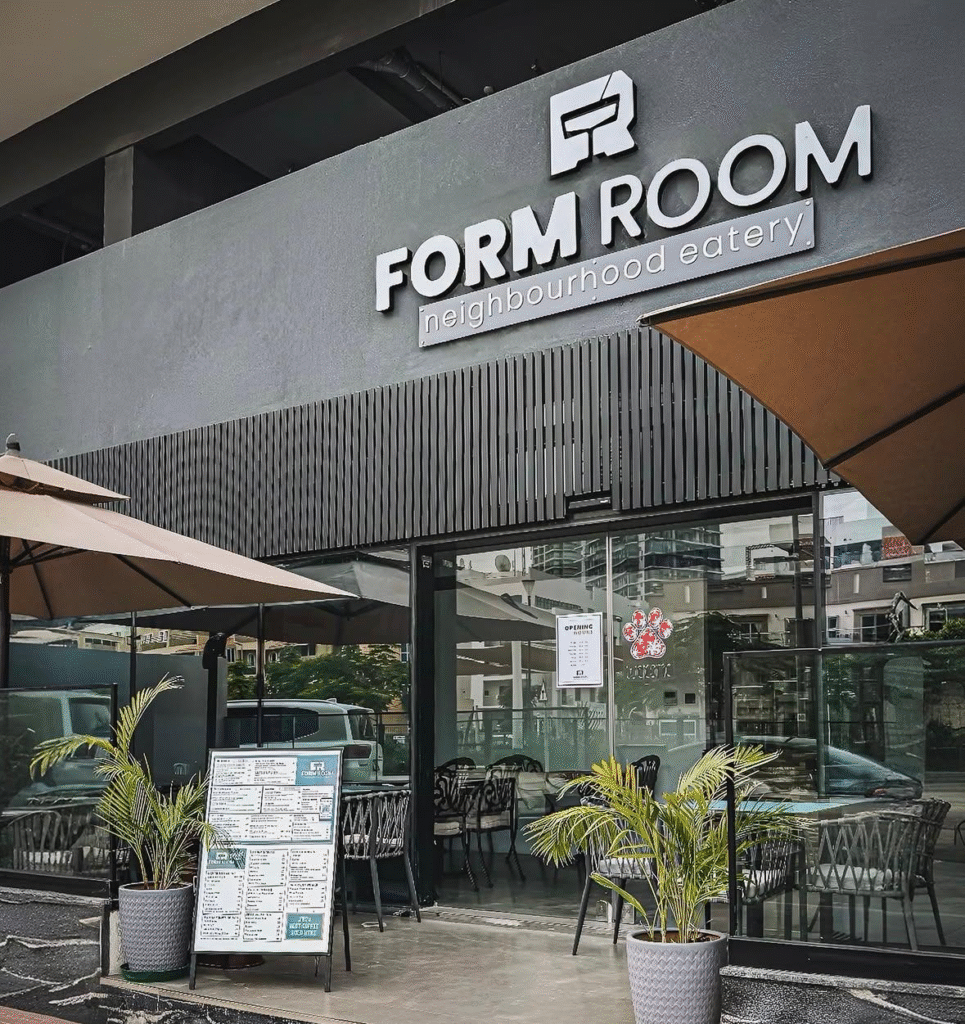
Moving into a new neighbourhood is all about discovering the places that soon become a part of your everyday routine. From finding your go-to coffee order to choosing a favourite spot for a casual catch-up, these little discoveries help a new place feel like home. To welcome new residents to Jumeirah Village Circle (JVC), Form Room is introducing a special offer designed to make those first neighbourhood moments even better.
The playful pet-friendly Aussie café and neighbourhood eatery is offering eligible new JVC residents a complimentary coffee from its espresso menu on their first visit, followed by 15% off the espresso menu on their second and third visits. Available to residents across JVC, the initiative reflects Form Room’s community-focused approach – encouraging newcomers to stop by, get acquainted with the café and make it part of their local routine.
To redeem the offer, residents must present a valid tenancy contract confirming their JVC address, alongside a valid Emirates ID for verification. Once their complimentary coffee has been redeemed, they will receive a Form Room loyalty card, which can be used to claim 15% off the espresso menu on their next two visits. Both subsequent visits must take place within 15 days of the first visit, and the loyalty card must be presented each time.
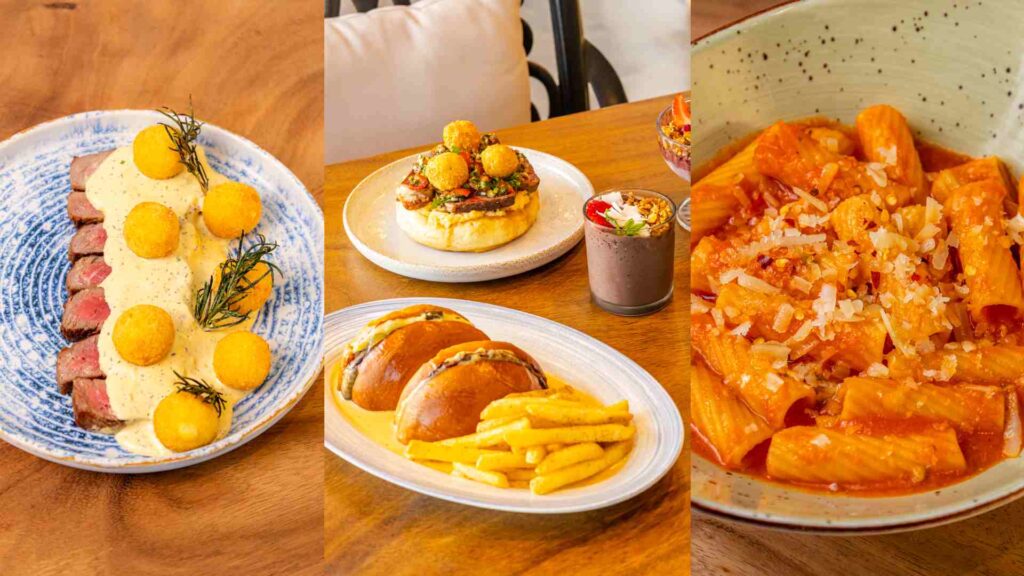
Form Room brings Australian café culture to JVC, combining specialty coffee with all-day dining in a welcoming neighbourhood setting. Inspired by the nostalgia of a school lunch table, the café centres its menu around hearty sandwiches, alongside a selection of food and drinks designed for everything from a quick coffee stop to a relaxed meal with friends.
With its pet-friendly indoor and outdoor spaces, Form Room offers a laid-back setting for residents to connect, unwind and enjoy good food and good company. The new resident offer builds on this neighbourhood spirit, giving those who have recently moved to JVC a reason to discover a local favourite while settling into their new surroundings.
Whether stopping in for a morning coffee, a quick break during the day or meeting someone new in the neighbourhood, Form Room invites JVC’s newest residents to pull up a seat and feel at home.
Hospitality
Cambridge Health Group partners with Abu Dhabi Hospitality Academy – Les Roches to embed hospitality excellence across its regional healthcare network
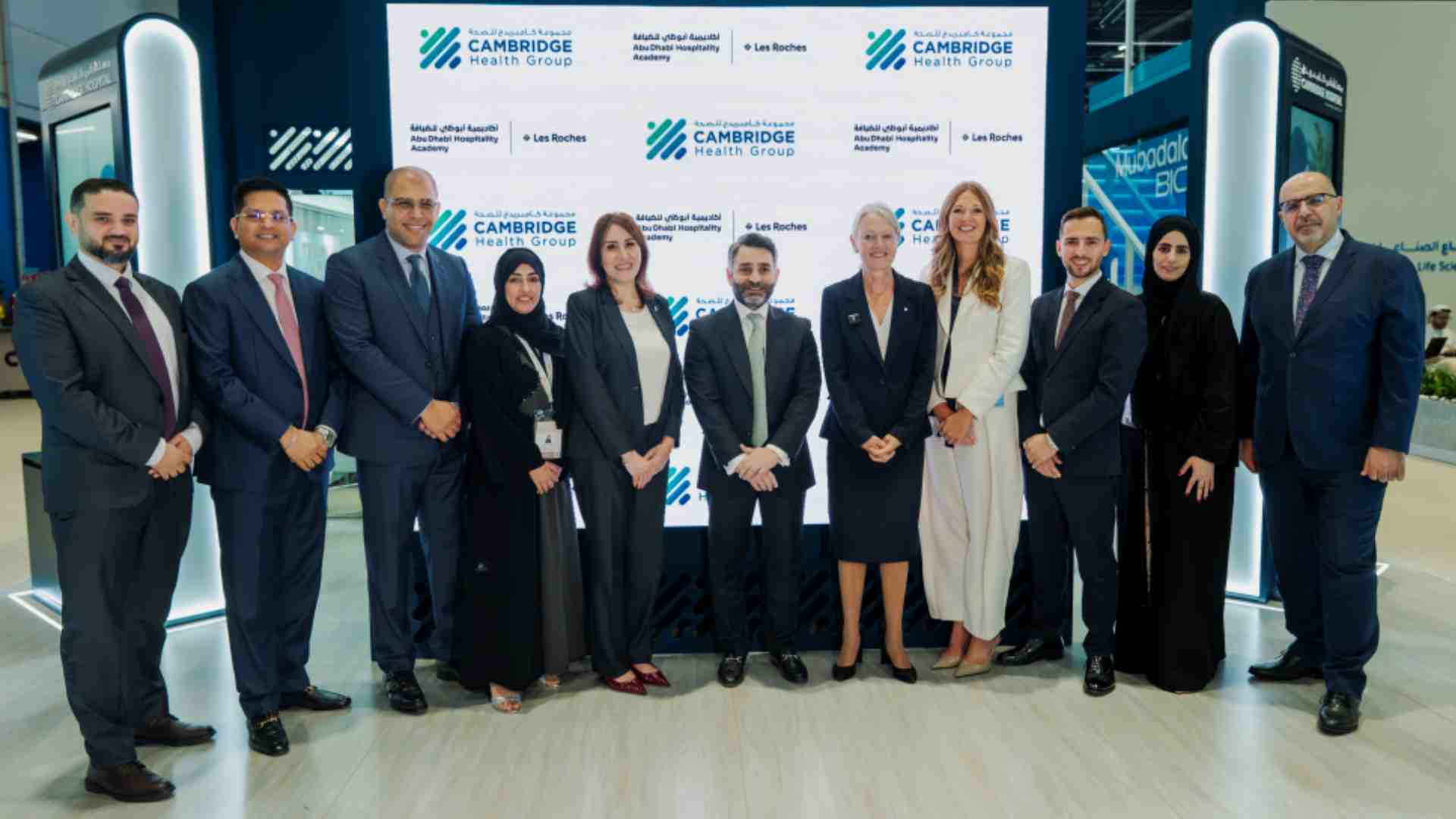
Cambridge Health Group (CHG), the GCC’s leading post-acute care provider and a subsidiary of Amanat Holdings PJSC (“Amanat”), announced the signing of a Memorandum of Understanding (MoU) with Abu Dhabi Hospitality Academy – Les Roches (“the Academy”) at the Abu Dhabi Future Health Summit 2026. The collaboration aims to bring hospitality expertise into healthcare delivery through tailored workforce training and service standards designed to improve the experience of patients, families and visitors across CHG’s facilities in the United Arab Emirates and the Kingdom of Saudi Arabia.
The partnership brings together CHG’s experience in post-acute care, rehabilitation and long-term care with the expertise of Abu Dhabi Hospitality Academy – Les Roches, which is part of Les Roches Global Hospitality Education – ranked second in the world for Hospitality & Leisure Management in the 2026 QS World University Rankings by Subject. By applying hospitality principles to healthcare environments, the collaboration will explore how to strengthen the skills, processes, and service practices that shape everyday interactions with patients and their families while supporting a consistent, personalised experience of care as CHG expands its regional network.
The collaboration will begin with on-site assessments of hospitality-related service standards and practices across CHG’s hospitals in the United Arab Emirates and the Kingdom of Saudi Arabia. This will guide the development of bespoke training streams: a Leadership Development Programme for management and leadership teams; a Frontline Hospitality Excellence Programme for employees in patient experience, customer service, call centres and other relevant functions; and a Train-the-Trainer (TOT) Programme to develop internal champions who can deliver training and reinforce standards across the wider workforce. The Academy will design and deliver the programmes, drawing on its faculty and industry experts.
Through a phased rollout, the initiative aims to extend hospitality training to full-time employees and outsourced staff, while integrating service excellence standards into the onboarding of new team members. The approach is designed to build sustainable internal capabilities and promote consistent, compassionate and responsive experiences for patients and their families across CHG’s facilities.
Wael Abdallah, Group Chief Executive Officer of Cambridge Health Group, said: “At Cambridge Health Group, we have built a regional healthcare network recognised for both the quality of our clinical care and our commitment to delivering an exceptional experience for patients and their families. Maintaining and advancing these standards requires continued investment in our people and a strong culture of service excellence. Our partnership with Abu Dhabi Hospitality Academy – Les Roches builds on this foundation, bringing hospitality expertise into our healthcare environment to further elevate the standards of care, compassion and service across our expanding network.”
Georgette Davey, Managing Director, Abu Dhabi Hospitality Academy – Les Roches, said: “We are delighted to formalise our partnership with Cambridge Health Group, marking an important step in extending the Academy’s reach beyond traditional hospitality and building closer ties with the healthcare sector. Hospitality and healthcare may serve different purposes, but both place people at the centre of the experience. Through knowledge exchange and practical collaboration, we look forward to applying hospitality expertise in a new context and supporting a more personalised, compassionate patient experience.”
Beyond training and service development, the MoU also establishes a framework for thought leadership, applied industry engagement and knowledge sharing between the two organisations. This includes opportunities for senior leaders and subject-matter experts to participate in guest lectures, joint industry projects, case studies, industry discussions, selected events and forums, encouraging the exchange of expertise and best practices between the healthcare and hospitality sectors. Specific initiatives under the collaboration will be developed and implemented subject to separate written agreements between the two organisations.
Hospitality
A REIMAGINED PRIME68 RETURNS TO JW MARRIOTT MARQUIS DUBAI ALONGSIDE ION, A NEW “NEIGHBOURHOOD IN THE SKY”
As JW Marriott Marquis Hotel Dubai continues its property-wide enhancement, this December will see the return of Prime68 alongside the arrival of ION, marking a major moment in the hotel’s dining transformation. Prime68 has long been regarded as one of Dubai’s best steakhouses, and following a complete renovation, the destination returns fully reimagined with a fresh new look. ION, a brand-new day-to-night sky lounge, has taken over the 71st and 72nd floors of the iconic hotel, marking one of the most significant additions yet to its dining line-up.
Prime68 returns as a contemporary benchmark steakhouse high above the city, defined by serious cuts, serious views and a renewed sense of occasion. Building on its strong market equity and iconic skyline setting, the reimagined venue pairs premium cuts, live-fire cooking and a considered wine programme with renovated interiors inspired by “The Art of Silver,” a design narrative rooted in craft, precision and understated elegance.
New additions include an enhanced arrival experience with an atmospheric bar, private dining rooms, a chef’s table and a wine display, with every detail carefully reconsidered to bring greater theatre, warmth and refinement to the Prime68 experience. The result is a destination that feels both familiar and newly elevated, shaped by materiality, acoustics, simplicity and the premium dining rituals that have long made classic steakhouses enduringly relevant.
ION introduces a new day-to-night sky lounge high above the city, set across the 71st and 72nd floors, where Dubai’s skyline becomes the starting point for a more layered social experience. Designed as “a neighbourhood in the sky,” ION brings together panoramic views, music-led energy, crafted drinks and sharing plates in a setting that evolves as the hours unfold. By day, it offers a refined place to pause above the city; as golden hour arrives, the atmosphere warms into a more social rhythm; and by night, the space becomes a cinematic lounge shaped by sound, light and connection.
Prime68 and ION form part of JW Marriott Marquis Hotel Dubai’s wider property enhancement, bringing two distinct new experiences to the city and signalling an exciting new era for the iconic hotel.

Terrace Dining, Oktoberfest, and Beach Days Return to InterContinental Abu Dhabi This October

THE STORIES BEHIND THE MATERIALS SHAPING UAE INTERIORS
Form Room welcomes new JVC residents with a complimentary coffee and exclusive discounts



-

 Trending12 months ago
OPPO A6 Pro 5G Review: Reliable Daily Driver
-

 Tech News2 years ago
Denodo Bolsters Executive Team by Hiring Christophe Culine as its Chief Revenue Officer
-
 VAR2 years ago
Microsoft Launches New Surface Copilot+ PCs for Business
-

 Automotive2 years ago
AGMC Launches the RIDDARA RD6 High Performance Fully Electric 4×4 Pickup
-
Tech Interviews3 years ago
Navigating the Cybersecurity Landscape in Hybrid Work Environments
-

 Hospitality2 years ago
Gulfood 2025 30th Edition Kicks Off Today, Setting New Benchmarks in F&B Growth and Innovation
-

 VAR11 months ago
Huawei Nova 14 Pro Review: Where Camera Excellence Meets Ecosystem Evolution
-

 Tech News1 year ago
Nothing Launches flagship Nothing Phone (3) and Headphone (1) in theme with the Iconic Museum of the Future in Dubai