
 Have a question? +971 56 404 0503




Hospitality News
President of AMFORHT Discusses the Importance of Education and Training for the Growth of Hospitality Sector

The Integrator had an exclusive interview with Abderahman Belgat, President of World Association for Hospitality and Tourism Education and Training (AMFORHT), an affiliate member of the UNWTO.
How do you perceive the shift in importance from short-term operational concerns to long-term education and training within the hospitality industry, and why is it crucial for the industry’s future growth?
It is crucial to assess the current situation after the impact of COVID-19. What has unfolded since then? What aspects should we analyze? Is the emphasis solely on the present or should we consider the future? For instance, the deal between AMSA Hospitality and Accor that happens today at ATM, 2023 holds significant importance as it combines vision and strategy. Many companies have suffered financial losses, resulting in a strong focus on immediate operational concerns. However, it is essential for us to realize that education and training play a pivotal role. Today, education and training are key to shaping the future, not just working to meet short-term needs like paying rent, car expenses, or debts. Building a 5-star hotel, for example, may take five years, while developing managers requires at least ten years and achieving a high-level managerial position may take 12 to 14 years. It is crucial to understand these details within our industry. AMFORHT, being a worldwide association representing 72 countries and encompassing over half a million students, teachers, and organizations, is significant. As an Arab Muslim, I am proud to be the first African in this position. It’s very important to highlight that today the main capital is not oil, gas, It’s education and training. Recognizing this fact enables us to secure a prosperous future. While infrastructure plays a role, focusing on airports or other facilities, education and training are fundamentally different. Our aim is to ensure that every country worldwide prioritizes the economic industry of tourism, rather than diverging into various sectors. That’s where the true distinction lies. Personally, I am attending ATM to stay updated and witness the progress of the deal between AMSA Hospitality and Accor. This project is of great importance to me because it involves Accor, a global company with immense knowledge, collaborating with AMSA Hospitality that has the knowledge of Saudi Arabia, not only of the main big cities but also of all the possible tourism attractions across the country.
How important is education in the Hospitality industry?
Education and training serve as the primary key to success in the hospitality industry. It is not limited to adults alone; it encompasses the youth as well. Education becomes your pathway as you grow and progress. You take steps forward, gradually advancing over two, three, or four years. It is a wonderful journey.
Consider a scenario where you can venture to another country, perhaps a financially disadvantaged one like Bangladesh. If you possess education, hospitality skills, and training, I am confident that Bangladesh or any other impoverished nation could experience development. Tourism is not something that should be only enjoyed by the people who have abundant wealth.
In Dubai, the focus often revolves around those who have wealth to come here—those with money. But for those who lack financial resources, they remain in their struggling home countries. However, by offering education and hospitality opportunities in various nations, everyone can partake in the benefits.
Education, training, and hospitality are critical because the tourism industry is challenging. When a country attracts tourists, it fosters peace since tourists are averse to conflict. Hence, countries concentrate their efforts on establishing peace to attract visitors, making the world a more peaceful place to live in.
How is technology facilitating access to education in the hospitality industry?
What exactly is technology? It is merely a tool. A lot of countries are known for their technological advancements despite economic challenges. People often inquire about technology, but it remains a tool, right? That can be bought by any country with money. On the other hand, education is distinct. It goes beyond reading books; it involves cultivating respect. In each country that is popular for having tourists there, hospitality serves as the language of tourism that brings respect and peace to the nation.
In the hospitality sector of the Middle East, which industry is currently experiencing significant growth?
From my perspective, having spent over 10 years in Saudi Arabia and being familiar with this region, I would say that hospitality is a natural aspect of the Middle East. It comes effortlessly, and the strength lies in the fact in countries like the USA or Japan, it is not as easy to grasp due to differences. The Middle East benefits from favorable conditions such as it is not densely populated like China, and due to high level of diversity everyone feels belonged. The presence of smaller cities makes it more manageable. The key is understanding and respecting the local ways. For example, I may be in Saudi Arabia today, but I acknowledge the importance of starting with the local population. By focusing on education and training for the residents, success can be achieved. Once you have your population well-prepared, you can then cater for visitors. Education and training come first, and with financial resources, technology can be acquired later.
Sometimes people perceive things as complicated, but in reality, it is about ensuring that the right individuals are in the appropriate positions. If you have a capable and forward-thinking leadership, the process becomes easier. However, if corruption and individuals motivated solely by money come into play, it becomes detrimental to progress. It is our responsibility to assist local leaders whenever possible to help them educate their populations for their long-term successful development.
Hospitality
Mango Jam Studios and The SMC Group Forge Strategic Partnership to Connect Middle Eastern Brands with Global Music and Entertainment Talent

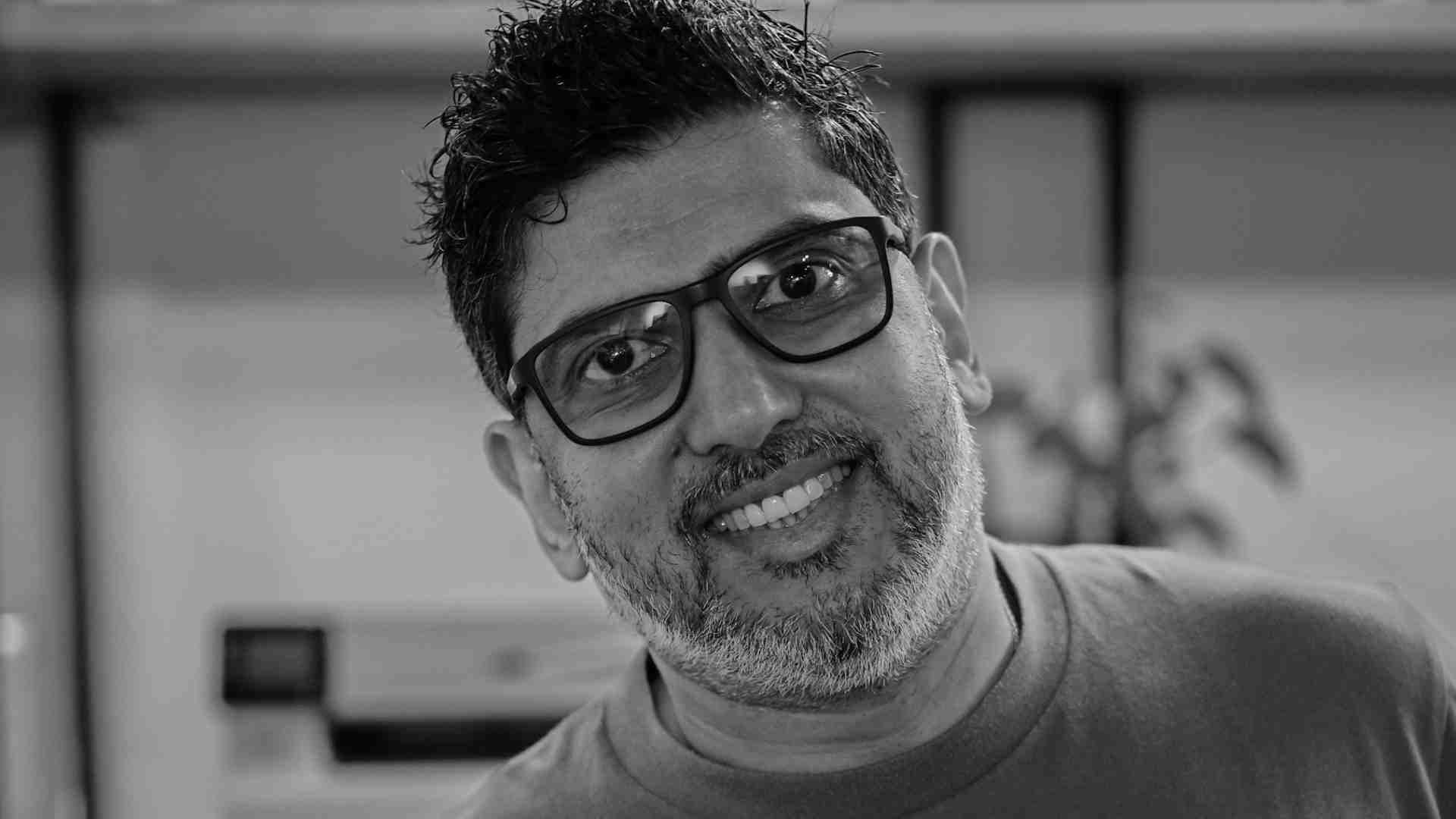
Mango Jam Studios, an established audio post-production house in the Middle East, has entered into a strategic partnership with The SMC Group to expand access to international music, artists, celebrity talent and entertainment rights for brands, agencies and creative teams across the region.
Established in 2012, Mango Jam Studios has built a strong presence within the region’s advertising and creative landscape, delivering award-winning work for brands including Coca-Cola, Colgate, Mobily, P&G, IKEA and e&. Its core expertise spans bespoke music composition, voice recording, brand sonic development and sound design, alongside music licensing and artist collaborations for brand communication projects.
The partnership builds on an existing relationship between Mango Jam and The SMC Group, bringing together Mango Jam’s understanding of the Middle Eastern advertising and creative landscape with The SMC Group’s international network across music licensing, entertainment rights, artists and celebrity talent.
For brands and agencies, the collaboration provides a more direct and efficient route to global entertainment opportunities, from internationally recognised music and artists to celebrity talent, image and likeness rights and bespoke entertainment partnerships.
“The Middle East has a fast-moving advertising industry, and our clients increasingly want access to talent and music that can help them create stronger connections with their audiences,” said Wilbur D’Costa, Executive Producer, Mango Jam Studios. “The SMC Group’s reach and understanding of the international entertainment industry makes them an ideal collaborator for us. By bringing their global network together with our regional relationships and creative expertise, we can offer our clients a much wider range of solutions while continuing to understand the cultural and creative nuances of the market.”
The SMC Group, which has operated internationally since 1999, brings experience across celebrity procurement, artist partnerships, music licensing, image and likeness rights and entertainment-led brand campaigns. Through the partnership, its global infrastructure becomes more accessible to agencies, production companies and brands operating across the Middle East.
“For us, this partnership is about making our existing global access significantly more available to the Middle East,” said Maurice Hamilton, Global CEO, The SMC Group. “Mango Jam understands the region, its creative landscape and the way agencies and brands operate. We bring the international layer, including access to global music, artists, celebrities and entertainment rights. Together, we can create a much more straightforward route for clients looking to access the global entertainment industry.”
The partnership will enable clients to approach a broader range of entertainment briefs through a streamlined process, with support across music licensing, artist and celebrity procurement, usage rights, territories, platforms, duration and commercial terms.
Mango Jam’s regional client relationships and creative capabilities, combined with The SMC Group’s international talent and rights network, will also enable campaigns to extend beyond geographical boundaries while remaining grounded in the needs of the Middle Eastern market.
“Our ambition is to build a collaboration that is known for being thoughtful about both client and artist needs, while working efficiently within time and budget considerations,” added D’Costa. “Over time, we want to become a go-to partner for brands and agencies when it comes to artist and celebrity management for brand communication.”
Hamilton added: “When an agency or brand in the Middle East thinks about music licensing, celebrity talent, artists or entertainment rights, we want The SMC Group and Mango Jam to be among the first calls they make. Together, we are building a single access point connecting brands and agencies in the region with global music, talent and entertainment opportunities.”
The partnership marks a step towards making global music, talent and entertainment rights more accessible to the Middle Eastern advertising and creative industry, combining regional market knowledge with international access and rights expertise.
Hospitality
AL HABTOOR GRAND RESORT, AUTOGRAPH COLLECTION APPOINTS CHRISTOPHE DELABARRE AS HOTEL MANAGER
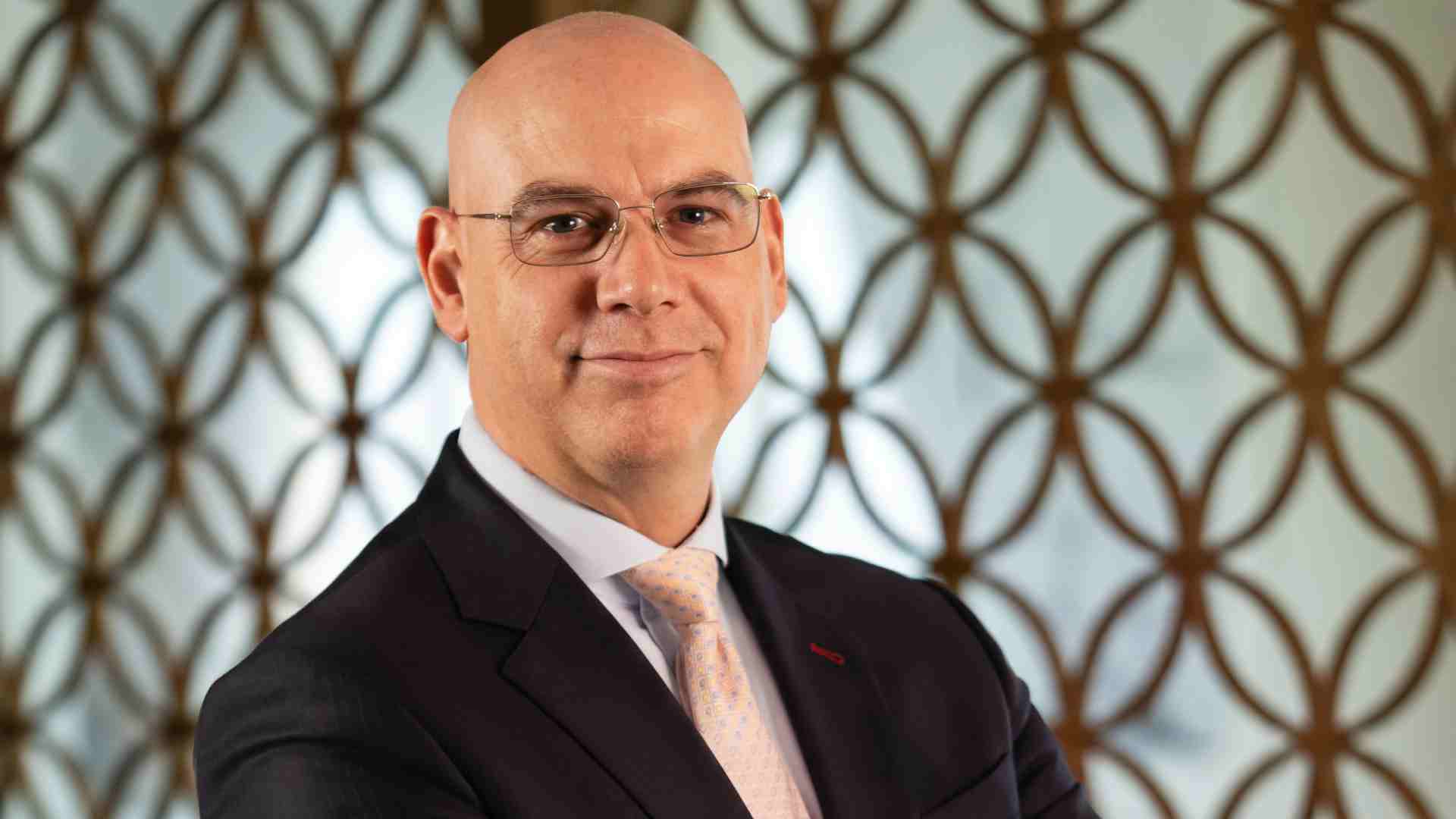
Al Habtoor Grand Resort, Autograph Collection has announced the appointment of Christophe Delabarre as Hotel Manager, strengthening the resort’s senior leadership team as it enters its next phase of growth.
With more than 20 years of international hospitality experience, Christophe has held key leadership positions with globally recognised brands including IHG, Marriott, Hilton, Mandarin Oriental and Disneyland Paris. His career spans Europe, Asia and the Middle East, bringing a broad international perspective shaped by diverse hospitality markets and operating environments.
Throughout his career, Christophe has built a strong track record in driving operational performance, developing successful restaurant and guest experience concepts, and building high-performing teams. His combination of international expertise and hands-on operational leadership will support the continued evolution of Al Habtoor Grand Resort.
In his new role, Christophe will oversee the resort’s day-to-day operations and strategic enhancements, with a focus on strengthening Rooms and Food & Beverage performance, identifying new revenue opportunities and further enhancing the guest journey. He will also play an important role in developing the resort’s talent and fostering a collaborative, performance-driven team culture.
Christophe brings a wealth of international experience and a strong understanding of what it takes to operate successfully across diverse hospitality markets,” said Khalid Saeed, General Manager, Al Habtoor Grand Resort, Autograph Collection. “His operational expertise, commercial mindset and ability to inspire teams make him a valuable addition to our leadership. We are delighted to welcome Christophe and look forward to working together as we continue to strengthen the resort’s positioning and future growth.”
Commenting on his appointment, Christophe Delabarre, Hotel Manager, Al Habtoor Grand Resort, Autograph Collection, said: “I am delighted to join Al Habtoor Grand Resort and become part of such an experienced team. I look forward to building on the resort’s strong foundations, bringing fresh perspectives and inspiration gathered throughout my career. I am excited to contribute new ideas that enhance our operations, elevate the guest journey, and create memorable Autograph Moments that are unique to this destination. I look forward to working closely with the team, contributing to the resort’s ongoing development success.”
Hospitality
Majid Al Futtaim Partners with Sunset Hospitality Group to Launch Maravelle, a Flagship Wellness and Lifestyle Destination at Ghaf Woods
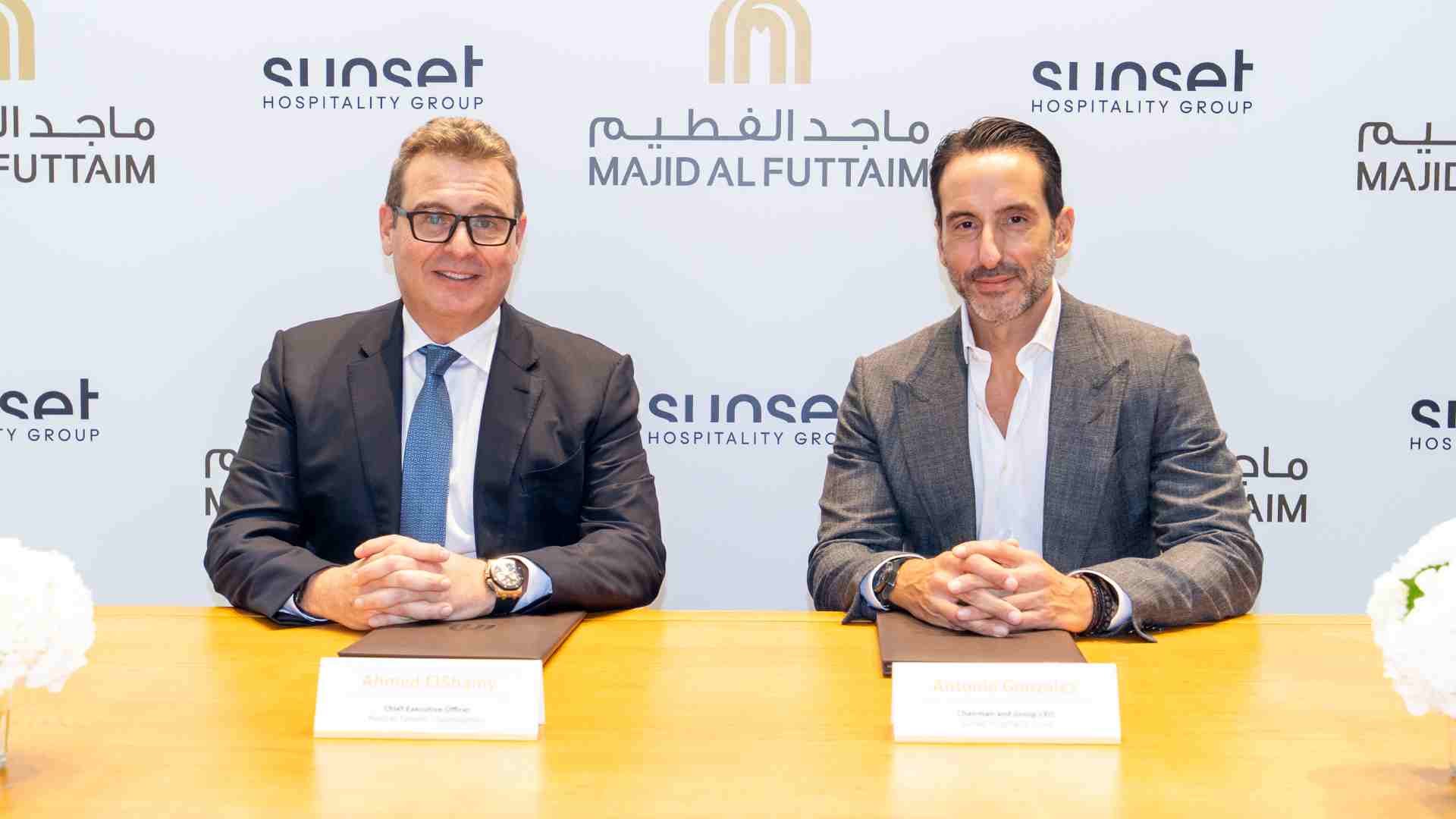
Majid Al Futtaim today announced a strategic partnership with Sunset Hospitality Group (SHG), one of the world’s leading lifestyle hospitality companies, to operate Maravelle, a flagship wellness and lifestyle destination at Ghaf Woods, Dubai’s first forest-living community. The collaboration brings together Majid Al Futtaim’s expertise in developing distinctive destinations with Sunset Hospitality Group’s specialist expertise across hospitality, wellness, fitness and lifestyle concepts.
Located at the heart of Ghaf Woods, Maravelle will bring together wellness, fitness, recovery, spa, nutrition and curated food and beverage. Designed to connect seamlessly with the community’s forest trails and its landscape of more than 35,000 trees, Maravelle will offer residents, members and visitors a dedicated setting for wellbeing, social connection and discovery.
Maravelle forms part of Majid Al Futtaim’s wider vision for Ghaf Woods, alongside its residential offering, retail and hospitality destinations, including Ghaf Woods Mall. Conceived around its distinctive natural setting, Ghaf Woods brings together a considered mix of living, leisure, retail and wellness within one connected environment.
Majid Al Futtaim leads the development of Ghaf Woods and its overall destination vision, drawing on its track record of creating places that bring together distinctive environments, communities and amenities. Sunset Hospitality Group will operate Maravelle, bringing its specialist expertise across hospitality, wellness, fitness and lifestyle, supported by a global portfolio of more than 100 destinations.
“This partnership reflects our ambition to elevate wellness from an amenity to a way of life,” said Ahmed Elshamy, Chief Executive Officer – Development at Majid Al Futtaim. “Maravelle is an important part of our vision for Ghaf Woods, adding a dedicated wellness and lifestyle offering to the wider destination. Ghaf Woods reflects our approach to creating communities where nature, wellbeing and thoughtfully considered amenities come together to shape how people live and spend their time. By partnering with Sunset Hospitality Group, we are bringing the specialist operational expertise required to deliver Maravelle to a high standard and raise the bar for what wellness can mean within the communities of tomorrow.”
Maravelle will welcome both Ghaf Woods residents and a carefully curated membership community, extending its offering beyond the residential population. Its programme will encompass fitness, recovery, nutrition, spa and hospitality, alongside opportunities to connect and engage within the setting of Ghaf Woods.
“Wellness has always meant more to us than a business line. It is an integral part of the future of lifestyle, and it is about designing a world that changes how people feel the moment they step into it,” said Antonio Gonzalez, Chairman and Group CEO of Sunset Hospitality Group. “Ghaf Woods gave us something rare: a community built around nature from the ground up, and the chance to create in Maravelle a wellness experience that belongs entirely to its setting. Working with Majid Al Futtaim on a destination this thoughtfully conceived is exactly the kind of partnership that pushes Sunset’s wellness ambitions forward.”
Maravelle adds a dedicated wellness proposition to Ghaf Woods, complementing its extensive forest landscape and broader mix of amenities. Its introduction marks another step in the evolution of Ghaf Woods, adding a new dimension to the destination and reinforcing its position as a place where nature, wellbeing and lifestyle come together.
As Ghaf Woods continues to take shape, Maravelle reflects Majid Al Futtaim’s commitment to developing innovative, future-focused communities that offer more than a place to live. By bringing together residential living with wellness, hospitality, retail and leisure, Ghaf Woods is shaping a distinctive proposition designed to create long-term value for residents, members and the wider community.


Mango Jam Studios and The SMC Group Forge Strategic Partnership to Connect Middle Eastern Brands with Global Music and Entertainment Talent

AL HABTOOR GRAND RESORT, AUTOGRAPH COLLECTION APPOINTS CHRISTOPHE DELABARRE AS HOTEL MANAGER

Majid Al Futtaim Partners with Sunset Hospitality Group to Launch Maravelle, a Flagship Wellness and Lifestyle Destination at Ghaf Woods



-

 Trending12 months ago
OPPO A6 Pro 5G Review: Reliable Daily Driver
-

 Tech News2 years ago
Denodo Bolsters Executive Team by Hiring Christophe Culine as its Chief Revenue Officer
-
 VAR2 years ago
Microsoft Launches New Surface Copilot+ PCs for Business
-

 Automotive2 years ago
AGMC Launches the RIDDARA RD6 High Performance Fully Electric 4×4 Pickup
-
Tech Interviews3 years ago
Navigating the Cybersecurity Landscape in Hybrid Work Environments
-

 Hospitality2 years ago
Gulfood 2025 30th Edition Kicks Off Today, Setting New Benchmarks in F&B Growth and Innovation
-

 Tech News1 year ago
Nothing Launches flagship Nothing Phone (3) and Headphone (1) in theme with the Iconic Museum of the Future in Dubai
-

 VAR10 months ago
Huawei Nova 14 Pro Review: Where Camera Excellence Meets Ecosystem Evolution