
 Have a question? +971 56 404 0503




Hospitality
Grand Millennium Hotel Dubai becomes the first Hotel in the region to partner with Cryptocurrency juggernaut Bybit


Grand Millennium Hotel Dubai has officially signed a breakthrough partnership with Bybit. Held on 9th May at the hotel, the signing ceremony marks the beginning of the region’s first collaboration between a leading hospitality brand and a digital finance juggernaut, paving the way for the future of travel, payments, and lifestyle integration. It also makes Grand Millennium Hotel Dubai Bybit’s first-ever hotel partner.
The official signing ceremony was attended by Helen Liu, COO & Partner of Bybit, Sheikh Almualla bin Ahmed Almualla & Feras Al Sadek of Ghaf Group, and Giacomo Puntel, General Manager of Grand Millennium Hotel Dubai.
This strategic alliance enables Bybit cardholders to unlock up to 30 percent in savings across Grand Millennium Hotel Dubai’s standout offerings. Guests can now enjoy exclusive privileges at signature venues including Belgian Beer Café, Toshi Pan Asian Restaurant, Lucky Voice Dubai, Crystal Bar, and Juzz Bar. The benefits also extend to hotel room suites and serviced apartments, meeting and event spaces, and expert catering services, making everyday moments more rewarding for Bybit’s tech-savvy global community.
“This partnership is a signal of where the future of travel and lifestyle is headed,” said Giacomo Puntel, General Manager of Grand Millennium Hotel Dubai. “As the first hotel brand in the region to join forces with Bybit, we are proud to be part of a digital evolution that places accessibility, innovation, and guest experience at the heart of everything we do.”
The collaboration represents a major leap forward in integrating cryptocurrency into real-world travel, making everyday luxuries more attainable for Bybit’s tech-forward community. Whether booking a weekend staycation, planning a corporate gathering, or heading out for a night of exceptional dining and entertainment, Bybit users will find Grand Millennium Hotel Dubai more connected, convenient, and future-ready than ever before.
“Bybit is on a mission to integrate crypto payments into every spending and daily luxuries for our community. UAE Dubai is one of the most popular destinations for entrepreneurs and crypto fans, and this partnership reflects our commitment to supporting them throughout their crypto journeys around the world,” said Helen Liu, COO & Partner of Bybit.
The Bybit Card boasts year-round offers including exclusive travels, early access to premium events, and an expanding network of global partners. The digital-native crypto and fiat card is one of the fastest growing payment solutions of its kind with over 1.7 million cards issued worldwideworld wide.
The benefits are reserved for Grand Millennium Hotel Dubai guests who use their Bybit Card for eligible payments at the hotel only.










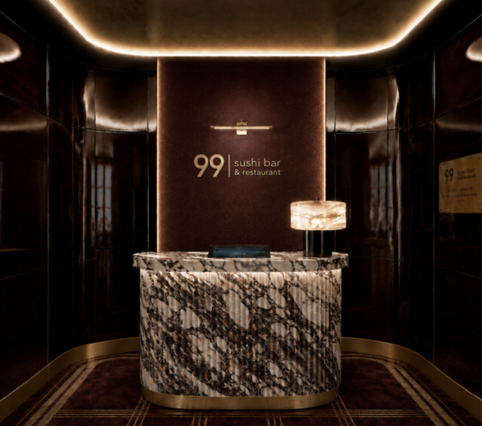
99 Sushi Bar & Restaurant is set to enter a new chapter this Q4, with the award-winning Japanese dining destination relocating to Dubai Creek Harbour. Opening in Q4 2026, the new venue will bring a premium fine-dining offering to the growing waterfront community, with a larger bar and lounge, a lifestyle-led terrace and views that will form part of the experience. While the new destination will introduce a fresh energy and more elevated approach, it will remain rooted in the contemporary Japanese cuisine and signature dishes that have defined 99 Sushi.
Founded in Madrid in 2005, 99 Sushi Bar & Restaurant is renowned for its precision-led Japanese craftsmanship, ultra-premium ingredients and refined dining experience, with its Abu Dhabi flagship awarded a MICHELIN Star for three consecutive years. The brand has grown into an international dining name across Spain, the UAE, Monaco, Rabat and Budapest, with further global expansion underway. In Dubai, 99 Sushi was previously located in Downtown before embarking on this next chapter at Dubai Creek Harbour, alongside the launch of its highly anticipated London restaurant.
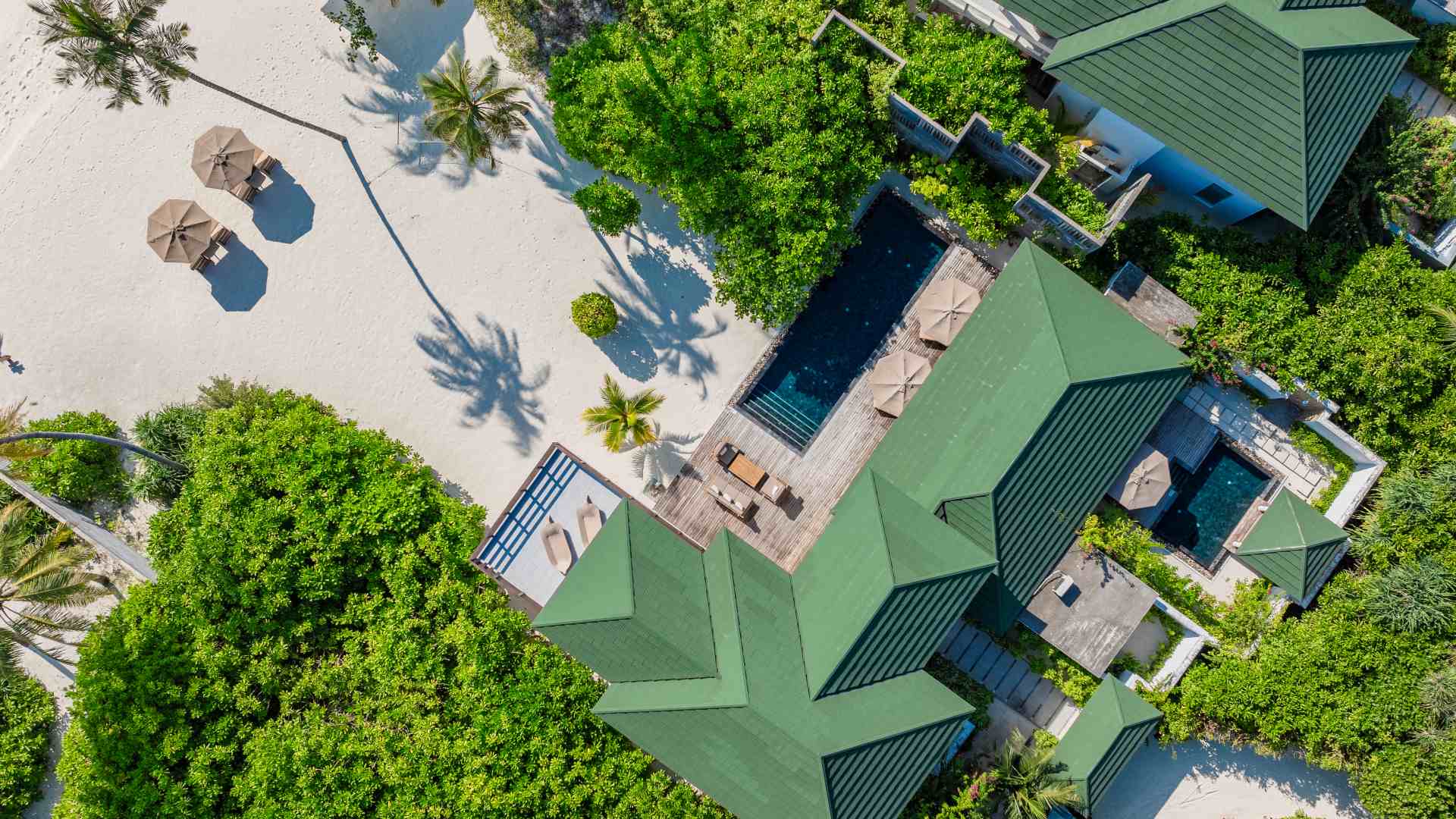
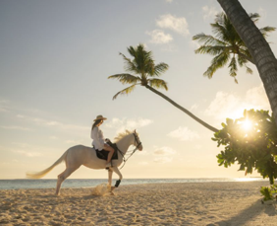
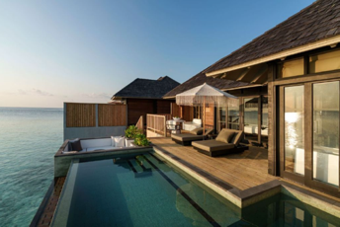
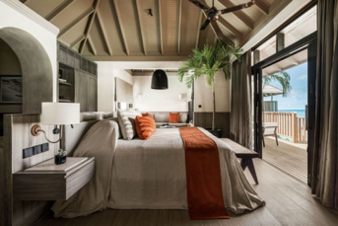
This year’s Saudi National Day offers more than a long weekend. With direct flights connecting Riyadh and Jeddah with the Maldives, Saudi travellers can exchange city life for spacious private villas, world-class dining and some of the Indian Ocean’s most memorable experiences in under a day. Across its Maldivian resorts, Sun Siyam brings together many of the things Saudi travellers look for in an island holiday – space, privacy, family-friendly experiences, premium all-inclusive halal dining and plenty to experience without leaving the island.
Across the Maldives, Sun Siyam’s three collections offer a different experience for every kind of National Day escape. The Luxury Collection, includes Sun Siyam Iru Fushi, focuses on elevated island living, privacy and spacious accommodation; the Lifestyle Collection, featuring Siyam World and Sun Siyam Olhuveli, brings together entertainment, experiences and family fun; while the Privé Collection’s Sun Siyam Iru Veli, Sun Siyam Vilu Reef and Sun Siyam Pasikudah (in Sri Lanka) offers a more intimate barefoot island escape.
For Families Who Want Space, Privacy and More Choice
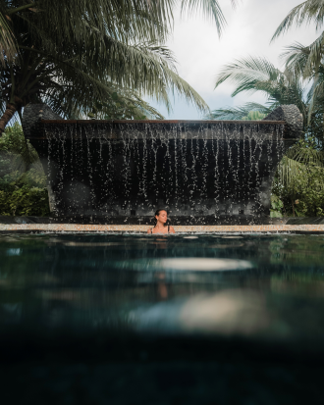
Sun Siyam Iru Fushi combines luxurious beach and overwater villas, including private-pool options, with plenty for every generation to enjoy. Families can spend their days between the beach, pools, water sports and kids’ activities, while parents can retreat to the award-winning Spa by Thalgo for a quieter side of island life.
Dining is also a major part of the experience, with 15 dining and drink venues offering plenty of choice throughout the stay. Premium all-inclusive options, halal food and in-villa dining and floating breakfasts make it easy to dine on your own schedule, while multilingual butler service, including Arabic-speaking assistance, adds another layer of convenience for Saudi guests. With kids staying free on selected offers, Iru Fushi is particularly suited to larger families looking to spend the their holiday together without compromising on privacy.
For Adventure from Morning to Night
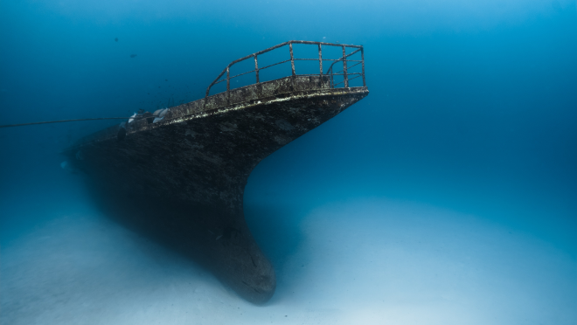
Few resorts in the Maldives can promise horse riding in the morning, shipwreck diving in the afternoon and an evening of go-kart racing. Siyam World was designed for travellers who believe one holiday should contain many adventures, bringing an unexpected sense of energy to the traditional Maldives experience.
Families and groups can move from the island’s horse ranch and go-kart track to its floating water park, dive beneath the surface to discover its shipwreck, or simply spend the day enjoying the beach and their private pool. Spacious villas and multi-bedroom residences give larger families and groups room to stay together, while an extensive choice of restaurants and bars means there is always somwhere different to dine.
The resort’s 24-hour WOW! Premium All-Inclusive concept brings dining, drinks and a wide range of experiences together, making Siyam World particularly well suited to Saudi families and groups looking for a holiday where almost everything is taken care of from the moment they arrive.
For Couples Who Want the Island to Themselves
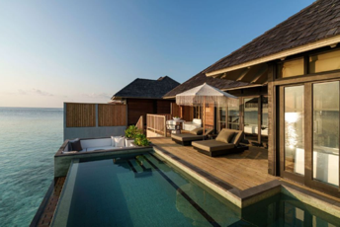
For couples looking to turn the National Day break into a romantic escape, Sun Siyam Iru Veli, offers a more intimate side of the Maldives. Spacious beach and overwater suites, private pools and a strong sense of seclusion give couples the space and privacy to enjoy the island at their own pace.
With its honeymoon appeal, romantic dining experiences and premium all-inclusive offering, Iru Veli is particularly suited to couples looking for a few uninterrupted days together, combining privacy and understated island luxury in an intimate Maldivian setting.
With the Maldives within easy reach of Saudi Arabia, National Day is a chance to make the long weekend feel considerably longer. So why wait? Pack your bags and turn this year’s celebration into an island escape with Sun Siyam. For the latest Sun Siyam packages, benefits and offers, visit sunsiyam.com/offers or book@sunsiyam.com
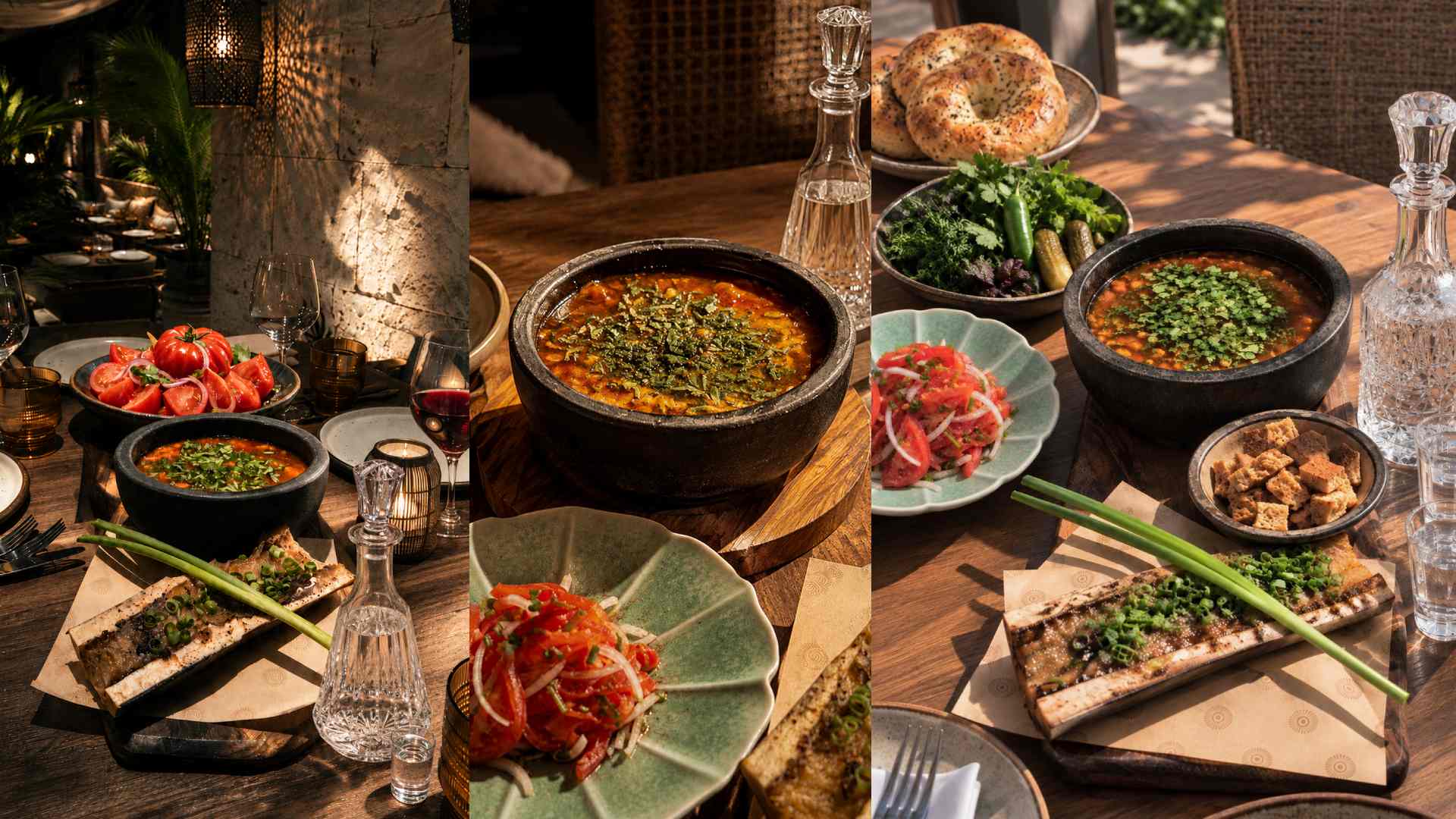
Sana Dubai, the Uzbek dining destination at Jumeirah Mina Al Salam, announced the launch of its new weekly Sunday Brunch, “Hashhhhhhhhh Brunch,” beginning September 13, 2026. Running every Sunday from 12:00 PM to 4:00 PM, the brunch reimagines the day after Saturday night as a ritual of recovery, “the Uzbek way.”
Guests will gather around a table designed for sharing, opening with fresh Uzbek vegetables before moving into Sana’s signature Hash: a steaming bowl finished with baked bone marrow and garlic, a dish generations swear by the morning after. From there, diners choose their “cure” — slow-cooked wagyu beef cheek with silky potato purée, carved tableside by the chef, or a whole river-caught Sazan fish in garlic ajika sauce. The feast closes with a plate of traditional Uzbek sweets.
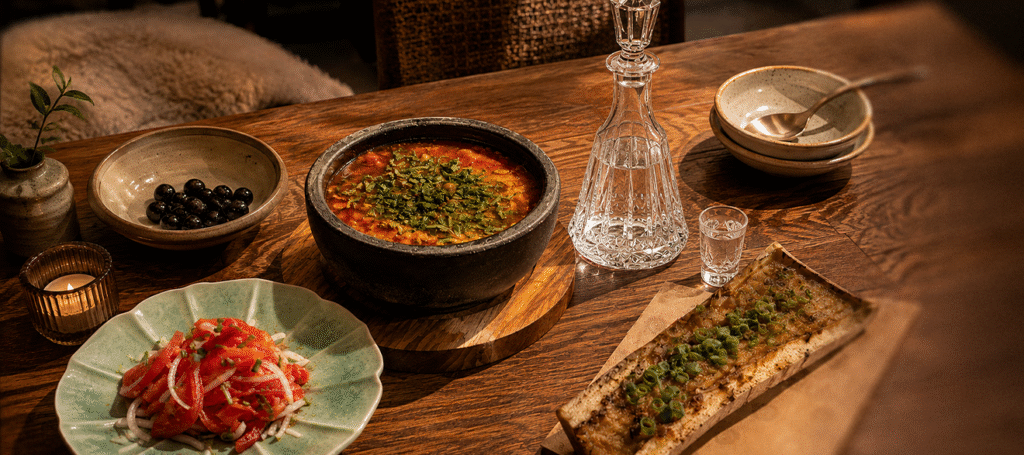
“Hash has always held a special place in Uzbek cuisine — a dish generations have gathered around, made slowly and with care. We wanted to give it the spotlight it deserves, so we built our Sunday Brunch around it: a truly authentic Uzbek feast, unhurried and generous, the way it’s meant to be shared.” — Leonid Litvin, General Manager, Sana Dubai
Hashhhhhhhhh Brunch is offered across three packages to suit every table:
- Non-Alcoholic — AED 350 per person
- House — AED 450 per person
- Premium — AED 650 per person
The brunch is unhurried and indulgent by design, built for guests who want to slow down, gather with family and friends, and let a proper feast do the recovering.
Hashhhhhhhhh Brunch Every Sunday, 12:00 PM – 4:00 PM, starting September 13, 2026 Sana Restaurant, Jumeirah Mina Al Salam, Dubai Reservations:https://www.sevenrooms.com/experiences/sanarestaurant/sunday-brunch-5109127899627520?tracking=marketing
- Location: SANA Restaurant – Jumeirah Mina Al Salam – Dubai

The Infrastructure Is Automated. Why Are the Processes Around It Still Manual?
99 Sushi Bar & Restaurant Is Moving to Dubai Creek Harbour This Q4

Turn Saudi National Day into a Private Island Escape with Sun Siyam



-
News11 years ago
SENDQUICK (TALARIAX) INTRODUCES SQOOPE – THE BREAKTHROUGH IN MOBILE MESSAGING
-

 Trending10 months ago
OPPO A6 Pro 5G Review: Reliable Daily Driver
-

 Tech News2 years ago
Denodo Bolsters Executive Team by Hiring Christophe Culine as its Chief Revenue Officer
-
 VAR1 year ago
Microsoft Launches New Surface Copilot+ PCs for Business
-

 Automotive2 years ago
AGMC Launches the RIDDARA RD6 High Performance Fully Electric 4×4 Pickup
-
Tech Interviews2 years ago
Navigating the Cybersecurity Landscape in Hybrid Work Environments
-

 Tech News1 year ago
Nothing Launches flagship Nothing Phone (3) and Headphone (1) in theme with the Iconic Museum of the Future in Dubai
-

 VAR2 years ago
Samsung Galaxy Z Fold6 vs Google Pixel 9 Pro Fold: Clash Of The Folding Phenoms