
 Have a question? +971 56 404 0503




Home Integrator
PRECISION AS A PHILOSOPHY WITH SOBHA FURNITURE

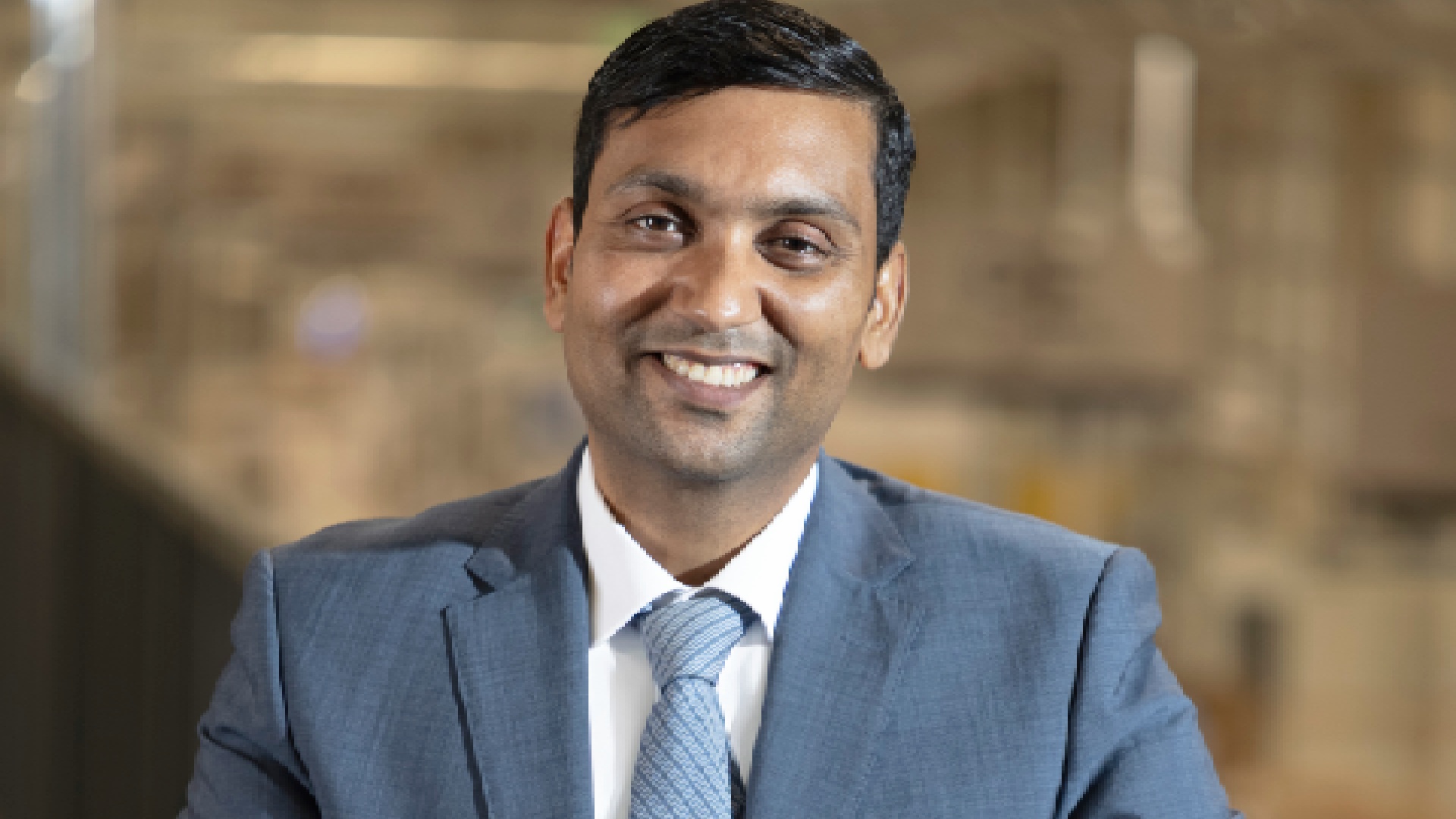
Exclusive interview with Anuj Jain, Chief Executive Officer, Sobha Furniture
As CEO of Sobha Furniture, how has your journey across finance, strategy, and operations shaped your vision for Sobha Furniture’s growth and market positioning?
My career journey has given me a 360-degree perspective on business execution, from understanding market dynamics to ensuring operational excellence. Working across various divisions within Sobha Group has taught me that true success stems from the seamless integration of strategic foresight, discipline, and an unwavering attention to detail. Over the years, I’ve come to appreciate how deeply this attention to detail is woven into Sobha’s DNA, an ethos I am now embedding into every facet of Sobha Furniture, ensuring we deliver premium, design-led products at scale while positioning the brand as a benchmark for quality, innovation, and reliability in the market.
Having been part of the Sobha ecosystem for several years, I also recognise how personal this venture is to our founder, PNC Menon. Furniture was where his journey began and my goal is to carry that legacy forward by building a new era in furniture manufacturing defined by efficiency and technology. Through this approach, we are laying the “foundation of a new standard”, and it is a standard that will redefine how the region perceives and experiences furniture made in the Emirates.
Sobha Furniture is part of the larger Sobha Group legacy. How do you integrate the Group’s ethos and heritage into the furniture division’s brand identity?
Sobha Group is globally recognised for its end-to-end approach and for delivering real estate known for exceptional quality and meticulous craftsmanship. With Sobha Furniture, we aim to carry forward these same values, bringing the same precision and attention to detail to our furniture offerings. We are building solutions that customers will be able to distinguish from the others through the level of quality and craftmanship that our brand is known for. We believe the product should speak for itself, through its design, finish, and the experience it delivers.
By implementing Sobha Group’s backwards integration model and adapting it across our operations, we maintain complete control of the entire process, from conceptualisation and design to sourcing, manufacturing, and delivery. Our aim is to build a manufacturing ecosystem that not just produces furniture, but creates it with intent, reflecting the expertise that comes from our deep understanding of the construction and interiors landscape.
Your announcement of a fully automated facility in Dubai Industrial City signals a big leap in manufacturing. How will this facility reshape Sobha Furniture’s manufacturing ecosystem and customer value proposition?
Sobha Furniture’s upcoming 53,000sqm facility in Dubai Industrial City (DIC) marks a defining milestone in our journey. Designed to be one of the most advanced and fully automated furniture manufacturing plants across the Middle East, India, and Africa, this investment reinforces our commitment to innovation and quality while supporting the UAE’s industrial growth.

The facility is divided into two highly specialised divisions:
- The Upholstery Line: Performs all operations under one roof, including mould and block foaming, metal finishing, fabric and leather cutting, and precision sewing, ensuring complete process control and consistent quality.
- The Cabinetry Line: Built to European standards and guided by Lean Manufacturing principles, it employs data-driven systems and an AI-enabled Batch 1 production model, enabling large-scale customisation with minimal error and rapid turnaround times.
Together, these innovations not only enhance precision, scalability, and efficiency but also set new benchmarks for how large-scale furniture is manufacturing in the region. This facility will redefine industry standards, demonstrating that world-class furniture manufacturing can thrive locally, powered by the nation’s high-end infrastructure, skilled workforce, and forward-looking industrial vision.
What were the biggest challenges in establishing a full-scale furniture manufacturing base in a market largely reliant on imports, and how did you overcome them?
One of the biggest challenges we faced was shifting market perception in a region long-dependent on imported furniture. For years, “Made in Europe” was viewed as the premium standard for quality and design. Our aim is to prove that “Made in the Emirates” can meet, and even exceed, those standards.
To achieve this, we brought the best from around the world – international design expertise, advanced technology, and a highly skilled team, to build a facility and operating model that would rival any in the industry. By integrating state-of-the-art automation and precision engineering, we created a manufacturing ecosystem capable of delivering large-scale, tailored solutions with consistent quality.
This approach, supported by the UAE’s vision for industrial excellence, enabled us to establish a self-reliant, world-class production base. Today, Sobha Furniture stands as proof that with the right talent, technology, and infrastructure, perfection can be achieved.
As Sobha Furniture steps up its manufacturing and regional footprint, how will you maintain direct engagement with integrators, interior architects, and hospitality-specification partners to ensure product relevance and luxury positioning to become part of the design ecosystem rather than just a product supplier?
Our goal has always been to be a co-partner from the design stage. We don’t just manufacture furniture but provide solutions that help translate our customers’ ideas into cohesive, elevated interiors concepts of the highest quality. As we expand our manufacturing and regional footprint, we are equally focused on deepening our engagement with architects, designers, and specifiers to bring their vision to life – from mood boards, material selections and mock-ups to the final product.
Our flagship showroom, The Gallery at The S Tower, is designed as a space for collaboration, where partners can experience our materials, finishes, and collections in real-life settings, and co-create solutions tailored to their projects. Complementing this is our Milan Design Studio, which bridges creativity with regional sensibilities, ensuring our products reflects both artistry and functionality.
Home Integrator
Western Furniture Unveils a Spectacular Eid Al Adha and Super Sale Celebrating Luxury Living and Timeless Italian Design

Dubai, UAE – May 2026: This season, Western Furniture invites design enthusiasts and homeowners to experience exceptional luxury living during its exclusive Eid Al Adha campaign and Super Sale event, taking place from 22–31 May 2026 across Dubai and Abu Dhabi.
The campaign features limited time offers on an extraordinary portfolio of internationally acclaimed furniture, lighting, and outdoor living brands. Showcasing iconic names including Adriani & Rossi, Miniforms, Schuller, Tonin Casa, Calligaris, Tomasella, Desalto, Natuzzi Editions, and Unopiù, the curated collections bring together contemporary elegance, exceptional craftsmanship, and timeless Italian-inspired design for both indoor and outdoor spaces.
Discover timeless elegance and contemporary innovation with these standout pieces:
Iconic Italian Lighting Brands
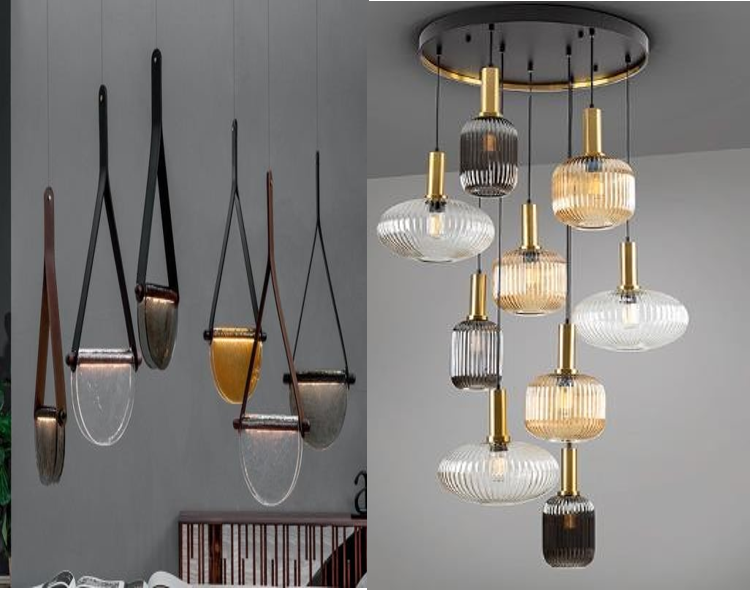
At the heart of the collection is an exquisite showcase of designer lighting pieces that blur the boundaries between art and functionality. Adriani & Rossi introduces sculptural creations such as the Calla Table Lamp, crafted from elegant matte white ceramic with luxurious gold or silver leaf interiors, radiating a warm and sophisticated ambiance. Complementing the collection is the minimalist File Suspension Lamp, a handcrafted ceramic pendant distinguished by its textured finish and modern silhouette, ideal for dining spaces and stylish contemporary interiors.
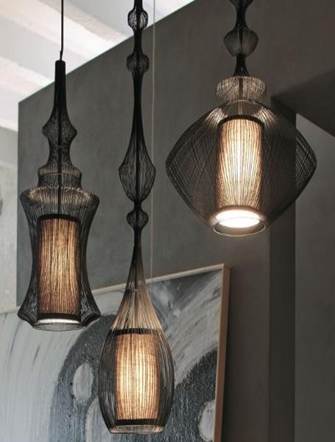
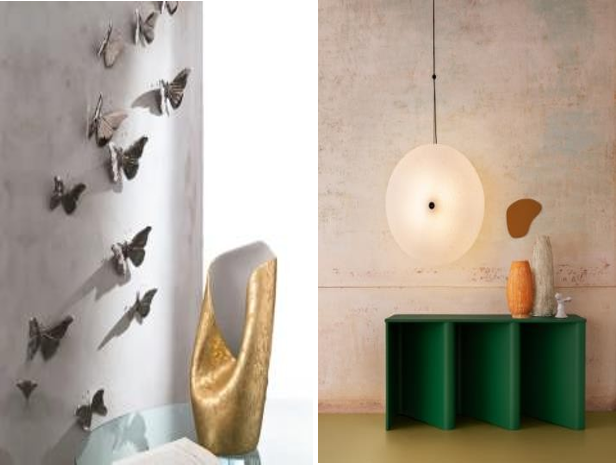
The lighting portfolio further expands with statement ceiling lamps including the playful Rificolona by Miniforms, the refined Norma ceiling lamp by Schuller, and the artistic Dali ceiling lamp by Tonin Casa, each adding dramatic character and timeless elegance to interior spaces.
Calligaris
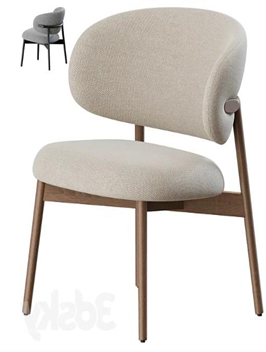
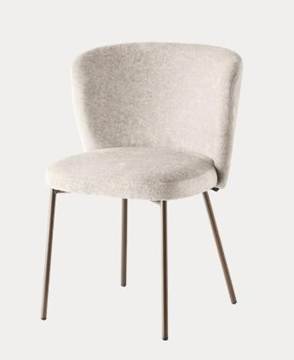
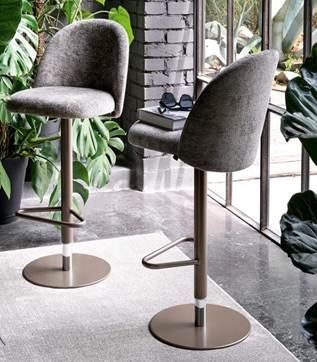
The promotion also highlights an exceptional range of contemporary dining and lounge furniture from Calligaris, where functionality meets sculptural beauty. Elegant seating solutions such as the Betty Dining Chair, Fay Dining Chair, Tuka Bar Stool, and the sophisticated Oleandro Lounge Chair showcase soft silhouettes, ergonomic comfort, and refined Italian detailing.
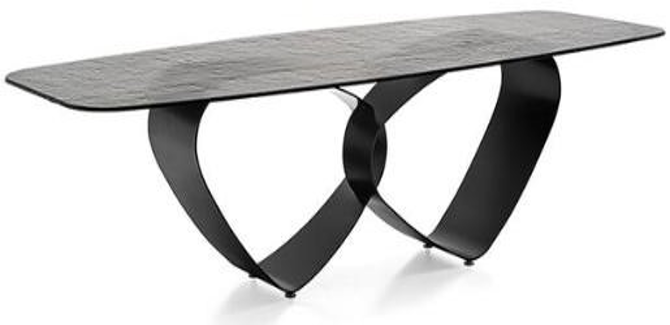
These designs pair seamlessly with statement dining tables including the sculptural Ellisse Dining Table, the elegant Calla Dining Table, and the modern Breeze Dining Table, creating harmonious dining environments defined by
sophistication and versatility.
Natuzzi Editions :
For lovers of luxurious relaxation, Natuzzi Editions presents a refined collection
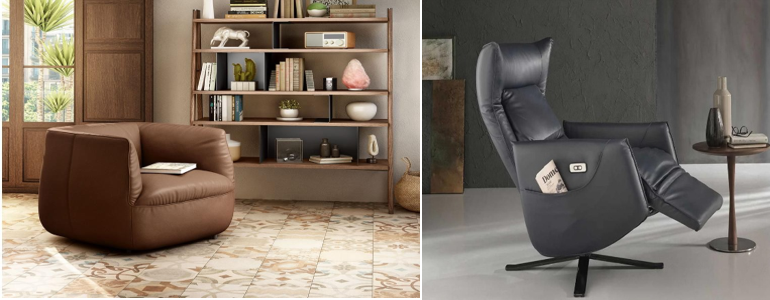
of sofas and beds that combine Italian craftsmanship with superior comfort.
Highlights include the elegant Charlotte C391, the inviting Ernesto, the soft and contemporary Batticuore B889, the modern Wally C195, and the stylish Spirotosa C117, alongside the sophisticated Morfeo Bed, each designed to transform interiors into serene and luxurious sanctuaries.
Unopiù outdoor collection
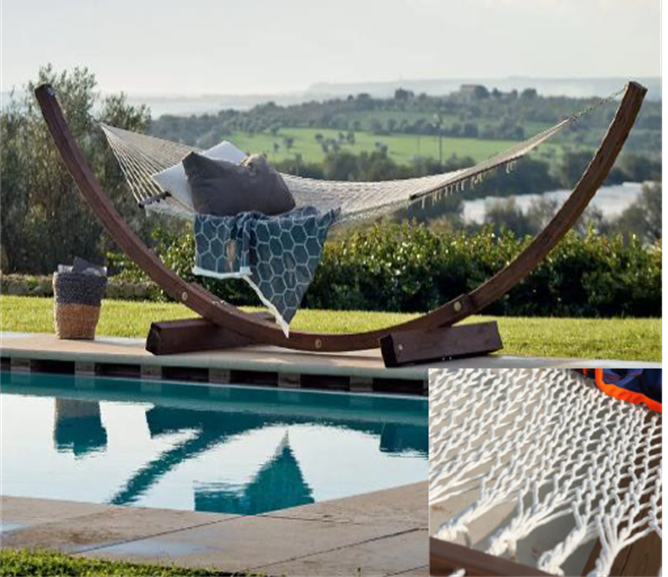
Extending luxury beyond interiors, Unopiù introduces a sophisticated outdoor living collection inspired by timeless Mediterranean elegance and sustainable craftsmanship. Leading the collection is the iconic Amanda Hammock, a globally celebrated Unopiù design masterpiece featuring curved laminated wood poles and handwoven cotton cord, offering effortless relaxation in any outdoor setting.
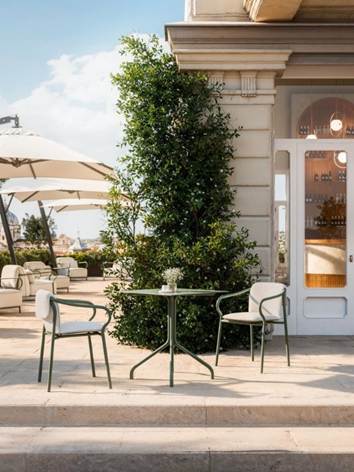
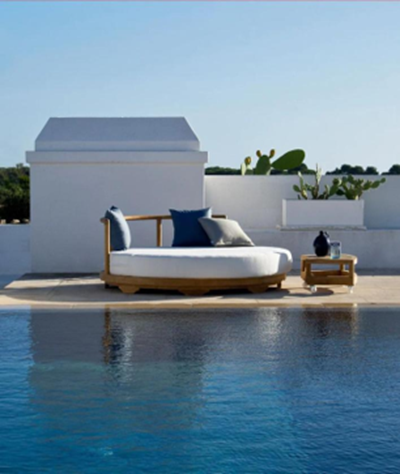
The collection also includes the elegant Ginger Director’s Chair, crafted from premium teak and sustainable fabrics, and the refined Salò Sofa from the Salò 2025 Collection, inspired by the enchanting beauty of Lake Garda. Additional highlights such as the Synthesis Sofa in teak and WaProLace, the Low Lounge Chair and Stackable Coffee Table, and the sculptural Pevero Island lounge piece redefine outdoor comfort through timeless design, natural materials, and contemporary sophistication.
With this exclusive seasonal sale, Western Furniture continues to reaffirm its position as one of the UAE’s leading destinations for luxury interiors, offering discerning customers the opportunity to experience globally renowned brands, exceptional craftsmanship, and timeless design at attractive prices.
Home Integrator
NATUZZI ITALIA LAUNCHES EID AL ADHA SUPER SALE SHOWCASING ICONIC ITALIAN CRAFTSMANSHIP
Natuzzi Italia renowned for its Italian craftsmanship and innovative design, invites design enthusiasts and homeowners to experience its highly anticipated 3-Day Super Sale, running from May 22 to May 31, 2026, across its showrooms in Dubai and Abu Dhabi. The exclusive event offers exceptional savings on a curated selection of sophisticated furniture, lighting, and statement pieces that embody the brand’s philosophy of harmony, comfort, and refined living.
Featured Highlights of the Sale:
Deep Sofa
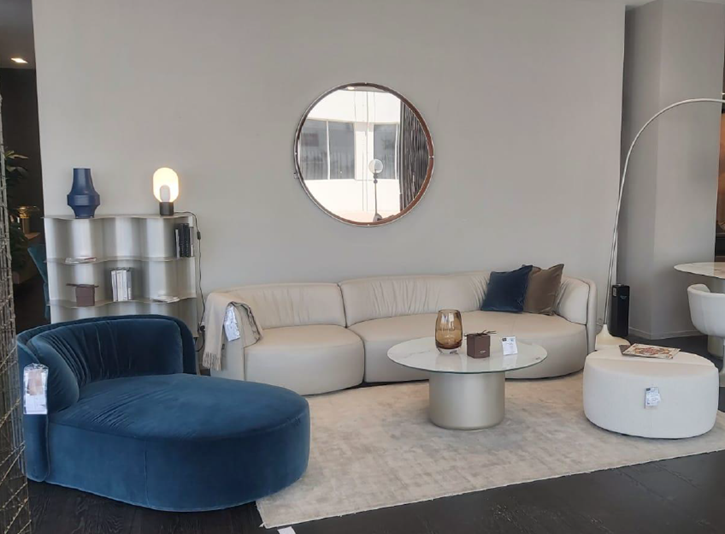
Designed by Nika Zupanc, the Deep Sofa captures the flow of sea waves with its modular, customizable configurations and enveloping lines—perfect for unwinding in style. Also Deep Chaise Lounge blue jeans .
Easy Sofa
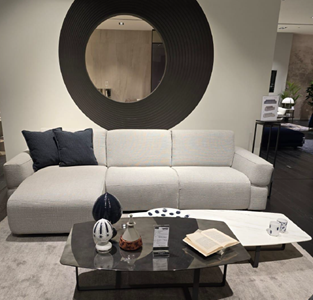
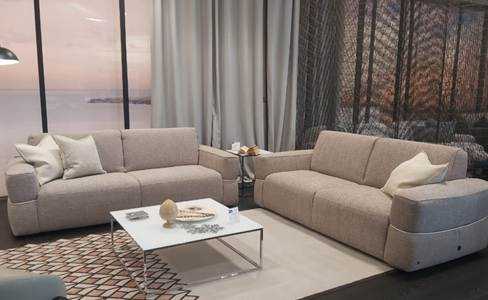
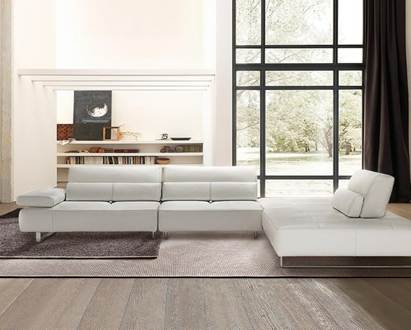
The Easy Sofa (3+2-Seater) Sofa and Half Corner Sofa perfectly blends practicality with luxury, featuring a seamless “ready-to-bed” mechanism for effortless comfort. Its rounded lines create a harmonious style and function. Available in white.
The sale also highlights Natuzzi Italia’s exquisite lighting collection
Germoglio Lamp by Marcantonio: A poetic and artistic addition to any room, the Germoglio lamp illuminates spaces with a soft, Mediterranean-inspired glow.
The Natuzzi Italia Galileo table lamp: a sophisticated addition to any living space. the lamp features a distinctive base in Calacatta marble or black lacquered beech wood with a scratched effect, paired with an adjustable aluminium diffuser available in various colours.
Kendo table lamp: Inspired by the traditional Japanese martial art of Kendo.the Kendo Table Lamp masterfully balances wood and metal, offering minimalist sophistication ideal for contemporary homes
Colosseo:
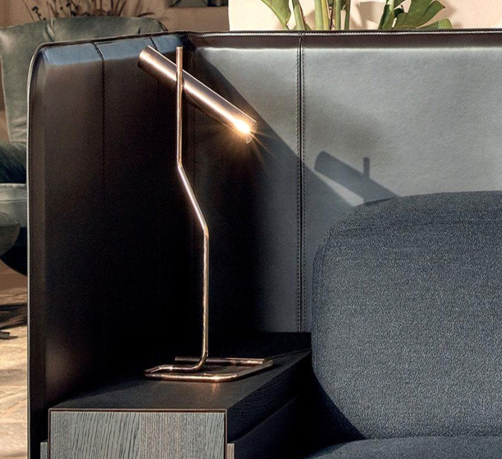
Designed by Mauro Lipparini, Colosseo is a monument to versatility. With a cultured and sophisticated design, this sofa includes storage units as armrests or table tops, redefining the living area concept where flexibility merges with innovative comfort.
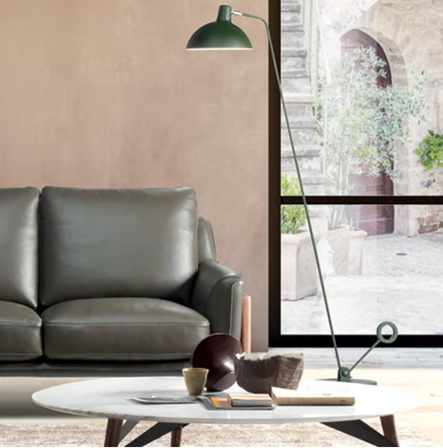
Elsa Stand Lamp
A Timeless Embrace Elegance and purity find their form in Elsa. This masterpiece features a charm carved from artisan glass, playing against the natural, sophisticated veins of Calacatta marble. Topped with a decorative accessory in brushed light gold, Elsa is not merely a lamp, but a precious jewel for the contemporary interior.
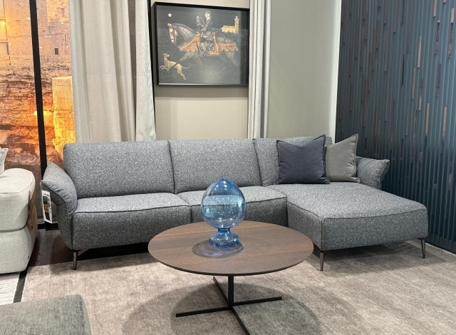
The Milano sofa: Bring timeless charm and comfort to your space with the Milano Sofa—a perfect blend of bold design and cozy sophistication
Oblò:
Designed by Maurizio Manzoni, Oblò is a welcoming embrace with a sleek silhouette. The tubular metal structure not only adds elegance but also gives the sofa an airy and streamlined look, creating a warm and inviting atmosphere.
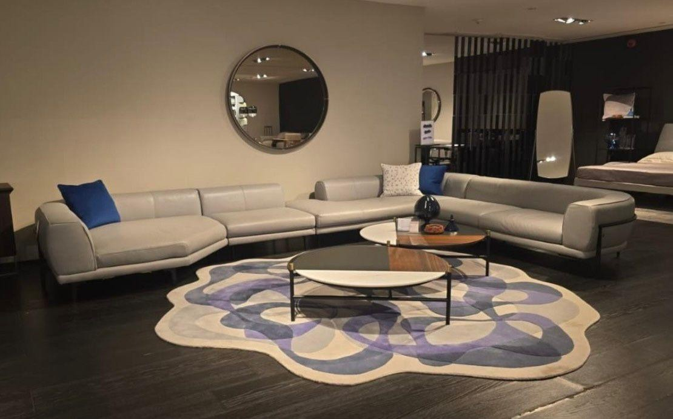
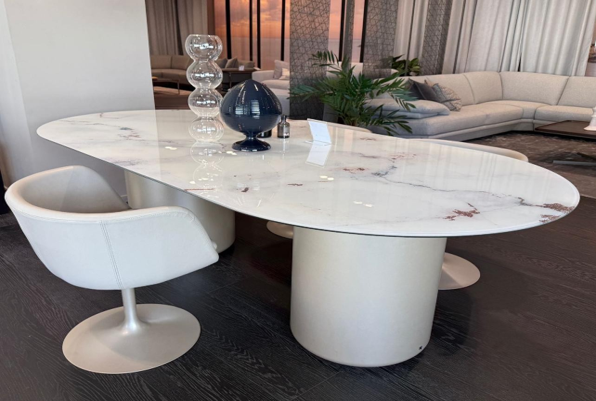
Voyage Dining Table A tribute to Natuzzi’s pursuit of perfect harmony, the Voyage table unites form, function, and materiality in a beautifully balanced composition. Crafted with precision and conceived as a statement centrepiece, Voyage reflects the brand’s Italian artistry—transforming a dining table into a sculptural expression of refined living.
Buddie Sofa
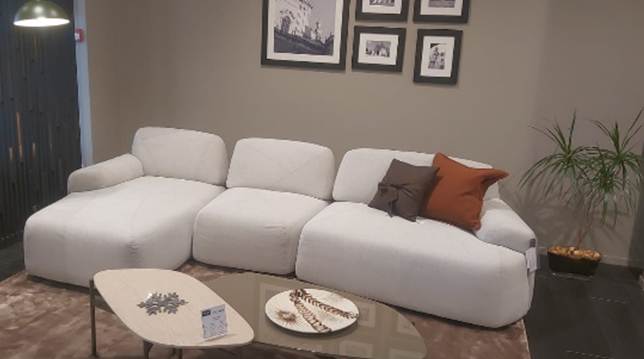
A project that perfectly embodies the spirit of the Natuzzi design blend, Buddie is a collection in which form and function, aesthetics and ethics, creativity and innovation, both technological and emotional, find a perfect synthesis in the name of harmony. Available in sophisticated Leather Bianco and Fabric Castiglione.
Levante sofa
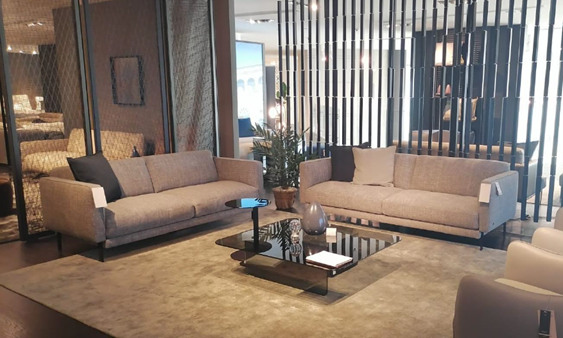
The Levante sofa, designed by Mauro Lipparini, embodies compact strength and undeniable style. Available in sophisticated iron-grey fabric, it exemplifies Italian Minimalism, offering a harmonious blend of elegance and profound functionality.
The Leaf Sofa
Soft lines meet Italian sophistication in the Leaf Sofa, a design that brings warmth, elegance, and effortless comfort into the living space. With its inviting proportions and refined detailing, Leaf transforms everyday moments into an experience of understated luxury.

Kanaka Raghavan, Senior Lecturer in Graphic Design, Middlesex University (MDX Dubai)
The way we design has always been a reflection of the tools available to us. As an undergraduate student about two decades ago, the tools we used were quite traditional: A sketchbook, a drafting board, piles of drawing sheets, tracing paper, freshly sharpened pencils, and a half-empty coffee mug. Design was physical, tactile, measured, and every revision cost you something. Technical drawings and models would take days to produce, and critique was received with extreme resistance due to the effort involved in making the slightest modifications. Gradually, digital drawing and 3D modelling software evolved to generating sections and elevations automatically, removing the long nights spent working on these manually. Having computers handle the repetitive, mechanical work has allowed one to pay attention to the most interesting part of the process: the designing itself.
In this mission to outsource dreary, tedious tasks to the machines, it seems like we may have gotten a bit carried away. With Artificial Intelligence (AI) already embedding itself into the mechanics of our daily life – the way we draft a message or edit a photo, it is inevitable for the technology to make its way into the creative process. Unlike conventional design software, which relies entirely on dimensions and constraints manually fed by the architect, AI has fundamentally changed the ideation process. Brainstorming concepts, generating multiple façade options, and exploring design possibilities has become far more fluid, like having a hardworking graduate assistant.
The architecture industry has seen rapid growth in AI adoption. Across early stages in areas like concept visualisation, specification writing, compliance checking, and product selection, as well as day-to-day practice management like report writing, bid creation, and project scheduling. According to a recent report, 59% of practices reported using AI on at least occasional projects, up from 41% the previous year, a sizeable increase.
Bigger studios have acted as early adopters. Zaha Hadid Architects developed bespoke AI software in collaboration with NVIDIA, exploring generative AI across façade patterning, structural optimisation, and urban-scale planning. For MVRDV, data is actively shaping building form from the very start. BIG’s Bjarke Ingels has spoken about how AI reduces the time between intuition and iteration, helping teams move faster through design options. Smaller design studios are finding their footing too. London-based Fu recently launched what has been described as the world’s first fully AI-driven architectural project, a residential scheme at Slovenia’s Lake Bled, where AI helped accelerate iteration and uncover spatial relationships that traditional processes might have missed.
Yet the technology, for all its speed and spectacle, requires scrutiny. Where AI has made its presence felt is primarily in the everyday operational side of practice – drafting emails, managing budgets, transcribing client meetings. Only 13% of practices are currently using AI for actual design and planning tasks. As Zaha Hadid Director, Nils Fischer, puts it, general purpose AI has a “pseudo-understanding of construction,” particularly bad at grasping how building elements actually meet and connect. While it is a capable assistant, AI is still a few upgrades away from playing a meaningful role in the construction process.
So, can the architect be confident about their future in the industry?
Designing buildings is like solving an intricate puzzle, and the architect has always occupied a unique position. Part researcher, part craftsman, part ethnographer, part philosopher. They aren’t just resolving a design; they are learning to understand people. To become a good architect, one must develop an empathetic read of the problem before proposing a solution. The creative process demands that we sit with complexity, allowing the concept to find its philosophical grounding before it becomes form. It is slow, sometimes frustrating, and entirely necessary.
That is where AI can pose a conundrum. When a tool can generate fifty design options overnight, how does the architect still develop the conviction to defend one? And how do they avoid the trap of sameness that AI has been accused of producing, where similar prompts fed into similar models begin to yield unsurprisingly similar results? Research in cognitive science suggests that exposure to others’ ideas early in the creative process can inhibit our thinking. More unsettling still is the effect of passive AI acceptance. In a post-ChatGPT world, taking the first generated response and running with it has become second nature for many. Researchers are finding, however, that this habit may be rewiring how we think, not just individually, but collectively. And when individual creativity suffers, the diversity of our collective creativity inevitably suffers along with it. This is particularly worth considering for the next generation of architects, who risk treating AI as a silver bullet rather than simply another tool in their arsenal. While it makes connections we sometimes can’t, AI still remains a machine, not a problem solver, not an architect. There is still a vast distance between a striking AI-generated image and a building that can actually be built, specified, and guaranteed. The real skill lies in knowing what to do with that output, pushing it further, making it respond coherently against a brief, a site, a context.
An architect’s empathy is not merely a soft skill, it is the diagnostic tool that determines whether a building serves its people or merely stands. No model trained on images of buildings understands why a space needs to feel welcoming, or how a layout shapes the way people move through their lives. Those judgements cannot be prompted into existence. An architect’s value has never been in the mechanics of drawing, it’s in the thinking, judgment, and empathy behind it. AI can accelerate the process, but if architects let it do the thinking too, they risk losing the very thing that makes them irreplaceable.

WHY PERSONALISATION IS THE NEW CURRENCY IN WEALTH MANAGEMENT
ZAHRA’S KITCHEN SHARES ITS GUIDE TO EASIER SUMMER EATING IN THE UAE
MOONWALK INTO JUNE



-
News11 years ago
SENDQUICK (TALARIAX) INTRODUCES SQOOPE – THE BREAKTHROUGH IN MOBILE MESSAGING
-

 Trending8 months ago
OPPO A6 Pro 5G Review: Reliable Daily Driver
-

 Tech News2 years ago
Denodo Bolsters Executive Team by Hiring Christophe Culine as its Chief Revenue Officer
-
 VAR1 year ago
Microsoft Launches New Surface Copilot+ PCs for Business
-

 Automotive2 years ago
AGMC Launches the RIDDARA RD6 High Performance Fully Electric 4×4 Pickup
-
Tech Interviews2 years ago
Navigating the Cybersecurity Landscape in Hybrid Work Environments
-

 Tech News11 months ago
Nothing Launches flagship Nothing Phone (3) and Headphone (1) in theme with the Iconic Museum of the Future in Dubai
-

 VAR2 years ago
Samsung Galaxy Z Fold6 vs Google Pixel 9 Pro Fold: Clash Of The Folding Phenoms