
 Have a question? +971 56 404 0503




Home Integrator
PROPERTY FINDER, MENA’S LEADING REAL ESTATE PLATFORM, ROLLS OUT THE REGION’S FIRST HOME VALUATION FEATURE WITH FORWARD-LOOKING VALUE INDICATORS

Property Finder, MENA’s leading real estate search platform, launches the first-of-its-kind Home Valuation feature with a six-month forecast. Designed to bring greater confidence and transparency to property decisions, the tool equips buyers, investors, homeowners, and renters with data-backed home valuation estimates to help them better understand a property’s market value today and in six months’ time.
Exclusively available through the Property Finder app, the feature delivers AI-powered home value estimates that go beyond traditional valuation tools. It combines proprietary data, market sentiment and insights to predict the value of a property, leveraging what the company calls, “human powered AI” – a hybrid of machine learning and human expertise that reflects real-world dynamics. Decades of Property Finder data has been used to build the intelligence, leveraging millions of data points.
Users can also track up to 10 properties through the tool. Whether it’s a primary home, an investment property, or a mix of both, users can view all of them in one place through the Portfolio section, making it easy to monitor performance and stay updated on valuations.
In a market known for rapid shifts and speculative trends, this feature introduces a long-overdue layer of trust, transparency and clarity in the home valuation process for the region. By integrating forward-looking indicators rather than relying solely on past sales data, the tool responds in real time to market momentum and localised shifts in demand.
This launch comes as the real estate industry enters a new era of AI transformation – an era that is redefining the very role of a property platform. The interface is evolving from static search to intelligent conversations. The experience is expanding from listings to end-to-end journeys and the monetisation model is shifting from ads to insights, transactions, and services.
“At Property Finder, our mission has always been to empower consumers with technology that simplifies and informs their home-buying journey,” said Fernando Fanton, Chief Product and Technology Officer at Property Finder. “Time and again, our research shows that valuation is the number one concern for both buyers and sellers. With our new Home Valuation feature, we’re giving people a clear, data-driven view of what a property is worth today – and, importantly, what it could be worth in the future. It helps answer the questions that matter most: Is this property fairly valued? Is it a good investment? How might its value evolve over time?”
“This is about more than numbers,” he added. “It’s about restoring confidence and removing the uncertainty that so often clouds the buying process. The Home Valuation feature gives people clarity at the moment they need it most, helping them make informed decisions about what is often the biggest financial commitment of their lives — their home.”
Consumer studies by Property Finder confirm that home values remain the top factor driving purchase and rental decisions, yet it’s also the greatest source of hesitation. By delivering instant, intelligent valuation insights, this latest feature acts as a trusted guide in what is often a complex and emotionally charged process.
Whether buying, selling, or simply curious about a property’s value, users can now access credible, real-time value predictions with just a few taps on the Property Finder mobile app.
The launch of the Property Finder Home Valuation feature reinforces Property Finder’s commitment to innovation and its role as the category-defining platform in the MENA real estate landscape.

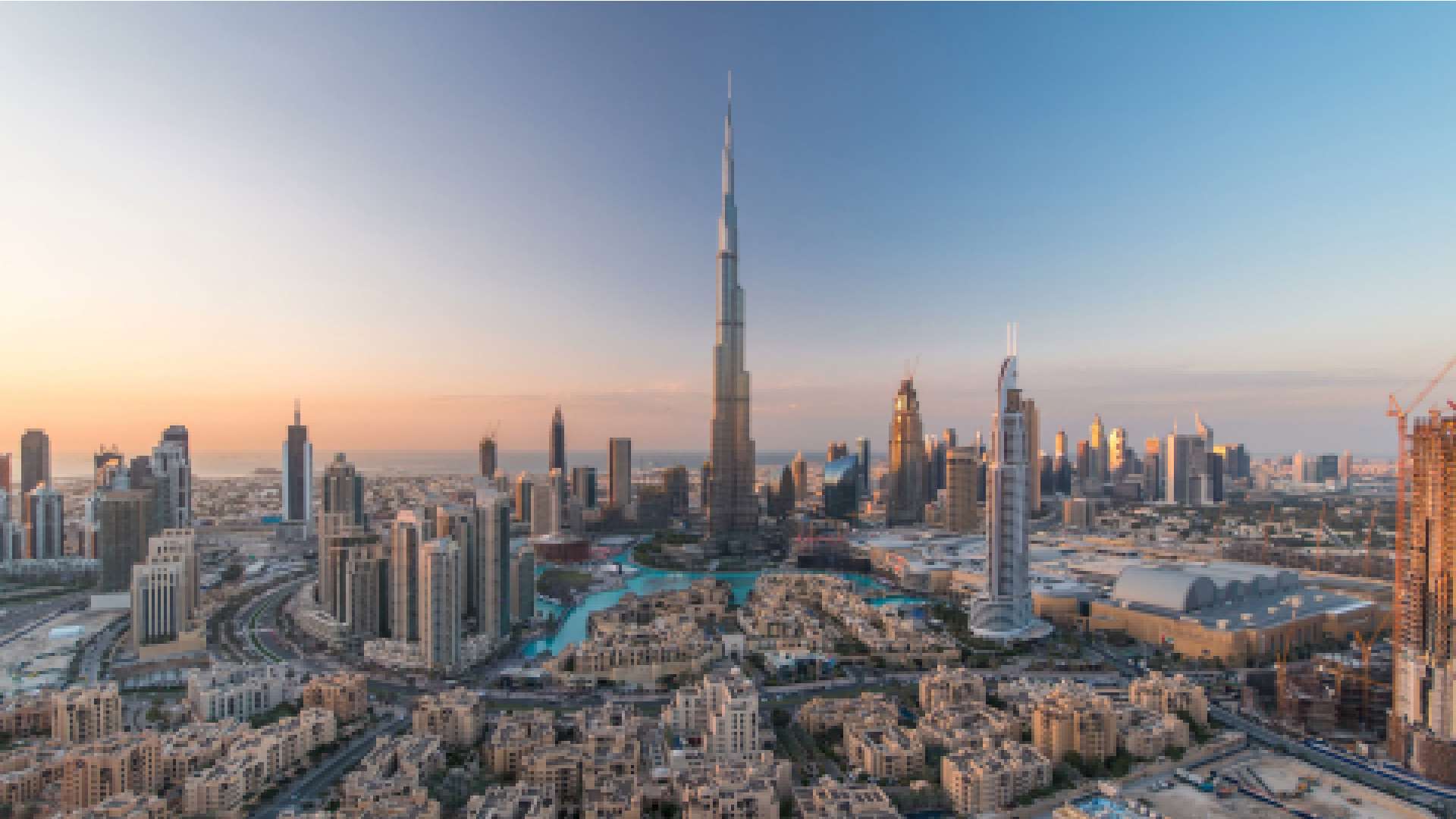
Dubai’s development market continues to expand at pace, while also demonstrating a level of stability that is helping sustain long-term growth. Strong investor confidence, clear regulation, advanced infrastructure, and market continuity are giving the sector a solid foundation even as project volume rises. In 2025, Dubai recorded more than 270,000 real estate transactions worth AED 917 billion, its strongest performance on record and a 20% increase year on year. That kind of activity places greater pressure on the full development cycle. Against that backdrop, Access Consult highlights project approvals, authority coordination, design compliance, value engineering, execution readiness, and delivery planning as some of the key factors now shaping how efficiently projects move from blueprint to build.
Approvals are now part of project strategy
In a high-volume market, approvals have become a core part of delivery strategy rather than a step that follows design completion. They shape launch timing, procurement sequencing, investor confidence, and the point at which a project can move to site with certainty. In Dubai, that means coordination with authorities such as Dubai Municipality and DEWA must be built into the programme early, with submission packages prepared around technical accuracy and full alignment between disciplines. Projects that reach authorities with unresolved issues often lose time because the documentation is still carrying gaps that should have been resolved much earlier.
Design compliance has to begin at concept stage
As regulation becomes more sophisticated, compliance is becoming part of the design process rather than a checkpoint at the end. Dubai’s new building quality and safety framework reflects that direction by strengthening oversight across inspection, certification, maintenance, and accountability throughout the building lifecycle. For developers and consultants, the practical lesson is straightforward. Structural systems, façades, MEP, life safety, and authority requirements need to be coordinated from the beginning so the approved scheme can move forward without repeated redesign. That approach supports smoother reviews, better technical control, and fewer downstream delays.
Value engineering is becoming more disciplined
Value engineering is often mistaken for a late-stage cost exercise. In stronger delivery models, it is used much earlier to protect buildability, procurement clarity, and long-term project quality. Teams need to ask whether selected materials are practical to source, whether systems are properly sized, whether details can be executed efficiently, and whether the design can be delivered without introducing avoidable site complexity. In Dubai’s current environment, this more disciplined approach is becoming increasingly important because it improves budget control while also supporting programme stability and better operational outcomes after handover.
Execution readiness now starts before mobilisation
A project reaches true execution readiness when the design has been coordinated properly, authority requirements have been addressed, technical packages are clear, and site teams can proceed without major gaps being resolved after award. This is where integrated delivery models are becoming more valuable. Access Consult, for example, has said its digital coordination model typically reduces design and approval timelines by 30 to 50%, while structured supervision can shorten delivery schedules by a further 20 to 30%, depending on scope and contractor performance. That is a useful sign of how expectations are changing across the market. Developers are increasingly looking for fewer disconnects between design development, approvals, and construction preparation.
Delivery timelines are being shaped much earlier
One of the clearest changes in Dubai’s development cycle is that delivery timelines are now being influenced long before construction begins. The months before mobilisation often determine whether a project moves forward with confidence or accumulates friction that later appears in procurement, site coordination, and programme slippage. In a market defined by scale, speed, and sustained investor interest, the projects that perform best are likely to be the ones built on disciplined preparation, coordinated technical decisions, and a stronger link between design intent and execution reality.
Home Integrator
AVENEW DEVELOPMENT AND WADEEN DEVELOPERS ANNOUNCE THE LAUNCH OF CHEVAL RESIDENCES AT DUBAI ISLANDS

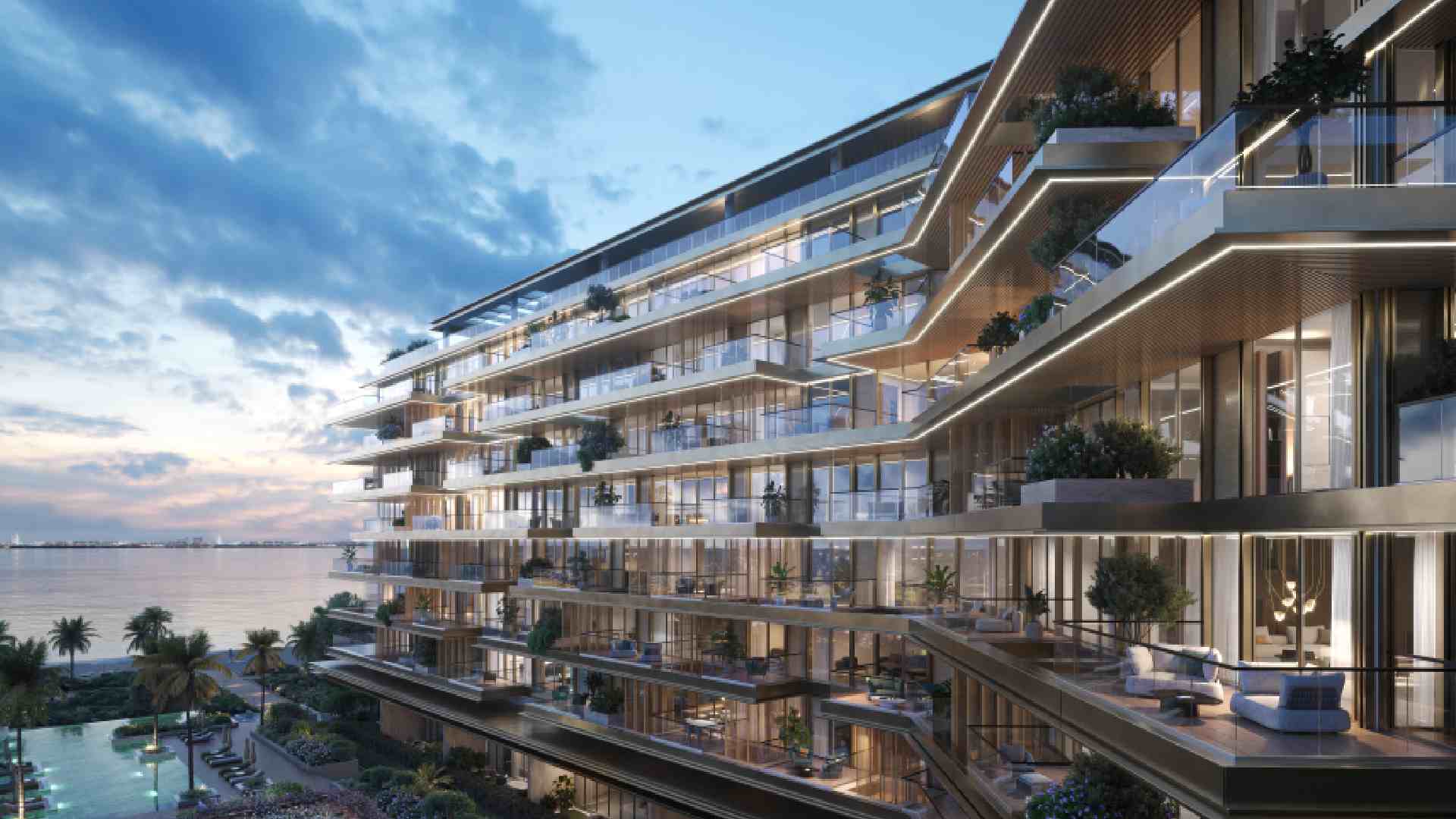
Dubai-based developers AVENEW Development and Wadeen Developers have announced the launch of Cheval Residences Dubai Islands. The beachfront development comprises serviced hotel residences operated by Cheval Collection, an award-winning UK hospitality brand with a growing international presence, including the UAE and KSA. The launch introduces a new model of professionally managed serviced living in the emirate.
Cheval Residences Dubai Islands brings together AVENEW’s lifestyle-led development approach with Wadeen Developers’ expertise in delivering high-quality residential assets. The project is designed as a long-term serviced residential offering that blends five-star hospitality standards with the comfort and functionality of private living.
Set along the waterfront, the development will offer direct beach access, enhancing both lifestyle appeal and long-term investment value. The project will consist of 99 units, comprising one to three-bedroom serviced hotel residences. Designed for modern global residents who live between cities, the project introduces a residential experience that combines full-service hotel operations with the comfort and privacy of long-term living. Moving beyond traditional ultra-luxury concepts, it responds to evolving demand for serviced living that prioritises wellbeing, ease, and long-term relevance
Rasha Hassan, Managing Partner of AVENEW Development, commented:
“Global living patterns are changing, and real estate must evolve alongside them. This project reflects a shared belief between AVENEW and Wadeen that the future lies in lifestyle-driven assets, not just standalone buildings. Partnering with Cheval Collection allows us to deliver a globally recognised service standard while creating a development with lasting value for both residents and investors.”
“At Wadeen Developers, we don’t just build properties – we craft exceptional lifestyles defined by innovation, elegance, and purpose”, said the CEO & Founder of Wadeen Developers, Mohammed Al-Mannai. “Our flagship project at Dubai Islands is a bold expression of this vision, where refined waterfront living meets world-class amenities, smart technologies, and sustainable design to create an unparalleled residential experience.”
“This project represents a transformative milestone in Wadeen’s journey – a powerful step into Dubai’s dynamic real estate landscape. Backed by our successful legacy in Qatar, we are bringing fresh investment thinking and forward-looking concepts to one of the world’s most competitive markets.”
“In partnership with Avenew Development and Cheval Collection, we are setting new benchmarks for modern living in Dubai.”
Mohammed Alawadhi, Managing Director, Cheval Collection, said: “Our expansion into the branded residences sector is a natural progression for Cheval Collection, which is already firmly established as a world leader in luxury serviced apartments. Cheval Residences Dubai Islands, our first seafront property in the Middle East, is set to become the flagship serviced residential offering at the islands, setting new standards of high-end living in the UAE, and reinforcing our commitment to sustained growth in the region.
“Cheval Residences Dubai Islands will appeal to end users and long-term investors seeking stable, experience-led real estate assets at this fast-growing waterfront destination. We are delighted to add this unique property to our ever-expanding Middle East portfolio, and proud to play an ongoing role in the growth and success of the region’s real estate, tourism and hospitality sectors,” he added.
The project will be operated by Cheval Collection, bringing its internationally recognised standards in serviced hospitality, long-stay management, and guest experience to Dubai Islands. The architecture will prioritise spatial harmony, natural light, and a strong connection to the surrounding beachfront environment, aligning with the joint venture’s focus on quality and long-term livability.
Dubai Islands continues to emerge as one of the city’s most promising waterfront destinations, supported by strong infrastructure development and increasing demand for lifestyle-led communities. The project aligns with the Dubai 2040 Urban Master Plan, contributing to the city’s long-term vision of sustainable and connected coastal living.
Positioned as a flagship serviced residential offering on Dubai Islands, the development is designed to remain relevant over time, appealing to both end users and long-term investors seeking stable, experience-led real estate assets in one of Dubai’s emerging waterfront destinations.
Home Integrator
ALULA DEVELOPMENT COMPANY COMMENCES CONSTRUCTION ON NUMAJ, MARKING A NEW PHASE OF ALULA’S DEVELOPMENT
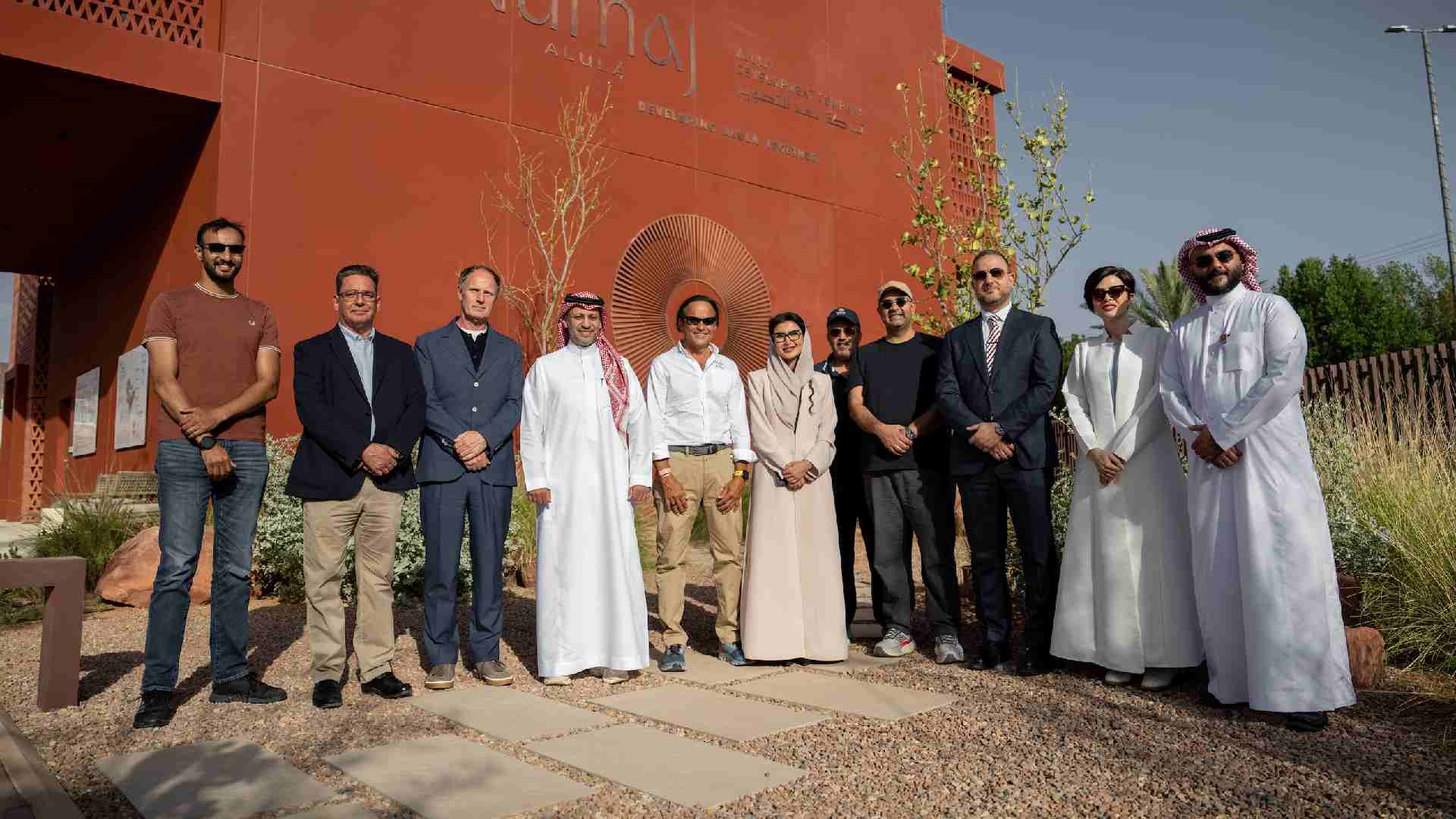
AlUla Development Company (UDC), a Public Investment Fund (PIF) company, today announced the commencement of construction on NUMAJ, Autograph Collection, marking a key milestone in the delivery of its development pipeline and AlUla’s continued transformation.
The milestone was marked during a site visit attended by John Pagano, Managing Director of UDC and Abeer AlAkel, Chief Executive Officer of the Royal Commission for AlUla (RCU), as well as other senior leadership representatives.
John Pagano, Managing Director of UDC, said: “NUMAJ marks a clear step forward in our delivery agenda. As we move into construction, our focus is on executing high-quality, investment-ready developments that strengthen AlUla’s positioning, while shaping distinctive hospitality experiences that enhance its long-term appeal as a global destination and a vibrant community.”
The start of construction signals the transition of NUMAJ from concept to execution, further reinforcing UDC’s role as the development and investment engine driving AlUla’s masterplan into tangible, world-class assets, in close collaboration with RCU.
NUMAJ, a 250-key hotel expected to open in 2027, is being developed by AlUla Development Company and will be operated by Marriott International under the Autograph Collection Hotels brand. Designed by GioForma, the architects behind the iconic Maraya, the project draws inspiration from AlUla’s natural landscapes, cultural heritage, and celestial history. The name “NUMAJ” is derived from the star system Nu Ursae Majoris, historically associated with AlUla as a guiding reference for ancient travelers. This narrative is reflected in a design concept rooted in discovery, light, and a deep connection to the land.
The development will offer a curated hospitality experience that blends refined resort living with immersive cultural and lifestyle elements. Guests will experience thoughtfully designed spaces that reflect AlUla’s identity, alongside a range of amenities including five dining venues, wellness facilities, and integrated business and leisure offerings.
Designed with sustainability at its core, NUMAJ is targeting LEED Gold certification, incorporating environmentally responsible practices such as greywater reuse for irrigation, locally sourced materials, UV-resistant glazing, water-efficient landscaping, and energy-conscious lighting aligned with AlUla’s Dark Sky policy.
NUMAJ forms part of UDC’s growing portfolio of developments shaping AlUla into a global destination to visit, live, and invest in. Through its projects, UDC contributes to Saudi Arabia’s Vision 2030 by enabling sustainable tourism, unlocking investment opportunities, and supporting economic diversification.


STAKE PARTNERS WITH ACE & COMPANY TO DEVELOP SECONDARY TRANSFER FACILITY FOR FRACTIONAL REAL ESTATE INVESTMENTS IN THE UAE
TO THE GLOBAL TECH COMMUNITY: WHY DUBAI IS THE ULTIMATE SANDBOX FOR THE FUTURE
THE AGILITY AND RESILIENCE OF THE UAE HOSPITALITY SECTOR



-
News10 years ago
SENDQUICK (TALARIAX) INTRODUCES SQOOPE – THE BREAKTHROUGH IN MOBILE MESSAGING
-

 Tech News2 years ago
Denodo Bolsters Executive Team by Hiring Christophe Culine as its Chief Revenue Officer
-
 VAR1 year ago
Microsoft Launches New Surface Copilot+ PCs for Business
-

 Trending6 months ago
OPPO A6 Pro 5G Review: Reliable Daily Driver
-

 Tech Interviews2 years ago
Navigating the Cybersecurity Landscape in Hybrid Work Environments
-

 Tech News9 months ago
Nothing Launches flagship Nothing Phone (3) and Headphone (1) in theme with the Iconic Museum of the Future in Dubai
-

 Automotive2 years ago
AGMC Launches the RIDDARA RD6 High Performance Fully Electric 4×4 Pickup
-

 VAR2 years ago
Samsung Galaxy Z Fold6 vs Google Pixel 9 Pro Fold: Clash Of The Folding Phenoms