
 Have a question? +971 56 404 0503




Home Integrator
Property Finder Reveals a Surge in Demand for Holistic Community Living, just as the UAE Names 2025 the Year of Community


With the UAE marking 2025 as the Year of Community, Property Finder’s survey of real estate experts across the region, coupled with its trusted owned insights, highlight an increased interest in holistic community living. The findings align with the nationwide initiative to strengthen social bonds and champion inclusive spaces, and also with Property Finder’s Home for Every Life campaign, highlighting the prop-tech’s deep understanding of the emotional importance of finding the right home for every phase of someone’s life, and lifestyle.
Consumers are increasingly seeking out well-integrated developments featuring commercial, entertainment, educational and lifestyle facilities, where they can build lasting human connections, leveraging a sense of safety and contentment. Communities such as Jumeirah Village Circle, Dubai Hills Estate, Mohammed Bin Rashid City, Business Bay, Dubai Marina, Downtown Dubai, Jumeirah Lake Towers and Dubai Creek Harbour are seeing heightened interest due to their active social environments, connectivity and diverse amenities.
As dynamic market factors shape the property ecosystem, experts weigh in on what transforms a neighbourhood into a true community:
1. Easy access to a range of facilities and services
The UAE is a bustling metropolis, which means the majority of UAE residents lead busy lives where convenience is paramount. As a result, the property market has seen a rising demand for developments and communities that feature a mix of residential, commercial, lifestyle, and entertainment options.
“Based on feedback from our clients and recent trends, we have observed a growing preference for neighbourhoods with easy access to retail, dining, and essential services,” explains Charlie Bannan, Managing Director, haus & haus. “Areas such as Downtown Dubai and Dubai Marina exemplify this, offering a blend of high-end shopping and diverse culinary experiences, within walking distance of residential living spaces.”
Wellness and recreation are also key considerations. “Demand for comprehensive recreational facilities has surged, with buyers and tenants prioritizing parks, sports facilities and wellness spaces. As Dubai’s population continues to grow, the need for well-integrated communities will only strengthen,” Bannan added.
2. Opportunity to build meaningful connections
It’s a trend that Property Finder has been aware of for a while. As indicated in its UAE Community Living Survey in 2024, consumers are increasingly seeking community-centric living that is in tune with their personal aspirations and values. They are not just looking for a space to live – they want a place where they can form strong human bonds and build relationships that last a lifetime. Neighbourhoods with good walking trails and well-maintained communal spaces, for example, encourage social engagement, and as a result are highly favoured.
“Areas like Jumeirah Village Circle, Dubai Hills Estate, and Mohammed Bin Rashid City all offer a unique sense of belonging. Even in urban spots like Dubai Marina, there’s a vibrant community feel,” said Zarah Evans, Owner and Managing Partner, Exclusive Links Real Estate Brokers.
3. A place to raise a family
Family-friendliness has long been among the top requirements for UAE property seekers.
Evans explains: “At Exclusive Links Real Estate, we’re seeing a real shift in what buyers and renters want. Green spaces, family-friendly amenities, and proximity to schools and business hubs are top priorities. Families now make up 57% of buyers in Dubai, and there’s been a notable rise in UK buyers attracted to Dubai’s dynamic community living.”
Bannan adds: “For families, proximity to top-tier schools remains a key factor in their home search. Communities like Dubai Hills Estate have become increasingly popular due to their access to reputable educational institutions, making them ideal for long-term family living.”
Facilities such as safe indoor and outdoor play areas, green spaces and parks, kids’ swimming pools, and sports courts where children are welcome, complement the list of desirable features for family-centric neighbourhoods. Parents also often prefer the security of a gated community and place a higher value on tranquility.
Thriving communities naturally lead to a flourishing real estate market with a wide variety of living options. In this diverse landscape, finding a Home for Every Life requires a connected and accessible search ecosystem that keeps pace with the latest market trends and offers property seekers accurate, insightful data needed in the home-seeking journey.
Cherif Sleiman, Chief Revenue Officer, Property Finder, says: “The UAE has been proactive in fostering a culture of tolerance and inclusivity while implementing initiatives that evoke a sense of belonging, which is why it has emerged as a coveted destination for community living. As the Year of Community unfolds, it is encouraging to see the rising importance of human connection within the nation. Within our findings, the necessity of home-seekers to engage with a wider circle of neighbours, friends and acquaintances is clear. At Property Finder, our extensive data-base of available high-quality properties, features a diverse selection of integrated communities. This includes increasingly popular locations such as Jumeirah Village Circle, Dubai Marina, Downtown Dubai, Business Bay and Dubai Hills Estate, that blend lifestyle, convenience and community spirit, ultimately enhancing quality of life.”










Home Integrator
International Coffee Day Gets UAE-Made Twist with Rashtions’ Brazilian Coffee Truffle

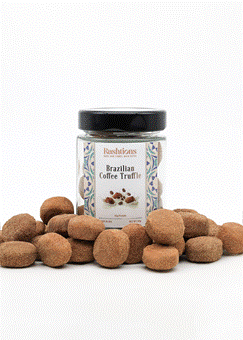
Celebrated annually on 1 October, International Coffee Day shines a spotlight on one of the world’s most widely enjoyed beverages and the rituals built around it. Marking the occasion, UAE-made snack brand Rashtions is putting a local spin on the coffee break with its Brazilian Coffee Truffle, a protein-rich snack combining Brazilian coffee with dates, camel milk and ghee. Offering up to 20 grams of protein per 80-gram serving with no added sugar, preservatives or artificial sweeteners, the truffle brings together a rich, coffee-infused flavour with ingredients rooted in the UAE’s food heritage, creating an innovative snack option for enjoying all day long.
Designed to complement different moments throughout the day, the truffle can be enjoyed alongside coffee or tea, as an afternoon pick-me-up or as a convenient bite between meals. Its rich, coffee-forward flavour offers a more substantial alternative to traditional sweet treats often enjoyed with warm beverages.
At the heart of the recipe are dates and camel milk, two ingredients closely associated with the UAE’s agricultural legacy. Rashtions brings these familiar local staples together with a modern approach to nutrition, reflecting how traditional ingredients can be reimagined for on-the-go lifestyles.
Founded by Emirati entrepreneur Rashid Gargash, Rashtions grew from a research-driven exploration into food security and sustainable nutrition in the Middle East. The brand transforms locally rooted ingredients including dates, camel milk and ghee into high-protein snacks designed around contemporary eating habits.
The Brazilian Coffee Truffle joins a range that includes Date Original, Date Truffle and Cocoa Truffle, offering options for busy professionals, fitness enthusiasts and anyone looking for a convenient snack throughout the day.
Rashtions is available through ADNOC and Emarat service stations, Union Coop, Deliveroo, Noon and directly through the brand’s website, with delivery available across the UAE.

By Sima Barazi, Founder of Boom & Mellow
When I first entered retail in Dubai 24 years ago, part of the role of a multi-brand retailer was giving customers access to designers and products they simply couldn’t find here. Today, the situation is almost the opposite. Consumers can access virtually anything, anywhere, at any time.
I believe that has made curation more important, not less. There is simply too much chatter. Between social media, global e-commerce, marketplaces, influencers and fast fashion, we are constantly being shown something new. More choice sounds like a good thing, but at a certain point it becomes overwhelming. The role of a good retailer today is no longer simply to offer products; it is to filter through that noise and help customers discover what is genuinely worth their attention.
We’ve all had the experience of seeing something online that looks fantastic, ordering it impulsively and being disappointed when it arrives. The colour isn’t what you expected, the fabric feels completely different, the quality isn’t there or the piece simply doesn’t look like the photograph. Fast fashion has made experimentation incredibly accessible, but it has also contributed to a culture of constant consumption and disposability.
At Boom & Mellow, our concept store in Dubai, every product has already gone through a filter before it reaches the customer. Whether I am looking at fashion, accessories, fine jewellery or gifts, I am considering the quality, creativity, design and individuality of a piece, but also whether its price makes sense for what it is. Expensive does not necessarily mean overpriced, just as inexpensive does not necessarily mean good value. Materials, craftsmanship, originality and design all have to justify the price.
After more than two decades of buying, much of that judgment becomes instinctive. I genuinely believe some people naturally have an eye for aesthetics and trends, although experience, travel and exposure refine it enormously. Part of the pleasure of being a curator is discovering a designer before everyone is talking about them and recognising that there is something special there. We brought so many brands, including Sarah’s Bag, Alexis Bittar and Kismet by Milka, to our customers early in their journeys, and that sense of discovery remains one of my favourite parts of retail.
But curation isn’t only about predicting the next trend. It is about knowing your customer.
That human relationship has become even more valuable in a digital world. Our customers can walk into our boutique in Dubai, see and touch something, try it on and understand its quality. But that same relationship now continues digitally. Customers WhatsApp us looking for an outfit, a piece of jewellery or a gift; we send photographs and suggestions, help them narrow down the options, send a payment link and can often deliver within Dubai within three hours.
In a way, the modern boutique has become a personal filter. A customer doesn’t necessarily need another website showing her 5,000 options. Sometimes she needs someone whose taste she trusts to show her five. This is particularly true with gifting: often a customer comes to us without knowing exactly what she wants, and part of our role is helping her discover it.
For me, particularly in the last few years, curation has also become about more than aesthetics. Increasingly, it is about purpose.
As a female founder, I am particularly proud that the overwhelming majority of the designers and entrepreneurs represented at Boom & Mellow are women. This wasn’t created as a marketing strategy; it evolved organically through the brands and stories I was drawn to. Over the years, I’ve met extraordinary women who have built independent businesses around their creativity, often while balancing many other responsibilities in their lives.
We also consciously seek out brands whose impact extends beyond the finished product. Through purpose-led brands such as Sarah’s Bag and Inaash, traditional embroidery and craftsmanship can provide work and economic opportunities for women while preserving skills that might otherwise disappear. We also look for products with sustainable or circular elements, because increasingly customers want to understand not only what they are buying, but who made it, how it was made and what their purchase supports.
As a woman, mother and entrepreneur myself, those stories resonate with me. I opened Tiger Lily while pregnant with my first son and Boom & Mellow in Mall of the Emirates while pregnant with my second. Motherhood and entrepreneurship have therefore been intertwined throughout my journey. Building businesses while raising three children taught me to prioritise, adapt and, perhaps most importantly, trust my instincts.
Retail has changed enormously since I began. Trends move faster, customers are more informed and technology has removed almost every geographical barrier to shopping. But I don’t believe technology can replace the human instinct, experience and personal connection that sit at the heart of good curation. The most meaningful choices are rarely made by data alone; they are shaped by context, trust and an understanding of what will make something matter to a particular person.
An algorithm can show us more of what we already like. A great curator can introduce us to something we didn’t even know we were looking for – and, sometimes, to a designer, story or object that stays with us for years.
That, to me, is why curation matters more than ever. In a world overflowing with choice, the future of retail isn’t necessarily about offering customers more. It is about offering them meaning, confidence and the pleasure of being understood. Technology can organise what exists, but only human curation can recognise what is truly worth discovering.
Home Integrator
Keeta Marks First Anniversary in the UAE, Celebrating Nationwide Growth and Local Impact
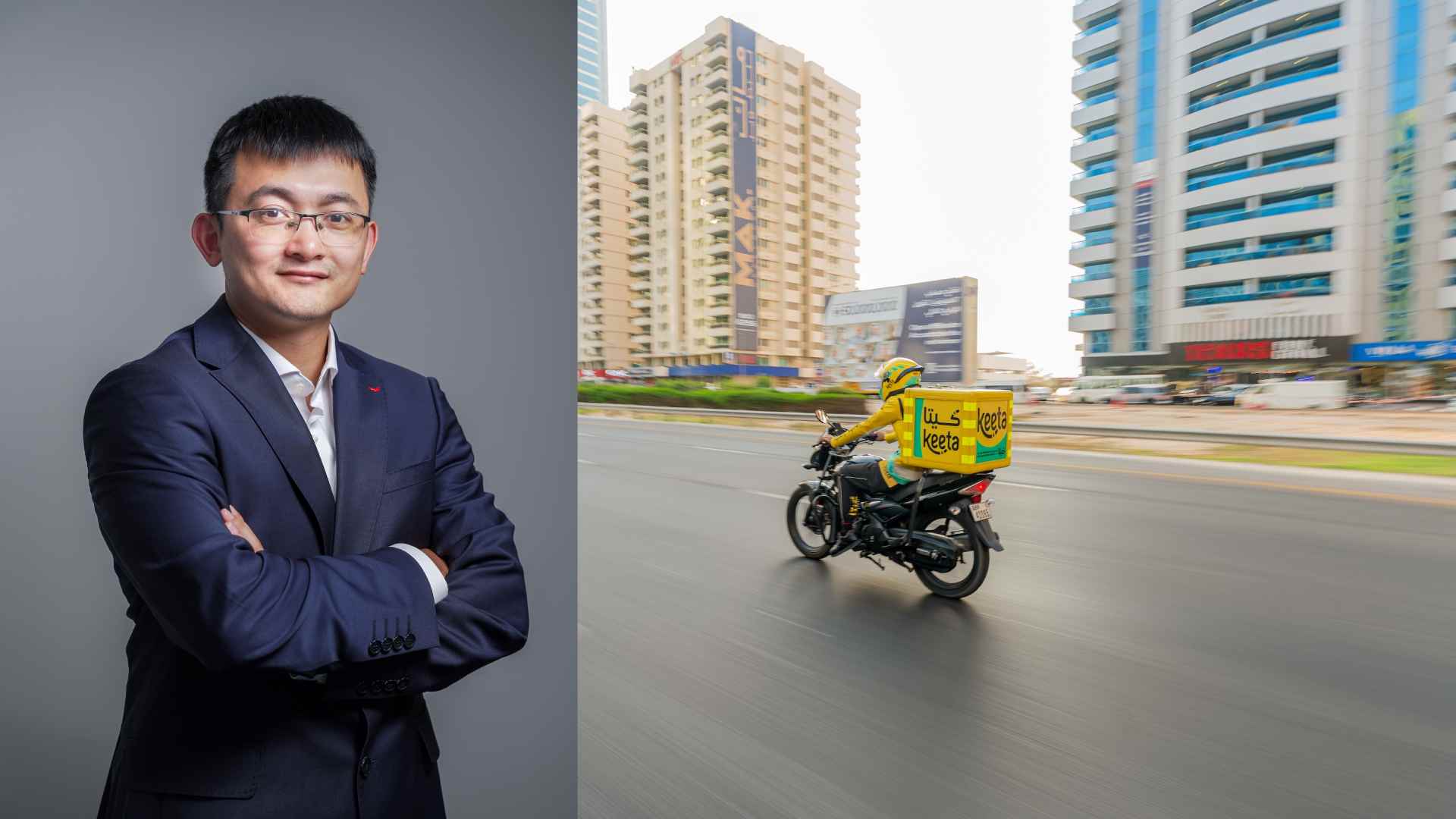
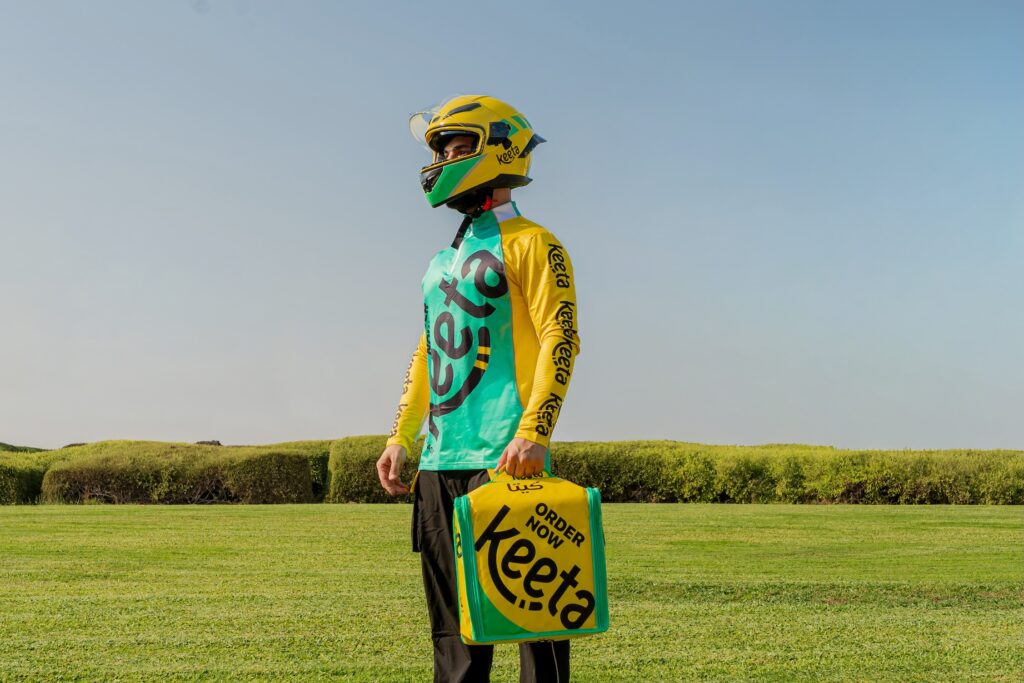
Keeta, Meituan’s international on-demand food delivery platform, is marking its first anniversary in the UAE, a year defined not only by nationwide growth, but by the merchants, delivery partners, local authorities and communities that have shaped its journey.
Since launching in Dubai in September 2025, Keeta reached all seven emirates within 90 days and now works with thousands of restaurant partners across the country. During its first year, the platform served millions of customers and fulfilled tens of millions of orders, with delivery partners travelling approximately 200 million kilometres across the UAE to fulfil them. But its first year has been measured as much by local contribution as by geographic reach: a service built around the UAE, supported by Meituan’s global technology, and guided by the company’s mission to help people eat better and live better.
“Our first year in the UAE has been shaped by partnership, with our customers and merchants, our delivery partners, and the government and community organisations we’ve worked alongside,” said Lucas Xie, General Manager of Keeta UAE. “Reaching all seven emirates was an important early milestone, but what defines this year is how we built locally, responsibly and alongside the people who make every order possible. As we enter our second year, our commitment to the UAE and its ecosystem only deepens.”
Nationwide growth, built for the local market
Keeta’s expansion across Abu Dhabi, Dubai, Sharjah, Ajman, Ras Al Khaimah, Umm Al Quwain and Fujairah has gone hand in hand with continuous localization; adapting the platform to how UAE customers order and to the dynamics of a fast-moving, increasingly digital market. That focus on innovation has included piloting technology and backing every order with Keeta’s on-time delivery promise.
Empowering merchants and SMEs
From the outset, Keeta has set out to grow alongside the restaurants and small businesses that define the UAE’s food landscape. Ahead of launch, the Keeta UAE Founding Vendor Programme – built around zero setup costs, launch visibility and long-term growth tools – gave merchants the opportunity to join from day one. Since then, Keeta has onboarded more than 10,000 restaurant and merchant brands, representing more than 40,000 locations across the UAE, and brought together a diverse mix of homegrown favorites like Harees al fareej and Kuwaiti Cuisine andalongside international brands like Dunkin, Nando’s, WingStop and Papa Johns Pizza.
Keeta has also moved beyond onboarding to structured SME support. In 2026, it launched the UAE edition of Programme ABAAD, a dedicated initiative designed to help Emirati-owned F&B SMEs strengthen their readiness for growth in the digital economy. The programme began with its first phase delivered in collaboration with Khalifa Fund for Enterprise Development
and Dubai Chambers.
Supporting rider wellbeing
Every order depends on the delivery partners who fulfill it, and Keeta’s first year has included practical investment in their safety, wellbeing and recognition. Across the UAE, Keeta introduces a network of air-conditioned hubs and dedicated rider support spaces offering cold drinks and seating during the summer months. Keeta also collaborated with local authorities on initiatives promoting delivery safety and supporting rider health and wellbeing during the summer months.
Contributing to UAE communities
Keeta has also put its platform and technology behind local causes. During Ramadan 2026, it introduced KeeShare, an in-app initiative that lets customers add an extra meal to their order to share with their delivery rider, with meals prepared by more than 1,200 participating restaurants across the UAE. Keeta also collaborated with Ourwatr, a homegrown UAE water SME, to widen access to locally produced mineral water, channeling a portion of every bottle to community programmes through the Beit Al Khair Society.
Most recently, Keeta signed a Memorandum of Understanding with Dubai’s Awqaf and Minors Affairs Foundation to explore digital donation solutions in support of the “Bread for All” initiative, developed by the Foundation’s Mohammed bin Rashid Global Centre for Endowment Consultancy. The initiative aims to provide fresh bread and hot meals free of charge to eligible beneficiaries through dedicated smart machines operating around the clock, and the collaboration will explore integrating donation options into the Keeta app to help extend the initiative’s reach and strengthen its long-term sustainability.
Building for the UAE, for the long term
As it enters its second year, Keeta’s focus is on strengthening these foundations: developing its technology and services around local needs, deepening merchant and rider partnerships, expanding community collaboration, and continuing to work with government entities and local authorities across the UAE.
“One year is an important milestone, but for us it is still the beginning,” added Lucas Xie. “By working closely with local authorities, merchants, delivery partners and community organisations, our ambition is to keep building Keeta around the people we serve, and to be a trusted, long-term part of the UAE’s technology and delivery ecosystem.”

International Coffee Day Gets UAE-Made Twist with Rashtions’ Brazilian Coffee Truffle

Why Curation Matters More Than Ever in Fashion Retail

Keeta Marks First Anniversary in the UAE, Celebrating Nationwide Growth and Local Impact



-
News11 years ago
SENDQUICK (TALARIAX) INTRODUCES SQOOPE – THE BREAKTHROUGH IN MOBILE MESSAGING
-

 Trending11 months ago
OPPO A6 Pro 5G Review: Reliable Daily Driver
-

 Tech News2 years ago
Denodo Bolsters Executive Team by Hiring Christophe Culine as its Chief Revenue Officer
-
 VAR1 year ago
Microsoft Launches New Surface Copilot+ PCs for Business
-

 Automotive2 years ago
AGMC Launches the RIDDARA RD6 High Performance Fully Electric 4×4 Pickup
-
Tech Interviews3 years ago
Navigating the Cybersecurity Landscape in Hybrid Work Environments
-
 Tech News2 years ago
Toshiba Announces MG10-D Series of Enterprise HDDs with Capacities up to 10TB
-

 Tech News1 year ago
Nothing Launches flagship Nothing Phone (3) and Headphone (1) in theme with the Iconic Museum of the Future in Dubai