
 Have a question? +971 56 404 0503




Home Integrator
BISR REDEFINES EDUCATIONAL SPACE DESIGN THROUGH STRATEGIC VISION WITH KIDZINK

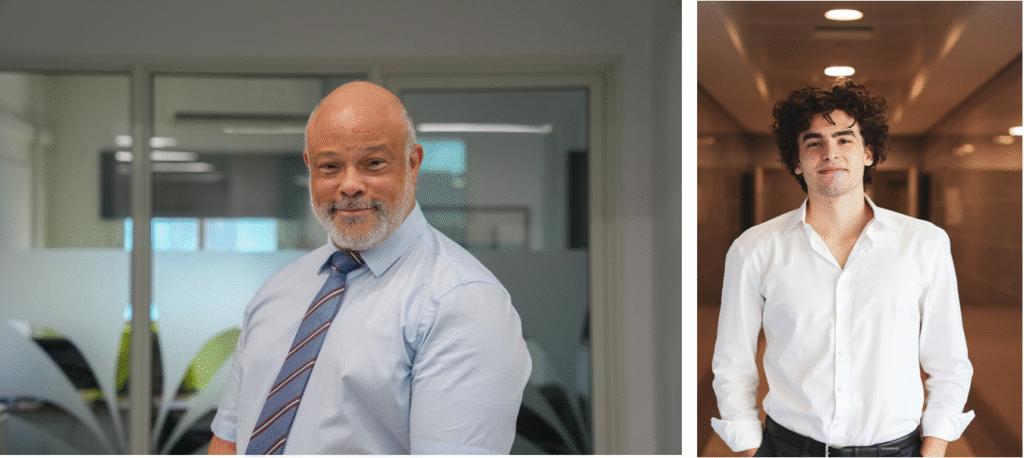
Exclusive interview with Wayne Orr, Interim COO & Project Director Al Waha, BISR & Riccardo Borghesi, Market Manager KSA, Kidzink
Interview with Wayne Orr:
As Interim COO and Project Director, how do you define your role in shaping design outcomes across complex environments like educational campuses?
I joined BISR as Project Director for the Al Waha campus, later became Interim COO, and now serve as Interim Group CEO. That sequence matters because it changes your perspective.
As Project Director, the design was largely set. My job was to ensure it was delivered properly, adapted where evolving needs required it, and tightened where safety or operational risks emerged. That meant challenging contractors, questioning details that did not work in practice, and making sure what we opened was safe, compliant and ready for daily use.
As Interim COO, the focus shifted to opening the school smoothly. Even with a brand new campus, the real test is whether it works. Traffic flow. Student movement. Staff circulation. Supervision. Safeguarding. Peak time pressure. If those fail, the architecture is irrelevant.
Now, at Group level, I look across Al Waha, Al Hamra and DQ and ensure decisions make sense strategically as well as operationally.
If something looks good but creates friction or cost pressure later, it was the wrong call. On a project of this scale, you also learn. The key is recognising issues early and applying those lessons across the estate.
What are the core principles that guide design decisions at BISR projects, especially in terms of spatial flow, flexibility, and future adaptability?
Four principles guide us.
First, flow. A school must feel calm and logical. Students need to move safely. Staff need clear sightlines. Emergency routes must work without confusion. In a through school serving ages 4 to 16, zoning is critical. Younger children need protection and scale. Older students need independence. You cannot design for one group and ignore the other.
Second, flexibility. Educational priorities shift. Numbers change. Teaching models evolve. At Al Waha we built adaptable classrooms and shared spaces. At Al Hamra, which is over 40 years old, flexibility is often about reworking layouts or improving furniture rather than rebuilding.
Flexibility is not free. Every adaptable feature costs money. We invest where it protects long term value and avoid over engineering for theoretical scenarios.
Third, climate reality. In Riyadh, heat and dust shape how a campus functions. If classrooms overheat or glare is uncontrolled, learning suffers. Shading, cooling performance and durable materials are practical decisions, not aesthetic ones.
Fourth, financial discipline. Funds are finite. Whether improving a legacy campus or delivering a new one, we prioritise changes that improve experience and longevity rather than cosmetic upgrades.
The British International School Riyadh (BISR) Al Waha campus is noted for design that nurtures curiosity and creativity. What design elements were crucial in achieving that user experience?
At Al Waha, we focused on three things.
First, visibility. You can see learning happening. Glass between spaces, open commons areas and clear sightlines encourage collaboration and make supervision easier.
Second, variety. We did not just build rows of classrooms. There are breakout spaces, specialist labs, performance areas and shaded outdoor zones. Different students learn in different ways, particularly across a 4 to 16 age range. The building needed to support that range.
Third, making sure it works in this climate. If a space is uncomfortable, students disengage. We focused on effective shading, cooling and lighting. Even sports lighting was designed to meet recognised Class B standards so it performs properly without glare.
Curiosity is far more likely in an environment that is safe, comfortable and well run.
In your experience, how does a place like Al Waha campus balance aesthetic aspirations with functional requirements unique to educational settings?
You balance it through discipline.
Schools are hard working buildings. Finishes must last. Circulation must allow supervision. Specialist facilities must meet regulatory standards. Safeguarding cannot be compromised by design ambition.
At Al Waha, aesthetic decisions were tested against maintenance, operational reality and climate conditions. A building can look impressive, but if it creates long term cost or operational headaches, it is not a success.
In educational design, how do you address flexibility, so spaces can evolve with pedagogical innovation?
Change is constant. That is the starting point.
Teaching methods evolve. Technology advances. Student numbers fluctuate. Buildings need to absorb that change without repeated major capital spend.
At Al Waha, flexibility was built into layout and services capacity. At DQ, which is mid life, we focus on reconfiguration rather than rebuild. At Al Hamra, improvements are targeted and proportionate.
Designing for ages 4 to 16 adds complexity. Early Years spaces must feel secure and appropriately scaled. Secondary students need independence and facilities that feel credible. Zoning and transition areas matter.
Flexibility is about sensible investment, not endlessly transformable space. Good design in a school is ultimately about creating spaces that are safe, workable, financially sustainable and capable of adapting over time.
Interview with Riccardo Borghesi:
As Market Manager for Saudi Arabia, how do you define your role within the design ecosystem, are you a strategist, a cultural translator, or a curator of design experience?
We built Kidzink and Koda around a shared mission: to make schools better. Creativity, collaboration and innovation underpin everything we do. Saudi Arabia’s clear national vision and deep investment in education provide a powerful platform for a mission-driven company like ours to create lasting impact, not only for clients, but for children and communities for generations to come.
Within that context, my role as Market Manager for KSA spans strategist, cultural translator and curator of design experience.
Strategically, I bridge commercial realities with long-term educational ambition — ensuring that vision is grounded in structured, deliverable frameworks that create sustainable value. Education in the Kingdom is evolving rapidly, and aligning design strategy with pedagogical outcomes and operational performance is critical.
Culturally, we work to ensure that as the Kingdom modernises, schools retain a strong sense of identity, place and shared values. Every project must thoughtfully balance global best practice with local context.
From a design experience perspective, we translate educational vision into tangible spatial environments, embedding values physically into the learning experience rather than leaving them as abstract statements.
Pedagogy remains central to this work. Last year, Kidzink unveiled The Enriched Environment Model™, a science-backed framework developed through years of research in pedagogy, neuroarchitecture and environmental psychology. The Model provides a structured approach to designing environments aligned with how students learn, feel and thrive.
Ultimately, my role is about integration, aligning vision, strategy and experience so that each educational environment is pedagogically meaningful, commercially sound and built for long-term impact.
In leading Kidzink’s footprint in Saudi Arabia, how do you maintain a design-first mindset while adapting to fast-evolving regional expectations?
Design strategy is our anchor. At Kidzink, designing for longevity means designing for change.
A design-first mindset is not about rigidity, it is about adaptability. In Saudi Arabia’s fast-evolving market, design is less about fixed solutions and more about creating frameworks that anticipate shifting expectations and evolving educational models.
Each school is a unique ecosystem shaped by stakeholders, operational realities and long-term ambitions. Our role is to develop structured yet flexible strategies that align educational vision with spatial performance and commercial viability.
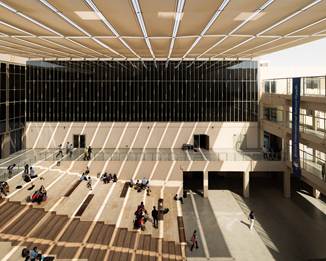
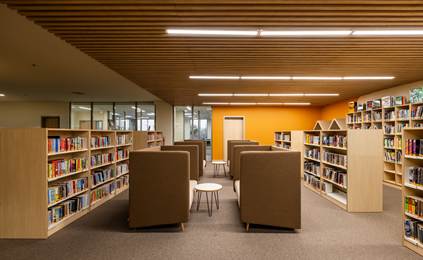
Whether delivering purpose-built campuses such as BISR Al Waha or elevating legacy environments through thoughtful interventions, the objective remains consistent. We create learning environments that are responsive, future-ready and grounded in pedagogical outcomes..
True sustainability extends beyond materials or efficiency. It means designing spaces that remain relevant and capable of serving generations of learners.
What role does local culture and context play in translating Kidzink’s global vision into meaningful spaces across Saudi Arabia?
At Kidzink, we design schools for children, young people and their communities. Culture is central to that process. Every project begins with fundamental questions. Who are we designing for? What values define the community? What is its history and future ambition?
Saudi Arabia presents a uniquely dynamic context. While Vision 2030 is accelerating modernization and positioning the Kingdom as a global hub, cultural identity remains deeply valued. Education becomes one of the most meaningful platforms where progress and heritage coexist.
Culture shapes how comfort, privacy, hierarchy and social interaction are understood. These behavioural nuances influence how students gather, communicate and experience space. Designing meaningful environments requires sensitivity to those patterns.
Our role is to ensure that global best practice is thoughtfully adapted to local context so each learning environment feels authentic, relevant and grounded in its community. Global vision provides structure. Local culture gives it meaning.
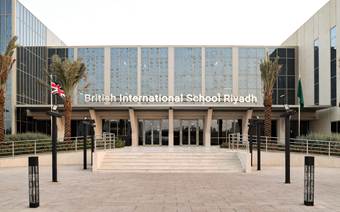
One of the standout projects you’ve been associated with is the Aldenham Prep Riyadh transformation, what design philosophy guided your involvement from briefing to execution?
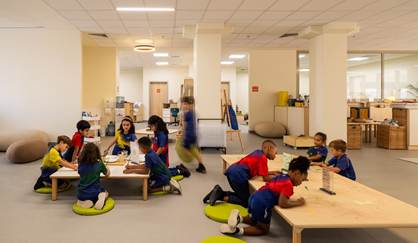
The philosophy centred on repositioning rather than rebuilding. The structural fabric remained intact, so the transformation focused on reshaping experience, identity and perception within the existing shell.
Interior environments became the primary design tool. Spatial planning, materiality, light, flow and FF&E were carefully orchestrated to elevate quality and clarity without altering the footprint. The objective was premiumisation through atmosphere, improving how the school feels, functions and communicates its values.
Constraints were treated as creative drivers. Existing grids, proportions and circulation patterns informed precise interventions that unlocked the building’s potential. Functionality was central, particularly daily operations, movement, supervision and flexibility.
Cultural calibration was equally important. A British school identity was expressed through detailing and material language, thoughtfully balanced with Saudi expectations around privacy and community.
The project demonstrates that meaningful transformation does not always require new construction. It requires strategic reframing of space and experience.
Can you walk us through how design thinking impacts the way children, educators, and parents interact in a space? What design decisions make that difference?
Design thinking shapes how people feel, behave and connect within a space. In schools, that influence is significant because children, educators and parents experience the same environment differently.
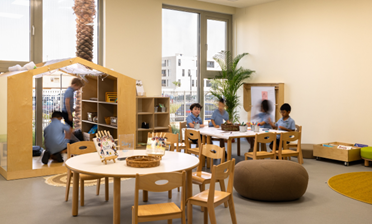
For children, space influences confidence, curiosity and behaviour. Natural light, spatial clarity, movement and sensory comfort support focus, engagement and social interaction. When environments offer flexibility and choice, students develop independence and ownership of learning.
For educators, design affects performance and wellbeing. Clear sightlines, adaptable classrooms, considered acoustics and intuitive circulation reduce friction and cognitive load, allowing teachers to focus on teaching rather than navigating constraints.
For parents, the physical environment becomes the first expression of a school’s ethos. Arrival experience and shared spaces communicate care, safety and educational intent.
Projects such as BISR Al Waha exemplify this approach, where design strategy aligns with educational vision, student experience and community identity from the outset.
Well-designed spaces don’t just accommodate learning, they quietly shape behaviour, relationships and belonging.
In your opinion, what is the biggest misconception about interior design for institutional or educational environments?
One of the biggest misconceptions is that interior design in schools is primarily aesthetic.
In reality, educational environments demand a level of rigour comparable to sectors such as healthcare. Schools are high-performance human spaces where spatial decisions directly influence wellbeing, stress, cognitive function and behaviour. Yet they are often approached with less technical scrutiny, despite being environments centred on human development.
Educational interiors shape attention, emotional regulation and social interaction in ways that are frequently underestimated. For many children, school is the first environment outside the home where identity, independence and confidence are formed.
Another misconception is viewing schools as static. Pedagogy evolves constantly, requiring spaces that are adaptable and capable of remaining relevant over time.
When designed well, learning environments act as behavioural frameworks. They guide movement, collaboration and focus, often invisibly. The impact of educational design is far more profound than it first appears.
Home Integrator
Ground Broken and Construction Underway for Ramada Residences by Wyndham at Dubai Islands
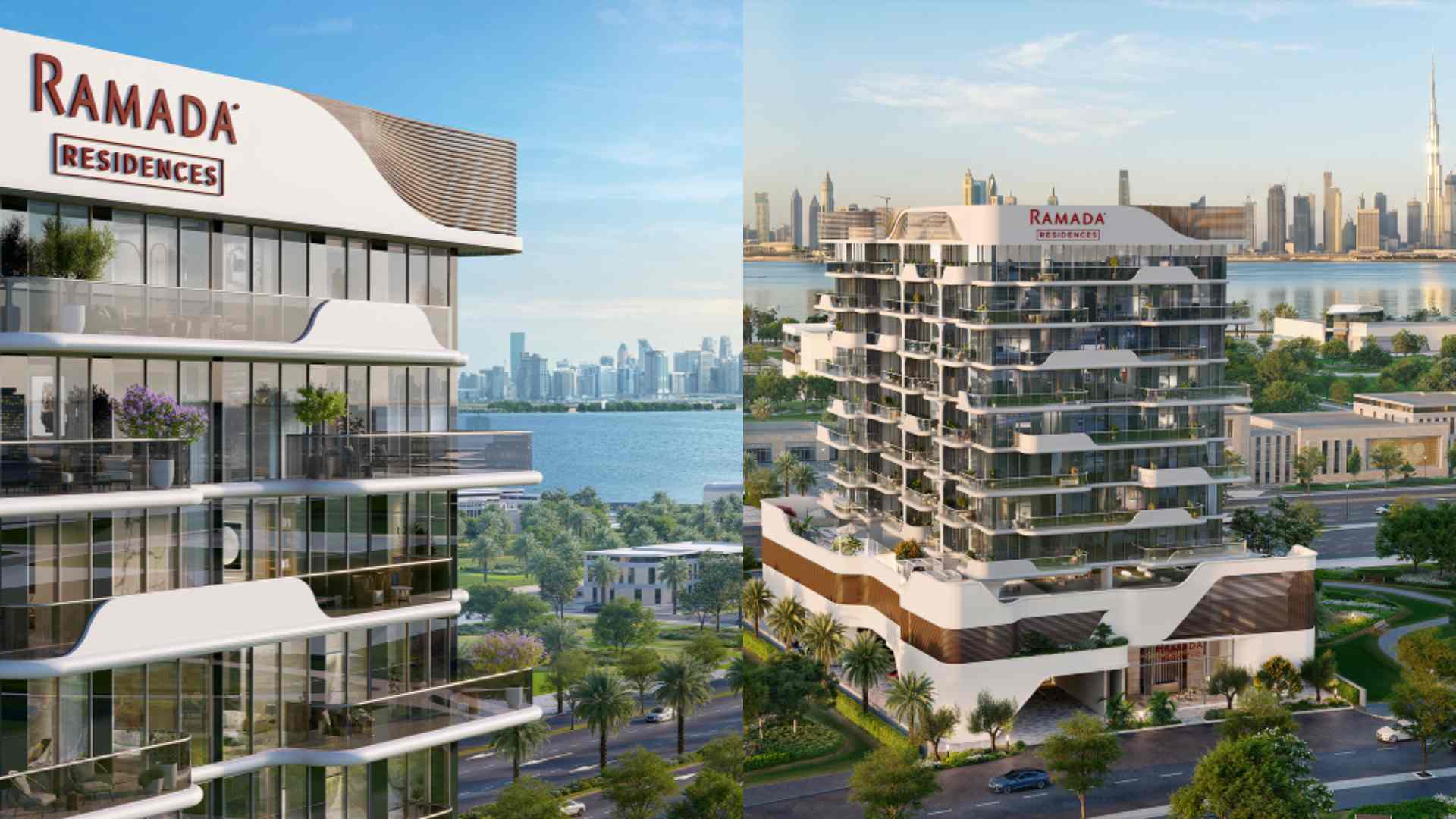
Grovy Developers, an award-winning real estate developer in Dubai, has broken ground on Ramada Residences by Wyndham at Dubai Islands, marking the start of main construction on the boutique branded residences. The project is developed in partnership with Wyndham Hotels & Resorts and USquare Luxe Properties, the landowner and development partner.
The groundbreaking follows the signing of the agreement with Wyndham and the unveiling of the project’s show apartment earlier this year.With enabling works complete and structural works now underway, the development has reached a key stage of construction.
Grovy Developers has appointed Jaseera Building Contracting LLC as the main contractor for the project. Established in 2018, the Dubai-based contractor has built a strong reputation for delivering residential, commercial, and industrial developments across the UAE, with expertise spanning civil, structural, MEP, and fit-out works. Its portfolio includes a range of landmark projects across the UAE, alongside several ongoing developments in Dubai and the wider region. Drawing on its multidisciplinary team and end-to-end construction capabilities, Jaseera will oversee the development through to completion, ensuring it is delivered to the specifications and quality standards agreed with Wyndham Hotels & Resorts.
Abhishek Jalan, CEO of Grovy Developers, said “Breaking ground is the point at which commitments become physical. When we signed with Wyndham, we committed to delivering the project to a high standard, and today, the development is progressing well against that commitment. Appointing Jaseera Building Contracting LLC gives us a delivery partner with the capacity and the site experience to hold that schedule, and we will be measuring progress against it every month.
Grovy has built its reputation in the UAE since 2015 on delivering what we commit to, and our completed projects in Jumeirah Village Circle are the evidence of that. We are applying the same discipline to Ramada Residences. Our ambition is to create homes that deliver value beyond the physical asset. By bringing a globally recognised hospitality brand like Ramada into the development, we are adding an established layer of brand credibility, exceptional service standards, and hospitality expertise that strengthens the overall proposition for both residents and investors. This partnership is designed not only to elevate the living experience but also to enhance the asset’s long-term appeal, marketability, and value.”
Ramada Residences by Wyndham at Dubai Islands comprises a collection of one, two, and three-bedroom apartments, along with four-bedroom penthouses, all delivered fully furnished. Residents will benefit from hotel-grade services and operations underpinned by Wyndham’s quality assurance, alongside more than 20 leisure amenities including an aqua gym, golf simulator, open theatre, and a temperature-controlled infinity pool. The development is among a select number of residences approved for short-term leasing on Dubai Islands, giving owners additional flexibility and income-generating potential.
The development is located within Dubai Islands, a master-planned waterfront destination designed to offer a blend of residential, hospitality, leisure and retail experiences, with beaches, green spaces and connectivity to key destinations across Dubai.
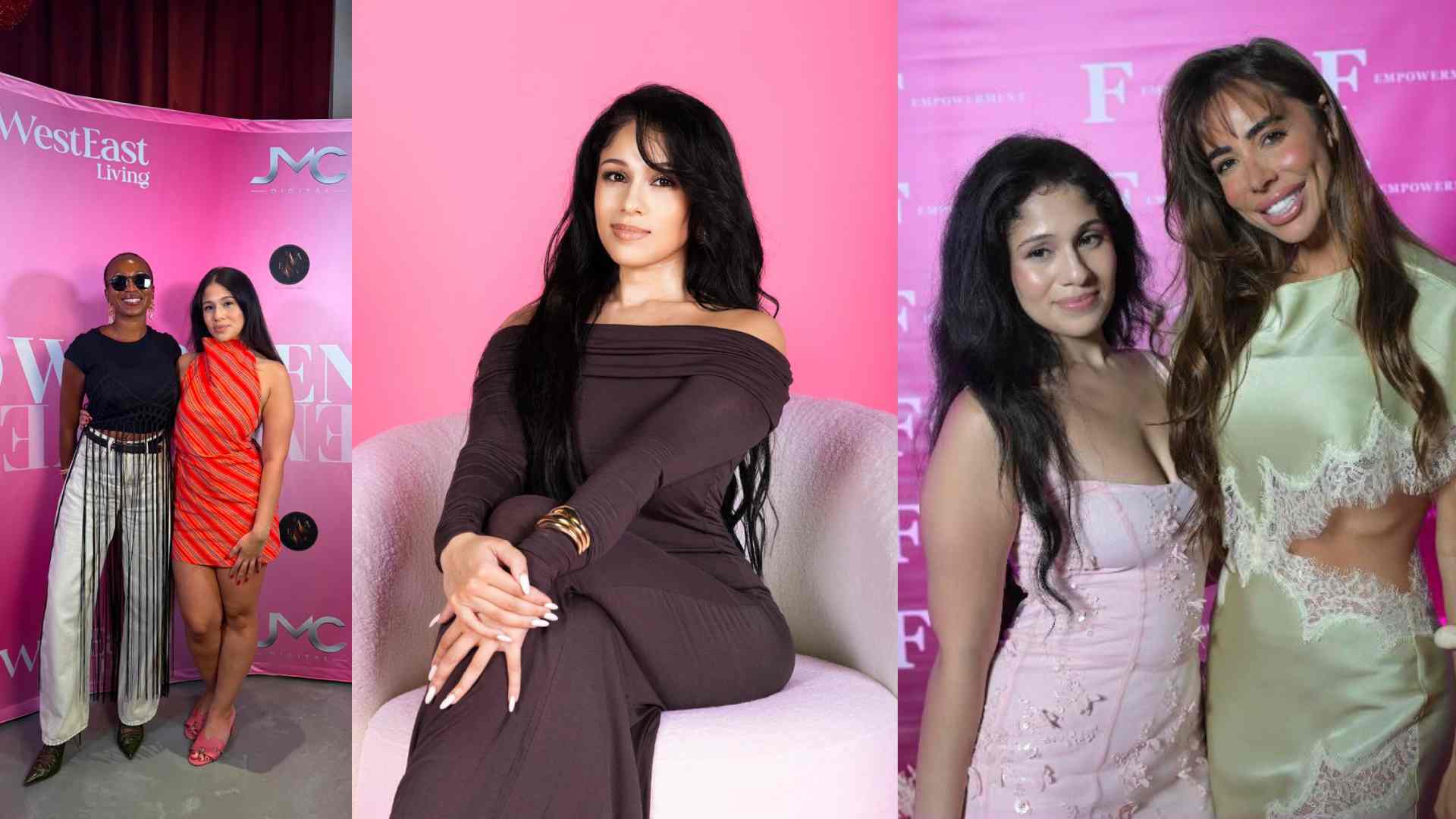
Kirsten Jenna Michaels, Founder & CEO of FEMPOWERMENT, on turning life experiences into purpose and creating space for women to rise.
ABOUT KIRSTEN – THE EXPERIENCES THAT SHAPED KIRSTEN’S APPROACH TO SUPPORTING WOMEN
Kirsten Jenna Michaels didn’t set out to build another networking group. Founder and CEO of FEMPOWERMENT, a women’s empowerment movement established in 2025 and based in Dubai, Michaels developed the platform around an observation she encountered repeatedly throughout her life: talented, ambitious women weren’t short on ability, but on access.
Today, the platform brings together a podcast, monthly seminars, networking events, workshops and certifications, coaching and business support, with its Women’s Business Launchpad and Convention forming part of its wider ecosystem.
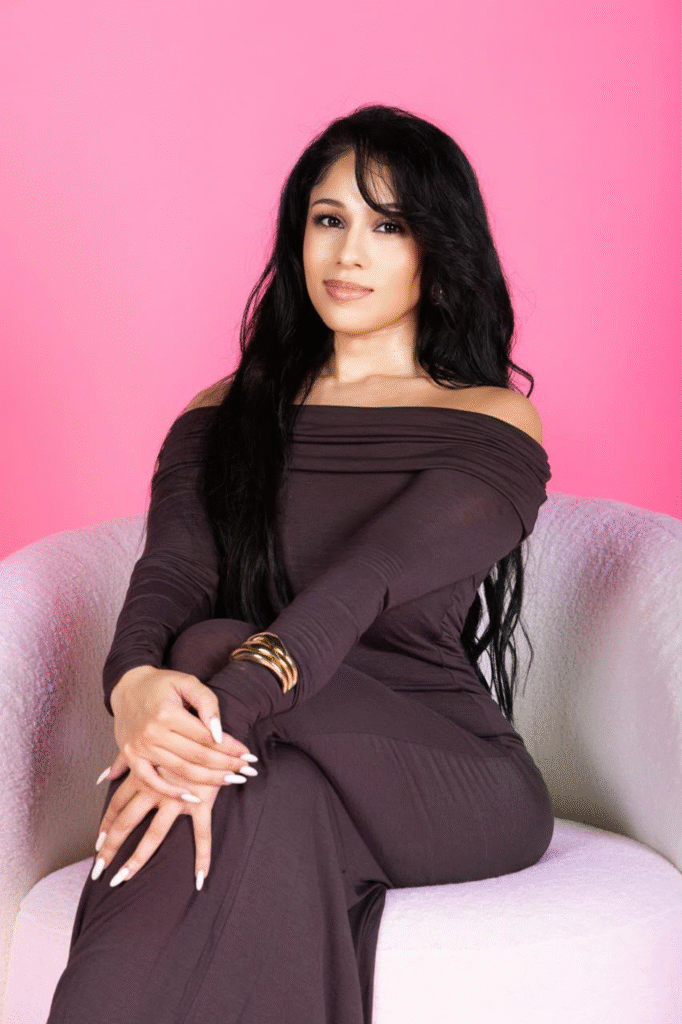

HER STORY
For Kirsten Jenna Michaels, the origins of FEMPOWERMENT can be traced back to a question she carried through much of her life: “Why do I have to keep going through this?”
There were periods in her life when she faced circumstances that left her without stability, support or a clear sense of what came next. She describes some of those chapters as experiences that were “designed to break me” — years in which she had to navigate difficult circumstances largely on her own. Looking back, however, Michaels says the deeper impact of surviving difficult experiences was not simply what happened, but what those experiences taught her to expect from life.
“It is not the event. It is what the event teaches you to expect.”
For five years, she describes herself as being effectively removed from society. There was “no circle, no room to walk into, nobody who knew what was happening or who would have said the thing I needed to hear.”
Michaels believes that having a strong group of women around her could have helped her find the confidence to make different choices sooner. Not because they would have rescued her, she says, but because she would have been able to “see what normal looked like and understood that I was allowed to want it.”
What she needed was not simply advice, but an example of another possibility.
“What I needed more than advice was a woman standing on a stage in front of me, telling me I did not have to settle for the life I had been handed.”
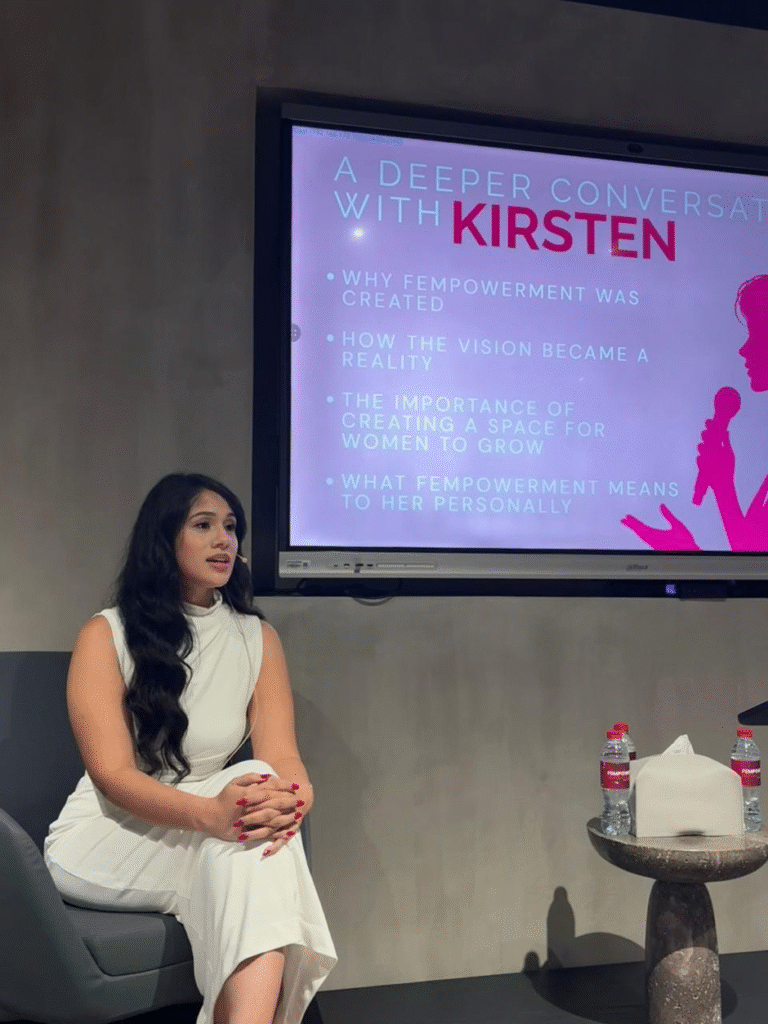
That realisation would later become part of the thinking behind FEMPOWERMENT.
Michaels co-founded FEMPOWERMENT in 2025 with its structures, programmes and mission mapped out, but without funding. The breakthrough came unexpectedly during a job interview.
The man across the table noticed the FEMPOWERMENT logo on Michaels’ notebook, a logo she had designed herself in Canva. He asked what it was. Instead of offering her the role, the investor offered a 50-50 partnership, access to funding and his network.
But for Michaels, the significance went beyond the opportunity itself. It was the experience of having someone believe in the idea before there was proof.
“All it takes is one person to change the trajectory of your entire life.”
That thinking now shapes the platform’s programmes. The Business Launchpad is intended to support women with potential but without the resources to execute on it and is currently listed as “coming soon” by FEMPOWERMENT. Its monthly seminars reflect the woman Michaels once wished she could have seen on stage. Networking events draw from the five years she spent without a support circle, while coaching is designed around the recognition that sometimes what a woman needs is not another curriculum, but “an hour with someone who will tell her the truth.”
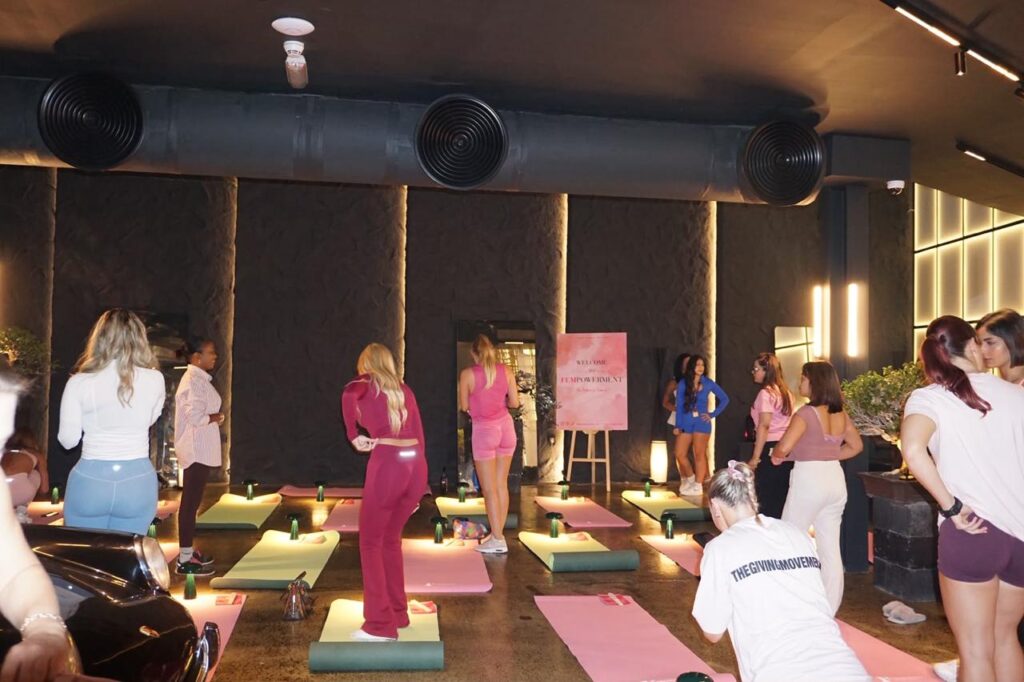
ABOUT FEMPOWERMENT
When asked to define FEMPOWERMENT’s core mission, Michaels positions the organisation around creating greater access to opportunities and resources, rather than inspiration alone.
FEMPOWERMENT describes itself as a purpose-driven movement built around community, education and philanthropy, with its work spanning coaching, events, business support, content and networking. Its stated mission is to build a global movement that connects, uplifts and celebrates women of all backgrounds.
Michaels sees FEMPOWERMENT as a platform with ambitions beyond the UAE, built around creating space for women to pursue their potential. As she puts it, “I built FEMPOWERMENT™ for every woman who was told she was too much — you are exactly enough, and this is your space to rise.”
THE FOUNDATIONS AND MOVEMENT BEHIND FEMPOWERMENT
“Empathy, first,” she says. “Knowledge, second,” followed by hope.
For Michaels, these are not abstract principles. They are informed by experience — by understanding what it means to feel unable to leave, what it takes to start again with nothing, and how difficult it can be to believe that circumstances can change until someone who has lived through them shows you that they can.
It is this understanding of what women need, rather than simply what they are told they need, that now shapes the work behind FEMPOWERMENT.
Her focus now is clear: to create opportunities for women, help them build success and, ultimately, find peace — something she considers “by far the harder of the two.” Looking back at the experiences she once believed were meant to break her, Michaels has arrived at an answer to the question she carried for so long.
“Everything that happened to me was meant to break me. It built this instead.” FEMPOWERMENT describes itself as a purpose-driven movement connecting, uplifting and celebrating women of all backgrounds, with the aim of helping women reclaim their voices, build their futures and rise together.
Today, her focus is on creating opportunities for women, helping them build success and helping them find peace — “which, in my experience, is by far the harder of the two.”
THE IMPACT OF BEING SEEN AND HEARD
Beyond the founder, mentor and CEO, the people around Kirsten describe a woman who makes others feel seen, supported and capable of more.
“Kirsten isn’t just a CEO; she has become a very dear friend to me. She came into my life at a time when I really needed someone genuine, caring, and supportive, and I feel incredibly grateful that our paths crossed.
She is one of the hardest-working people I’ve ever met and will always go above and beyond for the people around her, often putting everyone else before herself. Professionally, she constantly pushes me to do better, step outside my comfort zone, and believe in what I’m capable of, while always making sure I know that she has my back. She supports me in every way she can and genuinely wants to see the people around her succeed.
But what makes Kirsten so special to me is that our relationship goes beyond work. She has become someone I can trust, laugh with, learn from, and genuinely call a friend. She has this incredible energy that lights up every room she walks into, and her warmth makes people feel comfortable and valued almost instantly.
I’m so grateful to have Kirsten in my life, both as my boss and, more importantly, as a friend. She has had such a positive impact on me, and I honestly couldn’t ask for a better person to work alongside and have in my corner.”
— Rachel Cawley, head of brand and community
“Working with Kirsten has been such a valuable experience for me. As my boss, she has pushed me to think bigger, be more confident, and take ownership of my work. I genuinely respect her not just for what she has achieved, but for the way she carries herself and the impact she has on the people around her. I’m grateful that I got to work closely with her and that I can take so much from the experience, both professionally and personally.”
— Ayesha Ahmad
“At first, I was honestly a little intimidated by her, but once you get to know Kirsten, you realise just how bubbly, warm, and genuine she really is. She has this incredible way of making everyone around her feel seen, supported, and capable of more than they thought they could be. Having her as my mentor has completely changed the way I look at life, work, and even myself. She has challenged me to step outside my comfort zone, believe in myself, and see possibilities I may not have noticed before. I’m forever grateful to have crossed paths with her and to have someone like Kirsten guiding, inspiring, and believing in me along the way.”
— Ayesha Mustafa
“Honestly, I see Kirsten as someone who has genuinely had a meaningful impact on the person I have become, both personally and professionally.
I’ve always experienced Kirsten as a warm, ambitious, and genuinely kind-hearted person. She has a unique ability to recognise potential in people, sometimes even before they see it in themselves. She challenged me, encouraged me to step outside my comfort zone, and continuously inspired me to grow and become more confident in my abilities.
A significant part of who I am professionally today has been shaped by the opportunities, guidance, and challenges she has given me. Working with her has taught me responsibility, confidence, resilience, and the importance of thinking beyond what feels comfortable and believing in a bigger vision.
What I particularly admire about Kirsten is her passion for what she is building and her commitment to bringing the people around her along on that journey. She sets high standards because she believes in the potential of those she works with, and that has encouraged me to raise my own standards and continuously strive to do better.
I’m genuinely grateful for the experience of working with her. She didn’t simply give me a professional opportunity; she encouraged me to believe in myself, grow into my capabilities, and become a stronger and more confident version of myself.”
— Nilofar Shareef, Operation Manager | FEMPOWERMENT
Home Integrator
Home Centre celebrates Emirati Women’s Day with Made By Her, a campaign spotlighting homegrown talent
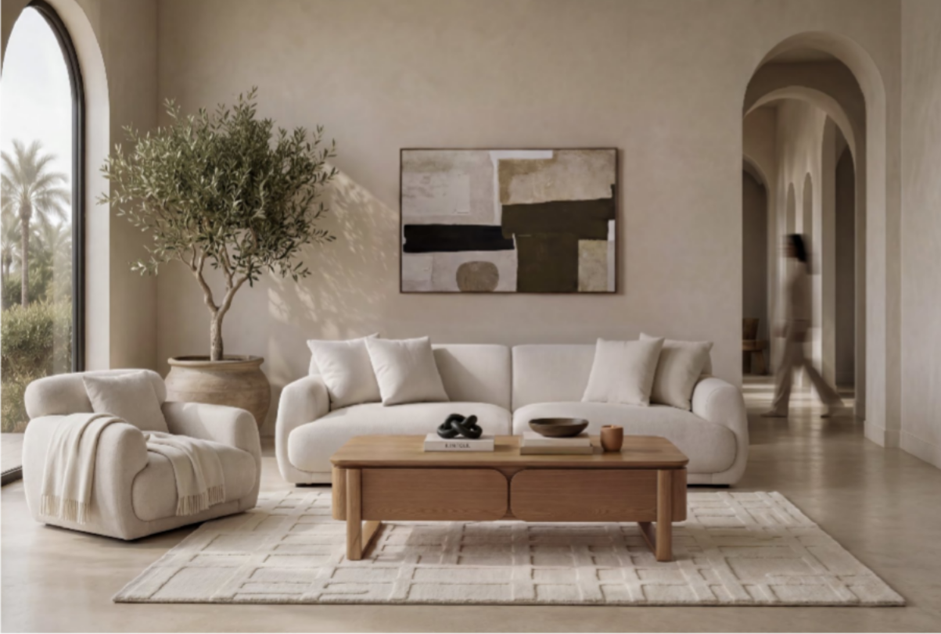
Every home tells a story, and so does every hand that shapes it. This Emirati Women’s Day, Home Centre is celebrating six Emirati women whose craft, creativity and quiet determination are shaping the UAE’s design landscape today, through ‘Made By Her’, a campaign spotlighting their work in-store, alongside Home Centre’s own collections.
For a brand built on the belief that people should Love Where They Live, these six founders were a natural fit, women whose work reflects the same design-led, deeply personal spirit Home Centre champions in every home it helps create. From mosaic art shaped by heritage to ceramics born of fire and instinct, each of their stories speaks to something Home Centre has always stood for: that where we live should reflect who we are.
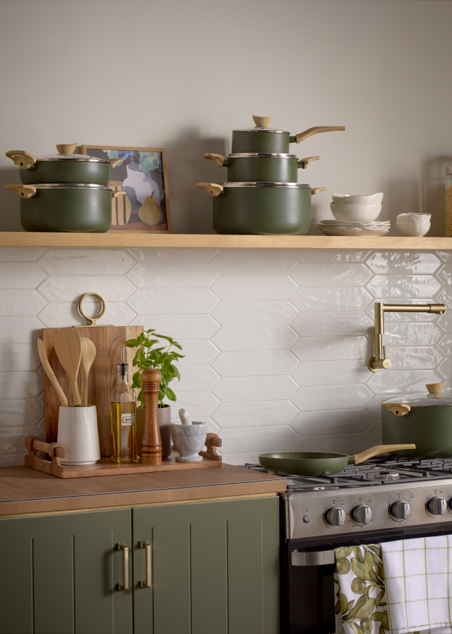
Made By Her brings their craftsmanship into Home Centre’s stores, displayed alongside the brand’s own collections in a beautifully styled showcase. It is a rare kind of moment, where handmade work finds its place inside spaces visited by thousands of customers every day, celebrated purely for the stories and skill behind it, giving these women’s stories room to be seen, felt and remembered.
Retail spaces can hold more than product, they can hold purpose too. It’s a belief that runs through everything Home Centre does, whether that’s celebrating homegrown talent through the Home Centre Collective, collaborating with local designers, or giving a platform to Emirati women shaping the UAE’s creative identity.
“This Emirati Women’s Day, we wanted to open our stores to celebrate the women shaping the UAE’s creative landscape,” said Arja Taaveniku, CEO, Home Centre. “There’s so much talent around us, quiet, brilliant work that doesn’t always get the audience it deserves. Made By Her is simply our way of giving it the spotlight, and giving our customers the chance to discover it too.”
MEET THE MAKERS
Safeya AlHebsi | Mosaic X
Safeya AlHebsi is the founder of a licensed Mubdia project specialising in handcrafted mosaic art inspired by nature, geometry and fine arts. Working with ceramics, glass, stone and recycled materials, each piece she creates celebrates sustainability, craftsmanship and the heritage of mosaic art.
Naila Alremeithi | Soapbar
Naila Alremeithi is the founder of Soapbar, specialising in handmade soaps, skincare and body care products crafted using high-quality ingredients and close attention to detail. Her products combine natural care and quality, offering a self-care experience suited to different skin types.
Huda Alraisi | Huda Ceramic Art
Huda Alraisi is an Emirati ceramic artist who uses clay to explore the balance between heritage and contemporary expression. Specialising in the Raku technique, her work reflects a dialogue between fire and material, with each piece shaped by fire and smoke to create a one-of-a-kind visual and emotional experience rooted in cultural identity and traditional craftsmanship.
Aisha Alkhyeli | Aisha Art Studio
Aisha Alkhyeli creates handcrafted artworks inspired by nature, texture and emotion. Each piece is thoughtfully designed to bring warmth, beauty and a touch of individuality into the home.
Mona Alqubaisi I Mona Al Qubaisi Art
Mona Alqubaisi is a crochet portrait artist whose work spans wall art, bags and accessories, turning crochet into detailed, expressive pieces for the home and beyond.
Mouza Al Kaabi | Mouza Al Kaabi Art
Mouza Al Kaabi is the UAE’s youngest Emirati artist, known for her paintings and as the founder of Charms Asap and AVS UAE.
“Love Where You Live as a motto has always meant more to us than just the home, it is about loving the country we call home,” said Siddarth Sivaprakash, Head of Marketing & Brand, Home Centre. “And what better way to show our love for the UAE than by celebrating the talent that makes it what it is. Made By Her, alongside initiatives like Collective and our local designer collaborations, is our way of paying tribute to that, bringing Emirati creativity into the stores our customers walk through every day.”
For each of these women, Made By Her is a chance to have their story and craft celebrated by a national audience this Emirati Women’s Day. The campaign continues throughout August and September, with the founders’ work on display at participating Home Centre stores in Reem Mall, Abu Dhabi and Mirdif City Centre, Dubai, giving customers the chance to interact with and experience their work up close.


Zeekr UAE and AWR Automotive Unveil Redesigned Flagship Showroom on Sheikh Zayed Road in Dubai
The Infrastructure Is Automated. Why Are the Processes Around It Still Manual?
99 Sushi Bar & Restaurant Is Moving to Dubai Creek Harbour This Q4



-
News11 years ago
SENDQUICK (TALARIAX) INTRODUCES SQOOPE – THE BREAKTHROUGH IN MOBILE MESSAGING
-

 Trending11 months ago
OPPO A6 Pro 5G Review: Reliable Daily Driver
-

 Tech News2 years ago
Denodo Bolsters Executive Team by Hiring Christophe Culine as its Chief Revenue Officer
-
 VAR1 year ago
Microsoft Launches New Surface Copilot+ PCs for Business
-

 Automotive2 years ago
AGMC Launches the RIDDARA RD6 High Performance Fully Electric 4×4 Pickup
-
Tech Interviews2 years ago
Navigating the Cybersecurity Landscape in Hybrid Work Environments
-

 Tech News1 year ago
Nothing Launches flagship Nothing Phone (3) and Headphone (1) in theme with the Iconic Museum of the Future in Dubai
-

 VAR2 years ago
Samsung Galaxy Z Fold6 vs Google Pixel 9 Pro Fold: Clash Of The Folding Phenoms