Hospitality
DXB’s record-breaking first quarter highlights the hub’s significance as a contributor to Dubai’s economy
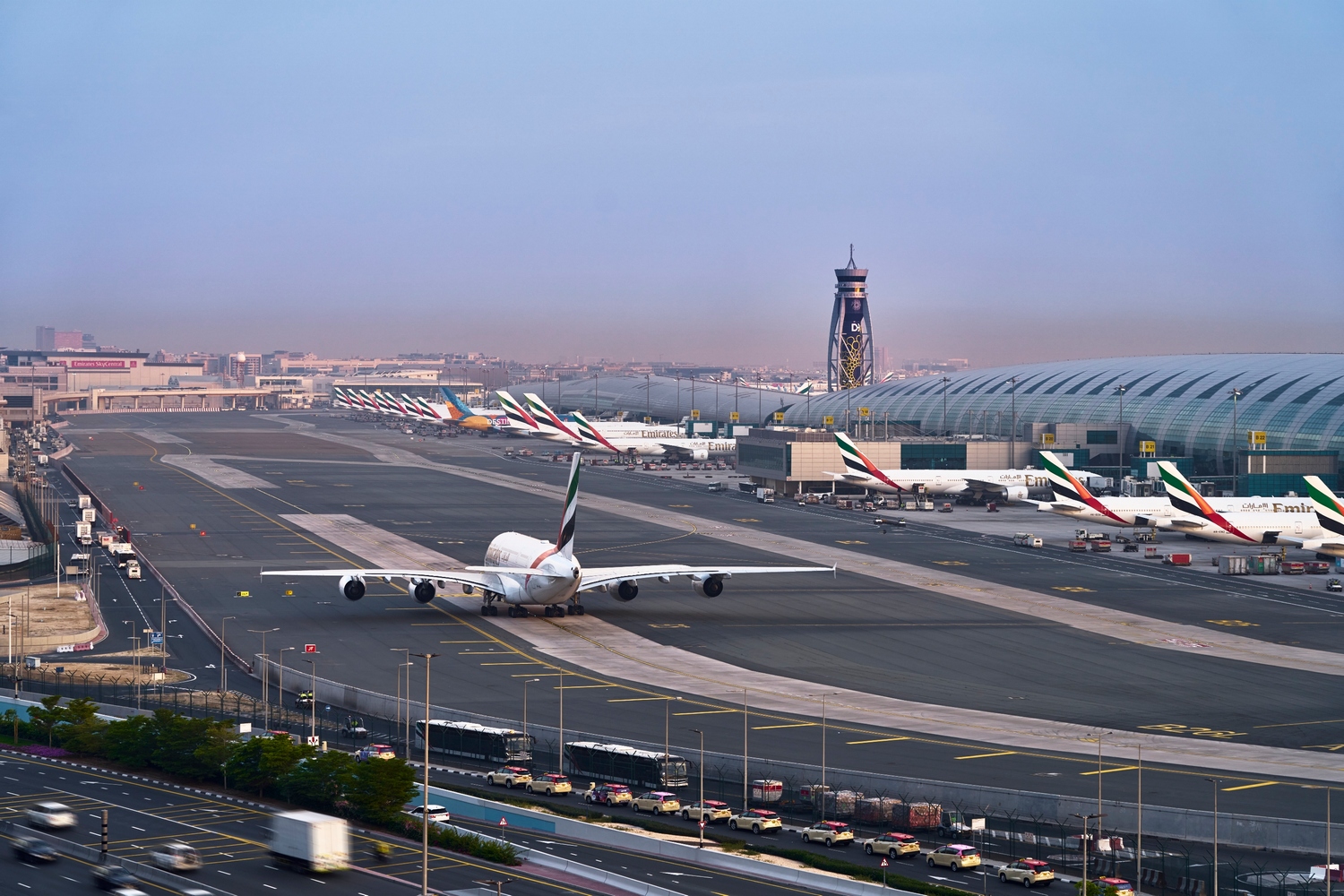
Dubai International (DXB) made a stellar start to the year by recording its busiest quarter in history, affirming its role as a global aviation hub and a key driver of Dubai’s economy and Middle East’s aviation sector.
In Q1, DXB witnessed a significant surge in passenger numbers, with 23 million guests passing through its terminals, marking an 8.4% increase compared to the same period last year. This growth underscores DXB’s appeal to major markets and its contribution to Dubai’s prominence as an international destination for tourism and trade. Total passenger traffic for the quarter reached 23,052,060 guests, with January recording the highest traffic at 7.9 million guests.
Paul Griffiths, CEO of DXB commented, “The robust growth trajectory at DXB continued in the first quarter of the year, with the hub recording some truly impressive numbers. Thanks in part to the proliferation of cities being added to our network by our home base carriers Emirates and flydubai, in recent months. As Dubai emerges as a global leader for attracting talent, businesses, and tourists from across the globe, our focus remains on sustaining growth momentum and enhancing the overall airport experience for every guest passing through our terminals. With a strong start to Q2 and an optimistic outlook for the rest of the year, we have revised our forecast for the year to 91 million guests, surpassing our previous annual traffic record of 89.1 million in 2018.”
Aviation’s Contribution to Dubai’s Economy
DXB drives Dubai’s economic growth and tourism, with the city registering a 3.3% increase in real gross domestic product (GDP) valued at approximately AED 307.9 billion. The airport’s efficient handling of ever-increasing passenger traffic and high cargo volumes supports the Emirate’s diversified economy. DXB serves as the main gateway to Dubai, supporting its growth and international brand. With connections to 256 destinations across 102 countries through 90 international carriers, DXB strengthens Dubai’s position as a global business and logistics hub.
Expanding Markets and Top Destinations
DXB demonstrates readiness to cater to increasing travel demand in the UAE’s key markets worldwide.
India remains DXB’s top destination country, with passenger traffic reaching 3.1 million guests, followed by Saudi Arabia (2m), the UK (1.5m), and Pakistan (1.1m). Other significant contributors include the US (836,000 guests), Russia (725,000), and Germany (728,000). Top cities by passenger numbers include London with 961,000 guests, Riyadh (795,000), and Jeddah (669,000), followed closely by Mumbai with 637K guests.
Key Figures
Q1 saw 109,238 total flight movements, an 8.3% increase year-on-year increase. With load factors reaching 79.1% in the first quarter, the passenger per aircraft movement reached 217, a minor change from 220 per aircraft recorded during the same period in 2023.
DXB efficiently managed 26.8 million bags through its extensive baggage system during the first quarter, showcasing its operational excellence and commitment to seamless travel experiences.
Hospitality
KERTEN HOSPITALITY ON CRAFTING EXPERIENCES ROOTED IN STORYTELLING, CULTURE AND COMMUNITY

Exclusive interview Antony Doucet, Chief Experience Officer, Kerten Hospitality
You were part of the editorial team for the Louis Vuitton City Guide. How did storytelling shape your philosophy around guest experience today?
While I was in Istanbul, I had the opportunity to be part of the editorial team of Istanbul Louis Vuitton City Guide for the food scene. What I learned from this experience is that places are never just places; they are layered stories. At Louis Vuitton City Guide, the work was not simply about listing where to go or eat, but about understanding a destination through its people, rituals, textures and contrasts. That shaped the way I think about hospitality today. A hotel or branded residence should not feel like an isolated object dropped into a location. It should feel like an entry point into a wider cultural narrative – as an integrated part of a lifestyle ecosystem where people live, work, socialise, shop and dine.
Storytelling is what transforms a stay into a memory, an emotional experience. Guests may remember a beautiful room or a good meal, but what stays with them is often the feeling that they touched something real: a local craft, a neighborhood rhythm, a conversation, a point of view. That is why I believe guest experiences must have emotional depth. Design, music, food, art and community programming are all narrative tools. When used well, they create belonging, curiosity and connection. That is the kind of hospitality we aim to build at Kerten Hospitality: not generic luxury, but meaningful immersion.
Winning Hospitality Executive of the Year in KSA recognizes leadership impact, what leadership philosophy has guided your journey?
My leadership philosophy is built around three principles: honesty, generosity, and cultural curiosity. Honesty matters because hospitality is a business of many moving parts, and people need a clear sense of purpose. Generosity matters because our industry is about people taking care of people: guests, teams, owners and communities. Cultural curiosity matters because we operate across very different markets, each with its own codes and aspirations.
I do not believe leadership in hospitality should be purely top-down. The strongest ideas often come from listening closely to local teams, artisans, residents and guests. You can only create relevant hospitality if you are paying attention to what already exists around you. I also believe in building brands with soul and meaning. Commercial success is key, but the most successful projects are the ones that create emotional relevance.
Kerten Hospitality entered 2026 with the signing of over 1,000 new keys and multiple openings planned across MENA and Europe. From an experience perspective, how do you scale growth without losing emotional authenticity?
Scaling without losing authenticity requires discipline. The mistake many hospitality groups make is replicating formulas too literally. At Kerten Hospiltality, we scale through principles, not through sameness. We have a framework of guidelines, not brand standards, on top of which we curate bespoke features for each project. We never copy-paste previous successes; we curate new ones.
What remains constant is our approach: community integration, design with local relevance, experiences rooted in culture and a strong sense of place. A property in AlUla should not feel like one in Cairo, Zanzibar or in Rome. Each project needs its own local language, social rhythm and ecosystem. To preserve authenticity, we spend time understanding the DNA of each location before finalizing the experience framework. Who are the local artisans What is the creative scene? What are the culinary references? How do residents gather? What can we add of new and fresh value to the destination? These questions matter as much as room typologies or F&B positioning.
How important is cultural adaptability when designing experiences for the Middle East’s diverse audience?
It is essential. The Middle East is often seen as one market, but in reality, it is deeply nuanced. The expectations of a guest in Kuwait, Riyadh, Dubai, Jeddah, Aqaba or Cairo can differ significantly in terms of social behavior, privacy, family dynamics, pace and the elements of hospitality itself.
Cultural adaptability does not mean diluting a brand. It means interpreting it intelligently. In practice, that can influence everything from spatial planning to programming, dining formats, wellness, music, service tone and operating hours. Guests want fresh experiences, but they also want to feel respected and understood. Adaptability is not a compromise; it is a sign of understanding, respect and relevance.
Have guest expectations in the UAE shifted toward more meaningful cultural immersion rather than luxury alone?
Luxury remains important in the UAE, but it is no longer enough on its own. Today’s guests are more informed, well-travelled and selective. People still appreciate beauty, comfort and service, but they also ask: what is distinctive here, what can I discover, what story am I part of? There is a growing appetite for experiences that feel curated rather than polished. Value is shifting from display to depth. This is especially true for younger travelers and regional audiences, who often seek places with personality, cultural relevance and emotional credibility.
In lifestyle destinations, community is woven into the experience through curated programming, cultural partnerships, local dining concepts, and shared social spaces, effectively function as neighborhood hubs. For developers, the advantage comes from attracting locals as well as travelers, fostering stronger loyalty and repeat visits. Also, mixed-use lifestyle developments support year-round activity, increasing ROI and resilience.
Ramadan transforms social rhythms across the region. How does hospitality design adapt to slower, more reflective guest experiences during this period?
Ramadan requires hospitality to become more intuitive, respectful and emotionally aware. The rhythm of the day changes, and with it the tone of the guest experience. Energy becomes softer, evenings become more social, and moments of gathering take on deeper meaning. From a design and programming perspective, this means adapting pace, lighting, sound, dining flow and social spaces. Public areas need to feel calmer by day and warmer by sunset. F&B becomes less about volume and more about rituals, generosity and togetherness. Iftar and suhoor are not simply meal periods, they are cultural moments that deserve sensitivity and care. Ramadan is also an opportunity for hospitality to reconnect with values that matter all year: reflection, community, humility and generosity.
With global economic uncertainty and shifting travel patterns, how resilient is lifestyle hospitality compared to traditional luxury models?
Lifestyle hospitality can be extremely resilient when it is rooted in relevance. Traditional luxury often depends on a narrower set of signals: formality, exclusivity and status. Lifestyle hospitality is more adaptive in responding to changing traveler behaviors because it is built around flexibility, social energy, local connection and mixed-use value.
A strong lifestyle property can attract not only overnight guests, but also residents, remote workers, diners and event audiences. That creates a broader ecosystem and a more diversified demand base. When anchored in place, culture and community, a lifestyle hotel becomes a destination.
Hospitality
CORAL BEACH RESORT SHARJAH SETS UAE HOSPITALITY BENCHMARK AS FIRST SIGNATORY OF GLASGOW DECLARATION ON CLIMATE ACTION


Coral Beach Resort Sharjah is proud to announce its recent acknowledgment and listing as a signatory of the Glasgow Declaration Initiative on Climate Action in Tourism. This recognition cements Coral Beach Resort Sharjah’s status as the only hotel in the UAE to receive this honour, further enhancing our commitment to sustainable tourism.
The Glasgow Declaration on Climate Action in Tourism is a global initiative launched during the United Nations Climate Change Conference (COP26) in 2021 aimed at bringing together the tourism sector to cut carbon emissions by half by 2030 and reach net zero as early as possible before 2050, in line with science-based targets.
Coral Beach Resort Sharjah’s recognition aligns perfectly with the Sharjah International Travel & Tourism Forum Awards 2025 under Sustain Sharjah category, recognition bestowed by Sharjah Commerce & Tourism Development Authority on November 19, 2025. This accolade highlights the hotel’s dedication to the Six Pillars of sustainability, particularly focusing on Climate, Waste, Culture, Water, Nature, and Education.
Iftikhar Hamdani, Area General Manager of Coral Beach Resort Sharjah said, “I am incredibly proud to announce our inclusion among the signatories of the Glasgow Declaration Initiative on Climate Action in Tourism. This achievement not only recognizes our hotel’s commitment to environmental sustainability but also sets a benchmark for hospitality & tourism industry in the UAE. Our efforts—including our innovative waste management system, an on-site water bottling plant, energy-efficient operational systems, and our active partnerships in recycling and tree planting—illustrate our dedication to reducing our carbon footprint. By committing to measurable carbon reduction and sustainable operations, we aspire to inspire others in the hospitality industry to follow. At Coral Beach Resort Sharjah, we believe that our initiatives will not only benefit our guests but also make a lasting positive impact on our planet.”
As a signatory of the Glasgow Declaration on Climate Action in Tourism, Coral Beach Resort Sharjah has committed to raise its climate ambition in support of global climate goals. It also has agreed to deliver a climate action plan within 12 months, aligned with the five pathways of the Declaration (Measure, Decarbonize, Regenerate, Collaborate, Finance), report progress on an annual basis, and work in a collaborative spirit, sharing good practices and solutions, and disseminating information.
Hospitality
A MEDITERRANEAN MOMENT BEGINS IN DUBAI AT ERGON AGORA
ERGON AGORA DUBAI


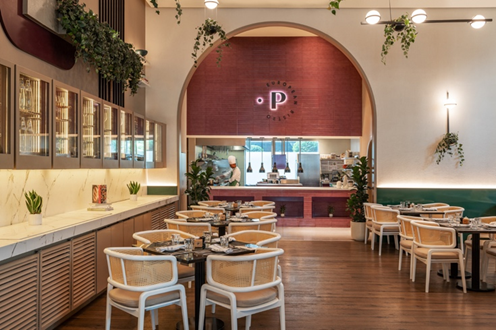
Discover a new way of experiencing Mediterranean living at Ergon Agora Dubai, where gastronomy, culture, and community come together under one roof. Rooted in Greek heritage and brought to life through a contemporary lens, Ergon Agora offers a vibrant, all-day destination designed for connection, flavour, and shared moments.
Guests can enjoy a curated selection of Mediterranean dishes crafted with premium ingredients, alongside a warm, inviting atmosphere that reflects the essence of leisurely dining. From morning coffee to evening gatherings, Ergon Agora is a space that celebrates authentic flavours and meaningful experiences.
Location: Boulevard Heights, Downtown Dubai
Timings: Daily | 8:00 AM – 11:00 PM
Balboa


Step into Balboa, where bold Mediterranean street-food flavours take centre stage in a lively and relaxed setting. Inspired by global influences and rooted in quality ingredients, Balboa delivers a more casual, energetic take on the Ergon Agora experience.
Expect flavour-packed dishes, creative combinations, and a vibrant atmosphere perfect for quick bites, social gatherings, or laid-back dining. Balboa brings a fresh, modern twist to street food, making it a must-visit within the Ergon Agora space.
Location: Ergon Agora, Boulevard Heights, Downtown Dubai
Timings: Daily | 8:00 AM – 11:00 PM
72H Artisanal Bakery


At the heart of Ergon Agora lies the 72H Artisanal Bakery, where traditional techniques meet contemporary craftsmanship. Specialising in slow-fermented sourdough breads and freshly baked goods, the bakery offers a daily selection of artisanal creations made with time, care, and premium ingredients.
From signature breads to pastries and light bites, the bakery is perfect for a quick pick-me-up or a relaxed start to the day. It’s a celebration of simple, honest baking, elevated through quality and authenticity.
Location: Ergon Agora, Boulevard Heights, Downtown Dubai
Timings: Daily | 8:00 AM – 11:00 PM
-
News10 years ago
SENDQUICK (TALARIAX) INTRODUCES SQOOPE – THE BREAKTHROUGH IN MOBILE MESSAGING
-
Tech News2 years agoDenodo Bolsters Executive Team by Hiring Christophe Culine as its Chief Revenue Officer
-

VAR11 months agoMicrosoft Launches New Surface Copilot+ PCs for Business
-
Tech Interviews2 years agoNavigating the Cybersecurity Landscape in Hybrid Work Environments
-
Tech News8 months agoNothing Launches flagship Nothing Phone (3) and Headphone (1) in theme with the Iconic Museum of the Future in Dubai
-
Automotive1 year agoAGMC Launches the RIDDARA RD6 High Performance Fully Electric 4×4 Pickup
-
Trending5 months agoOPPO A6 Pro 5G Review: Reliable Daily Driver
-
VAR2 years agoSamsung Galaxy Z Fold6 vs Google Pixel 9 Pro Fold: Clash Of The Folding Phenoms