
 Have a question? +971 56 404 0503




Home Integrator
A Refined Dining Experience with Natuzzi Italia During Ramadan 2025


Ramadan is a time of reflection, togetherness, and meaningful traditions. As families and friends gather to break their fast, the dining space becomes a sanctuary of warmth, elegance, and harmony. This Ramadan, Natuzzi Italia transforms your iftar and suhoor moments into extraordinary experiences with a curated selection of furniture and accessories that embody comfort, style, and the spirit of new beginnings.
The Monument Fixed Dining Table: A Centerpiece for Connection
At the heart of every gathering is the dining table, where shared meals turn into cherished memories. The Monument Fixed Dining Table by Natuzzi Italia is designed to bring people together, providing a luxurious yet inviting setting for your Ramadan feasts. Crafted with attention to detail, this table is not only a statement of elegance but also a testament to the brand’s dedication to craftsmanship and hospitality. Complementing the table are the Edgar dining chairs, designed by Claudio Bellini. Their soft, rounded lines and tall backrests offer unparalleled comfort, allowing your guests to linger in conversation long after the last bite.
Illuminating the Evening with the Germoglio Lamp
Lighting sets the mood, and the Germoglio Lamp, designed by Marcantonio, casts a magical glow over your dining space. Inspired by the Germogli di Marcantonio artwork, this LED table lamp symbolizes new beginnings—a perfect representation of Ramadan’s essence. The golden mirrored surface of the lamp reflects warmth, creating an intimate and inviting atmosphere for iftar and suhoor. Its wireless functionality allows it to illuminate both indoor and outdoor settings, adding a Mediterranean charm to your gatherings.
Apulian Inspirations: Candlelight and Sculptural Accents
Emphasizing a heritage-rich aesthetic, Natuzzi Italia’s Trullini candle light and Dandy candle holders bring a touch of Apulia’s architectural beauty to your table. The Trullini candle light, infused with natural oil extracts, offers a sensory experience that enhances the ambiance of your meal. Handmade from clay, its artisanal craftsmanship ensures each piece is unique and meaningful.
Meanwhile, the Dandy candle holders, designed by Marcel Wanders, celebrate the iconic trullo shape with sculptural precision. Crafted from Trani stone, these exquisite pieces can be arranged to form a single sculpture or displayed individually, creating a striking visual element that complements the elegance of the Ramadan table.
Pumo by Natuzzi Italia
A cherished symbol of luck in Apulian tradition, the Pumo takes its name from the Latin word pumum, meaning pine cone. Representing budding flowers and new life, this ancient decorative element was traditionally placed on balconies, columns, and terraces. It was also given as a wedding gift, symbolizing happiness, prosperity, and fertility. With its deep-rooted history and elegant craftsmanship, the Pumo makes for a meaningful and artistic addition to your home during Ramadan.
Table Accessories: Elevating the Dining Experience
Beyond furniture and lighting, Natuzzi Italia’s table accessories add refined details to the dining experience. Whether it’s elegant dinnerware, handcrafted glassware, or decorative accents, each element is thoughtfully designed to enhance the presentation of your Ramadan feast, making every meal an elevated experience.
Embrace Mediterranean Elegance This Ramadan
With Natuzzi Italia, your Ramadan gatherings become more than just meals—they become unforgettable experiences. Blending contemporary design with timeless tradition, each piece in this curated selection enriches your home with warmth, sophistication, and a deep connection to nature and heritage. Celebrate the spirit of togetherness with Natuzzi Italia’s impeccable craftsmanship and create lasting memories with loved ones this Ramadan 2025.











Home Integrator
Sdeira Group Unveils Masterplan and New Details for 27,000-Resident Aryam Community – KEZAD Al Mamourah
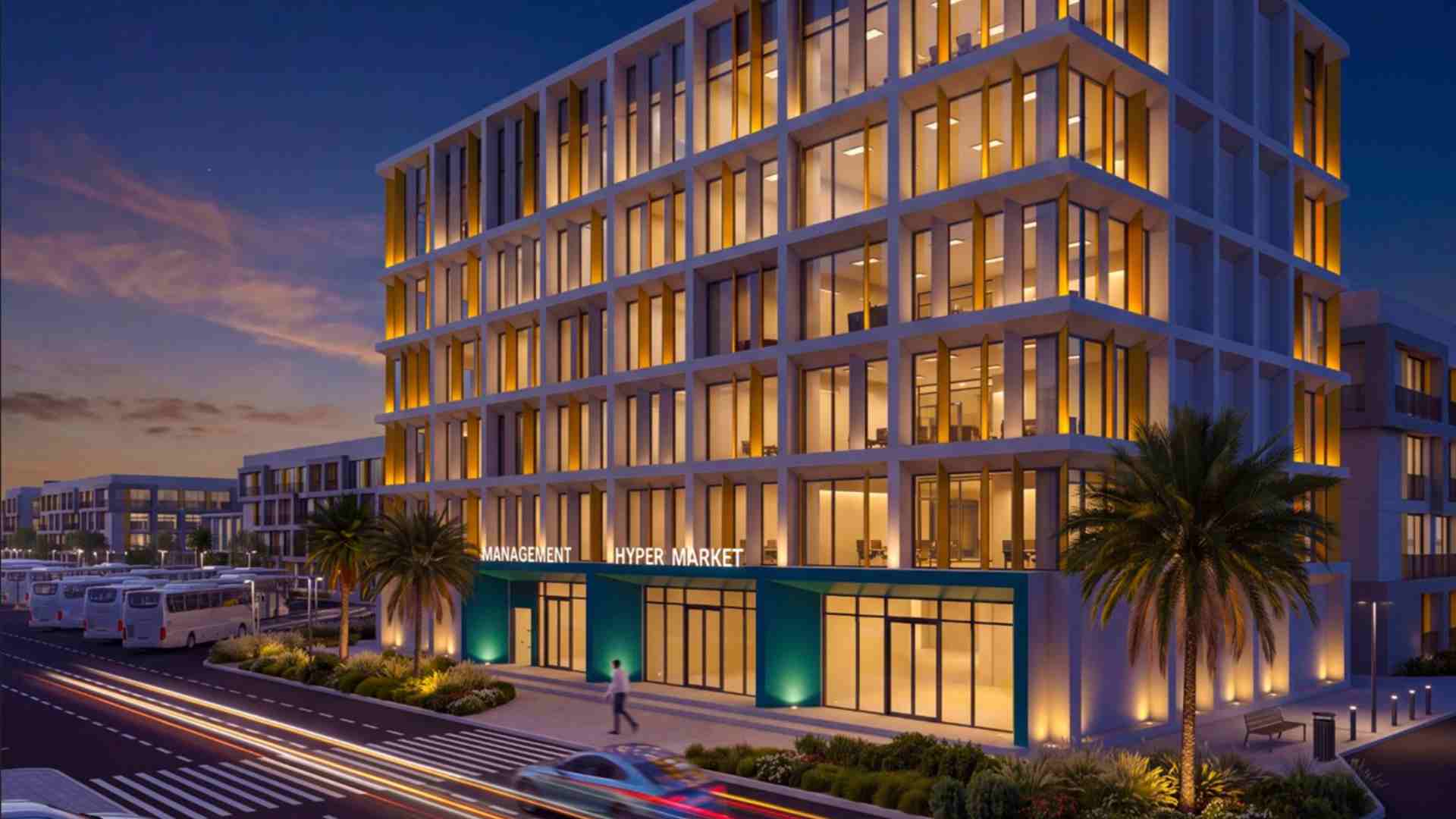
Sdeira Group, part of AD Ports Group, today unveiled the masterplan for Aryam Community – KEZAD Al Mamourah, revealing new details of the community being developed for up to 27,000 people working across KEZAD Al Mamourah’s industrial, logistics and commercial ecosystem.
The development, announced at Make it in the Emirates 2026, will provide scalable accommodation close to employers, alongside everyday amenities and services, and will support Abu Dhabi’s expanding industrial workforce as the emirate advances its Industrial Strategy, which targets growth of the manufacturing sector to AED172 billion by 20311.
Construction of the two-phase development, which is located within KEZAD Al Mamourah A, close to Khalifa Port and the Abu Dhabi–Dubai transport corridor, is expected to commence in the first half of 2027 and complete in 2029.
A physical model of Aryam Community – KEZAD Al Mamourah was displayed publicly for the first time at KEZAD Connect, alongside new architectural renders. The plans reveal flexible living options to suit different residents’ needs.
The community will include supermarket and administrative facilities, while a separate mixed-use building will bring together a medical clinic, retail space and other amenities.
A central kitchen operated by “ZOAD”, Sdeira Group’s integrated catering services company, will support meal preparation and distribution across the community, complemented by two dining halls. “Your Laundry”, Sdeira Group’s laundry service, will operate a dedicated on-site laundry facility for residents.
Residents will also have access to four outdoor sports courts, alongside dedicated indoor recreation and leisure space. Together, the facilities are designed to make exercise, relaxation and social activity part of everyday life within the community.
Abdulaziz A. Bawazeer, Chief Executive Officer of Sdeira Group, said: “Industrial growth is ultimately powered by people. As Abu Dhabi’s industrial economy expands, the communities supporting the people behind that growth will play an increasingly important role in business performance and industrial competitiveness. We are already seeing strong interest from employers looking to secure accommodation at Aryam Community – KEZAD Al Mamourah, reinforcing the need for communities designed around people’s needs. That is why we are placing liveability at the centre of Aryam Community – KEZAD Al Mamourah — helping residents live well, stay healthy and access what they need in daily life — to create the right conditions for a strong, stable and productive workforce.”
Smart metering, energy-efficiency measures and water-conservation solutions are being incorporated into the design to support resource efficiency and long-term operational performance.
The development will be delivered in two phases, with Phase One planned for approximately 14,000 residents across a site area of 110,200 square metres and a built-up area of 137,800 square metres. Upon completion of both phases, the development will have capacity for up to 27,000 residents.
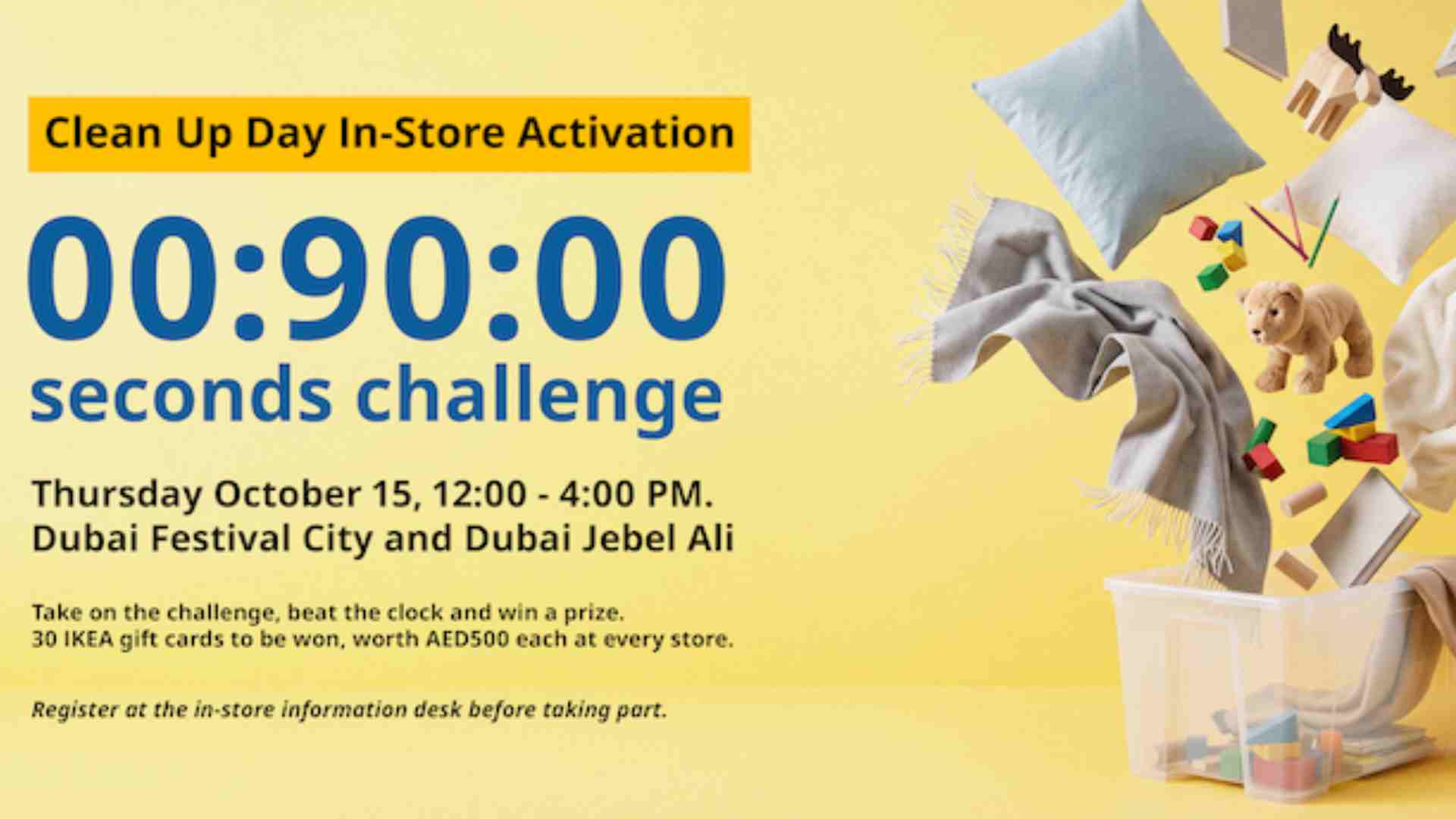
IKEA, operated by Al-Futtaim in the UAE, gathered residents and visitors together for the Guest-Ready Tidy-Up on 15 October, at IKEA Festival Plaza and Dubai Festival City stores.The activation brought IKEA’s storage solutions to life through a playful challenge, showcasing how IKEA continues to be part of customers’ everyday stories.
From laundry on the sofa, to toys on the floor – the last-minute tidy up before welcoming guests into our home can be familiar. Inspired by a relatable hosting moment, what happens after you receive the message that guests are on their way, the challenge gave IKEA Family members 90 seconds to put misplaced items into designated storage spaces in a staged living room, before the doorbell rang and their time was up.
An IKEA coworker assessed whether items were stored correctly within the allocated time, with 60 IKEA gift cards handed out to the winning customers across both stores, each worth AED 500.
The Guest-Ready Tidy-Up challenge celebrated the everyday moments that bring people together. Through practical, well-designed storage solutions at affordable prices, IKEA helps customers create homes that work for their routines, making it easier to clear the clutter and welcome friends and family. The challenge offered visitors a firsthand experience of IKEA’s storage solutions and ideas to use at home long after the activation.
Home Integrator
Ohana Development Announces Erling Haaland as a Proud Homeowner at Manchester City Yas Residences by Ohana, During Phase 2 Launch
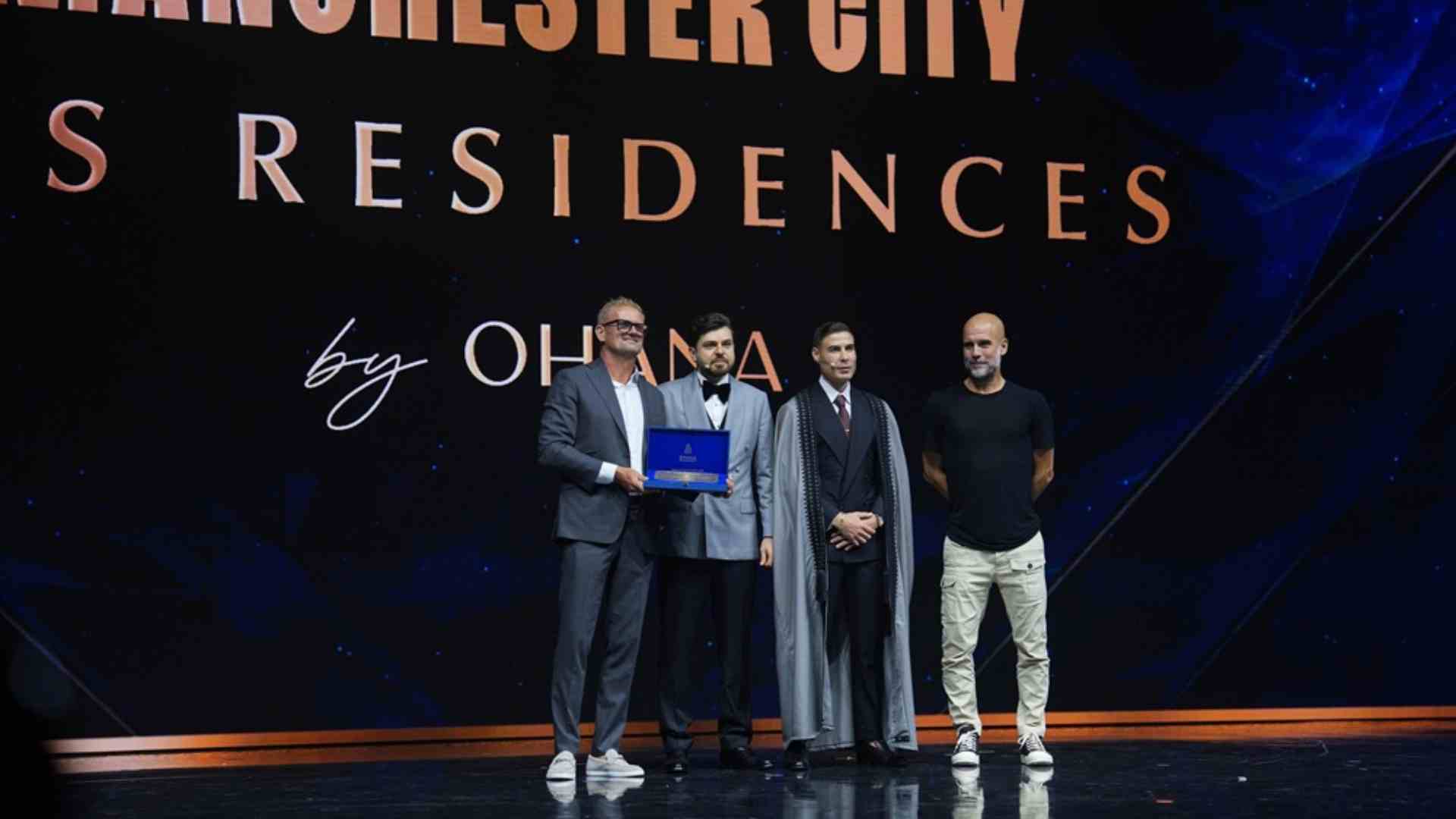
Ohana Development has announced Erling Haaland as a proud homeowner at Manchester City Yas Residences by Ohana during the launch of the project’s second phase. Featuring two- and three-bedroom townhouses, duplex villas, and four- and five-bedroom villas, Phase 2 sales will commence on 19 October 2026. The event at Etihad Arena welcomed over 4,000 guests, including Pep Guardiola, who was announced as the project’s official brand ambassador.
Located along Yas Canal, adjacent to Yas Island, the development spans 1.67 million square metres and will feature more than 2,000 residences. The world’s first Manchester City-branded residential community has already broken ground, with phased delivery scheduled by 2029.
In a video appearance by Manchester City star Erling Haaland, he announced that he was excited to be joining the Ohana family as a proud homeowner with a five-bedroom villa for his family at Manchester City Yas Residences by Ohana. Additionally, Manchester City legend, Alfie Haaland also picked up the keys to his new home in the community.
Pep Guardiola also appeared on stage for a discussion exploring teamwork, resilience and the importance of sport and wellbeing beyond football.
Husein Salem, CEO of Ohana Development, said: “The response to our first phase demonstrated the confidence buyers place in Abu Dhabi and our vision for Manchester City Yas Residences by Ohana. Phase 2 builds on that momentum, offering more families and investors the opportunity to become part of this unique community. Welcoming Pep Guardiola as our official brand ambassador further reinforces our commitment to creating a residential destination centred on sport, wellbeing and lasting value.”
Pep Guardiola said: “In professional sport, we understand that performance depends on more than training. Recovery, balance and wellbeing are just as important, and those principles matter in everyday life too. Manchester City Yas Residences by Ohana places sport and wellness at the heart of the community, giving residents opportunities to stay active, recharge and spend time together. That approach is what makes the project particularly appealing to me, and I am pleased to join Ohana Development as its official brand ambassador for this unique community.”


Mango Jam Studios and The SMC Group Forge Strategic Partnership to Connect Middle Eastern Brands with Global Music and Entertainment Talent

AL HABTOOR GRAND RESORT, AUTOGRAPH COLLECTION APPOINTS CHRISTOPHE DELABARRE AS HOTEL MANAGER

Majid Al Futtaim Partners with Sunset Hospitality Group to Launch Maravelle, a Flagship Wellness and Lifestyle Destination at Ghaf Woods



-

 Trending12 months ago
OPPO A6 Pro 5G Review: Reliable Daily Driver
-

 Tech News2 years ago
Denodo Bolsters Executive Team by Hiring Christophe Culine as its Chief Revenue Officer
-
 VAR2 years ago
Microsoft Launches New Surface Copilot+ PCs for Business
-

 Automotive2 years ago
AGMC Launches the RIDDARA RD6 High Performance Fully Electric 4×4 Pickup
-
Tech Interviews3 years ago
Navigating the Cybersecurity Landscape in Hybrid Work Environments
-

 Hospitality2 years ago
Gulfood 2025 30th Edition Kicks Off Today, Setting New Benchmarks in F&B Growth and Innovation
-

 Tech News1 year ago
Nothing Launches flagship Nothing Phone (3) and Headphone (1) in theme with the Iconic Museum of the Future in Dubai
-

 VAR10 months ago
Huawei Nova 14 Pro Review: Where Camera Excellence Meets Ecosystem Evolution