
 Have a question? +971 56 404 0503




Hospitality
United Foods Company reports strong FY2024 performance


United Foods Company announced financial results for the full year ended 31 December 2024.
Against a backdrop of geopolitical volatility and rising costs, United Foods achieved significant growth in revenue and profitability and reinforced its strong financial and market position, delivering on its long-term strategy for development. Total gross revenue rose to a record AED 601.7 million, supported by a 5.9% increase in sales volumes.
Profitability strengthened as gross profit increased 8% to AED 99.6 million, supported by improved cost controls, procurement optimisation, and product mix enhancements. Net profit before tax increased 11% to AED 33.9 million. Net profit after tax remained stable at AED 30.8 million.
The Board of Directors proposed a cash dividend of 100% of the paid-up capital for 2024, equivalent to AED 1 per share or AED 30.25 million in total. This proposed dividend payout, subject to shareholder approval at the upcoming Annual General Meeting, reflects the Group’s strong financial position and its continued focus on delivering value to its shareholders. United Foods Company is one of only three companies in the UAE to propose 100% cash dividend.
Fethi Khiari, Chief Executive Officer at United Foods Company, commented, “In all, 2024 was a milestone year of achievement for United Foods. We increased sales volumes and revenue, protected margins, continued to deliver dynamic, high-quality products and diversified our product portfolio to better delight our customers. These key initiatives have enabled us to reinforce our robust position in the UAE and in all the markets we serve.
I am pleased to announce that under the recommendation of the Board, there will be 100% cash dividend of the paid-up capital for 2024 in line with our sustainable and progressive dividend policy, at our Annual General Meeting. We would like to thank our shareholders for their continued support and trust in us.
Looking ahead, we remain dedicated to our strategic path that will enhance value for our shareholders, as we continue to scale our operations and invest in automation and efficiency. Our commitment to Emiratization remains core to our corporate vision, and we are proud to be building a business that is both future-fit and locally rooted.”
Operational and strategic highlights:
- The Group invested AED 12.8 million in capital expenditure, primarily directed towards the installation of two new product lines: fractionation unit and PET blowing machine to produce bio-degradable bottles.
Operational performance and outlook
Throughout 2024, United Foods maintained a sharp focus on cost efficiency and working capital management. Total assets rose to AED 439.4 million, while equity increased to AED 344.5 million. The Group continued investing in manufacturing upgrades and digital tools to drive long-term competitiveness.
Strategic efforts to support national priorities of food security also gained traction, with new initiatives to advance Emiratization across departments. These efforts position the Group to contribute meaningfully to national development while attracting and retaining skilled local talent. United Foods remains focused on expanding regional distribution, enhancing product innovation, and deepening its ESG practices, ensuring long-term sustainable value creation for all stakeholders.










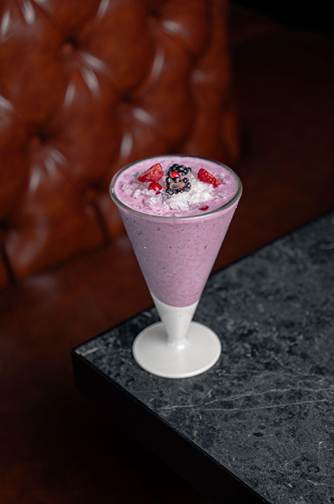
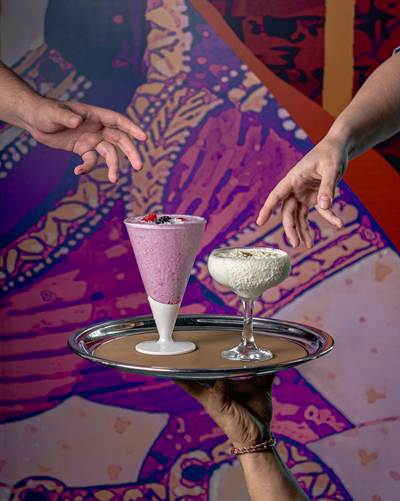
Rohini, the award winning Indian restaurant at Mövenpick Hotel Jumeirah Lakes Towers, is welcoming the summer season with a new lassi line, bringing two refreshing blends to the menu: the vibrant Very Berry Lassi and the rich Khoya and Coconut Lassi. A refreshing classic, blended to perfection with authentic flavours and a touch of indulgence, the new additions offer guests a cooling counterpoint to Rohini’s daring, spice forward menu.
Known for reimagining Indian classics with a bold, contemporary edge, Rohini has built its identity around unexpected pairings and vibrant presentation, and the new lassi line follows that same spirit. The Very Berry Lassi blends the traditional yoghurt base with fresh, tart berries for a bright, summery profile, while the Khoya and Coconut Lassi leans into rich, creamy notes for a smoother, more indulgent finish. Both are designed to sit comfortably alongside Rohini’s signature dishes, whether as a palate cooling accompaniment or a stand alone treat.
The launch reflects Rohini’s ongoing commitment to keeping its menu responsive to the season, giving regulars and first time diners alike a reason to return as temperatures rise. Guests are invited to explore the delightful selection of refreshing blends crafted to complement the Rohini experience, and discover their favourite sip. The lassi line is now available at Rohini, located within Mövenpick Hotel Jumeirah Lakes Towers, Cluster A, Jumeirah Lake Towers, Dubai.
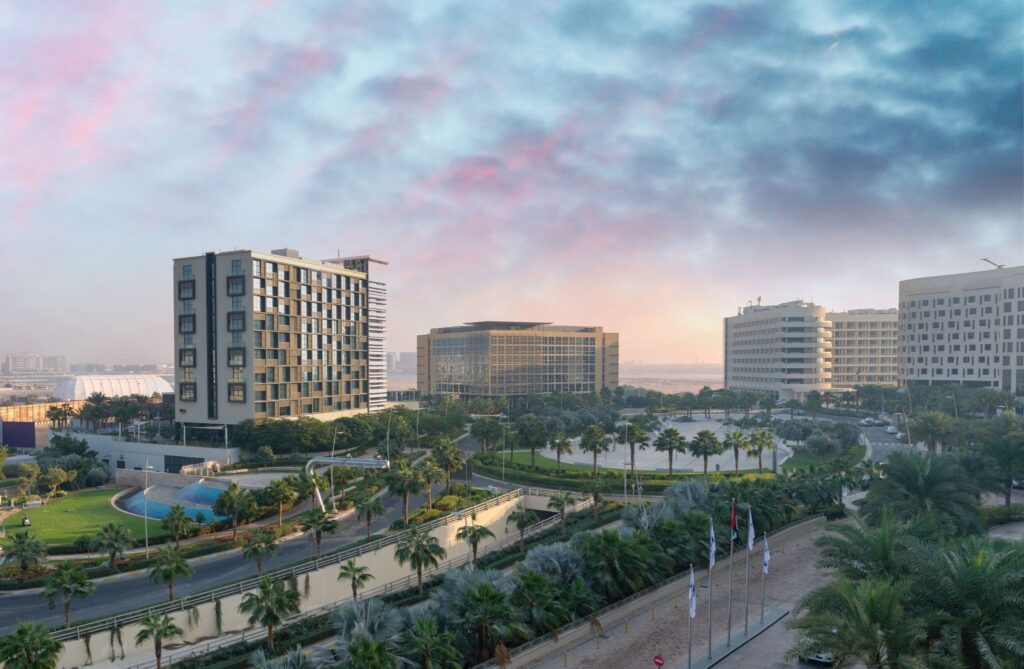

The excitement of UFC 333 is making its way to Etihad Arena ahead of the main fight on Saturday, 24th of October. For fans planning to visit Yas Island, Yas Plaza Hotels brings together six distinct stays, with plenty to enjoy before and after the action.
Yas Island offers an array of stays to complement the energy of fight weekend, giving visitors the perfect opportunity to recharge before the action and unwind after the final bell. Yas Plaza Marina brings a relaxed, contemporary atmosphere, while Yas Plaza Circuit provides a welcoming base for families. Those seeking a more peaceful escape can enjoy the nature-inspired surroundings of Yas Plaza Mangroves, while Yas Plaza Bay offers spacious family suites. Crowne Plaza Yas Island adds a touch of Mediterranean charm, and Staybridge Suites Yas Island caters to guests seeking additional space and comfort with its apartment-style suites. With something to suit every travel style, the excitement extends well beyond the Octagon.
Across the collection, guests can enjoy shared access to pools, wellness and sports facilities, as well as 21 dining venues. It’s an easy way to turn fight night into a longer island escape, with time to gather over a meal, unwind by the pool or make the most of Yas Island between bouts.
Hospitality
Sun Siyam Expands Its Maldives Guest Offering with Five Distinctive Halloween Experiences

White sands. Crystal-clear lagoons. Palm trees swaying in the breeze. Not exactly where you would expect to come face-to-face with a horror icon, wander through the strange world of Beetlejuice or find little witches and superheroes trick-or-treating beneath coconut palms. Yet every October, Sun Siyam proves that Halloween and paradise make an unexpectedly perfect match. Across the collection, guests can choose their own Halloween adventure. Lose yourself inside a cinematic horror of Cult Classics production at Siyam World, step into the delightfully strange universe of Beetlejuice at Sun Siyam Olhuveli, celebrate Maldivian traditions beneath the stars at Sun Siyam Iru Fushi, embrace relaxed beachfront festivities at Sun Siyam Iru Veli, or watch little monsters set off on tropical trick-or-treat adventures at Sun Siyam Vilu Reef. Whatever your Halloween personality, there is an island waiting.

Where horror becomes a holiday
At the centre of it all is Siyam World, where Halloween has become something of a legend in its own right. Never one for a handful of pumpkins and a themed buffet, the resort returns with CULT CLASSICS, its boldest Halloween production yet. Inspired by the cult horror films that defined generations, guests are invited to step inside an interactive walkthrough where every corner reveals another surprise. Live performers, cinematic sets, immersive storytelling and unexpected encounters blur the line between audience and performance, creating an experience that is as theatrical as it is thrilling. Survive the walkthrough and the night is only just beginning. The experience unfolds into a spectacular live production, where cinematic storytelling, immersive sets, theatrical performances and unexpected encounters blur the line between audience and show. It is horror, but with a distinctly Siyam World twist: bigger, bolder, brilliantly over the top and impossible to experience from the sidelines. And when the scares give way to the after-party, DJ and music producer SARRA takes over the decks. Blending Afro House, Afro Tech House, Indie Dance and Latin House, her sound moves through deep grooves, layered percussion and global rhythms, bringing a high-energy electronic soundtrack to the night. Known for building sets that evolve with the dancefloor, SARRA will take CULT CLASSICS from immersive horror spectacle into a Halloween party that keeps going long after the final scare.
The Wonderfully Weird Side of Paradise
At Sun Siyam Olhuveli, guests are invited to leave reality behind and enter the wonderfully weird world of Beetlejuice. Inspired by the cult classic, the resort undergoes a dramatic transformation, where black-and-white stripes, glowing green lighting, theatrical installations and playful surprises turn familiar island spaces into an immersive fantasy. From themed cocktails and imaginative dining to roaming characters and live performances, the island embraces the strange from day into night. Taking over the decks is international DJ Giada Brincè, bringing her signature blend of hypnotic Afro House rhythms and sophisticated electronic sounds to the celebration. Having performed across destinations including Monte Carlo, Mykonos and Italy, and built a global following through her live sets and social channels, Brincè will bring a refined but high-energy soundtrack to Olhuveli’s Halloween night. Expect the wonderfully weird, the theatrical and the unexpected, with a seriously good beat behind it.
At Sun Siyam Iru Fushi, Halloween meets authentic Maldivian hospitality. Guests gather beneath the stars at Islander’s Grill for a beachfront barbecue showcasing freshly caught seafood, premium cuts and Mediterranean and Asian-inspired flavours before the rhythmic energy of a traditional Bodu Beru performance fills the night. The celebrations continue at Water’s Edge with a lively Halloween DJ party where tropical rhythms keep families and friends dancing late into the evening.
At Sun Siyam Iru Veli, Halloween unfolds at an easy island pace. Young guests begin the day with festive crafts at Turtle Kidz Club before the celebrations move to Chemistry Bar for a lively pool party complete with DJ beats, themed drinks and poolside dining. As evening arrives, the island swaps spooky surprises for barefoot elegance with a beachfront Lobster BBQ accompanied by live music beneath the stars.
Meanwhile, at Sun Siyam Vilu Reef, Halloween comes to life with Ocean Haunt, an island-wide celebration where tropical charm meets playful imagination. Families can expect a day filled with music, dancing, face painting, creative crafts and the colourful Little Monsters Parade, while younger guests unleash their creativity decorating ghostly cookies and spooky treats at Turtle Kidz Club. As darkness falls, the festivities continue with a themed beachfront BBQ, where DJ beats, ocean breezes and a touch of island magic transform Halloween into a relaxed celebration beneath the stars. Equal parts family fun and barefoot luxury, Ocean Haunt captures the lighter, more whimsical side of Halloween in paradise.
Whether guests are seeking blockbuster entertainment, immersive fantasy, authentic island celebrations, elegant beachfront evenings or unforgettable family adventures, Sun Siyam offers a Halloween unlike anywhere else in the Maldives. Because Halloween does not have to be wrapped in fog, falling leaves or cobwebs. Sometimes the best scares happen with warm sand beneath your feet, a cocktail in hand and the Indian Ocean quietly watching in the background.
Fear has never looked so good.
For those inspired to swap autumn for the tropics, there has never been a better time to plan an island escape. Sun Siyam Resorts is currently offering a range of exclusive seasonal offers across its Maldivian collection, with added value including savings on accommodation, complimentary transfers, resort credits and signature experiences. Many offers are available for bookings made until 31 October 2026, making Halloween the perfect excuse to discover paradise with a darker twist.


Chinese Cars Are Reshaping the GCC Market, but Resale Value Could Be the Next Battleground

PNY Brings Enterprise-Grade Computing Power to Dubai AI Festival
Rohini Refreshes Its Summer Menu with Two New Lassi Blends



-

 Trending12 months ago
OPPO A6 Pro 5G Review: Reliable Daily Driver
-

 Tech News2 years ago
Denodo Bolsters Executive Team by Hiring Christophe Culine as its Chief Revenue Officer
-
 VAR2 years ago
Microsoft Launches New Surface Copilot+ PCs for Business
-

 Automotive2 years ago
AGMC Launches the RIDDARA RD6 High Performance Fully Electric 4×4 Pickup
-
Tech Interviews3 years ago
Navigating the Cybersecurity Landscape in Hybrid Work Environments
-

 Hospitality2 years ago
Gulfood 2025 30th Edition Kicks Off Today, Setting New Benchmarks in F&B Growth and Innovation
-

 VAR10 months ago
Huawei Nova 14 Pro Review: Where Camera Excellence Meets Ecosystem Evolution
-

 Tech News1 year ago
Nothing Launches flagship Nothing Phone (3) and Headphone (1) in theme with the Iconic Museum of the Future in Dubai