
 Have a question? +971 56 404 0503




Hospitality
Excellence combined: A powerhouse week of hospitality and foodservice events as HORECA and Salon du Chocolat et de la Pâtisserie Riyadh return

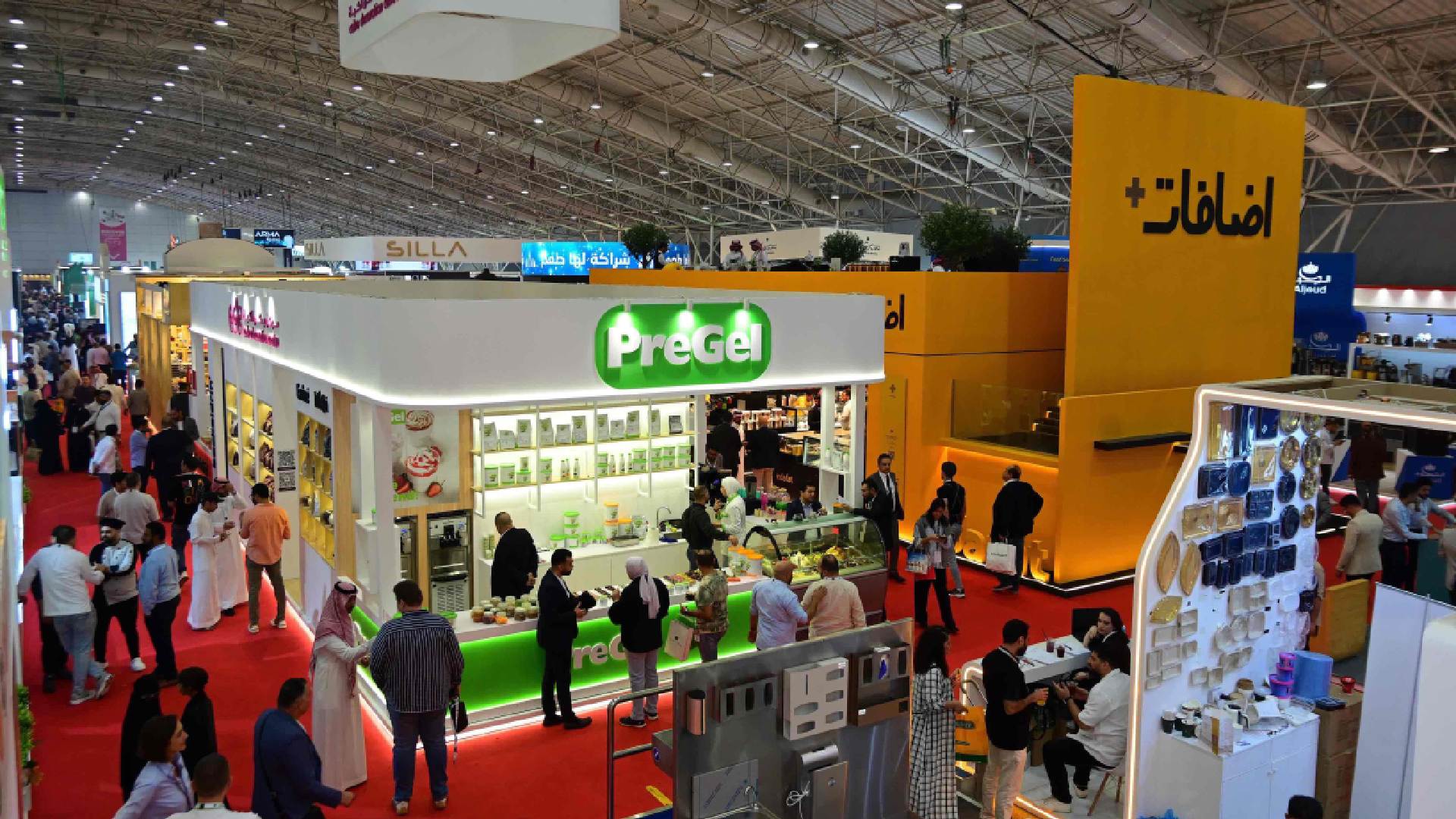
With the strategic partnership of the Culinary Arts Commission (CAC), HORECA Riyadh and Salon du Chocolat et de la Pâtisserie Riyadh will be held from 15–17 December 2025 at Riyadh Front Exhibition & Conference Center. Together with Saudi Elite Chefs and Host Arabia, they will create the biggest hospitality and foodservice week in the kingdom’s capital, with four events attracting 50,000 professionals and gathering 500 exhibitors across 42,000 sqm.
Organized by Semark Group, Jad Taktak, CEO of the company, said: “This edition marks the greatest alliance of hospitality exhibitions in Saudi Arabia. We are thrilled to join over 100 years of combined experience, bringing together the region’s leading brands, experts and innovators under one roof. The expectations are very high, and we are confident that this collaboration will elevate industry standards, create exceptional business opportunities and contribute to Saudi Arabia’s rapidly growing hospitality landscape.”
Transforming Riyadh into the kingdom’s premier stage for foodservice and hospitality excellence, HORECA Riyadh’s 14th edition will showcase cutting-edge products, advanced technologies and world-class culinary talent across all areas of hospitality, from hotel and restaurant management to catering, design and F&B innovation, creating unparalleled opportunities for business growth and networking.
At the heart of the show lies a rich calendar of competitions and activities that honor excellence, creativity, talent and knowledge, with 40 international and local judges, experts and speakers. More than 100 participants will take part in contests, including the Hospitality Salon Culinaire, HORECA Barista Competition Riyadh and the Mocktail Competition, while HORECA Talks, a platform for thought leadership and exchange, will host expert-led sessions on emerging trends in hospitality and F&B, investment and the what’s next for the sectors in Saudi Arabia. These talks are organized by Hospitality News Middle East and Hodema Consulting Services.
HORECA Riyadh 2025 welcomes back Guillaume Gomez, president of Groupe Gastronomie and former French ambassador for gastronomy, as guest of honor.
Running alongside HORECA Riyadh is the third edition of Salon du Chocolat et de la Pâtisserie Riyadh, an extension of the iconic French Salon du Chocolat et de la Pâtisserie, renowned globally as a premier event dedicated to chocolate and pastry excellence. Co-organized by Semark Group and Hospitality Services, this year’s show promises an immersive journey into the world of cocoa and confectionery, with over 40 live demonstrations, workshops and competitions. A dedicated Pastry Show will gather acclaimed chefs and artisans from around the region and beyond, while competitions across multiple categories will spotlight the talents of more than 50 participants.
Among the 30 pastry chefs and experts, Salon du Chocolat et de la Pâtisserie Riyadh proudly announces renowned Belgian chocolatier Pierre Marcolini as guest of honor. Marcolini will host a special chocolate masterclass and join a discussion on chocolate innovation and trends at The Talks.
“As part of the HORECA Network, with annual events in cities across the Middle East – Kuwait, Beirut, Amman, Muscat and Riyadh – HORECA Riyadh is a pivotal platform that brings together the region’s leading hospitality and foodservice professionals, innovators and investors. In parallel, Salon du Chocolat et de la Pâtisserie Riyadh celebrates the artistry and creativity of chocolate and pastry while inspiring innovation and showcasing trends in the Saudi market,” said Joumana Dammous-Salamé, managing director of Hospitality Services, the company behind the HORECA Network and co-organizer of Salon du Chocolat et de la Pâtisserie Riyadh.
Held concurrently, the second edition of Saudi Elite Chefs, organized by the Culinary Arts Commission (CAC), will gathers the kingdom’s top culinary talents for the second consecutive year. This prestigious event will highlight the diversity of Saudi cuisine, celebrate world-class culinary craftsmanship and provide a dynamic platform for chefs to demonstrate their expertise through challenging, high-level competitions that aim to elevate the national culinary scene, inspire future generations of Saudi chefs and strengthen Saudi Arabia’s growing reputation as a global gastronomic destination.
Making its debut, Host Arabia – the international extension of Milan’s world-leading hospitality exhibition, HostMilano – brings the global hospitality ecosystem to Riyadh, connecting regional decision-makers with international suppliers and innovators.
Hospitality
Meet Form Room: JVC’s All-Day Café Bringing Playful Dishes, Specialty Coffee and Good Vibes
Form Room is an Aussie café in Jumeirah Village Circle, bringing together creative all-day dining, specialty coffee and a relaxed indoor-outdoor setting at Binghatti Jasmine. Casual, playful and a little nostalgic, the café takes inspiration from the feeling of gathering around a school lunch table, where good food, good company and plenty of conversation come together.
Located in Al Barsha South 4, Form Room has been created with the JVC community in mind, offering an easy neighbourhood spot for everything from an early morning coffee and breakfast to a post-workout bite, casual lunch or afternoon catch-up. The café is also pet-friendly, welcoming four-legged companions into its relaxed indoor and outdoor space and making it a natural meeting point for the local community.
The menu follows the same uncomplicated, playful approach, with familiar comfort food given a creative Form Room twist. The sandwich selection offers hearty, grab-and-go options with fillings ranging from loaded egg and crumbed chicken to slow-cooked beef, all made with quality ingredients.
The menu also includes choices such as the Açaí Business Bowl, topped with granola, coconut yoghurt, fresh fruit and chia, alongside fresh juices and other options for those craving something lighter without compromising on flavour.
Adding to the café’s offerings are The Heavy Hitters, two new protein shakes created with the active crowd in mind. Antioxidant Muscle Fuel and Strawberry Surge bring a more functional element to the drinks menu, providing convenient options for those looking to refuel before or after their daily routine.
Coffee remains at the heart of the Form Room experience, with a specialty coffee menu spanning classic espresso-based favourites and signature drinks such as the Spanish Latte, Spanish Cortado, Affogato and Mocha. For those looking beyond coffee, the menu includes matcha, fresh juices, iced teas, lemonades, giving guests plenty of reasons to drop by throughout the day.
The café’s personality extends to its sweet selection, with playful takes on familiar favourites including the Lotus Lamington, Crème Brûlée Cheesecake, Coconut Basbousa and Açaí Business Bowl. The result is a menu that balances indulgence with everyday options, reflecting the easy-going spirit of the space itself.
Form Room also caters to families, with a selection of junior drinks including Babyccino and Kid’s Chocolate, making the café an accessible option for casual neighbourhood visits.
For added convenience, Form Room is available for delivery through Deliveroo, Noon and Talabat, bringing its breakfast, sandwiches, mains, coffee and drinks to customers across the area.
With ample parking available directly outside, Form Room is designed to be both convenient and inviting.
Hospitality
IHG Hotels & Resorts to bring its midscale brand, Garner Hotels to the Middle East with a dual signing in the UAE
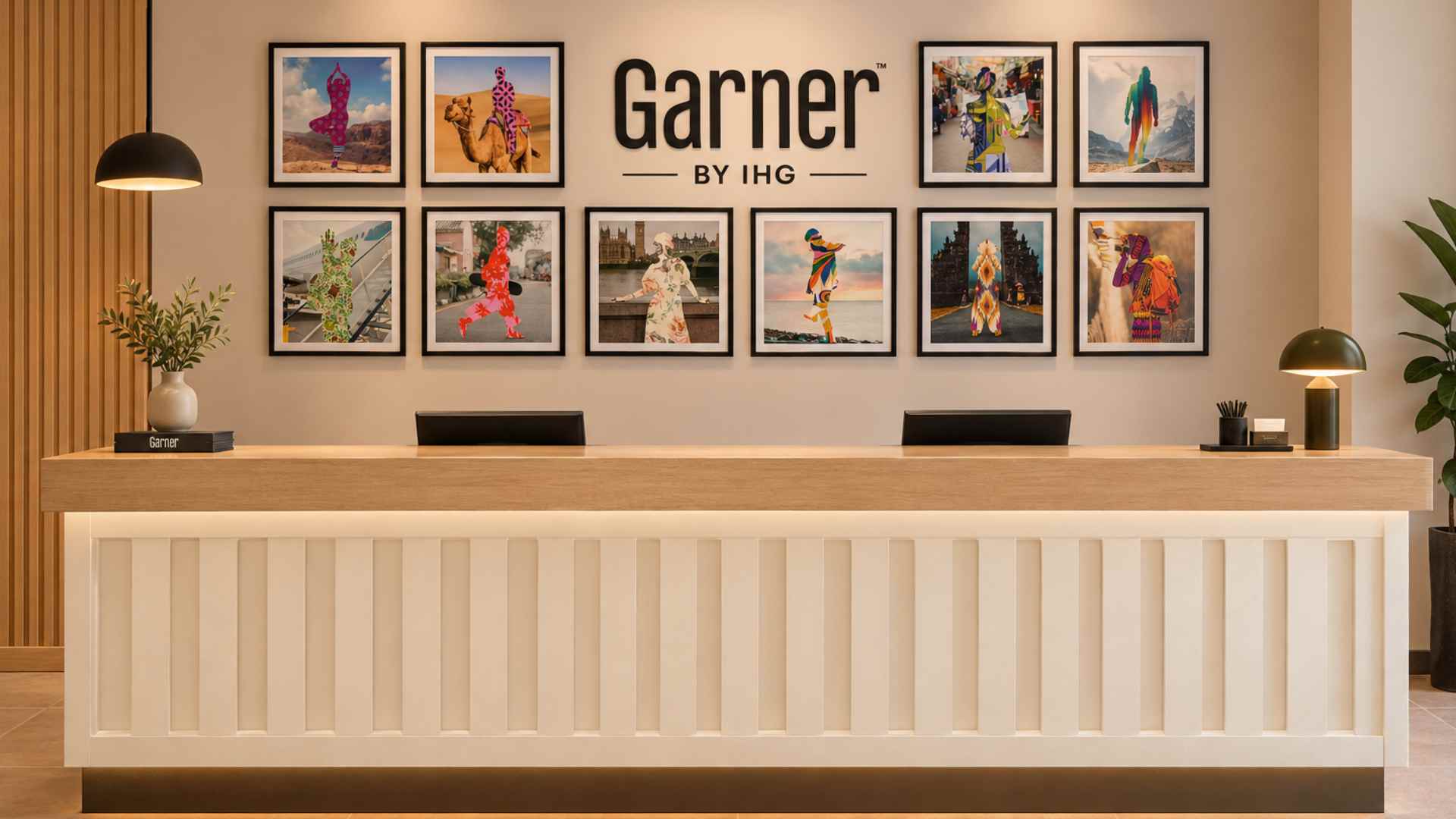
IHG Hotels & Resorts, one of the world’s leading hotel companies, is bringing its conversion brand, Garner Hotels, to the Middle East through the signing of two hotels in the UAE with Nooa Holdings. Expected to open in 2026, Garner Hotel Dubai Al Jaddaf and Garner Hotel Ras Al Khaimah Downtown will add a combined 285 keys to IHG’s portfolio in the country. The milestone marks the regional debut of IHG’s fastest-scaling global brand and supports IHG’s continued growth in the UAE.
The 204-key Garner Hotel Ras Al Khaimah Downtown will bring the brand to the growing northern emirate. The converted hotel will be located by the creek in Al Nakheel, close to Al Naeem Mall and approximately 15 minutes from Ras Al Khaimah International Airport, positioning it to serve both business and leisure travellers.
The 81-key Garner Hotel Dubai Al Jaddaf will occupy a well-connected location near Al Jaddaf Waterfront, between Downtown Dubai and Dubai International Airport. Featuring a rooftop pool overlooking Dubai Creek, the hotel will be within easy reach of the city’s business, leisure and cultural hotspots.
Garner Hotels brings a distinctive proposition to the region’s growing mainstream segment – quality stays at an affordable price point, designed for guests who are in love with life, not luxury. With a highly adaptable, conversion-friendly model, the brand enables owners to unlock value with efficient and practical solutions, while delivering the relaxed, flexible and purposefully different experience travellers value most: a convenient location, a sound night’s sleep and a great breakfast. The brand offers easy-going stays that get guests on their way — and it gives owners access to IHG’s quality standards, enterprise systems and global loyalty platform, IHG One Rewards.
Haitham Mattar, Managing Director, India, Middle East & Africa, IHG Hotels & Resorts, said: “Bringing Garner Hotels to the Middle East is an important step in strengthening IHG’s midscale offer in the region. The UAE is a natural launch market for the brand, with strong demand from travellers seeking high-quality stays at an accessible price point and from owners looking for a compelling model backed by IHG’s systems, scale and global platforms. We are pleased to mark this milestone with Nooa Holdings as we continue to bring the right brands to the right locations across the UAE.”
Amit Basnet, Founder & CEO, Nooa Holdings, added: “We are pleased to partner with IHG through Garner Hotel Dubai Al Jaddaf and Garner Hotel Ras Al Khaimah Downtown. Garner Hotels’ flexible model and focus on high-quality, affordable stays make it a strong fit for these two destinations. We look forward to opening both hotels and exploring further opportunities to grow our portfolio with IHG.”
The signings respond to growing demand for high-quality, branded midscale accommodation in the UAE. Serving transient, business and leisure travellers, the two hotels will broaden guest choice in Al Jaddaf and Ras Al Khaimah while advancing IHG’s strategy to grow in high-potential destinations across the Emirates.
IHG® currently has 39 hotels operating across eight brands in UAE, including InterContinental Hotels and Resorts®, Vignette Collection, Hotel Indigo, Crowne Plaza®, voco™ Hotels, Holiday Inn Resort® , Holiday Inn Express® and Staybridge Suites, and a strong pipeline of 110 hotels due to open in the next 3-5 years.
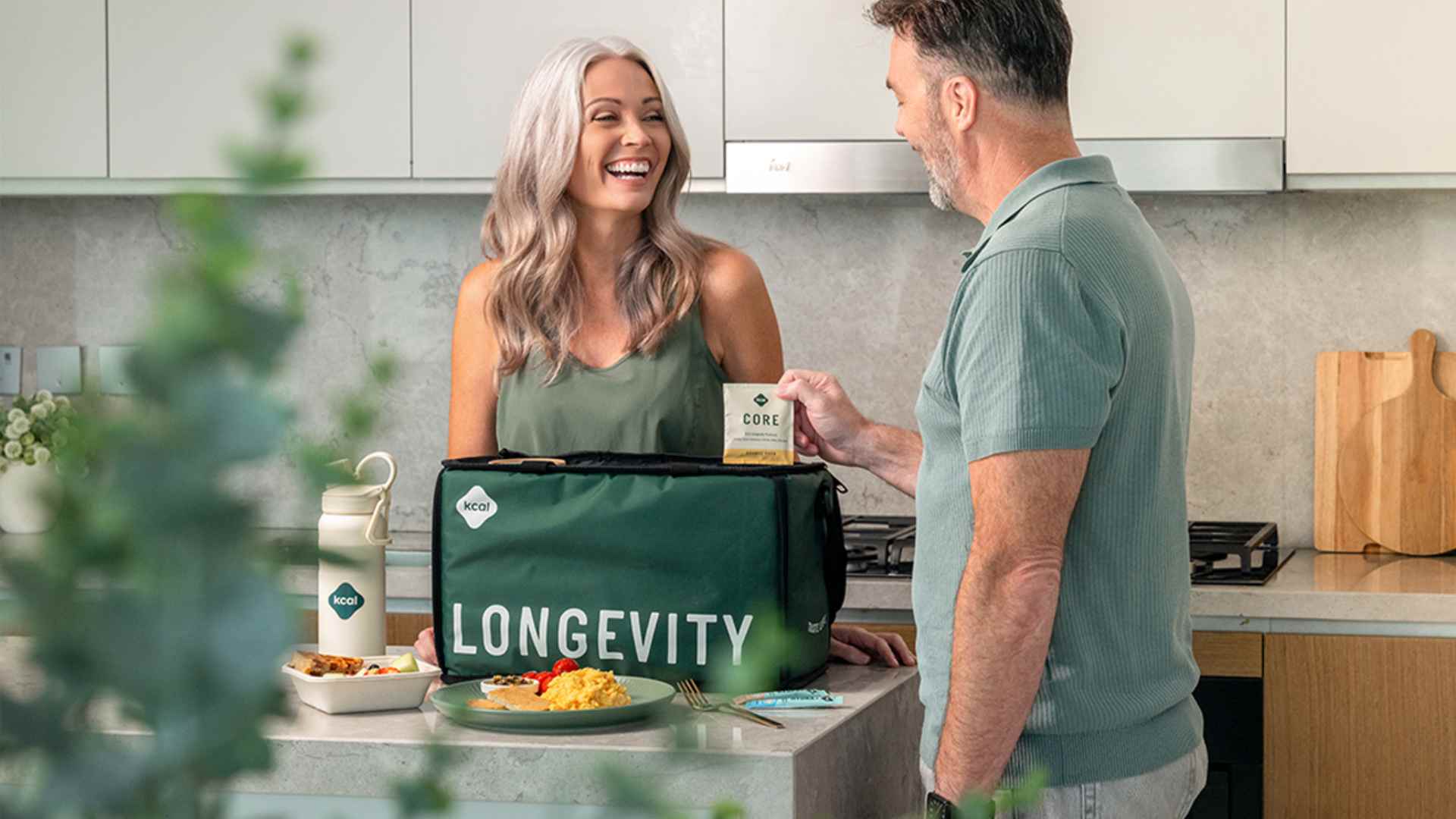
Kcal has launched the world’s first 360 longevity programme, bringing together nutrition, hydration, supplementation and before-and-after biomarker testing within one structured 12-week programme. While each of these elements exists independently, Kcal is the first to bring all four together within a single programme. The launch marks the latest step in Kcal’s evolution. Sixteen years after launching in Dubai, the business is continuing to look firmly ahead, continuing to explore how nutrition and everyday health can become more personalised, connected and measurable Each client begins with a 26-marker blood panel, taken at home or in the office and processed by European diagnostics group Unilabs.
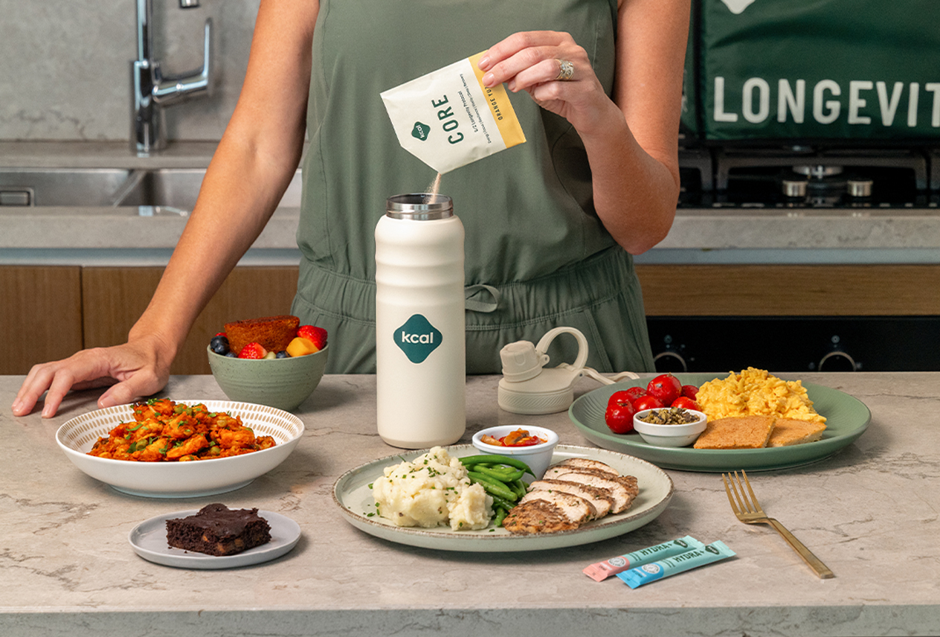
This establishes their baseline before beginning the programme. At Week 12, the panel is repeated, allowing clients to compare their results with where they started. The first intake is limited to 50 clients, allowing the Kcal team to work closely with each client throughout the 12 week. Andreas Borgmann, Founder & CEO of Kcal, said: “Food has always been where Kcal starts, but it isn’t where health ends.
What we eat, how we hydrate and the nutrients we give our bodies all work together. Too often, these things are looked at separately. “For me, the important part is being able to measure it. We can all say something is good for you, but I would rather look at the data. That’s why the programme starts with blood work and finishes with blood work. You have a baseline, you follow the programme for 12 weeks, and then you can see what actually changed.”
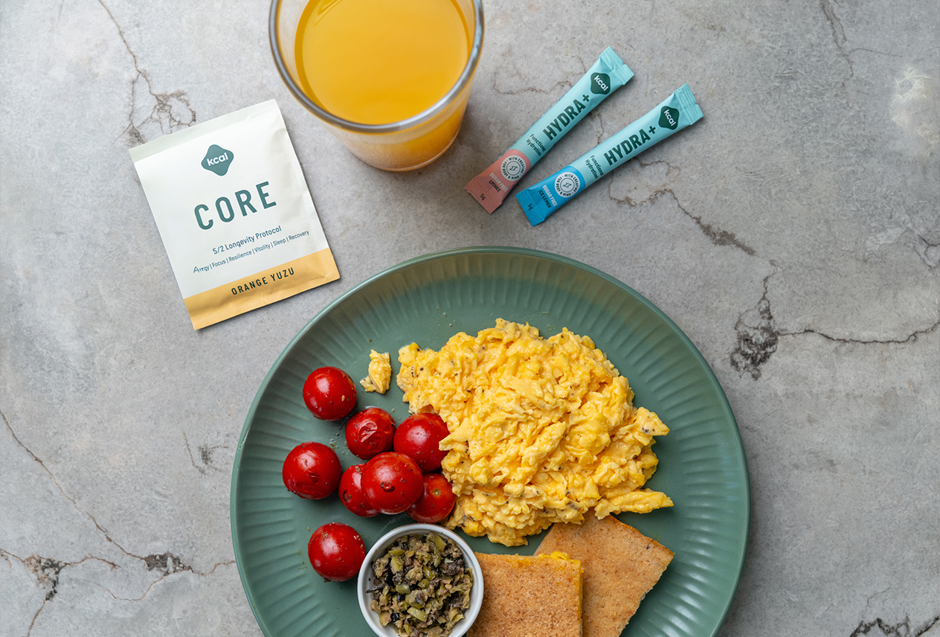
How the 360 longevity programme works
The programme runs Monday to Friday across 12 weeks, giving clients 60 delivery days within a structured 5-on/2-off cycle. It is built around four connected areas: biology, nutrition, hydration and supplementation.
1. Biology
The programme begins with a 26-marker blood panel powered by Unilabs, covering metabolism and blood sugar, cholesterol and cardiovascular health, liver function, vitamins and hormones. Results are reviewed with a dedicated Kcal nutritionist and help inform the client’s programme. At Week 12, the blood panel is repeated under the same conditions, giving clients a direct comparison with their starting results.
2. Nutrition
Clients receive three meals and two snacks daily, built around the Kcal plate: half greens, a quarter protein, with the remaining quarter split between healthy fats and complex carbohydrates. Meals are prepared with olive oil only and contain no additives, preservatives, seed oils or processed ingredients. The men’s programme averages 1,900 kcal and 150g of protein per day. The women’s programme averages 1,500 kcal and 120g of protein per day.
3. Hydration
Kcal Hydra+ provides two sugar-free electrolyte sachets daily, each containing 2g of creatine monohydrate, as part of the programme’s approach to daily hydration.
4. Supplementation
Each 23g sachet contains 38 active ingredients, including NMN, Calcium AKG, spermidine, creatine, Lion’s Mane and collagen, among others. The formula is third-party lab verified and contains no proprietary blends, with every ingredient and every dose listed on the label.
Made for real life
The 360 longevity programme follows a 5-on/2-off structure. Meals, Core and Hydra+ are delivered Monday through Friday, while weekends sit outside the structured programme. During weekends, clients are encouraged to continue the habits that sit behind the programme, including balanced meals, hydration, quality sleep and daily movement.
What clients can expect
A nurse draws the baseline panel at the client’s home or office. Meals begin three days later, informed by the client’s baseline metabolic markers. The full results are reviewed with a dedicated Kcal nutritionist. At Week 12, the process repeats under the same conditions: same panel, same lab, same protocol. Clients then receive a direct comparison against where they started.
Pricing and availability
The women’s programme is AED 233 per day and the men’s programme is AED 250 per day, across 60 days of food over 12 weeks. Payment splits are available through Tabby. Applications for the first 50 places are now open at kcallife.com/longevity.


THE AGENTIC AI ERA: RETHINKING CYBER RISK, GOVERNANCE AND RESILIENCE
REDMI Note 17 Pro 5G first impressions: Big battery, surprisingly little bulk
Nilaa Coral Island Introduces a New Expression of Private Island Living to the Maldives



-
News11 years ago
SENDQUICK (TALARIAX) INTRODUCES SQOOPE – THE BREAKTHROUGH IN MOBILE MESSAGING
-

 Trending11 months ago
OPPO A6 Pro 5G Review: Reliable Daily Driver
-

 Tech News2 years ago
Denodo Bolsters Executive Team by Hiring Christophe Culine as its Chief Revenue Officer
-
 VAR1 year ago
Microsoft Launches New Surface Copilot+ PCs for Business
-

 Automotive2 years ago
AGMC Launches the RIDDARA RD6 High Performance Fully Electric 4×4 Pickup
-
Tech Interviews3 years ago
Navigating the Cybersecurity Landscape in Hybrid Work Environments
-
 Tech News2 years ago
Toshiba Announces MG10-D Series of Enterprise HDDs with Capacities up to 10TB
-

 Tech News1 year ago
Nothing Launches flagship Nothing Phone (3) and Headphone (1) in theme with the Iconic Museum of the Future in Dubai