
 Have a question? +971 56 404 0503




Hospitality
TURNING POST‑TRAVEL DEMAND INTO LASTING HOSPITALITY VALUE


Exclusive interview with Thinus van der Westhuizen – Culinary Director | Ninety Nine SB Investment L.L.C.
How has UAE hospitality capitalized on pent-up travel demand?
The UAE hospitality sector didn’t passively benefit from pent-up travel demand; it strategically positioned itself to capture it early and at scale. By reopening quickly and ensuring seamless entry through simplified visas and strong air connectivity, the country became one of the first accessible global destinations when travel resumed. This allowed it to convert suppressed demand into immediate high occupancy and visitor volumes.
At the same time, the UAE diversified its demand base by balancing leisure tourism with business travel and large-scale events. Conferences, exhibitions, and global events helped sustain momentum beyond the initial leisure surge, supporting year-round performance rather than a short-term spike.
The sector also focused on enhancing experiences, with continuous investment in new hotels, attractions, and luxury offerings. This encouraged repeat visits and increased length of stay, turning demand into deeper engagement rather than just higher footfall.
Importantly, the UAE maintained strong pricing power, capturing higher revenue per visitor without compromising its premium positioning. Combined with coordinated government strategies and global marketing, this approach transformed pent-up demand into sustained growth and long-term competitiveness.
Are travelers’ priorities changing (luxury vs. wellness vs. experiences)?
Yes, within the context of 99 Sushi Bar, traveler priorities are shifting, but in a way that actually reinforces its positioning rather than challenges it.
Luxury at 99 Sushi Bar is already aligned with the new definition of the category. The concept is built around exceptional product quality, refined technique, and highly personalized service, rather than overt opulence. Its philosophy of “respect for the product” and use of premium ingredients like bluefin tuna naturally fits the growing demand for authentic, high-value dining experiences.
At the same time, the rise of experience-led dining works strongly in its favor. The brand blends traditional and contemporary Japanese cuisine, offering both classic and innovative dishes, which keeps the experience dynamic and engaging for repeat guests.
Wellness, while less explicit, is indirectly addressed through quality sourcing, balance, and precision, key elements of Japanese cuisine that resonate with today’s health-conscious diners.
In the UAE market, this convergence means 99 Sushi Bar isn’t adapting to trends, it’s already positioned at the intersection of experiential luxury, quality-driven dining, and meaningful guest engagement, which is exactly where demand is heading.
Are local sourcing and partnerships helping maintain menu quality and pricing stability?
Yes, local sourcing and partnerships are playing an increasingly important role in maintaining both menu quality and pricing stability, particularly in markets like the UAE.
On the quality side, sourcing locally allows restaurants to access fresher ingredients with shorter lead times, which directly improves taste, consistency, and seasonality. It also enables closer collaboration with suppliers, chefs can influence growing practices, secure specific varieties, and ensure more reliable standards compared to relying solely on imports. We at 99 have shifted towards this philosophy years ago encouraging local produce as Dibba bay oysters or UNS for fresh herbs and greenery.
From a pricing perspective, local partnerships help reduce exposure to global supply chain volatility, currency fluctuations, and import costs. While local produce isn’t always cheaper, it offers greater predictability, which is critical for menu engineering and margin control. Long-term agreements with regional suppliers can also lock in pricing or at least smooth out extreme swings.
There’s also a brand and demand advantage. Diners are increasingly responsive to locally sourced ingredients, associating them with sustainability and authenticity, which supports perceived value even if prices are maintained or slightly increased.
Overall, local sourcing doesn’t eliminate cost pressure, but it creates more control, consistency, and resilience, allowing operators to protect both quality and pricing more effectively.
Are chefs innovating with Emirati produce to keep menus dynamic?
Yes, chefs in the UAE are increasingly innovating with Emirati produce, and it’s becoming a key way to keep menus dynamic while reinforcing identity. Our Local produce runs seemlessly throughout the menu, introducing great freshness and bragging rights as ambassadors for the produced sourced locally.
There’s a noticeable shift from relying heavily on imported ingredients to exploring what can be grown locally, from desert herbs and local seafood to dates, camel dairy, and regionally farmed vegetables. What’s interesting is that this isn’t just about tradition, chefs are reinterpreting Emirati ingredients through modern techniques and global influences, creating dishes that feel both rooted and contemporary.
This approach gives menus a natural sense of evolution. Because local produce is often seasonal and still developing in scale and variety, chefs are encouraged to rotate dishes more frequently, experiment with new suppliers, and adapt based on availability. That constant adjustment keeps offerings fresh without needing to reinvent concepts entirely.
There’s also a storytelling element that resonates with diners. Using Emirati produce allows chefs to connect guests more deeply to place, which aligns with the broader demand for meaningful, experience-driven dining.
Ultimately, local innovation isn’t just a creative choice, it’s becoming a strategic tool for differentiation, sustainability, and long-term menu relevance.
What strategies are you using to maintain occupancy and revenue growth?
To maintain occupancy and drive revenue growth, the focus has been on balancing demand diversification with disciplined commercial strategy rather than relying on volume alone.
A key approach is targeting multiple demand segments simultaneously, leisure, corporate, and events, so performance isn’t dependent on one stream. By actively leveraging partnerships, programming, and seasonal campaigns, demand is smoothed across periods that would traditionally see softer occupancy.
At the same time, there’s a strong emphasis on revenue management. Instead of discounting to fill rooms, pricing is dynamically adjusted based on demand patterns, booking windows, and market trends, allowing us to protect rate integrity while still maximizing occupancy.
Another important lever is enhancing the guest experience to drive repeat visitation and longer stays. This includes curated offers, personalized service, and evolving on-property experiences that encourage higher spend per guest rather than just higher footfall.
Finally, collaboration plays a role, working closely with airlines, tourism boards, and local partners helps expand reach and tap into new source markets. Overall, the strategy is about maintaining a premium positioning while being agile enough to capture demand as it shifts.
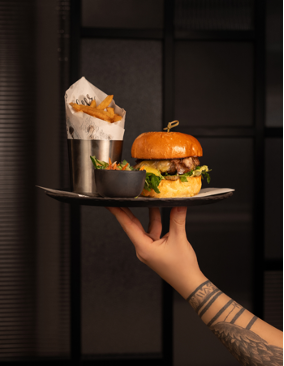
From 25th to 30th May, List Bar presents a special International Burger Week experience, featuring a curated selection of expertly crafted burgers made with premium ingredients, all served in a lively and relaxed setting perfect for social gatherings or unwinding after a long day.
Each burger order is paired with a complimentary pint, adding extra value to this exclusive offering and making it an ideal choice for those looking to enjoy great food in a vibrant atmosphere.
Offer Details
Date: 25th to 30th May | Offer: Buy any burger and enjoy a complimentary pint | Location: List Bar, Al Jaddaf Rotana Suite Hotel
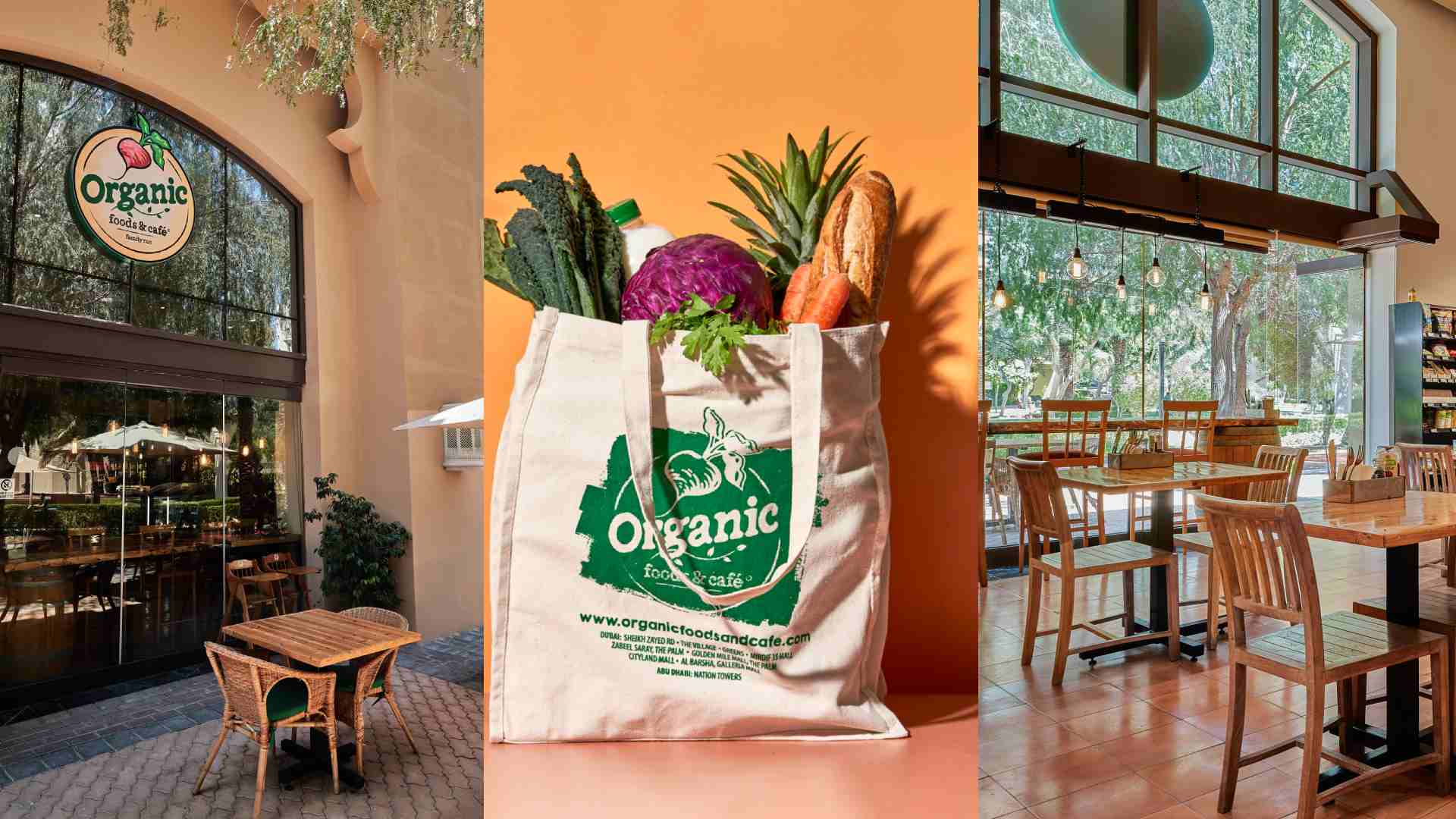
Words by Firas Nasir, CEO of Organic Foods & Café and Co-CIO of the Gulf Japan Food Fund
The most consequential changes in business rarely announce themselves. They accumulate quietly in procurement decisions, in vendor reviews, and in sourcing conversations held far from the shop floor. What is happening inside UAE retail supply chains at the moment is exactly that kind of change. In the past, retailers across all formats built their vendor lists around established global suppliers who could deliver volume, compliance maturity, and operational consistency at scale. Local producers, by contrast, sometimes struggled to meet the benchmarks that major buyers required: reliable cold chain infrastructure, internationally recognised food safety certification, and the capacity to scale supply without compromising on delivery windows.
That gap has narrowed considerably, and the timing matters. Investment in UAE logistics infrastructure, including temperature-controlled warehousing, last-mile refrigerated delivery, and the development of alternative trade corridors, such as the Oman-UAE Green Corridor and the east coast ports of Khorfakkan and Fujairah, has given domestic suppliers a credible and sustainable path to retail shelves that simply did not exist half a decade ago.
The impact is most visible at retailers who made early commitments to domestic sourcing. For instance, Organic Foods and Cafe, which works with over 400 vendor partners across local and global supply chains, has tracked the evolution closely. Over the past four years, the composition of its vendor list has shifted meaningfully, with a clear move toward sourcing from closer geographies. This has improved product availability, reduced transit times, and meaningfully lowered the carbon footprint across key categories. The transitions have been most pronounced in beverages, fresh produce, and dairy, categories where domestic producers have invested seriously in quality and consistency. The products now earning space on shelves reflect genuine operational maturity, not simply a preference for local origin. Organic eggs from Risha Farms in Fujairah and fresh organic milk from Organiliciouz in Sharjah, both now stocked consistently, represent a generation of domestic suppliers that would not have met major retailer requirements a few years ago. Alongside them, homegrown brands, including ME Kombucha, Pure Harvest, Humantra, Nothing Silly, and Shake Your Plants, are finding sustained footing in channels that once defaulted to international names as a matter of course.
The broader retail sector is also responding. The Make it in the Emirates initiative, a government-led effort to boost domestic manufacturing and industrial investment initiative, has added meaningful policy weight to what was already becoming commercial common sense, with approved vendor lists across the industry being reviewed through a lens of supply chain resilience rather than simple cost optimisation. That recalibration has been sharpened further by recent events. Retailers who have already embedded local sourcing into their models have proved markedly better positioned to absorb the shock. Alternative freight channels were activated where necessary, but the businesses least exposed were those that had built domestic supplier relationships before disruption made it urgent.
Of course, challenges still remain. The shortage of organically certified local producers is a persistent gap, and the expectation from retailers has not softened, with domestic suppliers held to the same delivery, safety, and scalability standards as their international counterparts. But the pipeline of producers meeting that bar is growing, and the commercial argument has become difficult to dismiss. Faster turnaround, extended shelf life on domestic fresh goods, and meaningful resilience against freight volatility now outweigh the scale advantages that international suppliers once held unchallenged.
The restructuring of UAE retail around homegrown brands was already underway but the current geopolitical situation has expedited it to a new level. It is now being driven by hard commercial experience, enabled by maturing infrastructure, and supported by national policy. And the businesses that recognise it for what it is – a fundamental supply chain shift, not a sourcing trend – will be the ones who shape what UAE retail looks like in the decade ahead.
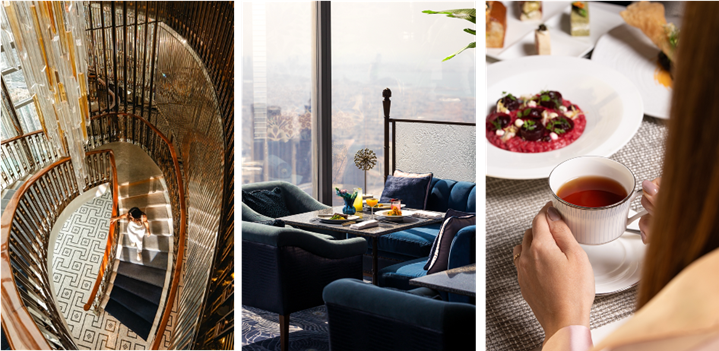
At At.mosphere, guests are welcomed to one of the city’s most coveted tables. High within the Burj Khalifa, dining takes on a rare stillness, with Dubai unfolding far below and the horizon dissolving into sky, creating a sense of scale that feels almost otherworldly.
At AED 155, the day moves through four distinct moments from morning to evening. No matter the hour, there’s a moment that fits.
Sunrise in the Sky – Breakfast
A slow start above the city with two organic eggs your style or fluffy pancakes with raspberry jam and vanilla Chantilly, alongside coffee as Dubai wakes beneath you.
Time: 8:00 am to 11:30 am
Business Lunch
A midday selection featuring roasted sea bream with black Venere rice or slow-cooked beef cheek with potato purée, finishing on something light.
Time: 12:30 pm to 3:00 pm
Afternoon Tea
Delicate sandwiches, warm English scones with jam and artisanal cream, and classic pastries served as the light shifts across the skyline.
Time: 2:30 pm to 3:00 pm
Golden Hour – Cocktails and Bites
Golden hour takes over with signature cocktails, curated bites, and a skyline that naturally draws you in.
Time: 5:00 pm to 8:00 pm

A Flavour-Packed International Burger Week at List Bar
THE GCC IS SHAPING DEPLOYMENT OF MOBILITY TECHNOLOGY AT SCALE

FROM FARM TO SHELF: THE CASE FOR SOURCING CLOSER TO HOME



-
News11 years ago
SENDQUICK (TALARIAX) INTRODUCES SQOOPE – THE BREAKTHROUGH IN MOBILE MESSAGING
-

 Tech News2 years ago
Denodo Bolsters Executive Team by Hiring Christophe Culine as its Chief Revenue Officer
-

 Trending7 months ago
OPPO A6 Pro 5G Review: Reliable Daily Driver
-
 VAR1 year ago
Microsoft Launches New Surface Copilot+ PCs for Business
-
Tech Interviews2 years ago
Navigating the Cybersecurity Landscape in Hybrid Work Environments
-

 Automotive2 years ago
AGMC Launches the RIDDARA RD6 High Performance Fully Electric 4×4 Pickup
-

 Tech News10 months ago
Nothing Launches flagship Nothing Phone (3) and Headphone (1) in theme with the Iconic Museum of the Future in Dubai
-

 VAR2 years ago
Samsung Galaxy Z Fold6 vs Google Pixel 9 Pro Fold: Clash Of The Folding Phenoms