
 Have a question? +971 56 404 0503




Hospitality
In a boost to Dubai’s GDP, DXB sets record with 44.9 million guests in first half


Dubai International (DXB) has raised the bar on its contribution to Dubai’s economy by welcoming a record 44.9 million guests during the first six months of this year.
Marking an 8% year-on-year increase in guests, DXB has established its position as a globally preferred gateway, boosted by strong connectivity with key international markets, while reaffirming its central role in supporting Dubai’s economic growth.
Dubai attracted 9.31 million international visitors in H1 2024, reflecting its burgeoning appeal as a global hub for talent, enterprises, and investors. These figures, recently released by Dubai’s Department of Economy and Tourism, tie in closely with the growth of Dubai’s GDP, which reached AED 115 billion in Q1 2024, up 3.2% from the previous year.
Paul Griffiths, CEO of Dubai Airports, commented, “The record-breaking performance in the first half of this year highlights our strategic importance as a global aviation hub. Dubai is at the forefront of global cities when it comes to attracting talent, businesses, and tourists from around the world, and we are proud to be the gateway to the city, driving growth and enhancing the airport experience for every guest. Strong demand from key source markets such as India and the gradual but certain resurgence of markets such as China, have been instrumental in our success. We have a very optimistic outlook for the remainder of the year, and we are on track to break records with 91.8 million annual guests forecasted for 2024.”
Established and growing markets
The size and significance of DXB’s established and growing markets including South Asia, Western Europe, the GCC, and East Asia has played a crucial role in the airport’s continued success. In the first half of 2024, India remains DXB’s top destination country with 6.1 million passengers, while traffic from China exceeded 1 million passengers, representing 80% year-on-year growth and a 90% recovery compared to 2019 levels.
DXB’s top destination countries after India are Saudi Arabia with 3.7 million guests, the United Kingdom with 2.9 million guests and Pakistan with 2.3 million guests. Other significant markets include the United States (1.7 million guests), Russia (1.3 million), and Germany (1.3 million). The top three city destinations were London with 1.8 million guests, Riyadh (1.6 million), and Mumbai (1.2 million).
DXB is connected to 269 destinations across 106 countries, served by 101 international airlines, reinforcing Dubai’s position as a leading global business and logistics hub.
Key figures
The total number of flight movements reached 216,000, a 7.2% increase compared to the first six months of last year. The busiest month was January with 7.9 million guests.
DXB efficiently managed 39.7 million bags in the first half of the year, a 6.7% year-on-year increase, marking the highest-ever baggage volume handled in the first half of the year. Highlighting the airport’s commitment to operational excellence, impressively, 92% of all arriving baggage was delivered to guests terminating at DXB within 45 minutes of the aircraft arriving on stand.
The average number of guests per aircraft movement was 213, and the load factor remained steady at 77% compared to H1 2023. Direct traffic accounted for 56% of the total, witnessing a slight increase, while transfer traffic comprised 44%.
Meanwhile, during the second quarter of 2024, the airport saw 21.8 million guests, an increase of 7.5% compared to the same period last year and total movements were recorded at 107,000.
Enhancing the guest experience
As part of Dubai Airports’ continuous efforts to enhance the guest experience, with a focus on operational excellence and seamless travel experiences, new developments will be rolled out in the coming months. These include colour-coded car parks for easier navigation, a new signature aroma in Al Majlis to create a welcoming atmosphere befitting the VIP facility, and an advanced queue management system.
The real-time monitoring system used at DXB helps the airport anticipate and prevent queues from building up across touchpoints, ensuring a smoother and more efficient journey for all guests. During H1, 98% of guests experienced less than 10 minutes of wait times at departure passport control and the same percentage waited less than 15 minutes at arrivals passport control. 95% of guests at departure security screening waited less than three minutes.











Hospitality
Terrace Dining, Oktoberfest, and Beach Days Return to InterContinental Abu Dhabi This October
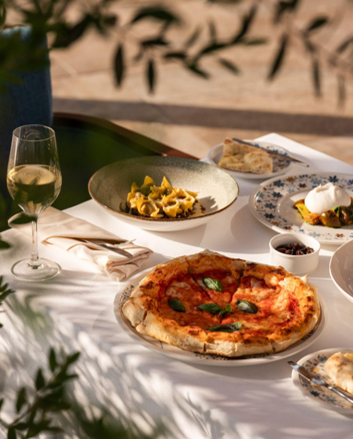
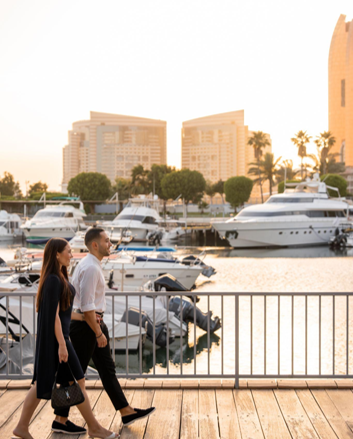
With cooler days and balmy evenings returning to the capital, October brings a welcome change of pace at InterContinental Abu Dhabi Hotel & Residences. From leisurely afternoons by the water to al fresco dining and relaxing staycations, the waterfront destination offers plenty of reasons to make the most of Abu Dhabi’s beautiful autumn weather.
At Bayshore Beach Club, sun-filled days are best spent between the pool and private beach, with day passes, private cabanas and spa treatments offering different ways to unwind. As evening falls, the terrace at Byblos Sur Mer welcomes guests back for Lebanese dining, marina views, and live entertainment. Elsewhere, the new Chamas Series brings Brazilian flavours, churrasco, and lively entertainment to the weekly calendar, while Belgian Café joins the Oktoberfest festivities with ten days of hearty food, beers, and live music. Adding to the line-up, Porto Gina reopens on 15 October, welcoming guests back for Italian favourites and relaxed dining by the marina.
For those looking to extend their time by the water, a family-friendly staycation offers comfortable accommodation, dining, and beach club access, making InterContinental Abu Dhabi Hotel & Residences an inviting address for a leisurely October break.
Belgian Café
A little Bavarian cheer is coming to Belgian Café at InterContinental Abu Dhabi as the popular Oktoberfest celebrations return from 16 to 25 October. For ten days, the much-loved venue will embrace the festivities with hearty food, flowing beers, and live entertainment, bringing a taste of Munich’s famous celebration to the capital.
A special Oktoberfest menu will feature hearty favourites and generous sharing dishes, best enjoyed alongside Belgian Café’s extensive beer selection. Live entertainment on selected evenings will add to the festive atmosphere, making it a lively spot to gather with friends and raise a glass.
The celebrations run alongside Belgian Café’s popular weekly offers, from All-day Mussels on Tuesdays to Burger & Brew on Thursdays and a traditional Sunday Roast, giving regulars and newcomers plenty of reasons to pull up a chair throughout October.
All-Day Mussels
Date: Every Tuesday, all day.
Price: AED 95 for two pots of mussels.
Burger & Brew
Date: Every Thursday, all day.
Price: AED 95 per person for a burger and a pint of Stella.
Sunday Roast
Date: Every Sunday, 1pm to 5pm.
Price: From AED 95 per person for a traditional Sunday Roast served with Yorkshire pudding, mashed potato, and sautéed vegetables.
Oktoberfest
Date: 16 to 25 October, with live entertainment in the evenings.
Price: À la carte.
Bistro 81 at InterContinental Residences Abu Dhabi
A new addition to Abu Dhabi’s dining scene, Bistro 81 at InterContinental Residences Abu Dhabi brings the charm of a Mediterranean brasserie to the capital. Relaxed yet refined, the restaurant celebrates seasonal flavours, sharing-style dishes and the pleasure of good food enjoyed in equally good company.
From leisurely breakfasts and morning coffee to Mediterranean-inspired lunches and elegant dinners, Bistro 81 moves naturally through the day. With contemporary interiors, warm hospitality, and an inviting atmosphere, it’s a welcome new address for residents and visitors looking to settle in over a meal, catch up with friends, or enjoy an unhurried evening.
Byblos Sur Mer
Overlooking the private marina at InterContinental Abu Dhabi, the four-time MICHELIN-selected Lebanese restaurant brings together authentic Lebanese cuisine, warm hospitality, and live entertainment in a beautiful waterfront setting.
The weekly line-up offers plenty of reasons to visit, from a three-course Business Lunch and daily Happy Hour with 50% off beverages to Layali Byblos on Friday and Saturday evenings, where live singers, music and belly dancing accompany a four-course menu. Sundays bring Brunch Al Lubnani, a leisurely four-course Lebanese feast with live entertainment.
Adding to the October calendar, celebrated singer Sobih Tawfiq takes to the stage on 31 October for a special performance, promising an evening of Lebanese food, music and marina views.
Business Lunch
Date: Monday to Friday, 12.30pm to 4.30pm.
Happy Hour
Date: Daily, 4pm to 7pm.
Brunch Al Lebnani
Date: Every Sunday from 1pm, with live entertainment from 2pm to 6pm.
Sobhi Tawfiq Live Performance
Date: Saturday, 31 October, 10.30pm to 2.30am.
For reservations or further information, call 050 721 1079.
Chamas
The unmistakable energy of Brazil takes centre stage at Chamas Churrascaria, where flame-grilled meats, handcrafted cocktails, and live entertainment set the tone for lively evenings. At the heart of it all is the traditional churrasco ritual: Passadores carve 12 premium cuts tableside, paired with a generous gourmet salad selection.
The newly introduced Chamas Series gives each evening its own character. Wednesdays bring Churrasco & Caipirinha Night, pairing flame-grilled cuts with refreshing Brazilian cocktails, while Thursdays take a more leisurely turn with Vinho & Churrasco, celebrating the pairing of grilled meats and wine. Fridays turn up the energy with a Carnival-inspired evening of samba dancers, live percussion, and Latin rhythms, bringing the excitement of Brazil’s famous celebrations to the restaurant alongside its signature churras co dining.
The entertainment continues throughout the week, with live singers from Wednesday to Saturday, 7.30pm to 10pm, and Chamas After Dark DJs every Friday and Saturday from 10pm to 1 am.
12-Cut Churrasco Experience
Date: Tuesday to Sunday, from 6pm.
Price: AED 260 per person for 12 premium cuts and a gourmet salad selection.
Evening Bites
Date: Daily, from 5pm.
Price: From AED 65 per dish.
Churrasco & Caipirinha Night
Date: Every Wednesday, 6pm to 11pm, with live entertainment from 7pm to 10pm.
Price: AED 260 per person, including 12 premium cuts, a gourmet salad selection, and one carafe of Caipirinha.
Vinho & Churrasco
Date: Every Thursday, 6pm to 11pm, with live entertainment from 7pm to 10pm.
Price: AED 260 per person for 12 premium cuts and a gourmet salad selection, and 50% off bottled wines.
Friday Samba
Date: Every Friday, 6pm to 11pm, with live entertainment from 7pm to 10pm.
Price: AED 260 per person for 12 premium cuts and a gourmet salad selection.
Chamas After Dark
Date: Every Friday and Saturday, 10pm to 1am, with DJ
Price: À la carte
Fishmarket
An Abu Dhabi institution since 1989, Fishmarket at InterContinental Abu Dhabi has welcomed generations of diners with its distinctive market-to-table approach to seafood. This October, rediscover the charm of this much-loved waterfront restaurant, where there is no set menu, and every meal is a matter of personal taste. Browse the impressive display of fresh fish, seafood and vegetables, choose your favourites and leave Chef Sawai and his team to prepare them just the way you like. A new selection of rice and noodle dishes adds further variety to a dining tradition that has stood the test of time.
Fresh Seafood Selection
Date: Daily, noon to 11pm.
Price: À la carte
Porto Gina
A little slice of Italy returns to the Abu Dhabi waterfront as Porto Gina reopens on 15 October, welcoming guests back with a refreshed menu, familiar Italian hospitality and a relaxed setting overlooking the marina at InterContinental Abu Dhabi.
The new menu brings together Italian favourites, beautifully prepared classics and new dishes worth discovering, setting the scene for leisurely dinners by the water. For those who enjoy the Italian tradition of aperitivo, L’Ora Italiana offers another reason to settle in, pairing an aperitivo board with two glasses of Spritz for a relaxed start to the evening.
L’Ora Italiana
Date: Daily, 5pm to 8pm.
Bayshore Beach Club
With October bringing the return of beautiful weather to Abu Dhabi, Bayshore Beach Club at InterContinental Abu Dhabi is an inviting place to spend a day by the water. Set along a private stretch of beach, the club offers the choice of a refreshing dip in the pool, a leisurely afternoon by the sea, or a long lunch with drinks in the sunshine. The Bayshore Day Pass makes it all the more appealing, with food and beverage credit included to enjoy throughout the day. On Saturdays, DJ Mary adds to the atmosphere with poolside music from 2pm to 5pm.
For those who prefer a little more privacy, the cabanas provide a dedicated space to settle in for the day, while a two-hour spa treatment offers another way to unwind, combining a 90-minute massage with a choice of a 30-minute facial or body scrub.
Day Pass
Date: Daily, from 8am to 8pm
Private Cabana
Date: Daily, from 8am to 8pm
Massage Offer
Date: Daily, 10am to 10pm.
InterContinental Abu Dhabi Staycation Offers
With its private beach, waterfront dining and inviting pools, InterContinental Abu Dhabi offers plenty of reasons to turn a day out into a relaxing staycation this October. Whether planning a family break, a weekend with friends, or a few days enjoying the capital’s beautiful autumn weather, two stay offers make it even more appealing.
The Family Getaway offers 50% off a second room when booking any room category, giving families and friends more space to enjoy their time together, with access to Bayshore Beach Club included. For those who prefer everything taken care of, the All-Inclusive Staycation combines an overnight stay with dining and selected alcoholic and non-alcoholic beverages across participating venues, plus full access to Bayshore. Designed for two adults and two children, the package also includes complimentary accommodation and dining for children under 12.
Hospitality
Form Room welcomes new JVC residents with a complimentary coffee and exclusive discounts
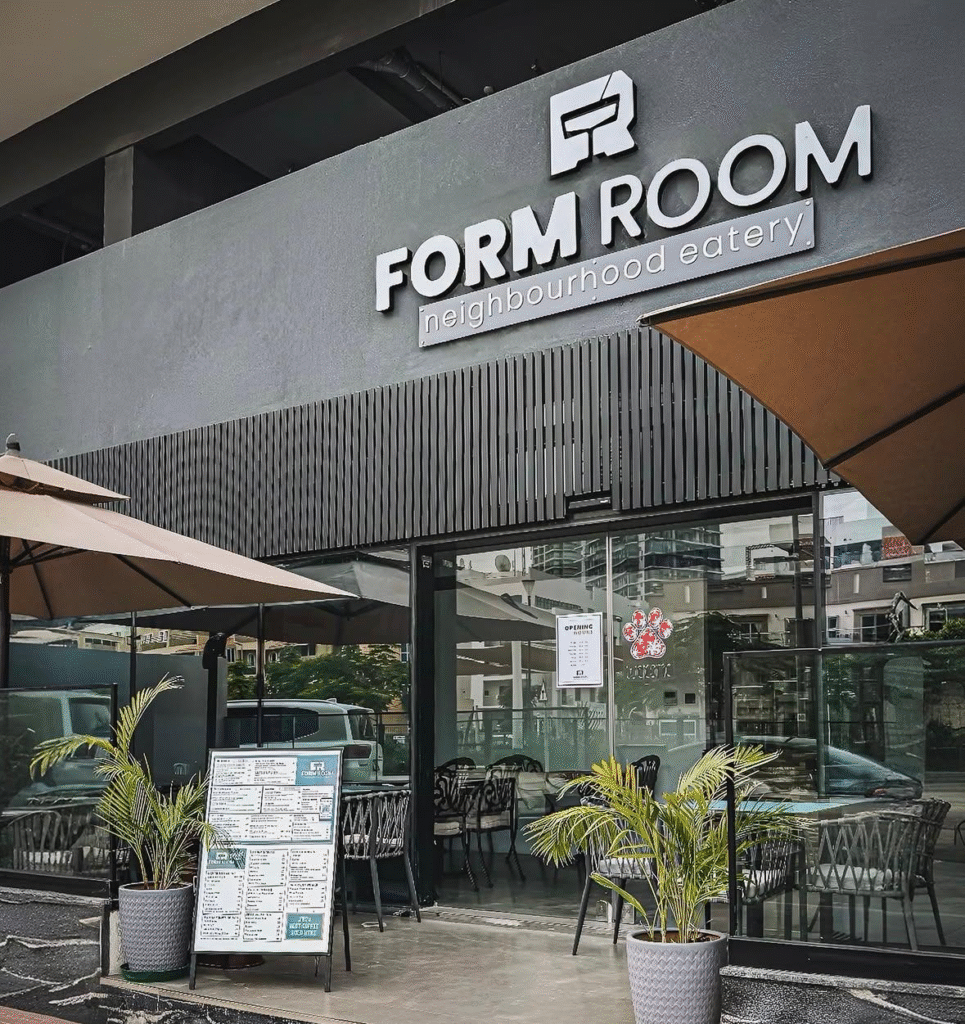
Moving into a new neighbourhood is all about discovering the places that soon become a part of your everyday routine. From finding your go-to coffee order to choosing a favourite spot for a casual catch-up, these little discoveries help a new place feel like home. To welcome new residents to Jumeirah Village Circle (JVC), Form Room is introducing a special offer designed to make those first neighbourhood moments even better.
The playful pet-friendly Aussie café and neighbourhood eatery is offering eligible new JVC residents a complimentary coffee from its espresso menu on their first visit, followed by 15% off the espresso menu on their second and third visits. Available to residents across JVC, the initiative reflects Form Room’s community-focused approach – encouraging newcomers to stop by, get acquainted with the café and make it part of their local routine.
To redeem the offer, residents must present a valid tenancy contract confirming their JVC address, alongside a valid Emirates ID for verification. Once their complimentary coffee has been redeemed, they will receive a Form Room loyalty card, which can be used to claim 15% off the espresso menu on their next two visits. Both subsequent visits must take place within 15 days of the first visit, and the loyalty card must be presented each time.
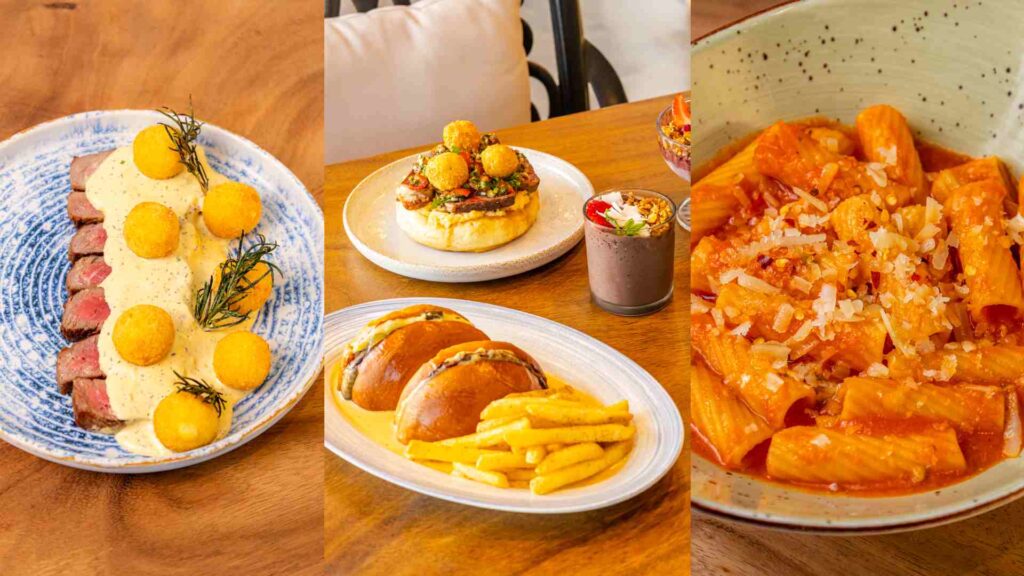
Form Room brings Australian café culture to JVC, combining specialty coffee with all-day dining in a welcoming neighbourhood setting. Inspired by the nostalgia of a school lunch table, the café centres its menu around hearty sandwiches, alongside a selection of food and drinks designed for everything from a quick coffee stop to a relaxed meal with friends.
With its pet-friendly indoor and outdoor spaces, Form Room offers a laid-back setting for residents to connect, unwind and enjoy good food and good company. The new resident offer builds on this neighbourhood spirit, giving those who have recently moved to JVC a reason to discover a local favourite while settling into their new surroundings.
Whether stopping in for a morning coffee, a quick break during the day or meeting someone new in the neighbourhood, Form Room invites JVC’s newest residents to pull up a seat and feel at home.
Hospitality
Cambridge Health Group partners with Abu Dhabi Hospitality Academy – Les Roches to embed hospitality excellence across its regional healthcare network
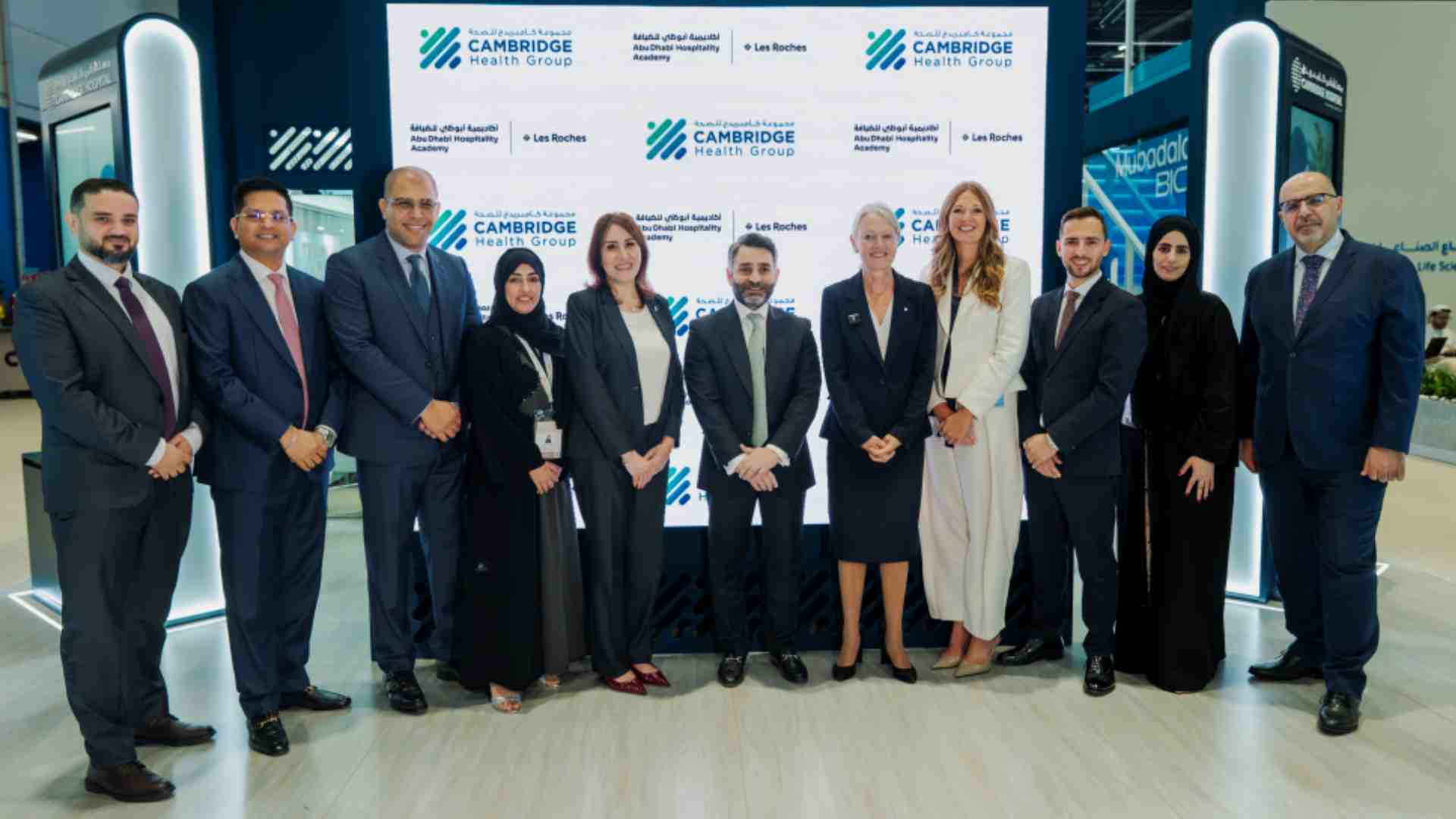
Cambridge Health Group (CHG), the GCC’s leading post-acute care provider and a subsidiary of Amanat Holdings PJSC (“Amanat”), announced the signing of a Memorandum of Understanding (MoU) with Abu Dhabi Hospitality Academy – Les Roches (“the Academy”) at the Abu Dhabi Future Health Summit 2026. The collaboration aims to bring hospitality expertise into healthcare delivery through tailored workforce training and service standards designed to improve the experience of patients, families and visitors across CHG’s facilities in the United Arab Emirates and the Kingdom of Saudi Arabia.
The partnership brings together CHG’s experience in post-acute care, rehabilitation and long-term care with the expertise of Abu Dhabi Hospitality Academy – Les Roches, which is part of Les Roches Global Hospitality Education – ranked second in the world for Hospitality & Leisure Management in the 2026 QS World University Rankings by Subject. By applying hospitality principles to healthcare environments, the collaboration will explore how to strengthen the skills, processes, and service practices that shape everyday interactions with patients and their families while supporting a consistent, personalised experience of care as CHG expands its regional network.
The collaboration will begin with on-site assessments of hospitality-related service standards and practices across CHG’s hospitals in the United Arab Emirates and the Kingdom of Saudi Arabia. This will guide the development of bespoke training streams: a Leadership Development Programme for management and leadership teams; a Frontline Hospitality Excellence Programme for employees in patient experience, customer service, call centres and other relevant functions; and a Train-the-Trainer (TOT) Programme to develop internal champions who can deliver training and reinforce standards across the wider workforce. The Academy will design and deliver the programmes, drawing on its faculty and industry experts.
Through a phased rollout, the initiative aims to extend hospitality training to full-time employees and outsourced staff, while integrating service excellence standards into the onboarding of new team members. The approach is designed to build sustainable internal capabilities and promote consistent, compassionate and responsive experiences for patients and their families across CHG’s facilities.
Wael Abdallah, Group Chief Executive Officer of Cambridge Health Group, said: “At Cambridge Health Group, we have built a regional healthcare network recognised for both the quality of our clinical care and our commitment to delivering an exceptional experience for patients and their families. Maintaining and advancing these standards requires continued investment in our people and a strong culture of service excellence. Our partnership with Abu Dhabi Hospitality Academy – Les Roches builds on this foundation, bringing hospitality expertise into our healthcare environment to further elevate the standards of care, compassion and service across our expanding network.”
Georgette Davey, Managing Director, Abu Dhabi Hospitality Academy – Les Roches, said: “We are delighted to formalise our partnership with Cambridge Health Group, marking an important step in extending the Academy’s reach beyond traditional hospitality and building closer ties with the healthcare sector. Hospitality and healthcare may serve different purposes, but both place people at the centre of the experience. Through knowledge exchange and practical collaboration, we look forward to applying hospitality expertise in a new context and supporting a more personalised, compassionate patient experience.”
Beyond training and service development, the MoU also establishes a framework for thought leadership, applied industry engagement and knowledge sharing between the two organisations. This includes opportunities for senior leaders and subject-matter experts to participate in guest lectures, joint industry projects, case studies, industry discussions, selected events and forums, encouraging the exchange of expertise and best practices between the healthcare and hospitality sectors. Specific initiatives under the collaboration will be developed and implemented subject to separate written agreements between the two organisations.


Submer to Address the Infrastructure Challenges Behind Sovereign AI at DCD Connect | MENA 2026
Terrace Dining, Oktoberfest, and Beach Days Return to InterContinental Abu Dhabi This October

THE STORIES BEHIND THE MATERIALS SHAPING UAE INTERIORS



-

 Trending12 months ago
OPPO A6 Pro 5G Review: Reliable Daily Driver
-

 Tech News2 years ago
Denodo Bolsters Executive Team by Hiring Christophe Culine as its Chief Revenue Officer
-
 VAR2 years ago
Microsoft Launches New Surface Copilot+ PCs for Business
-

 Automotive2 years ago
AGMC Launches the RIDDARA RD6 High Performance Fully Electric 4×4 Pickup
-
Tech Interviews3 years ago
Navigating the Cybersecurity Landscape in Hybrid Work Environments
-

 Hospitality2 years ago
Gulfood 2025 30th Edition Kicks Off Today, Setting New Benchmarks in F&B Growth and Innovation
-

 VAR11 months ago
Huawei Nova 14 Pro Review: Where Camera Excellence Meets Ecosystem Evolution
-

 Tech News1 year ago
Nothing Launches flagship Nothing Phone (3) and Headphone (1) in theme with the Iconic Museum of the Future in Dubai